Tulsa, OK - 24/7 Emergency Service
24/7 Water Damage Cleanup Tulsa OK
Pipes burst at 2 AM. Water heaters fail on holiday weekends. Storms arrive at night. Round-the-clock cleanup exists because the damage clock never sleeps, so neither does dispatch.
- Real dispatch at night, on weekends, and holidays
- Stabilization on the first visit: stop, extract, dry
- Clear after-hours scope explained before work starts
- Tulsa metro coverage with honest arrival windows
Every hour standing water sits, it wicks further into drywall, flooring, and framing. Fast extraction and measured drying are what save materials in the end.
Why Water Damage Cleanup Is a Round-the-Clock Trade
Most home emergencies keep office hours poorly, and water is the worst offender. Supply lines let go under full pressure whenever corrosion or a freeze finishes its work, which is as likely at midnight as at noon. Appliances fail at the end of long cycles, often overnight. Tulsa storms prefer the evening and overnight hours in spring, and ice storms cut power and heat whenever they please. A cleanup service that starts Monday morning is, for a large share of real losses, a service that starts two mold-days too late.
The arithmetic is unforgiving. In the first hours, water spreads and wicks. By 24 hours, in Tulsa warmth and humidity, it has saturated assemblies that were dry at the surface and microbial growth has its conditions. By a weekend of waiting, a Category 1 leak can degrade, hardwood can cup, and a drying job becomes a removal job. The entire economic case for 24/7 cleanup is that night-one stabilization, extraction plus drying setup, costs a fraction of the demolition and remediation that waiting buys.
What Round-the-Clock Service Actually Looks Like
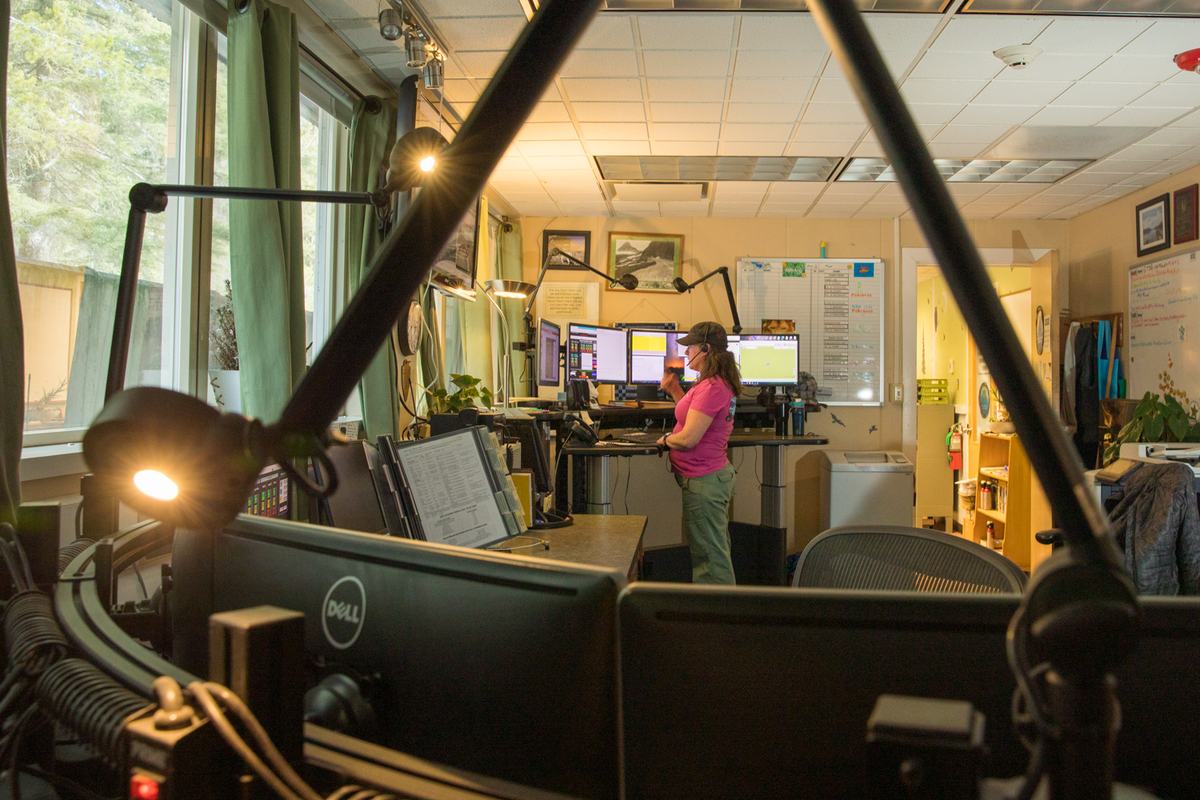
Real 24/7 service is a system, not a slogan. It starts with a dispatcher who answers, triages safety, and talks you through the shutoff while a crew is assigned. It includes crews equipped for night work: extraction capacity, lighting, protective equipment for Category 3 calls, and the meters to log baseline readings in the dark. It ends the first visit with the loss stabilized, water stopped, standing water out, drying running, hazards controlled, and the plan for the next days explained before anyone leaves.
It also includes honesty about the parts that wait. Cosmetic decisions, full repair scopes, and adjuster negotiations belong to daylight and documentation. What never waits is the clock-stopping work. When you evaluate any company advertising 24/7 service, ask what the first visit includes, who answers the phone, and what arrival window is realistic for your part of the Tulsa metro tonight. Specific answers are the sign of a real operation.
After-Hours Losses Across the Tulsa Metro
Night calls follow patterns Tulsa residents will recognize. The ice storm freeze: power out, house cold, pipes splitting in attics and crawl spaces from Jenks to Owasso, discovered as ceilings raining at thaw. The overnight appliance failure: a washing machine or water heater in Broken Arrow or Bixby running water for hours into slab floors. The storm night: wind-driven rain through a damaged roof in Sand Springs, a sump pump overwhelmed in a Midtown basement, a sewer line backing up somewhere in Tulsa proper after inches of Green Country rain.
Coverage is organized around the metro for that reason. Dispatch assigns the closest available crew and states the arrival window plainly, including when storm conditions slow every vehicle in the county. After-hours commercial calls join the same system: a restaurant in Downtown Tulsa or a clinic in South Tulsa with water on the floor at closing time gets stabilization that night and a phased drying plan before morning, not a callback queue.
How the Work Proceeds, Step by Step
1. Call answered, safety triage first
You get shutoff guidance, electrical safety checks, and a clear picture of what to do, and not do, before the crew arrives.
2. Crew dispatched with an honest window
The closest available crew is assigned for your part of the Tulsa metro, with timing that accounts for distance and storm conditions.
3. Source stopped and hazards controlled
Active water is confirmed off, electrical and sewage hazards are controlled, and unsafe areas are closed off before cleanup begins.
4. Extraction and contents protection
Standing water is removed, belongings are moved or protected, and unsalvageable saturated material is identified and documented.
5. Drying running before we leave
Air movers and dehumidifiers are set from baseline moisture readings, so the structure is actively drying from night one, with monitoring scheduled.
After-Hours Pricing, Explained Straight
Homeowners reasonably worry that a 2 AM emergency means an unlimited bill. The safeguard is scope discipline. The first visit has a defined job: stabilize, extract, set drying, document. Before that work starts, you should hear what it includes and what it costs under the company after-hours terms, and any decision beyond stabilization should wait for a written scope in daylight. Keep the paperwork from night one; insurers reimburse reasonable emergency mitigation, and the photo and moisture record from the first visit is the backbone of the claim.
Compare offers carefully. A suspiciously cheap night quote usually means a mop and a promise, with the wet wall cavities left for a much larger bill later. Proper stabilization, truck-mounted extraction, professional dehumidification, antimicrobial care where the category requires it, and logged readings, is real work with real equipment. Pay for the clock being stopped, verify the readings that prove it, and let repairs be quoted in daylight with a dry structure and a complete file.
Be Ready Before the Night You Need Us
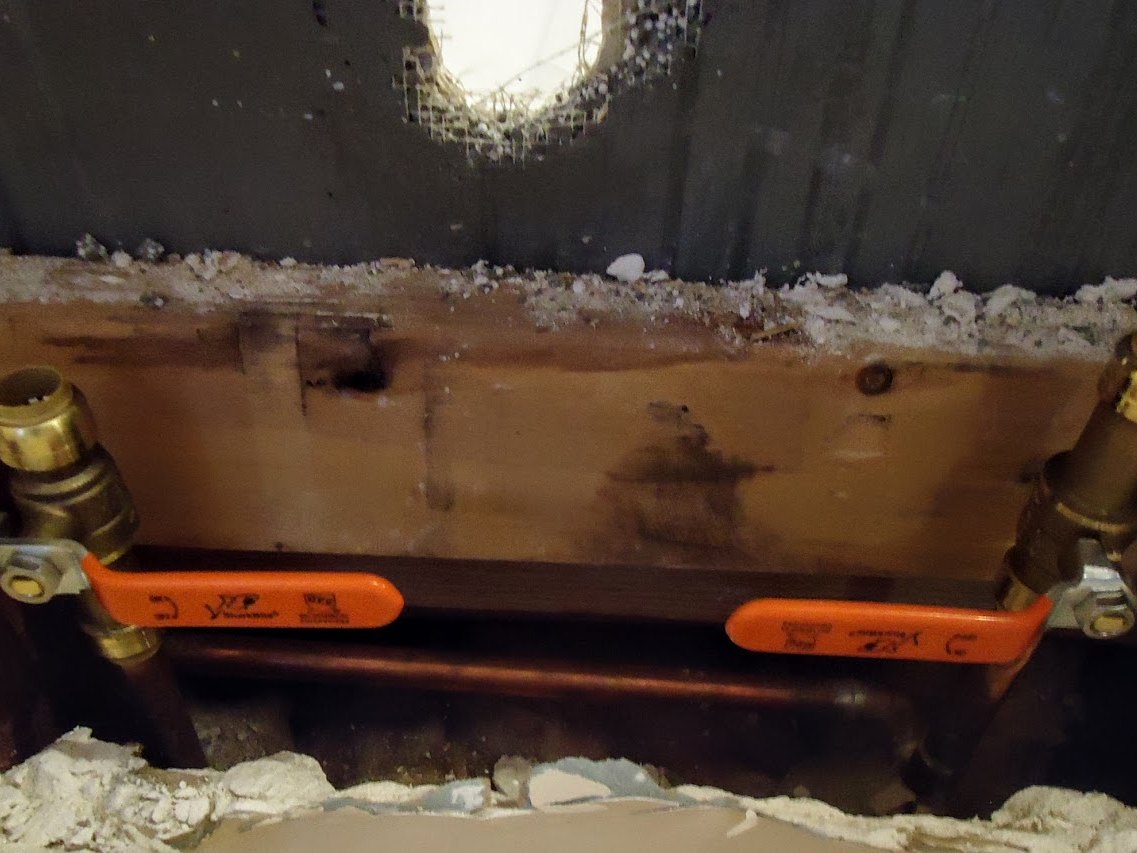
Five minutes of preparation beats any emergency plan written during a flood. Find your main water shutoff today and make sure it turns. Photograph where appliance shutoffs live: water heater, washing machine, toilets, and sinks. Keep the number for this service with your other emergency contacts, and know your insurer claim line as well. If your home has a basement, test the sump pump before storm season and consider a battery backup, because Tulsa outages and Tulsa downpours so often arrive together.
When the night comes anyway, your sequence is short: safety, shutoff, photos, call. Everything after that is our job, at whatever hour the clock says. That is the whole point of 24/7 water damage cleanup in Tulsa: the worst hour of the year of your home should meet a system that was built for it.
Need help in Tulsa right now?
Call (918) 578-1166 for 24/7 water damage cleanup anywhere in Tulsa County. If water is still flowing or sewage is involved, call first and read later.
Related Round-the-Clock Water Damage Services

Return to the water damage restoration Tulsa OK home page for the full process, cause, mold, and insurance pages.
Frequently Asked Questions
Do you really work on weekends and holidays?
Yes. Water damage does not respect business hours, and neither does the damage clock. Dispatch operates nights, weekends, and holidays across the Tulsa metro, because a Friday night pipe burst that waits until Monday is a mold remediation waiting to happen. Call any time and you will reach the dispatch process, not a voicemail box.
What if my water damage happens at 2 AM?
Call at 2 AM. That is exactly when this service exists. The dispatcher will walk you through shutting off the water safely, check for electrical hazards, and dispatch a crew with a realistic arrival window for your area. A loss found at 2 AM and extracted before dawn is a fundamentally smaller loss than the same water found at breakfast, because wicking, swelling, and migration run all night too.
Do you charge more for after-hours water damage cleanup?
Ask directly on the call and expect a direct answer before a crew rolls. After-hours emergency work can carry different rates than scheduled daytime work in this industry, and the scope of a 2 AM stabilization visit is explained up front: what will be done tonight, what it includes, and what decisions wait for daylight. Any company unwilling to explain after-hours pricing before starting is one to avoid.
How far across the Tulsa metro does 24/7 cleanup reach?
Round-the-clock dispatch covers Tulsa and the surrounding Tulsa County and Green Country communities served by this site, including Broken Arrow, Owasso, Jenks, Bixby, Sand Springs, and Sapulpa. Travel time varies by distance and by storm conditions, and the dispatcher will give you an honest window for your town rather than a promise the weather will not let anyone keep.
What happens on the first after-hours visit?
Safety check, source control, extraction, and drying setup, in that order. The crew confirms the water is stopped, controls electrical and contamination hazards, removes standing water, protects contents, and sets drying equipment with baseline moisture readings. Full scope decisions, repairs, and adjuster meetings happen in the following days, but the damage clock is stopped on night one.
One call starts extraction and drying.
Talk to a local Tulsa dispatcher now. You will get clear next steps, a real arrival plan, and documentation from the first visit.