Tulsa, OK - 24/7 Emergency Service
Water Damage Restoration Tulsa OK
When a pipe bursts, a roof leaks, or storm water gets inside, Tulsa homes need more than a mop and a fan. You get emergency extraction, measured structural drying, and honest documentation, from a local team that answers day and night.
- 24/7 emergency response across Tulsa County
- Extraction and drying guided by the IICRC S500 standard
- Daily moisture readings, documented for insurance
- Homes, businesses, basements, and crawl spaces
Water spreads fast in Tulsa humidity. The sooner extraction and drying start, the more flooring, drywall, and belongings can usually be saved.
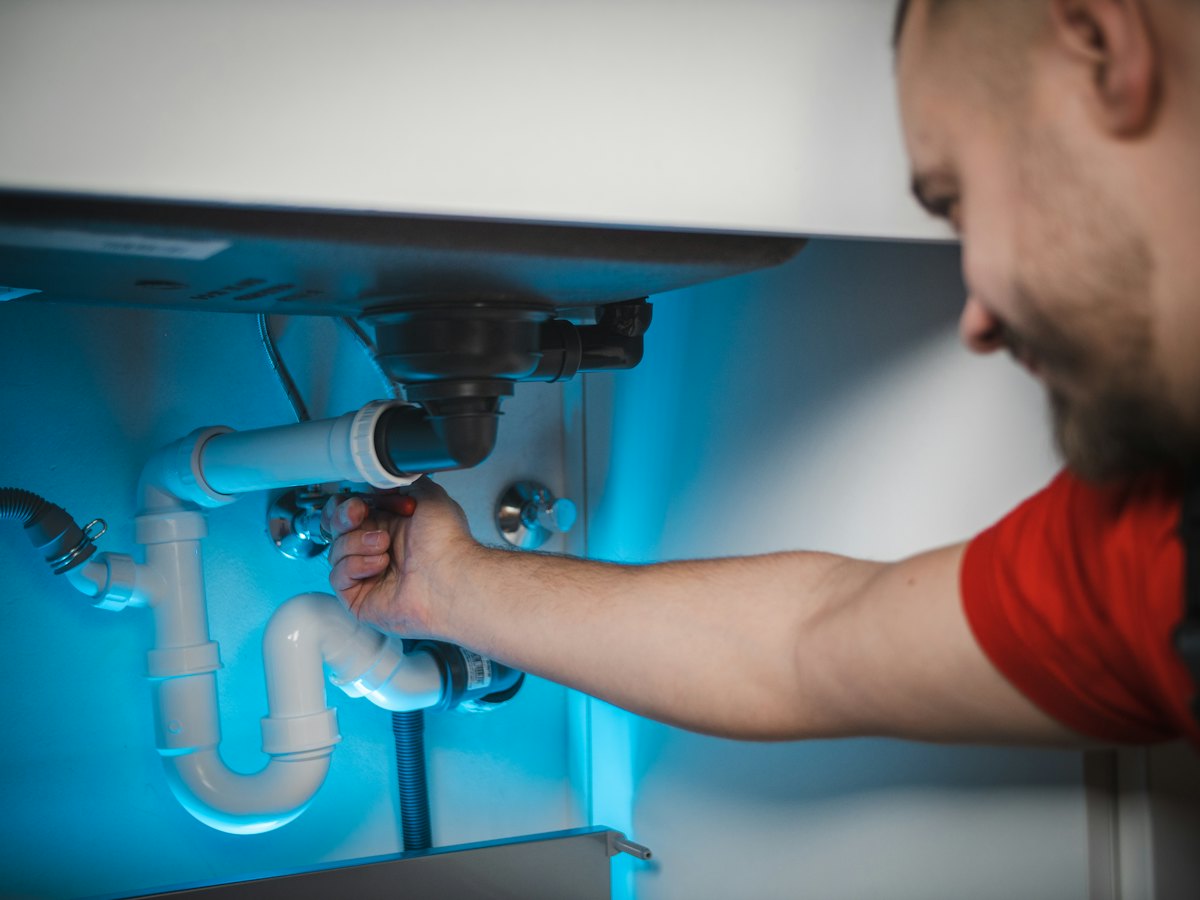
What Water Damage Restoration Actually Involves
Water damage restoration is the disciplined process of making a wet building dry, clean, and safe again, and then proving it with measurements. It is not a single service. It is a sequence: find and stop the source, extract standing water, identify how far moisture has migrated, remove materials that cannot be saved, dry what remains to a defined moisture goal, clean and treat surfaces, and verify the result with instruments. Skip a step, or rush one, and the water you cannot see stays behind to feed mold, swell hardwood, and rot framing.
In Tulsa, Oklahoma, that sequence carries extra weight. Tulsa sits in a humid subtropical climate in the heart of Tornado Alley, in Northeast Oklahoma, a region locals call Green Country. Summer humidity makes a wet wall here dry far more slowly than the same wall in a dry climate. Expansive clay soil under much of Tulsa County swells when wet and shrinks when dry, moving foundations, cracking slabs and basement walls, and opening new paths for water entry every season.
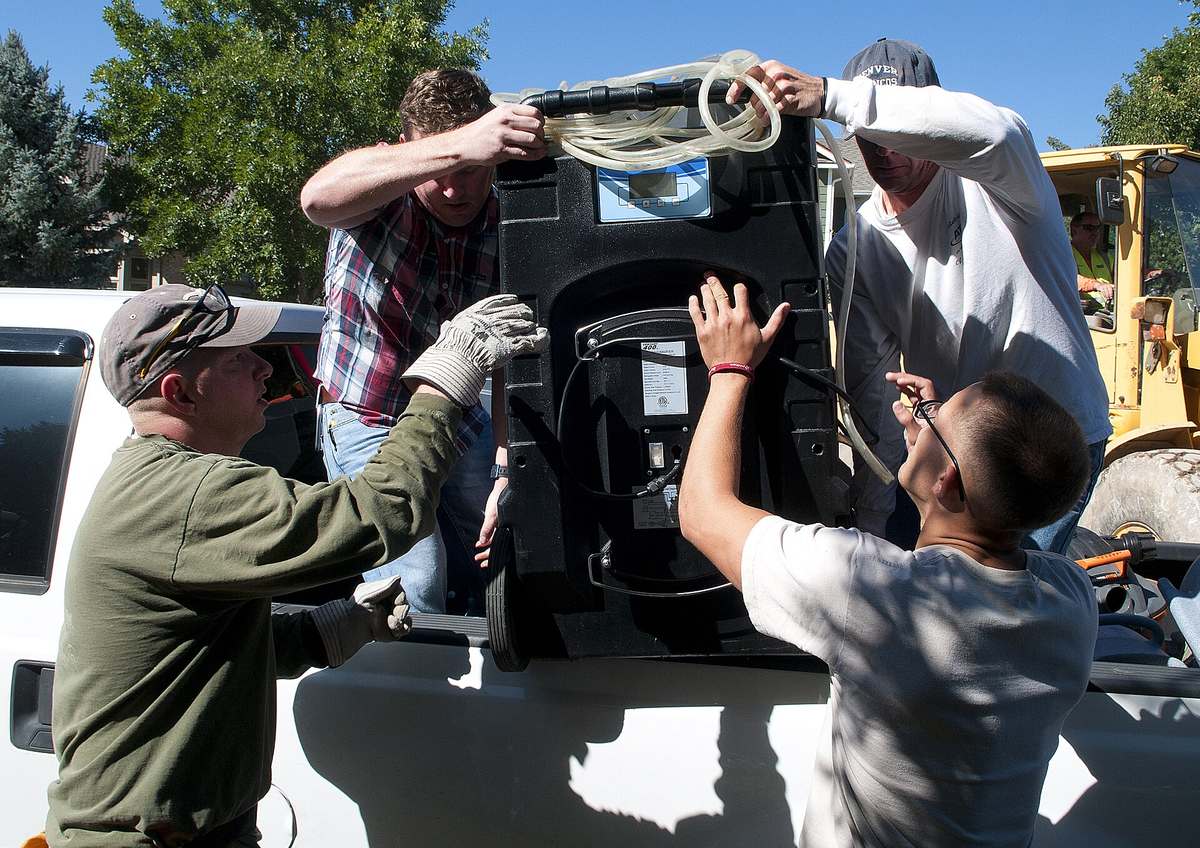
This page brings the whole site together. From here you can reach every service, every step of the restoration process, every common cause of water damage in Tulsa homes, the mold services that follow when drying is delayed, and the insurance and cost pages that explain how Oklahoma policies treat these losses. If water is in your home right now, call (918) 578-1166. If you are researching first, read on: the sections below answer the questions Tulsa homeowners actually ask, in the order they usually ask them.
The First Hours Matter More Than Anything Else
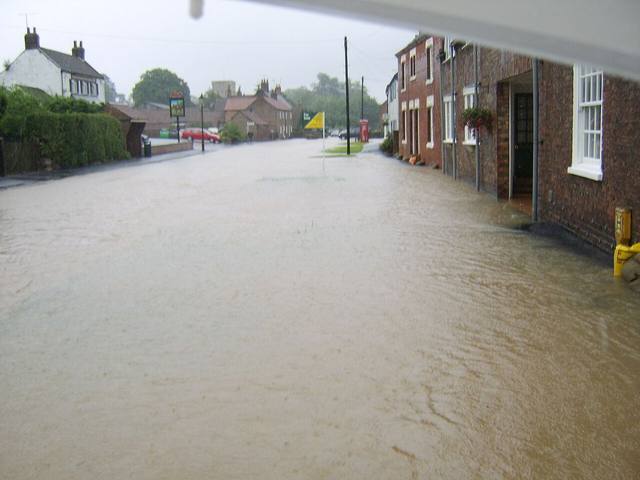
Water damage is a clock problem. In the first minutes, water spreads across floors and wicks into baseboards and drywall. Within hours it saturates insulation, swells pressed wood furniture, and begins migrating through wall cavities into rooms that never got wet on the surface. Between 24 and 48 hours, in Tulsa warmth and humidity, mold spores that are always present in indoor air begin colonizing damp drywall paper, wood, and dust. After a week, what started as a drying job can become a demolition and mold remediation job, at several times the cost.
That is why the emergency steps on this site repeat the same short list everywhere. Protect people first, especially around electricity. Stop the water at its source, a fixture valve or the main shutoff. Get valuables and documents up and out. Photograph everything. Then get extraction started, because every gallon removed by a truck-mounted extractor is a gallon the structure does not have to evaporate during drying. Homeowners sometimes wait to see whether a floor feels dry the next morning. Surfaces lie. Moisture meters regularly find wet subfloor, wet sill plates, and wet insulation behind dry-feeling drywall, which is exactly why professional restoration measures instead of guessing.
Our emergency water damage restoration page walks through what qualifies as an emergency, what to do while you wait, and how after-hours calls are handled. The 24/7 water damage cleanup page covers nights, weekends, and holidays, because Tulsa pipes do not check the calendar before they burst, and ice storms do not schedule themselves for business hours.
Water Categories and Classes, in Plain English
Restoration professionals describe water damage with two systems from the ANSI/IICRC S500 standard, and understanding them helps you understand your own loss. The category describes how contaminated the water is. Category 1, often called clean water, comes from a sanitary source such as a broken supply line or a failed appliance fill valve. Category 2, or gray water, carries significant contamination: washing machine discharge, dishwasher water, or a toilet overflow that contains urine but no fecal matter. Category 3, or black water, is grossly contaminated and can contain pathogens: sewage backups, rising flood water, and storm water that has contacted ground surfaces all fall here. Category is not fixed. Clean water that sits for days, soaking carpet, drywall, and dust, degrades into a dirtier category, which is one more reason speed matters.
The class describes how much water the materials absorbed and how hard drying will be. Class 1 losses wet a small area with low-porosity materials. Class 2 losses involve a whole room and wicking up walls. Class 3 losses have water from overhead, with ceilings, walls, and floors all saturated. Class 4 losses involve specialty drying situations: hardwood, plaster, concrete, and crawl spaces where water is trapped in low-porosity assemblies and needs carefully controlled conditions. A burst pipe in a slab-on-grade Tulsa ranch often lands at Class 2. A flooded basement over Tulsa clay, with water in the walls and contents everywhere, can push toward Class 3 or 4. Your technician should be able to state the category and class of your loss and explain what follows from each.
| Category 1 | Clean water from a sanitary source, like a supply line break. Fastest and simplest to dry when caught early. |
|---|---|
| Category 2 | Gray water with significant contamination, like washing machine or dishwasher discharge. Needs cleaning and antimicrobial care. |
| Category 3 | Black water, including sewage and flood water. Requires protective equipment, containment, and removal of porous materials. |
| Classes 1 to 4 | Describe how much material is wet and how specialized the drying must be, from a small area to hardwood, plaster, and concrete assemblies. |

Standing water in your Tulsa home right now?
Do not wait for morning. Extraction and drying that start tonight protect floors, walls, and air quality tomorrow. Call the number below and talk to a local dispatcher, not a call center script.
How Tulsa Homes Are Built, and Why It Changes Restoration
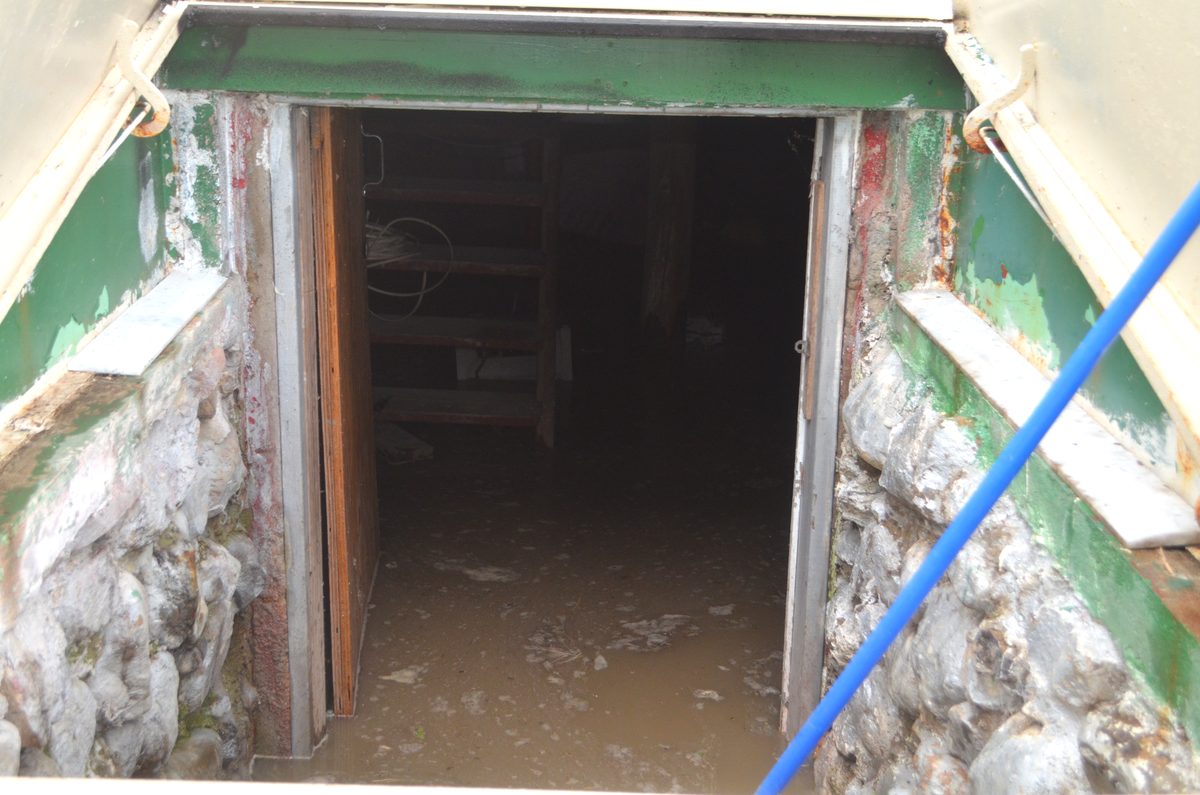
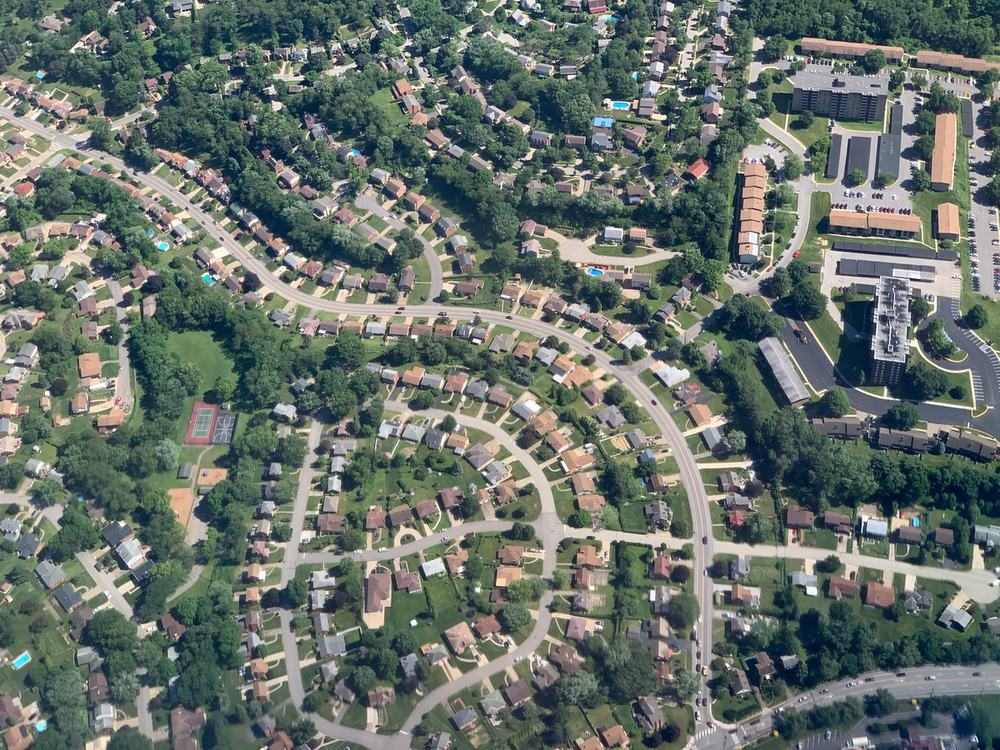
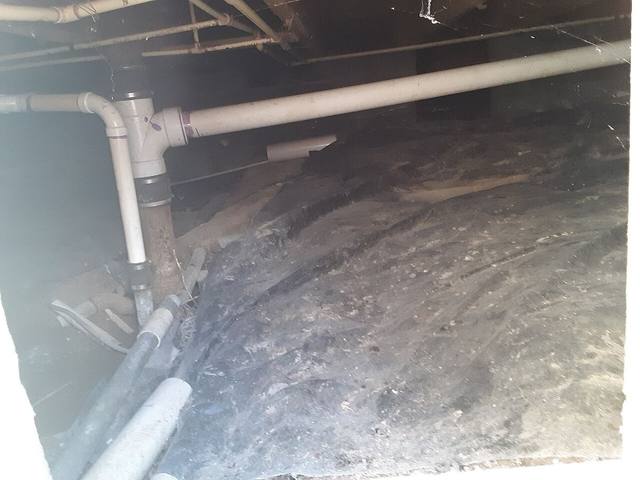
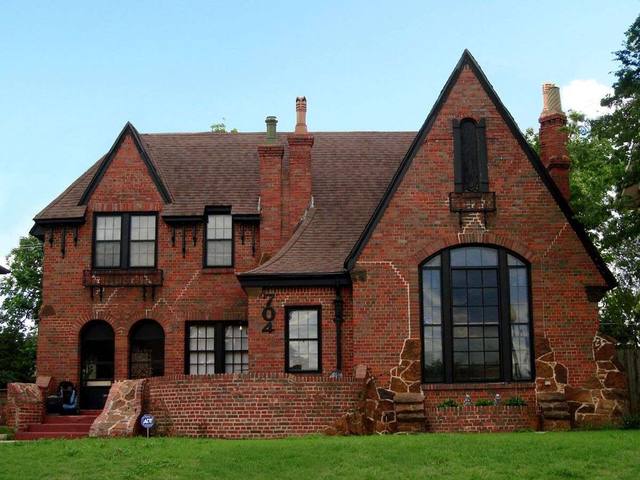
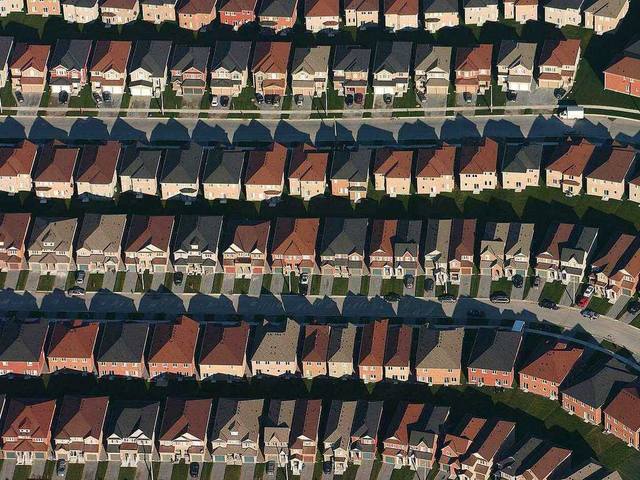
Tulsa housing spans a century: 1920s bungalows and Tudor homes in Midtown and Brookside with original hardwood and plaster, postwar ranches on slab-on-grade foundations, pier and beam homes with vented crawl spaces, and two-story suburban construction across South Tulsa, Broken Arrow, and Bixby. Each type fails differently. Slab homes hide leaks beneath concrete, where a pinhole in a copper line can run for weeks, surfacing only as a warm spot on the floor, a spiking water bill, or buckling laminate. Crawl space homes collect standing water that quietly soaks joists and subfloor from below. Basement homes, common in older Tulsa neighborhoods, take on water through wall cracks, window wells, and failed sump pumps, especially where clay soil holds groundwater against the foundation.
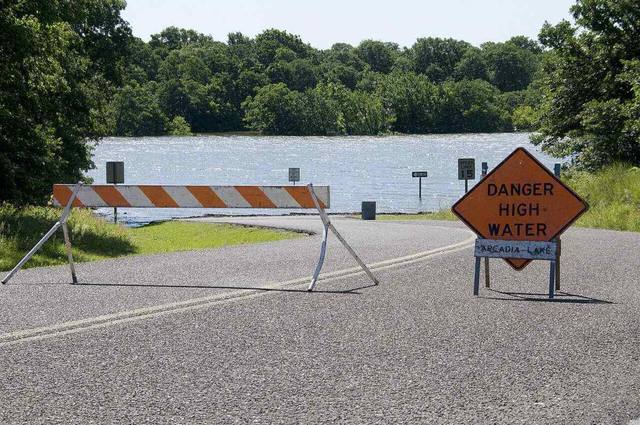
The clay deserves its own paragraph because it drives so much Tulsa water damage. Expansive clay expands as it absorbs rain and contracts during dry spells. That seasonal movement stresses foundations, opens stair-step cracks in brick and block, shifts plumbing, and tilts drainage toward the house. Then a Green Country thunderstorm drops inches of rain in an hour, hydrostatic pressure builds in the saturated soil, and water finds every crack the dry season created. Restoration in Tulsa therefore includes checking the entry path, not just drying the room. Drying a basement without addressing a foundation crack, a failed sump pump, or a clogged French drain invites the same loss at the next storm.
Weather is the other Tulsa constant. Severe storms, hail, and straight-line winds damage roofs across Tornado Alley every spring. Ice storms coat the city, knock out power, and burst pipes in unheated attics and crawl spaces when temperatures plunge after the ice. Humid summers load air conditioners, clog condensate lines, and keep crawl spaces damp for months. The cause pages on this site treat each of these as its own problem with its own playbook, from burst pipe damage to storm and tornado water damage and flooded basement cleanup.
The Restoration Process, Step by Step
1. Inspection and moisture mapping
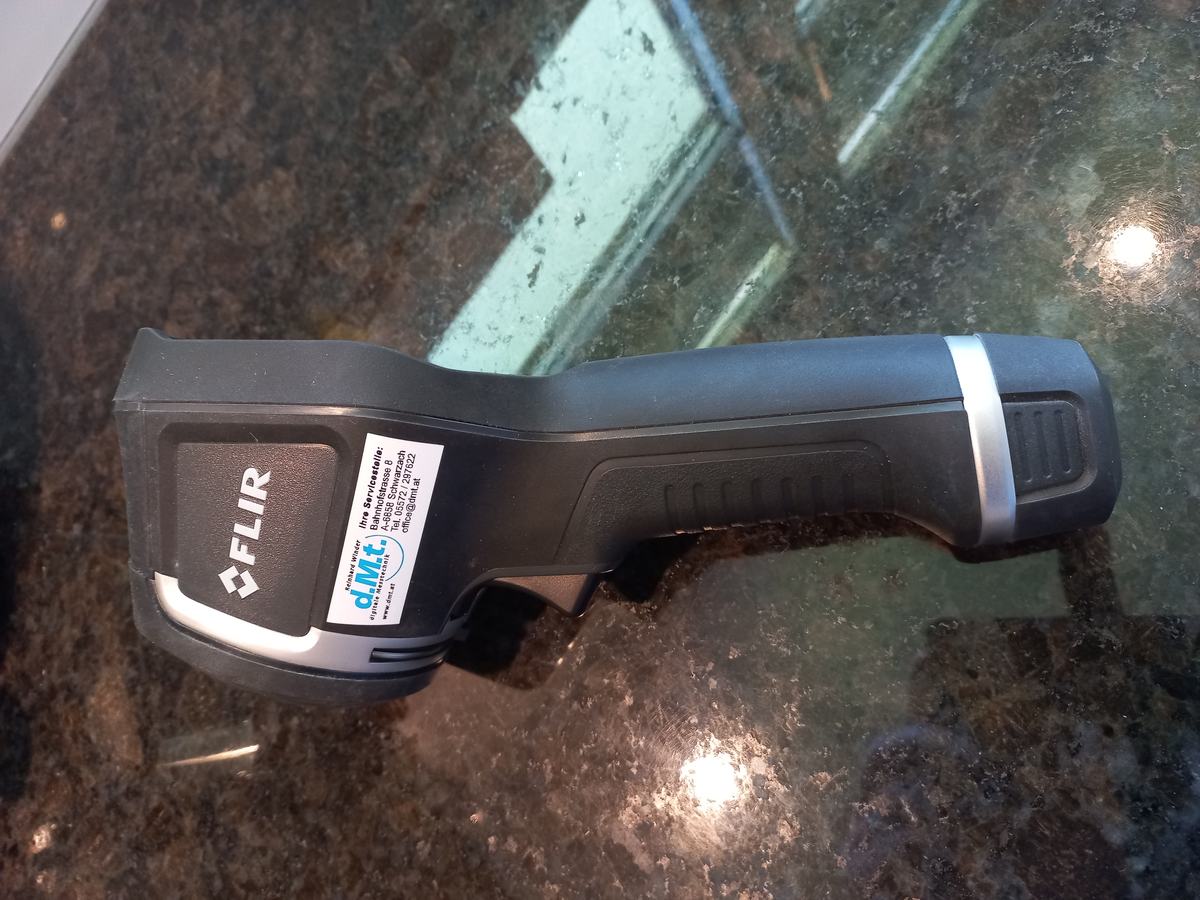
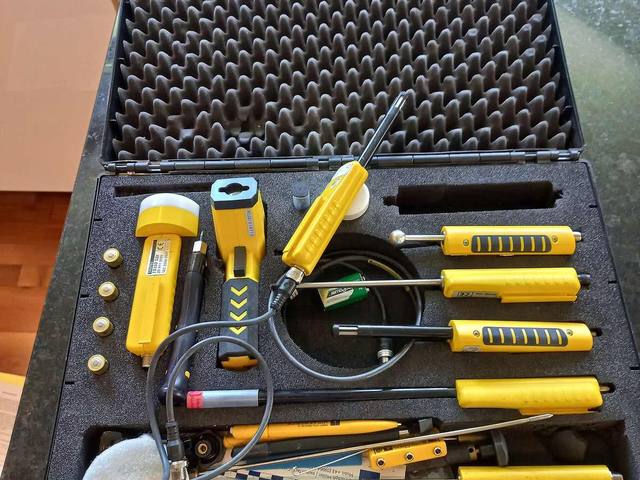
Technicians find the source, define the category and class, and map moisture with penetrating and non-penetrating meters and infrared imaging. The map, not a hunch, decides what gets dried, opened, or removed, and it becomes part of your insurance documentation.
2. Water extraction
Standing water is removed with truck-mounted and portable extractors, submersible pumps for basements, and weighted extraction for carpet. Removing water mechanically is many times faster than evaporating it, and it shortens everything that follows. See water extraction services.
3. Removal of unsalvageable material
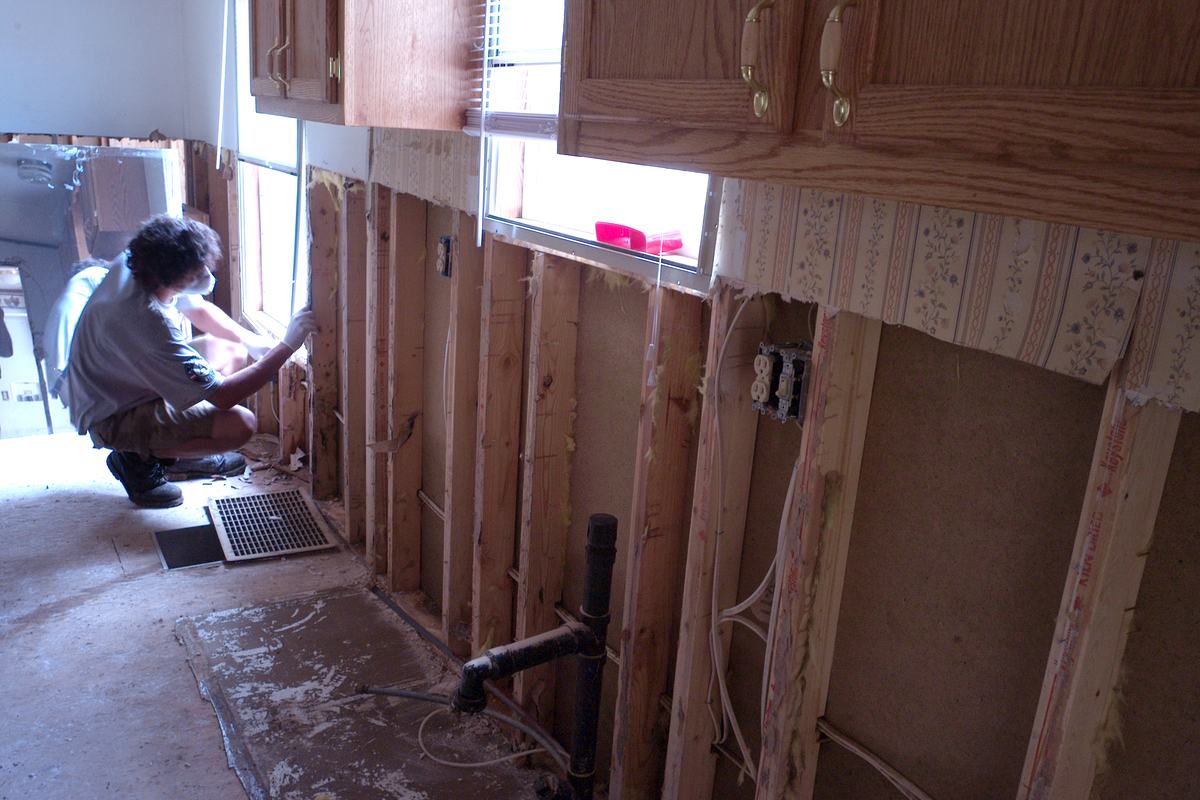
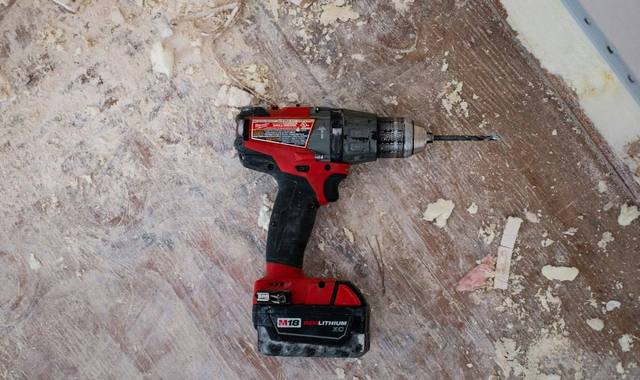
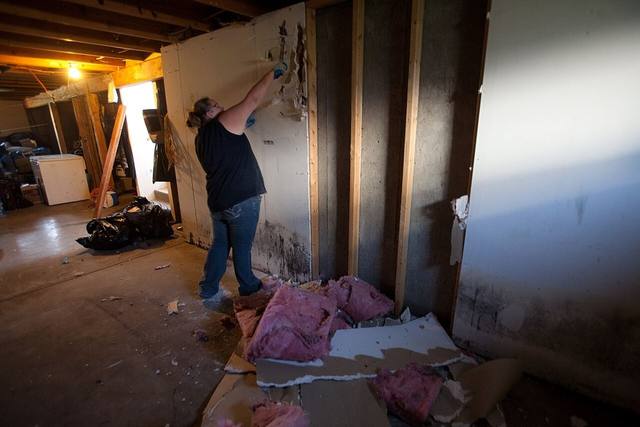
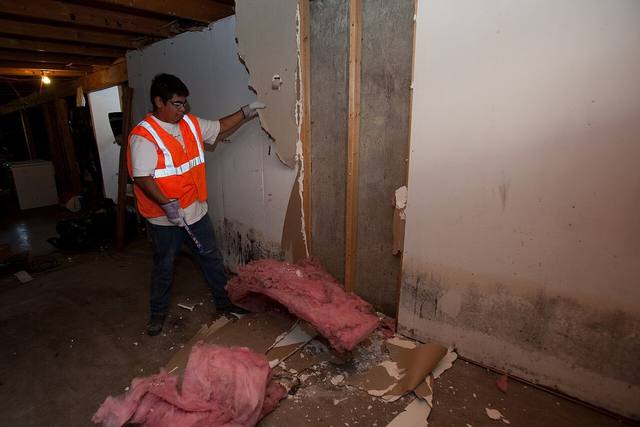
Wet drywall, saturated insulation, and contaminated carpet pad that cannot be dried or cleaned are removed carefully, sometimes with flood cuts that open the base of a wall so the cavity can dry. Category 3 losses require more removal, for health reasons, not upselling.
4. Structural drying and dehumidification
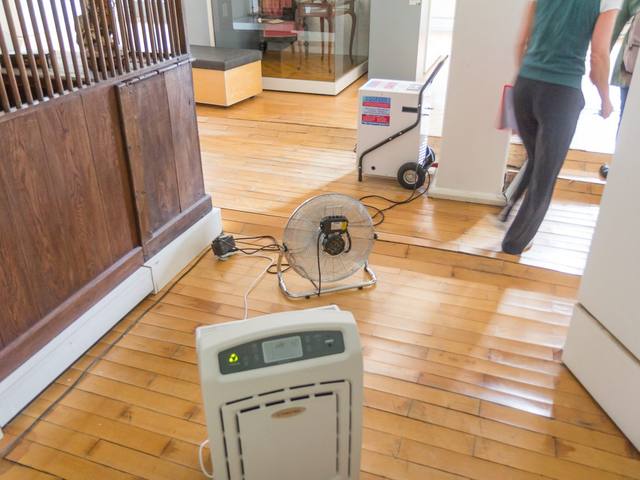
Air movers drive evaporation while LGR or desiccant dehumidifiers pull that moisture out of the air, a balance the S500 standard calls psychrometry. In Tulsa humidity, dehumidification capacity is the make-or-break variable. Details live on the structural drying and dehumidification pages.
5. Cleaning, antimicrobial treatment, and odor control
Surfaces are cleaned, and EPA-registered antimicrobials are applied where the category calls for them. Odor is treated at its source, because musty smell after water damage is usually microbial volatile organic compounds, MVOCs, from growth in damp material, not a smell to cover up with fragrance.
6. Monitoring and verification
Drying is checked daily. Moisture readings are logged against the dry standard of unaffected materials, equipment is adjusted, and a space is only called dry when the numbers say so. That log protects you twice: it prevents hidden moisture from being sealed behind new drywall, and it documents the loss properly for your insurer.
Two supporting services round out the process. Water mitigation is the emergency phase that stops damage from getting worse, and policies generally expect homeowners to mitigate promptly. Content cleaning covers the furniture, electronics, documents, and belongings that a pack-out and careful cleaning can often save.
Residential and Commercial Losses Are Different Jobs
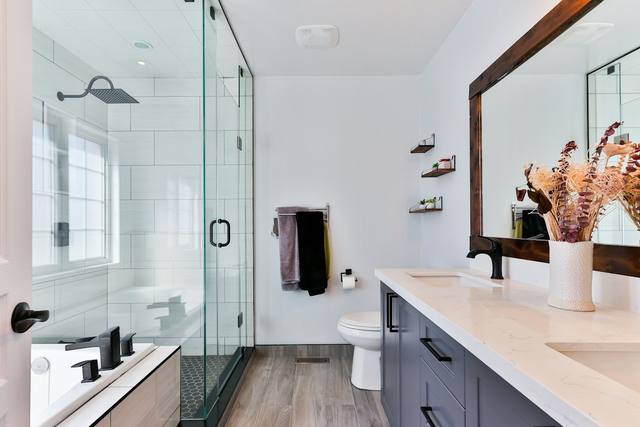
Most Tulsa calls are homes, and residential water damage restoration is built around habitability: can the family stay, which rooms are safe, how to protect hardwood, and how to keep a kitchen or the only bathroom usable during drying. Apartment and multi-family losses add neighbors above, below, and beside the source unit, because water in a second-floor bathroom rarely stays in that bathroom.
Commercial water damage restoration turns on downtime. A wet retail floor in Downtown Tulsa, a flooded restaurant kitchen, or a soaked office with server equipment is losing money every closed hour, and commercial assemblies, concrete, steel studs, large open volumes, dry differently from houses. Commercial work also raises questions homes never face: landlord versus tenant responsibility, business interruption coverage, and phased drying that lets part of a business keep operating safely. Both kinds of work share the same science. The planning, documentation, and equipment mix are what change.
Mold: The Reason Drying Deadlines Exist
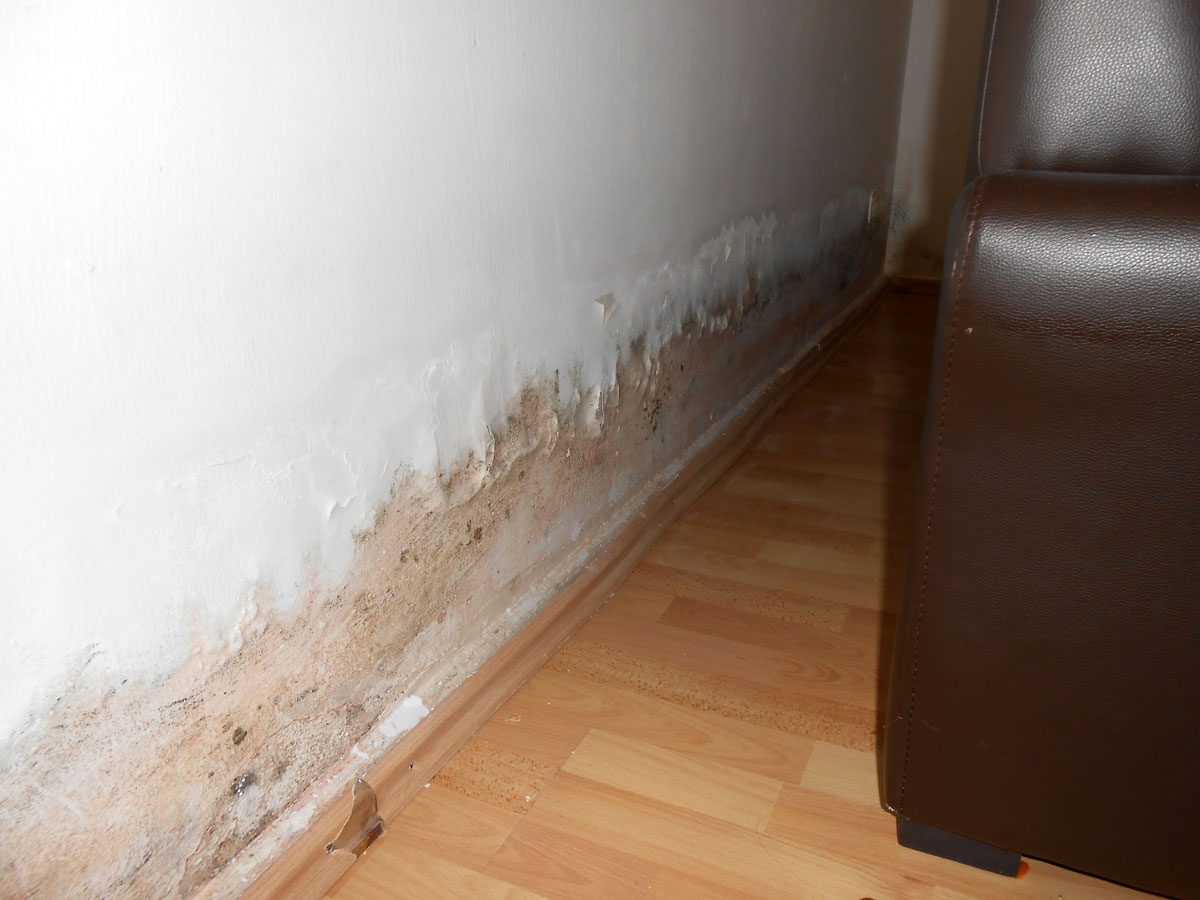
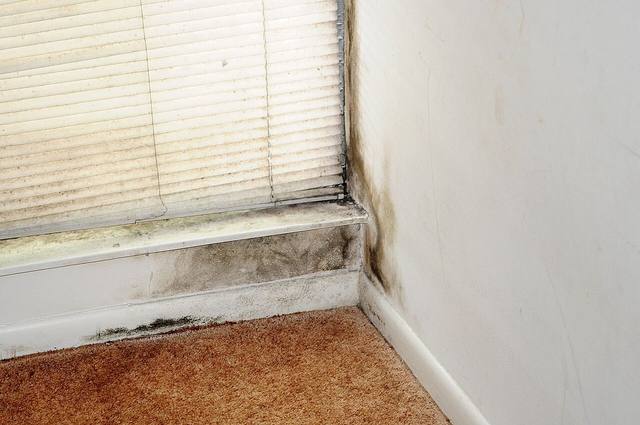
Ask restoration professionals why they move fast and most will give the same answer: mold. Spores are unavoidable, indoors and out. Moisture is the one ingredient a homeowner controls, and Tulsa supplies the rest, warmth and time, generously. Growth can begin in 48 to 72 hours on damp drywall, wood, and carpet backing, which is why the IICRC S520 standard for mold remediation exists alongside S500 for water damage. Proper, measured drying is mold prevention. When water damage is discovered late, a weekend leak found Monday, a crawl space problem found by smell, mold services take over: inspection and testing, remediation with containment and HEPA filtration, and targeted work for black mold, crawl space mold, and basement mold.
A word of honesty that this site will repeat: not every dark spot is dangerous mold, and not every mold problem requires tearing a house apart. Assessment first, then a scope that matches the findings. That is also why indoor air quality testing exists as its own service, to measure instead of speculate after a loss.
Our Main Water Damage Services
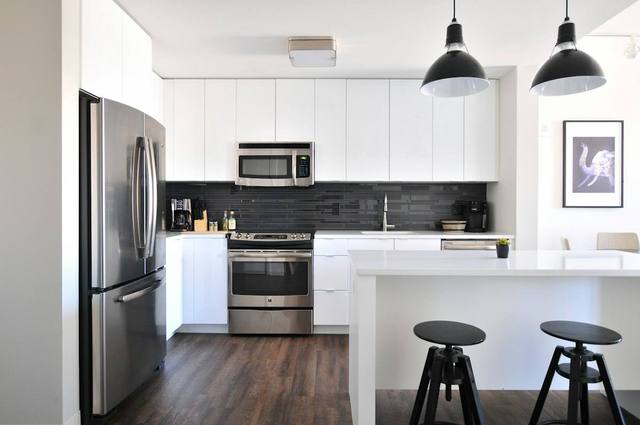
Four pages cover the main ways Tulsa property owners reach us: a live emergency, a home loss, a business loss, and round-the-clock cleanup.

Every Step of the Process, Explained
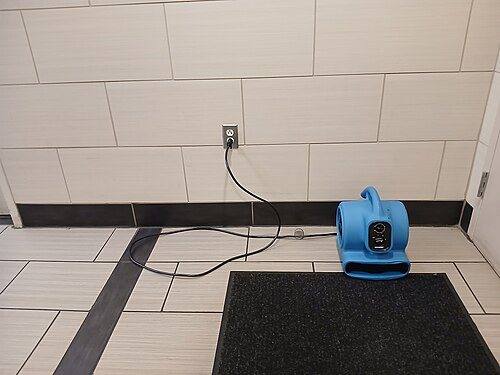
What happens between a flooded room and a verified dry structure, taken apart piece by piece.




Find Your Cause of Water Damage
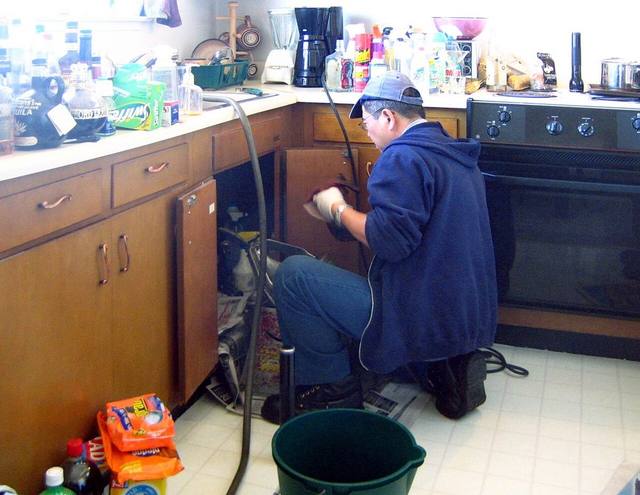
Treatment starts with cause. A slab leak, a sewage backup, and storm flooding need different safety steps, removal decisions, and insurance conversations.
 Burst and Frozen Pipe Damage
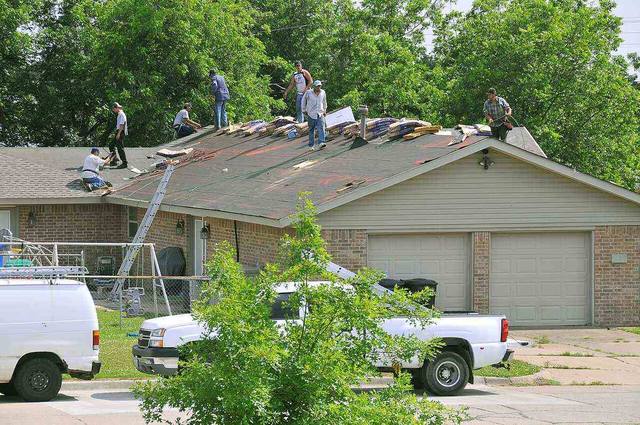 Roof Leak Water Damage
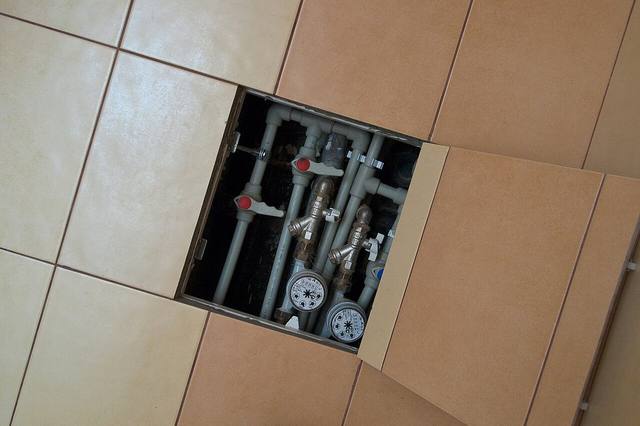 Slab Leak Water Damage
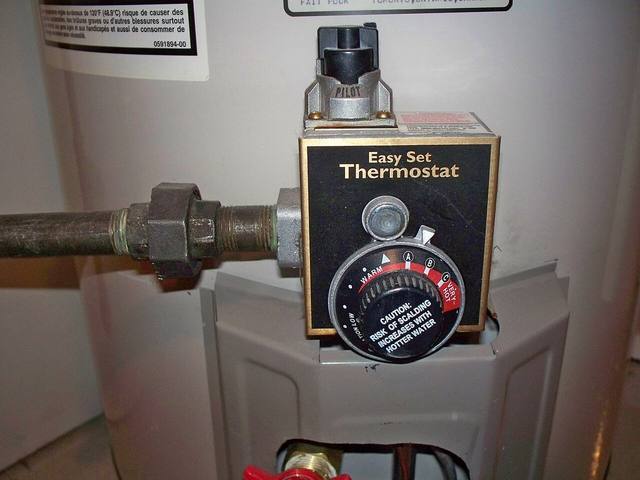 Water Heater Leak Cleanup
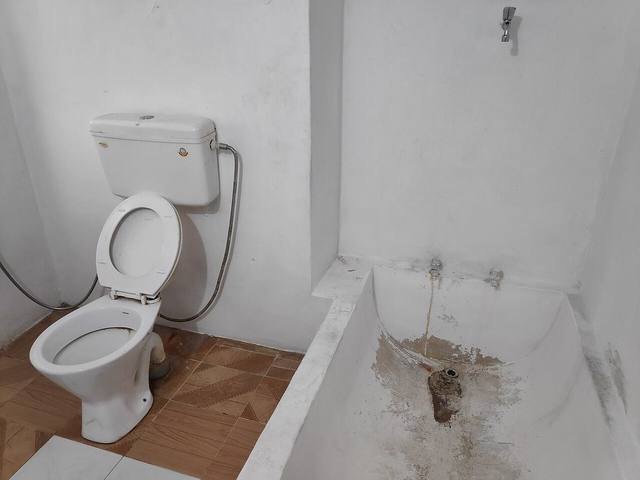 Toilet Overflow Cleanup
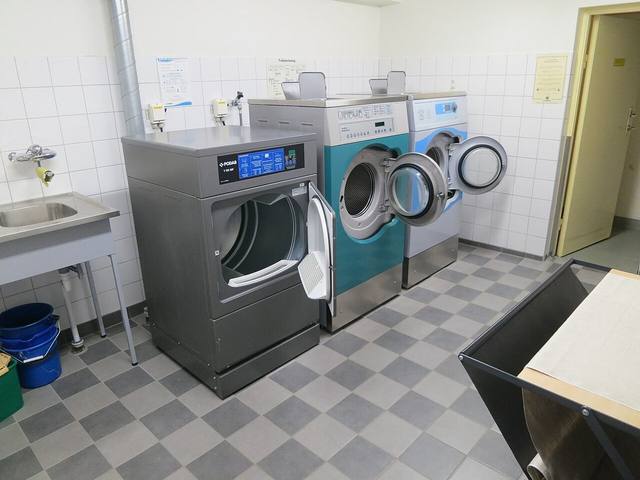 Washing Machine Flood Cleanup
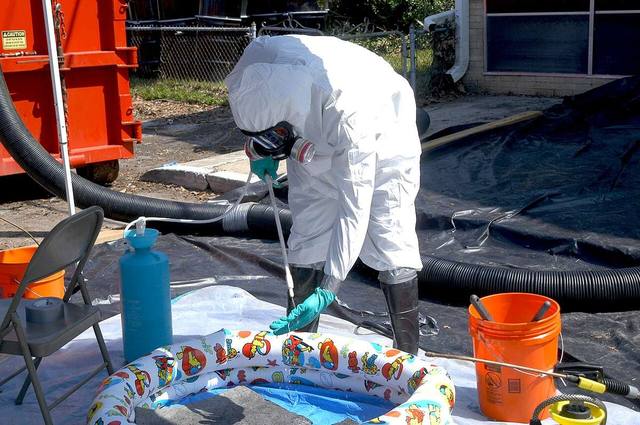 Sewage Backup Cleanup
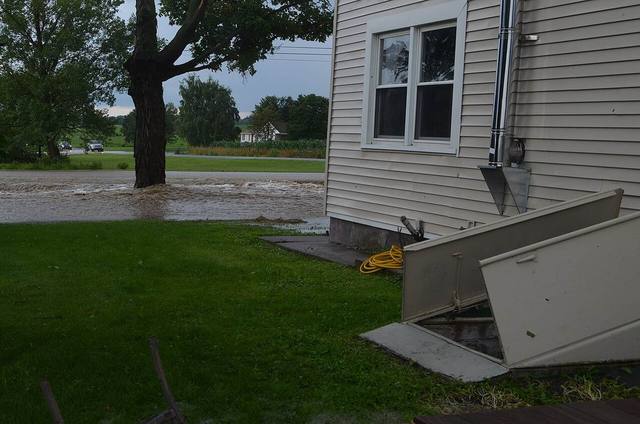 Flooded Basement Cleanup
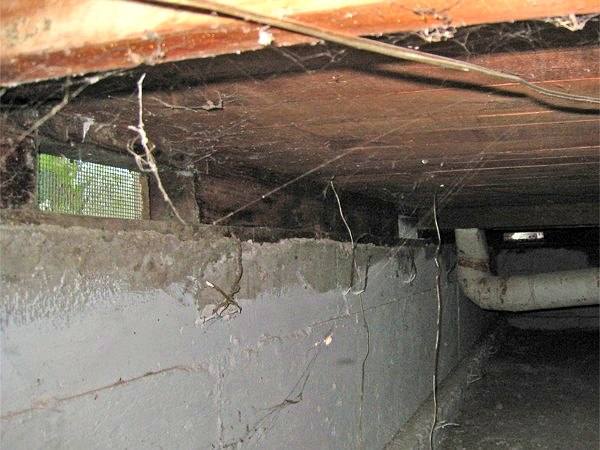 Crawl Space Water Damage
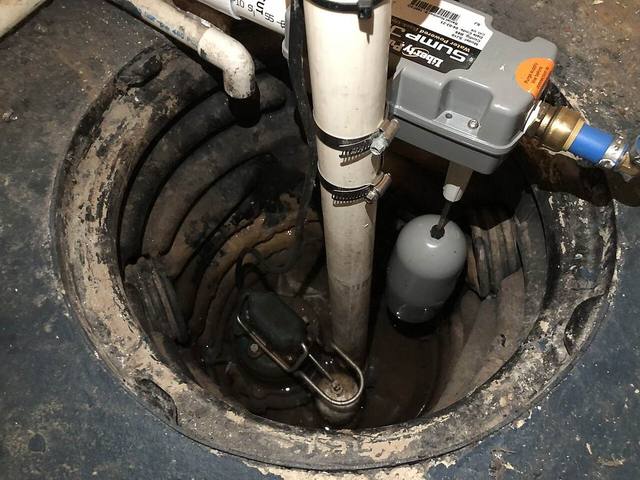 Sump Pump Failure Flooding
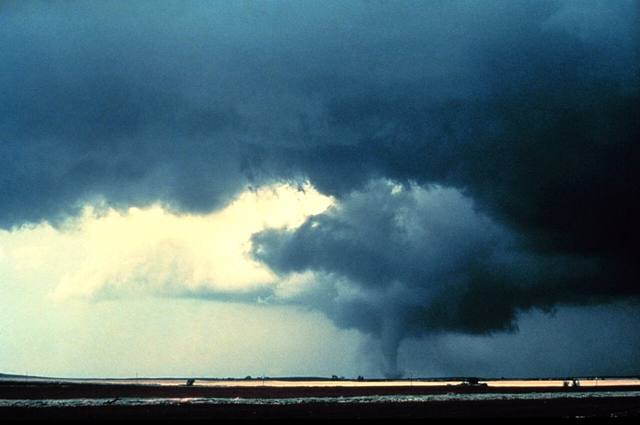 Storm and Tornado Water Damage
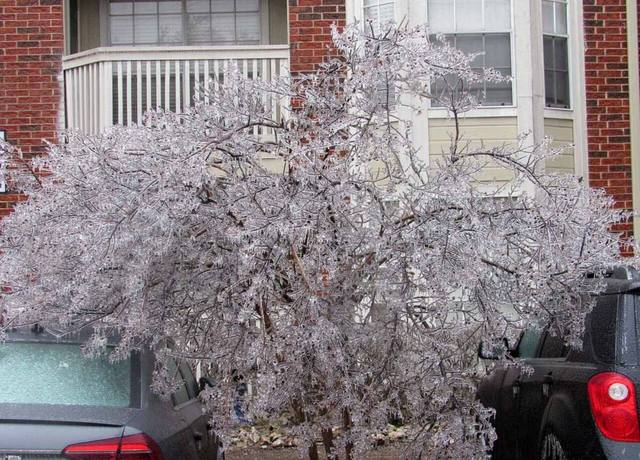 Ice Storm Pipe Burst Cleanup
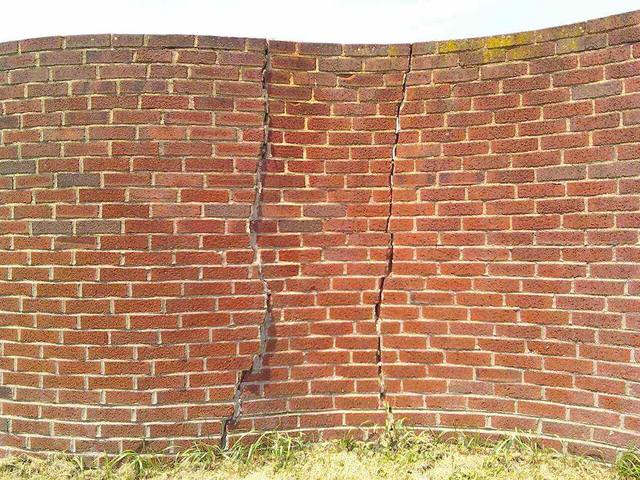 Foundation Crack Water Intrusion
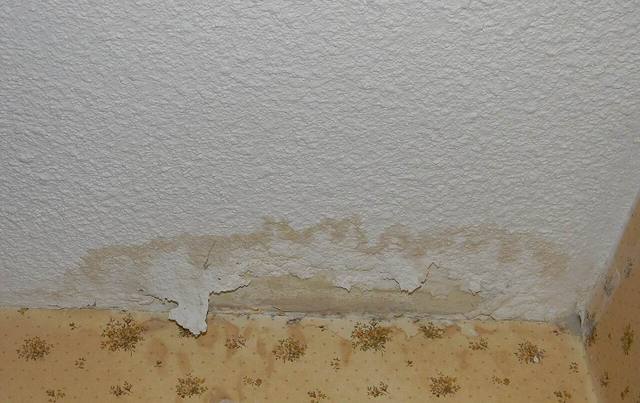 Ceiling and Drywall Water Damage
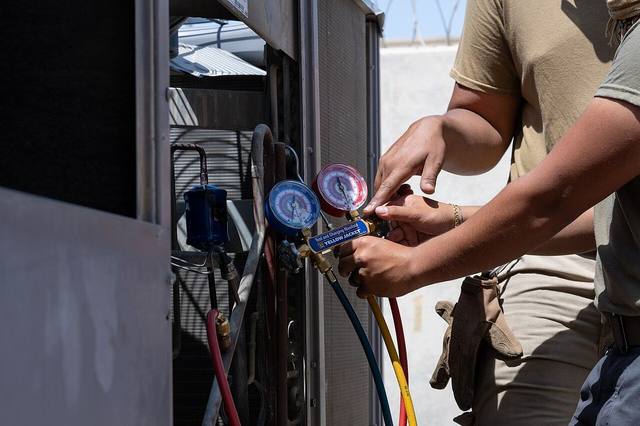 HVAC and AC Water Damage
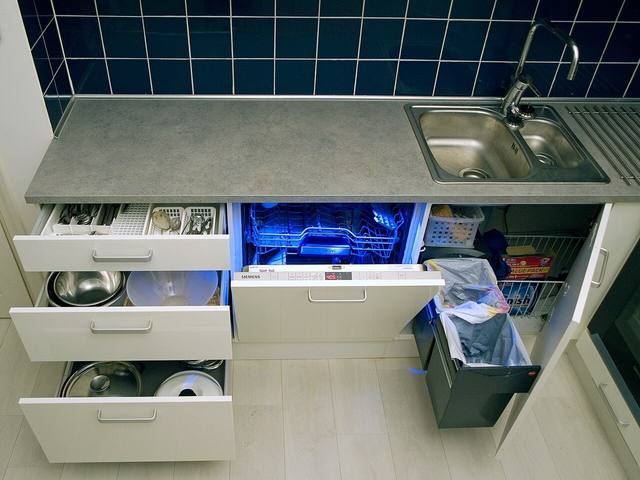 Appliance Leak Water Damage
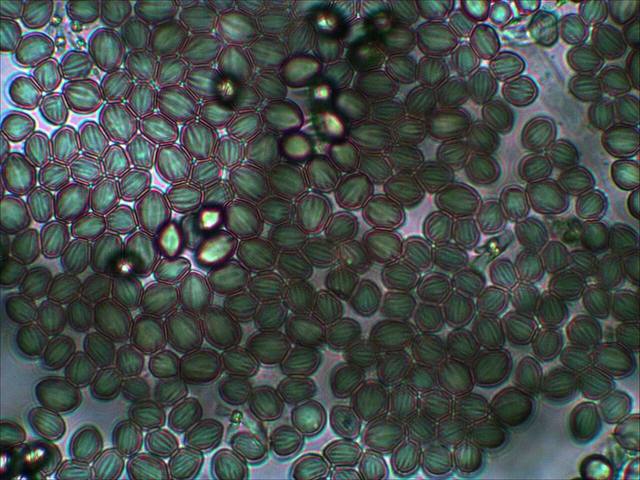
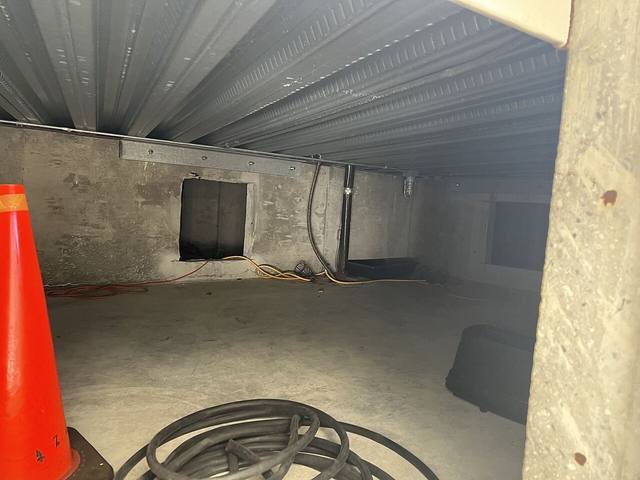
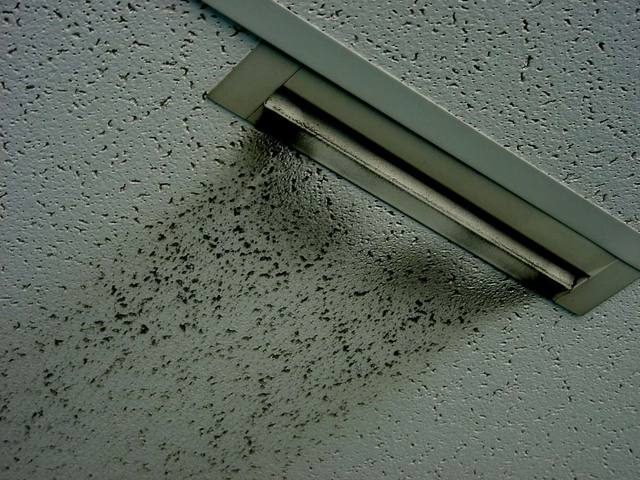
Mold Testing and Remediation Services
When moisture lingers, mold follows: testing, remediation, and the Tulsa-specific places mold hides.
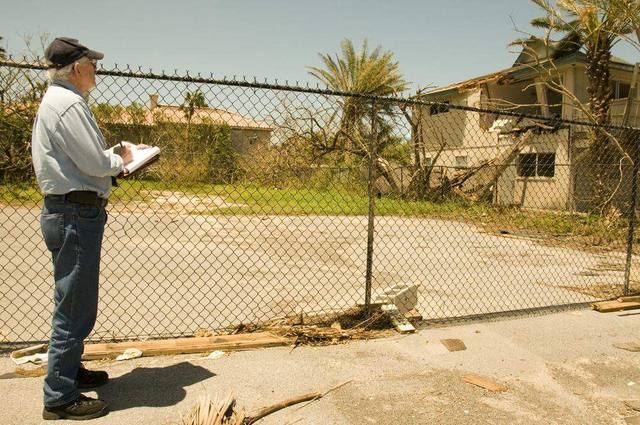
Water Damage Costs and Insurance in Oklahoma
Cost factors, Oklahoma coverage basics, water vs flood damage, and how to file and document a claim.
What an Honest Restoration Company Should Tell You
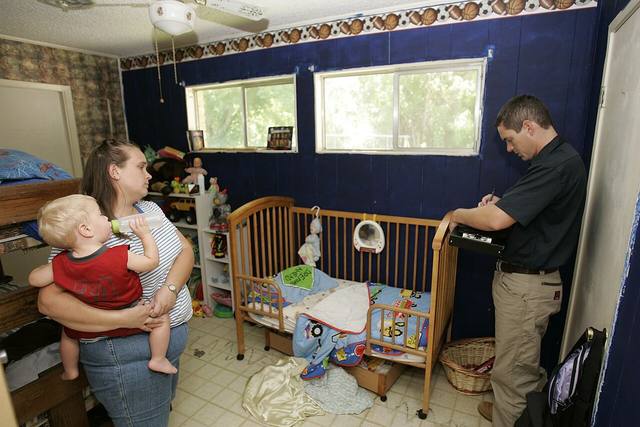
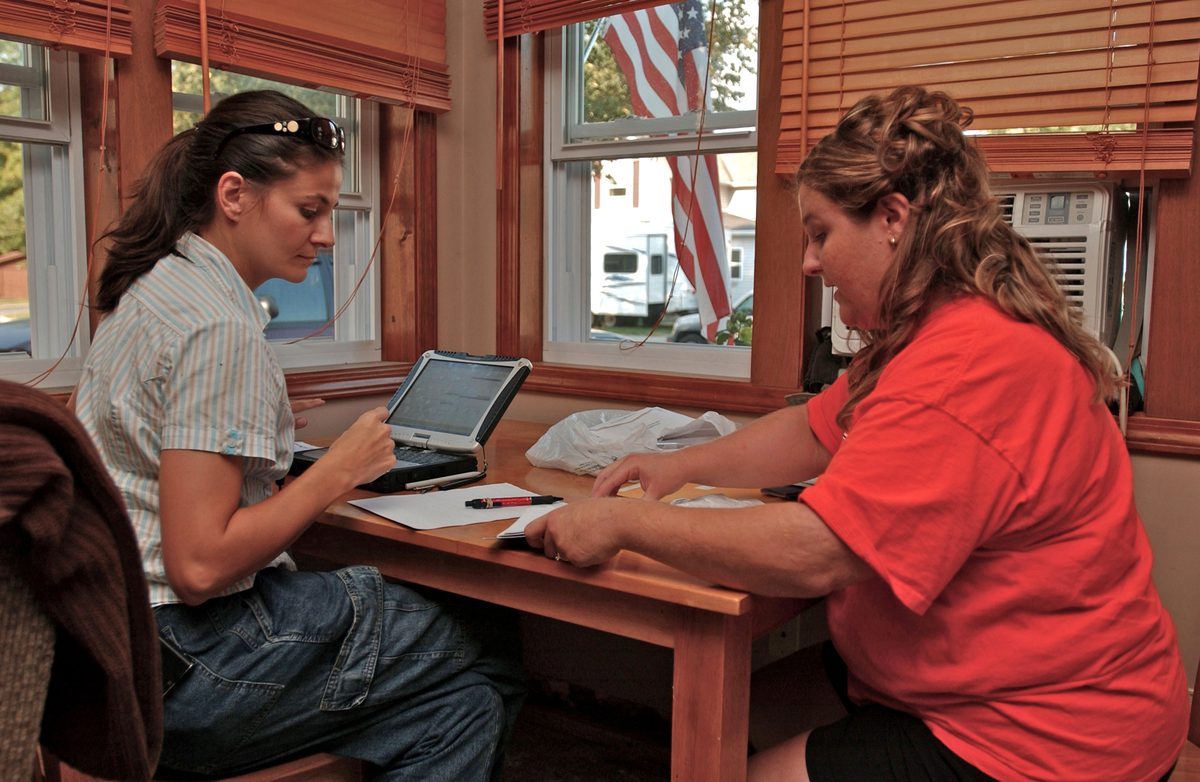
This site deliberately makes no claims it cannot support. You will find no invented review counts, no star ratings, no satisfaction guarantees, and no promises that insurance will pay a given claim. Those decisions belong to your insurer and your policy. What a restoration company can promise, and should, is process: a real person answers, the source gets found, water gets extracted, drying is set up according to S500 principles, readings are taken and shared with you daily, and the documentation package, photos, moisture logs, and scope notes, is complete enough for an adjuster to follow without guesswork.
Hold any company, including this one, to questions with measurable answers. What is the category and class of my loss? What are today's moisture readings, and what is the dry goal? Which materials are being removed, and why? A team that welcomes those questions dries houses properly. A team that dodges them asks you to trust a result it is not measuring.
Ready to talk through your situation? Call (918) 578-1166 or use the callback form on this page. If water is actively flowing or sewage is involved, skip the form and call.
Water Damage Help Across Tulsa County and Green Country
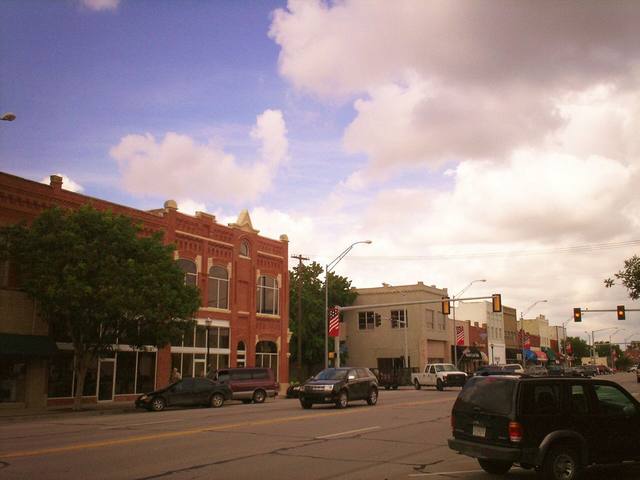
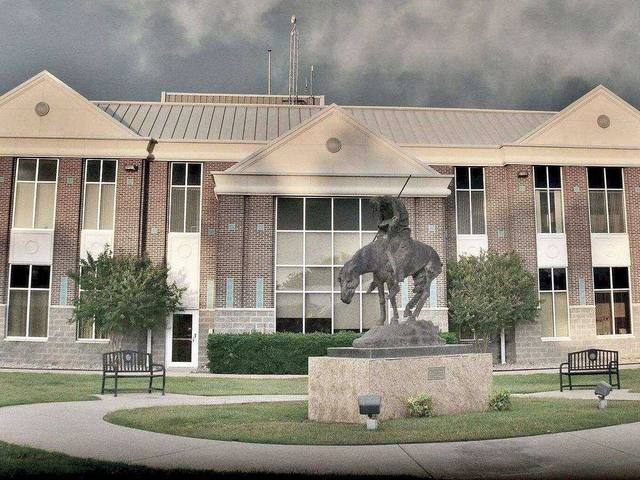
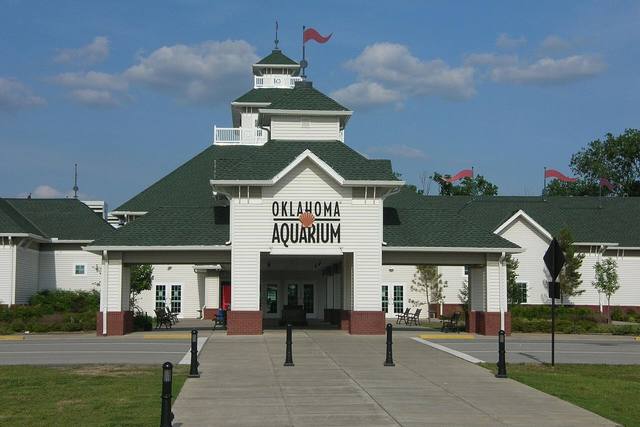
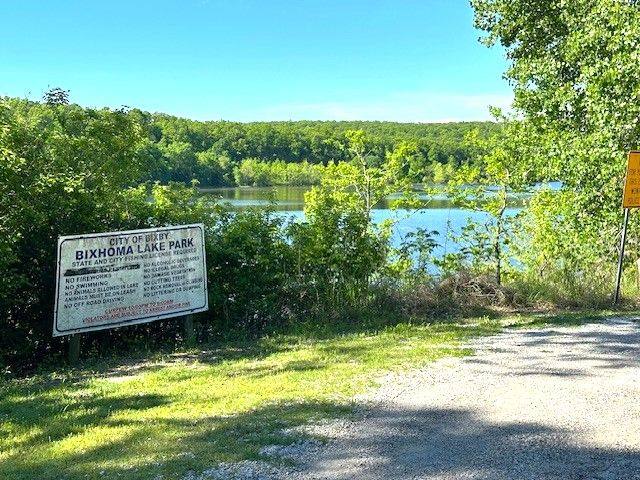
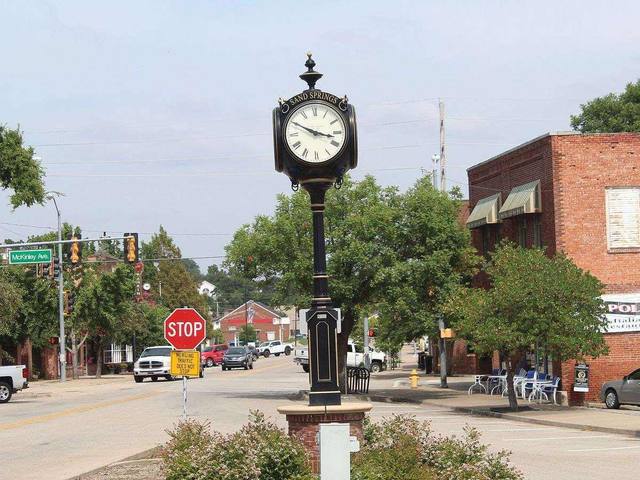
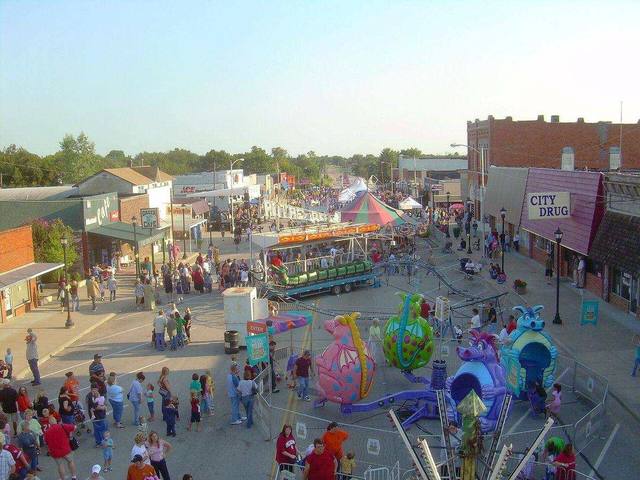
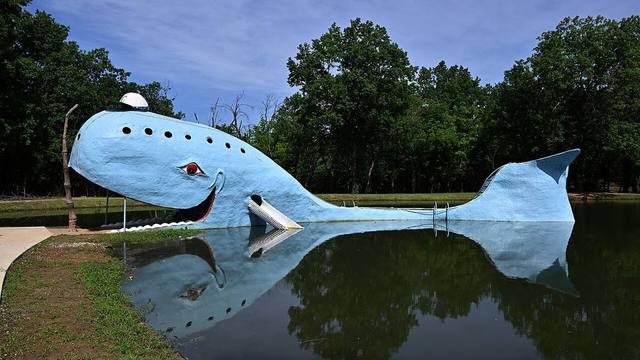
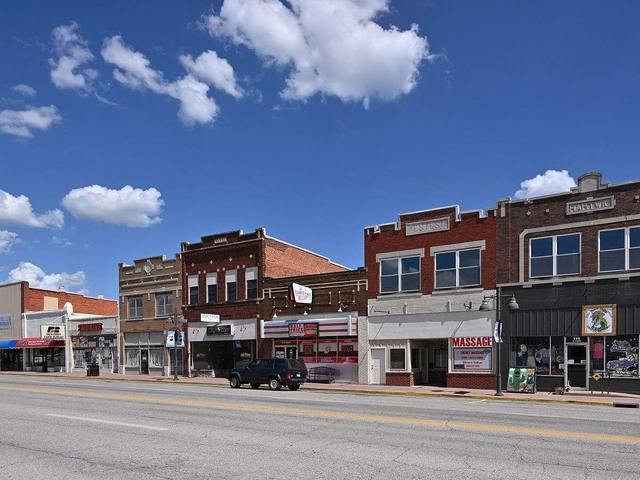
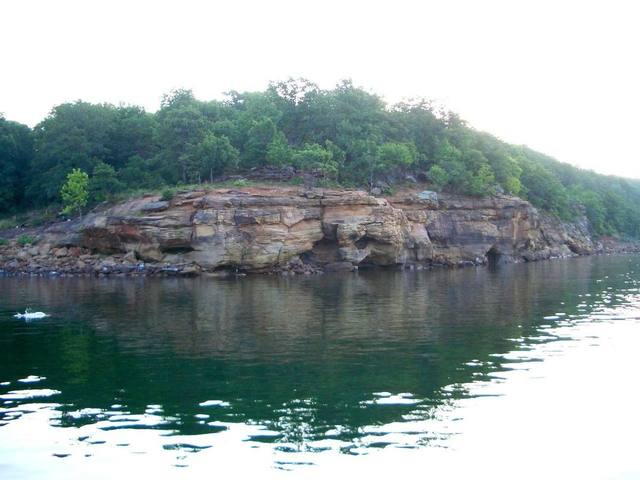
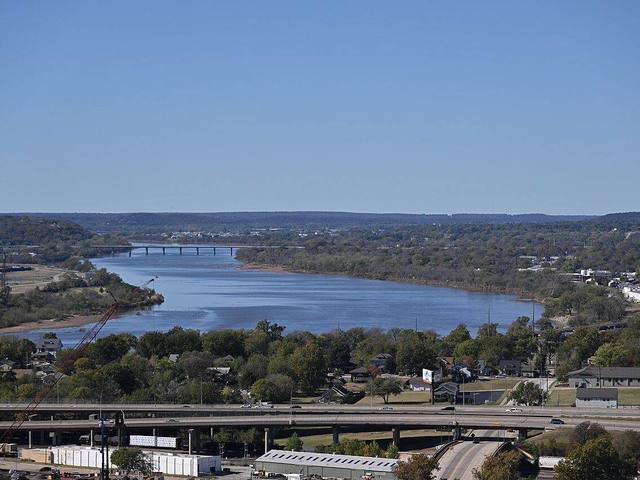
Crews serve Tulsa and the surrounding communities listed below. Each city page covers that area's housing, soil, and flooding patterns in its own words, because a slab home in Bixby does not flood the same way a pier and beam home in Sapulpa does.
Tulsa Neighborhoods We Serve
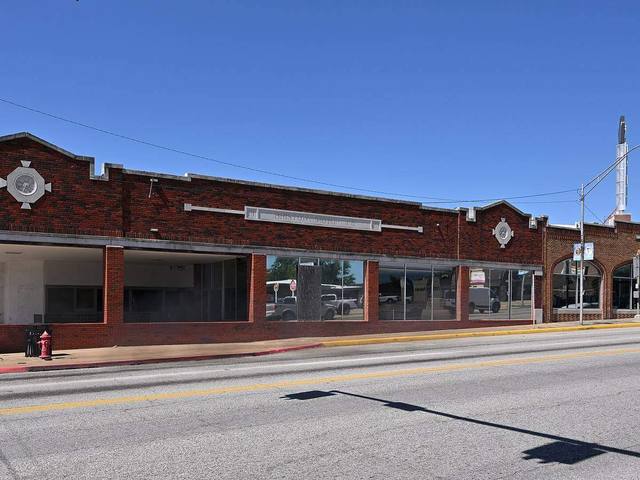
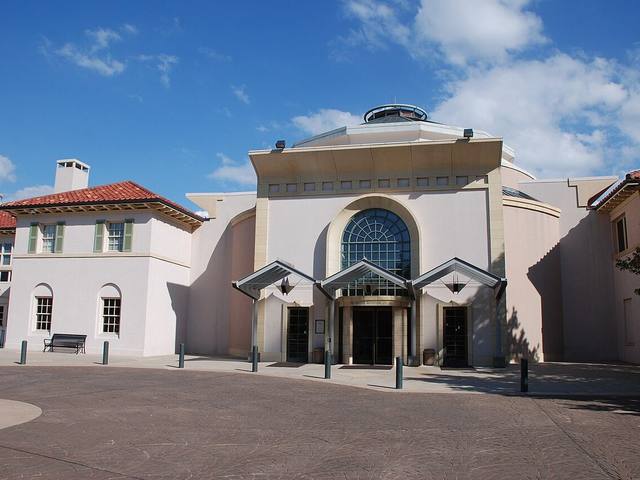
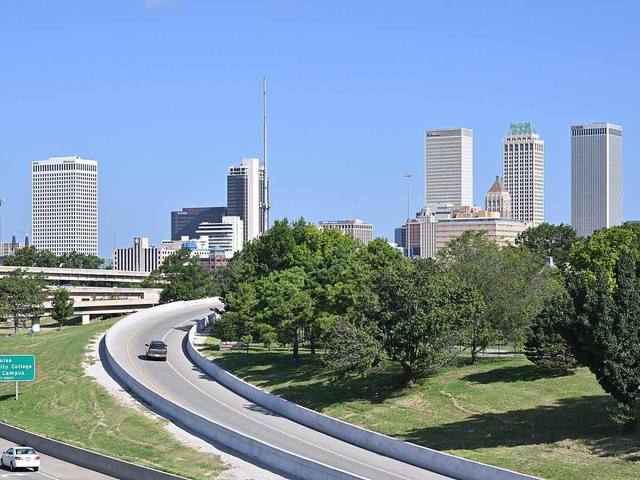
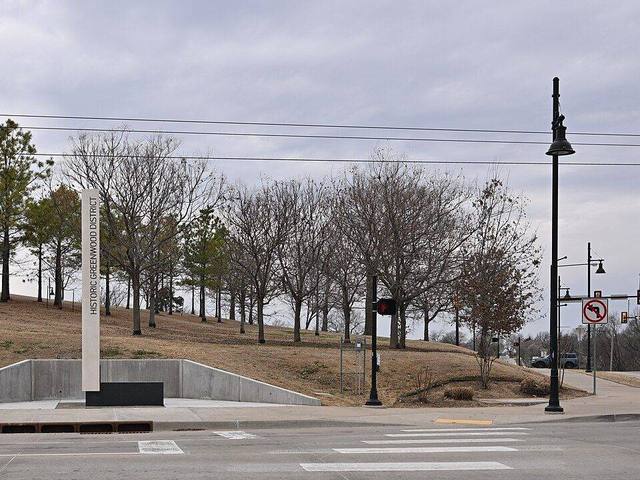
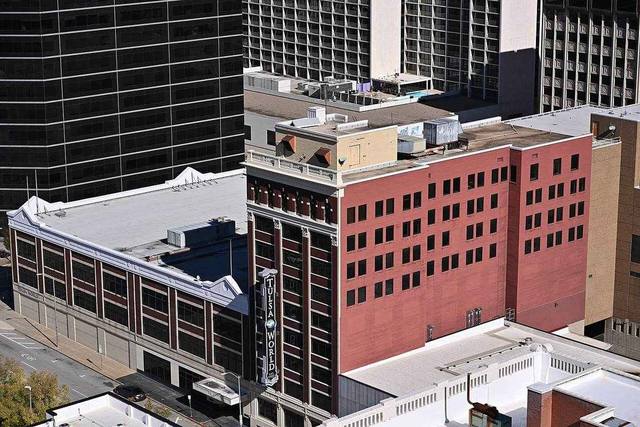
Inside Tulsa itself, neighborhoods differ by era, foundation type, and plumbing age. These pages go street level, from Midtown bungalows to Downtown lofts.
Tulsa Water Damage Guides From the Blog
 How Long Does Water Damage Restoration Take in Tulsa OK
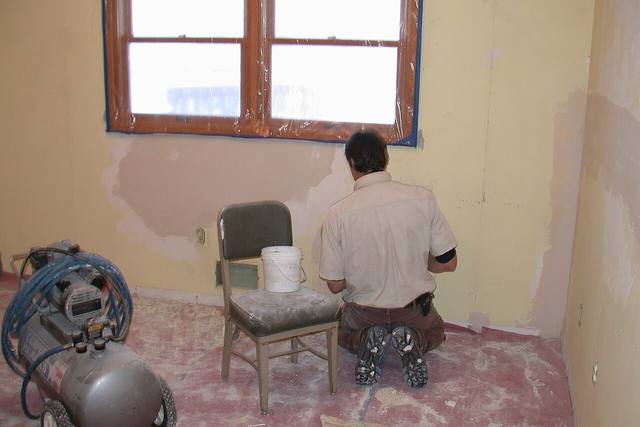 Water Damage Restoration Cost Tulsa OK: What to Expect
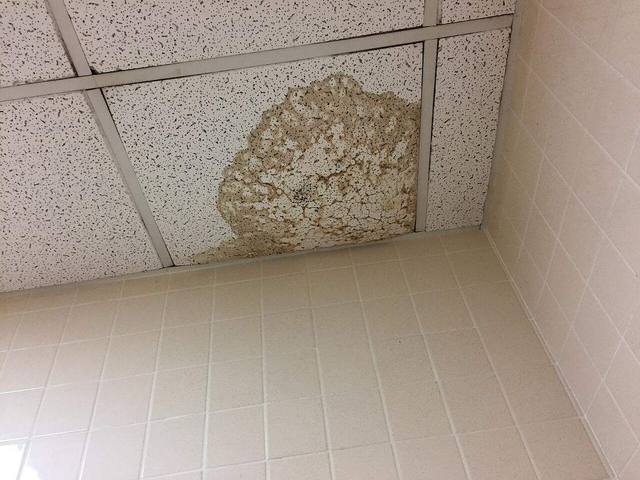 Signs of Hidden Water Damage in Tulsa Homes
 Does Homeowners Insurance Cover Water Damage in Oklahoma
 Category 1 vs Category 2 vs Category 3 Water Damage Explained
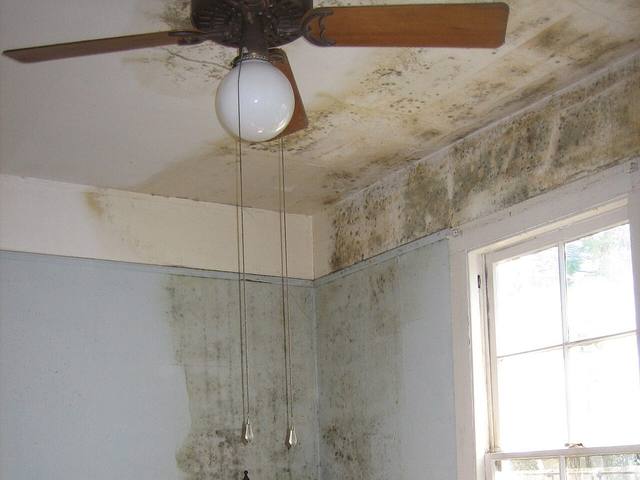 What Happens When You Delay Water Damage Cleanup
Frequently Asked Questions
What is water damage restoration?
Water damage restoration is the full process of returning a water damaged home or business to its pre-loss condition. It starts with stopping the source and extracting standing water, then removing unsalvageable materials, drying the structure to measured moisture goals, cleaning and applying antimicrobial treatment where needed, and documenting everything for your records and your insurer. In Tulsa, the drying stage matters most, because our humid subtropical climate keeps building materials wet far longer than they would stay wet in a dry climate.
How much does water damage restoration cost in Tulsa?
Cost depends on the water category, the size of the affected area, how long water sat before cleanup began, and which materials are involved. A small clean water leak caught in hours is a very different job from a flooded basement or a sewage backup that sat over a weekend. The honest answer is that a technician has to see the loss and take moisture readings before any real number exists. What is consistent is this: starting extraction and drying quickly almost always lowers the final cost, because less material has to be removed and replaced.
How long does water damage restoration take?
Extraction usually happens on the first visit. Structural drying typically runs three to five days, checked daily with moisture meters, and longer for hardwood floors, thick plaster, or water that reached wall cavities. Repairs after drying depend on scope. A typical Tulsa timeline is one day for mitigation, several days for monitored drying, then repairs scheduled once materials test dry. Your technician should give you a drying plan with target readings, not just a guess.
Does homeowners insurance cover water damage in Oklahoma?
Most Oklahoma homeowners policies cover sudden and accidental water damage, such as a burst pipe or a failed water heater, and exclude gradual damage, long term leaks, and flooding from outside water. Flood damage generally needs a separate flood insurance policy. Sewer backup is often an add-on endorsement with its own limit. Document the source, photograph everything before and during cleanup, and keep receipts. Our insurance pages explain Oklahoma specifics, including how the Oklahoma Insurance Department describes these distinctions.
What should I do immediately after water damage?
First, stay safe: if water is near electrical outlets or appliances, keep out and shut off power only if you can do it safely. Stop the source if you can, using the main shutoff for plumbing failures. Move valuables, documents, and furniture out of the wet area, and take photos and video of everything before you throw anything away. Do not use household fans as your only drying plan, and do not wait to see if it dries on its own. In Tulsa humidity, mold can begin growing within 48 to 72 hours.
Who do I call for water damage in Tulsa?
Call a local restoration team that answers around the clock and serves Tulsa County: (918) 578-1166. Ask whether they extract water, set professional drying equipment, take daily moisture readings, and document the loss for insurance. Those four answers separate a real restoration process from a quick mop-up that leaves wet wall cavities behind.
Can mold really grow that fast in Tulsa?
Yes. Mold spores are already present in every home. Given moisture, warmth, and a food source like drywall paper or wood, colonies can start within 48 to 72 hours, and Tulsa summers supply heat and humidity in abundance. That is why professional drying focuses on removing moisture from inside walls, under floors, and in crawl spaces, not just drying the surfaces you can touch.
Do you serve areas outside Tulsa itself?
Yes. Service covers Tulsa County and the wider Green Country area of Northeast Oklahoma, including Broken Arrow, Owasso, Jenks, Bixby, Sand Springs, Sapulpa, Claremore, and the smaller communities listed in the service areas section below. Each area page explains the local housing stock and the water risks that come with it.
Water damage in Tulsa? Start the clock in your favor.
Every hour of delay adds drying time and mold risk. Call now for emergency help anywhere in Tulsa County and Green Country.