Tulsa, OK - 24/7 Emergency Service
Water Damage Restoration Sapulpa OK
Sapulpa is the Creek County seat and a Route 66 town, with an older commercial center and established neighborhoods of pier and beam homes. Aging plumbing, sewer lines, and crawl space water lead its restoration list.
- Established neighborhoods with pier and beam foundations
- Aging supply and sewer lines in older construction
- Historic Route 66 commercial buildings on Dewey Avenue
- Crawl space water, drainage, and mold prevention
Crews who know Tulsa County housing, soil, and storm patterns dry buildings faster, because the plan fits the building from the first visit.
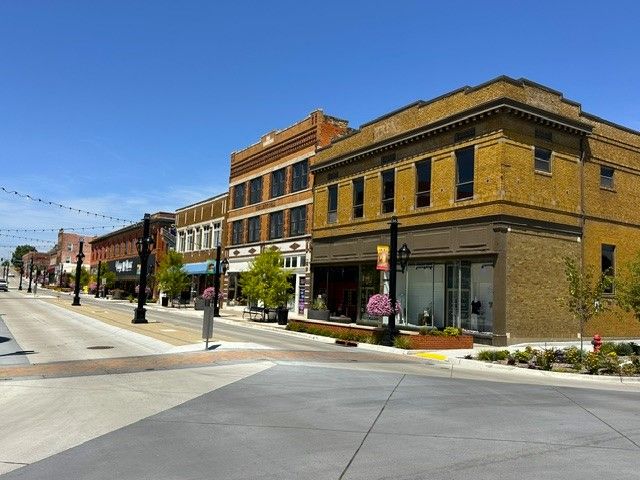
Route 66 Bones: Sapulpa Housing and Commercial Stock
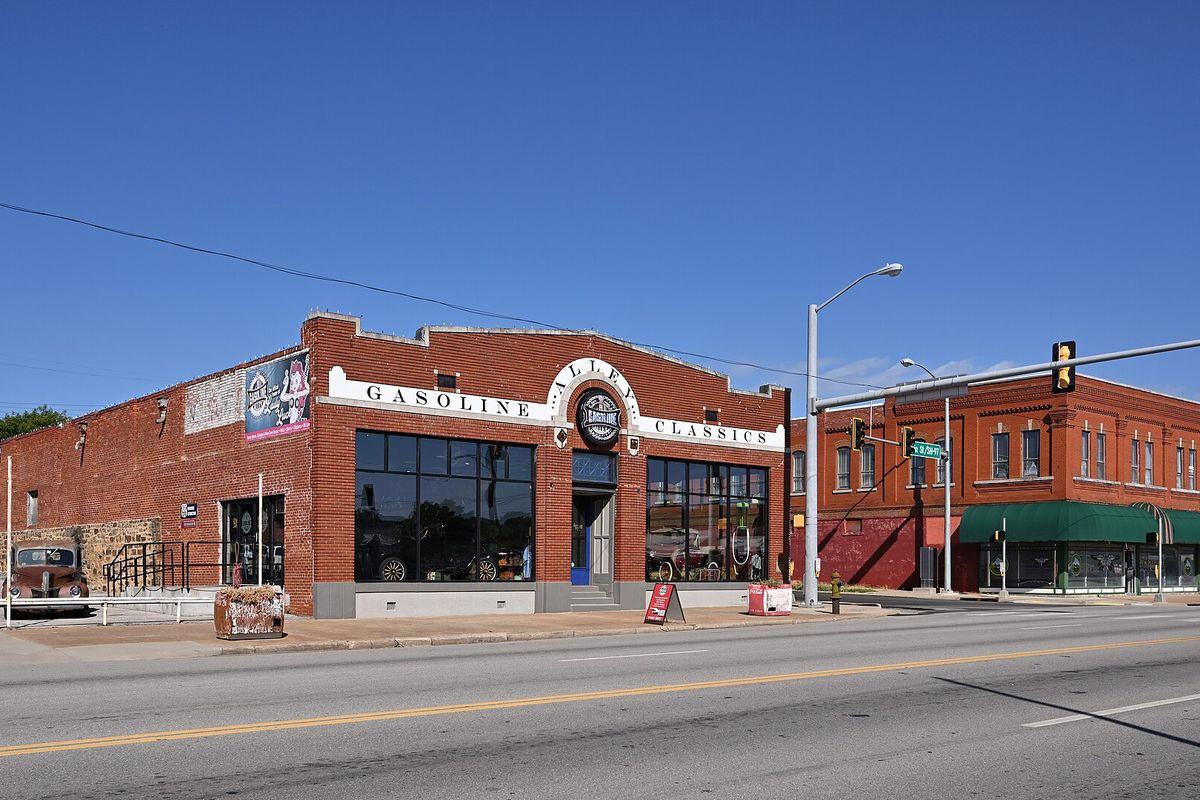
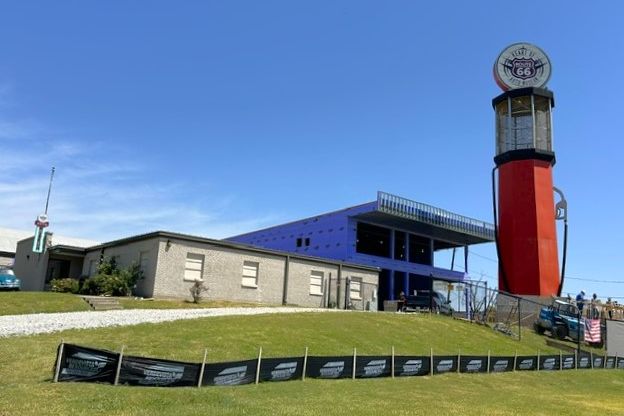
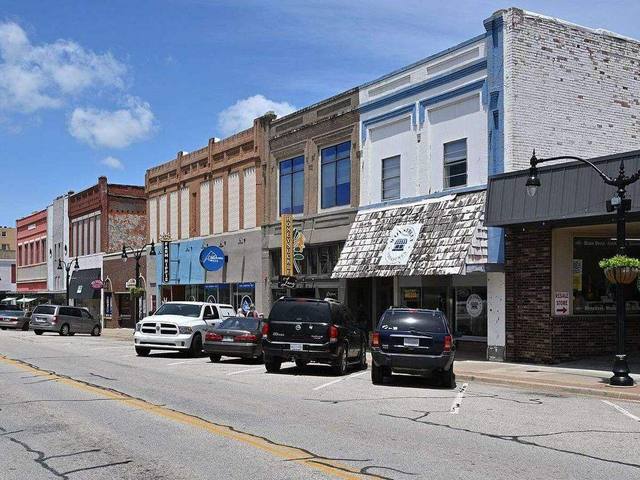
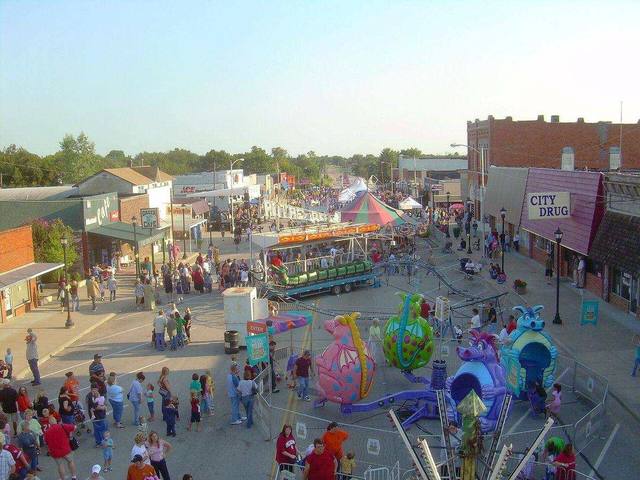
Sapulpa grew up as a railroad and Route 66 town, the Creek County seat with a brick downtown along Dewey Avenue that still carries its highway era storefronts, the Sapulpa Historical Museum, and a giant vintage gas pump standing over the auto museum at the edge of the district. Behind the commercial center, established neighborhoods hold the housing that grew with the town: early and mid century homes, many on pier and beam foundations with crawl spaces, plumbed originally in materials that have now served far beyond their design life, and updated in stages ever since.
That age profile defines Sapulpa water work. Systems fail from wear here more than from defects: supply lines corrode, sewer laterals of clay and cast iron crack and collect roots, galvanized pipe narrows until pressure finds the weak joint, and roofs on older homes and flat commercial sections leak at seams and flashing. Newer construction exists on the city edges and follows the modern slab pattern, but the center of Sapulpa restoration gravity is older stock, handled carefully, because so much of it is worth keeping.
Where Water Gets In Across Sapulpa
Sewer and drain failures earn first mention in Sapulpa. Aging laterals plus mature street trees make backups a recurring event in the older neighborhoods, and a backup is not a bigger version of a clean water leak; it is a contaminated category that changes materials decisions, safety protocol, and cleanup method from the first hour. Supply failures come second, often announcing themselves late because crawl spaces hide the early stages, followed by water heater failures in closets, garages, and utility rooms across the housing stock.
Weather rounds out the list. Sapulpa sits southwest of Tulsa in the same storm corridor, taking wind driven rain, hail, and tornado risk each spring, and its older roofs feel every season of it. Roof leaks here often run inside wall and ceiling assemblies before they stain, which makes the visible spot a poor map of the actual damage. Freezes find the crawl space plumbing of pier and beam homes on the coldest nights. The cause pages below lead with pipes, sewers, and roofs, the Sapulpa order, and continue through the rest.
How a Sapulpa Water Damage Call Proceeds
1. Tell us the building age and the water type
Clean supply water, drain water, and sewage are three different jobs with three different safety protocols, and an older Sapulpa building adds its own questions about materials and previous repairs. What you describe sets the first hour.
2. Shut off water and make the scene safe
Close the valve or main for plumbing failures. For sewage, keep people and pets out of the affected rooms entirely and do not run fans, which can spread contamination. Electrical hazards in standing water come first, always.
3. Extract standing water and contain the affected area
Bulk water comes out mechanically. Contaminated jobs add containment and protective protocol before removal begins, so the rest of the building stays clean while the affected part is handled.
4. Map the moisture, including the crawl space
Readings cover the rooms you can see and the spaces you cannot: crawl spaces, wall cavities, and the ceiling assemblies where Sapulpa roof leaks like to travel. The map sets the material decisions.
5. Dry, treat, and verify
Drying follows the map with daily readings. Materials touched by contaminated water follow the category protocol rather than the drying plan, and antimicrobial treatment closes the sequence where the category calls for it.
6. Document the whole event
Dated photos, maps, and readings from first visit to final verification. Older buildings generate insurance questions; a complete file answers them with evidence instead of recollection.
Drying Older Sapulpa Construction Without Wasting It
Older Sapulpa homes hold materials modern construction replaced with cheaper ones: solid wood floors and trim, plaster, sturdy framing. Controlled drying saves more of that fabric than hasty demolition, hardwood dries in place with mats when caught early, plaster tolerates measured drying, and pier and beam access lets crews dry floor systems from below as well as above. The deciding instrument is the moisture meter, applied material by material, because age alone should not condemn a floor that readings say can recover.
The crawl space is the other half of the older home job. It collects the plumbing drips, the runoff, and the groundwater, and it will rewet the house above it if it is left soaked while the rooms are dried. Drying both as one system, checking joist and subfloor readings below and floor readings above, and dealing with failed or missing vapor barriers in the plan, is what makes an older home result last past the next storm. Sapulpa has a century of these houses; they deserve the unhurried version of this work.
Insurance Documentation and Choosing Help in Sapulpa
Older buildings draw closer insurance scrutiny, because adjusters must separate the sudden event from the long history around it. The file that does that is built during the work: the failed pipe or roof section photographed, dated pictures of every affected area, a moisture map, and daily readings that show the loss being dried, not left. For sewage events, the record also documents the category protocol that was followed. We produce that file as routine, and it serves owners of homes and Dewey Avenue businesses alike.
Choosing help for an older Sapulpa property means asking preservation questions alongside the standard ones. Ask how the company decides between drying and removal, and listen for readings, not rules of thumb. Ask how crawl spaces and contaminated categories are handled. Ask what standard governs the work, the IICRC S500 and S520 frameworks, and what documentation you will hold. And treat any promise about what your insurer will pay as a guess, whoever makes it; the policy decides, the file persuades, and the work has to stand on its own either way.
Water damage in Sapulpa? Start with one call.
Call (918) 578-1166 and tell us what happened and where in Sapulpa you are. We extract, dry, and document the loss, and we explain each step before we do it.
Water Damage Causes We See in Sapulpa
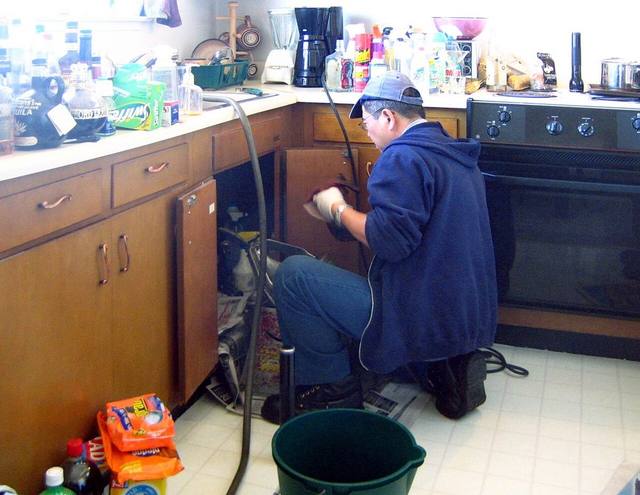
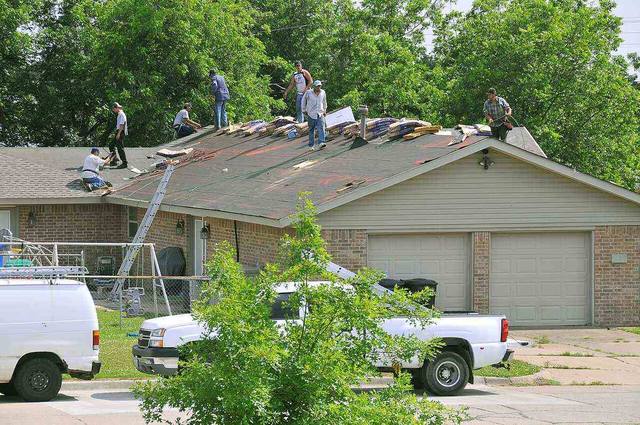
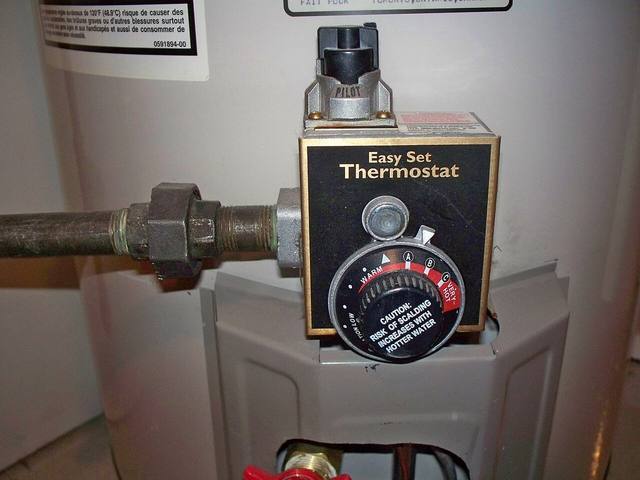
Sapulpa water work runs through its older systems first: pipes at the end of their service life, sewer laterals with root intrusion, and roofs that have taken decades of hail. These cause pages follow the order Sapulpa homeowners and building owners need them.
Main Water Damage Services in Sapulpa
Every Sapulpa call runs through the same main services: emergency response, residential and commercial restoration, and round the clock cleanup. The pages below explain each one in full.

Nearby Communities We Serve
Sapulpa anchors the southwest metro along the Turner Turnpike corridor, with Kellyville down Route 66 and Tulsa up it. Each nearby page is written for its own community; Sapulpa older stock and Glenpool new subdivisions are different kinds of work.
Return to the water damage restoration Tulsa OK home page for the full process, cause, mold, and insurance pages, see all service areas, or start with emergency water damage restoration if water is active right now.
Water Damage Questions from Sapulpa Homeowners
What water problems come with Sapulpa older buildings?
Age, in systems. Older Sapulpa homes and downtown commercial buildings carry plumbing that has been repaired in stages for decades: mixed pipe materials, drain lines with bellies and root intrusion, and water heaters and supply lines well past their expected life. Roof systems on the older commercial stock add flat and low slope sections that pond water and leak at seams. The water events follow: drain backups, supply failures, and slow roof leaks that stain ceilings for months before anyone opens them. The fix starts with finding the true source, because in an older building the stain and the leak are rarely in the same room.
Are sewage backups common in Sapulpa?
They are a regular call in the older neighborhoods, where clay and cast iron sewer laterals have had generations to crack, shift in clay soil, and collect tree roots. A backup is Category 3 water, the contaminated category, and it changes the job completely: porous materials it touches generally come out rather than dry in place, the space gets contained and disinfected, and occupants should stay clear until it is cleaned. If your drains gurgle, multiple fixtures back up together, or you smell sewer gas, treat it as a stop and call situation rather than a plunger problem.
My Sapulpa home has a crawl space. What should I watch for?
Standing water after rain, a musty smell that strengthens in summer, and floors that feel soft or uneven are the three warnings. Sapulpa established neighborhoods include many pier and beam homes, and their crawl spaces collect runoff, plumbing drips, and groundwater. A wet crawl space feeds moisture into joists and subfloors, grows mold, and can go unnoticed for a full season because nobody goes under the house. After major storms, and whenever a plumbing leak is found inside, the crawl space belongs on the inspection list, with readings, not just a flashlight look.
Do you restore water damage in Sapulpa Route 66 commercial buildings?
Yes. The Dewey Avenue corridor and the downtown stock include restaurants, retail, museums, and service buildings, several of them historic Route 66 properties with older plumbing and roofs. Commercial work in older buildings balances two duties: dry the structure properly, and respect fabric that cannot be replaced off a shelf. The plan phases work around operating hours where that is safely possible, documents everything for the owner and insurer, and coordinates the trades the building needs beyond drying. The commercial restoration page covers the planning model in full.
Does homeowners insurance cover an old pipe failing in Sapulpa?
Policies respond to events, not to birthdays. A pipe that suddenly bursts is the kind of sudden and accidental event most homeowners policies are written around, even in an older home. A pipe that has been seeping for months behind a wall is the gradual damage those same policies usually exclude. The difference is documented, not argued: dated photos, the failed component preserved where possible, moisture mapping that shows the footprint, and readings through drying. Your insurer decides the claim. Our file gives them the clearest possible picture of what happened and when.
One call starts extraction and drying.
Talk to a Tulsa area dispatcher now about your Sapulpa property. You will get clear next steps and documentation from the first visit.