Tulsa, OK - 24/7 Emergency Service
Moisture Mapping and Detection Tulsa OK
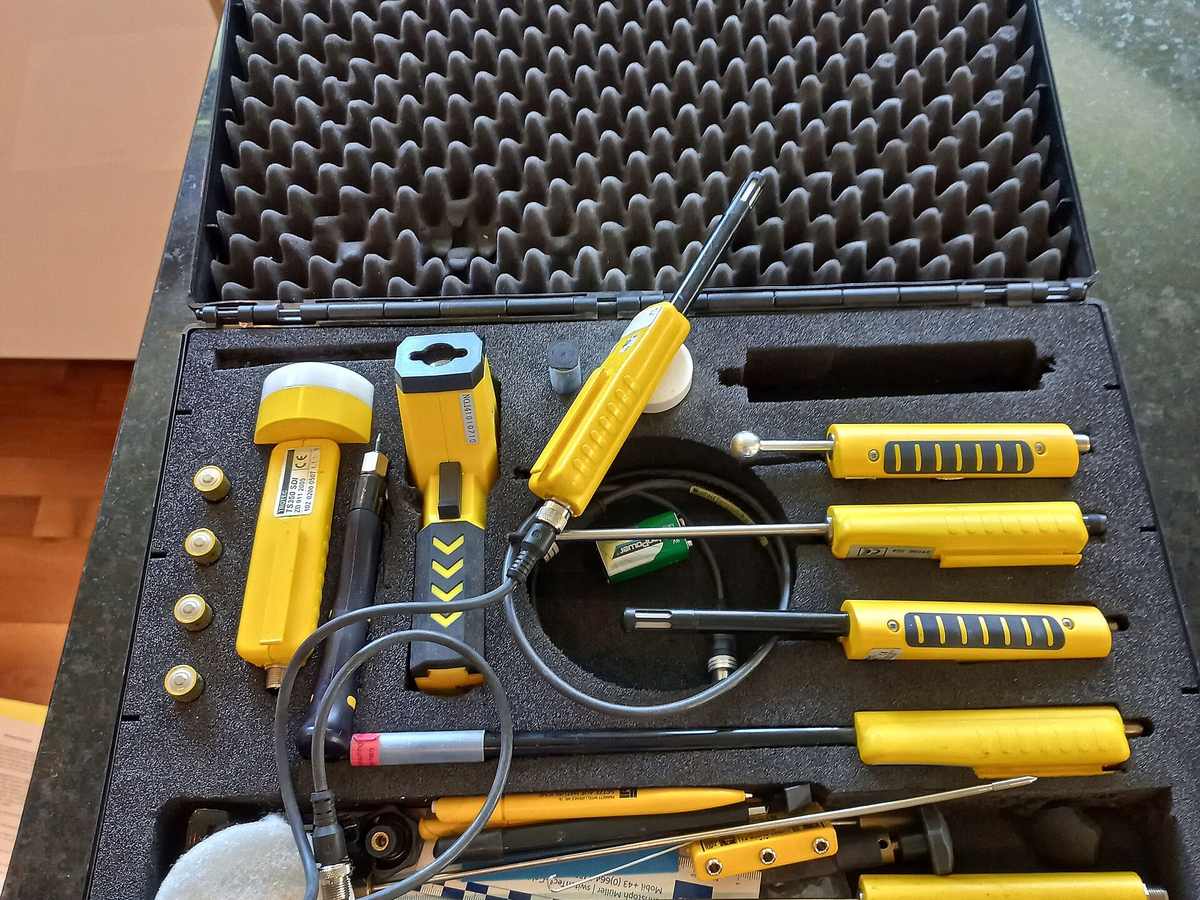
Water hides. It runs inside walls, under floors, and along framing far from the stain you can see. Moisture mapping finds the full footprint of a loss with instruments, before drying, demolition, or repairs are decided.
- Penetrating and non-penetrating moisture meters
- Infrared thermal imaging of walls and floors
- Written moisture map of the full wet footprint
- Readings documented for you and your insurer
Each step protects the next one. Rush or skip a step, and the water you cannot see stays behind to feed mold and swell framing.
Why the Visible Stain Is Never the Whole Loss
Water obeys gravity, capillary action, and the path of least resistance, none of which respect the boundaries of a visible stain. A supply line leaking inside a wall wets the cavity, the insulation, and the sill plate, then travels along the plate into the next room. A slab leak under a Tulsa ranch pushes moisture up through the concrete across a wide radius and into flooring that never saw a drop of liquid. An upstairs bathroom leak appears on the ceiling below only after the subfloor and joists above are saturated. Treating the visible area alone is how losses get under-scoped, under-dried, and rediscovered months later as mold and odor complaints.
Moisture mapping is the disciplined answer: a systematic survey of the affected area and everything adjacent to it, recorded as a map of readings tied to locations. The map decides where extraction focuses, what gets opened, what gets dried in place, and what the dry standard targets are. It also protects the homeowner in both directions. Nothing wet is missed and sealed in, and nothing dry is torn out and billed. In an industry where scope disputes are common, a map with dated readings is the shared fact base that the homeowner, the technician, and the insurance adjuster can all work from.
The Instruments: Pin Meters, Scanners, Infrared, and Hygrometers
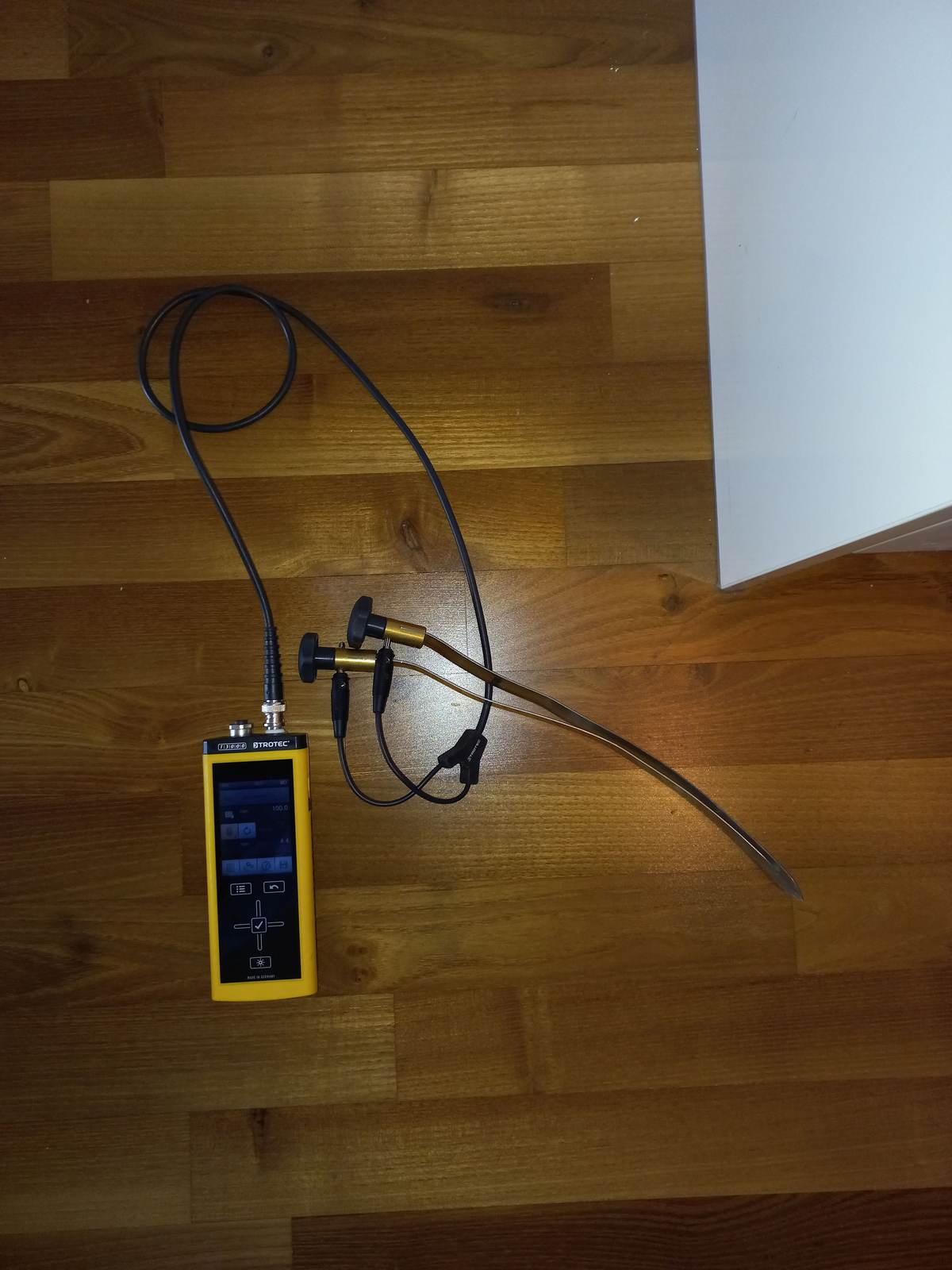
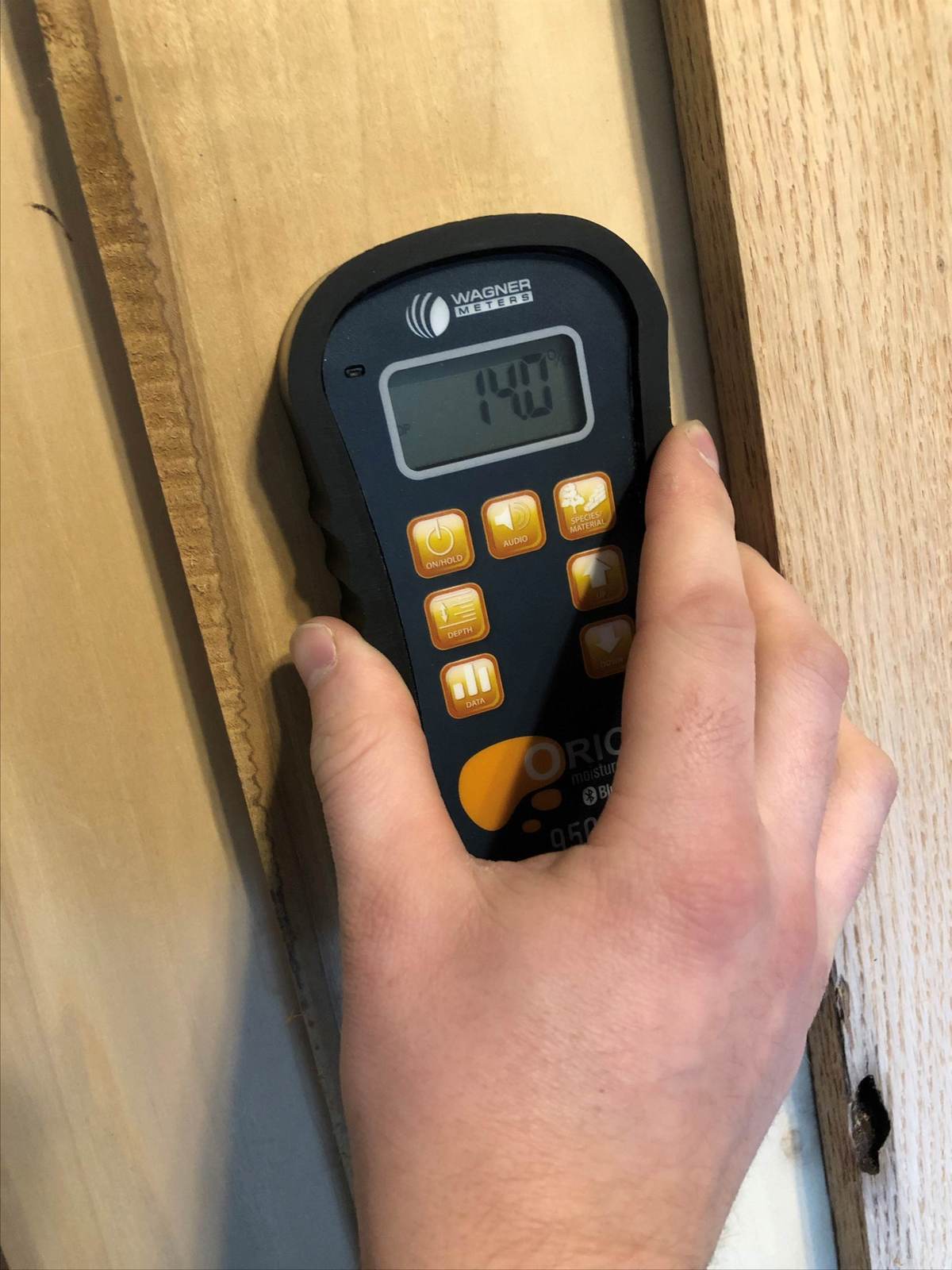
Penetrating meters use two pins driven a short distance into wood, drywall, or subfloor to read moisture content at that depth, reported as a percentage for wood and as a relative scale for other materials. They are the confirmation tool: slow, point by point, and hard to argue with. Non-penetrating meters scan by emitting a signal into the material and reading what returns, which lets a technician sweep a whole wall or floor quickly and find the pattern and edges of a wet area without leaving a mark. Used together, the scanner finds the shape and the pins prove the depth.
Infrared thermal imaging adds the picture. Wet material evaporates and cools, and it also holds temperature differently from dry material, so an infrared camera often shows the outline of hidden moisture as a temperature pattern shaped like the plumbing run, the spill path, or the flooded corner behind a finished surface. Infrared does not measure moisture directly, and honest technicians say so: every thermal anomaly gets confirmed with a meter before it goes on the map. Thermo-hygrometers complete the kit, reading air temperature and humidity and, with in-cavity probes, the conditions inside a wall, which guide the drying setup that follows.
Moisture Migration Paths in Tulsa Homes
Experienced Tulsa technicians read a house the way water moves through it. Down is first: through floor assemblies, ceiling cavities, and wall chases that carry plumbing between floors. Sideways is second: drywall wicks moisture well beyond the wet base, carpet and pad spread it under furniture and into closets, and water runs along the top of a slab to the lowest rooms. Concealed moisture collects where assemblies trap it, behind cabinets and built-ins, under tubs and shower pans, inside exterior walls where insulation slows drying, and in crawl spaces where a small plumbing drip can wet joists for months undetected.
Foundation type steers the search. Slab homes hide leaks below concrete, where detection relies on surface readings, temperature patterns, and sometimes acoustic leak detection by a plumber before restoration mapping even begins. Pier and beam homes demand a crawl space survey with readings on joists and subfloor from below. Basement homes concentrate moisture at the cove joint where wall meets floor and behind finished basement walls. The map for each type looks different, and a technician who asks about your foundation before quoting detection scope is a technician who understands the assignment.
How the Work Proceeds, Step by Step
1. Interview and visual survey
The visit starts with the history: when water appeared, what the source was, what has been repaired, and where odor, stains, or soft spots are noticed. Visible clues aim the instruments.
2. Non-invasive scanning
Walls, floors, and ceilings in and beyond the affected area are swept with non-penetrating meters and infrared imaging to outline the full pattern of suspected moisture.
3. Pin confirmation and depth checks
Suspect points are confirmed with penetrating meters, including wall bases, subfloor edges, and framing, so the map records depth as well as spread.
4. The written moisture map
Every reading is logged to a location on a sketch of the space, with the dry standard from an unaffected area noted for comparison. You receive the map and a plain language summary.
5. Scope recommendations from the map
Drying, opening, removal, or no action at all: the recommendation follows the readings, and where mold is suspected, the map shows exactly where assessment should focus.
How the Map Drives Drying, Demolition Decisions, and Daily Monitoring
Nothing else in the restoration process works properly without the map. Drying equipment is placed against the mapped footprint, not the visible stain, and daily monitoring returns to the same marked points so progress is a trend line rather than a feeling. Demolition decisions inherit their discipline from the map too: a wall section is opened because readings at depth stayed high or the category demands it, and a floor is lifted because the subfloor beneath it reads wet, not because opening things is billable. When a homeowner asks why this wall and not that one, the map is the answer.
The map also ages well. If odor or staining appears later, the original readings show what was wet, what was dried, and what was verified at completion. If an insurer questions the scope, the map and monitoring log show the loss as measured, day by day. And if the map finds a second, older problem, a slow leak unrelated to the main loss, you learn about it while it is still a plumbing repair rather than after it becomes a remediation project. Detection done early and documented properly is the cheapest phase of any water loss.
Suspect a Hidden Leak? What a Detection Visit Can and Cannot Do
A detection visit can confirm whether moisture is present, where it is, how much there is, and whether it is active or historical. It can distinguish a live slab leak pattern from the residue of a spill last spring, and it can find the wet wall behind a musty closet that two cleanings failed to fix. What it cannot do is see through every assembly without any access at all, or identify a plumbing leak source inside a slab to the inch: that final pinpointing may need a plumber with acoustic or tracer equipment, working from the map the restoration technician provides.
Need this step handled in Tulsa right now?
Call (918) 578-1166 and a local dispatcher will talk through your situation, the water source, and the safest next step for your home or business in Tulsa County.
Causes That Commonly Need This Service
Detection matters most where water hides longest. These Tulsa causes are the ones most often found by meters and infrared weeks after they started, not by a visible flood.

Main Water Damage Services in Tulsa
This process step sits inside a full restoration sequence. These pages cover the emergency, residential, and commercial services it supports.


Other Steps in the Restoration Process
Return to the water damage restoration Tulsa OK home page for the full process, cause, mold, and insurance pages, or start with emergency water damage restoration if water is active right now.
Frequently Asked Questions
How do you find hidden water damage?
By measuring instead of guessing. Technicians start from the known source and work outward with non-penetrating meters that scan walls and floors for moisture patterns, then confirm readings with penetrating pin meters at specific points. Infrared thermal imaging shows temperature differences that often trace the shape of wet material behind a surface, and each confirmed point goes onto a written moisture map. Musty odor, staining, bubbling paint, and warped trim guide the search, but instruments decide where the water actually is and how far it traveled.
What instruments detect moisture in walls and floors?
The standard kit is a penetrating pin meter, which reads moisture content at depth through two small pins, a non-penetrating scanner that reads through surfaces without leaving holes, an infrared camera that images temperature patterns linked to evaporation and wet material, and a thermo-hygrometer that measures temperature and humidity in the air and inside cavities. Borescopes can look inside a wall through a small hole when readings conflict. Each tool answers a different question, which is why a single meter reading is never the whole story.
Why do dry-looking areas still read wet on a meter?
Because surfaces dry first and lie about it. Paint and the outer face of drywall give up moisture quickly, while the back of the same sheet, the insulation behind it, and the sill plate at its base can stay wet for weeks. Water also migrates: it wicks sideways through drywall, runs along framing, and pools at low points far from the visible stain. A meter reads the material itself, not its appearance, and concealed moisture that feels dry to a hand is exactly the moisture that later grows mold inside a closed wall.
Does moisture mapping damage my walls?
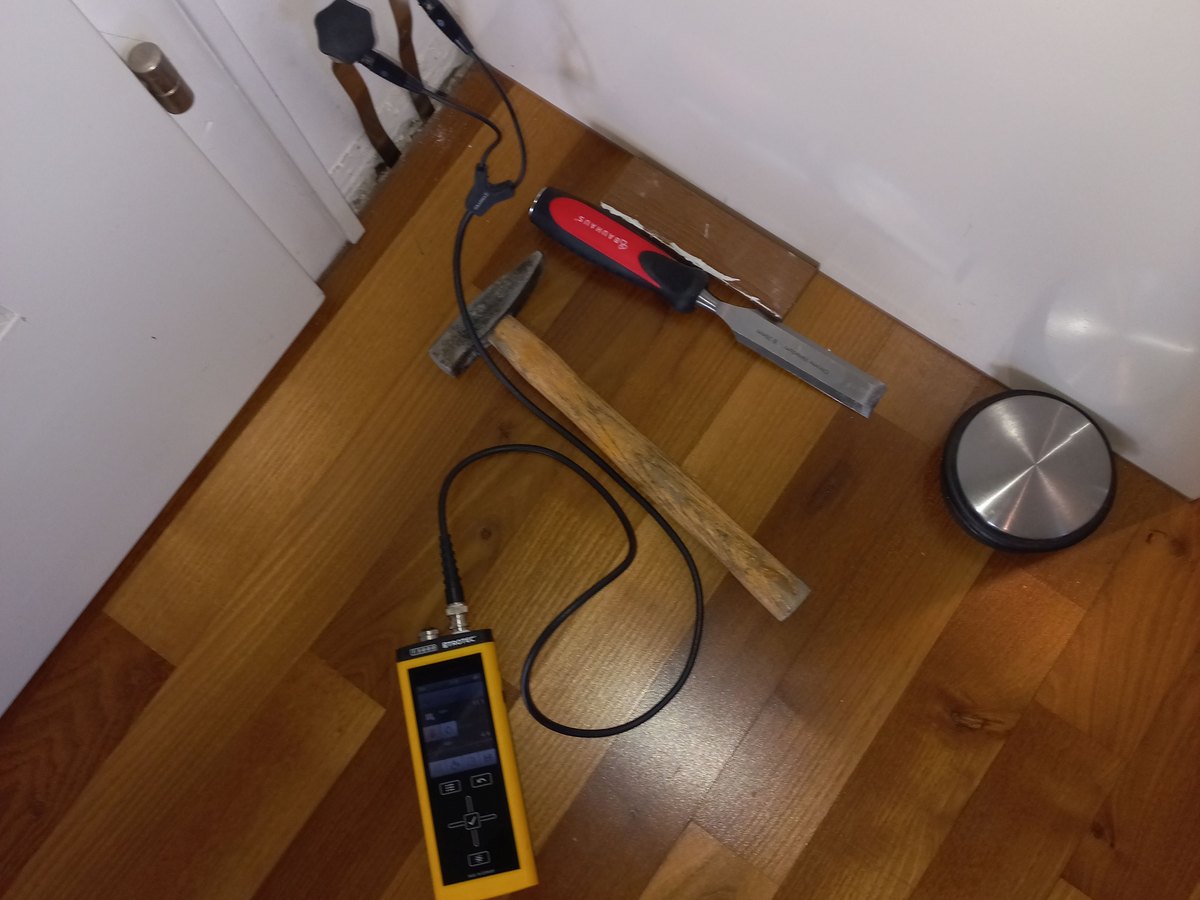
Scanning and infrared imaging are completely non-invasive. Pin meters leave two pinhole marks, usually placed at baseboard level or in inconspicuous spots, and they are the price of certainty about what is happening at depth. Where readings disagree or a cavity must be confirmed, a technician may ask to drill a small inspection hole behind a baseboard or inside a cabinet, and will explain why before doing it. Compared with opening a wall on a hunch, or worse, closing a wet wall on one, mapping is the least destructive path by a wide margin.
When should I ask for moisture detection if I only suspect a leak?
Ask when the clues appear: a musty smell that cleaning does not fix, a water bill climbing with no visible cause, a warm or soft spot on a floor, paint bubbling, baseboards separating, or a room that always feels humid. Slab leaks under Tulsa homes can run for weeks before they surface, and early detection is the difference between drying a wall and replacing a floor. A detection visit produces a map and a straight answer, including when the answer is that readings are normal and no work is needed.
One call starts the whole process.
Talk to a local Tulsa dispatcher now. You will get clear next steps, a real arrival plan, and documentation from the first visit.