Tulsa, OK - 24/7 Emergency Service
Dehumidification Services Tulsa OK
Air movers stir moisture out of walls and floors. Dehumidifiers are what actually take it out of your house. In humid Tulsa, that removal capacity decides whether drying takes days or fails quietly.
- Commercial LGR dehumidifiers, not store-bought units
- Desiccant units for cool spaces and specialty drying
- Capacity sized to the class of loss, per S500
- Grain depression checked at every monitoring visit
Each step protects the next one. Rush or skip a step, and the water you cannot see stays behind to feed mold and swell framing.
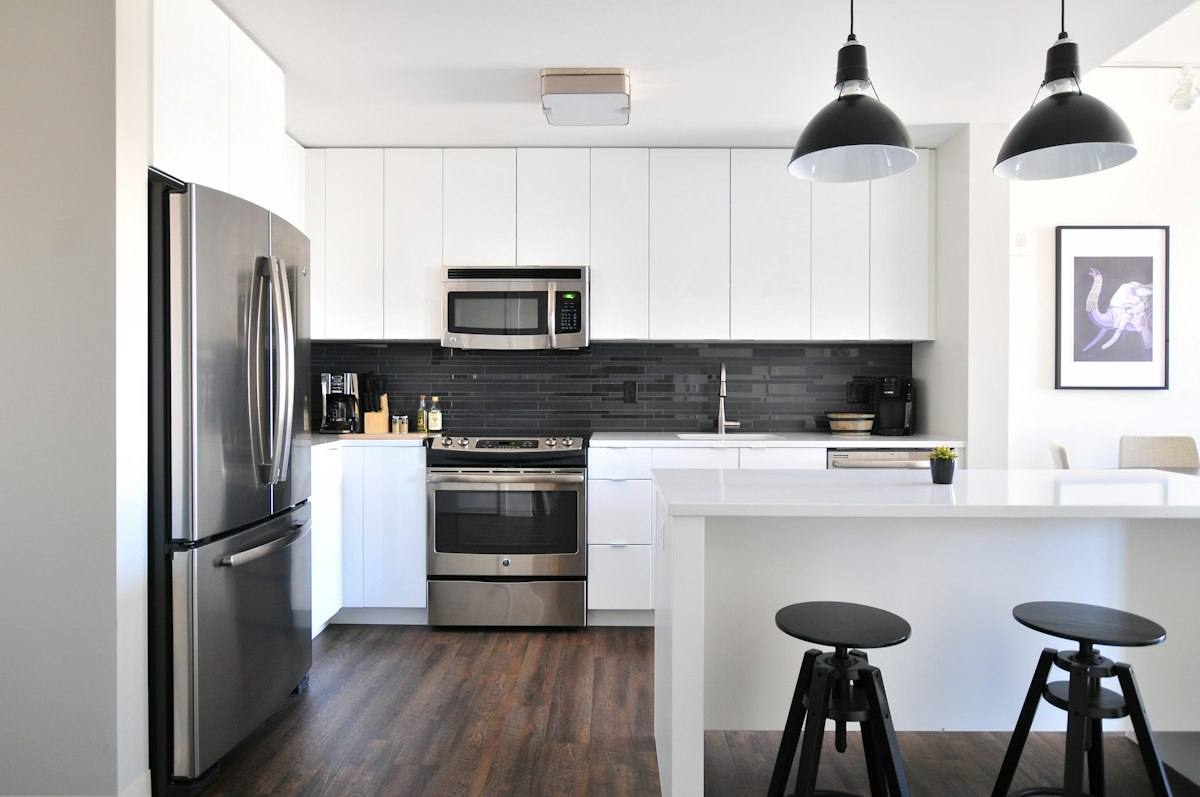
The Half of Drying Most People Underestimate
Evaporation gets the attention because air movers are loud and visible, but evaporation alone does not dry a building. It only moves water from materials into the air of the room, and air has a strict carrying capacity. Once the air in a wet Tulsa room saturates, evaporation stops, no matter how many fans are running, and the vapor begins condensing on the coolest surfaces available: exterior walls, windows, ductwork, and the inside of unaffected rooms. Dehumidification is the removal half of the system, the half that carries water out of the structure in a drain line, pint by pint, and keeps the air hungry enough for evaporation to continue.
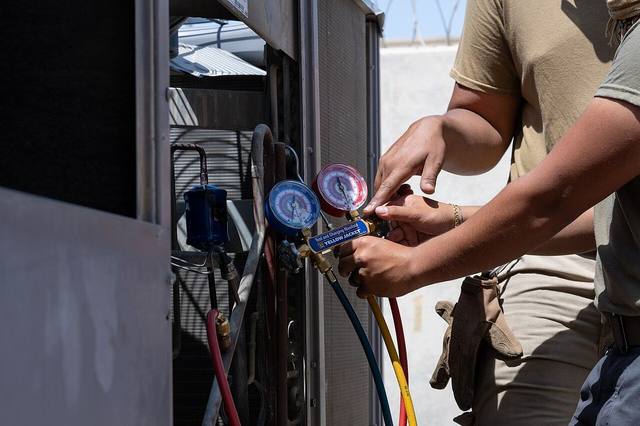
This is why dehumidification is a standalone service with its own sizing science rather than an accessory. The key measurement is grain depression: the difference in moisture content, measured in grains per pound of dry air, between the air going into a dehumidifier and the air coming out. A healthy depression proves the unit is pulling real water from the structure. No depression means the unit is undersized, misplaced, malfunctioning, or the job is actually dry. Technicians check it at monitoring visits the way a nurse checks a pulse, because it summarizes the health of the whole drying system in two numbers.
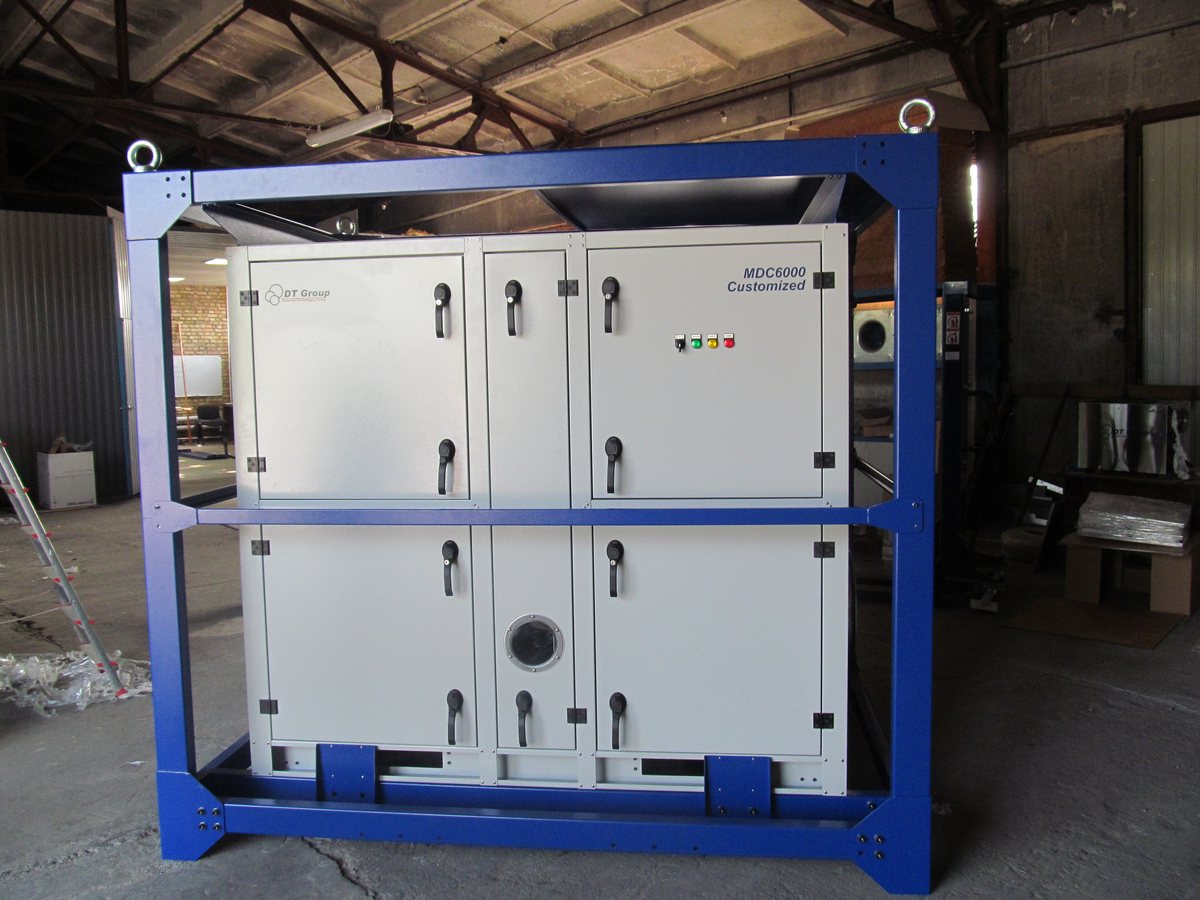
LGR vs Desiccant: Matching the Machine to the Space
Low grain refrigerant dehumidifiers are the backbone of residential restoration in Tulsa. They precool incoming air so the cold coil condenses more vapor, and they are built to keep performing as indoor humidity falls toward the dry targets at the end of a job, the range where household and older commercial refrigerant units lose most of their capacity. They run efficiently in warm conditions, which describes most Tulsa drying jobs most of the year, and their water output is easy to route to a sink, tub, or condensate pump for continuous operation.
Desiccant dehumidifiers play a different position. Instead of a cold coil, they adsorb vapor onto a slowly rotating silica wheel and purge it with a heated air stream. They do not care about low temperatures, they can produce extremely dry air, and they scale to large volumes, which makes them the right tool for winter crawl spaces, unheated structures, warehouses, and specialty assemblies like thick hardwood and concrete that need a deep moisture pull. The tradeoff is energy use and setup complexity. A professional drying plan names which family goes where in your building and why, in plain language, before the equipment is unloaded.
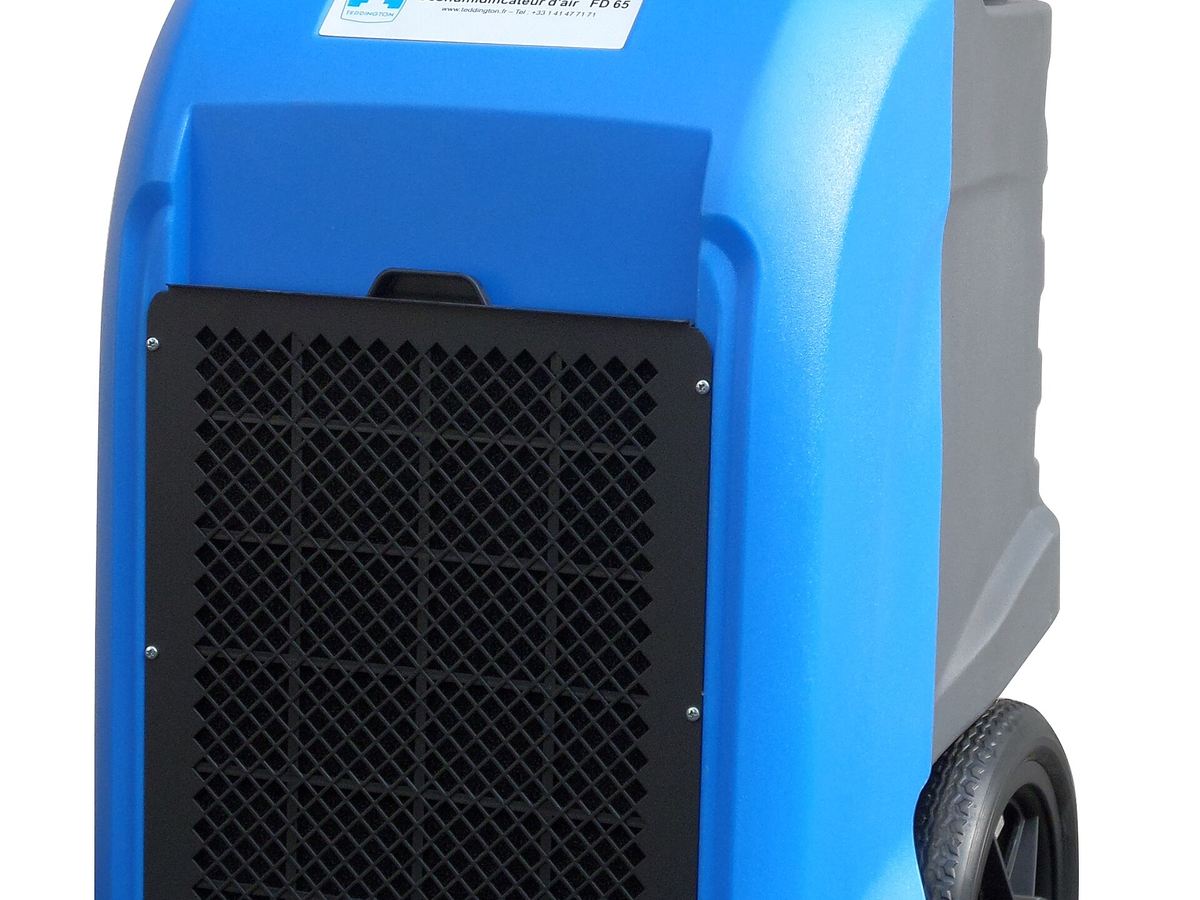
Crawl Space and Basement Dehumidification in Green Country
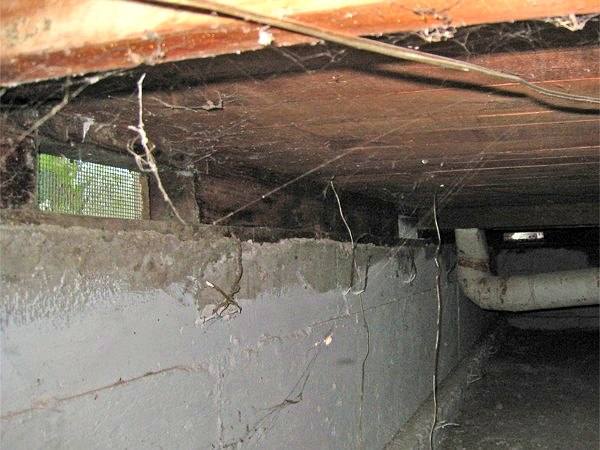
Below-grade and under-floor spaces are where Tulsa humidity does its slowest damage. A vented crawl space in July breathes in air that is already near saturation, so the vents that were supposed to dry it actually keep joists and subfloor damp for months, feeding mold and wood decay from below. After a plumbing leak or groundwater intrusion, crawl space dehumidification means extracting standing water, then running sealed, ducted dehumidification sized for the space, with drainage handled by a condensate pump, until wood moisture content returns to its dry standard and stays there on recheck.
How the Work Proceeds, Step by Step
1. Humidity and moisture assessment
Air readings and material readings establish how much vapor the space holds and how much the structure must release, which drives unit type and count.
2. Sizing and placement
Dehumidifiers are sized to the class and volume of the loss and placed so their output feeds the air mover pattern instead of fighting it, with drain lines routed for continuous running.
3. Closed-system setup
Windows and exterior doors stay closed, HVAC interactions are planned, and where needed the drying chamber is contained so capacity is spent on the wet area only.
4. Daily grain depression checks
Each monitoring visit records intake and output air conditions, material readings, and condensate volume, and adjusts capacity up or down as the structure gives up its water.
5. Staged release and final readings
Units are pulled area by area as dry standards are met, and final air and material readings are documented for your records before the last unit leaves.
What Goes Wrong When Dehumidification Is Undersized
An undersized setup fails politely. The room feels like it is drying, fans are moving air, and the surface of the carpet dries, while the relative humidity hovers high enough that wall cavities, subfloor, and framing barely release moisture at all. Days pass, rental charges accumulate, and then the secondary damage arrives: mold on the back of drywall, odor in soft furnishings, and moisture wicked into rooms that were dry on day one. In post-loss reviews, undersized dehumidification is the most common technical cause of a drying job that took twice as long as it should have, which is why S500 sizing guidance exists and why this site keeps returning to readings over vibes.
Need this step handled in Tulsa right now?
Call (918) 578-1166 and a local dispatcher will talk through your situation, the water source, and the safest next step for your home or business in Tulsa County.
Causes That Commonly Need This Service
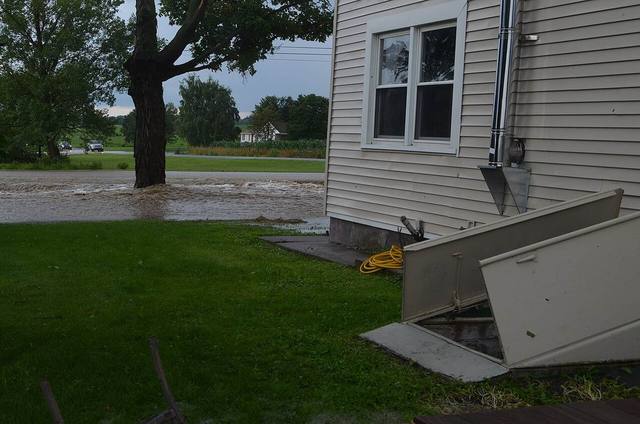
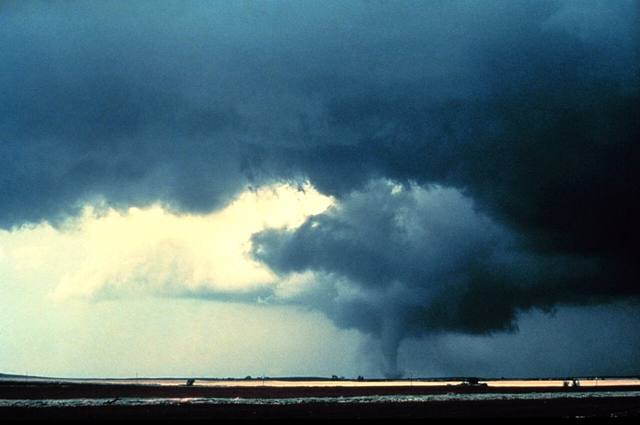
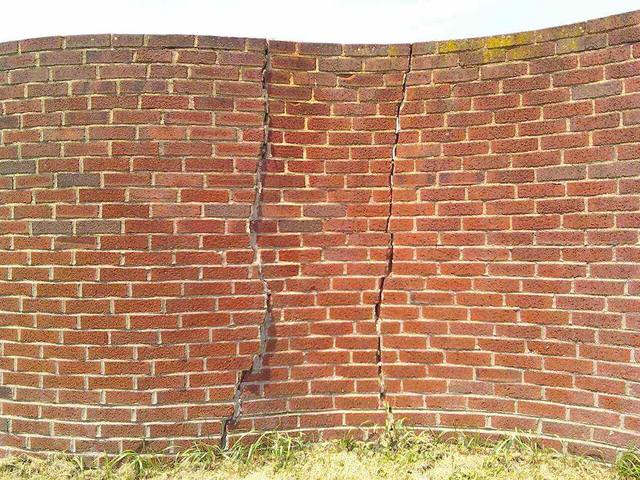
These Tulsa causes leave the heaviest humidity loads behind, in the spaces where Green Country air makes drying hardest: crawl spaces, basements, and storm soaked structures.
Main Water Damage Services in Tulsa
This process step sits inside a full restoration sequence. These pages cover the emergency, residential, and commercial services it supports.

Other Steps in the Restoration Process
Return to the water damage restoration Tulsa OK home page for the full process, cause, mold, and insurance pages, or start with emergency water damage restoration if water is active right now.
Frequently Asked Questions
Why can I not just open the windows in Tulsa?
Because most of the year, Tulsa outdoor air is wetter than the air you are trying to achieve indoors. Dehumidification works by keeping indoor air drier than the wet materials, so moisture keeps moving out of walls and floors. Opening windows during a humid Green Country spell imports vapor faster than evaporation removes it, and the drying stalls or reverses. There are a few dry, cool days each year when ventilation helps, and your technician, watching actual readings, will say so if one arrives during your job. The rest of the time, a closed structure with sized dehumidification wins.
What is the difference between LGR and desiccant dehumidifiers?
LGR units are refrigerant dehumidifiers refined for restoration: they cool air to condense out its vapor and are engineered to keep removing moisture efficiently at the low humidity levels reached late in a drying job, which is where ordinary refrigerant units fade. Desiccant units pass air through a moisture absorbing material and a heated regeneration stream, and they excel in cool spaces, very large volumes, and jobs needing extremely dry air. Tulsa homes usually run LGR units. Crawl spaces in winter, warehouses, and specialty hardwood or concrete drying may run desiccant. The readings, not habit, decide the mix.
How many dehumidifiers does my home need?
The count comes from the loss, not the square footage alone. Technicians calculate from the class of water damage, the volume of the affected space, the materials involved, and the current humidity load, using the sizing guidance in the S500 standard. Too few units and the air stays saturated, evaporation stalls, and secondary damage spreads to contents and unaffected rooms. Too many and you are renting capacity the job cannot use. Expect the number to change across the job as areas reach their goals and units are released, and expect the monitoring log to justify every unit on site each day.
Is one store-bought dehumidifier enough after a leak?
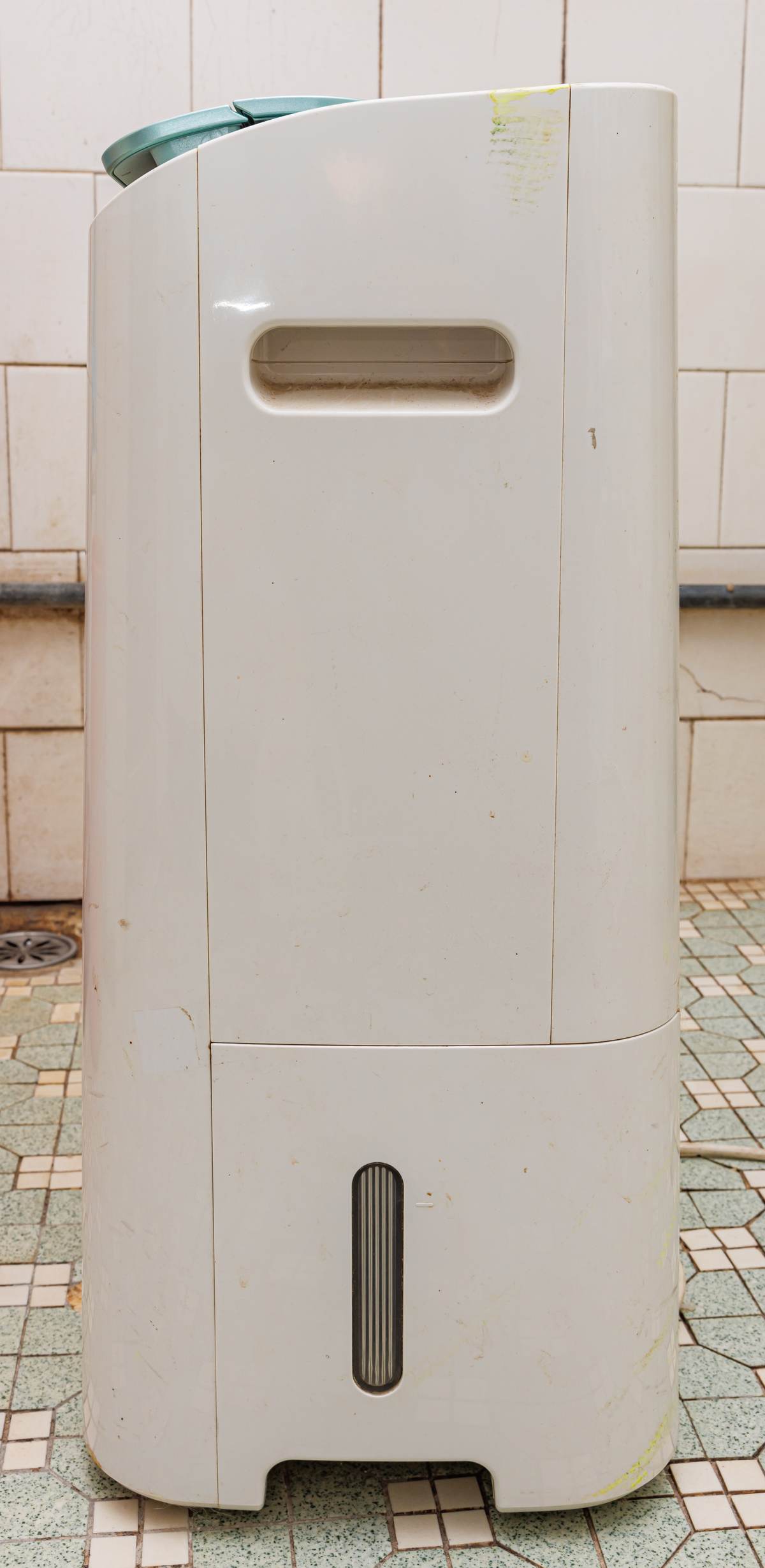
For a small spill caught immediately on a hard surface, it can help. For a real loss, no: a consumer unit removes a fraction of the water per day that a commercial LGR unit removes, its small tank or drain setup limits continuous running, and it does nothing for moisture inside walls, under floors, or in a crawl space. The deeper problem is verification. Without meters, there is no way to know whether the structure reached a safe moisture level or merely felt drier at the surface. Consumer units are a supplement, not a drying plan.
How long will the dehumidifiers run?
On a typical Tulsa residential loss, dehumidification runs alongside air movement for three to five days, checked daily. Crawl space and basement jobs, thick assemblies, and high humidity weather can extend that, and hardwood or concrete work extends it further. Units are removed area by area as readings reach the dry standard, so the count in your home should shrink before it disappears. If a setup runs a full week with no change in readings and no change in plan, ask hard questions: capacity, placement, or an undiscovered continuing source is usually the story.
One call starts the whole process.
Talk to a local Tulsa dispatcher now. You will get clear next steps, a real arrival plan, and documentation from the first visit.