Tulsa, OK - 24/7 Emergency Service
Water Damage Restoration Broken Arrow OK
Broken Arrow is the largest suburb in the Tulsa metro, and its water problems split by era: aging pipes in the older center, slab and appliance leaks in the newer subdivisions, and storm water along the BA Expressway corridor.
- Rose District and older homes, assessed by construction era
- Newer subdivisions on slab on grade foundations
- Storm and tornado season water intrusion
- Extraction, drying, and documentation from the first visit
Crews who know Tulsa County housing, soil, and storm patterns dry buildings faster, because the plan fits the building from the first visit.
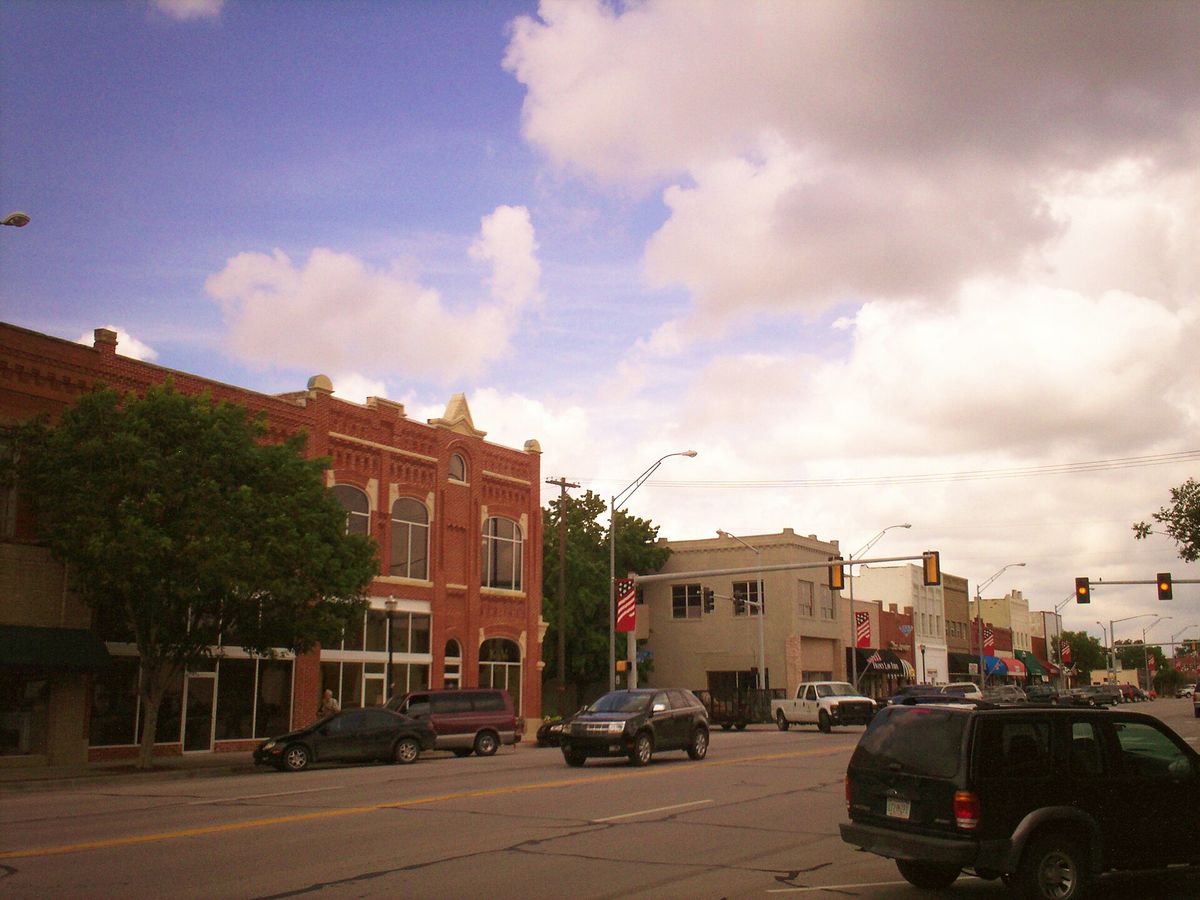
Two Cities in One: Broken Arrow Housing by Era
Broken Arrow grew from a small town into a city of more than 113,000 people, and the growth rings are still readable in its housing. Around Main Street and the Rose District sit the older neighborhoods: mid century homes with a mix of pier and beam and slab foundations, copper and galvanized plumbing that has been in service for decades, and roofs that have weathered a long list of Oklahoma storm seasons. South and east of the older center, subdivision after subdivision from the 1990s onward added slab on grade homes with PEX plumbing, two story plans, upstairs laundry rooms, and large open footprints.
That split decides how water behaves when something fails. In the older center, water usually arrives through systems at the end of their service life: a supply line lets go, a roof leaks at worn flashing, a drain line backs up. In the newer subdivisions, the same volume of water arrives through modern weak points instead, slab leaks hidden under finished floors, water heaters in garages and closets, washing machine hoses, and refrigerator and dishwasher lines. The restoration science is identical. The investigation is completely different, and it starts with the era of the house.
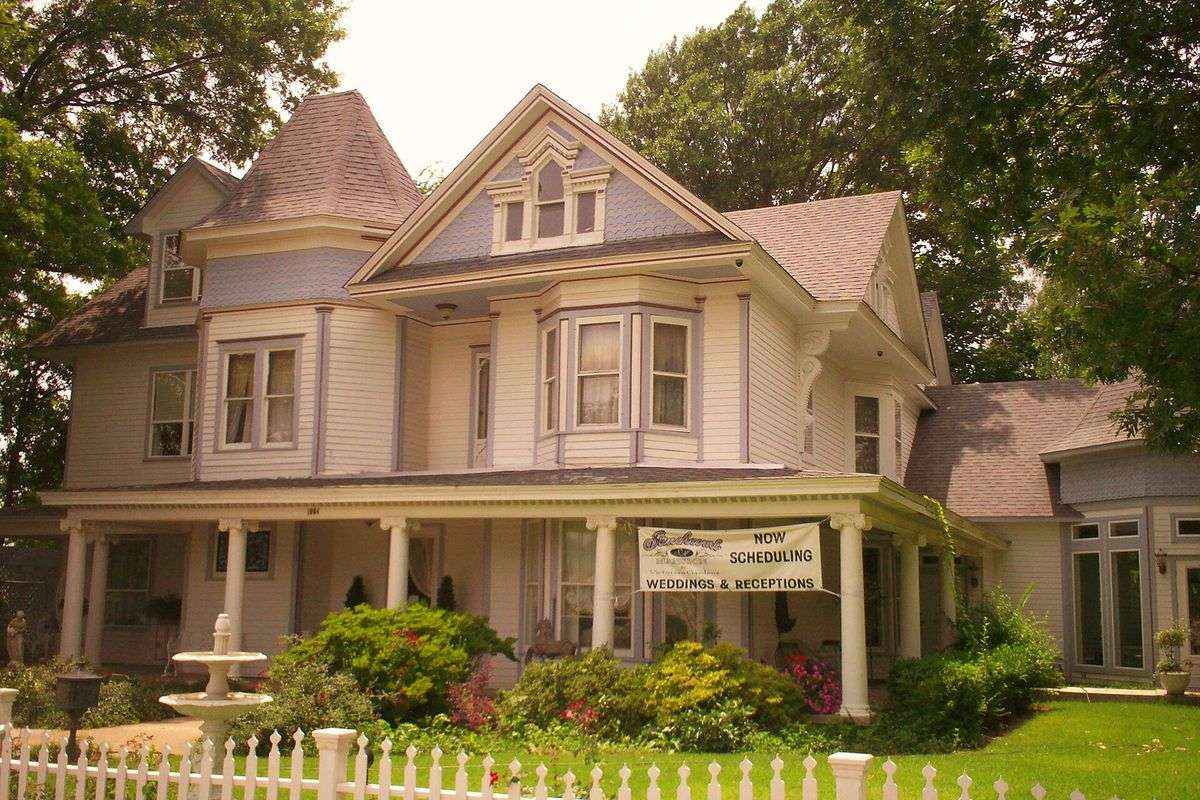
Where Water Gets In Across Broken Arrow
Storm season is the citywide exposure. Broken Arrow sits in Tornado Alley, and spring systems bring wind driven rain that tests every roof in the city at once, hail that shortens roof life, and the occasional tornado path that turns rain into an interior flood in minutes. The BA Expressway corridor and the low ground along the city drainage creeks see the heaviest runoff, and homes that have never leaked can take water at doors, garages, and foundation lines when rainfall outruns the drainage.
Winter writes the second chapter. Hard freezes burst pipes in the attics and crawl spaces of older homes first, because those lines sit closest to outside air, but newer homes are not immune when a freeze catches an uninsulated line on an exterior wall. Between the seasons, the quiet causes keep working: slab leaks under the southern subdivisions, supply hoses aging behind washers, and water heater tanks corroding from the inside. Every one of these causes has its own page on this site, linked below, because the first hour of work is different for each.
How a Broken Arrow Water Damage Call Proceeds
1. Tell us the era and the water source
Age of the home, foundation type, and what failed guide the equipment and the first checks. A slab leak in a 2015 subdivision and a burst attic line in a 1960s Rose District home are different jobs from the first minute.
2. Shut off water and make the scene safe
Stop the source at the fixture valve or the main, keep people and pets out of standing water near outlets, and do not run electrical equipment through wet rooms. Sewage changes the safety protocol entirely and gets treated as Category 3 from the start.
3. Extract standing water
Truck mounted and portable extraction removes the bulk water from floors, carpets, and low rooms. Every gallon extracted mechanically is water the drying equipment never has to evaporate, which shortens the whole job.
4. Map the moisture, room by room
Meters and thermal imaging trace where the water actually went: under slab floors, inside wall cavities, into the rooms beside and below the source. The map, not the visible wet spot, sets the work plan.
5. Dry to a measured standard
Air movers and dehumidifiers are placed from the map and adjusted at daily readings. Tulsa humidity makes open windows a poor substitute; controlled drying is what keeps mold out of the story.
6. Document and verify the result
Photos, readings, and a written record follow the job from arrival to final verification, so you and your insurer can see what was wet, what was done, and what the final readings showed.
Drying Broken Arrow Homes: Slab Floors, Hardwood, and Second Stories
Most newer Broken Arrow homes sit on slabs, which changes drying in two ways. Water that reaches the slab spreads sideways under flooring rather than draining down, so laminate and engineered wood often have to be lifted in the affected rooms while tile and stained concrete can frequently dry in place. Upstairs, a washing machine or bathroom failure sends water through the ceiling below, and the ceiling drywall and the floor system between levels both need readings before anyone decides what opens and what dries.
In the older center, the questions are different. Original hardwood in Rose District area homes can often be saved with controlled drying mats when the water is caught early, and pier and beam sections give access that slab homes do not. Crawl spaces under those homes collect the water that drains down, and a crawl space that stays wet will keep feeding moisture and odor into the house above it. Each construction type gets its own drying plan on this site, because copying a slab plan onto a pier and beam home wastes days in both directions.
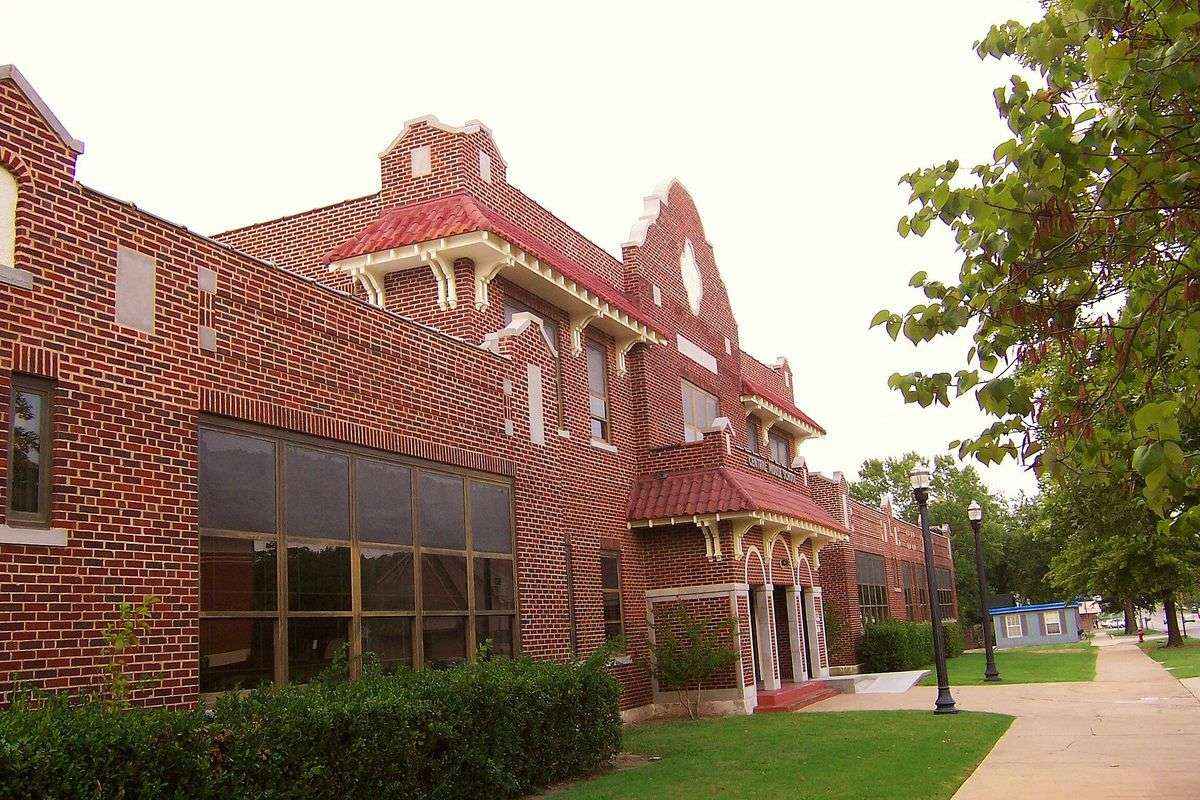
Insurance Documentation and Choosing Help in Broken Arrow
Broken Arrow homeowners file water claims in every season, and the files that move smoothly share one feature: documentation that starts on day one. Dated photographs before anything is moved, a moisture map showing the full footprint, equipment and material records, and daily drying readings give an adjuster a complete picture even when the visit happens after the water is gone. We build that file as a standard part of the work, on every job, whether a claim is filed or not.
When you compare companies, ask questions with checkable answers. Ask how they find water they cannot see, and expect meters and imaging, not guesses. Ask what standard the drying follows, and expect the IICRC S500 framework explained in plain language. Ask what you will receive in writing. And be cautious with anyone who leads with promises about your coverage or your costs: those decisions belong to your policy. The work itself, done thoroughly and documented honestly, is what a restoration company can actually stand behind.
Water damage in Broken Arrow? Start with one call.
Call (918) 578-1166 and tell us what happened and where in Broken Arrow you are. We extract, dry, and document the loss, and we explain each step before we do it.
Water Damage Causes We See in Broken Arrow
Causes pick their Broken Arrow targets by era: original plumbing in the older center, slab and appliance failures in the newer subdivisions, and storm water everywhere in between. These are the cause pages Broken Arrow homeowners open most.
Main Water Damage Services in Broken Arrow
Every Broken Arrow call runs through the same main services: emergency response, residential and commercial restoration, and round the clock cleanup. The pages below explain each one in full.



Nearby Communities We Serve
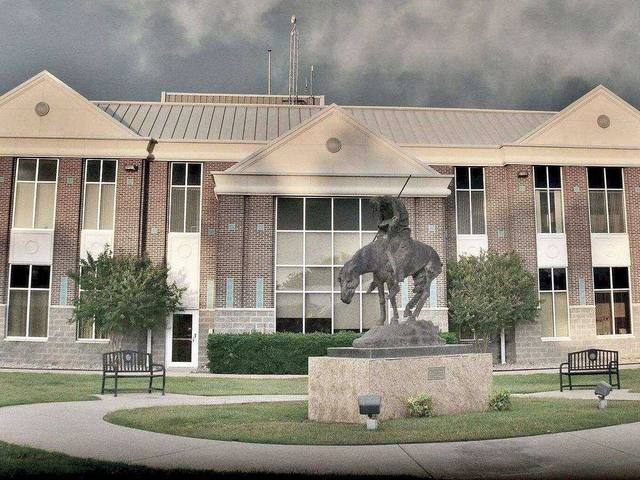
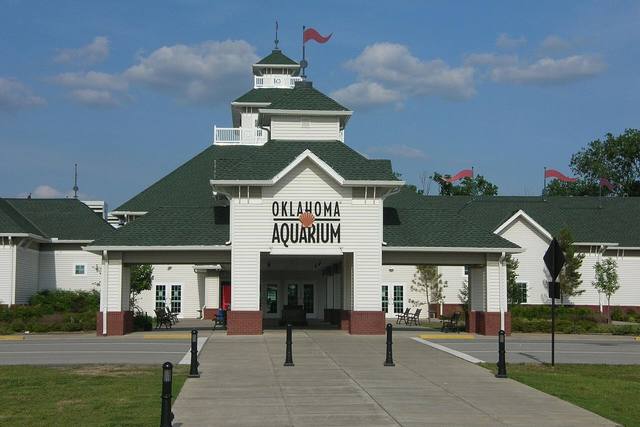
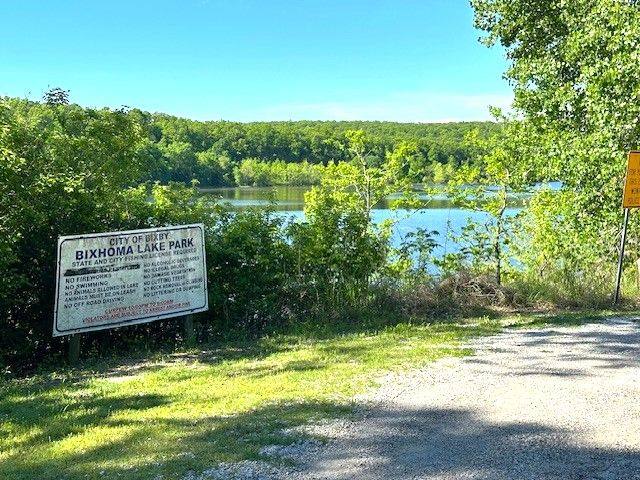
Broken Arrow borders Tulsa to the northwest and a ring of growing suburbs on every other side. Crews cover all of them, and each city page describes that community in its own housing, soil, and water terms.
Return to the water damage restoration Tulsa OK home page for the full process, cause, mold, and insurance pages, see all service areas, or start with emergency water damage restoration if water is active right now.
Water Damage Questions from Broken Arrow Homeowners
Do you cover all of Broken Arrow, from the Rose District to the newest subdivisions?
Yes. Calls come from both halves of the city: the older center around Main Street and the Rose District, where many homes still run on original plumbing, and the newer subdivisions to the south and east, where most homes are slab on grade construction from the last three decades. The restoration approach differs by era, which is why the first questions on a Broken Arrow call are about the age of the home, the foundation type, and where the water started. Tell us your neighborhood and what happened, and the crew arrives with the extraction and drying equipment that construction calls for.
What water damage do you see most in Broken Arrow homes?
It splits cleanly by era. In the older center, the repeat causes are aging supply and drain lines, worn roof systems, and pipes in attics and crawl spaces that freeze during hard cold snaps. In the newer subdivisions, the repeat causes are slab leaks that surface as warm spots or sudden bill spikes, water heaters in garages and closets, washing machine supply hoses, and appliance lines. Storm water cuts across both halves of the city every spring. The cause determines the first hour of work, so identifying it accurately matters more than working quickly in the wrong direction.
Can a slab leak under my Broken Arrow home be fixed without tearing out every floor?
Often, yes, and moisture mapping is what decides. A slab leak wets the materials above it unevenly: tile and grout tolerate water that destroys laminate and engineered wood, and some sections of a floor dry in place while others have to come up. Mapping reads each material and each room separately, so the removal list is built from readings, not from a blanket rule. The plumbing repair itself belongs to a plumber, and it usually has to happen before or alongside drying; our side of the job is extracting, opening only what cannot dry, and drying the rest to a documented standard.
My water heater sits in the garage. How serious is a leak?
Serious enough to treat as an emergency, and common in Broken Arrow subdivisions where heaters live in garages and interior closets. A tank holds dozens of gallons and the supply line behind it can release far more before anyone notices, especially in a closed garage. Water runs under walls into adjoining rooms, wicks into drywall and insulation, and soaks stored belongings. Shut the water off at the heater valve if you can do it safely, keep electrical items out of standing water, and call. The drying plan then follows the water path, which mapping traces room by room.
Does homeowners insurance cover water damage in Broken Arrow?
Most Oklahoma homeowners policies respond to sudden and accidental water events, a burst pipe, a failed water heater, a supply line that lets go, and exclude gradual problems such as slow leaks, seepage, and maintenance failures. Flood water rising from outside is a separate policy entirely. The decision belongs to your insurer and your policy language, never to a restoration company. What we control is the record: dated photos, moisture maps, and daily readings documenting the loss from the first visit, which is the file your adjuster works from either way.
One call starts extraction and drying.
Talk to a Tulsa area dispatcher now about your Broken Arrow property. You will get clear next steps and documentation from the first visit.