Tulsa, OK - 24/7 Emergency Service
Residential Water Damage Restoration Tulsa OK
Your home is not a job site that happens to have furniture in it. Residential restoration protects the people living there first, then the hardwood, the walls, and the belongings, with drying you can verify by numbers.
- Habitability assessed honestly on day one
- Hardwood, carpet, and drywall evaluated material by material
- Contents protected, packed out, and inventoried when needed
- Drying verified with daily moisture readings
Every hour standing water sits, it wicks further into drywall, flooring, and framing. Fast extraction and measured drying are what save materials in the end.

Restoration Built Around the People Who Live There
A flooded house is a disruption to a family before it is a construction problem. Residential water damage restoration in Tulsa starts with questions a commercial checklist never asks. Which bathroom still works? Where will the kids sleep? Can the kitchen stay usable? Is anyone in the home elderly, very young, or managing a health condition that makes noise, dust, or a few nights in a hotel more than an inconvenience? The answers shape containment, work hours, and the order in which rooms are dried and rebuilt.
The technical work follows the same science as any loss: source control, extraction, moisture mapping, selective removal, structural drying, cleaning, and verification, all guided by the ANSI/IICRC S500 standard. What changes is the choreography. Belongings are protected before demolition. Drying equipment is placed to keep living space usable where the loss allows. Dust control matters because dinner is being cooked twenty feet away. A residential crew that works as if the home is still a home earns the trust the next five days require.
Tulsa Housing: A Century of Construction, a Century of Failure Modes
Tulsa homes were built across the 1920s to the 2020s, and each era fails in its own dialect. Midtown and Brookside bungalows and Tudors carry original hardwood, plaster walls, basements, and plumbing that may have been partially updated three times. Postwar ranches sit on slab-on-grade foundations where a copper line can leak beneath concrete for weeks. Pier and beam construction leaves a crawl space that collects water, humidity, and eventually mold. South Tulsa and suburban two-story homes route plumbing through upstairs bathrooms and laundry rooms, so a small failure upstairs becomes a ceiling, wall, and floor loss downstairs.
Foundation type decides where restoration looks first. Slab homes need leak localization and floor assembly drying. Crawl space homes need standing water removed below, joists and subfloor read from underneath, and vapor barrier damage repaired, because moisture under a house rises into it for months. Basement homes need wall, floor, and sump systems understood together, especially on Tulsa clay, where soil movement and hydrostatic pressure conspire to send water through the same cracks every wet season. Good residential restoration reads the house before it dries the house.
Floors, Walls, and What Can Honestly Be Saved
Homeowners ask one question more than any other: can this be saved? The honest answer is per material. Solid hardwood, treated within the first day or two, often dries in place using floor mat systems that pull moisture through the boards, though cupped boards need time under controlled drying before anyone judges the final result or reaches for a sander. Drywall that stayed wet briefly can dry in place when the cavity behind it is ventilated; drywall that is crumbling, heavily saturated, or wet with Category 3 water comes out, usually with a clean flood cut that makes repair straightforward.
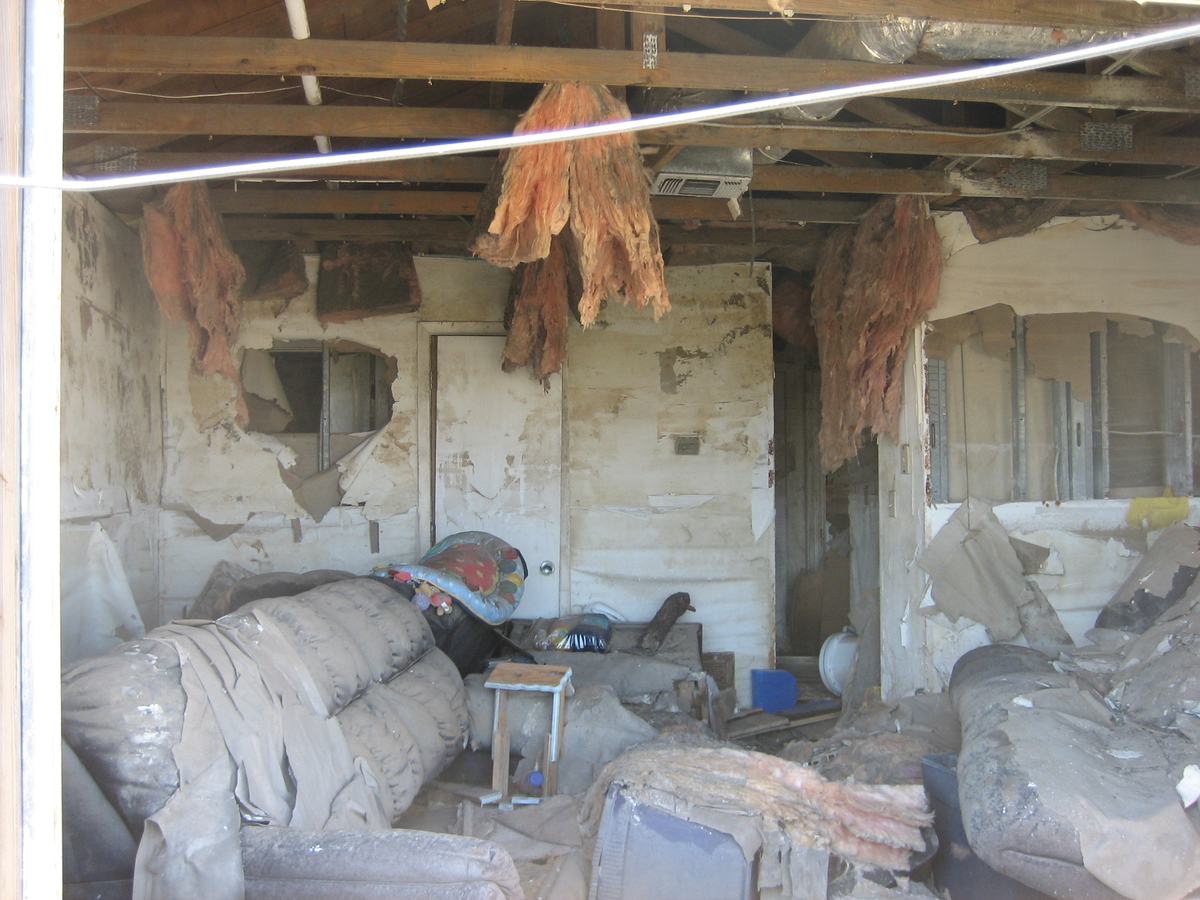
Carpet tells a split story: the carpet itself can frequently be cleaned and dried after clean water, while the pad beneath is inexpensive, highly absorbent, and normally replaced. Laminate and click-lock floors with fiberboard cores swell and rarely recover. Insulation that is saturated loses performance and holds moisture against framing, so wet fiberglass in a wall cavity is usually removed so the cavity can actually dry. Any company promising to save everything, or insisting on removing everything, before taking a single moisture reading is selling, not restoring.
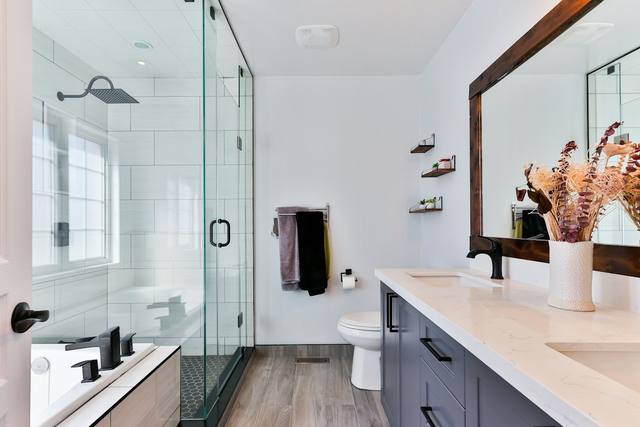
Kitchens and bathrooms deserve special mention in Tulsa homes because they concentrate plumbing, appliances, and daily water use in small, material-dense rooms. A refrigerator line can wet three layers of flooring before it ever shows on the surface, and a slow toilet seal failure can rot a subfloor in silence for months. Residential inspections therefore read these rooms first and hardest, checking under appliances, inside sink cabinets, and around every wax ring and supply valve, because the room that looks driest is often where the loss began.
How the Work Proceeds, Step by Step
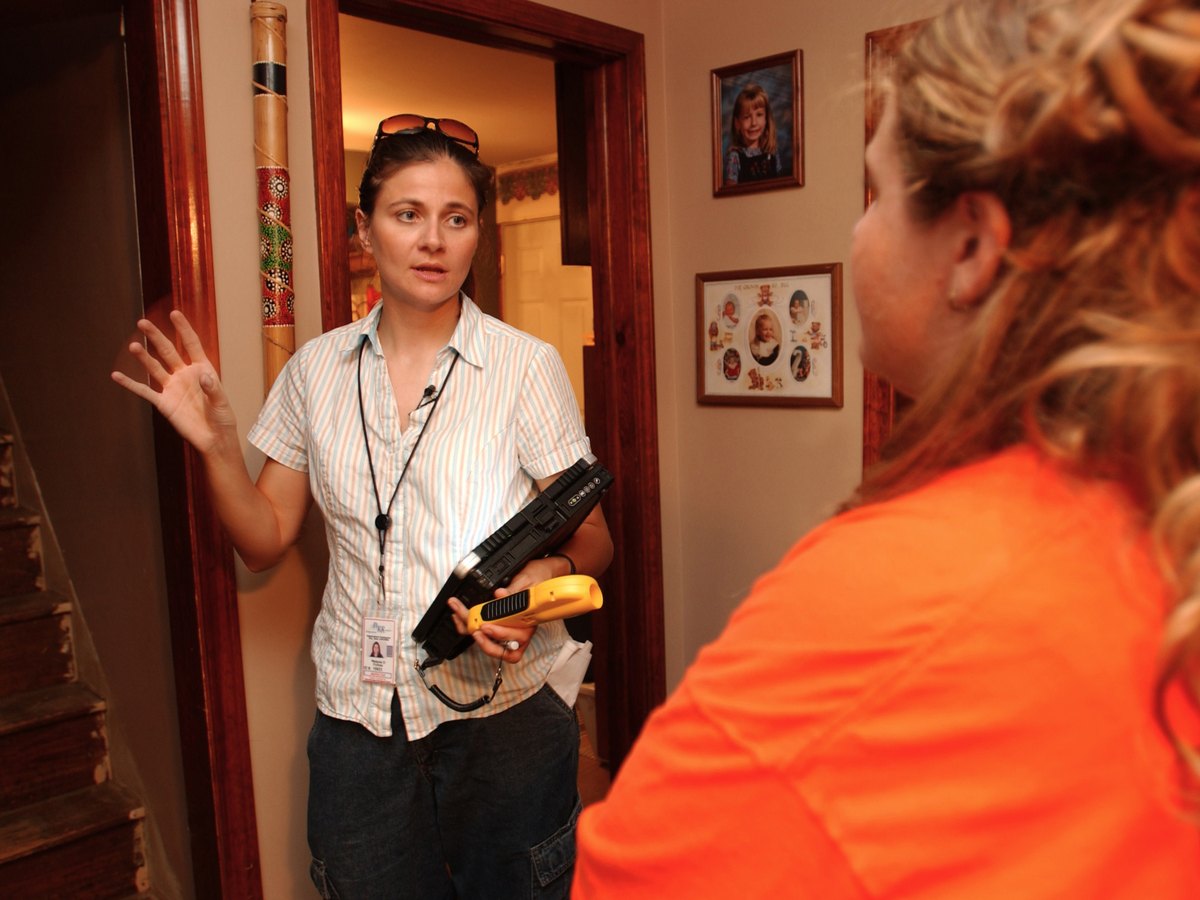
1. Walkthrough and habitability call
The crew maps the loss with you, identifies safe and unsafe zones, and answers the stay-or-go question with the category, scope, and your household in view.
2. Extraction and contents protection
Standing water comes out, furniture is moved or blocked, and belongings at risk are packed, inventoried, and taken to a dry space or storage.
3. Selective removal
Only materials that cannot be dried or cleaned are removed: failed pad, saturated insulation, compromised drywall, with flood cuts kept clean for repair.
4. Structural drying with daily readings
Air movers, dehumidifiers, and specialty systems for hardwood or crawl spaces run continuously, checked daily against dry standards from unaffected materials.
5. Cleaning, treatment, and handover to repairs
Surfaces are cleaned, antimicrobials applied where indicated, final readings logged, and the home handed to repair work with a complete documentation package.
Basements, Crawl Spaces, and the Tulsa Clay Problem
Below-grade spaces generate a disproportionate share of serious Tulsa losses. Basements flood from sump pump failure, foundation cracks, window wells, and sewer backups, and because they are cool and humid, they dry slowly and grow mold eagerly. Crawl spaces fail quietly: a small plumbing drip or groundwater intrusion can soak joists and subfloor for a whole season before a soft spot or a musty smell betrays it upstairs. In both spaces, Tulsa expansive clay is the background actor, swelling, shrinking, cracking foundations, and holding groundwater against walls.
Restoration for these spaces combines water removal, aggressive dehumidification sized for below-grade conditions, and a conversation about prevention: sump pumps with battery backup, vapor barriers and encapsulation for crawl spaces, drainage corrections, and crack repair. Drying the space without addressing why it got wet is a subscription to repeat losses.

Working With Your Insurer, Without the Runaround
Residential claims run on documentation. The package from a proper restoration includes the source and timeline, dated photos, moisture maps and daily logs, an inventory of removed and damaged contents, and a scope that separates mitigation, drying, and repairs. That package lets an adjuster verify the loss without a site-visit argument, and it protects you if questions surface months later. Homeowners can strengthen their own file by keeping damaged items until the adjuster releases them and saving receipts for emergency expenses.
Coverage itself depends on your policy: sudden and accidental water damage is commonly covered under Oklahoma homeowners policies, gradual leaks and outside flooding commonly are not, and mold is often subject to sub-limits. Additional living expense coverage, when included, can pay for lodging when a home is genuinely uninhabitable during restoration. No restoration company can promise a claim outcome, and you should distrust one that does. What it can promise is a file so complete that the claim is judged on facts.
Need help in Tulsa right now?
Call (918) 578-1166 for residential water damage restoration anywhere in Tulsa County. If water is still flowing or sewage is involved, call first and read later.
Related Home Restoration Services
Back to water damage restoration Tulsa OK →
Frequently Asked Questions
Can I stay in my home during residential water damage restoration?
In many losses, yes. If the water was clean, the affected area can be contained, and at least one bathroom and safe sleeping space remain usable, families often stay while drying equipment runs. Sewage losses, large multi-room losses, or losses involving the only bathroom may mean a few nights elsewhere. Your technician should discuss this honestly on day one, including equipment noise and any additional living expense coverage your policy may include.
How do I prevent mold after water damage in my Tulsa home?
Dry fast and dry completely, verified with moisture meters. Mold risk rises sharply after 48 to 72 hours of damp conditions, and Tulsa humidity shortens that window. Professional drying removes moisture from inside wall cavities, under flooring, and in crawl spaces, the places household fans cannot reach. Antimicrobial treatment of affected materials and removal of materials that cannot be dried complete the prevention picture.
What flooring can be saved after water damage?
It depends on the material, the water category, and how long it stayed wet. Solid hardwood can often be dried in place with specialty mats if treatment starts quickly, though cupping may take time to settle. Laminate and engineered floors with swollen cores usually cannot be saved. Carpet can often be cleaned and dried when the water was clean, while the pad beneath it is commonly replaced. Tile over concrete fares best of all. Expect a floor-by-floor explanation, not a blanket promise.
Will restoration crews move my furniture and belongings?
Yes, protecting contents is part of residential work. Furniture in affected rooms is moved, blocked, or taken to a dry area, and heavily affected contents can be packed out, inventoried, cleaned, and stored until the home is ready. Items damaged by sewage or long saturation may not be salvageable, and those decisions are documented for insurance with photos and inventory lists.
How long will drying equipment run in my house?
Most residential drying runs three to five days, with daily monitoring visits. Hardwood floors, plaster walls, and crawl spaces can take longer. Equipment runs continuously during that period; turning it off at night slows evaporation, raises total cost, and can void the drying plan your documentation is built on. Your daily readings show progress and predict the end date better than any guess.
Does Oklahoma building code affect my restoration?
Repairs after drying must meet current local code for the work being done, and permits can apply to structural, electrical, and plumbing repairs. Restoration drying itself follows the ANSI/IICRC S500 standard of care. If a loss exposes older wiring, plumbing, or structural issues, your team should flag them clearly and separate pre-existing conditions from loss damage in the documentation, which protects both your claim and your home.
One call starts extraction and drying.
Talk to a local Tulsa dispatcher now. You will get clear next steps, a real arrival plan, and documentation from the first visit.