Tulsa, OK - 24/7 Emergency Service
About Water Damage Restoration Tulsa OK
A service area restoration team for Tulsa, Tulsa County, and Green Country. This page says plainly who we are, what we do, the standards the work follows, and the promises we will and will not make.
- Emergency extraction, drying, and mold services across Tulsa County
- Work measured against the IICRC S500 and S520 standard frameworks
- Documentation built on every job, from first visit to final readings
- No invented claims: no reviews, ratings, or promises we cannot keep
Water spreads fast in Tulsa humidity. The sooner extraction and drying start, the more flooring, drywall, and belongings can usually be saved.
What This Company Is
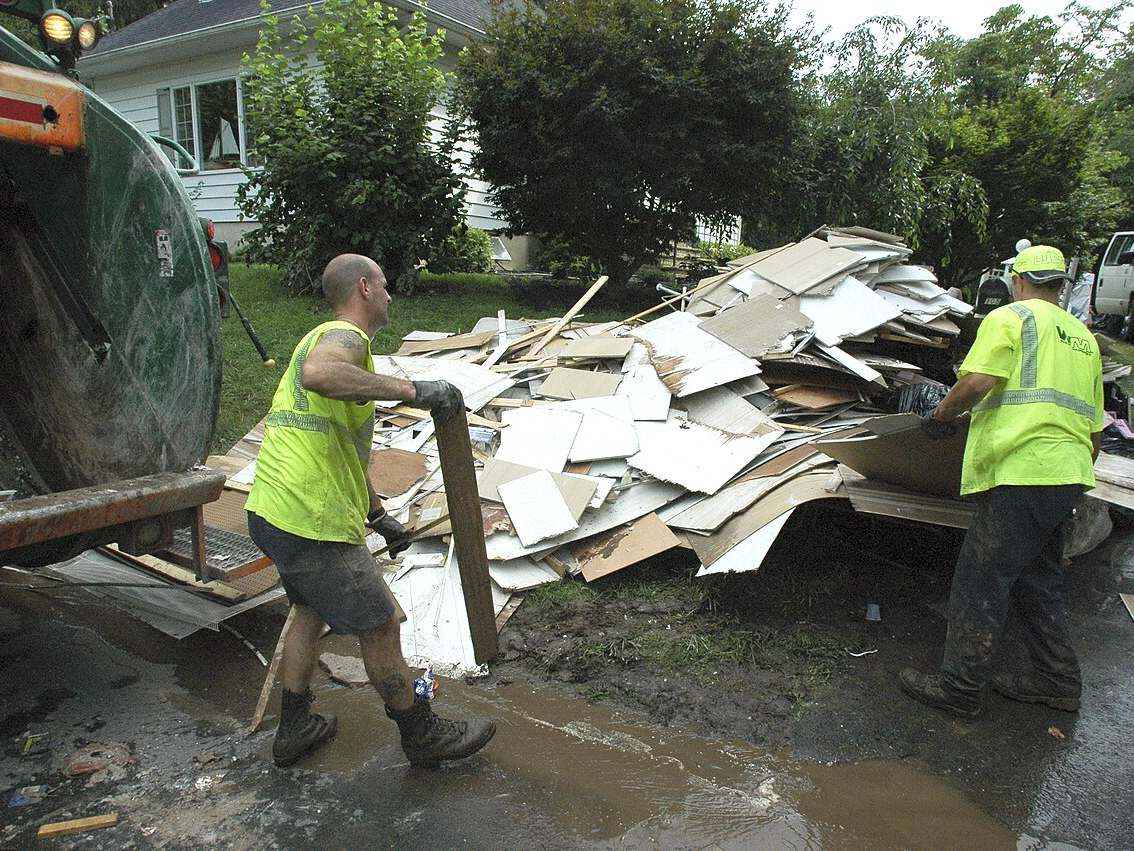
Water Damage Restoration Tulsa OK is a service area water damage restoration business serving Tulsa, Oklahoma, and the communities of Tulsa County and Green Country. The work is emergency response and restoration for water losses in homes and businesses: the burst pipe at 2 AM, the flooded basement after a storm, the slow slab leak found by a water bill, and the mold that follows any of them when drying is done badly or late.
As a service area business, we do not publish a street address, because crews do not work from a storefront; they dispatch across the county to where the water is. The service areas page on this site lists every community and neighborhood covered, and each of those pages describes that area’s housing stock, foundations, and water risks in its own terms, because a Midtown Tudor and a South Tulsa slab home do not flood the same way and should not be dried the same way.
How the Work Is Done
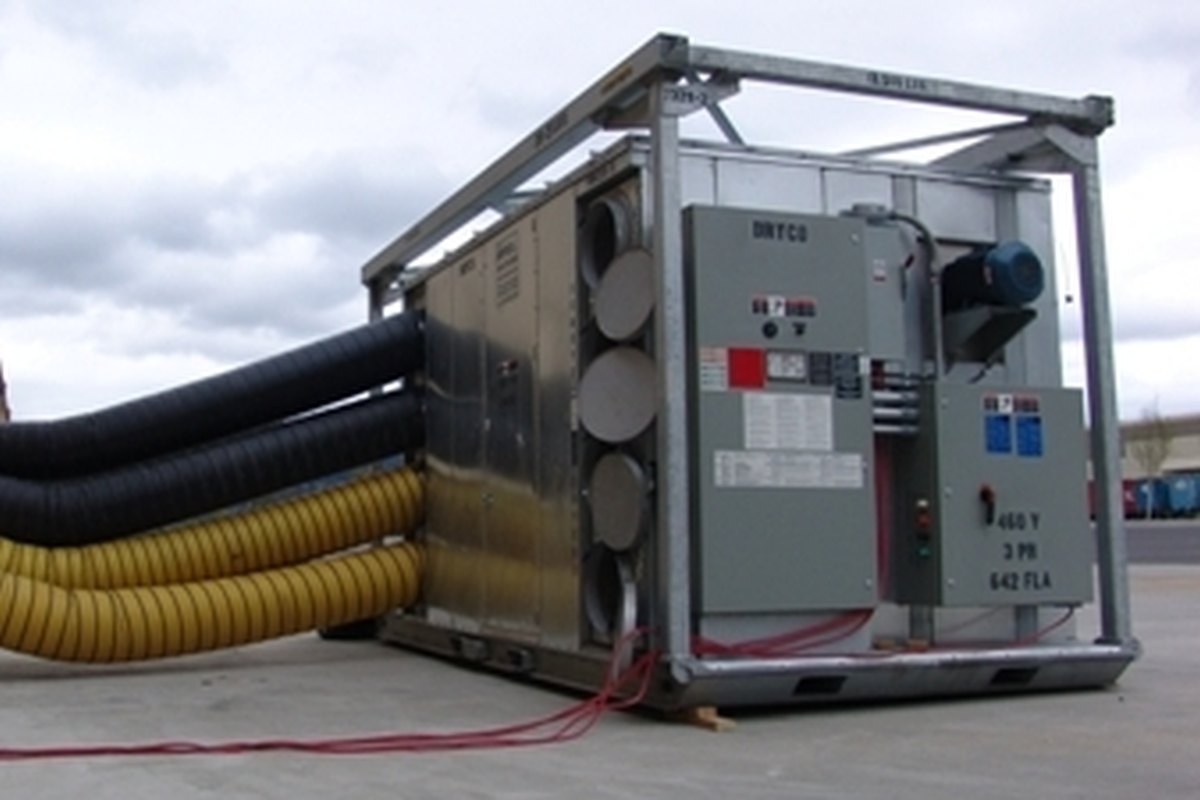
Every job runs the same measured sequence, scaled to the loss. Stop the source. Extract standing water mechanically. Map the moisture with meters and imaging so the plan covers where the water actually went, not just where it showed. Dry with air movement and dehumidification sized to the load, checked against readings every day. Verify at the end against the dry standard for each material. Where mold is involved, the work adds containment, negative air, and removal of material that cannot be cleaned, following the S520 framework.
Documentation is not paperwork after the job; it is part of the job. Dated photos from the first visit, moisture maps, equipment and material records, and daily readings are the file your insurer works from and the record you keep. It is built on every job, whether or not a claim is ever filed.
The Standards Behind the Work
The IICRC S500 standard describes how professional water damage restoration is performed: how water is categorized by contamination, how losses are classed by how much material is wet, and how drying goals are set and verified. The S520 standard covers mold remediation. We describe these as what they are, industry standards that our process follows, explained in plain language across this site. You will not find us claiming certifications, licenses, awards, or review scores for this brand on these pages, because a claim a customer cannot check is marketing, not information.
What We Will Not Promise
Three promises are easy to make and wrong to keep, so we do not make them. We do not promise arrival times we cannot control; we say we respond day and night, every day, and we mean the phone is answered and crews dispatch around the clock. We do not promise prices before the moisture map exists. And we never promise what your insurance will cover; that decision belongs to your policy, and our job is to hand your insurer a file so complete that the decision is easy to make correctly.
What we do stand behind is the process on this page: measured, documented, explained before it is done, and verified at the end. If that is the standard you want working in your house or your business, the next step is a phone call: (918) 578-1166. You can also read the articles on our blog, browse the gallery for photographs of the places and damage patterns described across this site, or check whether your area is covered on the service areas page.
Measured work, documented honestly.
That is the whole offer. If water is in your home or business right now, one call starts the sequence described on this page.
Questions About This Company
What does Water Damage Restoration Tulsa OK actually do?
Emergency water extraction, structural drying, moisture mapping, dehumidification, water mitigation, content cleaning, odor removal, antimicrobial treatment, and mold remediation for homes and businesses across Tulsa and Tulsa County. The full service list, the causes we handle, and the mold and insurance pages are all published on this site, each on its own page, so you can read exactly what a job involves before you call.
Where are you located?
We are a service area business, which means crews dispatch across Tulsa County and the surrounding Green Country communities rather than working from a single published street address. The service area is the honest address: Tulsa and the sixteen communities and seven neighborhoods listed on our service areas page, each covered by its own page describing that area’s housing and water risks.
What standards does the work follow?
Drying and restoration work follows the framework of the IICRC S500 standard for water damage restoration, and mold work follows the IICRC S520 framework. Those are industry standards, published by the Institute of Inspection, Cleaning and Restoration Certification, that describe how water losses are categorized, how drying goals are set, and how results are verified with moisture readings. We explain them in plain language on this site, including in our structural drying and mold remediation pages, and we work to the readings those standards call for.
Will you give me a price or a coverage answer on the phone?
We will give you the honest version of both. A real price depends on the moisture map, the materials wet, and the category of water, and nobody can see those from a phone call; be cautious with anyone who prices a loss sight unseen. Coverage belongs to your policy and your insurer, never to a restoration company. What we do promise is process: measured assessment, documentation from the first visit, clear explanation before work, and verification readings at the end.
One call starts extraction and drying.
Talk to a Tulsa dispatcher now. You will get clear next steps and documentation from the first visit.