Tulsa, OK - 24/7 Emergency Service
Water Mitigation Services Tulsa OK
Mitigation is the urgent half of water damage work: stop the source, get the water out, dry the structure, and protect everything that can still be saved, before restoration rebuilds anything.
- Source control and safety first, on the first visit
- Extraction, removal, and drying started same day
- Contents and unaffected areas protected
- Full documentation package for your insurance claim
Each step protects the next one. Rush or skip a step, and the water you cannot see stays behind to feed mold and swell framing.
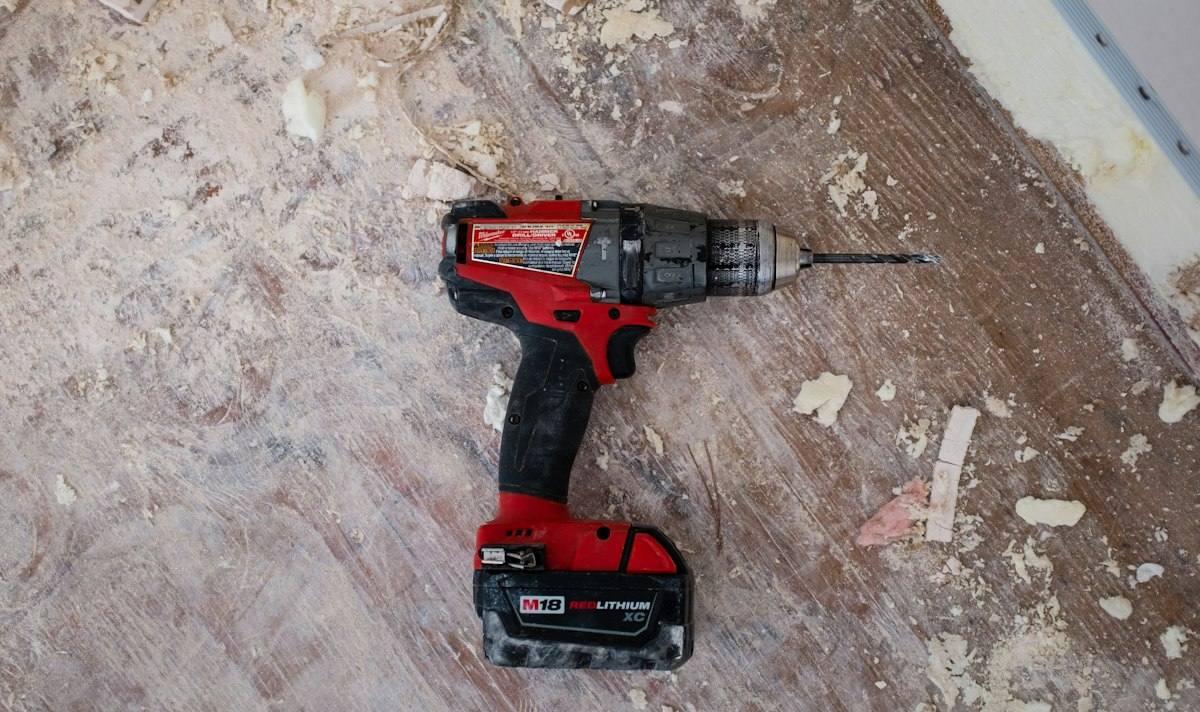
Mitigation vs Restoration: Two Phases, Two Different Jobs
Homeowners use the words interchangeably, but the industry, and your insurance policy, draw a firm line between them. Water mitigation is the emergency phase that limits damage: it begins the moment a loss is discovered and its success is measured by what did not have to be replaced. Water restoration, sometimes called build-back, is the construction phase that returns the property to its pre-loss condition after drying is verified: drywall hung and finished, floors installed, trim and paint restored. Mitigation is performed by restoration technicians with extraction and drying equipment. Restoration is performed by the same company or by contractors, on a schedule, with permits where the work requires them.
Confusing the phases hurts homeowners in two ways. First, waiting for a restoration estimate while a house sits wet lets the loss grow, because mitigation cannot be scheduled like a kitchen remodel. Second, a single lump quote for both phases, given before drying is complete, is built on guesses about what will survive, and it usually resolves in favor of the quoter. The healthy sequence in Tulsa is the one this site follows page by page: mitigate now, measure honestly, verify dry, then scope restoration from facts. If a company wants to talk paint colors while your walls are still wet, the phases are being sold in the wrong order.
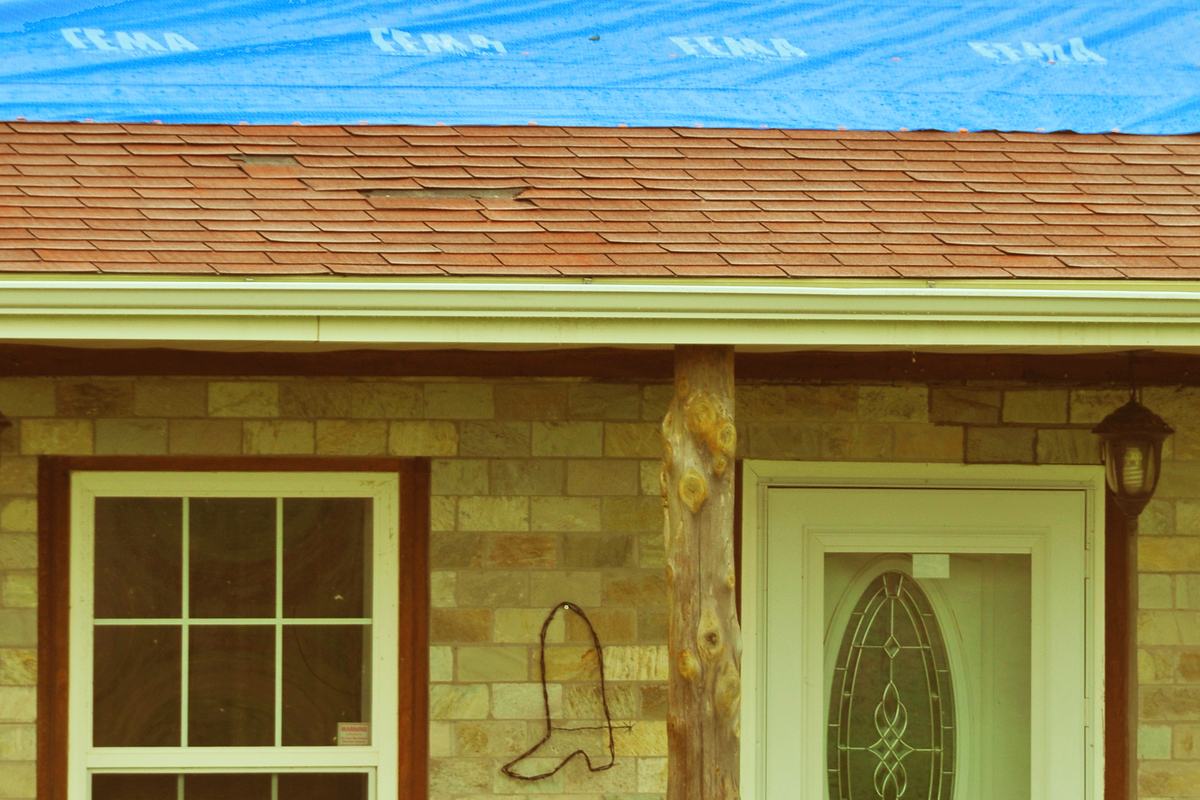
The Immediate Actions That Decide the Size of Your Loss
The scope of loss, the total footprint and severity of damage, is largely set in the first day. Source control comes first, because no mitigation outruns running water: fixture valves, main shutoffs, and where needed a plumber to cap a failed line. Extraction follows immediately, removing bulk water before it finishes wicking into walls and subfloor. Then come the judgment calls that separate professional mitigation from a mop-up: which wet materials can be dried in place, which must be removed because of saturation or contamination category, where baseboards come off to vent a wall cavity, and how contents get protected, moved, or packed out before drying equipment turns a wet room into a wind tunnel.
Documentation runs underneath every one of those actions. Photographs before anything moves, readings as materials are exposed, a running scope note that says what was removed and why: this is the record that later proves the mitigation was necessary and properly limited. In Tulsa losses the timeline itself is evidence, because adjusters know what Green Country humidity does to a house left wet over a weekend. A mitigation crew that arrives fast and documents thoroughly is building your claim file while it saves your floors, and both halves of that sentence matter.
Stopping Further Damage: The Work Homeowners Do Not See Advertised
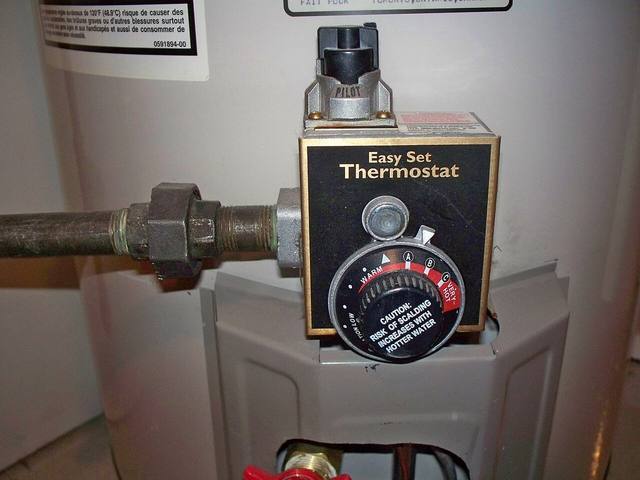
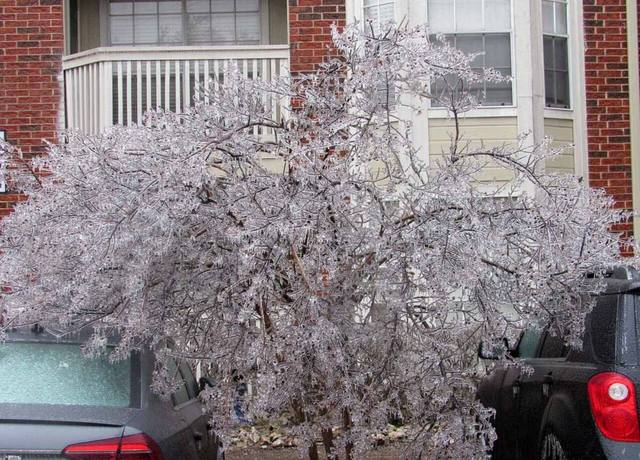
Some of the most valuable mitigation is preventive and quiet. Temporary containment keeps humid, contaminated air out of clean rooms. Floor protection and furniture blocking stop rust stains, dye transfer, and swollen wood feet from adding secondary damage to the primary loss. Appliances are checked and sometimes isolated so a failed water heater or washing machine cannot restart its own leak. Roof openings after Tulsa storm damage get temporary coverings so the next thunderstorm does not refill a drying house. In winter, drained lines and protected pipes prevent the second burst that ice storm week loves to deliver to a house already in mitigation.
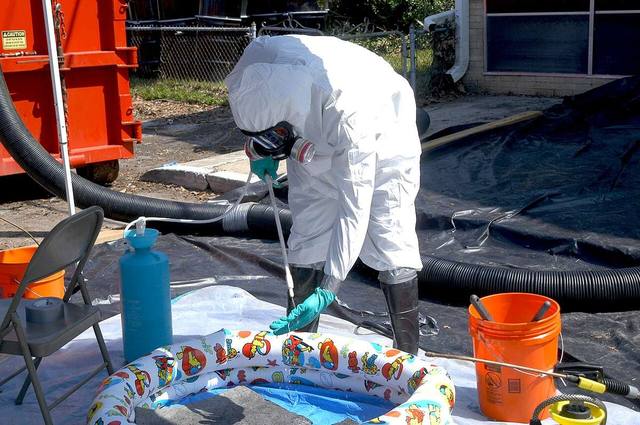
Secondary damage prevention also includes honest triage of what cannot be saved. Saturated carpet pad after a sewage loss, swollen particleboard cabinetry, and insulation soaked with Category 3 water are removed early, on purpose, because leaving them in place to attempt drying spreads contamination and guarantees a larger demolition later. The mitigation summary you receive should list those removals with their reasons in plain language. Removal without explanation is a red flag. Explanation without removal, when the category demands it, is a worse one.
How the Work Proceeds, Step by Step
1. Emergency intake and dispatch
A dispatcher confirms the source, safety concerns, and shutoff status, sets a realistic arrival window, and tells you exactly what to do, and avoid, before the crew arrives.
2. Source control and safety pass
Water is confirmed stopped, electrical and contamination hazards are controlled, and the category and class of the loss are established before equipment is unloaded.
3. Mapping, extraction, and removal
The wet footprint is mapped, bulk water extracted, and unsalvageable material removed with the reasons documented in photos and readings.
4. Drying setup and contents protection
Air movers and dehumidifiers are placed from the map, unaffected contents and finishes are protected or moved, and containment is set where the category requires it.
5. Mitigation summary and handoff
You receive the documentation package, the drying and monitoring plan, and a clear statement of what restoration will involve once dry readings are verified.
Mitigation Documentation: Your Insurance Claim Starts Here
Adjusters reconstruct losses from paper. The mitigation file, timestamps, source description, category and class, moisture map, daily drying logs, equipment records, and before, during, and after photographs, is the spine of a water claim, and it is created in the first 48 hours or it is created never. Oklahoma homeowners policies generally cover sudden and accidental water damage and expect prompt protective action, so a well documented mitigation both satisfies the policy duty and proves the loss was sudden rather than gradual. The insurance and cost pages elsewhere on this site explain filing in depth; the point here is simpler: choose a mitigation company whose paperwork you would be comfortable handing to an adjuster, because you will.
Keep your own parallel file. Your photos from the first hour, the plumber invoice if one was needed, receipts for any emergency purchases, and notes of who you spoke to and when, all strengthen the claim and cost you nothing but attention. If temporary lodging or other living expenses become necessary, save those records too and ask your insurer early how your policy treats them. Mitigation is a technical service with a paper shadow, and the homeowners who fare best in claims are the ones who treated the paper as part of the emergency from the start.
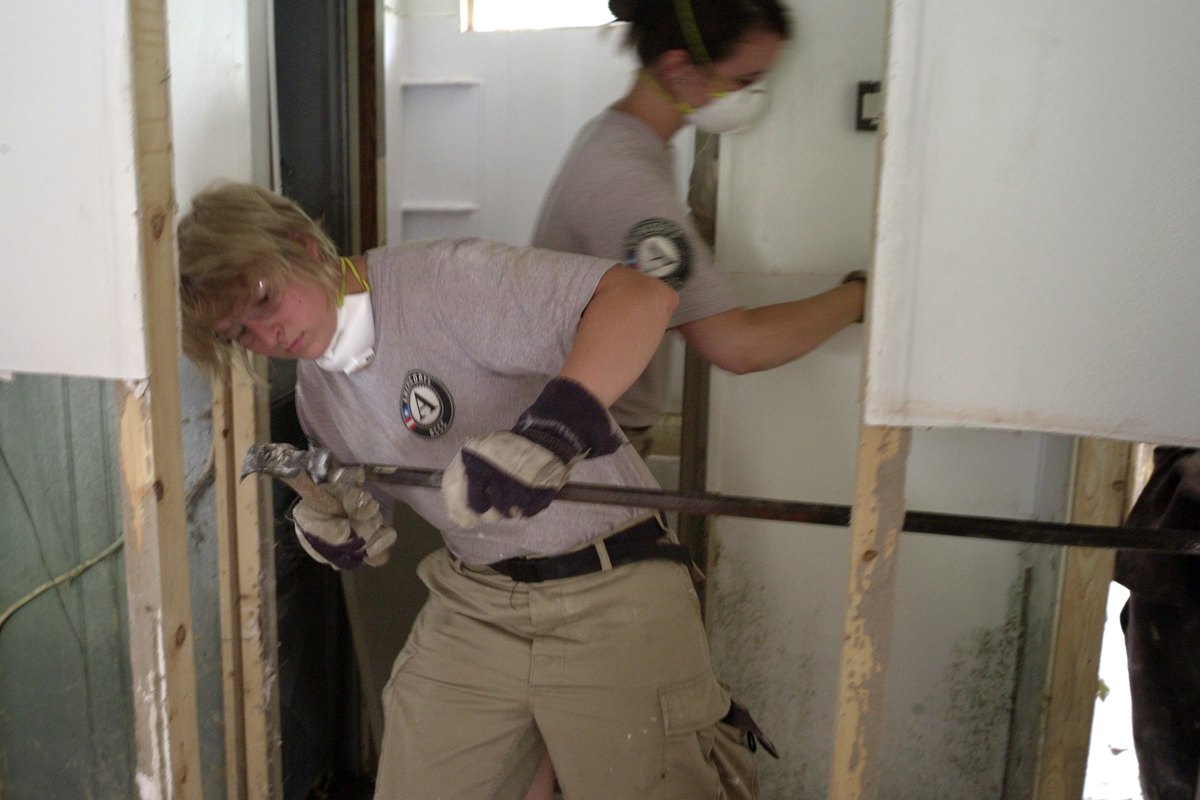
Tulsa Scenarios: What Good Mitigation Looks Like in Practice
In each case the pattern is identical even though the buildings are not: stop it, map it, extract it, remove only what must go, dry what remains with monitoring, protect everything else, and write it all down. That pattern is what you are buying when you hire mitigation in Tulsa, and it is the standard the pages on this site describe service by service, from extraction through antimicrobial treatment, so you can hold any provider, including this one, to it with specific questions.

Need this step handled in Tulsa right now?
Call (918) 578-1166 and a local dispatcher will talk through your situation, the water source, and the safest next step for your home or business in Tulsa County.
Causes That Commonly Need This Service
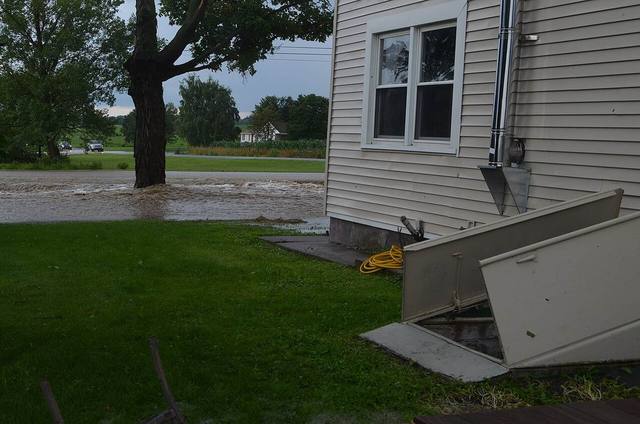
Mitigation applies to every cause, but these Tulsa losses grow fastest when mitigation waits: bursts, ice storm failures, sewage, and storm flooding.
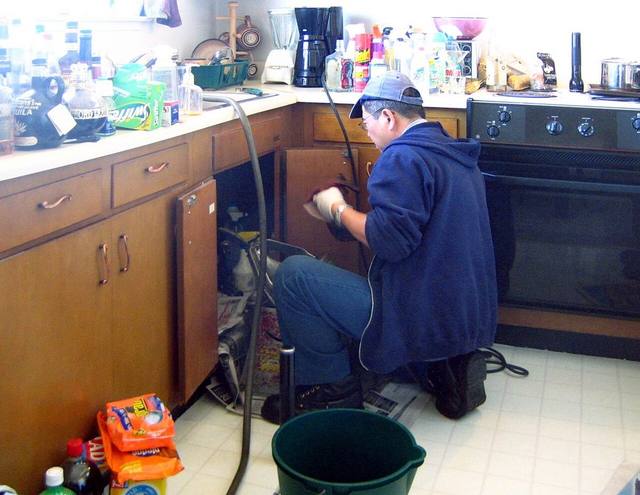
Main Water Damage Services in Tulsa
This process step sits inside a full restoration sequence. These pages cover the emergency, residential, and commercial services it supports.

Other Steps in the Restoration Process
Return to the water damage restoration Tulsa OK home page for the full process, cause, mold, and insurance pages, or start with emergency water damage restoration if water is active right now.
Frequently Asked Questions
What is the difference between water mitigation and water restoration?
Mitigation is everything done to stop a loss from getting worse: shutting off and repairing access to the source, extracting water, removing materials that cannot be saved, drying the structure, and protecting what remains. Restoration is everything done afterward to return the property to its pre-loss condition: rebuilding removed drywall, reinstalling flooring, repainting, and replacing fixtures. Mitigation is urgent and measured in hours. Restoration is scheduled and measured in weeks. The distinction matters because insurers treat the two phases differently and because mitigation done well shrinks the restoration that follows.
Does insurance require mitigation before restoration?
Most Oklahoma homeowners policies include a duty to protect the property from further damage after a covered loss, and mitigation is how that duty is fulfilled in a water loss. Insurers generally expect the source stopped, water extracted, and drying started promptly, and they can reduce or dispute payment for damage that grew because a wet house was left sitting. Keep the mitigation documentation, photos, moisture logs, and invoices, separate from repair paperwork. Filing expectations and Oklahoma specifics are covered in the insurance pages on this site, and your adjuster can confirm how your policy treats the timeline.
What are the first mitigation steps I should take myself?
Protect people first: keep out of water near electrical outlets and never stand in water to reach a breaker panel. Stop the source at the fixture valve or the main shutoff if you can do it safely. Move dry valuables, documents, and electronics out of wet rooms, lift furniture onto blocks or foil, and photograph and video everything before items are discarded. Then call for professional mitigation rather than spending the critical first day on rental fans. The hours right after a loss are when mitigation saves the most material, and they are not refundable.
How fast does mitigation need to start in Tulsa?
As soon as the loss is discovered, and the same day whenever possible. Water wicks into drywall within the first hour, migrates under flooring continuously, and in Tulsa warmth and humidity, mold can begin establishing within 48 to 72 hours. Every phase of mitigation, extraction, removal, drying setup, is cheaper and more effective in the first 24 hours than on day three. After hours discovery is exactly why emergency and 24/7 cleanup services exist in Tulsa: pipes and ice storms keep no schedule, and neither does mitigation.
What does a mitigation visit include, start to finish?
A safety and source assessment, moisture mapping, extraction, removal of unsalvageable material where category or saturation requires it, cleaning and antimicrobial application where indicated, drying equipment setup with a monitoring plan, protection for unaffected contents and finishes, and a documentation package of photos, readings, and scope notes. You should also receive a plain summary of what was done, what is still wet, and what happens next, including how the restoration phase will be estimated separately once drying is verified complete.
One call starts the whole process.
Talk to a local Tulsa dispatcher now. You will get clear next steps, a real arrival plan, and documentation from the first visit.