Tulsa, OK - 24/7 Emergency Service
Commercial Water Damage Restoration Tulsa OK
For a business, water damage is measured in closed hours. Commercial restoration in Tulsa is planned around one goal: make the building safe and dry while getting you back to trading as early as the readings honestly allow.
- Phased plans that keep unaffected areas operating
- Offices, retail, restaurants, medical, multi-tenant
- Documentation built for owners, tenants, and insurers
- After-hours extraction and monitoring available
Every hour standing water sits, it wicks further into drywall, flooring, and framing. Fast extraction and measured drying are what save materials in the end.
Downtime Is the Real Damage
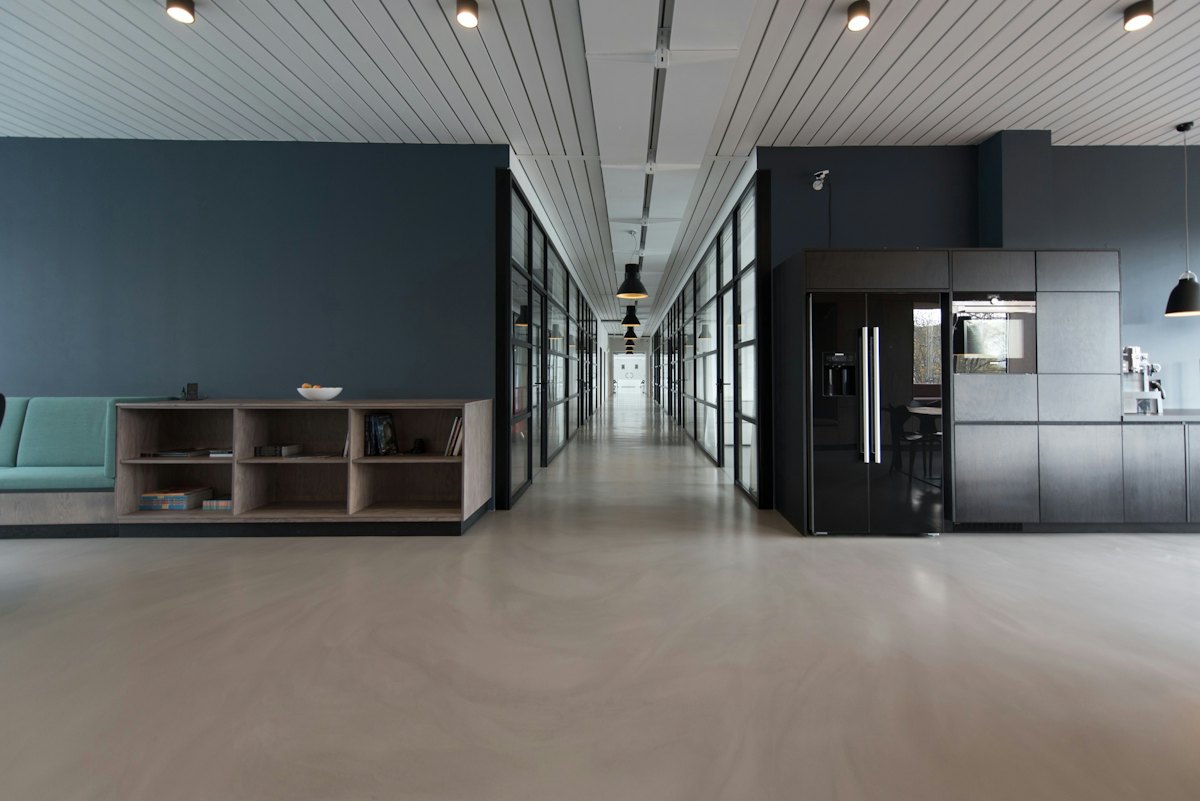
A soaked carpet in a house is a bad week. A soaked carpet in a Tulsa restaurant, clinic, or retail store is lost revenue by the hour, staff sent home, bookings cancelled, and, for food and health businesses, regulatory questions on top. Commercial water damage restoration is therefore planned backwards from reopening. Which areas must be safe and dry for the business to function at all? Which can stay closed behind containment for a few more days? What do health, safety, and lease obligations require before doors open? Those answers, not just moisture readings, set the sequence of work.
The Tulsa commercial stock is varied: Downtown offices and loft conversions in the Blue Dome and Brady Arts districts, big-box and strip retail along Memorial and 71st Street corridors, medical and dental offices, warehouses and light industrial buildings, churches, schools, and multi-tenant buildings of every age. Each carries different assemblies, concrete slab, steel stud and gypsum, commercial carpet tile, large open volumes with high ceilings, and different water sources, from roof systems and HVAC condensate to sprinkler lines and multi-story plumbing stacks. Commercial drying is an engineering exercise at building scale.
How Commercial Losses Differ From Houses
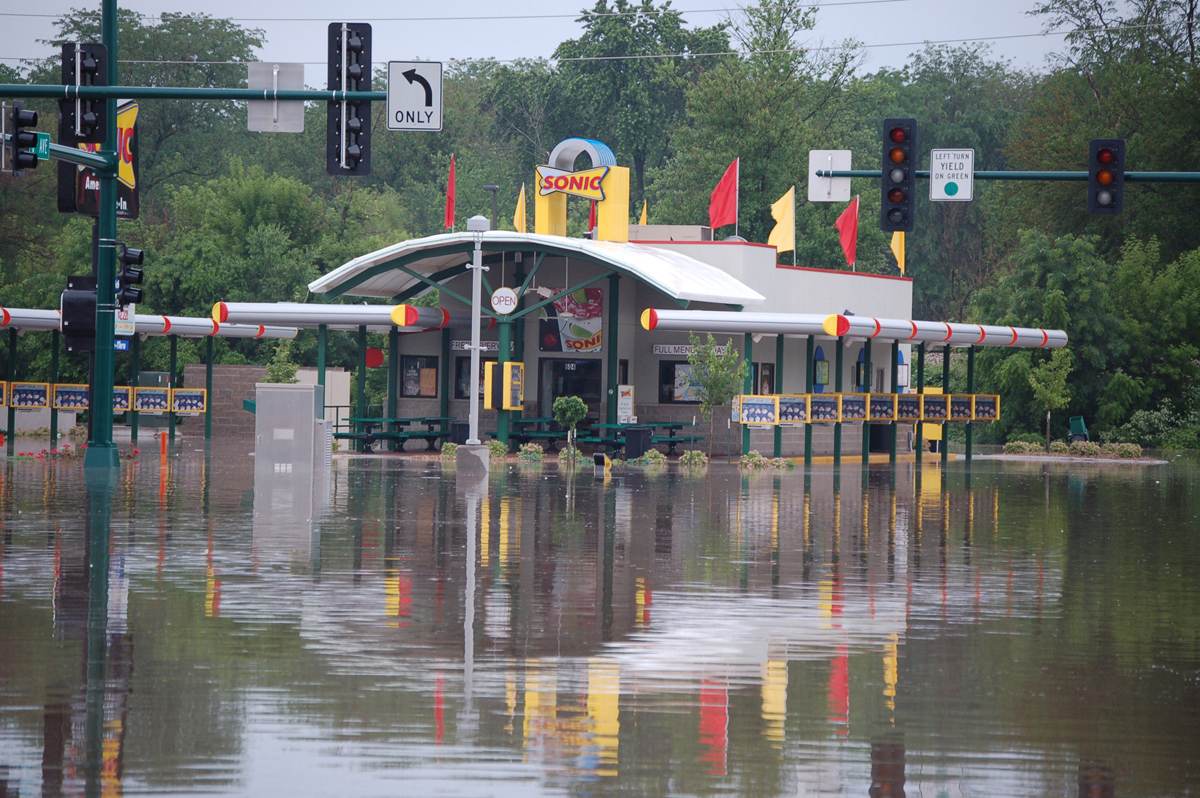
Scale changes everything. A failed line in a multi-story building can wet several suites on several floors through chases and wall cavities before anyone sees a stain. Flat and low-slope roofs pond storm water that finds seams and penetrations. Large HVAC systems move humid air, and odors, throughout a building, which makes containment and air management more important than in a house. Fire sprinkler and standpipe failures release clean water at enormous volume. Suppression, extraction, and drying capacity have to match that volume, with equipment counts a residential job never needs.
Stakeholders multiply, too. A single loss may involve the building owner, a property management company, multiple tenants, two or more insurers, and a health inspector. Commercial restoration keeps one shared factual record: source, timeline, moisture maps per area, equipment placement, daily readings, and decisions about what was removed and why. When every party works from the same documented record, disputes shrink, approvals move faster, and the reopening date stops being an argument and becomes a schedule.
Health, Safety, and Compliance in Commercial Spaces
Commercial spaces serve the public, so the safety bar is higher and formal. Category 2 and 3 water in a public area requires containment, controlled access, and cleaning standards a mop closet cannot deliver. Restaurants and food storage face Tulsa and Oklahoma health requirements: porous materials that absorbed contaminated water are removed, surfaces are cleaned and sanitized, and reopening a kitchen is the health authority call. Medical and dental facilities add infection-control sensitivity that shapes containment and air scrubbing from the first hour.
Employee and customer safety drives the physical setup: negative air pressure and HEPA air scrubbers to keep drying zones from sharing air with occupied zones, clear barriers and signage, electrical safety checks before equipment runs in wet areas, and slip and trip control in any area that stays open. None of this is decoration. It is what lets a business honestly tell its customers and its insurer that the parts still operating are safe, while the parts being restored are being restored properly.
How the Work Proceeds, Step by Step
1. Assessment with owner or manager
The loss is mapped area by area, operational priorities are agreed, and containment boundaries between closed and operating zones are set on day one.
2. Extraction and stabilization at scale
High-capacity extraction handles large volumes, contents and equipment are protected or relocated, and active sources, roof, plumbing, sprinkler, are confirmed stopped.
3. Containment and air management
Work zones are sealed, negative air and HEPA scrubbing protect occupied areas, and access routes keep crews out of customer and patient paths.
4. Commercial structural drying
Dehumidification is sized for large volumes and commercial assemblies, with daily moisture readings per zone logged for owners and insurers.
5. Clearance, cleaning, and phased reopening
Zones are released for use as they verify dry and clean, with final documentation covering scope, readings, and recommendations for repairs.
Insurance, Leases, and Business Interruption
Commercial claims are paperwork contests, and good files win them. Property policies address building damage, tenant policies address improvements and contents, and business interruption coverage addresses lost income during restoration, each with its own documentation appetite. The restoration file should therefore be built for all three from the first visit: timestamped photos, source determination, per-area moisture records, equipment logs, and invoices that separate mitigation, drying, and monitoring. Notify the property owner or manager immediately, because leases commonly assign duties for building systems and access that affect how fast work can proceed.
One Tulsa-specific note: storm season losses often hit many businesses at once, and adjusters and roofers book out quickly. Early documentation and early mitigation protect both the building and the claim, because policies expect reasonable steps to prevent further damage, and a business that mitigates on day one is in a far stronger position than one that waited wet for a week. No restorer can promise claim outcomes; a complete record is the promise that can actually be kept.
Prevention Planning for Tulsa Businesses
The cheapest commercial loss is the one caught in its first hour. Tulsa businesses can cut risk with unglamorous systems: water sensors under water heaters, in restrooms, and below HVAC units, automatic shutoff valves on key lines, documented locations for every shutoff, roof inspections before spring storm season, and condensate line maintenance before summer humidity peaks. Ice storms deserve a line of their own: a building that loses heat in a Tulsa freeze can go from occupied to multi-floor pipe failure in a weekend.
Ask your restoration provider to walk the building before any loss, noting shutoffs, high-risk lines, roof access, and the areas where a leak would hurt most, server rooms, records storage, kitchens, and ground-floor inventory. That walkthrough, plus a one-page response plan kept with the alarm codes, turns a future 2 AM phone call into an executed plan. Prevention cannot stop Tornado Alley weather. It can decide whether weather becomes an incident or a closure.
Need help in Tulsa right now?
Call (918) 578-1166 for commercial water damage restoration anywhere in Tulsa County. If water is still flowing or sewage is involved, call first and read later.
Related Business Water Damage Services
Return to the water damage restoration Tulsa OK home page for the full process, cause, mold, and insurance pages.
Frequently Asked Questions
Can my business stay open during commercial water damage restoration?
Often, partially. When the affected area can be contained and kept safe and sanitary, phased drying lets unaffected parts of a business keep operating while work proceeds in closed sections. Food service, medical, and childcare operations face stricter health rules and may need to close affected areas completely. The plan should be made explicitly on day one, with containment boundaries and operating areas agreed in writing.
Who pays for commercial water damage, the landlord or the tenant?
It depends on the lease and on whose system failed. Building systems and structure are commonly the property owner responsibility, while tenant improvements and contents often fall to the tenant and their policy. Both insurers may be involved. The practical step is early notification to the landlord or property manager plus full documentation of the source, because that record is what the lease and the policies get applied to.
How fast can you get a Tulsa business back open?
Extraction and stabilization start on the first visit, and drying in commercial assemblies typically runs several days with daily monitoring. Reopening depends on the water category, the areas involved, and health requirements for your industry. A clean water loss in an office may reopen in phases within days. A sewage loss in a restaurant kitchen runs on the health department timeline, not ours. Expect a phased plan with dates tied to moisture readings, not optimism.
What documentation does a business need for an interruption claim?
Insurers look for the loss timeline, the source, photos, moisture and equipment logs, mitigation invoices, and your own records of closure, lost bookings, and spoiled inventory or stock. Restoration documentation covers the physical loss. Pair it early with your accountant or manager records of downtime, because business interruption coverage pays on documented losses, not estimates made later.
Do you handle large or multi-tenant commercial losses?
Yes. Multi-tenant losses are managed unit by unit with a shared moisture map, because water from one suite migrates vertically and horizontally into neighbors. Coordination includes the property manager, affected tenants, and, where needed, after-hours work so common areas and operating businesses are disrupted as little as safety allows.
Can restoration work happen after business hours?
Yes, and for retail, office, and restaurant clients it is often the right plan. Extraction and noisy demolition can be scheduled outside operating hours, while drying equipment runs continuously and quietly enough for monitored daytime operation in many spaces. Monitoring visits are then scheduled around your peak times wherever the drying plan allows.
One call starts extraction and drying.
Talk to a local Tulsa dispatcher now. You will get clear next steps, a real arrival plan, and documentation from the first visit.