Tulsa, OK - 24/7 Emergency Service
Water Extraction Services Tulsa OK
Standing water is the emergency. Extraction removes it mechanically, by the gallon, before Tulsa humidity, wicking drywall, and swelling floors turn a bad hour into a bad month.
- Truck-mounted and portable extraction units
- Basement pump-outs and crawl space extraction
- Weighted extraction for carpet and pad
- Moisture readings before and after every pass
Each step protects the next one. Rush or skip a step, and the water you cannot see stays behind to feed mold and swell framing.
Why Extraction Comes First in Every Tulsa Water Loss
Every restoration standard, including the ANSI/IICRC S500, puts extraction before drying for a simple physical reason: removing liquid water with vacuum and pumps is dramatically faster than removing it as vapor. A gallon of water pulled out by an extractor in seconds would otherwise need hours of air movement and dehumidification to evaporate, and while it waits to evaporate it is not idle. It wicks up drywall roughly an inch an hour in the early phase, migrates under baseboards into wall cavities, soaks insulation, and travels through seams into rooms that looked untouched. Extraction speed and damage are directly correlated, which is why this page exists as its own service rather than a footnote.
In Tulsa, that correlation is sharpened by climate. Green Country humidity means the air in a wet Tulsa home is often already carrying a heavy moisture load, especially from May through September, so evaporation is slow even before equipment arrives. Water left standing on a Friday night in a South Tulsa slab home is still feeding the structure on Sunday. Fast, thorough extraction cuts the total drying time, reduces how much drywall and flooring must come out, and lowers the mold risk that drives so much of the cost and anxiety in Oklahoma water losses. It is the highest value hour of the entire job.
The Extraction Equipment, and What Each Tool Is For
Truck-mounted extraction is the workhorse for larger losses. The vacuum unit stays in the vehicle, hoses run into the structure, and the lift and airflow are strong enough to pull water through carpet and pad efficiently across whole rooms. Portable extraction units trade some power for access: upper floors, tight stairwells, Downtown Tulsa lofts, and commercial spaces where a truck cannot park close. A professional crew carries both, and chooses based on the building, the distance from the truck, and the class of loss rather than forcing one tool onto every job.
Specialty tools finish what the main units start. Weighted extraction tools compress carpet and pad under the operator weight while vacuuming, recovering deep pad water that surface passes miss. Submersible pumps handle deep standing water in basements and low areas before vacuum work begins. Hard surface tools and squeegee wands clear tile, concrete, and vinyl without scattering water into grout lines and edges. In crawl spaces, technicians run extraction lines into low clearance areas and work systematically from the far point back to the access hatch, so no pocket of standing water is left sitting against joists and subfloor.
Extraction on Different Surfaces: Carpet, Hardwood, Tile, and Concrete
Carpet is an extraction problem of volume. The fibers hold water, the pad beneath holds far more, and the subfloor below that may be holding water neither layer shows. Weighted passes, repeated until the recovery slows and readings fall, decide whether carpet and pad can be dried in place after a clean water loss. Category 2 or 3 water changes the answer: contaminated pad is removed rather than dried, because no amount of extraction makes sewage soaked pad clean. Those decisions are explained on site with the category of your loss, not made by habit.
Hardwood, tile, and concrete each need a different touch. Hardwood extraction uses low pressure surface tools and, where water has penetrated the finish, specialty drying mats that pull moisture up through the boards under controlled vacuum, detailed on the hardwood drying page. Tile and stone pass water through grout lines into the setting bed, so surface dryness is checked against subsurface readings. Concrete, including the slab under most Tulsa ranch homes, gives up water slowly and reads wet on meters long after it feels dry, which is normal and one reason drying goals are set from unaffected reference areas rather than from touch.
How the Work Proceeds, Step by Step
1. Safety check and source confirmation
The crew confirms the water source is stopped, checks electrical hazards in wet areas, and identifies the water category, because Category 3 losses change protective equipment and what can be extracted versus removed.
2. Moisture mapping before the first pass
Meters and infrared imaging show how far water has spread, including under floors and into wall bases, so extraction covers the real footprint of the loss instead of only the visibly wet area.
3. Bulk water removal
Submersible pumps clear deep water first. Then truck-mounted or portable extractors remove the bulk volume room by room, working from the wettest areas outward.
4. Weighted and detail extraction
Carpet and pad get weighted passes. Edges, closets, under appliance areas, and low spots get detail tools, because the last hidden pockets are what stall drying later.
5. Verification readings and drying handoff
Post-extraction readings are logged and compared with the map. What remains is bound moisture for the drying phase, and you hear the drying plan, equipment, and expected timeline before the crew sets it.
Basement Pump-Outs and Crawl Space Extraction in Green Country
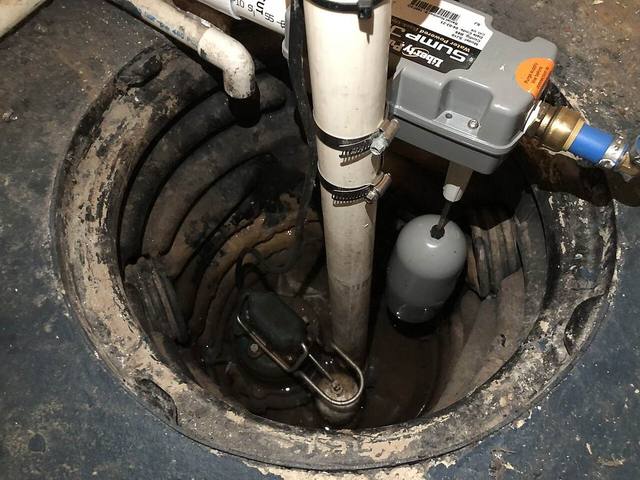
Tulsa basements flood from above and below: sump pump failures during thunderstorms, water through window wells and foundation cracks, and hydrostatic pressure when saturated clay soil pushes groundwater against basement walls. Pump-out work starts with safety, because basement water contacts electrical panels, water heaters, and stored chemicals. Depth decides the sequence, pumps until vacuum extraction is effective, then extraction of the floor and lower walls, then a hard look at contents, because cardboard storage and finished basement materials rarely survive deep or dirty water.
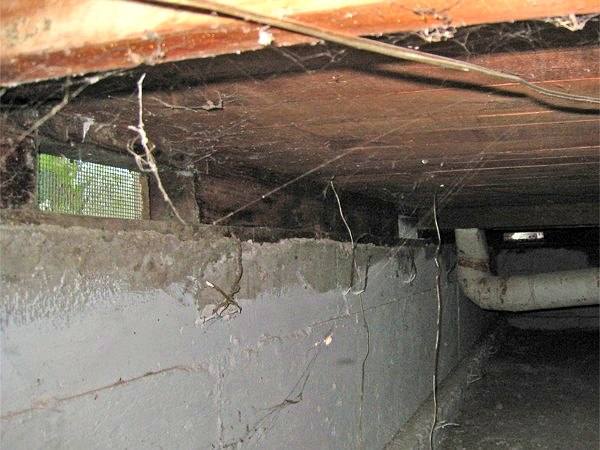
Crawl space extraction is its own discipline. Pier and beam homes across older Tulsa neighborhoods collect water that homeowners may not discover for days, announced by musty odor or a soft floor rather than a visible flood. Technicians in protective gear extract standing water, check joist and subfloor moisture from below, and look for the plumbing leak or drainage failure that filled the space. Because crawl spaces dry slowly and grow mold readily in Oklahoma summers, extraction there is always paired with a dehumidification plan, covered on the dehumidification page, rather than left to vents and hope.
How Extraction Protects Your Insurance Claim and Your Budget
Insurers expect prompt mitigation, and extraction is the clearest proof of it. The documentation from an extraction visit, arrival time, source, photos before and during work, the footprint map, and before and after moisture readings, shows that the loss was attacked while it was still small. That record matters again at repair time, because it explains exactly which materials were wet, which were extracted and dried, and which were removed and why. Homeowners who wait, or who mop and rent a fan, rarely have that record, and adjusters price uncertainty against the claimant.
Extraction also sets the honest size of the job. Once bulk water is out and readings are taken, the drying scope, the removal scope, and the likely timeline stop being guesses. If a company quotes a full restoration price over the phone before extraction and mapping, treat it as marketing rather than estimating. The sequence on this site is deliberate: extract first, measure second, and only then talk scope and cost with numbers that describe your house rather than an average house.
What Homeowners Can Do Before the Extraction Crew Arrives
Safe preparation shortens the visit and protects belongings. Stop the source at the fixture valve or main shutoff. Move dry furniture, rugs, documents, and electronics out of wet rooms if you can do it without walking through deep or contaminated water. Lift drapes off wet floors, place foil or wood blocks under furniture legs that must stay, and photograph everything. Do not plug in household vacuums for standing water beyond a rated wet vac on a small spill, and keep clear of any room where water has reached outlets or a sagging ceiling is holding pooled water overhead.
Need this step handled in Tulsa right now?
Call (918) 578-1166 and a local dispatcher will talk through your situation, the water source, and the safest next step for your home or business in Tulsa County.
Causes That Commonly Need This Service
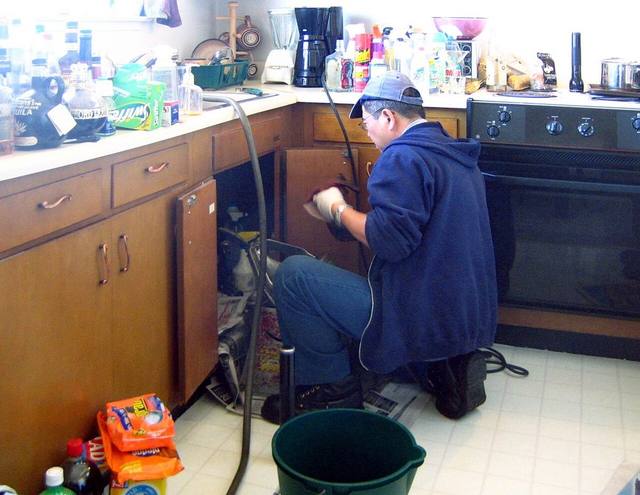
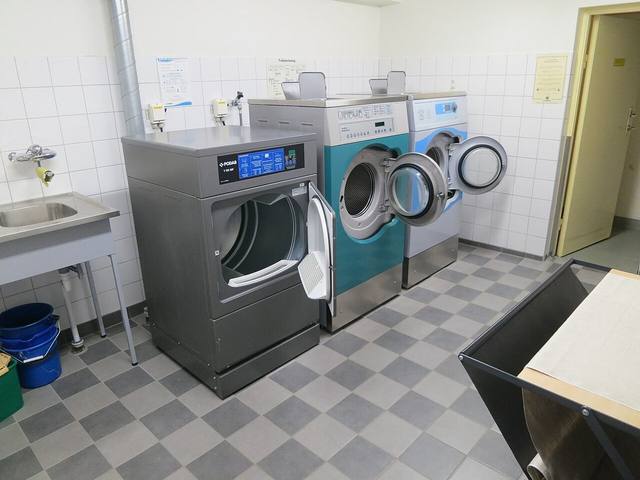
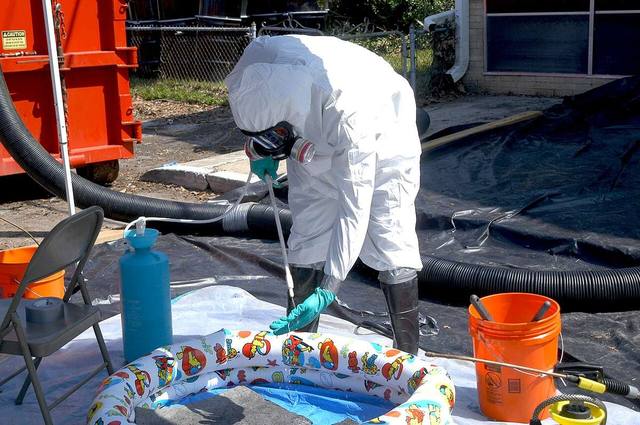
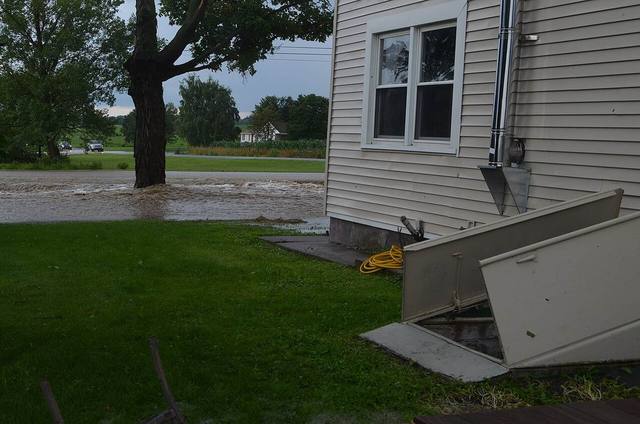
Extraction is the first response to almost every cause of water damage, but these Tulsa causes produce the deepest standing water and the most urgent pump-out and extraction calls.
Main Water Damage Services in Tulsa
This process step sits inside a full restoration sequence. These pages cover the emergency, residential, and commercial services it supports.


Other Steps in the Restoration Process
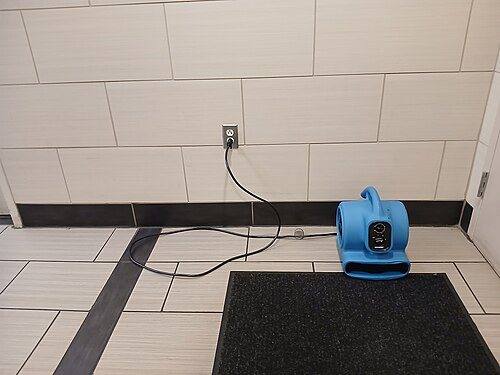
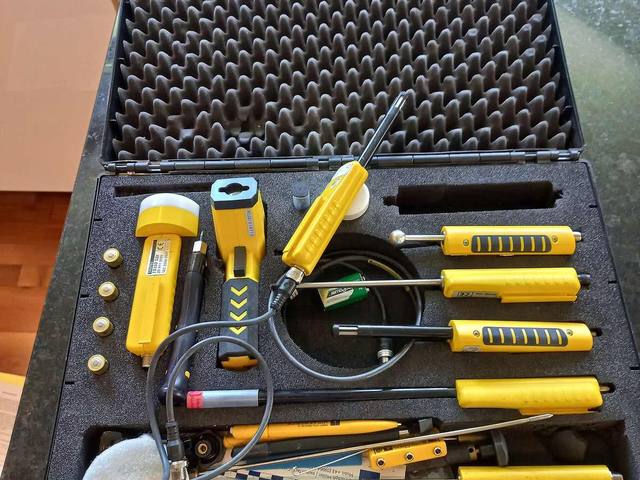
Return to the water damage restoration Tulsa OK home page for the full process, cause, mold, and insurance pages, or start with emergency water damage restoration if water is active right now.
Frequently Asked Questions
How much water can extraction equipment remove?
Far more than most homeowners expect, and far more than evaporation ever could on the same timeline. A truck-mounted extractor pulls water from carpet, pad, and hard surfaces at a rate measured in gallons per minute, and weighted extraction tools squeeze water out of carpet and pad under pressure, removing the deep water that a wand pass leaves behind. The practical answer for your home comes from the moisture map: extraction continues until meters show that the remaining moisture is the kind dehumidifiers and air movers can finish, not standing or pooled water hiding under finishes.
Can I use a shop vac instead of professional extraction?
A shop vac is fine for a small, contained spill on a hard surface, and using one quickly is better than letting water sit. Its limits show up fast on real losses: small tank capacity, weak lift on carpet and pad, no weighted extraction, and no way to verify what remains in the subfloor or wall base. Shop vacs are also not built for contaminated water. Once water has spread across rooms, soaked carpet, or entered a basement or crawl space, professional extraction removes in an hour what household equipment cannot remove in a weekend, and the moisture readings afterward prove what is left.
How long does water extraction take?
Most single room residential extraction is finished within a few hours of arrival, including setup, furniture protection, and the first moisture readings. Whole home floods, deep basement pump-outs, and crawl space work take longer, sometimes most of a day, because access is slower and water keeps migrating toward the extraction point as levels fall. Extraction ends when surface and subsurface readings say the bulk water is gone. Drying, the separate phase that follows, is measured in days, not hours.
What is weighted extraction, and why does it matter for carpet?
Weighted extraction uses a heavy, ride-on or stand-on tool that compresses carpet and pad while applying strong vacuum, physically squeezing water out of the pad the way wringing squeezes a sponge. Pad holds surprising volumes of water, and leaving it in place is the main reason carpeted rooms dry slowly and develop odor. In many clean water losses, thorough weighted extraction is what allows carpet and pad to be dried in place instead of removed, which saves both material and money. Your technician can show you the difference in readings before and after a weighted pass.
Do you extract water from basements and crawl spaces in Tulsa?
Yes, both are routine Tulsa work. Basements take submersible pumps first when water is deep, then extraction, then drying set against the reality of clay soil holding moisture against foundation walls. Crawl spaces are slower and more physical: low clearance, pier and beam construction, and plumbing runs overhead mean technicians work in protective gear, extract standing water, and then dry joists and subfloor from below. Both spaces also get checked for the entry path, because extracting a basement without addressing a failed sump pump or foundation crack invites a repeat at the next storm.
Will extraction damage my floors or furniture?
Proper extraction protects finishes rather than harming them. Furniture is blocked, padded, or moved before extraction begins, hardwood is handled with specialty tools and controlled methods rather than aggressive heat, and delicate surfaces are tested before equipment passes over them. The real threat to floors is delay: every hour of standing water raises the chance that hardwood cups, laminate swells, and subfloor delaminates. If a material cannot be saved, you will hear why, supported by readings and photos, before anything is removed.
One call starts the whole process.
Talk to a local Tulsa dispatcher now. You will get clear next steps, a real arrival plan, and documentation from the first visit.