Tulsa, OK - 24/7 Emergency Service
Water Damage Restoration Sand Springs OK
Sand Springs sits where the Arkansas River leaves Keystone Lake, west of Tulsa, with hillside neighborhoods, older housing stock, and an industrial river corridor. River water, hillside runoff, and aging systems shape its calls.
- Low ground along the Arkansas River and drainage creeks
- Hillside homes where runoff aims at foundations
- Older housing with crawl spaces and aging plumbing
- Commercial and industrial properties along the river corridor
Crews who know Tulsa County housing, soil, and storm patterns dry buildings faster, because the plan fits the building from the first visit.
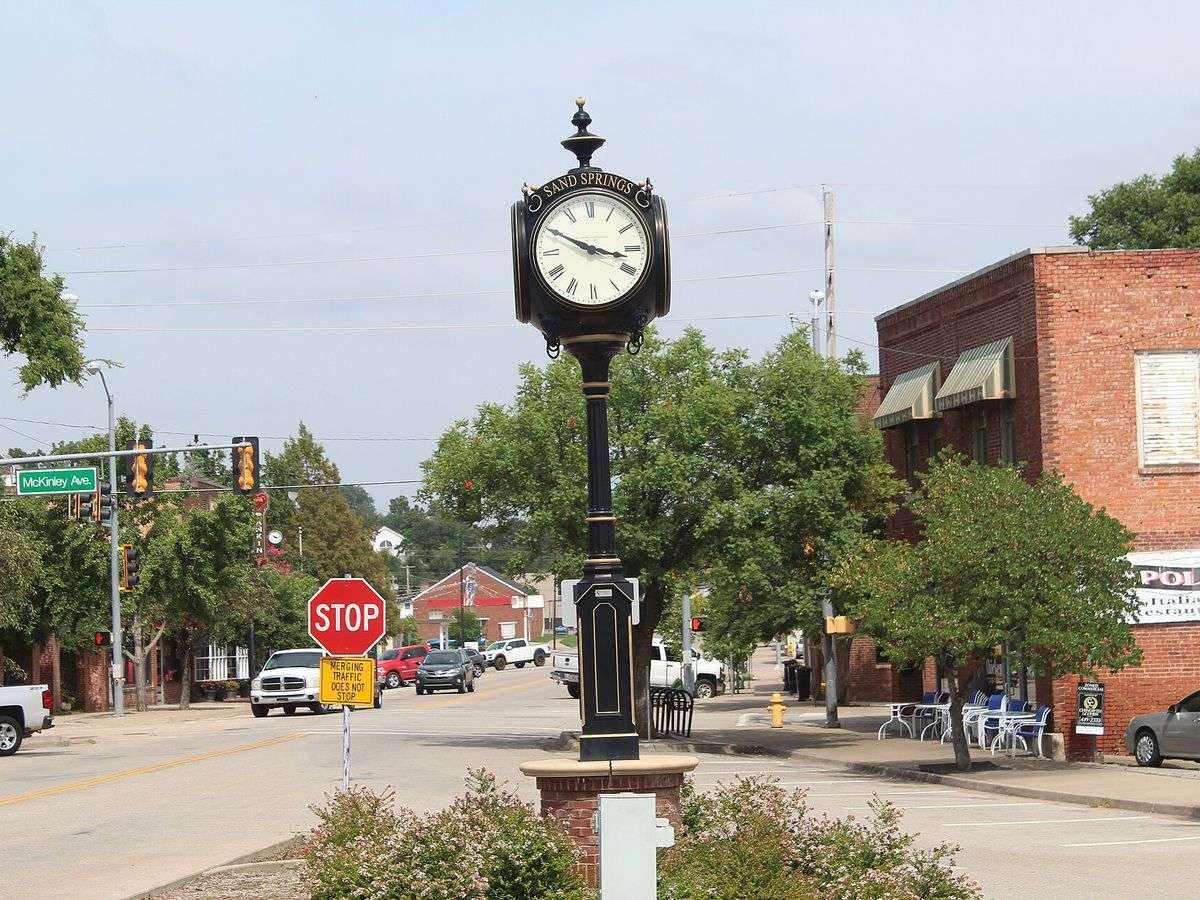
River Town, Hillside Town: Sand Springs Housing
Sand Springs was built on oil money along the Arkansas River, and its housing still shows the layers: early and mid century neighborhoods on the streets above the river, many with crawl spaces and some with basements, postwar growth climbing the hillsides, and newer subdivisions on the higher ground toward Tulsa. Charles Page founded the city around industry and a famous orphanage, and the industrial corridor along the river still anchors the west end. Each layer of that history carries its own plumbing age, foundation style, and water behavior.
Geography does the rest. The river bottoms hold the low, wet ground; the hillsides shed storm water down slope at the foundations below them; and Keystone Lake, a few miles west, regulates the river that runs past the city. A Sand Springs home can face groundwater from below, runoff from above, and a roof leak from the sky in the same storm season, which is why local assessment always starts with the lot: elevation, slope, and drainage, before it ever gets to the plumbing.
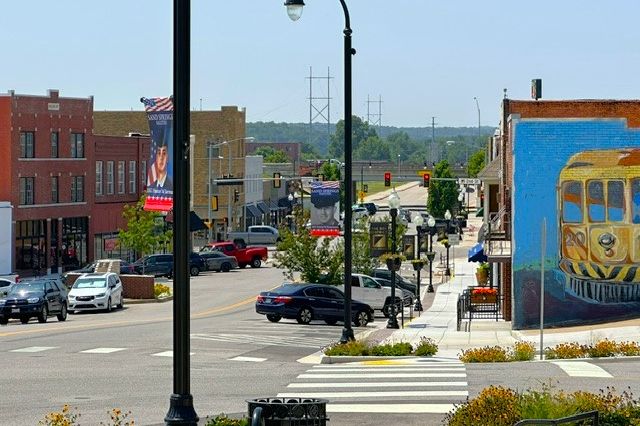
Where Water Gets In Across Sand Springs
River country risks lead the list. High water on the Arkansas raises the water table across the low neighborhoods, pushing seepage into basements and crawl spaces and testing every foundation joint and sump system. The 2019 flood, when Keystone releases met record rainfall, put Sand Springs among the hardest hit communities in the metro and redrew local understanding of which streets are low. Storm runoff down the hillsides is the annual version of the same lesson, arriving with every hard spring rain.
Inside the houses, the older center produces the classic failures: supply and drain lines at the end of their service life, water heaters in closets and garages, and roofs worn by decades of hail seasons. Freezes find the exposed lines in crawl spaces on the coldest nights. The newer subdivisions add the modern list, slab leaks and appliance lines, on their higher ground. The cause pages below begin with basements, storms, and pipes, the order Sand Springs tends to need them, and cover the remainder from there.
How a Sand Springs Water Damage Call Proceeds
1. Tell us your ground: low, hillside, or newer subdivision
In Sand Springs the lot explains half the job. River bottom seepage, hillside runoff, and an interior pipe failure in a new subdivision each start with different checks and different equipment.
2. Shut off water and make the scene safe
Stop plumbing sources at the valve or main. For river or groundwater events, respect standing water near electrical systems and treat any water that has crossed a sewer line as contaminated until assessed.
3. Extract and pump out standing water
Basements get pumped, crawl spaces get drained, and living areas get extracted, so drying begins against the structure instead of against standing water.
4. Map the moisture and the entry pattern
Readings trace the footprint inside, and the pattern of entry, foundation joint, crack, door line, or plumbing source, tells us what will happen at the next rain if it is not addressed.
5. Dry house and below grade spaces as one system
Dehumidification sized for the full load, including the crawl space or basement, with daily readings. Drying the rooms while the space below stays wet is a temporary result.
6. Document and verify the result
Dated photos, moisture maps, and final readings close the file. For river and groundwater events, that documentation is the backbone of any insurance discussion that follows.
Drying Sand Springs Homes: Basements, Crawl Spaces, and Hillside Lots
Below grade spaces carry the Sand Springs drying story. Basements near the river take groundwater at joints and cracks, and the drying plan has to separate the one time event from the recurring pattern: materials dry to standard either way, but a basement that seeps every wet season needs the entry conversation, grading, gutters, drainage, or foundation sealing, alongside the drying, or the readings will climb again. Crawl spaces under the older hillside homes collect slope runoff and hold it against joists and subfloors long after the yard looks dry.
Above grade, the work follows the water through the familiar materials: hardwood in the older homes that rewards early drying, wall cavities that hide moisture behind intact paint, and slab floors in the newer subdivisions that spread leaks sideways under finished flooring. Mapping decides each material fate individually. The through line in Sand Springs is the lot: a house whose drainage aims water at its own foundation will keep a restoration company busy, and the honest fix includes the outside of the house, not just the inside.
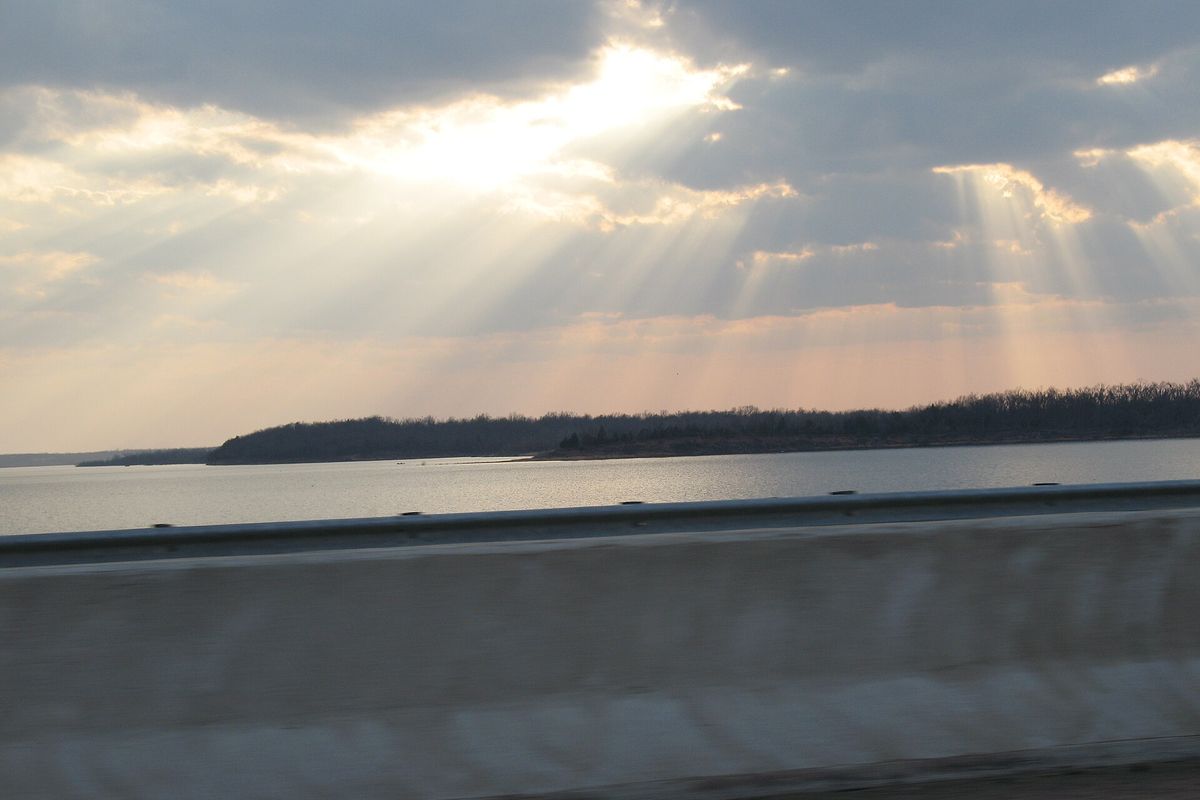
Insurance Documentation and Choosing Help in Sand Springs
Sand Springs claim files live and die on the source question. A burst line inside the home and river water at the foundation can wet the same basement in the same week, and they belong to different parts of the insurance world. Precise documentation, where the water entered, how it moved, what the river and weather were doing, with dated photos and readings, is what lets an adjuster sort one from the other. We keep that record on every job, because in river country it is never safe to assume the source will be obvious later.
When you choose help, ask river town questions. Ask how basements and crawl spaces are dried, not just living rooms. Ask whether the company will tell you plainly when the problem is drainage or foundation, even when that part of the fix belongs to another trade. Ask what standard the drying follows, the IICRC S500 framework, and what you will hold in writing when it ends. Sand Springs has enough water history to know the difference between a drying company and a neighbor with a shop vacuum; your questions should find it too.
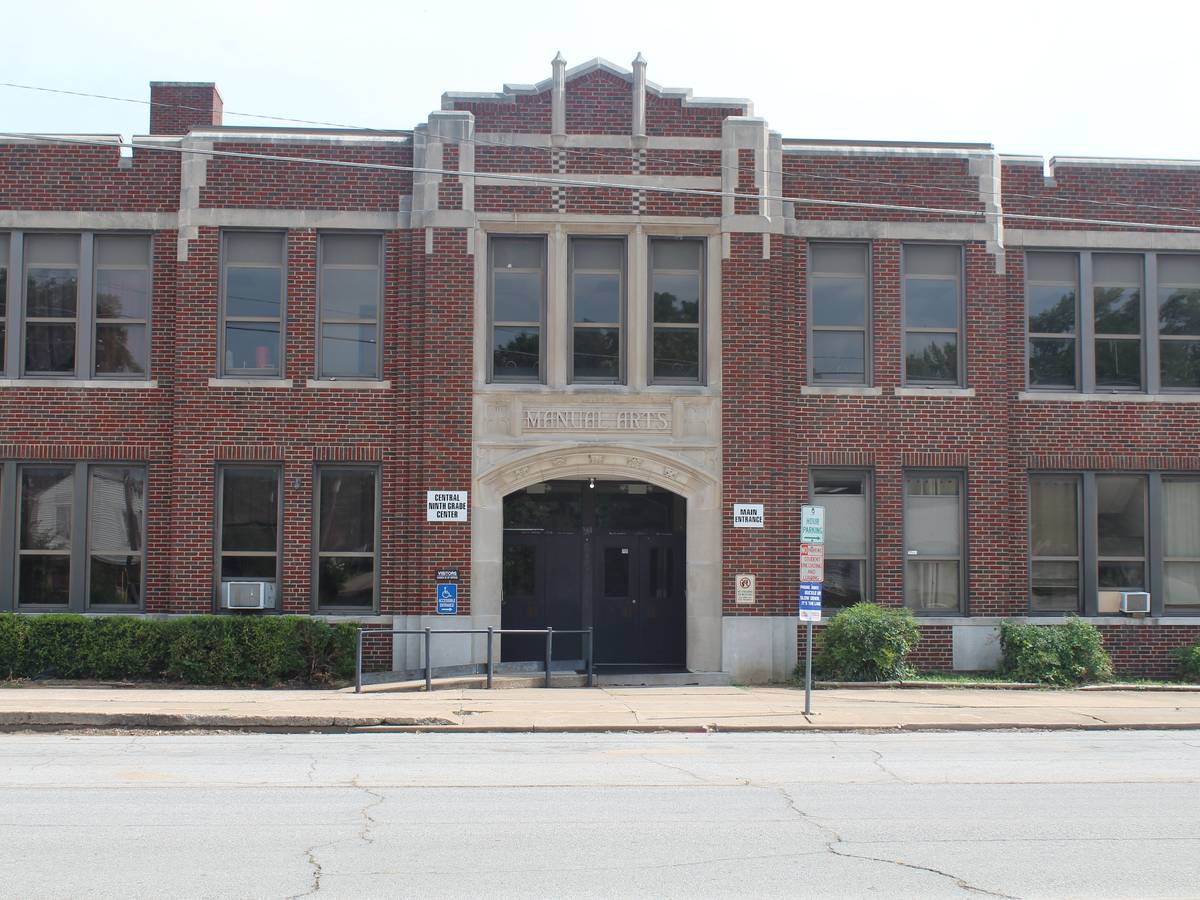
Water damage in Sand Springs? Start with one call.
Call (918) 578-1166 and tell us what happened and where in Sand Springs you are. We extract, dry, and document the loss, and we explain each step before we do it.
Water Damage Causes We See in Sand Springs
Sand Springs water arrives from the river, off the hillsides, and out of older plumbing, in roughly that order of local importance. These cause pages start with flooded basements and storm damage and work through the rest of the city list.
Main Water Damage Services in Sand Springs
Every Sand Springs call runs through the same main services: emergency response, residential and commercial restoration, and round the clock cleanup. The pages below explain each one in full.



Nearby Communities We Serve
Sand Springs is Tulsa's western neighbor, with Jenks and Bixby across the south metro and lake country spreading west. Each community page below is written on its own ground, because river bottom, hillside, and subdivision water are different trades.
Return to the water damage restoration Tulsa OK home page for the full process, cause, mold, and insurance pages, see all service areas, or start with emergency water damage restoration if water is active right now.
Water Damage Questions from Sand Springs Homeowners
How does the Arkansas River affect Sand Springs homes?
Sand Springs grew up on the river, and the low neighborhoods along the banks and the drainage creeks carry the metro western flood exposure. When the Arkansas runs high, especially during managed releases from Keystone Dam, groundwater rises against foundations, basements and crawl spaces take seepage, and the lowest lots see yard and street flooding. Most Sand Springs homes sit above that story on the hills and newer ground, but if your home is on low ground, knowing your elevation and watching your below grade spaces during high water is basic Sand Springs homeownership.
What water damage is most common in older Sand Springs homes?
The established neighborhoods carry the classic older home list: aging supply and drain plumbing, crawl spaces that collect runoff from the hillsides, older roofs, and water heaters at the end of their service life. Hillside drainage is the local twist, because a slope that sheds water beautifully in a normal rain can deliver a surprising volume to a foundation in a storm. Add the industrial and commercial stock along the river corridor, with its own large roof and plumbing systems, and Sand Springs covers the full metro range of water problems in one small city.
My basement in Sand Springs seeps after heavy rain. Is that a restoration job?
It becomes one when the seepage wets materials, and it deserves attention before it does. Water entering at foundation joints or cracks after rain is groundwater responding to saturated soil, common in river country. A single damp corner that dries on its own is a monitoring item. Recurring seepage that soaks drywall, flooring, or stored belongings, or leaves mold and odor behind, needs the full treatment: find the entry pattern, dry the materials to standard, and address what feeds it, grading, gutters, or a foundation opening. The flooded basement page covers the pattern in depth.
Do you handle commercial and industrial water damage in Sand Springs?
Yes. Sand Springs has an industrial heritage along the river and a working commercial center, and those buildings fail at commercial scale: large roof spans that pond and leak, long plumbing runs, sprinkler and process lines, and restrooms that can run unnoticed over a weekend. Commercial restoration is planned around downtime and safety, with phased drying where part of a facility can keep operating. The commercial restoration page on this site lays out that planning; the water science underneath it is the same as any home on the hill above the plant.
Does insurance cover river or groundwater damage in Sand Springs?
The source decides, as it does everywhere in the metro. Sudden plumbing failures inside the home are the events most homeowners policies are written to cover. Rising river water, surface runoff entering the home, and groundwater seepage usually fall outside a standard homeowners policy and belong to flood coverage or endorsements, if they are covered at all. Your insurer reads your policy and makes that call. Our part is a precise record of the source and footprint, dated photos, maps, and readings, because placing the event correctly starts with documenting it correctly.
One call starts extraction and drying.
Talk to a Tulsa area dispatcher now about your Sand Springs property. You will get clear next steps and documentation from the first visit.