Tulsa, OK - 24/7 Emergency Service
Structural Drying Services Tulsa OK
Extraction removes the water you can see. Structural drying removes the water inside walls, under floors, and in framing, measured daily until the numbers, not the surface feel, say dry.
- Drying plans built on psychrometry, not guesswork
- LGR and desiccant dehumidifiers sized to the loss
- Air movers placed from the moisture map
- Daily monitoring visits with logged readings
Each step protects the next one. Rush or skip a step, and the water you cannot see stays behind to feed mold and swell framing.
Psychrometry: The Science Every Drying Decision Stands On
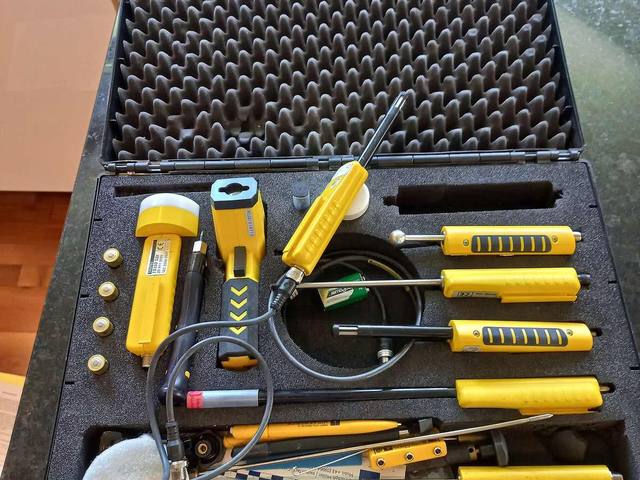
Structural drying is applied psychrometry, the study of how air and water vapor interact. Three measurements drive every decision: temperature, relative humidity, and the actual vapor content of the air, expressed as grains of moisture per pound of dry air. Technicians carry thermo-hygrometers that read all three, and they compare the conditions inside the wet structure, inside the dehumidifier output, and outdoors. That comparison, called grain depression when it describes how much drier the dehumidifier makes the air, tells the crew whether the setup is winning or stalling, hours before a wall would feel any different to a homeowner.
The ANSI/IICRC S500 standard organizes this science into a working method: establish the category and class of the loss, extract thoroughly, set evaporation with air movement, remove vapor with dehumidification, and control temperature so materials release moisture at a safe rate. Equilibrium moisture content is the balancing concept underneath it all. Wood and other porous materials constantly trade moisture with the surrounding air until they reach equilibrium, so drying is really the work of holding the air in a room dry enough, long enough, that framing, subfloor, and drywall give up their excess water to reach that balance. Skip the science and drying becomes fans pointed at walls, which is how homes end up rebuilt over wet skeletons.
Air Movers, LGR Dehumidifiers, and Desiccants: Who Does What
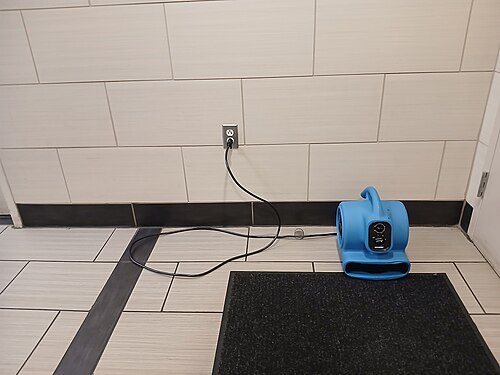
Air movers do not remove a single drop of water from a building. Their job is evaporation: high velocity air across wet surfaces breaks the saturated boundary layer that clings to material and lets moisture escape into the room air. Placement is deliberate, angled across surfaces and into wall bases, with the count based on the size and class of the loss. Air movement without dehumidification is a trap in Tulsa, because it simply loads already humid indoor air with more vapor, which then condenses on cooler surfaces like exterior walls, windows, and air conditioning ducts, spreading the problem to rooms that were never wet.
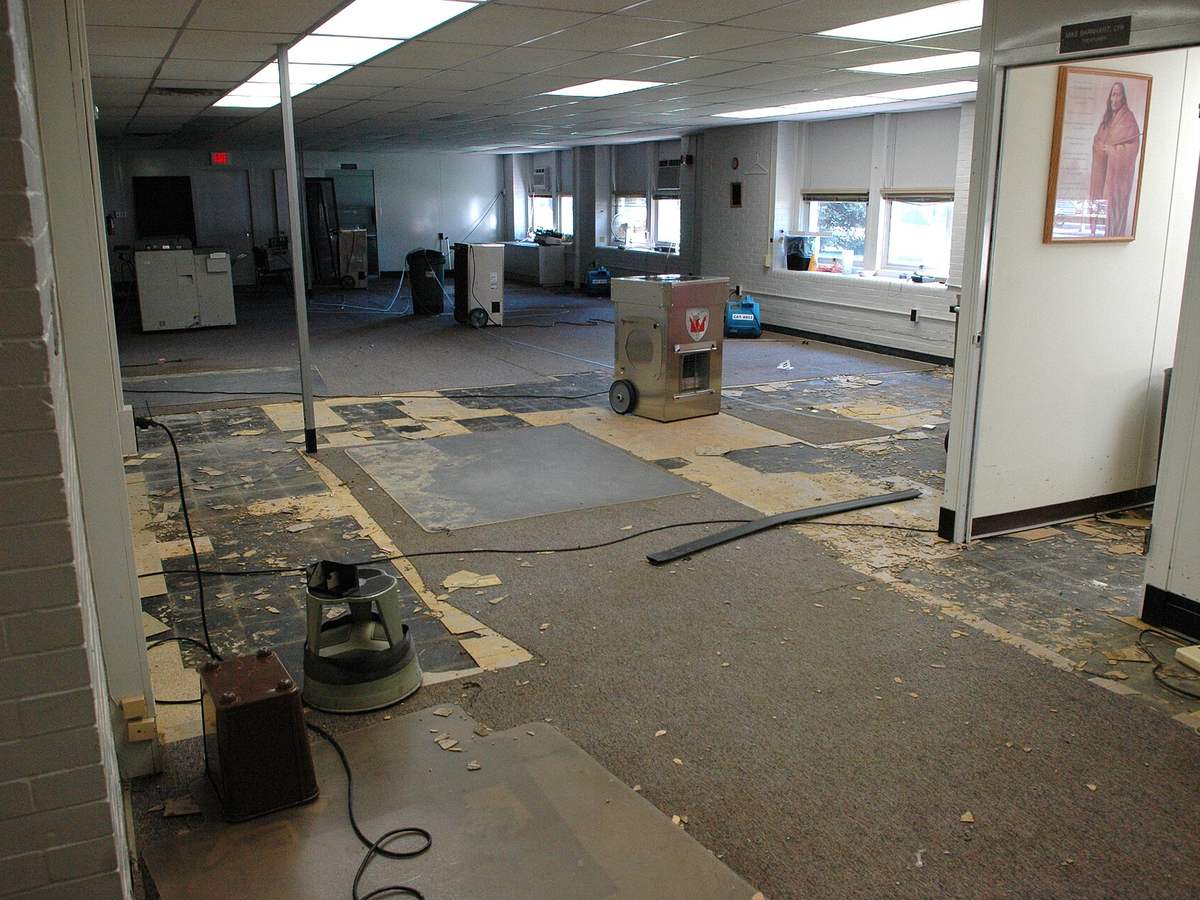
Dehumidifiers do the actual removal, and the two families work differently. LGR dehumidifiers, low grain refrigerant units, cool air below its dew point, condense the vapor, and keep working efficiently at the low humidity levels the end of a drying job requires. Desiccant dehumidifiers adsorb vapor onto a silica based wheel and excel in cool conditions, large commercial volumes, and specialty low humidity targets. A Tulsa summer residential loss usually runs LGR units as the backbone. A winter crawl space, a warehouse, or a Class 4 hardwood and concrete assembly may call for desiccant capacity. The dehumidification page on this site compares the two in depth.
The Tulsa Humidity Factor: Drying in a Humid Subtropical Climate
Tulsa sits in a humid subtropical climate, and anyone who has spent an August here understands what that does to a drying job. Outdoor dew points stay high for weeks, thunderstorms refresh the humidity as fast as it falls, and the air inside an opened up house quickly matches the air outside. In a dry climate, ventilation can help dry a structure. In Tulsa, opening windows during a humid spell imports moisture faster than air movers can export it, and grain depression collapses. Professional drying here is therefore a closed system discipline: the structure is kept closed, dehumidification capacity is sized generously, and progress is proven with daily readings rather than assumed from elapsed time.
How the Work Proceeds, Step by Step
1. Moisture map and dry standard
Technicians map the full wet footprint, then measure the same materials in an unaffected area to set the dry standard every later reading is judged against.
2. Drying plan and equipment sizing
The category, class, and volume of the loss determine air mover count, dehumidifier type and capacity, and whether wall cavities, floors, or crawl spaces need specialty setups.
3. Containment and setup
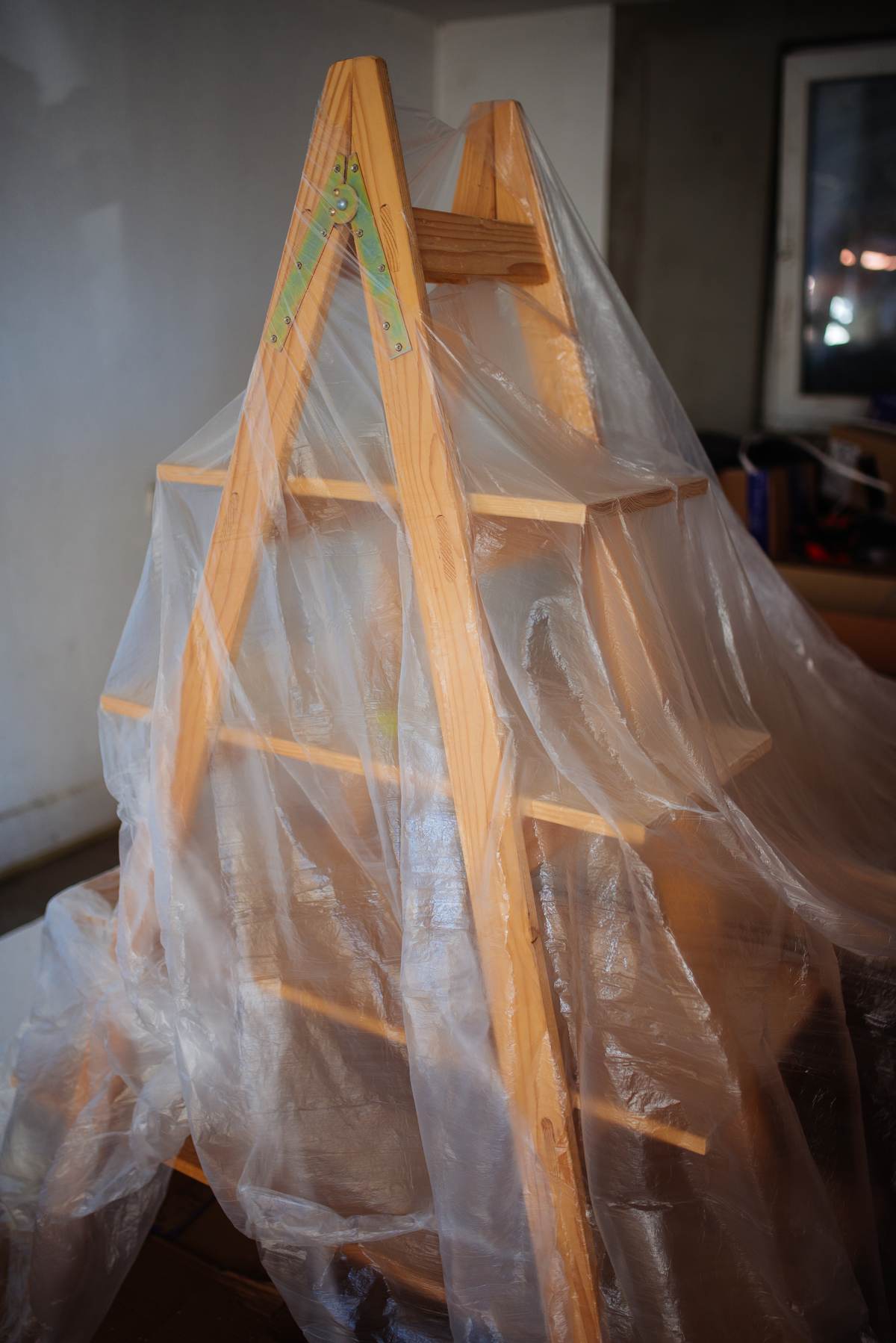
Equipment is placed from the map, cords are routed safely, and where needed, plastic containment isolates the drying chamber so capacity is spent on wet material, not the whole house.
4. Daily monitoring and adjustment
Each visit logs moisture content, temperature, and humidity, repositions equipment toward the slowest drying areas, and removes units only where goals are already met.
5. Verification and equipment pull
When readings match the dry standard and hold stable, the final log is completed for your records and insurer, equipment is removed, and the space is ready for cleaning, treatment, and repairs.
Drying Walls, Floors, and Cavities Without Unnecessary Demolition
The honest goal of structural drying is maximum salvage with minimum demolition, and the techniques exist when water is clean and time has been short. Baseboards can be removed and small holes drilled at the wall base to move air through the cavity, then patched invisibly. Injectidry style systems push dry air directly into wall cavities, under cabinets, and beneath hardwood through small ports. Flood cuts, removing the bottom strip of drywall, are reserved for saturated insulation, contaminated water, or walls that readings show are not responding, because a cut that is not needed is damage the drying was supposed to prevent.
Floors are the slowest assemblies in most Tulsa homes. Hardwood dries from the top and through the tongue and groove joints at controlled rates, covered in detail on the hardwood drying page. Laminate over a soaked pad and subfloor often cannot be saved because the board swells, and an honest technician says so early rather than after a week of equipment rental. Concrete slabs release moisture for a long time, and flooring installed over a slab that still reads high will fail at the adhesive line. In every case the readings decide, and you are entitled to see them and ask what they mean.
What Daily Monitoring Actually Looks Like
A monitoring visit is short, structured, and documented. The technician re-reads the same points marked on the original moisture map, checks that equipment is running and placed correctly, records temperature and humidity for the psychrometric log, and adjusts the setup where progress lags. You get a plain language update: what fell, what is stubborn, what changed in the plan, and the updated estimate for completion. That log, kept daily, is also the document your insurer uses to verify that drying was necessary, properly scoped, and stopped at the right time.
Homeowners can support the process in simple ways. Keep the structure closed while equipment runs, keep pets and children clear of cords and air movers, report any tripped breaker or stopped unit promptly, and resist moving equipment to quieter corners, because placement is geometry, not convenience. If a room must be used, say so at setup so the plan can work around real life. Good drying is a partnership between instruments and the people living with the noise for a few days, and clear communication shortens it more than any single machine.
When Drying Reveals a Bigger Problem
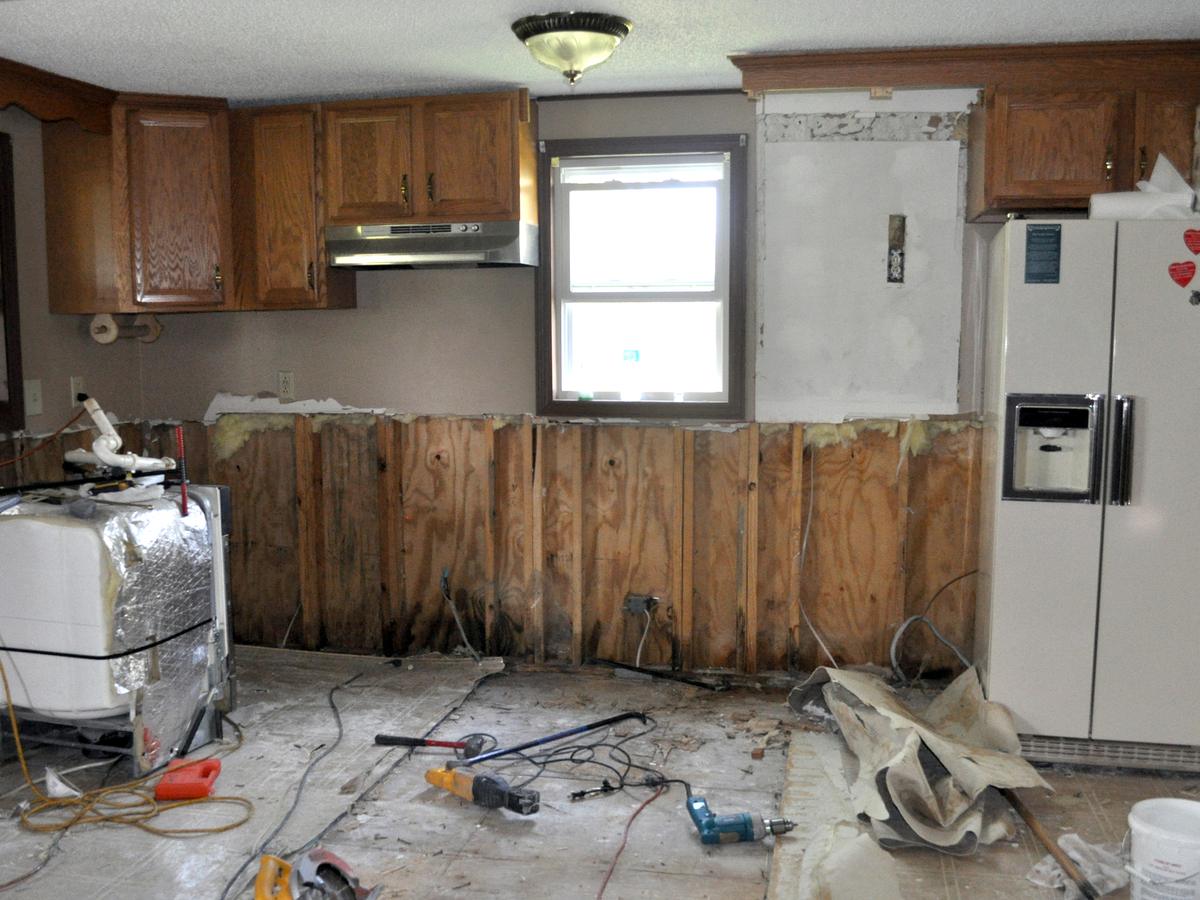
Monitoring sometimes proves that a loss is worse than it looked: a wall cavity that will not fall, readings that climb instead of dropping, or a musty odor strengthening as cavities open to the air. Those findings usually mean a continuing source, a slab leak still feeding the wall, a second leak, or established mold growth inside the assembly. The response is to expand the map, find the source, and adjust the scope with you before more work is done. Drying equipment faithfully reporting bad news is the system working, and it is far better discovered on day two than after repairs have sealed it in.
Need this step handled in Tulsa right now?
Call (918) 578-1166 and a local dispatcher will talk through your situation, the water source, and the safest next step for your home or business in Tulsa County.
Causes That Commonly Need This Service
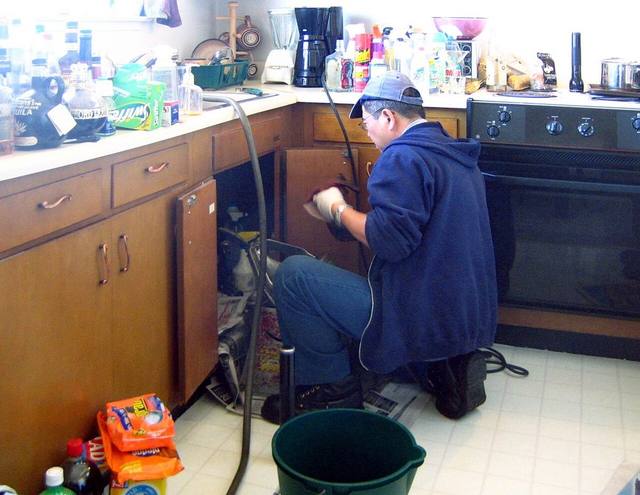
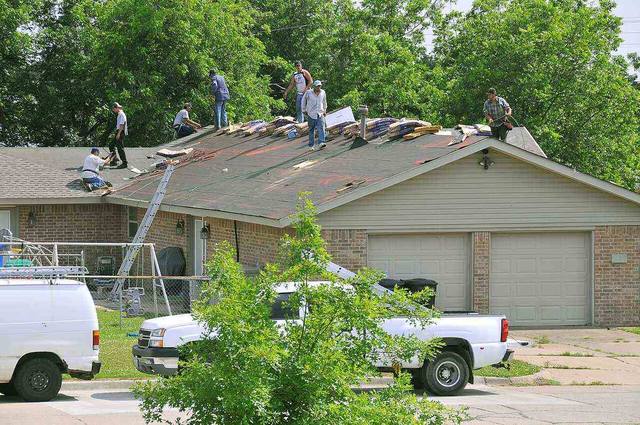
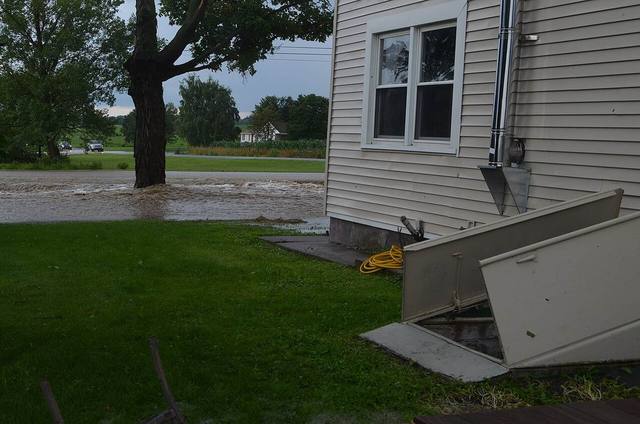
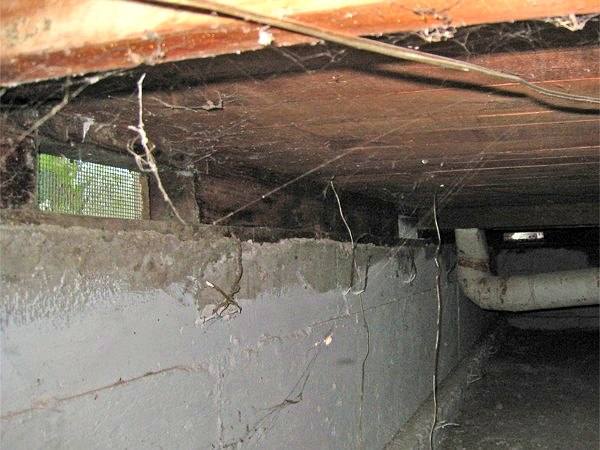
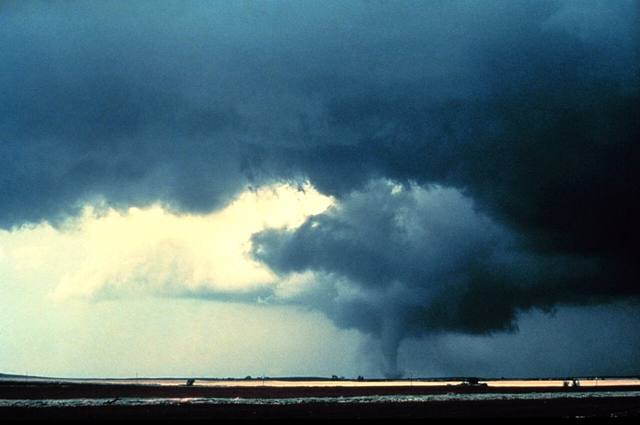
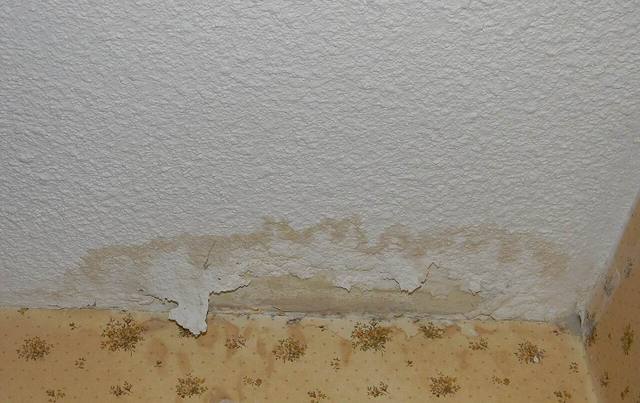
Structural drying follows almost every Tulsa water loss, but these causes soak walls, floors, and foundations most deeply and most often need multi day monitored drying.
Main Water Damage Services in Tulsa
This process step sits inside a full restoration sequence. These pages cover the emergency, residential, and commercial services it supports.


Other Steps in the Restoration Process
Return to the water damage restoration Tulsa OK home page for the full process, cause, mold, and insurance pages, or start with emergency water damage restoration if water is active right now.
Frequently Asked Questions
How long does structural drying take?
Most residential losses in Tulsa reach their moisture goals in three to five days of monitored drying. Hardwood floors, thick plaster, insulated wall cavities, and concrete slabs run longer, sometimes a week or more, because those assemblies release water slowly and must be dried at controlled rates to avoid damage. Category, class, and how long water sat before extraction all shift the timeline. What you should expect is a drying plan with target readings and daily updates, so the schedule is based on your walls and floors, not a generic promise.
Can I turn the drying equipment off at night?
Please do not. Air movers and dehumidifiers work as a balanced system, and switching them off overnight does more than pause progress: humidity inside the structure rebounds, moisture that was moving out of wall cavities settles back, and the drying clock effectively restarts each morning. The noise is real, and technicians can sometimes reposition equipment or adjust placement around sleeping areas, but continuous operation is what makes a three to five day dry possible. If noise or a sleeping child is a genuine problem, raise it with the crew rather than unplugging equipment silently.
Why is Tulsa humidity such a problem for drying?
Tulsa has a humid subtropical climate, and in summer the outdoor air often carries so much moisture that it cannot accept more from your walls. Drying works by moving water from wet material into the air and then removing it from the air with dehumidifiers. When ambient humidity is high, evaporation slows, grain depression shrinks, and a wet structure can stall above its moisture goals for days. That is why Tulsa drying setups are dehumidification heavy, why opening windows usually hurts instead of helps here, and why daily psychrometric readings matter more in Green Country than in a dry climate.
What is a dry standard, and how do you know my house is dry?
A dry standard is the moisture level of the same material in an unaffected part of your home, measured at the start of the job. Framing lumber, drywall, and subfloor in a healthy Tulsa home sit within known ranges, but the standard for your house is your house, not a national chart. Drying is complete when readings in affected materials return to that standard and stay stable, verified with the same instruments that found the moisture. You should receive those final readings in writing before equipment is pulled or walls are closed.
Will drying save my drywall and insulation?
Often, yes, when extraction was fast and the water was clean. Drywall that has wicked water a short distance can be dried in place, sometimes with baseboards removed or small ventilation holes that let air reach the cavity. Insulation is less forgiving: saturated fiberglass and cellulose lose performance and hold moisture against framing, so badly soaked insulation is usually removed so the cavity can dry. Category 3 water changes the decision entirely, because contaminated porous material is removed for health reasons. Each material call is made from readings and category, and explained before work proceeds.
What happens if drying stops too early?
The structure keeps the moisture you could not feel. Wet sill plates, subfloor edges, and insulation stay damp behind new paint and flooring, mold colonies establish in wall cavities, hardwood continues to cup, and odor develops that no surface cleaning fixes. The repair that follows, opening finished walls and remediating growth, costs far more than the extra day or two of monitored drying would have. Verified dry readings are the cheapest insurance in the whole restoration process, which is why this site repeats the point on page after page.
One call starts the whole process.
Talk to a local Tulsa dispatcher now. You will get clear next steps, a real arrival plan, and documentation from the first visit.