Tulsa, OK - 24/7 Emergency Service
Hardwood Floor Drying and Restoration Tulsa OK
Wet hardwood is a race run at a controlled pace. Cupped boards can often be saved with specialty drying mats and daily readings, but only if drying starts fast and never faster than the wood can safely release its water.
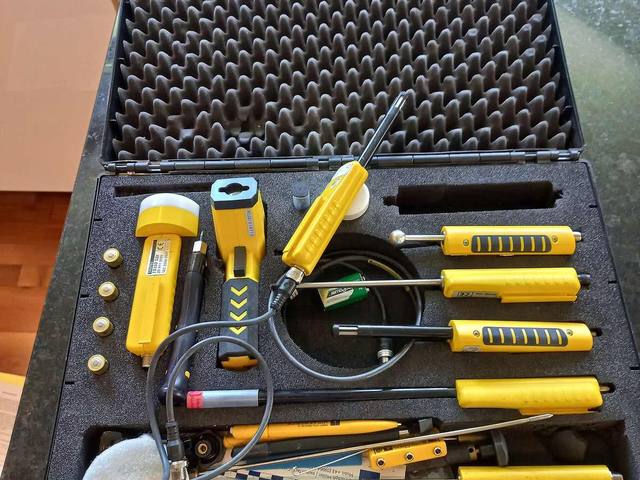
- Moisture readings at board surface and depth
- Specialty drying mats for in-place recovery
- Controlled drying rates that protect the wood
- Honest restore vs replace assessment in writing
Each step protects the next one. Rush or skip a step, and the water you cannot see stays behind to feed mold and swell framing.

What Water Does to Hardwood: Cupping, Crowning, and Buckling
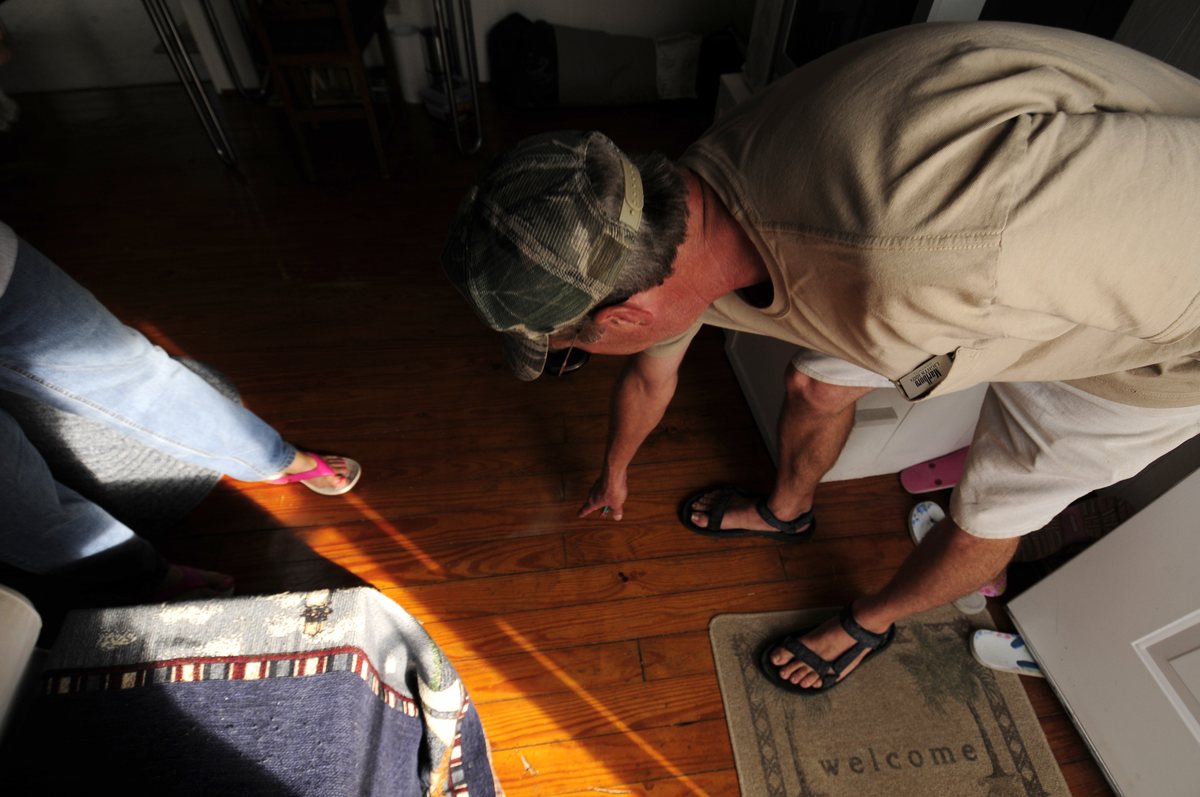
Hardwood is hygroscopic: it absorbs and releases moisture until it balances with its environment, and it swells as it absorbs. When water reaches a floor from a leak, a flood, or a wet slab, it usually enters from the underside and the board edges first. The bottom of each board expands more than the finished top, and the board cups, edges rising, center dipping. Viewed across a room, a cupped floor ripples. Crowning is the mirror image, center high, and it typically appears later, often when a cupped floor was sanded flat too early and then finished drying, pushing the centers up. Buckling, where boards lift entirely off the subfloor, is the end stage of severe, prolonged saturation, and it is the point where in-place recovery stops being realistic for the affected area. The sources differ in speed as much as in volume: a burst pipe announces itself in minutes, while an HVAC condensate leak, a leaking appliance line, or a slab leak can wet a floor quietly from above or below for weeks before the first board moves.
Delamination belongs to engineered flooring, where the glued layers of the board separate under moisture, and to plywood subfloors whose plies swell and split apart. Each failure mode has a different prognosis, which is why hardwood assessment is physical, not visual alone: moisture content readings across the floor on a grid, readings in the subfloor through test points or from below in a crawl space, and checks of how firmly boards remain fastened. A floor that looks terrible on day one, deeply cupped but sound and drying evenly, frequently recovers. A floor that looks calm but hides a soaked, delaminating subfloor does not, and only readings tell those two floors apart.
Controlled Drying: Mats, Airflow, and Why Slow Wins
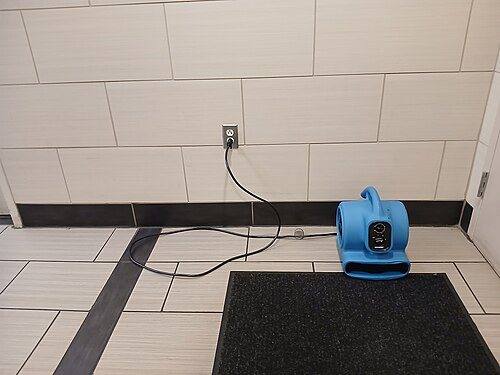
Specialty hardwood drying uses mats sealed over sections of floor, connected to extraction and dehumidification equipment that pulls air and water vapor down through the tongue and groove joints and out of the assembly. The system dries the boards and the subfloor together, which matters because a dry board over a wet subfloor simply reabsorbs moisture overnight. Panels are repositioned across the floor over days as readings fall, working the wettest zones hardest. Negative air pressure, temperature, and dehumidification are balanced so the wood gives up moisture steadily without the surface drying so much faster than the inside of the board that the boards check and split.
Controlled rates are the heart of the service and the reason hardwood drying is quoted in weeks rather than days. Wood moisture content in a healthy Tulsa home typically sits in the high single digits, varying with season and indoor humidity, and the dry standard for a wet floor is the reading of the same floor in an unaffected room. Technicians log board and ambient readings daily, watch cupping measurements ease, and resist every temptation to accelerate, including the homeowner understandable wish to be done before a holiday. A floor dried patiently usually needs, at most, screening and a fresh finish coat to look itself again. A floor dried in a panic often needs replacement, at several times the cost.
Tulsa Historic Homes and Original Hardwood
Midtown, Brookside, Maple Ridge, and the other older Tulsa districts hold thousands of homes with original oak, walnut, and pine floors installed in the 1920s through the 1950s, material that is denser, tighter grained, and effectively irreplaceable at any sane budget. Those floors have survived ice storms, plumbing generations, and Oklahoma summers, and they deserve a restoration first approach when water reaches them. The complication is that the same homes often pair their hardwood with plaster walls, aging supply lines, and pier and beam foundations, so a floor loss there is rarely only a floor loss: crawl space moisture, subfloor condition, and the leak source all belong in the same assessment.
How the Work Proceeds, Step by Step
1. Grid moisture survey
Readings are taken across the floor on a grid, plus subfloor checks and an unaffected room reference, producing a map of exactly where the water went and how deep it reached.
2. Source and subfloor verification
The leak is confirmed stopped, and the subfloor and any crawl space below are checked, because drying boards over a wet or contaminated subfloor cannot succeed.
3. Mat system installation
Drying mats are sealed over the wettest sections and connected to extraction and dehumidification, with containment and floor protection for the rest of the room.
4. Daily controlled monitoring
Board moisture, cupping, temperature, and humidity are logged daily. Mats move as zones reach target ranges, and the rate is adjusted to protect the wood, never to beat the calendar.
5. Final verification and finish plan
When board and subfloor readings match the dry standard and hold, the floor is assessed for flatness and finish, and any screening, recoating, or board replacement is scoped separately and honestly.
In-Place Recovery vs Replacement: How the Decision Is Made
In-place recovery is the right default for solid hardwood with Category 1 water, a sound subfloor, and response within the first day or two. It preserves the floor, avoids the dust and disruption of tear-out, and usually pairs with refinishing only where the finish was damaged. Replacement earns its place when the evidence demands it: delaminated engineered boards, buckled sections, a subfloor that is swollen, rotted, or soaked with Category 3 water, or moisture that sat so long that boards have split and fasteners have failed. Partial replacement, weaving in matching boards for the worst section and refinishing the whole room for a uniform finish, is the middle path that honest scopes often land on.
Insurance conversations follow the same evidence. Adjusters respond well to grid readings, dated photos of cupping, and a drying log that shows a genuine recovery attempt, because that file demonstrates the floor was given its chance and the outcome was measured. What adjusters resist, fairly, is a replacement demand made on day one for a floor no one tried to dry, and a drying invoice that runs for weeks with no readings to show for it. Whichever way your floor resolves, the documentation built during drying is what carries the claim, which is one more reason to hire the meter, not the opinion.
Protecting Hardwood Before and During a Loss
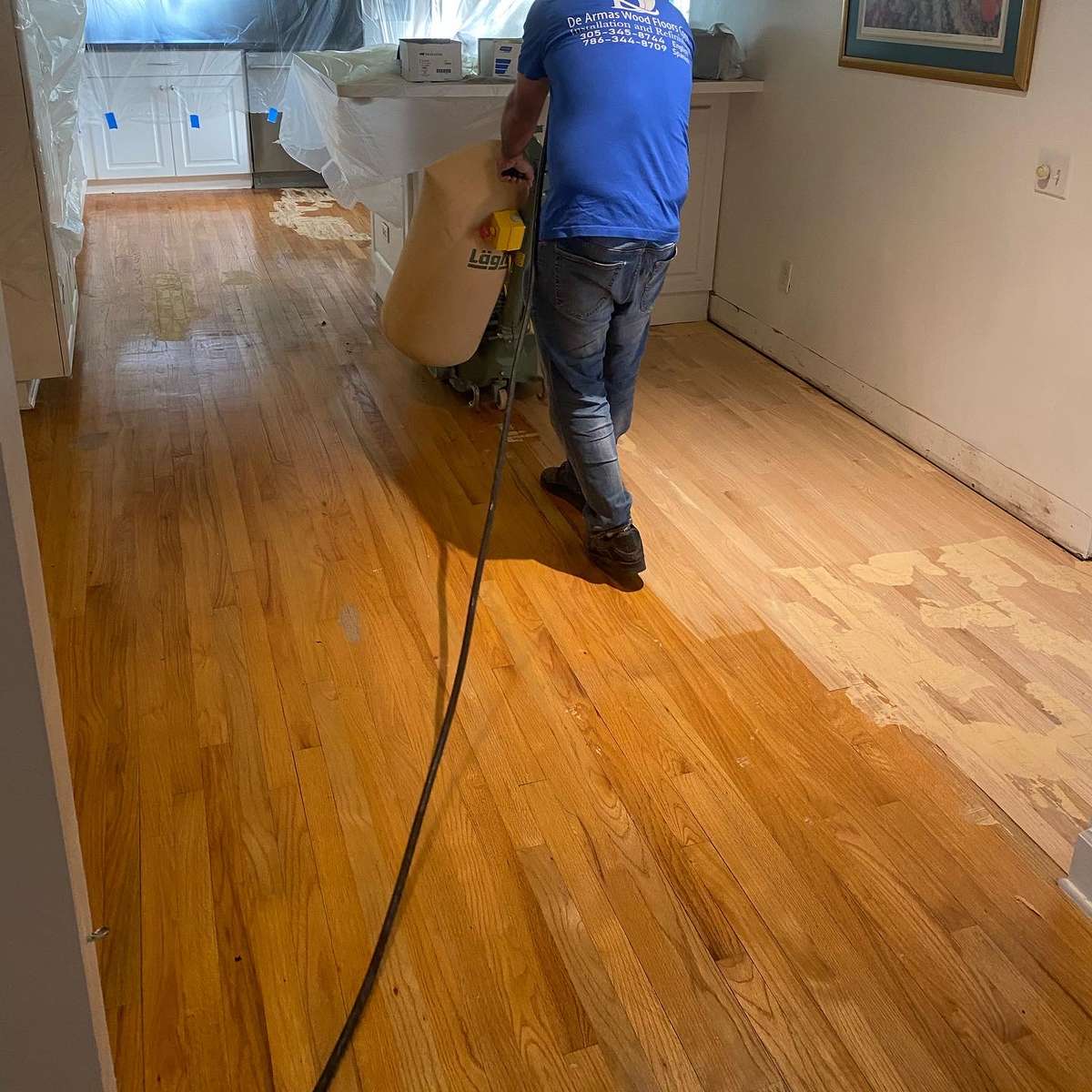
Homeowners can shift the odds before the crew arrives. Blot and extract surface water promptly, keep rugs off wet boards because they trap moisture against the finish, lift furniture or place it on blocks, and get air moving gently across the room without adding heat. Do not sand, do not apply oils or waxes, and do not run a steam cleaner ever on a suspect floor. After restoration, the prevention list for Tulsa homes is short and practical: supply line and water heater pan checks, refrigerator and dishwasher line inspections, humidity kept in a sane indoor range through Green Country summers, and a floor level check after any plumbing event upstairs or in an adjacent room.
Need this step handled in Tulsa right now?
Call (918) 578-1166 and a local dispatcher will talk through your situation, the water source, and the safest next step for your home or business in Tulsa County.
Causes That Commonly Need This Service
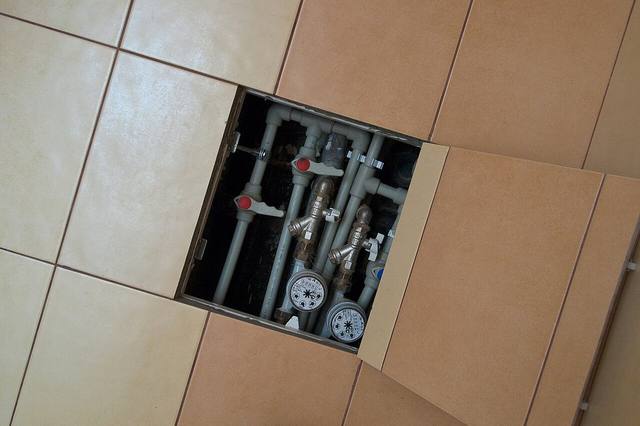
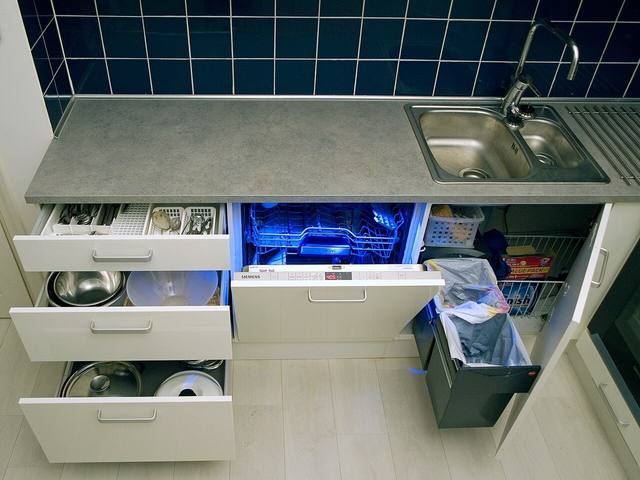
These Tulsa causes reach hardwood most often: appliance and plumbing leaks that spread quietly under boards, and slab leaks that wet floors from below.
Main Water Damage Services in Tulsa
This process step sits inside a full restoration sequence. These pages cover the emergency, residential, and commercial services it supports.

Other Steps in the Restoration Process
Return to the water damage restoration Tulsa OK home page for the full process, cause, mold, and insurance pages, or start with emergency water damage restoration if water is active right now.
Frequently Asked Questions
Can cupped hardwood floors be saved?
Often, yes. Cupping, where board edges rise above the center, is the floor responding to moisture absorbed from below, and when the moisture is removed at a controlled rate, boards frequently settle back toward flat as they reach equilibrium with the room. The honest limits are time and severity: water that sat for days, a finish that has failed, or boards that have crowned, buckled, or delaminated from the subfloor may not recover fully. Assessment with moisture readings at the surface and at depth, plus a check of the subfloor beneath, gives a real answer for your floor instead of a guess from the doorway.
How long does hardwood floor drying take?
Longer than almost any other part of a residential loss: commonly one to two weeks of controlled drying, and sometimes more for thick boards, water trapped under the floor, or a wet subfloor and crawl space beneath. Wood releases moisture slowly and must not be rushed, because drying the surface too fast while the inside stays wet causes checking, splitting, and permanent crowning. Daily readings track the moisture content of the boards and the subfloor, and the floor is only declared dry when both reach the range of unaffected flooring elsewhere in the home.
Should I replace my hardwood or try to restore it?
Start with restoration assessment, because in-place drying, followed where needed by screening and refinishing, usually costs far less than replacement and preserves original material that often cannot be matched, especially in older Tulsa homes. Replacement becomes the right answer when boards are delaminated, the subfloor is damaged or contaminated, the water category was 3, or the floor has buckled beyond flattening. A trustworthy technician will show you the readings and the physical evidence behind either recommendation and will not push replacement for a floor that monitored drying can save.
Why did my floor cup in one room and not the next?
Because moisture rarely distributes evenly. Water pools at low points, travels along the slab or subfloor, and concentrates where furniture, rugs, or poor airflow slow evaporation from above while absorption continues from below. Boards over the wettest path cup first and worst. Species and cut matter too: plain sawn oak reacts more dramatically than quarter sawn, and wider planks show movement more than narrow strip flooring. The pattern of cupping actually helps diagnosis, because it often traces the hidden route the water took under the floor.
Can I dry a wet hardwood floor myself with fans and heat?
Household fans move air across the top of the floor, which is the side that is usually driest already. The moisture that cups hardwood enters from below and between boards, and removing it needs specialty mats that draw air and vapor through the floor assembly, plus dehumidification to carry the vapor away, plus readings to control the rate. Cranking up heat is actively harmful: it can bake the surface, trap moisture deep in the wood, and split boards. For a small spill wiped up in minutes, home drying is fine. For water that has been under or in the floor for hours, call for assessment the same day, because the save window for hardwood is measured in hours, not weekends.
One call starts the whole process.
Talk to a local Tulsa dispatcher now. You will get clear next steps, a real arrival plan, and documentation from the first visit.