Tulsa, OK - 24/7 Emergency Service
Emergency Water Damage Restoration Tulsa OK
Water is moving through your home right now. Emergency restoration means stopping it, extracting it, and starting measured drying tonight, not after it has soaked walls, floors, and the air you breathe.
- Active leaks, bursts, and flooding handled 24/7
- Safety first: electrical and sewage hazards controlled
- Extraction and drying started on the first visit
- Photos and moisture logs for your insurance claim
Every hour standing water sits, it wicks further into drywall, flooring, and framing. Fast extraction and measured drying are what save materials in the end.

What Counts as a Water Damage Emergency in Tulsa
A water damage emergency is any situation where water is actively entering, spreading through, or standing inside a building. In Tulsa that list is familiar: a supply line bursts during a hard freeze, a water heater lets go in a garage or closet, a washing machine hose fails while the house is empty, a sump pump quits in the middle of a Green Country thunderstorm and the basement fills, or wind-driven rain from a severe storm finds a damaged roof. Sewage backups are emergencies of a higher order, because Category 3 water carries bacteria and viruses and turns a cleanup into a health-controlled work zone.
The common thread is motion. Water that is still moving, or still standing, is changing your home by the hour. It wicks up drywall at a surprising rate, migrates under flooring into adjacent rooms, saturates insulation that then holds moisture against framing for weeks, and loads indoor air with the humidity that Tulsa summers already supply in excess. Emergency service exists to interrupt that motion as early as possible. Every hour saved at the front of a loss removes days of drying, sections of drywall, and dollars of repair from the back of it.
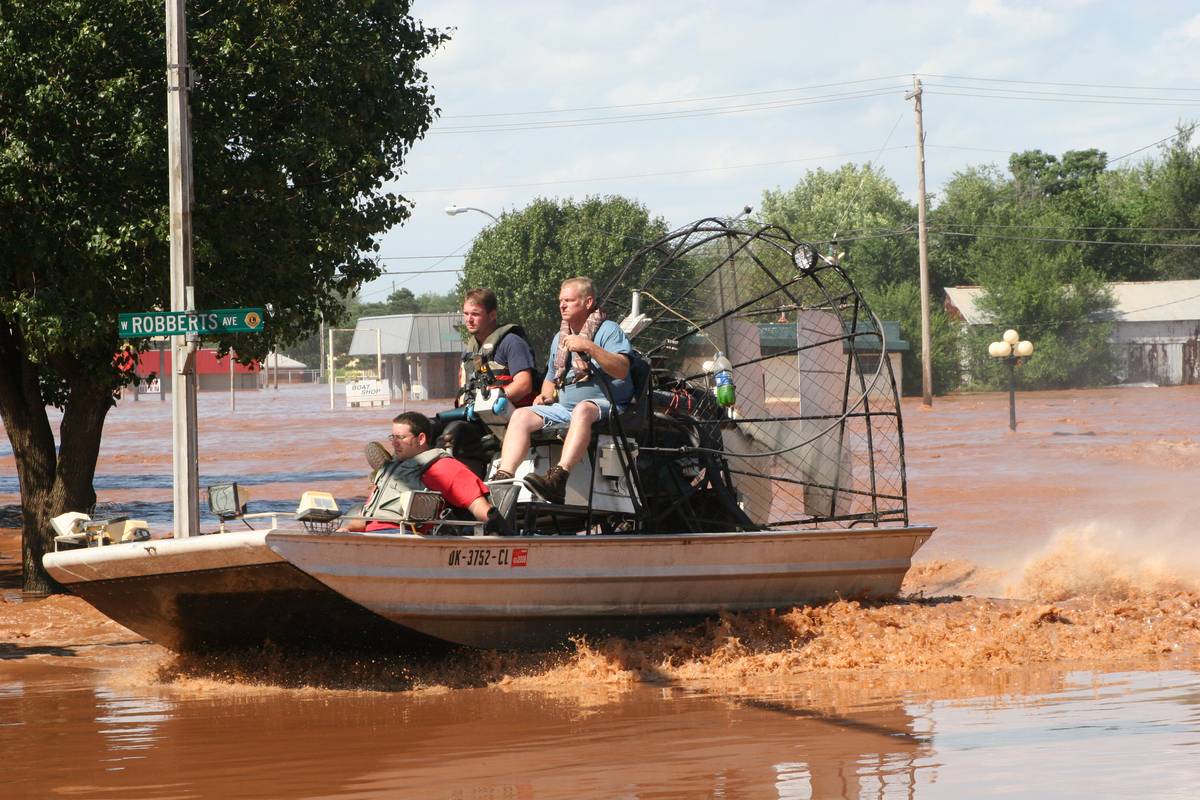
Safety Comes Before Cleanup, Every Time
The first task on an emergency call is not extraction. It is a safety pass. Water and electricity are the immediate concern: outlets, appliances, and panels in wet areas, space heaters and extension cords on wet floors, and ceiling lights below an upstairs leak. Sewage and flood water change the rules again, requiring protective equipment, containment of the affected area, and removal rather than cleaning of porous materials that absorbed contaminated water. Sagging ceilings hold the weight of pooled water and can fail without warning, so a bulging ceiling is treated as a hazard, not a curiosity.
Homeowners can help before the crew arrives, within safe limits. Know where your main water shutoff is, most Tulsa homes have one at the meter and many have an interior shutoff as well, and use it. Photograph the scene. Keep children and pets out of affected rooms. What not to do matters as much: do not enter standing water where outlets are submerged, do not handle sewage with household gloves and a mop, and do not seal a wet room with a consumer dehumidifier and hope. Emergency professionals arrive with the extraction capacity, protective equipment, and instruments the situation actually requires.
How Tulsa Weather Creates Emergencies
Tulsa emergencies follow the weather calendar. Spring brings severe storms, hail, and tornado season in Tornado Alley, with roof damage and wind-driven rain. Summer thunderstorms overwhelm gutters, window wells, and aging stormwater drainage, and air conditioner condensate lines clog under heavy humidity loads. Winter is ice storm season in Oklahoma: freezing rain coats trees and lines, power fails, houses go cold, and pipes in attics, exterior walls, and crawl spaces freeze and split, often not revealing themselves until the thaw, when a house can flood from three rooms at once.
Local construction shapes the damage. Slab-on-grade homes spread water widely across a single level and hide supply leaks under concrete. Pier and beam homes collect water in crawl spaces. Older Midtown and Brookside homes add plaster, original hardwood, and aging galvanized or copper plumbing to the equation. An emergency plan that accounts for Tulsa weather and Tulsa building stock, rather than reading from a national script, makes faster and better decisions in the first hour, which is the hour this page is about.
How the Work Proceeds, Step by Step
1. Dispatch and phone triage
A local dispatcher confirms the address, the source if known, safety concerns, and shutoff status, and gives a realistic arrival window for your part of Tulsa County.
2. Safety check and source control
On arrival the crew checks electrical and contamination hazards first, then confirms the water is truly stopped, including hidden feed lines and appliance valves.
3. Moisture mapping and scope
Meters and infrared imaging define how far water has traveled. You hear the category and class of the loss and the recommended scope before major work begins.
4. Extraction and stabilization
Standing water is extracted, contents are protected or moved, and unsalvageable wet material is removed where the category or saturation requires it.
5. Drying setup and documentation
Air movers and dehumidifiers are placed from the moisture map, baseline readings are logged, and the photo and documentation package for insurance is started.
Emergency Mitigation and Your Insurance Claim
Most Oklahoma homeowners policies cover sudden and accidental water damage, and most also expect the homeowner to take reasonable steps to prevent further damage. That expectation is exactly what emergency mitigation is: stopping the source, extracting water, and starting drying before the adjuster ever visits. Waiting days for an adjuster while a house sits wet can complicate a claim and guarantee a bigger loss. Keep every record: your own photos, the moisture logs, the equipment record, and invoices that separate mitigation from later repairs.
Two exclusions surprise Tulsa homeowners every year. Flood water from outside the home is generally excluded from homeowners policies and belongs to flood insurance, and gradual damage, the slow leak behind a wall for six months, is typically excluded as well. Emergency teams cannot change policy language, but thorough documentation of a sudden event, its source, and its timeline is the strongest position a homeowner can file from. The insurance pages on this site explain these Oklahoma specifics in depth.
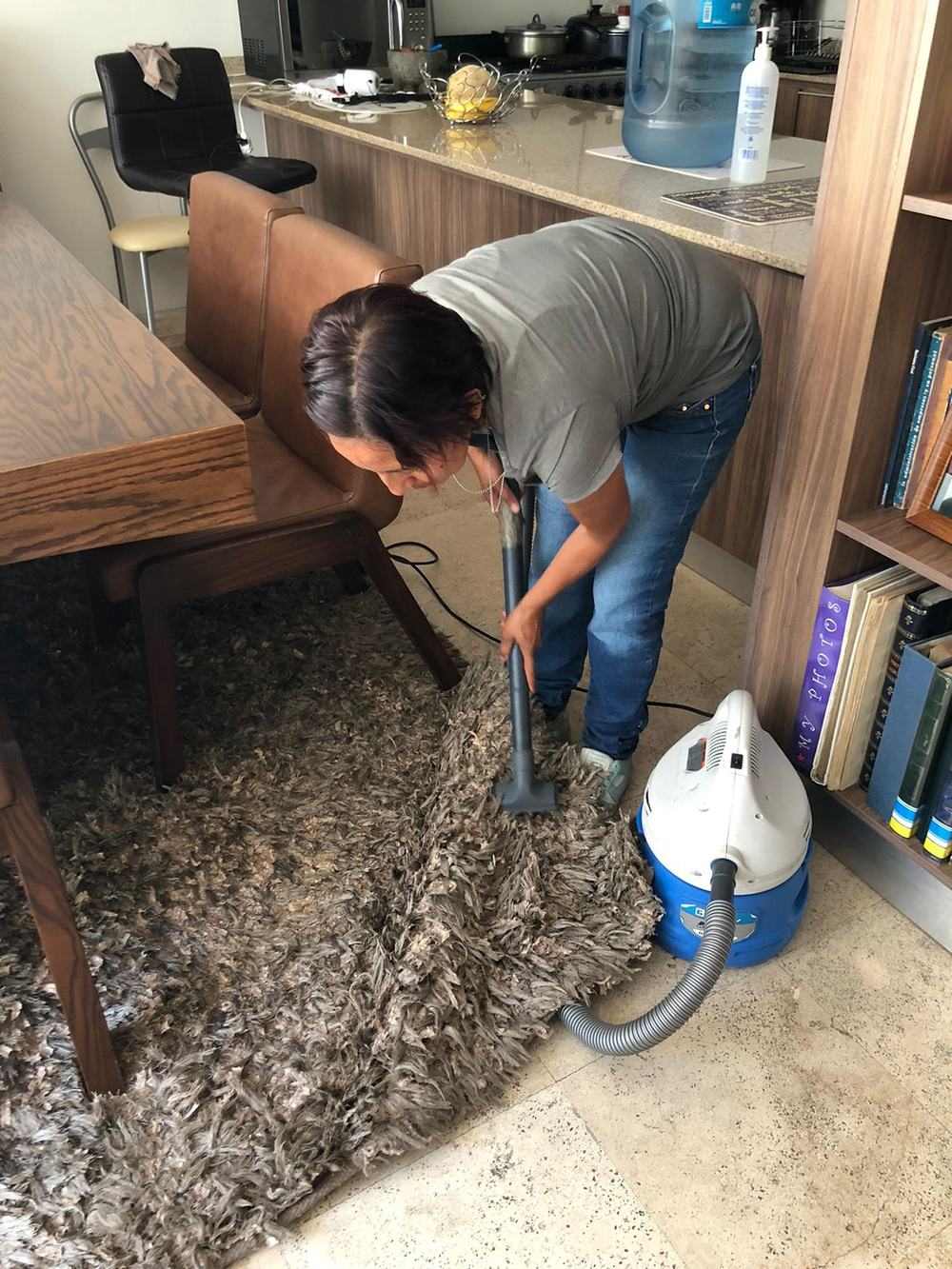
After the Emergency: Drying, Verification, and Repairs
Stabilization is the midpoint, not the finish. Structural drying continues for days with daily monitoring, because wall cavities, subfloors, and crawl spaces release moisture on their own schedule, especially against Tulsa clay soil and summer humidity. Equipment is repositioned or removed as readings fall, and areas are only closed up, new drywall, paint, flooring, after moisture goals are verified in writing. Skipping verification is how homes get rebuilt over wet framing and develop odor and mold complaints a month later.
One more Tulsa pattern deserves naming: the second emergency. Homes that were dried quickly but never had their entry path repaired, a cracked foundation joint, a tired sump pump, a roof valley that failed once and will fail again, tend to call again within a season or two. A good emergency visit therefore ends with the likely entry path and weak points written into your documentation, so the repair conversation in daylight starts from evidence rather than memory.
If the emergency involved sewage, storm flooding, or a long-undetected leak, mold assessment follows drying. Growth found early, inside a wall cavity opened during mitigation, is a contained problem. Growth found late is a remediation project. This is the practical reason emergency response and professional drying are worth their cost: they keep a bad night from becoming a bad season. When you call, expect straight talk about which of these phases your loss needs, and which it does not.
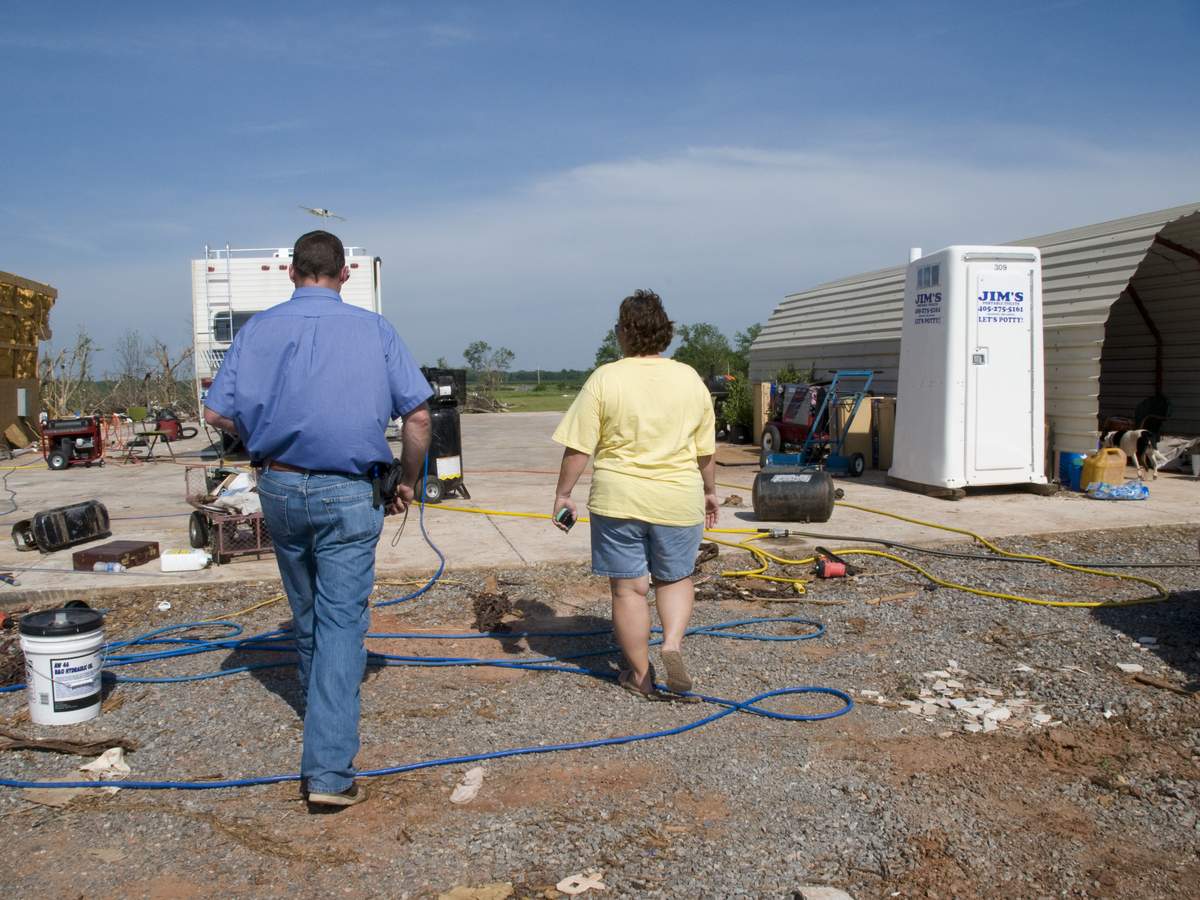
Need help in Tulsa right now?
Call (918) 578-1166 for emergency water damage restoration anywhere in Tulsa County. If water is still flowing or sewage is involved, call first and read later.
Related Water Damage Services


Return to the water damage restoration Tulsa OK home page for the full process, cause, mold, and insurance pages.
Frequently Asked Questions
How fast can you respond to a water emergency in Tulsa?
Emergency calls are dispatched around the clock across Tulsa County, and the dispatcher will give you a realistic arrival window for your part of the metro when you call. While you wait, shut off the water source if you can do it safely, keep clear of wet electrical areas, and move documents and valuables out of the water. Those steps protect your home more than any cleanup product can.
What qualifies as a water damage emergency?
Any active water intrusion counts: a burst or leaking pipe, a failed water heater, an overflowing appliance, a flooded basement, sewage coming up through drains, or storm water inside the structure. Standing water, water near electricity, and any Category 3 sewage loss should be treated as urgent. Slow, contained drips still need prompt attention, because hidden moisture is what turns a repair into a mold problem.
What do I do while waiting for the crew to arrive?
Stop the source at the fixture valve or the main shutoff. Turn off power to wet areas only if you can reach the panel without standing in water. Photograph and video everything, move dry belongings out, and blot or mop what you safely can. Do not tear out drywall or throw away damaged items before they are documented, and do not run your own heaters in a closed wet room, which can push moisture deeper into assemblies.
Is it safe to stay in the house during an emergency cleanup?
Often yes, once the source is stopped and electrical hazards are cleared, but it depends on the category of water and the rooms involved. Sewage losses and large storm losses may make parts of the home off limits until cleaning and antimicrobial treatment are complete. Your lead technician will tell you plainly which rooms are safe, which are work zones, and what the drying equipment noise will be like overnight.
Will emergency work be documented for my insurance claim?
Yes. Emergency visits produce the documentation adjusters ask for: source identification, photos before and during mitigation, moisture readings, an equipment log, and a scope of what was extracted, opened, or removed and why. Starting mitigation promptly also matters to insurers, because homeowners policies generally expect reasonable steps to prevent further damage after a sudden loss.
What does an emergency visit cost before I commit to full restoration?
Ask on the call and again on site before work beyond stabilization begins. Emergency pricing depends on the time, the water category, and how much extraction and equipment the loss needs, and any honest company will explain the scope it is recommending and what it includes. Beware any quote given sight unseen for a whole restoration: the real scope only exists after moisture mapping.
One call starts extraction and drying.
Talk to a local Tulsa dispatcher now. You will get clear next steps, a real arrival plan, and documentation from the first visit.