Tulsa, OK - 24/7 Emergency Service
How Long Does Water Damage Restoration Take in Tulsa?
The honest answer is a range with reasons: most Tulsa water losses dry in about three to five days of active drying, inside a total process that runs from a first day of extraction to a final day of verification readings. What stretches or shrinks that range is knowable, and this article walks it phase by phase.
- Extraction and setup: the first day decides the schedule
- Active drying: commonly three to five days, verified by readings
- Mold, sewage, and hidden spread each add their own phase
These guides follow the same process used on Tulsa jobs: stop the source, extract, dry to measured goals, and document everything.
Day One: The Day That Decides Everything
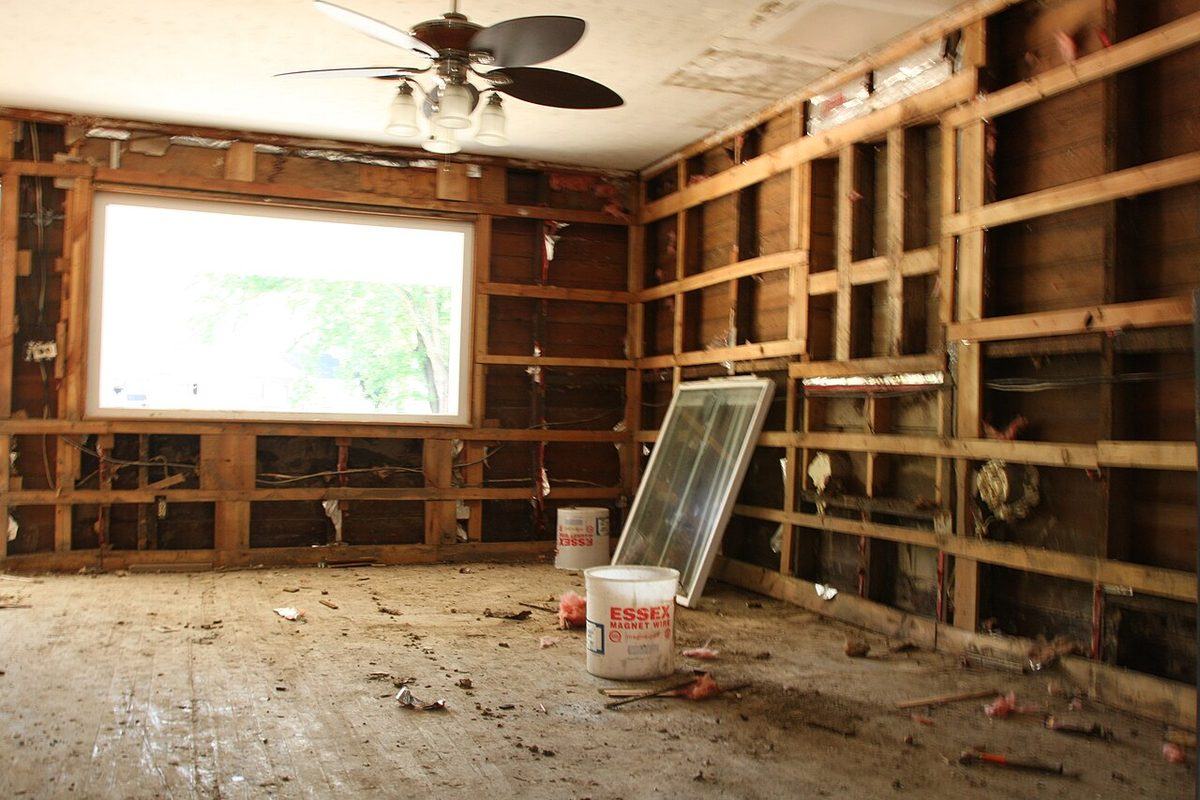
Restoration time is largely decided before drying even starts, by how much water there is and where it has gone. Day one carries the assessment, the moisture map, extraction of all standing water, and the first mitigation decisions: which materials come out (a soaked pad, a swollen baseboard, the bottom of a saturated drywall sheet), which get dried in place, and where equipment goes. Done well, day one takes hours, not days, and it converts an unknown mess into a measured job with a drying plan and a realistic schedule.
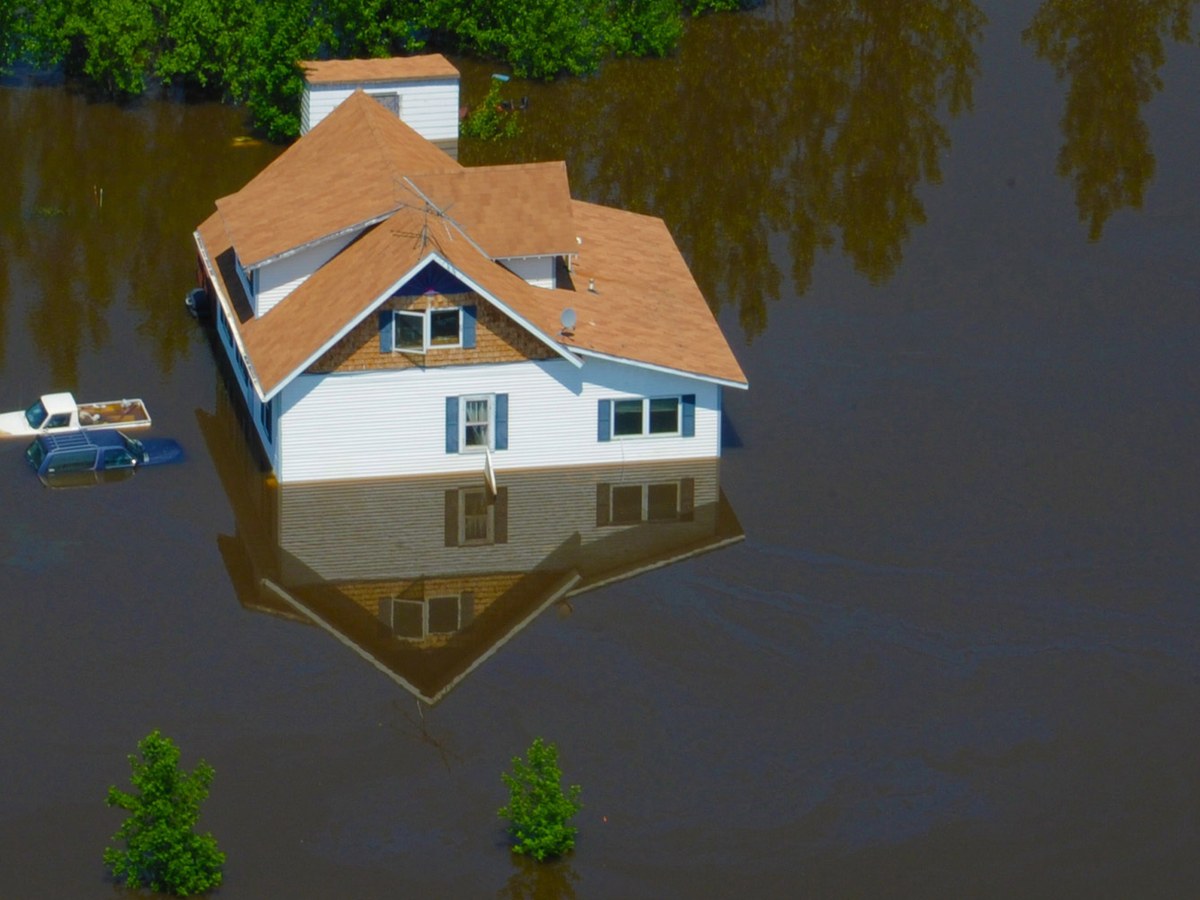
This is also the day the clock you control runs out. Every hour water sits before day one begins, it is migrating: into the pad under carpet, along the sill plate inside the wall, through the ceiling below. A loss called in during its first hours often stays a one or two room dry out. The same loss called in after a weekend away frequently arrives with two floors involved and a mold question attached. Nothing else in this article moves the total as much as that first decision.
The Drying Phase: Where Most of the Days Live
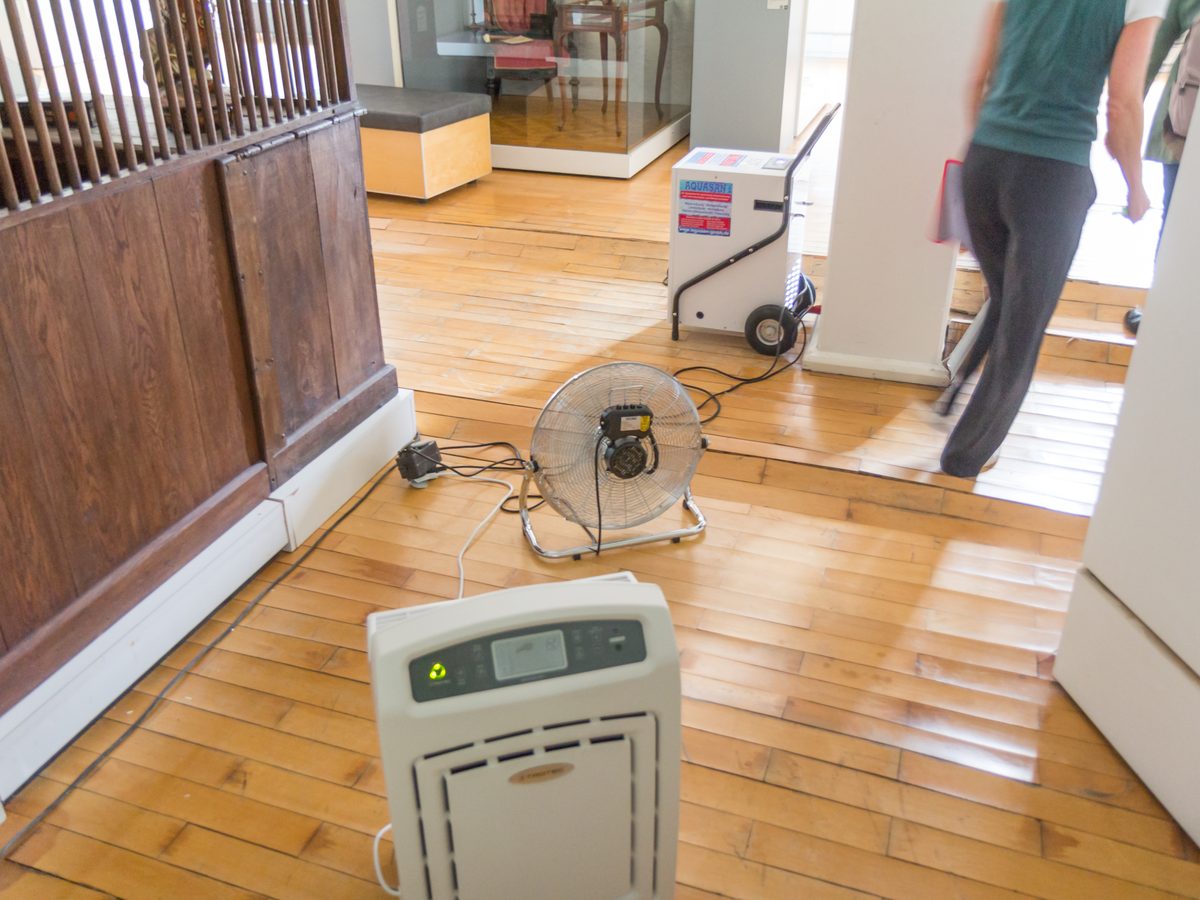
Active drying is where the commonly quoted numbers live: roughly three to five days for a typical residential loss, verified daily against moisture readings. The mechanics are a managed environment, air movers creating evaporation from wet surfaces, dehumidifiers pulling that moisture out of the air, and sometimes directed heat or specialty systems for floors and cavities. Each day the readings in marked spots are compared with the dry standard for that material, drywall, framing, subfloor, concrete, and equipment is repositioned or removed as materials reach goal.
Why not a single fixed number? Because materials keep their own calendars. Drywall gives water up quickly. Framing lumber, hardwood, plaster, and concrete do not, and a slab floor can hold a schedule open by itself. The class of the loss matters equally: a small area of wet rooms dries faster than a whole floor plan at depth, which is why honest timelines are quoted after the moisture map exists, from readings rather than from a brochure.
The Phases That Add Days: Sewage, Mold, and Hidden Spread
Three findings reliably extend a job, and each adds a different kind of time. Sewage and other Category 3 water adds a cleaning and disinfection phase before and after drying, plus disposal of porous materials that cannot be cleaned; the work is slower because the protocol is stricter. Mold found growing, whether from this loss or an older one, adds containment, negative air, removal, and cleaning under the mold remediation framework, a phase measured in its own days and verified by inspection. And hidden spread, water found inside wall cavities, under built ins, or in a second floor system, adds area: every newly discovered wet assembly joins the drying plan.
None of these is a disaster for the schedule if it is found on day one. All of them are schedule problems when they surface on day nine, which is the practical argument for aggressive mapping at the start: an extra wet wall found early costs a day; found late, it restarts the clock.
Repairs Run on a Different Clock
Homeowners often use “restoration” for the whole arc, but drying and rebuilding are different phases with different clocks. Drying aims to return materials to their dry standard and stop damage. Repairs, drywall, paint, flooring, trim, follow after, scheduled with the trades involved and depending on material availability and, where a claim is open, on insurer approvals that run on the insurer’s calendar, not the contractor’s. A dry house in five days can still mean a repaired house in several weeks. Knowing which clock someone is quoting you, drying, repairs, or the full arc, is the difference between a timeline you can plan around and a number designed to win a phone call.
Tulsa Specifics That Move the Calendar
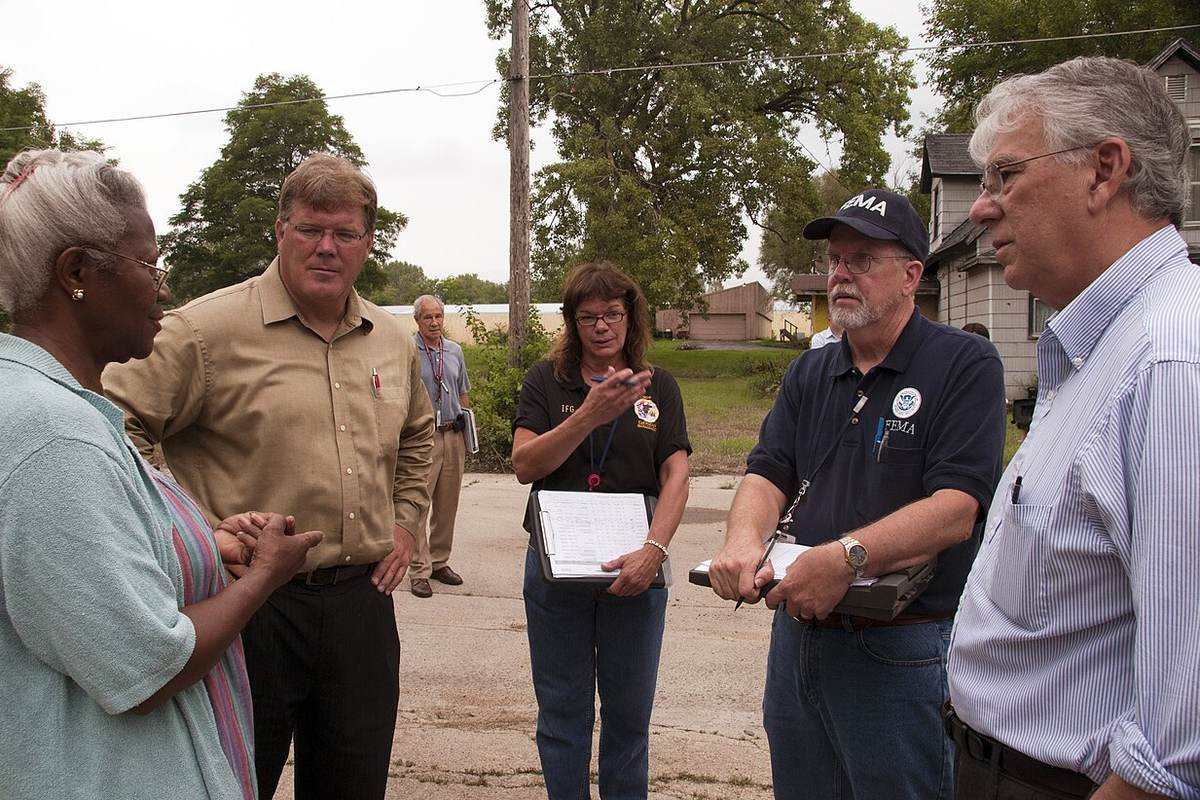
Local conditions genuinely matter here. Oklahoma humidity, especially from late spring through summer, loads the air the dehumidifiers are trying to dry, and a loss handled during a rainy week fights weather at the structure’s openings as well. Tulsa’s storm season compresses everyone’s schedules at once: after a major storm or a freeze event, the whole metro is calling at the same time, and triage is real. Slab foundations, the Tulsa standard, add their own pattern, leaks under a slab and water wicked into walls from a wet slab edge both dry slower than crawl space construction. And in older Midtown and Brookside housing, plaster and true dimensional lumber hold water longer than the modern materials timelines are usually quoted for.
How to Keep Your Job on the Short End of the Range
Call during the first hours, and shut the water off if you safely can; that single act caps the size of everything after it. Photograph the scene before touching it and keep anything you remove. Give the crew honest history: the slow leak you have been meaning to look at changes the map, and hiding it only delays its discovery to a worse day. Then judge the process by its readings: a crew checking moisture daily and showing you numbers is a crew whose timeline you can believe. Time, in water damage, is not just money. It is the variable that decides whether materials are saved or replaced, and whether mold joins the job at all.
Reading about it is step one. Drying is step two.
If this article describes your house right now, call (918) 578-1166. We extract, dry, and document the loss, and the record we build is the one your insurer will ask for.
Go Deeper: Tulsa Pages Behind This Article
Each article on this blog stands on the service, cause, and help pages below. Read the article first, then open the page that matches your situation.

More From the Tulsa Water Damage Blog
Back to the Tulsa water damage blog index, the water damage restoration Tulsa OK home page, or emergency water damage restoration if water is active right now.
Frequently Asked Questions
Can I stay in my home during drying?
Usually, yes, for clean water losses in part of the house. Drying equipment is loud and it does warm the rooms it works in, and families with small children sometimes choose to stay elsewhere for the worst nights, but there is rarely a safety requirement to leave for Category 1 water. Sewage losses and heavy mold change the answer: contaminated zones are sealed off, and in severe cases the whole property waits until cleaning and clearance are done. You will get a straight answer for your loss at the first visit, not a generic one.
Why does the crew come back every day if the equipment is just running?
Because drying is verified, not assumed. Each visit takes moisture readings in the same marked spots and compares them with the dry standard for that material. Those readings decide whether equipment moves, more material opens, or the job is actually done, and they become the documentation your insurer reads. A crew that drops equipment and disappears for a week is not drying your house; it is renting you fans. The daily check is the difference between the two.
What slows a restoration down the most?
Late discovery, tied with hidden spread. A loss found in the first hour dries in days; the same loss found in the third week has wet insulation, swollen subfloors, and often mold, each of which adds its own phase. Dense materials are the other honest brake: plaster, hardwood over sleepers, tile over mortar beds, and concrete all release water slowly and set the schedule no matter how much equipment surrounds them. Weather matters too in Tulsa: a humid Oklahoma week makes the air itself a slower partner in the work.
Is it normal for drying to take longer than the estimate?
It happens, and the reason is usually inside a wall. Estimates are made from the first map; when a cavity or a floor layer holds more water than the surface suggested, the readings say so within the first day or two and the plan adjusts openly. What should never happen is silence: you should hear about any change from readings, with the numbers shown, before the schedule moves. If a crew cannot show you readings, they are estimating your house the way they estimated the timeline: by feel.
One call starts extraction and drying.
Talk to a Tulsa dispatcher now. You will get clear next steps and documentation from the first visit.