Tulsa, OK - 24/7 Emergency Service
Water Damage Restoration Cost in Tulsa: What to Expect
You will notice this article contains no prices, and that is deliberate. Restoration costs are built from measurable drivers, area, depth, category, materials, and drying days, and any number printed before those are measured would be invented. What we can give you is better than a number: the formula, so you can judge any real quote you receive.
- Five drivers set nearly every bill: size, depth, category, materials, days
- Repairs are a separate budget from drying, and shopped differently
- Early calls shrink the biggest driver of all: how far the water got
These guides follow the same process used on Tulsa jobs: stop the source, extract, dry to measured goals, and document everything.
Why This Page Has Ranges in Words, Not Prices
Search this topic and you will find tables of tidy figures presented as if water damage were a menu. It is not. A restoration bill is assembled after a moisture map exists, from line items tied to what was wet, what was done, and how long verification took, which is also how insurers evaluate the same work. Publishing prices for that, before anyone has seen your house, would be fabrication dressed as helpfulness. Instead, this article explains every major driver in plain language and describes honest relative scale, a small contained job versus a large multi room one, so that when real numbers do arrive, attached to a real map of your home, you can interrogate them properly.

Driver One and Two: How Much Area, and How Deep
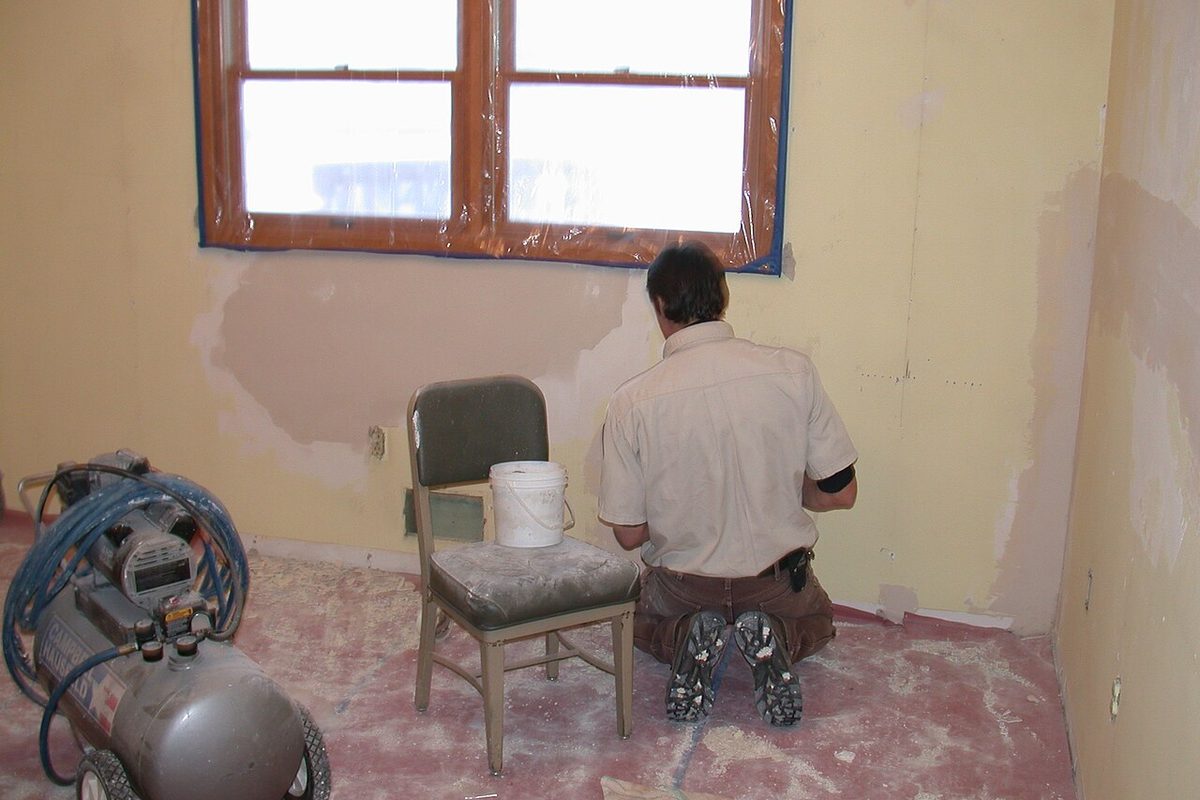
The largest single influence on cost is the footprint: how many rooms, how much floor, how many wall assemblies the water reached. Directly behind it is depth, what the industry calls the class of the loss, meaning how much of the material in that footprint is actually wet and how hard that material is to dry. A shallow spill across a tiled kitchen is mostly extraction and a short dry. The same square footage with water wicked a foot up every wall, into insulation and under hardwood, multiplies the equipment, the labor, and the days, and with them the bill. This is why the moisture map matters financially and not just technically: it is the document that fixes both drivers before money is discussed.
Driver Three: The Category of the Water
Clean water from a supply line is the simplest work and the baseline everything else is measured against. Grey water, from appliances and fixtures carrying detergents and use, adds cleaning and antimicrobial steps. Sewage changes the job’s nature entirely: porous materials it touches are removed rather than dried, disinfection follows a strict protocol, protective equipment and controlled disposal are part of the work, and every one of those steps is labor and materials on the bill. Category is set by the source, not by preference, and it is assigned in the first assessment, another reason the real price cannot exist before a real visit.
Driver Four: Your Materials
Houses charge by what they are made of. Carpet and pad are inexpensive to dry when caught early and inexpensive to replace when not; hardwood is valuable enough to justify specialty drying systems, and slow enough to extend the equipment days; tile over a mortar bed, plaster walls, built in cabinetry, and stone all sit at the durable, slow drying, expensive to replace end of the scale. Tulsa’s housing mix writes this driver locally: Midtown plaster and original hardwood, South Tulsa engineered floors over slab, Brookside basements with finished walls, each carries a different cost personality for the same gallon of water. The practical takeaway is that saving materials is where fast, skilled drying earns its keep: every assembly dried in place is one that never appears on a replacement invoice.
Driver Five: Days, and What Adds Them
Drying equipment runs by the day, monitored daily, so the calendar itself is a line item. Most clean water jobs land in a modest span of days; the add ons that stretch it are the findings this blog covers elsewhere, mold requiring its own contained phase, hidden spread discovered in cavities, and dense materials releasing water slowly. Repairs run on a separate budget entirely after drying: drywall and paint at the modest end, flooring, cabinets, and structural work at the serious end, all of it shoppable at a normal pace because the emergency is over. When you compare companies, keep the two budgets separate in your head; a low drying quote tells you nothing about repair costs, and bundling them into one foggy number serves only the seller.
Insurance, Deductibles, and the Honest Conversation
For many Tulsa homeowners the restoration bill is partly or largely an insurance matter, and our insurance article on this blog covers what policies generally do with sudden water losses. Two cost truths survive every policy. First, your deductible frames small jobs: a modest loss near or under the deductible is often a direct pay job where a tight scope matters most. Second, documentation is money: the photo set, moisture map, and readings file built from day one is what turns a claim conversation from argument into arithmetic. Choose the company that builds that file as a matter of routine, because in a disputed claim it is worth more than any discount promised at the door.

How to Read Any Quote You Receive
A trustworthy scope names its evidence: the rooms and assemblies it covers tie back to a map you have seen, the category is stated, the drying is open ended only in the honest way (priced against daily verified readings, with a clear process for confirming when goals are met), and materials to be removed are listed specifically rather than implied. Ask what would make the number go up and what would bring it down, and listen for answers in readings, not in moods. And keep the first principle of this whole article in view: the cheapest restoration is the one that starts in the first hours, while the footprint is still small enough to argue with.
Reading about it is step one. Drying is step two.
If this article describes your house right now, call (918) 578-1166. We extract, dry, and document the loss, and the record we build is the one your insurer will ask for.
Go Deeper: Tulsa Pages Behind This Article
Each article on this blog stands on the service, cause, and help pages below. Read the article first, then open the page that matches your situation.

More From the Tulsa Water Damage Blog

Back to the Tulsa water damage blog index, the water damage restoration Tulsa OK home page, or emergency water damage restoration if water is active right now.
Frequently Asked Questions
Why will no honest company quote me a firm price on the phone?
Because the price lives in facts a phone call cannot see: how far the water traveled, which materials are wet, what category the water is, and how many days the readings say drying will take. Two callers can both say “leak in the kitchen” and be describing jobs an order of magnitude apart. A firm number offered sight unseen is either built on worst case assumptions you will pay for, or a low number designed to be revised upward once work starts. The honest sequence is map first, price second, and it protects you more than any early quote.
Does insurance usually pay for restoration?
Often, for the sudden and accidental losses that make up most of our calls, subject to your policy, your deductible, and your limits. What we can promise is the part we control: a complete documentation file, dated photos, moisture maps, and readings, prepared as if a claim will be filed, on every job. What we cannot do is promise an outcome, because the coverage decision belongs to your insurer. Our insurance article on this blog walks the general rules in plain language.
What is the most common way homeowners accidentally make a job cost more?
Waiting, followed closely by partial DIY drying. Waiting lets water migrate and mold start, and every day converts saved materials into replaced ones. Partial drying, a fan on a wet room with no extraction, no dehumidification, and no readings, often dries the visible surface while the pad, the subfloor, and the wall cavity stay wet, so the professional job inherits all the original scope plus the hidden spread. If budget is the concern, call early and say so: a small, well run job from hour one is almost always cheaper than a hero weekend followed by a big job.
Should I get several estimates for a water damage job?
For the repair phase, absolutely: drywall, flooring, and paint are shoppable work on a normal schedule. For the emergency phase, be more careful. Water does not pause for a bidding round, and the differences between companies in the first days show up as scope differences, how thoroughly they map, what they verify, and how they document, more than as tidy line by line price differences. Compare process and documentation, ask each company how the final scope will be set, and let the readings, not the sales pitch, size the job.
One call starts extraction and drying.
Talk to a Tulsa dispatcher now. You will get clear next steps and documentation from the first visit.