Tulsa, OK - 24/7 Emergency Service
Burst and Frozen Pipe Water Damage Tulsa OK
A split pipe does not leak politely. It pumps water into walls, ceilings, and floors at municipal pressure until somebody shuts it off, and the cleanup has to chase every gallon of it.
- Shutoff and safety guidance on the first call
- Extraction for standing water in every affected room
- Moisture mapping along the full path of the water
- Measured drying for walls, ceilings, and floors
The source decides the cleanup. Clean supply water, a leaking appliance, and sewage each need a different protocol, and the wrong one makes things worse.
How a Tulsa Pipe Burst Unfolds, Minute by Minute
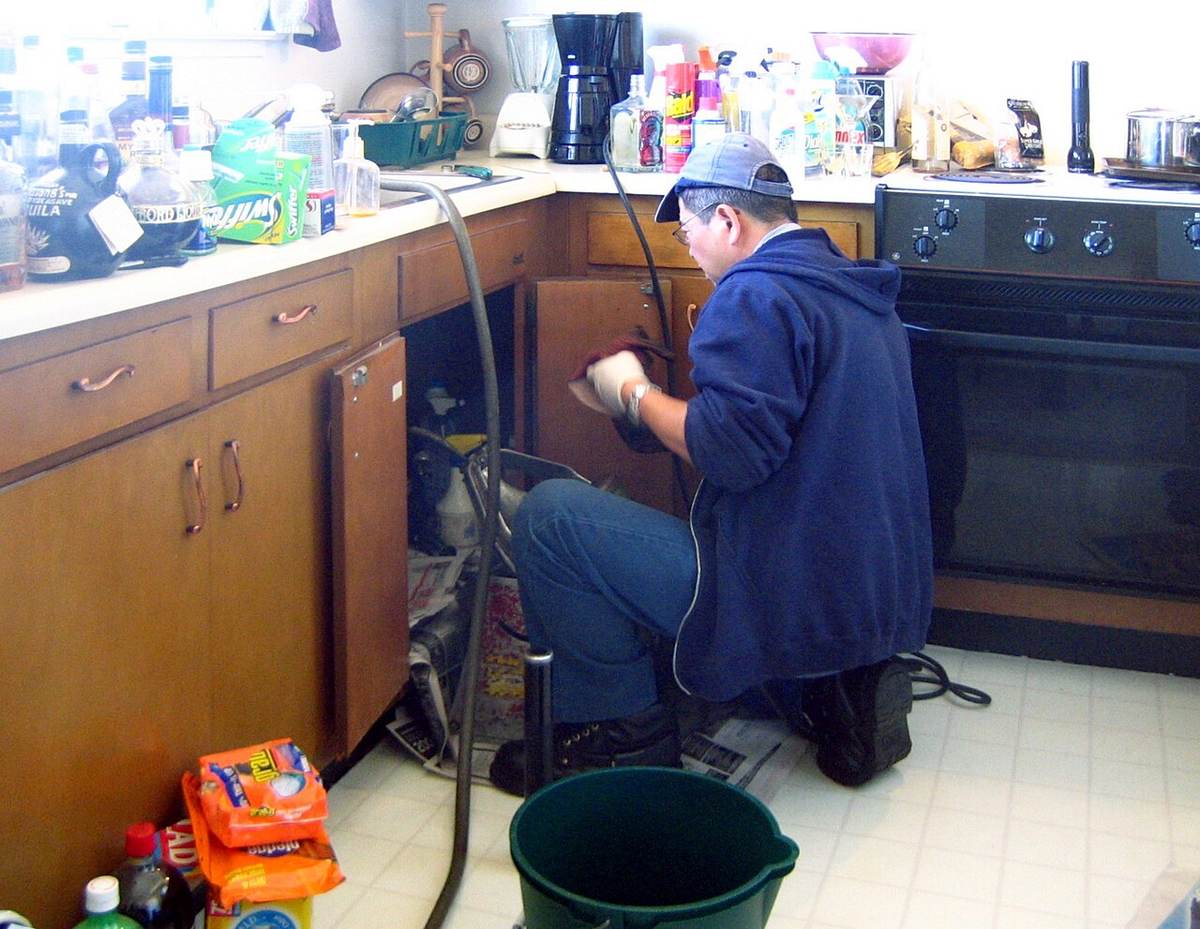
A burst pipe is a pressure event, not a drip. When a frozen section of pipe splits during a Tulsa freeze event, or an old galvanized line finally corrodes through, the opening releases water at full line pressure. In an attic, that water sheets across the ceiling drywall below and rains into the room through light fixtures and seams. In a wall, it fills the cavity, soaks insulation, and runs along the bottom plate into adjoining rooms. In a crawl space, it can run for days unseen, saturating soil, joists, and subfloor. The split itself is often small. The damage comes from volume and time.
Tulsa housing makes some homes more vulnerable than others. Ranch homes built before the 1980s often carry galvanized or early copper lines through uninsulated attics and crawl spaces. Midtown and Brookside homes from the 1920s through 1950s still have original plumbing runs in exterior walls. Newer South Tulsa construction uses PEX, which tolerates freezing better than rigid pipe but still splits at fittings and in unheated garage walls. Knowing which pipe material failed, copper, PEX, PVC, or galvanized, shapes both the repair referral and the drying plan, because each failure leaves a different signature of water in the structure.
The First Hour: Shutoff, Safety, and What Not to Touch
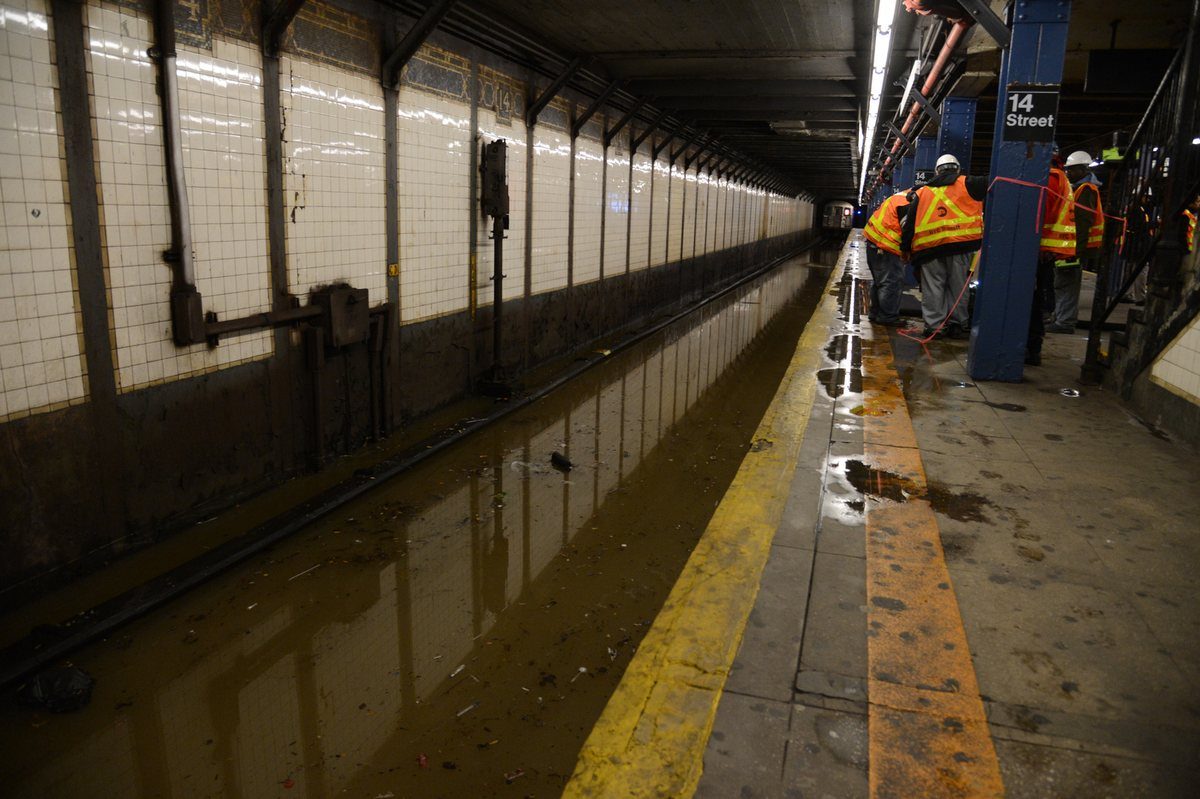
Stop the water before anything else. Close the main shutoff at the meter or the house valve, then open the lowest faucet in the home to drain the lines. If water has reached electrical outlets, a breaker panel, or ceiling fixtures, treat those areas as off limits until power is safely isolated, because water and live circuits are the one combination in a pipe loss that can hurt somebody. Move dry belongings, documents, and electronics out of wet rooms if you can do it without wading, and place foil or blocks under furniture legs that have to stay.
Then document before you clean. Photograph the split pipe, every wet room, and the water line on walls while it is still visible. Note the time you found the damage and the time the water was shut off. That simple timeline is routinely part of insurance conversations later, and it costs nothing to create. When our dispatcher answers, you will be walked through exactly this sequence for your layout, including where Tulsa homes in your neighborhood usually hide the interior shutoff.
Finding Every Place the Water Went
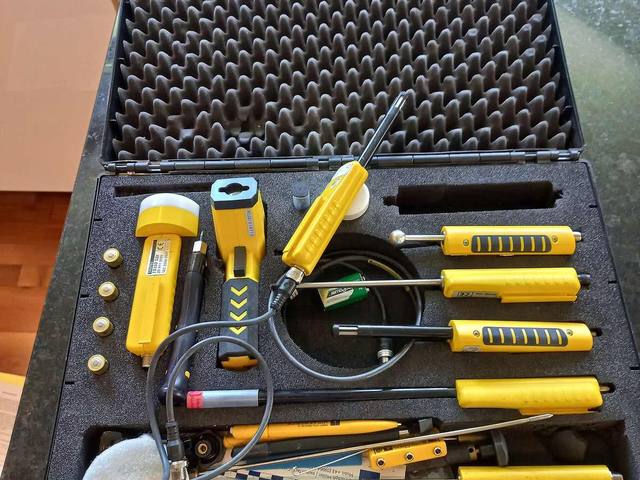
The visible puddle is the smallest part of a burst pipe loss. Water from an upstairs or attic split migrates down through wall cavities, along joists, and under flooring, and can surface in rooms that share no wall with the pipe. Cleanup therefore starts with moisture mapping: penetrating and non-penetrating meters, plus infrared imaging, trace the wet footprint through drywall, insulation, hardwood, carpet, and subfloor. Readings are compared against dry reference areas of the same materials, so decisions are based on numbers rather than guesswork.
This mapping step decides the scope honestly. Drywall that wicked water two feet up may need a flood cut at the wet line rather than full sheet removal. Hardwood over a wet subfloor may be saveable with specialty drying mats if readings are caught early. Insulation saturated inside a wall cavity will not dry in place and is removed in a controlled section. Every one of those calls is explained on site with the readings in hand, which is the difference between restoration and demolition by habit.
How the Cleanup Proceeds, Step by Step
1. Emergency call and shutoff confirmation
The dispatcher confirms the water is off, checks for electrical hazards and sewage involvement, and gives you the protective steps for your specific rooms while the crew is dispatched.
2. Source verification and safety sweep
On arrival the crew confirms the failed pipe section, verifies no second split is hiding in the same frozen run, and isolates any electrical risk in wet areas before equipment comes in.
3. Moisture mapping of the full footprint
Meters and infrared imaging trace water through walls, ceilings, floors, and cavities, and every reading is logged against dry reference points to set the extraction and drying scope.
4. Extraction and controlled removal
Standing water is extracted from each affected surface. Materials that cannot be dried or cleaned, such as saturated insulation and contaminated pad, are removed in neat, documented sections.
5. Structural drying and daily monitoring
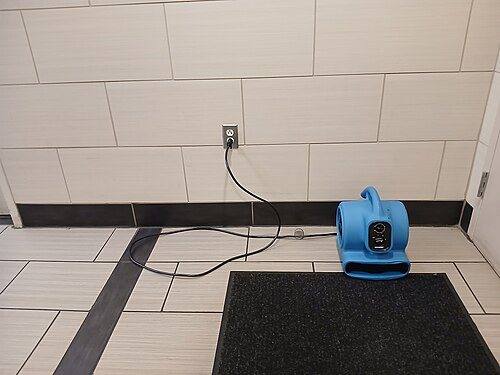
Air movers and dehumidifiers are placed from the moisture map, and readings are taken daily. Equipment comes out only when materials reach their dry standards, not on a calendar guess.
6. Final verification and claim documentation
Closing readings, photos, and the work log are assembled so you can show your insurer exactly what failed, what got wet, and what was done, step by step.
Frozen Pipes: The Tulsa Winter Pattern
Tulsa sits in a freeze corridor where mild winters make deep cold snaps more dangerous, not less, because homes are built and insulated for moderate weather. Oklahoma ice storms add a cruel second act: power outages cut heat, indoor temperatures fall toward outdoor levels, and pipes in attics and crawl spaces freeze solid within hours. Extended cold spells in recent Tulsa winters have produced bursts across entire neighborhoods in a single night, often discovered at thaw when pressure returns and split lines open at once.
The vulnerable runs are predictable, which means they are preventable. Attic pipes above garage ceilings, crawl space pipes near vents, lines in exterior walls of kitchens and bathrooms, and hose bibs left connected are the usual failure points. Pipe insulation, vent covers, and a winter checklist before the first hard freeze address nearly all of them. If a pipe froze but has not burst, thaw it slowly with warm air, never a torch, and have the line checked, because a pipe that froze once has often already been stressed at a joint.
Drying the Structure After a Burst: Walls, Ceilings, and Floors
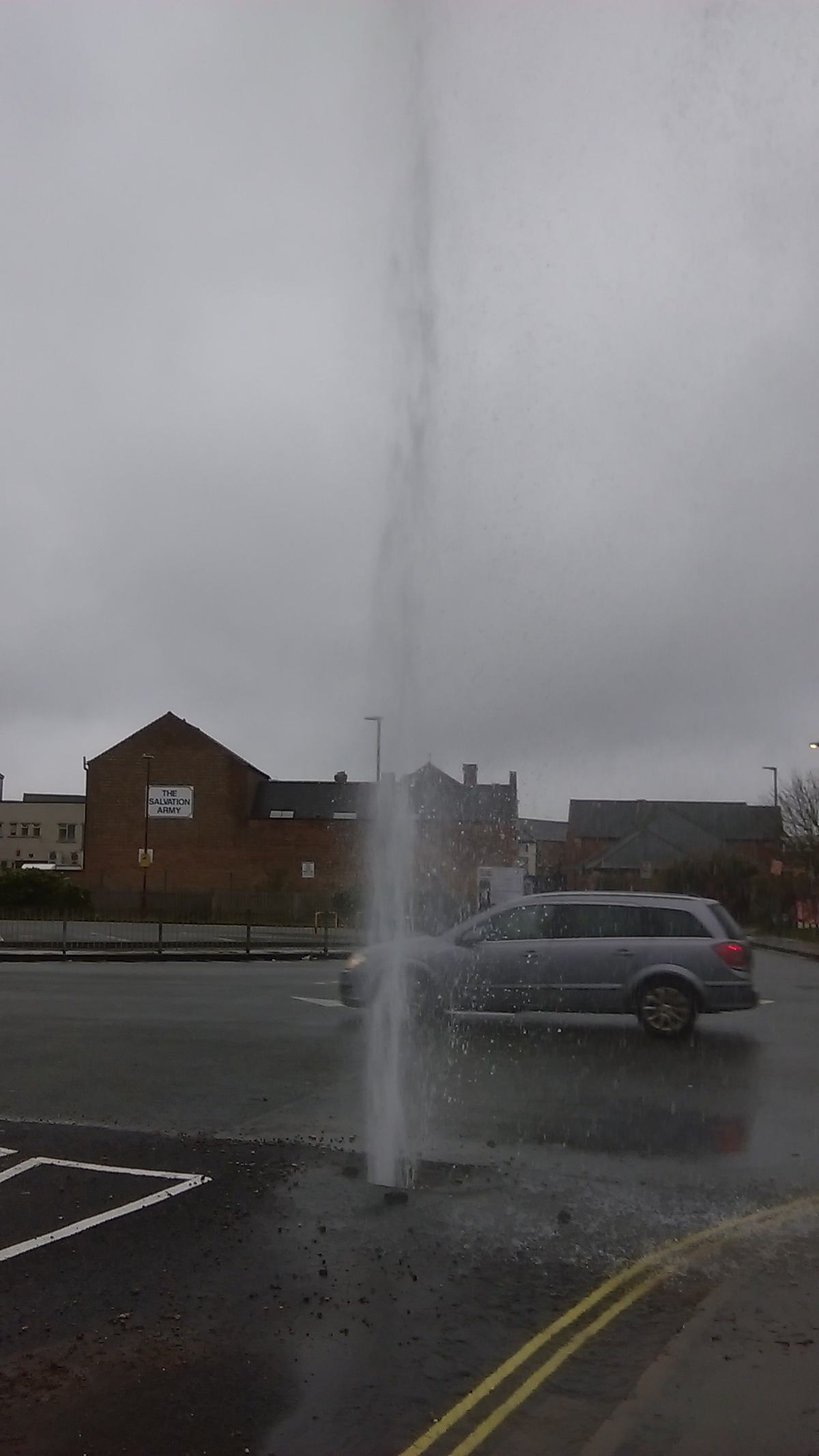
Once extraction ends, the drying plan follows the map. Wall cavities are dried with directed airflow, sometimes through small access points at the baseboard line, so finishes can survive. Ceilings that took attic water are monitored at the joist bays, because a ceiling that looks dry on the surface can hold wet insulation above it. Hardwood floors get controlled drying with mats and monitored rates, since drying too fast can damage boards as surely as drying too slowly invites mold. Carpet and pad are dried in place only when the water was clean and extraction was thorough.
Throughout, Tulsa humidity is the adversary. A humid subtropical climate means the air being pulled into dehumidifiers starts wet, so grain depression targets and equipment counts are set for Green Country conditions rather than copied from dry climate playbooks. Daily readings prove progress. If a reading stalls, the setup changes, because drying that is not progressing is just noise and electricity.
Burst Pipe Damage and Your Insurance Claim
For most homeowners the burst itself is only half the event; the claim is the other half. Policies commonly distinguish sudden, accidental discharge from slow, long term leaks, and they commonly expect the homeowner to mitigate promptly, which means shutting off water and starting cleanup rather than waiting for permission. What any adjuster needs is a coherent record: the failed pipe photographed, arrival and shutoff times, the moisture footprint, daily drying logs, and a scope that explains each removed material. That record is produced as a byproduct of how this work is done, and copies go to you for the claim file.
One caution worth hearing early: the plumbing repair itself and the water damage restoration are usually treated as separate scopes. The pipe must be repaired or replaced by a plumber before final drying sign-off in the affected area, and this page focuses on the water side, extraction, drying, and documentation. If you do not have a plumber, the dispatcher can explain what to ask for, including checking the same frozen run for sister splits before walls are closed.
Dealing with this in Tulsa right now?
Call (918) 578-1166 and a local dispatcher will talk through what happened, whether the water is still spreading, and the safest next step for your home or business in Tulsa County.
Process Steps That Fix This Damage
A burst pipe cleanup runs through these process steps in order: stop the loss, map it, extract it, dry it, and verify it. Each step is its own service page with the full detail.
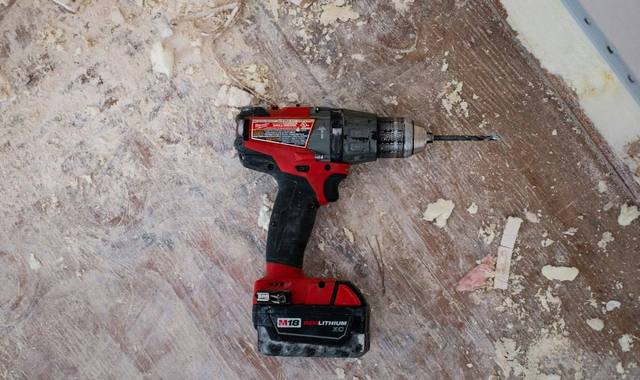

Main Water Damage Services in Tulsa
Every cause on this site is handled inside the same full restoration sequence. These pages cover the emergency, residential, and commercial services that frame the response.



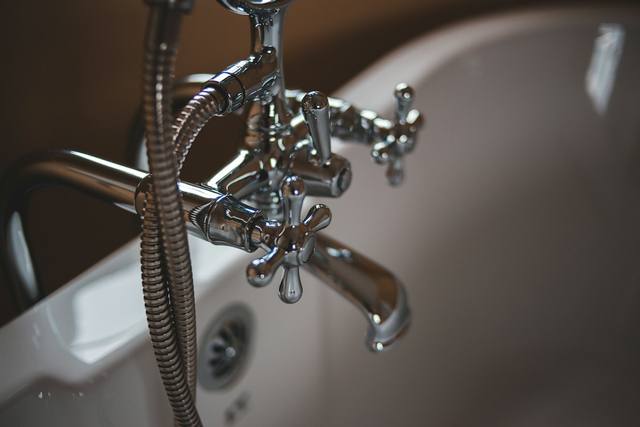
Other Causes of Water Damage in Tulsa
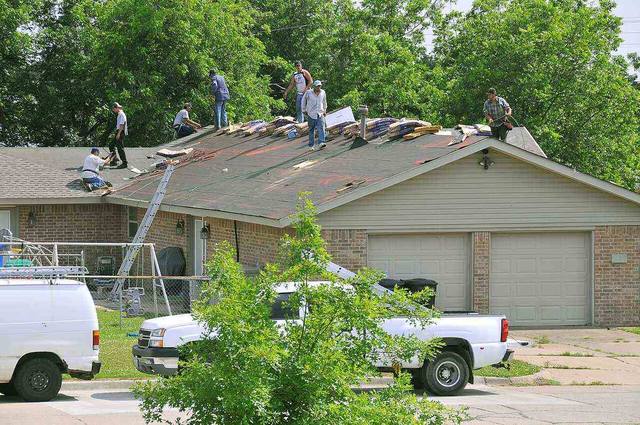
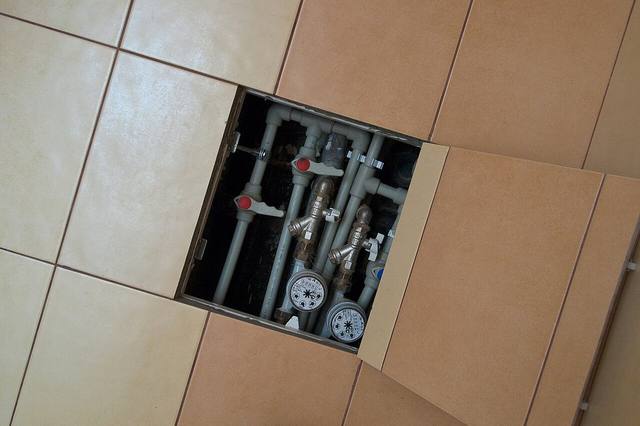
Return to the water damage restoration Tulsa OK home page for the full process, cause, mold, and insurance pages, or start with emergency water damage restoration if water is active right now.
Frequently Asked Questions
Why do pipes burst in Tulsa?
Two forces usually combine. The first is freezing: Tulsa cold snaps and Oklahoma ice storms drop temperatures fast, water inside an exposed attic or crawl space pipe freezes and expands, and the pressure builds between the ice blockage and the nearest closed valve until the pipe wall splits. The second is age and pressure: older galvanized pipe corrodes from the inside until the wall is thin, copper develops pinhole leaks where Tulsa soil and water chemistry attack it, and municipal pressure spikes stress every weak joint in the system. Many Tulsa bursts happen at thaw, when ice melts and full pressure returns to a pipe that cracked hours earlier.
How much water does a burst pipe release?
More than most people picture. A typical residential supply line under normal municipal pressure can release several gallons a minute, and a fully split half inch or three quarter inch line can run far higher. Left undiscovered for a workday, that is thousands of gallons inside walls, ceilings, and floors. The volume calculation matters for cleanup, because it explains why a pipe that burst in an attic can wet three rooms below and why extraction and drying scopes are set by moisture readings across the whole path of the water, not just the room where the split is found.
How do I prevent frozen pipes in a Tulsa home?
Insulate every pipe you can reach in attics, crawl spaces, garages, and exterior walls, because pipe insulation is the cheapest insurance in this entire category. Before a hard freeze, disconnect garden hoses, shut off and drain exterior faucets where the home allows it, and open cabinet doors under sinks on outside walls so heated room air reaches the pipes. During the coldest nights, a pencil thin drip from the farthest faucet keeps water moving and relieves pressure. If you leave town in winter, keep the heat on, because most catastrophic Tulsa bursts happen in unheated houses during ice storms and extended cold spells.
Where is my main water shutoff, and should I use it?
Most Tulsa homes have a shutoff at the water meter near the street and many have a second valve where the main line enters the house, in a utility closet, garage, or crawl space. Yes, use it the moment you find a burst or a major leak, and do not wait for a crew to arrive. Turning the main off stops the volume calculation in the answer above, and every minute of flow you prevent is damage that never happens. After shutting off, open a low faucet to drain pressure, and take photos of the split and the wet rooms for your records before cleanup begins.
Can a burst pipe cause mold if I wait to clean it up?
Yes, and the timeline in Tulsa is short. Mold can begin colonizing wet drywall, insulation, and carpet pad within roughly 24 to 48 hours in warm conditions, and Tulsa humidity stretches the damp period that feeds it. The bigger risk is hidden moisture: water inside wall cavities and under floors stays wet long after surfaces feel dry, which is why professional cleanup pairs extraction with moisture mapping and measured structural drying. A burst pipe cleaned up the same day is usually a drying job. The same pipe discovered a week later can become a mold job as well.
Does homeowners insurance usually cover burst pipe damage?
Policies differ, but sudden and accidental pipe bursts are one of the water events commonly addressed by homeowners policies, while slow leaks and long term deterioration are commonly excluded as maintenance. Coverage language, deductibles, and limits are set by your specific policy, so read it or ask your insurer rather than relying on general information. What helps any claim is prompt mitigation and documentation: shutoff time, photos, moisture readings, and a scope that ties every dried or removed material back to the burst. We document pipe losses that way from the first visit.
One call starts the cleanup.
Talk to a local Tulsa dispatcher now. You will get clear next steps, a real arrival plan, and documentation from the first visit.