Tulsa, OK - 24/7 Emergency Service
Roof Leak Water Damage Repair Tulsa OK
The stain on the ceiling is the last place the water visited, not the first. We trace the leak to its real entry point, dry the attic and ceiling as a system, and prove it with readings.
- Leak path tracing from stain to entry point
- Attic insulation moisture assessment
- Ceiling and drywall drying with daily readings
- Storm dated documentation for your claim file
The source decides the cleanup. Clean supply water, a leaking appliance, and sewage each need a different protocol, and the wrong one makes things worse.
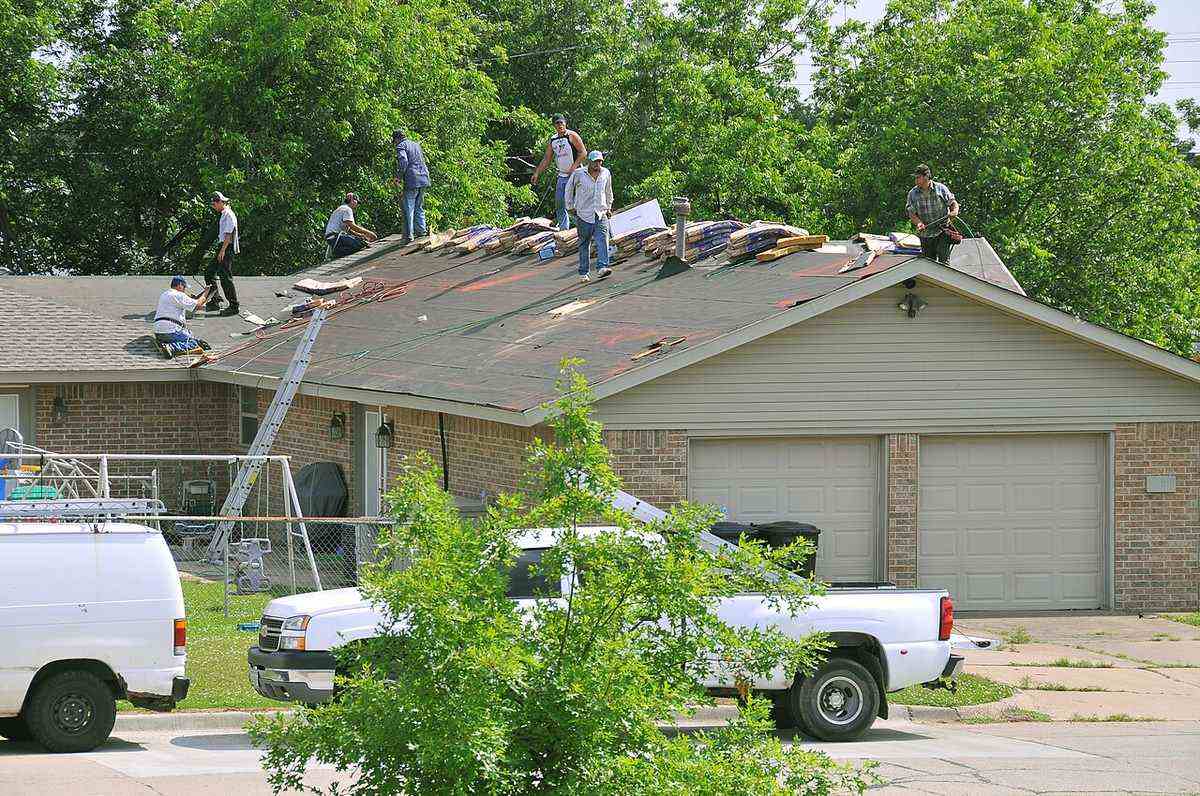
Why Tulsa Roofs Leak: Storms, Hail, and Age Working Together
Tulsa roofs live a hard life. Oklahoma severe storms drive rain sideways under shingles that shed vertical rain perfectly well. Hail bruises and cracks asphalt shingles, sometimes invisibly from the ground, and those cracks open into leaks over the following seasons. Straight line winds in Tornado Alley lift shingle edges and break seals, and a single lifted tab can funnel water into the deck with every storm after. Add the freeze and thaw cycles of Oklahoma winters, which work water into small openings and widen them, and a roof can go from sound to leaking in one violent spring.
Age finishes what weather starts. Asphalt shingle degradation shows up as granule loss, curling, and brittle tabs that no longer seal. Flashing failure around chimneys, vents, valleys, and additions is the other classic entry point, because flashing is a different material than the roof around it and it ages on its own schedule. Many Tulsa roof leaks we trace end at a vent boot cracked by sun or a valley where debris held water against the shingles. The interior damage, however, is identical regardless of which failure started it, and it begins the moment water crosses the deck.
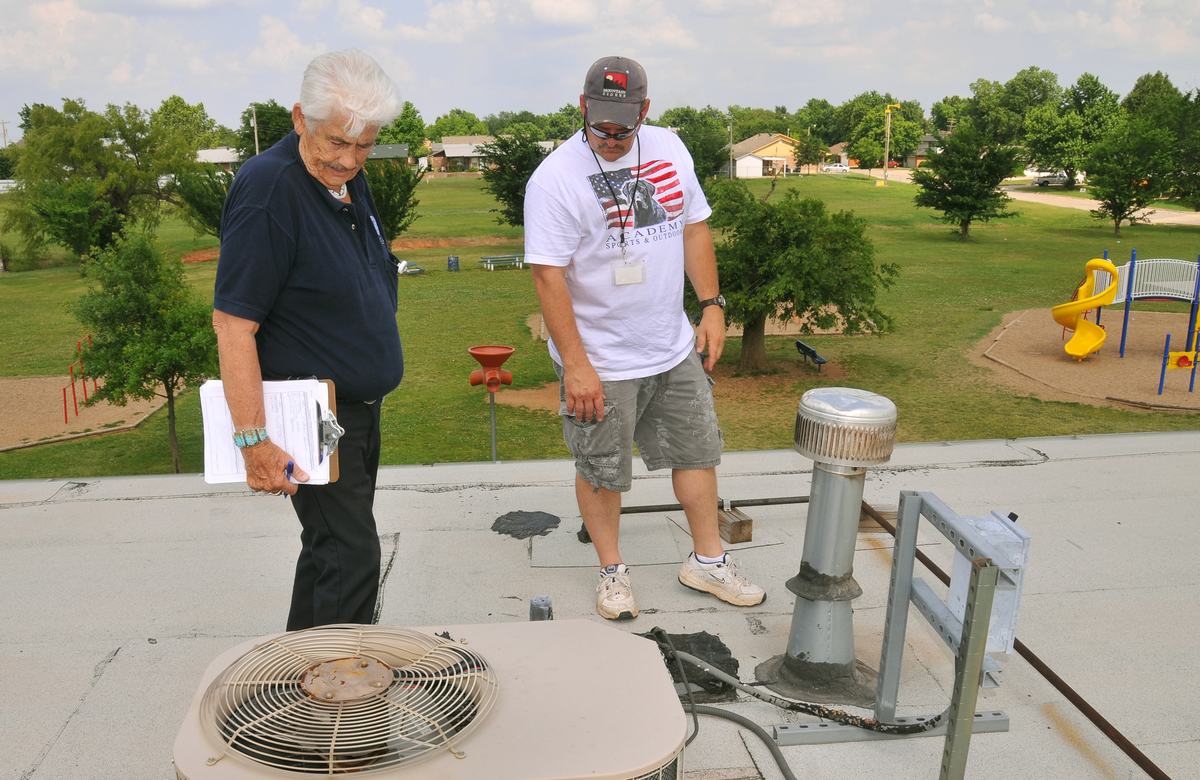
From Entry Point to Ceiling Stain: How the Water Travels
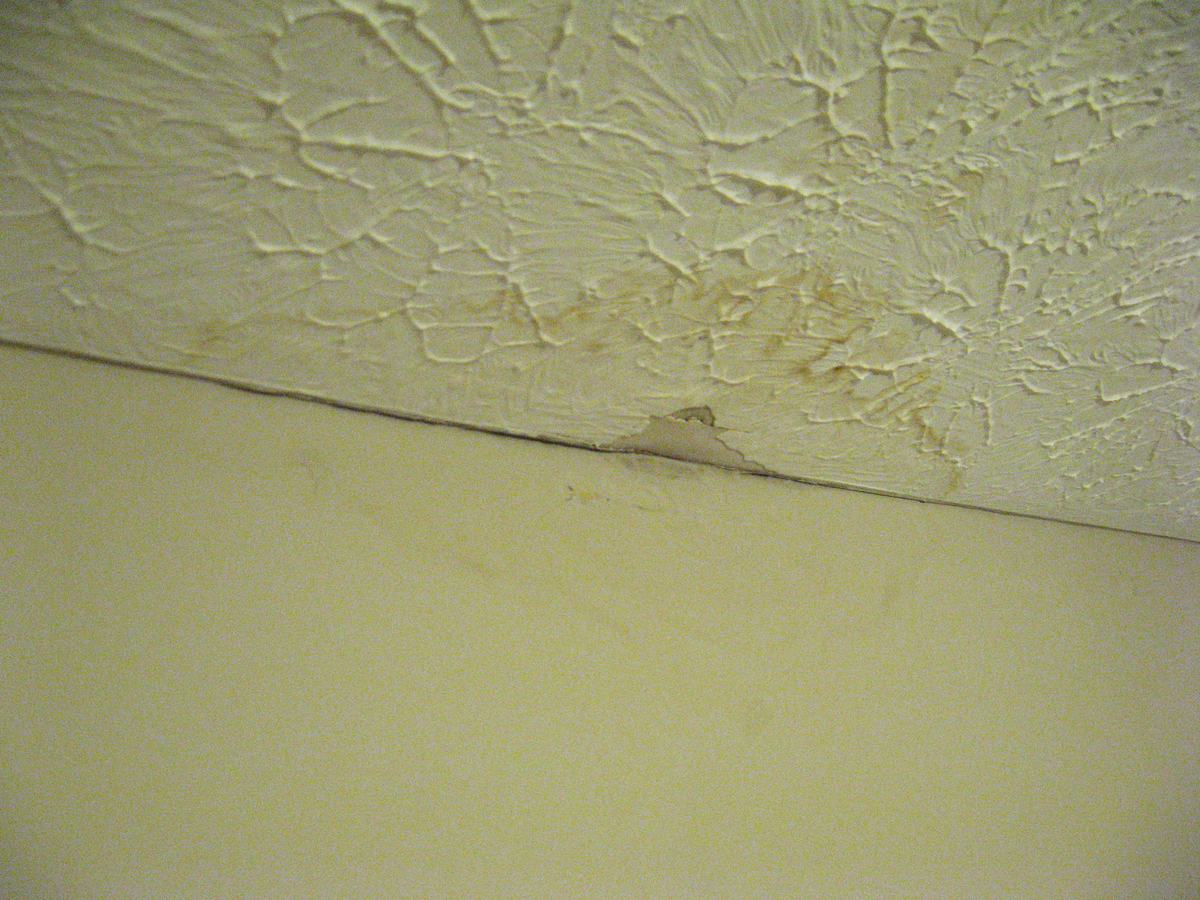
Roof water rarely falls straight down. It lands on decking, runs along rafters and the seams of the deck, drips onto insulation, and spreads through the insulation layer until it finds the drywall below. There it wicks outward, soaking ceiling drywall well beyond the drip point, and stains appear where water and residue collect, often feet from the entry. In multi slope Tulsa homes with additions, water can cross an entire attic diagonally. That travel pattern is why interior repair aimed only at the visible stain so often fails: the wet area is bigger than the brown ring, and the drywall at the stain is frequently the least wet part of the ceiling.
The attic tells the true story. Water trails darken rafters and decking along the path. Insulation under the entry is matted and damp while insulation near the stain may only be humid. Ceiling drywall damage ranges from staining and bubbling paint to sagging sections holding pooled water overhead, which is a genuine hazard, because waterlogged drywall can give way without much warning. Part of a professional response is checking the ceiling for that bulge and relieving pooled water in a controlled way when it is present, before anyone walks under it with a paint scraper.
Roof Leak or Something Else? Ruling Out the Impostors
Not every ceiling stain is a roof leak, and Tulsa attics host several convincing impostors. Air conditioner condensate lines clog and overflow from attic air handlers. Plumbing vent stacks leak at their boots and joints. Bathroom exhaust fans vented into the attic instead of outside load the space with moisture that condenses on decking in winter. Ice dam meltwater can enter at the eaves during rare Oklahoma ice events even on a healthy roof. Each source produces the same ceiling stain, and each demands a different fix.
The diagnostic work separates them. Stains that grow during dry weather rule out rain. Stains that appear only when the air conditioner runs point at condensate. Infrared imaging after a storm shows the entry pattern of a true roof leak, following slope and structure, while moisture mapping confirms how much of the ceiling and insulation is actually wet. Getting the source right matters twice: drying a ceiling while an AC drain keeps dripping into it is wasted work, and filing a roof claim for a plumbing leak helps nobody. We report what the readings and the attic evidence show.
How the Cleanup Proceeds, Step by Step
1. Call, storm history, and interior protection
The dispatcher records when the leak appeared, what storms preceded it, and whether water is active. You are guided to protect belongings, catch active drips, and stay clear of any bulging ceiling section.
2. Attic and roofline inspection
The crew inspects the attic above the stain and uphill from it, looking for entry points, water trails, flashing failures, and saturated insulation, and photographs what it finds.
3. Moisture mapping of ceiling, walls, and insulation
Meters and infrared imaging define the real wet footprint in the ceiling drywall, wall tops, and attic insulation, measured against dry reference areas.
4. Controlled drainage and removal where needed
Pooled water in a bulging ceiling is relieved safely. Insulation or drywall that cannot be dried is removed in measured sections, and contents below are protected first.
5. Drying the attic and ceiling system
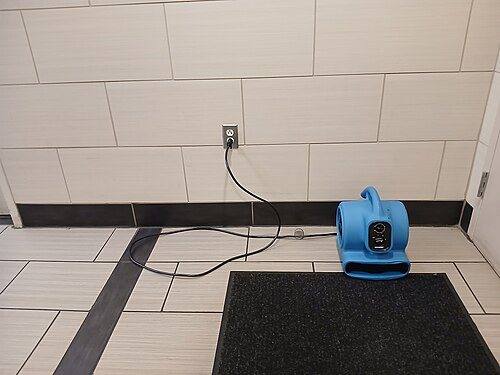
Airflow and dehumidification are set for the attic and ceiling cavity, with daily moisture readings tracking drywall, framing, and remaining insulation to their dry standards.
6. Documentation handoff for repair and claim
You receive the entry point findings, photos, and drying log. The roofing repair itself is a separate trade scope, and the record shows exactly what the water did inside.
Drying Ceilings and Saving Drywall After a Roof Leak
Ceiling drywall that was wet briefly and mapped early can often be dried in place with airflow directed across it and dehumidification pulling the attic and room to target humidity. Paint bubbling is cosmetic if the board itself dries to standard and stays flat. Drywall that sagged, crumbled at the seams, or sat saturated loses integrity and is cut out in clean sections, both for safety and because wet gypsum that has gone soft will never finish well. Flood cuts follow the moisture map, not a guess, so good material stays and only failed material goes.
Insulation decisions ride on the same readings. Lightly damp fiberglass with air access may dry; matted cellulose that was soaked usually comes out, because it holds water against the ceiling for weeks and loses its R value permanently. While drying runs, antimicrobial treatment is available for surfaces where moisture lingered, and odor from a wet attic, that sweet musty smell that drifts down after storms, is addressed at its source rather than masked. When readings reach dry standard, the ceiling is ready for the repair trades with confidence that nothing wet is being sealed in.
Roof Leak Damage and Insurance: Getting the Interior Record Right
Roof leak claims turn on cause and timing. Insurers commonly ask whether the leak came from a sudden storm event or from wear, and they treat the roof covering and the interior water damage as related but distinct questions. Homeowners help their own case by reporting promptly, keeping the storm date straight, photographing the stain as it develops, and not painting over evidence before it is documented. Temporary measures to stop further damage, from tarping to catching water and starting drying, are generally expected as reasonable mitigation.
Our part of the record is the interior truth: when we arrived, what the attic showed, where the water traveled, what was wet, and what drying achieved, all with dated photos and readings. That documentation stands on its own whether the roof question goes through insurance or is handled as a home maintenance expense. We do not promise coverage outcomes, because policies vary; we make sure that if coverage applies, the water damage side is proved in full, and if it does not, you still have a dry, verified ceiling ready for repair.

Preventing the Next Roof Leak in Green Country
Prevention in Tulsa is mostly calendar work. Have the roof inspected after major hail or wind events, not just when a stain appears, because shingle and flashing damage found early is a small repair while the same damage found by a ceiling stain is a restoration job. Keep valleys and gutters clear so water is not held against shingles. Replace cracked vent boots and tired flashing before they fail, especially on roofs past the fifteen year mark. In the attic, confirm bathroom fans vent outside and condensate lines have clear drains and a working safety switch.
Inside, treat any new ceiling discoloration as a same week investigation rather than a someday paint job. A stain is information: it means water crossed your roof system and sat in your ceiling. The homes that escape serious roof leak damage in Tulsa are not the ones with perfect roofs; they are the ones where the first small sign got traced, dried, and fixed while it was still small.
Dealing with this in Tulsa right now?
Call (918) 578-1166 and a local dispatcher will talk through what happened, whether the water is still spreading, and the safest next step for your home or business in Tulsa County.
Process Steps That Fix This Damage
Fixing roof leak damage runs through tracing, mapping, and drying steps. These process pages explain each one, from finding hidden moisture to drying the ceiling system to standard.




Main Water Damage Services in Tulsa
Every cause on this site is handled inside the same full restoration sequence. These pages cover the emergency, residential, and commercial services that frame the response.




Other Causes of Water Damage in Tulsa
Return to the water damage restoration Tulsa OK home page for the full process, cause, mold, and insurance pages, or start with emergency water damage restoration if water is active right now.
Frequently Asked Questions
Does insurance cover roof leak water damage?
It depends on why the roof leaked, and policies are written differently on this point. Water damage from a sudden storm event, such as wind lifting shingles or hail cracking them, is commonly treated differently from a leak caused by an aged, worn out roof, which insurers often classify as maintenance. The interior water damage and the roof repair are usually evaluated as separate scopes as well. Read your policy, report the loss promptly, and keep documentation of the storm date, the entry point, and the interior damage. We document roof leak losses with photos and moisture readings so the interior side of the conversation is fully supported.
How do I find where the leak is coming from?
Start from the stain and work up, but expect the entry point to be somewhere else. Water that enters at a failed flashing, vent boot, or valley often travels along decking, rafters, and the top of the drywall before it shows, so a ceiling stain can sit several feet from the hole. In the attic, look for daylight, water trails on rafters, damp insulation, and stained decking above and uphill from the stain. Professionals combine attic inspection with moisture meters and infrared imaging, and test suspect areas with controlled water application when the source stays elusive. Guessing at the spot is how roofs get patched three times while the ceiling keeps staining.
Should I tarp my roof after storm damage?
If water is actively entering and the roof can be reached safely, a properly secured tarp is a sensible temporary mitigation step, and insurers generally expect reasonable efforts to stop further damage. The conditions matter: never climb onto a wet, steep, or damaged roof, and stay off entirely if there is structural damage, downed lines, or more storms coming. A tarp thrown over the wrong area, or nailed through good shingles carelessly, can add damage. If access is risky, protect the interior instead, move belongings, catch water in containers, and call for help with both the temporary cover and the interior drying.
Can wet attic insulation be dried, or does it have to come out?
It depends on the type and how wet it got. Blown cellulose that has been saturated usually mats down, loses its insulating value, and holds moisture against the ceiling drywall, so removal is common after a real soaking. Fiberglass batts can sometimes be dried in place when the wetting was light and airflow can reach them, but readings decide, not optimism. Saturated insulation left in place keeps the ceiling wet from above, feeds mold in a dark warm attic, and adds weight that contributes to sagging. The assessment is part of the first visit on a roof leak call, and the reasoning is shown with readings.
Why does my ceiling stain keep growing after the rain stopped?
Because the water already inside the structure is still moving. Insulation and decking release stored water slowly, drywall wicks it outward from the first wet area, and a stain is dried residue at the edge of where water traveled, so it can keep expanding for days after a storm. A growing stain can also mean the leak is not only from rain; a condensate line, plumbing vent leak, or HVAC drain in the attic can keep feeding the same ceiling. That is why a roof leak call includes moisture mapping of the ceiling and attic rather than a glance at the stain and a coat of primer.
How long does it take to dry a ceiling after a roof leak?
A light, single event leak caught early, with limited insulation involvement, can dry in a few days of directed airflow and dehumidification. A soaked attic with saturated insulation and a large ceiling footprint takes longer, often the better part of a week, because moisture has to leave dense materials and readings must reach the dry standard of comparable unaffected areas before equipment comes out. The honest answer is meter based: you will see the daily readings and the target numbers, so the timeline is proved rather than promised.
One call starts the cleanup.
Talk to a local Tulsa dispatcher now. You will get clear next steps, a real arrival plan, and documentation from the first visit.