Tulsa, OK - 24/7 Emergency Service
Slab Leak Water Damage Tulsa OK
A leak under the slab hides for weeks, heating floors, spiking bills, and quietly washing soil from under your foundation. Detection finds it without guesswork; drying handles what it left behind.
- Meter test and non-invasive leak location guidance
- Warm spot and moisture mapping across floors
- Drying for hardwood, tile, carpet, and subfloors
- Discovery timeline documented for your claim
The source decides the cleanup. Clean supply water, a leaking appliance, and sewage each need a different protocol, and the wrong one makes things worse.
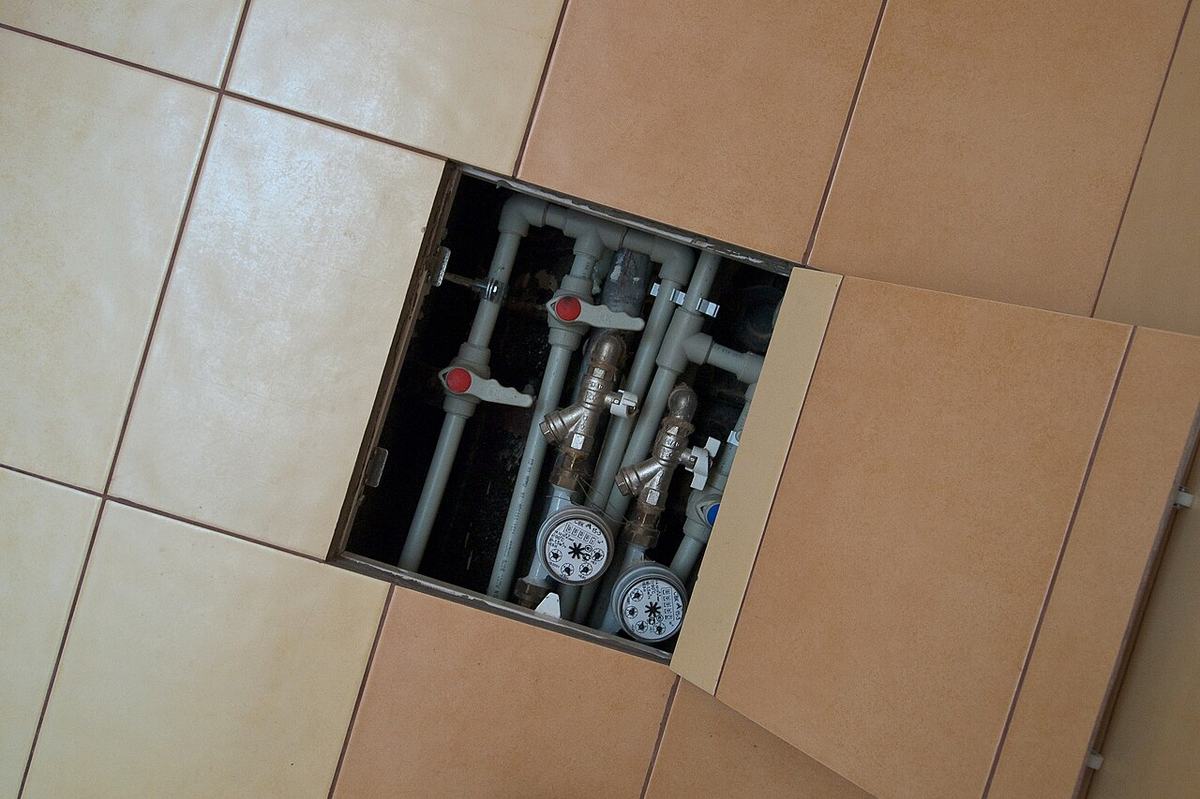
Why Slab-on-Grade Tulsa Homes Leak Under the Concrete
Most Tulsa homes built from the 1960s onward sit on slab-on-grade foundations with water lines, usually copper, run in the soil beneath the slab. That design is durable, but it places pressurized pipe in a hostile environment for decades. Tulsa soil chemistry, including mineral content and pH in Green Country ground, attacks copper from the outside, producing pinhole corrosion that starts as a misting leak and grows. Soil movement adds mechanical stress: expansive clay swells when wet and shrinks when dry, shifting the ground the pipes rest in and flexing joints season after season.
The result is a failure mode very different from a burst pipe. There is no flood and no drama. A pinhole in a hot water line under a kitchen or bathroom leaks hundreds of gallons a week into the soil, warming the slab above it and raising the water bill in steps. Cold line leaks hide even longer, announcing themselves only through moisture at the floor edges, mildew odor, or a meter that never stops. By the time a slab leak is suspected, it has usually been running for weeks, which is why detection and documentation, not demolition, are the first moves.
Reading the Signs: Warm Spots, Bill Spikes, and Floors That Change
Homeowners find slab leaks through a small set of clues, and each clue points somewhere useful. A warm spot on tile or wood, especially in a line between the water heater and a bathroom, maps the hot line run beneath. A water bill spike with no new irrigation, guests, or appliance use suggests continuous flow, and the size of the spike roughly sizes the leak. The sound of water at night, when the house is quiet and nothing is running, is the meter made audible. Buckling hardwood, soft spots in carpet, efflorescence at tile grout, and new cracks in floor tile or the slab edge complete the pattern.
One test cuts through all speculation: the meter test. Turn off every fixture and appliance that uses water, including ice makers, then watch the water meter. If the dial or digital flow indicator keeps moving, water is leaving the pressurized system. In a slab home where ceilings and walls are dry, the under-slab lines are the prime suspect. That ten minute test, which any homeowner can do, converts a suspicion into a decision, and it is the first thing our dispatcher will ask about on a slab leak call.
Pinpointing the Leak Without Tearing Up the House
Modern leak detection is an evidence exercise. Acoustic equipment listens through the slab for the hiss and vibration of pressurized water escaping, which is loudest at the failure. Thermal imaging reads the warm signature a hot line leak leaves in the concrete, drawing the line run and its hot spot on screen. Pressure testing isolates which line, hot or cold, supply or branch, is losing water, and tracer methods confirm the location before anyone marks the floor. In practiced hands these methods locate most under-slab leaks to a small area, from above, with the floors intact.
While detection locates the plumbing failure, moisture mapping locates the damage, and the two maps are different. The leak may be under the kitchen while the damage shows in the hallway hardwood and the living room carpet pad, because water migrates along the slab top and wicks into everything touching it. Our readings define which floors and wall bases are actually wet, how deep the moisture went, and what can be dried in place, so the restoration scope matches the real footprint instead of the suspected one.
How the Cleanup Proceeds, Step by Step
1. Call and meter test confirmation
The dispatcher walks you through the water meter test and the signs checklist, records when the bill changed, and sets expectations: detection first, no floor opens on a guess.
2. Moisture mapping of floors and wall bases
Meters and thermal imaging map moisture across tile, hardwood, carpet, and subfloor, and trace warm zones that reveal the under-slab line run and likely leak area.
3. Leak location coordination
Findings are organized so a plumber with acoustic detection can pinpoint the failure fast, and you understand the repair options, spot repair or reroute, before choosing.
4. Water shutoff and damage control
The leaking line is isolated where valves allow, wet finishes are protected, and any standing or wicked moisture at floor level is extracted and opened to drying.
5. Drying and monitoring of the structure
Floors and wall bases are dried with directed airflow and dehumidification sized for Tulsa humidity, verified by daily readings against dry standards.
6. Documentation for claim and repair trades
You receive the discovery timeline, bill change dates, moisture logs, and photos, the record insurers and plumbers both ask for on slab leak losses.
What a Slab Leak Does Above the Slab: Floors, Walls, and Air
The water that escapes under a slab does not stay politely underground. It saturates the soil and the slab itself, then wicks upward. Hardwood cupping over a warm, damp slab is one of the most common slab leak presentations in Tulsa, and laminate and vinyl plank swell and peak at seams. Carpet pad over a leaking cold line stays wet invisibly, growing odor while the carpet above feels almost dry. Wall bases at the slab edge wick moisture into drywall and baseboards, and the whole house can take on a musty note that homeowners chase with candles while the leak runs on.
Drying this damage is a materials exercise. Hardwood over concrete is dried at controlled rates with readings taken through the floor system, because the slab itself releases stored moisture slowly. Tile assemblies are checked at grout lines and edges where moisture escapes. Wall bases are dried with directed air, and flood cuts are made only where readings show the drywall is wet through. The work ends when meters say the materials match dry reference areas, which matters, because sealing finishes over a damp slab is how a leak becomes a mold problem with a new floor on top of it.
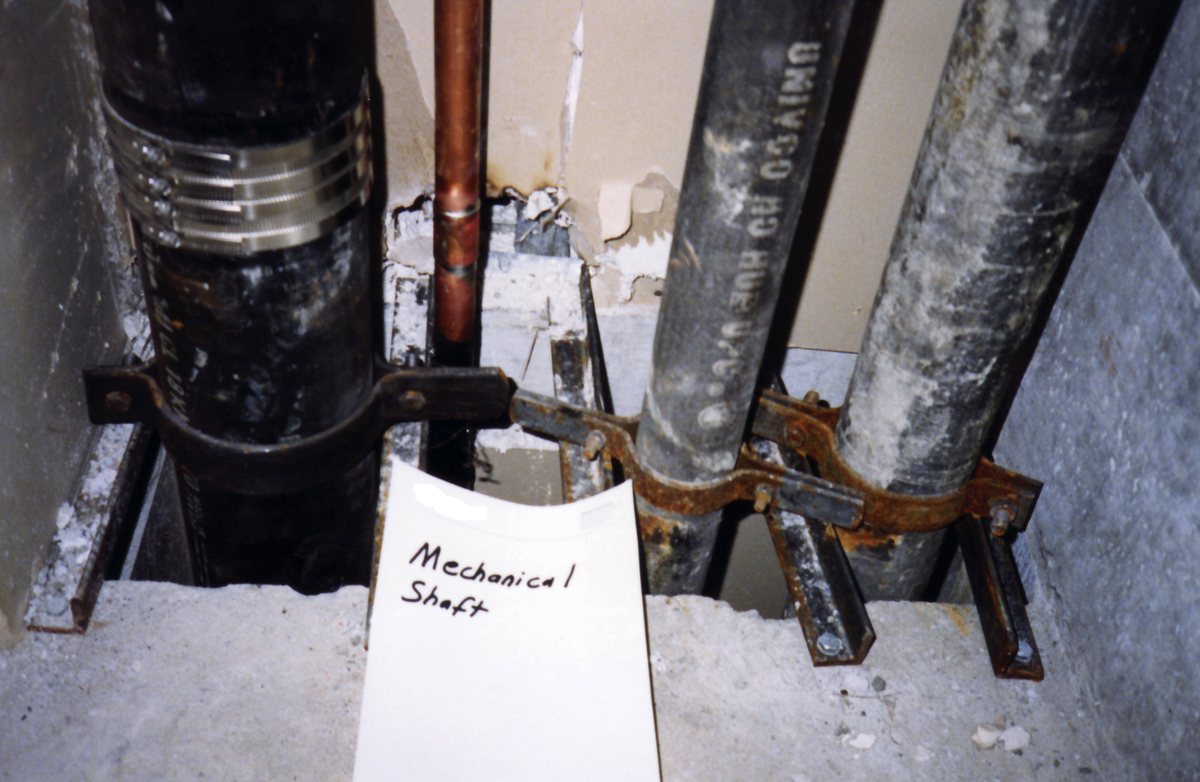
Slab Leaks, Tulsa Clay, and Your Foundation
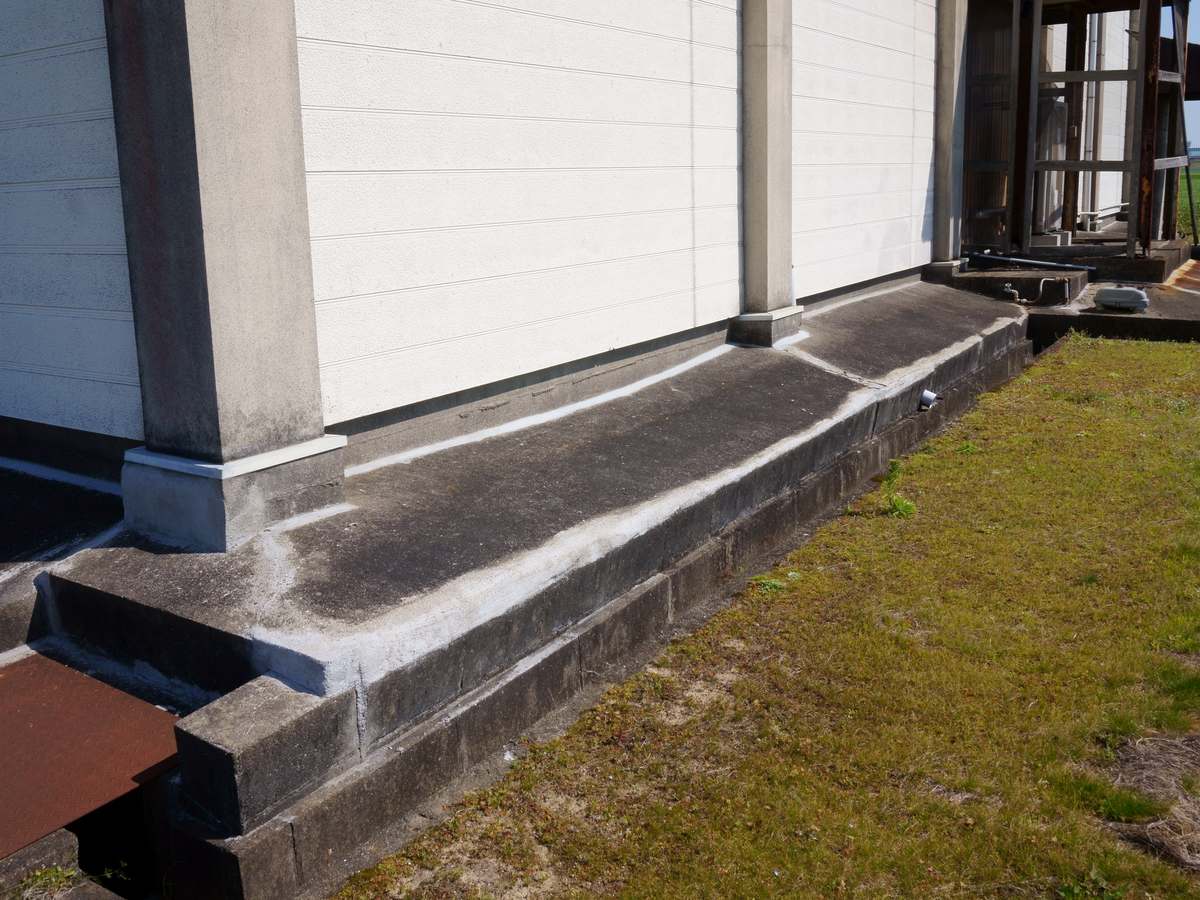
A slab leak in expansive clay country is also a soil event. Escaping water saturates clay unevenly, swelling it near the leak while distant soil stays dry and shrunken in summer. That uneven support moves the slab, and movement shows up as sticking doors, new drywall cracks, and tile cracking in patterns that homeowners often blame on age. A long-running leak also physically erodes soil, carrying fines away and leaving voids that the slab then bridges until it cannot. None of this is instant, and all of it argues for urgency: every month a slab leak runs, the soil story under the house gets more complicated.
The practical takeaway is sequence. Stop the leak, dry the structure, and then watch the house. Many movement symptoms stabilize once soil moisture returns to normal patterns, and a foundation specialist can judge the rest with the leak history in hand. Our documentation, when the leak was found, how long evidence suggests it ran, and what the moisture levels were, gives that specialist and your insurer the timeline they need.
Dealing with this in Tulsa right now?
Call (918) 578-1166 and a local dispatcher will talk through what happened, whether the water is still spreading, and the safest next step for your home or business in Tulsa County.
Process Steps That Fix This Damage
Slab leak damage is handled through detection and drying steps: map the moisture, prove the floors are wet or dry, and dry each material to standard. These pages explain the steps in depth.


Main Water Damage Services in Tulsa
Every cause on this site is handled inside the same full restoration sequence. These pages cover the emergency, residential, and commercial services that frame the response.


Other Causes of Water Damage in Tulsa
Return to the water damage restoration Tulsa OK home page for the full process, cause, mold, and insurance pages, or start with emergency water damage restoration if water is active right now.
Frequently Asked Questions
How do I know if I have a slab leak?
The classic signs form a pattern. Your water bill spikes with no change in use. You hear water running when nothing is on. A section of floor feels warm, because hot water lines leaking under a slab heat the concrete and the floor above it. You find damp spots, buckling hardwood, musty carpet, or cracks appearing as soil under the slab washes out. The meter test confirms suspicion: with every fixture off, a water meter that keeps moving means water is leaving the system somewhere, and in a slab home with dry walls and ceilings, under the slab is the likely address. Detection equipment then narrows it to a location.
How much does slab leak repair cost?
Honest general information only: costs vary widely because the repair method drives the price. Rerouting a line through walls or attic usually costs less than breaking concrete to reach the failed section, and a single spot repair differs from repiping a failing run. The water damage side, drying floors and walls and replacing damaged finishes, is a separate scope that depends on how long the leak ran. What any page can responsibly say is that time is the multiplier: a slab leak found in the first week is a plumbing repair and a drying job, while the same leak found after a season of bill spikes can add flooring, subfloor, and mold scopes. Get detection first, then quotes against a located leak.
Does insurance cover slab leak damage?
Policies handle slab leaks in layers, and the layers are treated differently. The resulting water damage to floors and structure is one question; access work, such as cutting concrete to reach the pipe, is another; the pipe repair itself is a third. Many policies address sudden pipe failure damage while excluding the worn out pipe as maintenance, but the exact treatment is written in your policy, not in general references. Document the discovery date, the bill history showing when usage changed, and the detection findings, and report promptly. We document the water damage side with readings and photos that fit that conversation.
Will you have to break my concrete floor to find and fix a slab leak?
Finding it never requires breaking anything. Acoustic listening equipment, thermal imaging, and meter testing locate under-slab leaks non-invasively in the great majority of cases, and the suspected spot is confirmed before any floor is opened. The repair, done by a plumber, sometimes involves a targeted opening through the slab at the located failure, and sometimes does not: rerouting the line overhead avoids concrete work entirely on many homes. From the water damage side, our work is the floors, walls, and finishes above the slab, dried and verified with readings regardless of which repair path the plumbing takes.
Can a slab leak damage my foundation?
Yes, slowly, and this is the part Tulsa homeowners should respect. A pressurized leak under a slab washes fines out of the soil supporting the concrete, creating voids. In Tulsa expansive clay, the leak also changes soil moisture unevenly, so one area swells while another shrinks, and that differential movement stresses the slab and the structure above it. The damage is measured in months, not days, which is exactly why unexplained warm spots and bill spikes deserve a fast meter test rather than a wait and see season. Finding and stopping the leak is foundation protection, not just plumbing.
One call starts the cleanup.
Talk to a local Tulsa dispatcher now. You will get clear next steps, a real arrival plan, and documentation from the first visit.