Tulsa, OK - 24/7 Emergency Service
Why Tulsa's Humidity Makes Professional Drying Essential
You had water damage. You mopped it up, ran some fans, opened the windows. The floor looks dry. The walls feel dry. You think it is handled. In Denver, you might be right. In Tulsa, where the air outside your window is carrying 70% relative humidity six months of the year, you are not even close.
These guides follow the same process used on Tulsa jobs: stop the source, extract, dry to measured goals, and document everything.
The Problem With Air-Drying in Tulsa
Drying is a physics problem. Moisture moves from areas of higher concentration to areas of lower concentration. For a wet building material to dry, the moisture inside the material must be at a higher concentration than the moisture in the surrounding air.
This works beautifully in dry climates. In Phoenix, outdoor air at 15% relative humidity is a powerful drying tool. Wet materials dry quickly because the air around them is pulling moisture out.
Tulsa is the opposite. From May through September, outdoor relative humidity regularly exceeds 60 to 70%. On many summer days and most summer nights, humidity exceeds 80%. The air is already carrying most of the moisture it can hold. When you open a window and introduce this air into a water-damaged room, the air has almost no capacity to accept additional moisture from your wet materials.
The result: the materials do not dry. The room air reaches equilibrium with the wet materials, both stabilize at a moisture level above the threshold for mold growth. Fans circulate this humid air across the wet surfaces, creating the illusion of drying while the core of the material, the inside of the drywall, the underside of the subfloor, the back of the baseboard, remains elevated.
Within 24 to 48 hours, mold colonization begins on organic materials at sustained humidity above 60%. The fans and open windows did not dry the materials, they created a warm, humid, circulating environment that is ideal for biological growth.
How Professional Drying Overcomes Tulsa's Humidity
Professional structural drying does not rely on outdoor air. It creates its own atmosphere.
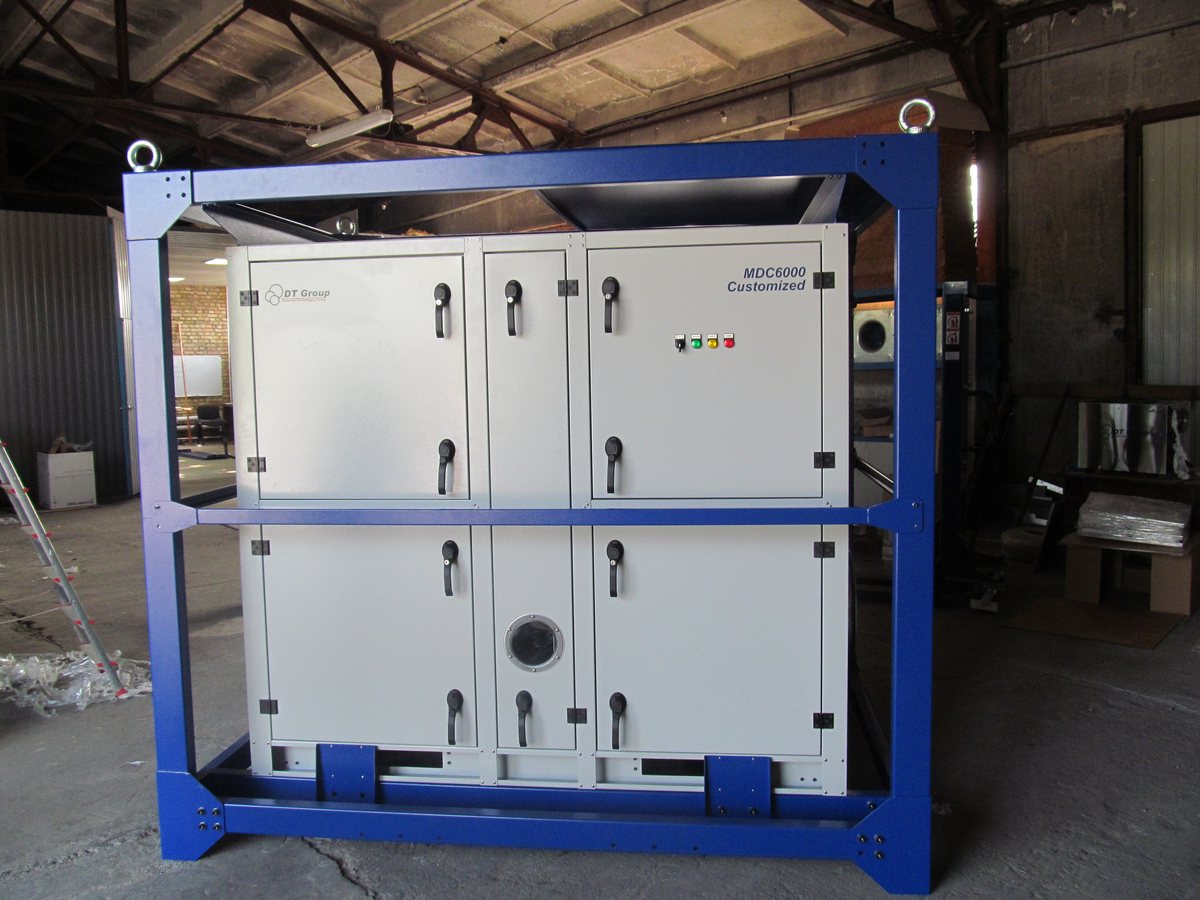
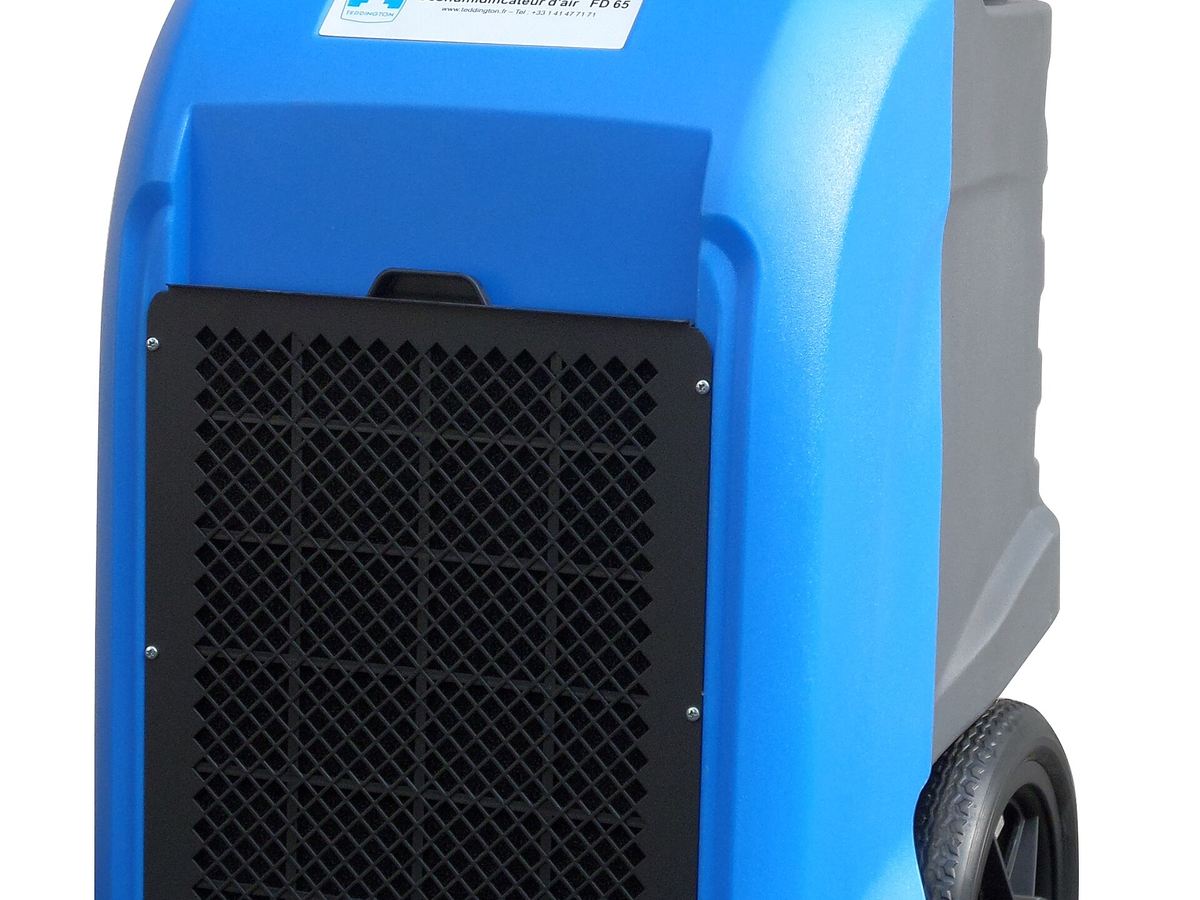
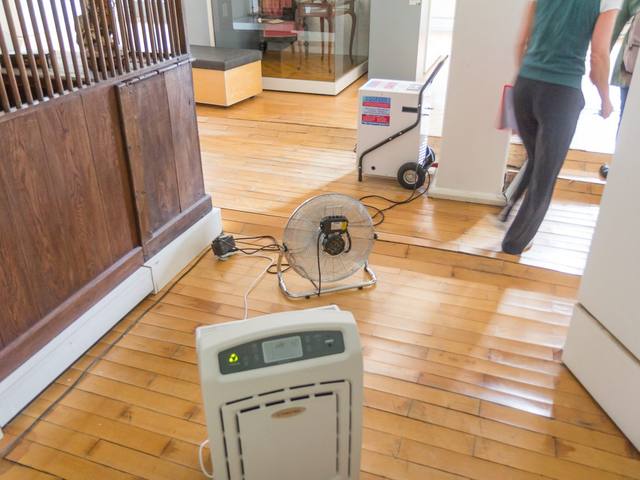
LGR dehumidifiers create an artificial dry zone. The dehumidifier pulls room air through a refrigeration system that cools the air below its dew point, condensing the moisture out as liquid water. The dry air, now at 30 to 40% relative humidity rather than the 70 to 80% it entered at, is recirculated into the drying zone. This dry air accepts moisture from the wet materials, becomes humid again, passes through the dehumidifier again, drops more water, and the cycle continues.
The dehumidifier creates conditions inside the drying zone that do not exist anywhere in outdoor Tulsa for most of the year. It is an engineered microclimate that forces moisture out of building materials at a rate that nature cannot achieve in this climate.
Air movers accelerate evaporation. Once the dehumidifier has created dry conditions in the room air, air movers push this dry air across the wet surfaces at high velocity, stripping moisture from the material surface faster than still air would.
The two systems work together. Air movers without dehumidification are fans, they move humid air across wet surfaces without removing moisture from the system. Dehumidifiers without air movers dry the room air but do not accelerate surface evaporation. Combined, they create the evaporation-capture cycle that achieves measurable drying in a climate where neither component alone would be sufficient.
What Happens When You Skip Professional Drying in Tulsa
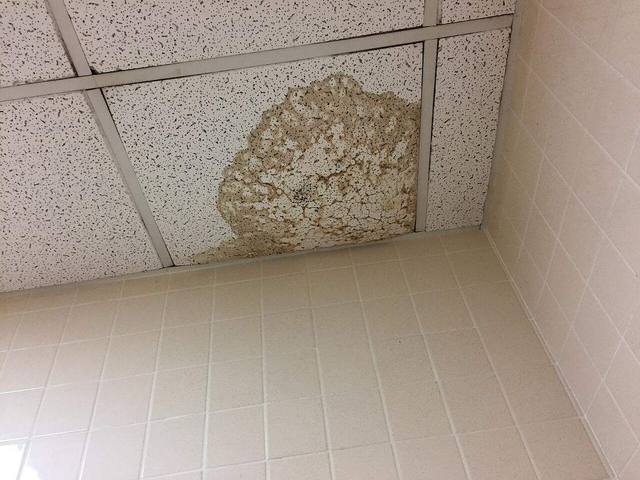
The materials stay wet. Behind the wall, under the floor, inside the carpet pad, moisture persists at levels that are not apparent to the eye but are measurable with professional instruments.
Mold grows. Within 48 hours on damp organic materials at sustained humidity. In Tulsa's warm indoor temperatures, this timeline can be shorter.
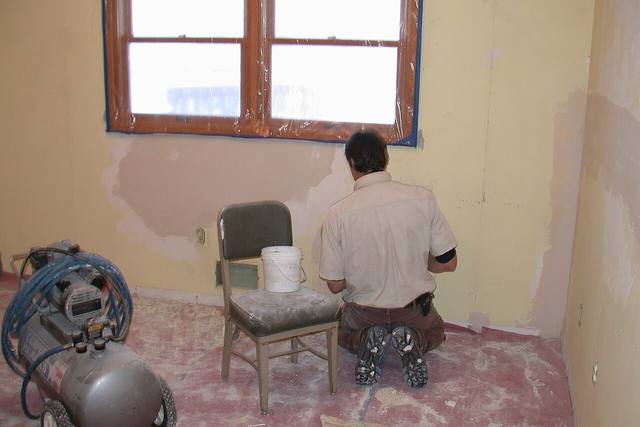
Materials deteriorate. Drywall loses structural integrity. Subfloor sheathing swells and weakens. Hardwood cups and potentially buckles.
The restoration costs more. What would have been a three-day drying project becomes a mold remediation project plus a material replacement project. The cost multiplies by two to five times.
The fans-and-open-windows approach costs nothing upfront and everything eventually. Professional drying costs money now and prevents the far larger expense that inadequate drying inevitably produces in Tulsa's climate.
→ Structural Drying Services | → Dehumidification Services | → Mold Inspection
Reading about it is step one. Drying is step two.
If this article describes your house right now, call (918) 578-1166. We extract, dry, and document the loss, and the record we build is the one your insurer will ask for.
More From the Tulsa Water Damage Blog
Back to the Tulsa water damage blog index, the water damage restoration Tulsa OK home page, or emergency water damage restoration if water is active right now.
One call starts extraction and drying.
Talk to a Tulsa dispatcher now. You will get clear next steps and documentation from the first visit.