Tulsa, OK - 24/7 Emergency Service
Mold Inspection and Testing Tulsa OK
A mold inspection is really a moisture investigation with laboratory evidence. We find where water has been, sample what is growing, and give Tulsa homeowners a written answer instead of a guess.
- Visual assessment plus moisture readings in every suspect area
- Air sampling with spore traps against an outdoor baseline
- Surface swabs and tape lifts of visible growth
- Laboratory analysis with a plain language written report
In Tulsa humidity, mold can begin growing within 48 to 72 hours of a water loss. Drying to measured goals is what keeps a water job from becoming a mold job.
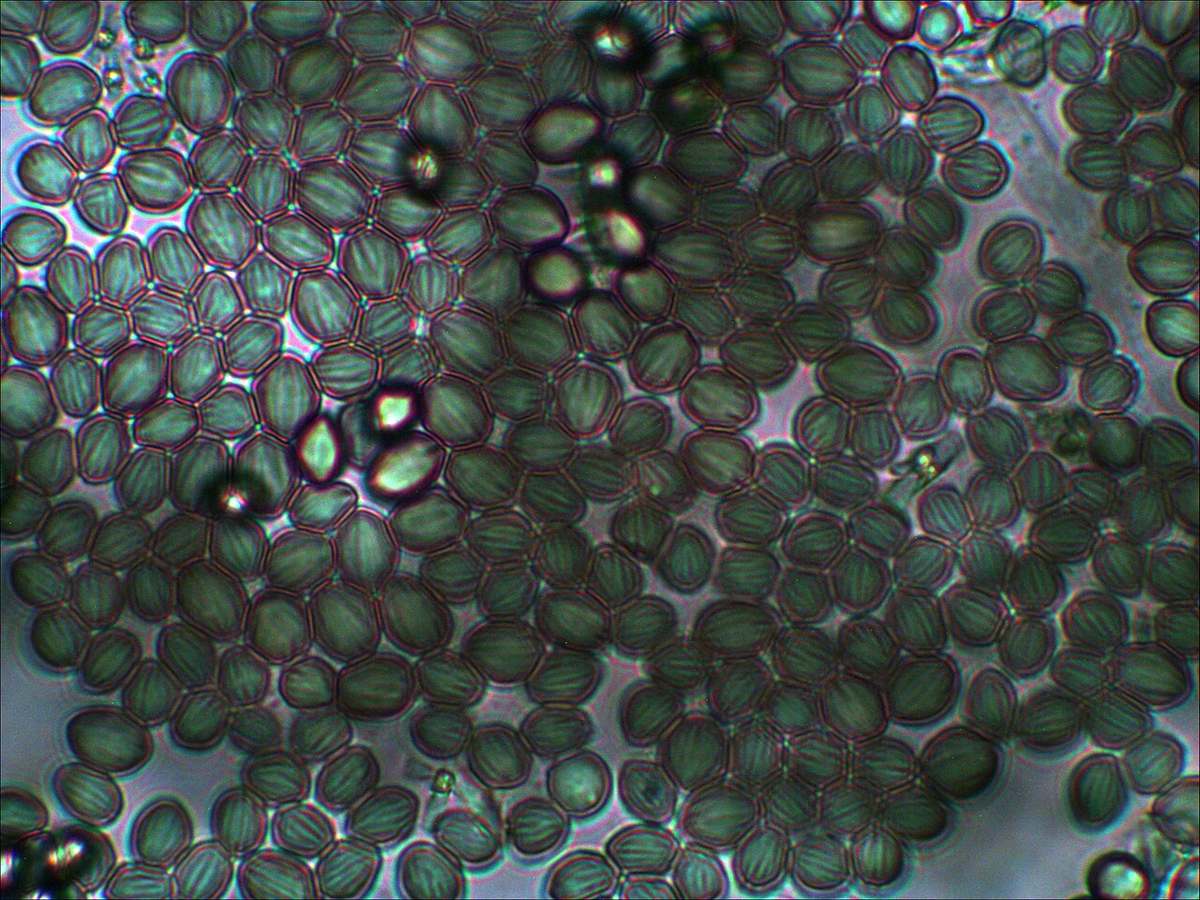
What a Mold Inspection Actually Examines
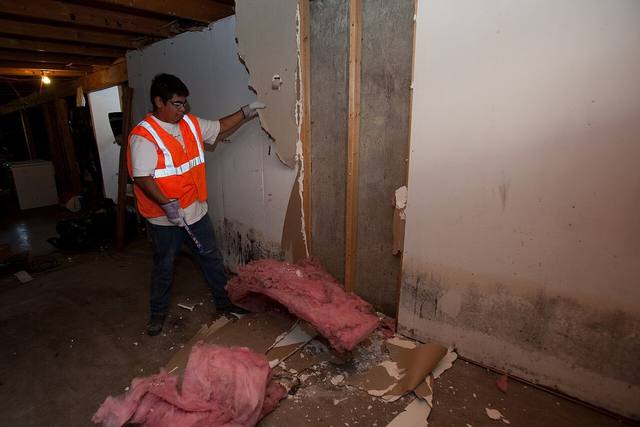
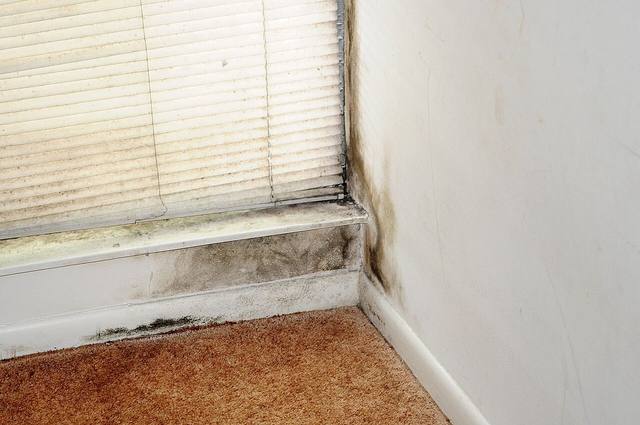
Mold is a moisture symptom, so a real inspection starts with water, not with the fuzzy patch. The inspector walks the home looking for the conditions that grow mold: current and past leaks, condensation points, damp building cavities, and the rooms where Tulsa homes most often hide trouble, bathrooms, laundry areas, crawl spaces, basements, and the wall behind any plumbing run. Moisture meters and infrared scanning read the materials themselves, because drywall can look painted and clean while the cavity behind it sits wet enough to grow a colony.
Only after that survey do samples make sense. Air samples are placed where people live and breathe, surface samples come off the actual growth or suspect material, and an outdoor air sample is taken the same day as the baseline. That sequencing is the difference between an inspection and a testing kit in a lab coat: the samples answer questions the building itself raised, and the report can say where the problem is, not just that spores exist somewhere in the house.
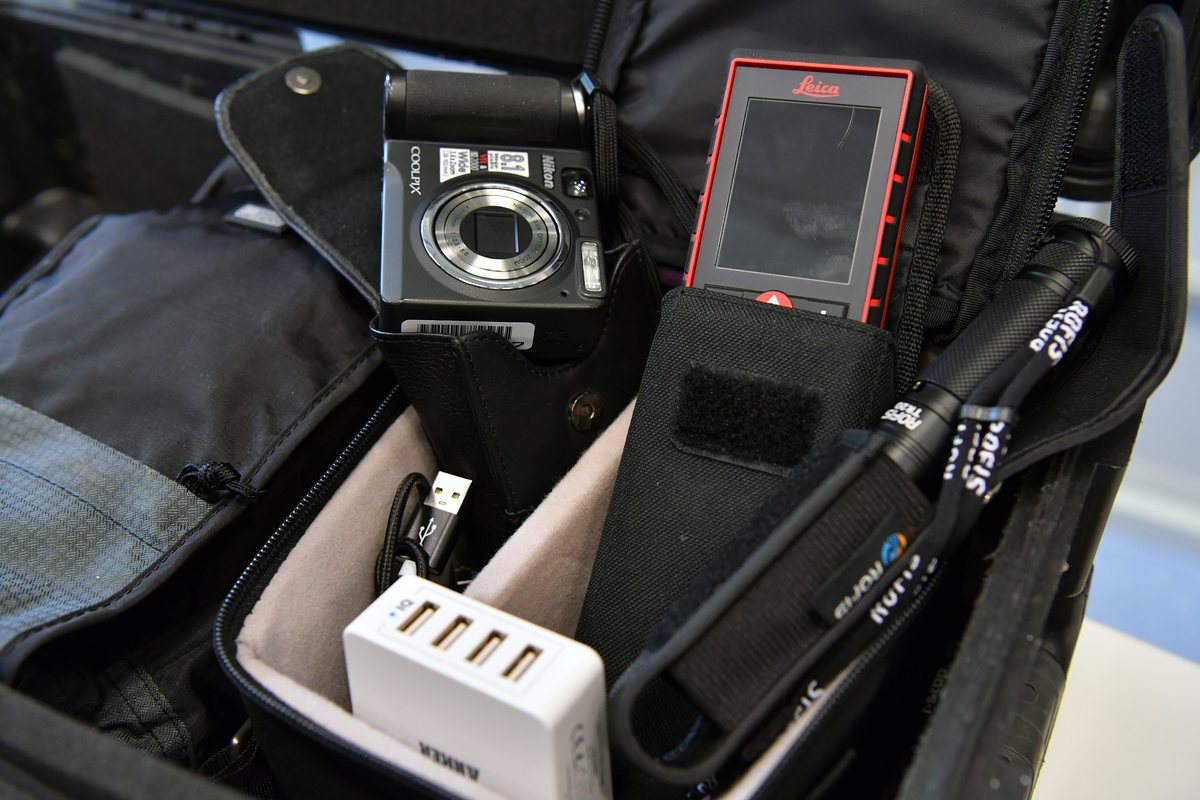
Air Sampling, Surface Sampling, and What the Lab Reports
Air sampling uses a calibrated pump to pull a set volume of air through a spore trap cassette. The cassette goes to an accredited laboratory, where analysts count spores and identify them to genus, producing concentrations per cubic meter for each room sampled. The outdoor control sample is what makes those numbers readable: indoor air should broadly resemble outdoor air in type, and lower in count. A room whose counts tower over the baseline, or which carries species barely present outdoors, is a room with an active indoor source.
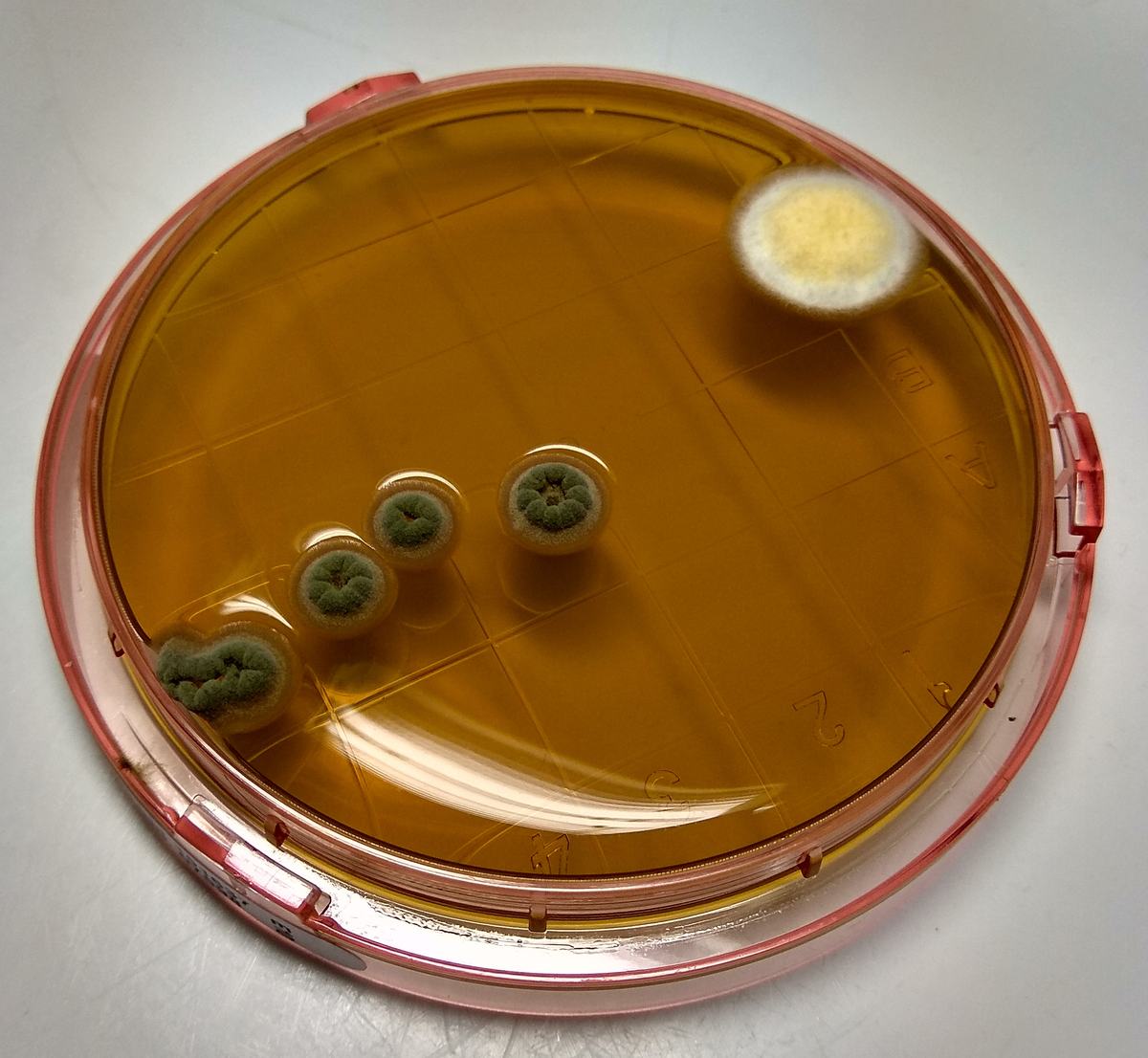
Surface sampling answers the identity question directly. A sterile swab or a tape lift takes material off visible growth, a suspect stain, or the inside of a wall cavity opened for the purpose, and the lab identifies what is growing there. Surface results settle arguments that eyes cannot: whether a dark patch is mold at all, whether it is the same growth showing on two sides of a wall, and whether a cleaned area still carries growth. Together the two methods give the map that remediation, if it is needed, is planned from.
Tulsa Humidity and Mold Risk: Why This City Tests More
Tulsa sits in a humid subtropical climate, and mold notices. Summer dew points stay high for months, crawl spaces and basements run damp by default, and air conditioning systems generate condensate every day they run. Spores need only moisture and a food source, and Tulsa homes supply both generously: paper faced drywall, wood framing, dust in ductwork, and carpet over slab. The practical effect is that growth after water damage starts faster here and hides in more places, which is why post water damage assessment in Tulsa is a standard step rather than an exotic one.
The local housing stock adds its own patterns. Pier and beam homes with vented crawl spaces draw humid air across cool joists all summer. Slab homes wick moisture at floor edges after plumbing leaks. Older Midtown and Brookside homes carry original plumbing and layered remodels that conceal old leak damage behind new finishes. An inspector who works Tulsa housing reads those patterns on the walk-through and samples the places this housing stock actually fails, which is most of what you are paying for.
When Testing Is Warranted, and When It Honestly Is Not
Testing is warranted when the answer changes a decision. Suspected hidden growth behind walls or under floors, a persistent musty odor with no visible source, a real estate transaction needing documentation, a post remediation clearance check, and any situation where a written record matters, for an insurer, a landlord dispute, or a physician, all qualify. In those cases the laboratory numbers are not decoration; they define the scope of work or close the file.
Testing is honestly not necessary when growth is small, visible, and explained by a known moisture source that is already fixed, a slow drip under a sink that spotted the cabinet floor, for instance. The response is the same with or without a lab report: correct the moisture, remove the affected material under sensible precautions, dry the cavity, and verify. We will tell you that on the phone or at the door rather than sell samples that cannot change the plan. That honesty is also why, when we do recommend sampling, homeowners tend to believe the results.
How the Work Proceeds, Step by Step
1. Call and history interview
The inspector asks about leaks, floods, odors, visible growth, health concerns in the household, and any planned sale or claim, because the history decides where the inspection looks first.
2. Visual assessment of the whole concern area
Rooms, cavities that can be viewed, crawl space or basement, attic where relevant, and the plumbing and HVAC systems that feed moisture into the structure.
3. Moisture mapping of suspect materials
Pin and pinless meter readings plus infrared scanning locate wet drywall, flooring, and framing, and mark the areas where hidden growth is plausible.
4. Sampling plan, explained before it runs
You hear which air and surface samples are proposed, what each one answers, and what it costs, and you can decline any of them with the reasoning on the record.
5. Air and surface sampling with outdoor baseline
Spore trap cassettes in the concern rooms and outdoors, plus swabs or tape lifts of visible or suspect growth, all labeled and chain of custody documented.
6. Laboratory analysis
Samples go to an accredited lab for identification and counts. Turnaround is stated at sampling, and urgent cases are flagged to the lab.
7. Written report and scope conversation
You receive the lab results in plain language: what was found, where, what it means, whether remediation is warranted, and what that scope would look like if it is.
Post Water Damage Mold Assessment: The Most Common Tulsa Inspection
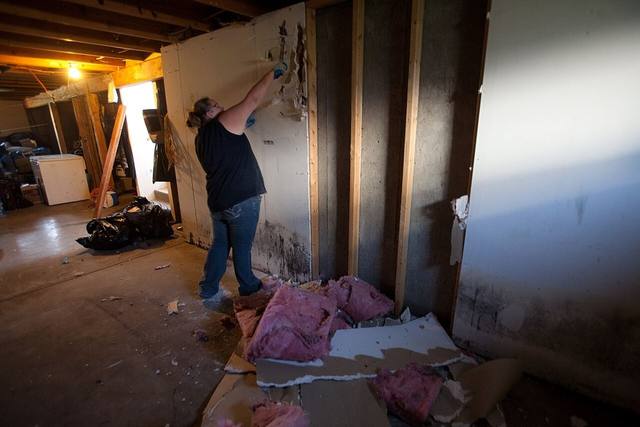
Most inspections we run follow water. A pipe leaked, a roof failed, a basement flooded, and days or weeks later there is an odor, a stain, or a worry. The assessment question is precise: did the drying reach everything the water reached, or is growth established somewhere the fans never touched? The inspector reads the materials the water touched, including inside wall cavities at the wet line, samples the air in the affected rooms, and compares the picture against the drying documentation if there is any.
That timing matters because of the colonization window. Mold can begin growing on wet materials within 24 to 48 hours, and in Tulsa humidity the window is not generous. An assessment a few days after a loss often finds moisture problems that are still drying problems, solvable without remediation. The same assessment six weeks later may find established colonies that set the remediation scope. If you are reading this after a recent loss, the inspection is worth more this week than next.
Pre-Purchase and Rental Inspections: Documentation That Holds Up
A mold inspection before purchase gives a buyer laboratory documentation instead of a home inspector’s one line note about a stain. Sellers get the same benefit in reverse: a clean report, or a defined scope with a defined fix, removes the unknown that kills negotiations. For landlords and tenants, an inspection report creates a neutral record of conditions and sources, which is usually what a disagreement about mold actually needs, facts about moisture and growth that neither party collected by phone camera.
For these documentation inspections we sample more deliberately, keep the chain of custody clean, and write the report so a third party, an agent, an attorney, an insurer, can follow it without calling us. The moisture findings matter as much as the spore counts in these reports, because they show whether the condition is historical and dry or active and growing.
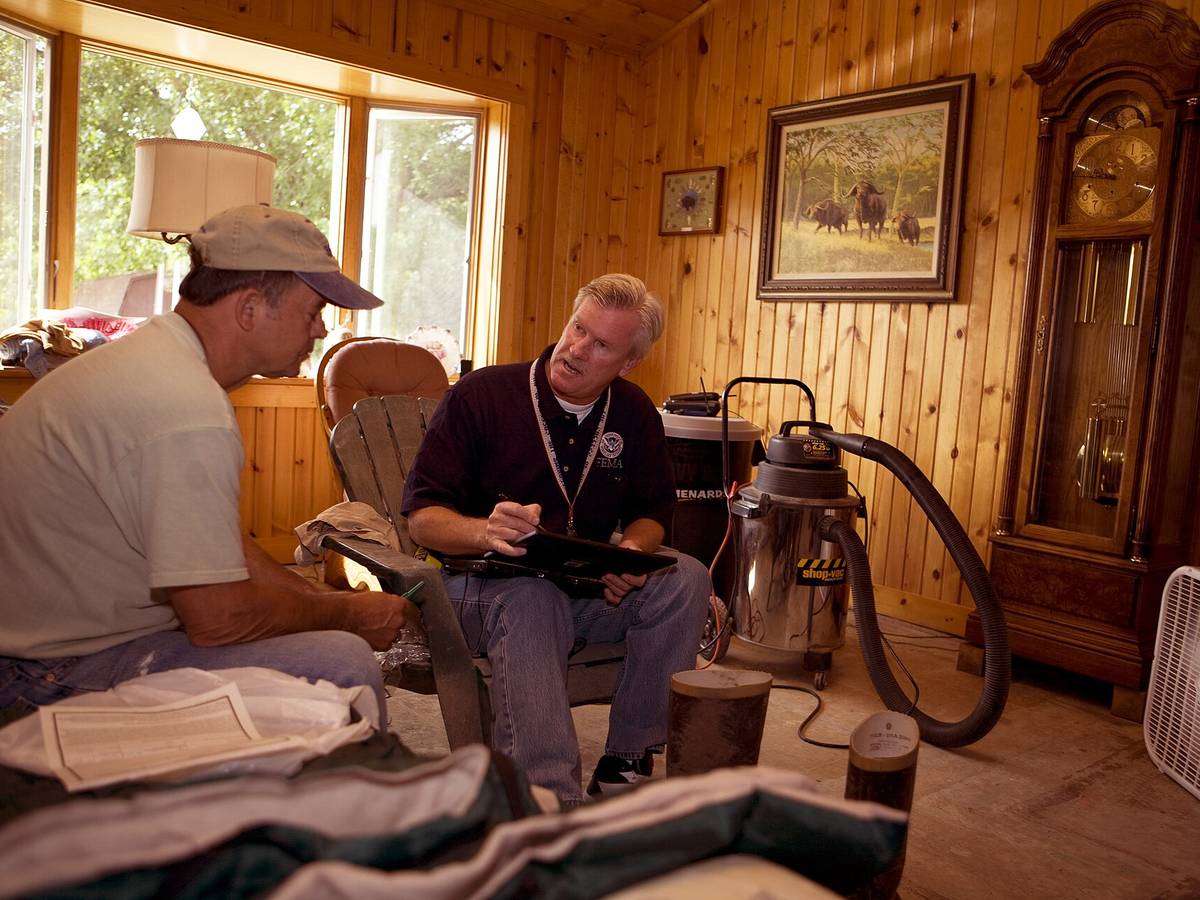
Reading Your Report: Counts, Species, and What Happens Next
A laboratory report is a table of genera and numbers, and it deserves translation. The inspector walks you through three things: whether indoor air matches the outdoor baseline or shows an indoor source, which species were identified and what their presence usually indicates about moisture history, and where the moisture findings say the source lives. Species identification is about source diagnosis, long term water damage indicators versus ordinary outdoor types, not about ranking your home on a fear scale.
From there the paths are clear. No indoor source and dry materials: the report is the end, keep it on file. An indoor source with a defined area: the report becomes the remediation plan’s first page, and a clearance test after the work verifies the result independently. A source that cannot be fully seen: the report recommends the limited opening needed to see it. Either way you leave with evidence and a next step, which is the entire point of testing.
Dealing with mold in Tulsa right now?
Call (918) 578-1166 and a local dispatcher will talk through what you are seeing, where the moisture is coming from, and the safest next step for your home or business in Tulsa County.
Water Damage Causes Behind Mold Problems
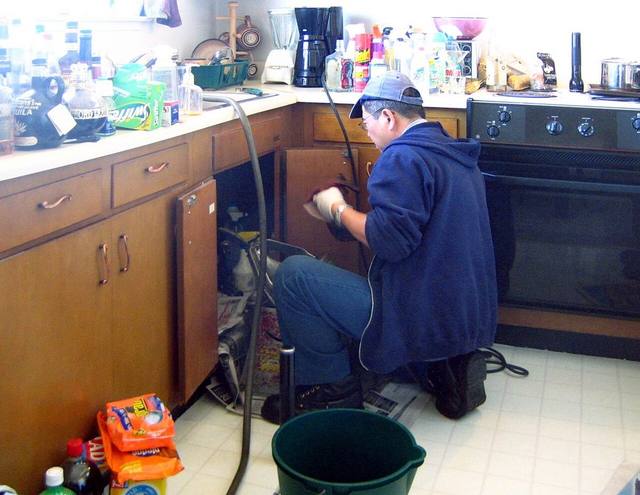
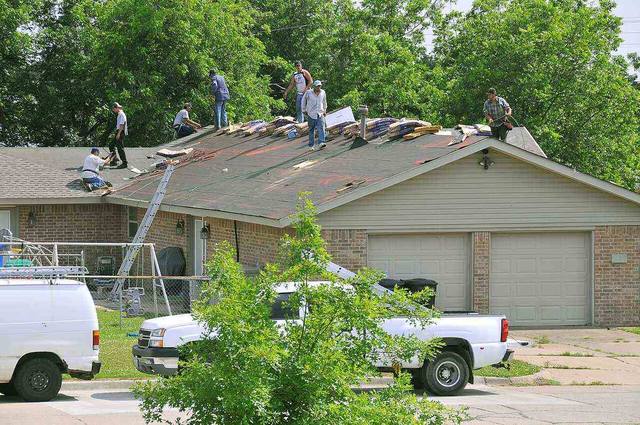
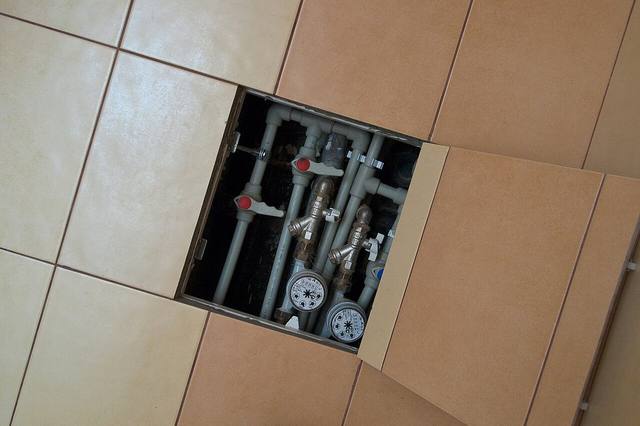
Inspection work usually starts with a water event. These cause pages explain the leaks and floods that most often lead Tulsa homeowners to a mold inspection.
Other Mold Services in Tulsa
Return to the water damage restoration Tulsa OK home page for the full process, cause, mold, and insurance pages, or start with emergency water damage restoration if water is active right now.
Frequently Asked Questions
How much does mold testing cost?
General information only, because testing scope drives the price. A single sample is one thing; a proper inspection with a visual assessment, moisture readings, and several air and surface samples sent to a laboratory is another, and larger homes or multi-area concerns take more samples. What matters more than the number is what the testing answers: where growth is, what the indoor spore levels look like against an outdoor baseline, and whether hidden cavities need opening. A written quote follows the inspection scope, and we explain what each sample is for before it is taken, so you are never paying for tests that answer nothing.
Can I test for mold myself?
You can, and the honest answer is that home kits answer less than people hope. A petri dish left out in a room will grow mold in almost any home, because mold spores are a normal part of indoor and outdoor air, so a positive dish does not tell you whether you have a problem. Kits also cannot measure the air concentration, sample inside a wall cavity, or tie the result to a moisture source. Where DIY observation genuinely helps is the basics: note musty odors, watch for visible growth, and track where water has been. If the concern is real, a professional inspection pairs sampling with the moisture investigation that makes the results mean something.
When is mold testing needed?
Testing earns its place in specific situations: after water damage when growth is suspected inside walls or under flooring but not visible, when a musty odor has no visible source, when a home purchase needs documentation of indoor conditions, when a remediation project needs a baseline or a clearance check afterward, and when occupants or a physician want an objective record rather than an opinion. If growth is plainly visible and the moisture source is known, testing may add little, because the response, fix the water and remove the growth under containment, is the same either way. A good inspector tells you when testing is not necessary.
What is the difference between air sampling and surface sampling?
Air sampling draws a measured volume of air through a spore trap cassette, and the laboratory counts and identifies the spores captured, giving a concentration that is compared against an outdoor control sample taken the same day. It answers what is in the air you are breathing in that room. Surface sampling, by swab or tape lift, takes material directly off a visible patch or a suspect surface and identifies what is actually growing there. The two answer different questions, which is why a thorough inspection often uses both: air results without surface identification, or surface results without air levels, each leave half the story untold.
What does ERMI mean, and is it the right test for my home?
ERMI, the Environmental Relative Moldiness Index, is a DNA based method developed from EPA research that analyzes settled dust for a panel of mold species and produces a single score comparing the home to a national housing database. It can be useful as one data point in a long running or disputed situation. Its limits matter too: it reflects dust history rather than current air, it does not locate growth, and the EPA itself has not endorsed it for routine home decision making. For most Tulsa homes the practical path is a visual and moisture inspection with spore trap air sampling, reserving ERMI for cases where that standard picture needs supplementing.
Will testing tell me if the mold is dangerous?
Testing identifies which molds are present and at what levels, and that identification is factual, but no home test can pronounce a specific health risk for a specific person. Responses to mold vary widely by individual, and health questions belong to your physician, who can use an inspection report as one input. What the inspection does establish is whether indoor levels and species are consistent with an active indoor growth source, where that source is, and what removing it involves. If you have health concerns, say so at the inspection: it affects which rooms get sampled and how carefully the findings are documented.
One call starts the assessment.
Talk to a local Tulsa dispatcher now. You will get clear next steps, a real arrival plan, and documentation from the first visit.