Tulsa, OK - 24/7 Emergency Service
Water Damage Restoration Cost Tulsa OK
An honest cost page: general market ranges by water category and scope, the variables that actually move the number, and how a real estimate gets built. Your cost depends on your loss, and this page shows you why.
- General ranges framed by category and scope, not sales quotes
- The six variables that decide your actual number
- Mitigation versus reconstruction costs explained separately
- How estimates are documented for insurance files
Insurers pay for documented losses. Photos, moisture readings, and a clear drying log from the first day are what support a claim.
General Cost Ranges by Category and Scope
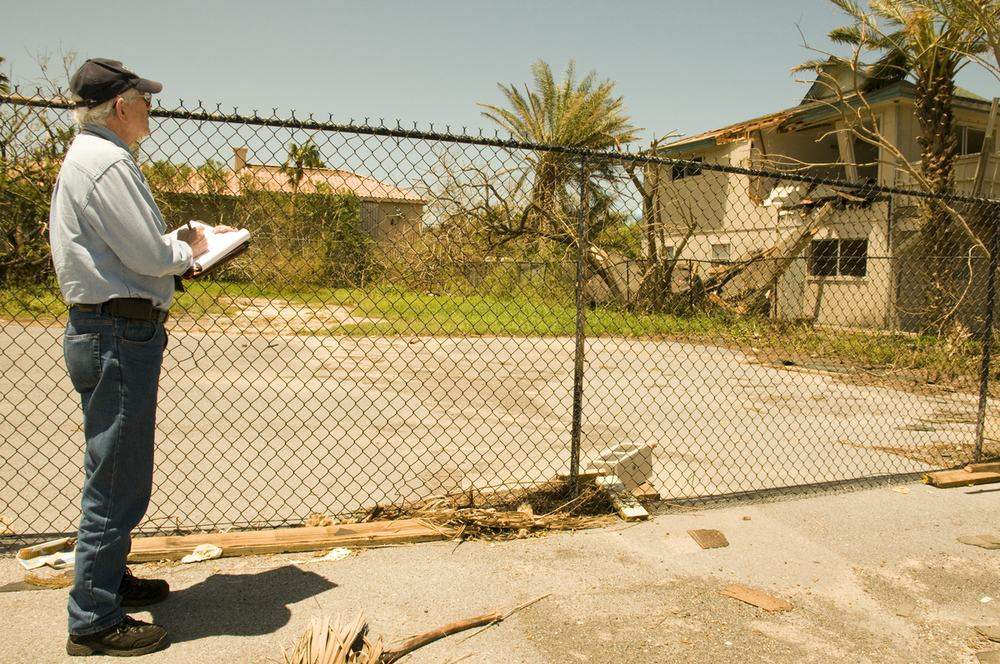
Start with the framing this whole page keeps: the figures below are general market ranges drawn from published national cost guides, offered so you can plan, not prices for your job and not any company’s rate card. Water damage is scoped from evidence, and two homes on the same Tulsa street with the same broken pipe can land far apart in this table. With that said, the category of water is the strongest single predictor. Category 1, clean water from a supply line, caught early: mitigation commonly lands in the low thousands. Category 2, water with contaminants such as appliance discharge, adds cleaning and material handling and pushes the same footprint higher. Category 3, sewage and flood water, adds containment, disposal, and removal of porous materials, and commonly doubles or more the cost of the same area in clean water.
Scope layers on top of category. A single room, unfinished, extracted and dried, is the bottom of the range. Each addition climbs it: finished materials that must be removed and rebuilt, multiple rooms or stories, crawl space or basement work, mold remediation where growth established, and contents cleaning and storage. At the top of the range sit the whole floor and whole home events with reconstruction, where five figure totals are normal and the rebuild finishes, cabinets, flooring grades, tile, drive much of the number. Tulsa labor rates sit near national mid range, so national ranges are a reasonable planning tool here, again as planning, not promise.
The Variables That Decide Your Number
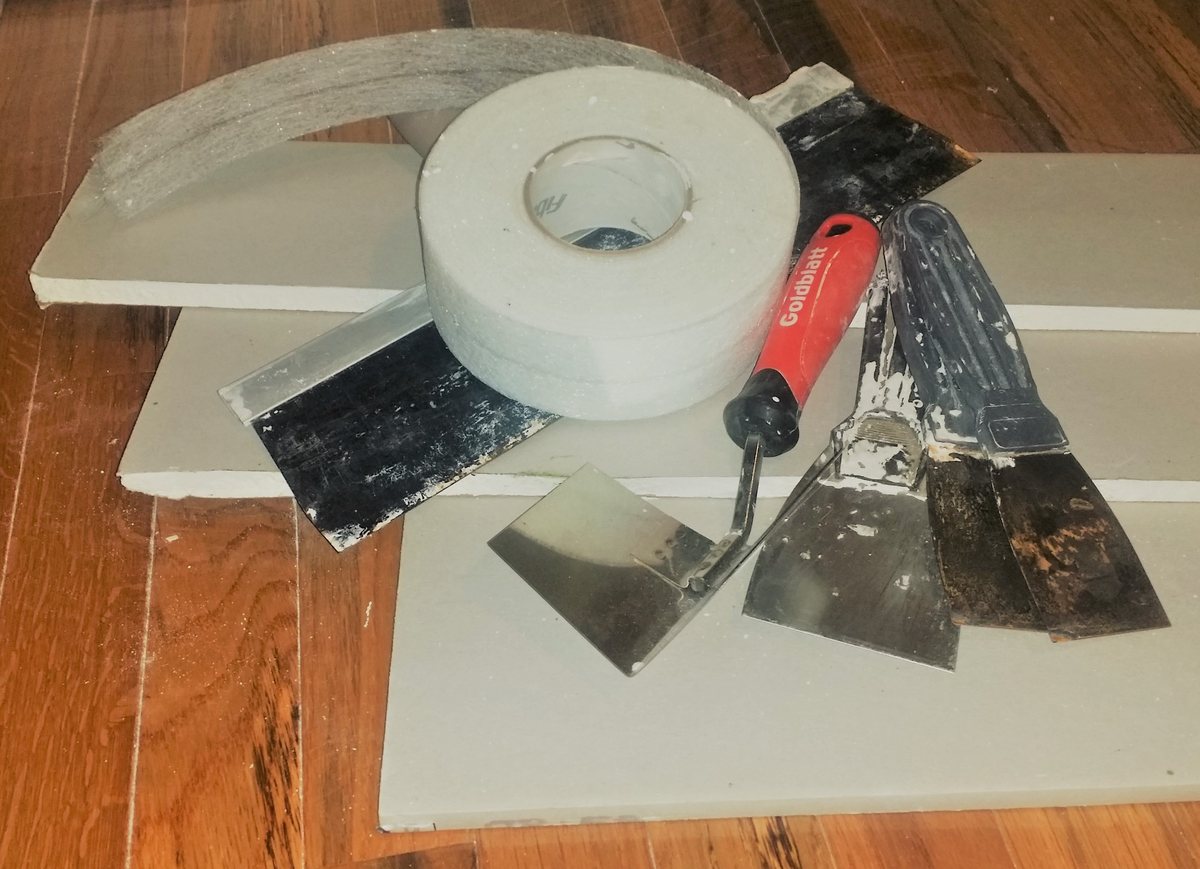
Area and materials come first. Water in 200 square feet of tile over concrete is a drying job; the same water in 200 square feet of hardwood over a crawl space is a materials project. Second, time: how long the water sat before extraction sets how much material crossed from dryable to disposable, and how much mold risk the scope must answer. Third, access: attic air handlers, tight crawl spaces, and multi story water paths all add labor that open rooms do not.
Fourth, the drying environment itself. Tulsa humidity extends drying days on dense materials, and equipment days are a real line item, dehumidifiers and air movers running and monitored daily. Fifth, disposal and category handling: contaminated material leaves the home under stricter protocols that cost more than a dumpster of clean drywall. Sixth, documentation: a job built to insurance file standard, readings, moisture maps, photo logs, line item estimating, carries more labor than an undocumented one, and pays for itself the first time an adjuster questions the scope.
Two Tulsa factors deserve their own mention. The housing stock: pier and beam and crawl space homes, slab homes with plumbing under concrete, and a large stock of older Midtown and Brookside houses each price differently, because access and materials differ, and a slab leak scope carries detection and concrete work a wall leak never sees. And the calendar: after a major storm or a hard freeze, every restoration company in Green Country is running at capacity, timelines stretch, and ice storm weeks in particular produce the city’s most expensive losses per home, because one freeze breaks pipes in houses by the street, not by the address. None of that changes the per line pricing logic; it changes how much scope a given event tends to write.
How a Real Estimate Is Built, Step by Step
1. Assessment and moisture readings
The estimator maps the affected area and materials with meters before any number exists. Scope guesses made from the doorway are how estimates go wrong.
2. Category determination
The water source and path set the category, which sets the cleaning, removal, and disposal protocols the estimate must price.
3. Mitigation line items
Extraction, demolition of unsalvageable material, equipment setup, daily monitoring, cleaning, and antimicrobial treatment, each listed rather than bundled into a mystery total.
4. Drying days from readings
Equipment time is estimated from material types and moisture content, then trued up against daily readings, so you pay for the drying your structure needed.
5. Reconstruction scope, separately
The rebuild, drywall, flooring, cabinets, paint, is itemized apart from mitigation, with finish choices priced as the remodeling decisions they are.
6. Insurance file assembly
Where a claim is involved, the estimate is formatted to the line item standard adjusters use, with the readings and photos attached as the scope’s evidence.
Water Damage Restoration Costs at a Glance
| Small clean-water loss | One room, water out and dried within days. Published national guides commonly place it in the low thousands of dollars. |
|---|---|
| Moderate loss | Several rooms with flooring and drywall involved. Commonly runs into the mid thousands of dollars. |
| Large or contaminated loss | Sewage, whole-floor flooding, or mold remediation on top. Regularly reaches five figures. |
| What moves the price | Water category, area and materials affected, drying time, demolition and rebuild scope, access and timing, and documentation level. |
| The cheapest line item | Speed. Acting in the first day compresses nearly every cost variable at once. |
Deductibles, Depreciation, and Reading Your Own Estimate
Where insurance pays part of the bill, three terms shape your share. The deductible is yours, paid before coverage applies. Depreciation may be withheld from the first payment on older materials and released when the work is complete, which makes the second check a paperwork exercise, not a surprise. And the scope the adjuster approves may differ from the scope the moisture evidence supports, which is what supplemental documentation exists to resolve. None of these are knowable from a webpage, yours will be decided by your policy and your adjuster, but understanding the terms keeps the estimate conversation rational.
Reading any estimate, ours included, ask four questions: Which materials are listed as removed, and does that match the meter evidence? How many equipment days, and what reading ends them? What is excluded, in writing? And what happens to the price if opening a wall finds more damage, a conversation to have before the wall is open, not after. An estimator who welcomes those questions is telling you something about the number.
Where Homeowners Actually Save Money
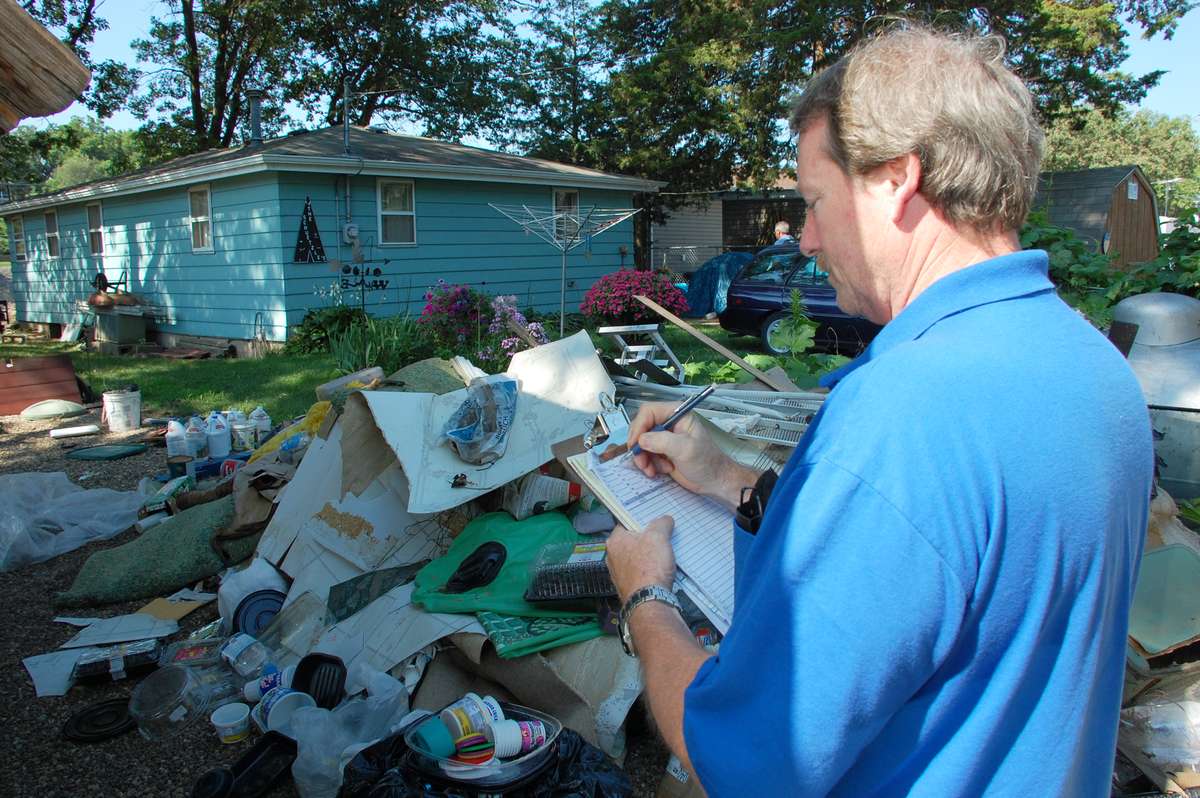
Not on the extraction you skip or the drying days you cut, those savings invoice themselves later with interest. The real savings are behavioral: shut the water off fast and call the same day, which compresses the whole scope; keep plumbing maintained and hoses braided, which prevents the loss class entirely; keep records and photos of your home’s condition, which speeds any claim; and choose the rebuild finishes deliberately, because reconstruction choices, not mitigation, are where budgets are actually made or blown after a loss.
The other honest saving is scope discipline in both directions: a company that removes only what the evidence condemns, and dries everything else, will beat a demolition happy scope on price and a cosmetic scope on outcome. That discipline is what the estimate’s line items let you verify, which returns to the theme of this page: in water damage, the number is the scope, and the scope is the evidence.
Sorting out damage and coverage in Tulsa?
Call (918) 578-1166 for the water side of the problem. We document the loss fully, source, footprint, materials, and drying, so your claim file has a complete record to work from, whatever your policy covers.
Water Damage Causes These Pages Apply To
Cost follows cause: a clean supply line break and a sewage backup price very differently. These cause pages explain the losses behind the ranges on this page.
Main Water Damage Services in Tulsa
Insurance questions follow the water, and the water work is the restoration sequence itself. These pages cover the emergency, residential, and commercial services these pages support.

More Insurance and Cost Pages
Return to the water damage restoration Tulsa OK home page for the full process, cause, mold, and insurance pages, or start with emergency water damage restoration if water is active right now.
Frequently Asked Questions
How much does water damage restoration cost?
General information only, because the honest answer is a range with variables attached. Published national guides commonly place a small, clean water mitigation, one room, water out and dried within days, in the low thousands of dollars. A moderate loss across several rooms with flooring and drywall involved commonly runs into the mid thousands. Large, contaminated, or reconstruction heavy losses, sewage, whole floor flooding, mold remediation on top, regularly reach five figures. These are market ranges, not quotes and not any company’s prices. Your cost depends on the category of water, the square footage and materials affected, how long the water sat, and how much must be removed and rebuilt, which is why a real number only exists after the assessment and moisture readings define the scope.
What factors affect the price?
Six variables do most of the work. The category of water: clean water is the least involved, sewage the most. The area and materials: an unfinished basement and a finished kitchen are different projects at the same square footage. Drying time: dense materials and Tulsa humidity extend equipment days. Demolition and rebuild scope: what must come out and be replaced. Access and timing: crawl spaces, multi story work, and after hours emergency response all price differently. And documentation level: a fully documented insurance grade file takes more labor than a cash job with a handshake. Acting in the first day compresses nearly every variable at once, which is why speed is the cheapest line item in the whole table.
Is it cheaper to act fast?
Yes, and it is not close. The same leak addressed in the first day is usually an extraction and drying job. The same leak addressed in a week can add demolition of materials that were saveable on day one, mold remediation once colonies establish past the 48 to 72 hour window, and reconstruction that drying would have made unnecessary. Water also migrates, so the affected area itself grows with time. The cost curve of water damage is a slope, not a step, and every day of delay walks the project further up it. If budget forces a choice, spend on extraction and drying first: it is the spending that prevents the rest.
Does insurance change what restoration costs?
Insurance changes who pays and how the work is documented more than what the work costs. A claim supported job is estimated in the line item format adjusters use, commonly Xactimate, and documented with readings, photos, and drying logs. Your out of pocket on a covered loss is typically your deductible plus anything the policy excludes, but coverage decisions belong to your insurer and vary by policy, so no restoration company can tell you what your claim will pay. What we can do is build the file so the covered scope is provable. Read the companion page on homeowners insurance and water damage in Oklahoma for the coverage side of the picture.
Why do estimates vary so much between companies?
Because estimates are scopes wearing numbers. One company prices the room you can see; another prices the wall cavity the meter found wet. One includes demolition, drying verification, and documentation; another includes a fan and optimism. Legitimate variance also comes from overhead, equipment fleets, and how a company handles the rebuild. The way to compare is to compare scope line by line: what materials come out, how many drying days with what equipment, what verification closes the job, and what is excluded. The cheapest estimate that leaves wet drywall in the wall is the most expensive one you can buy, paid later as mold.
What is the difference between mitigation and reconstruction costs?
Mitigation is the emergency half: extraction, demolition of unsalvageable material, drying, cleaning, and stabilization. It is priced from the water work, equipment days, labor, and disposal, and it is the part insurance most consistently expects to see done immediately. Reconstruction is the rebuild half: drywall, flooring, cabinets, trim, and paint that return the space to use. It prices like remodeling, driven by materials and finishes you choose, and it is scoped separately once the structure is verified dry. Keeping the two numbers separate in an estimate is healthy: it shows what the water cost you versus what the rebuild choices cost you.
One call starts the cleanup and the paperwork.
Talk to a local Tulsa dispatcher now. You will get clear next steps, a real arrival plan, and documentation from the first visit.