Tulsa, OK - 24/7 Emergency Service
Does Homeowners Insurance Cover Water Damage in Oklahoma
The general rule is sudden and accidental, yes; gradual, flooding, and neglected, no. This page explains how Oklahoma homeowners policies draw those lines so you can read your own policy with confidence.
- General information only, your policy decides your coverage
- HO-3 patterns: sudden and accidental versus gradual damage
- Flood exclusion, backup endorsement, and mold sub-limits explained
- Oklahoma Insurance Department and your declarations page as the authorities
Insurers pay for documented losses. Photos, moisture readings, and a clear drying log from the first day are what support a claim.
The Central Distinction: Sudden and Accidental vs Gradual
Almost every Oklahoma water claim turns on one distinction. Homeowners policies are built to cover sudden and accidental discharge: the pipe that bursts, the water heater that ruptures, the supply line that lets go, the storm that drives rain through a suddenly damaged roof. They are not built to cover gradual damage: the drip that ran under the sink for eight months, the slow seep at a shower valve that rotted the wall one season at a time. The first is an event. The second is maintenance history, and policies exclude it, often with language about continuous or repeated seepage over weeks, months, or years.
This is why two neighbors with the same wet wall can get opposite answers, and why the timeline evidence matters so much. Documentation that shows a sudden failure, a burst fitting, a storm date, a plumber’s finding, supports the event reading. Evidence of staining, rot, and long term growth supports the gradual one. Honest documentation cuts both ways and we write it the same either way, but a homeowner who calls at the first sign of a leak is protecting their coverage position as surely as their drywall. Delay is the one move that reliably converts a covered event into an excluded history.
Reading an HO-3: Where the Water Answers Live in Your Policy
The HO-3 is the most common homeowners form in Oklahoma, and its water answers are scattered across four places. The covered perils language names sudden and accidental discharge from plumbing, heating, and air conditioning systems and appliances. The exclusions section removes flood, surface water, and backup of sewers and drains, and limits or excludes mold and gradual deterioration. The endorsements you purchased modify those defaults, adding back backup coverage or raising mold limits. And the declarations page states your limits, deductible, and which endorsements are actually in force.
Nobody expects a homeowner to parse policy language at midnight with water on the floor. That reading is for a calm afternoon, ideally before any loss, with your agent on the phone for the clauses that matter: backup endorsement present or not, mold sub-limit how much, deductible flat or percentage based, which matters in Oklahoma where some policies carry separate wind and hail deductibles. The Oklahoma Insurance Department, the state regulator, publishes consumer guides and takes complaints, and it is the right authority when an insurer’s reading and yours cannot be reconciled.
The Flood Exclusion: The Gap That Surprises Oklahoma Homeowners
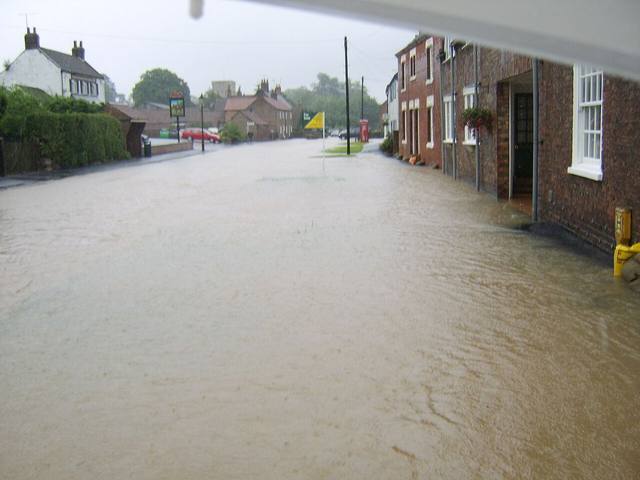
The single most expensive misunderstanding in Oklahoma water claims is the flood exclusion. Water that enters from outside the home, rising water, surface runoff, storm surge in miniature down a Tulsa street, is flood in policy terms, and homeowners policies exclude it regardless of how the water behaved once inside. The Arkansas River and its tributaries, Tulsa County’s mapped flood zones, and the state’s flash flood history mean this exclusion is not theoretical here; the 2019 Arkansas River flooding displaced homeowners minutes from neighborhoods that had never carried flood policies.
Flood coverage lives in a separate policy, through the National Flood Insurance Program or a private flood insurer, with its own rules including a typical 30 day waiting period. The companion pages on this site take the distinction apart in detail, water damage versus flood damage, and the Oklahoma flood insurance page. For this page the takeaway is short: if your only water protection is a homeowners policy, the flood peril is a gap in it, and knowing that on a dry day is the entire point.
After a Water Loss: The Steps That Protect Both Home and Claim
1. Stop the water and start mitigation
Your policy expects reasonable steps against further damage. Extraction and drying begun promptly protect the home and the claim at the same time.
2. Photograph and record before anything is discarded
The source, the water line, the damaged materials, and the serial plates of failed appliances, captured before removal, become the adjuster’s evidence.
3. Notify your insurer promptly
Report the loss as soon as practical, note the claim number, and ask directly what your policy needs from the mitigation file.
4. Read your declarations and endorsements
Deductible, backup endorsement, mold sub-limit, and ALE terms: the four lines that decide your out of pocket and your options.
5. Host the adjuster with documentation ready
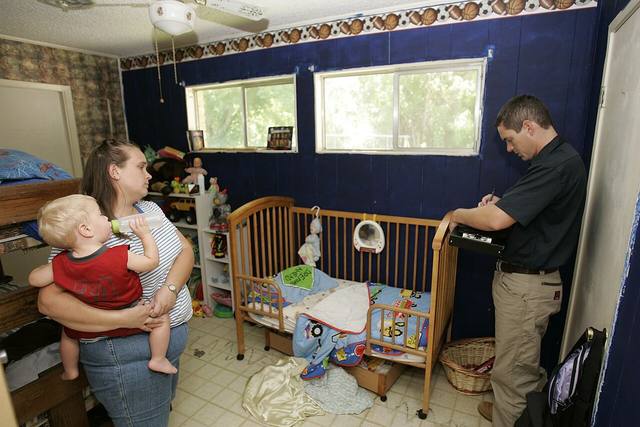
Moisture maps, readings, drying logs, and the line item scope give the visit a factual agenda instead of a tour of a dried house and a memory.
6. Keep every receipt
Mitigation invoices, hotel and meal costs if you are displaced, and repair records complete the file your settlement is calculated from.
Endorsements That Change the Answer: Backup, Mold Limits, and Equipment
Three endorsements do outsized work in Oklahoma claims. The water backup endorsement adds the sewer, drain, and sump overflow peril the base policy excludes, the loss class behind Tulsa sewage and basement claims. Mold limit endorsements raise the sub-limit that otherwise caps remediation on a covered loss. And equipment breakdown coverage, where offered, addresses the appliance and HVAC failures themselves, the ruptured water heater as a machine, separate from the water it released. Each is a renewal conversation with your agent, priced in calm weather, and each exists because the base form’s defaults leave exactly these gaps.
A caution that belongs in every insurance page: endorsements and limits vary by insurer and by policy year, and two policies both called HO-3 can answer the same loss differently. That is why this page, and every page like it, ends at the same place, your declarations page and your agent are the authority on your coverage, and any company that promises you a coverage outcome before reading your policy is guessing with your money.
Oklahoma Specifics: Wind-Driven Rain, Freeze Events, and State Resources
Oklahoma writes its own claim patterns. Storm and tornado losses raise the wind driven rain question: rain entering through a storm created opening, a roof the wind opened, is generally treated differently from rain entering through a pre existing gap, which is one more reason storm damage documentation, dates, photos, the state of the roof, matters in the first day. Freeze events write the other pattern: the burst pipe from a hard freeze is the classic sudden and accidental loss, while the pipe that leaked slowly for a season after thawing is argued as gradual. The same pipe, two timelines, two answers, decided by evidence.
For disputes and questions, Oklahoma homeowners have a regulator built for the purpose. The Oklahoma Insurance Department answers consumer questions, publishes disaster recovery guidance after major storms, and operates a complaint process when a claim stalls. Your agent, your adjuster, and the Department are the three voices with actual authority over your claim; a restoration company’s job is the fourth and humblest one, doing the water work to standard and documenting it so the other three can do theirs.
Sorting out damage and coverage in Tulsa?
Call (918) 578-1166 for the water side of the problem. We document the loss fully, source, footprint, materials, and drying, so your claim file has a complete record to work from, whatever your policy covers.
Water Damage Causes These Pages Apply To
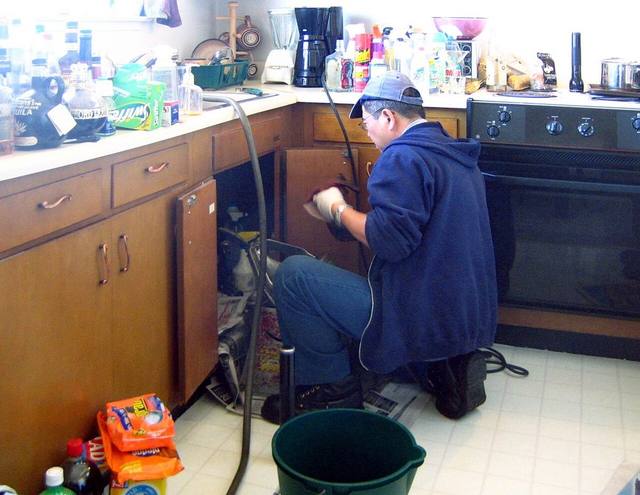
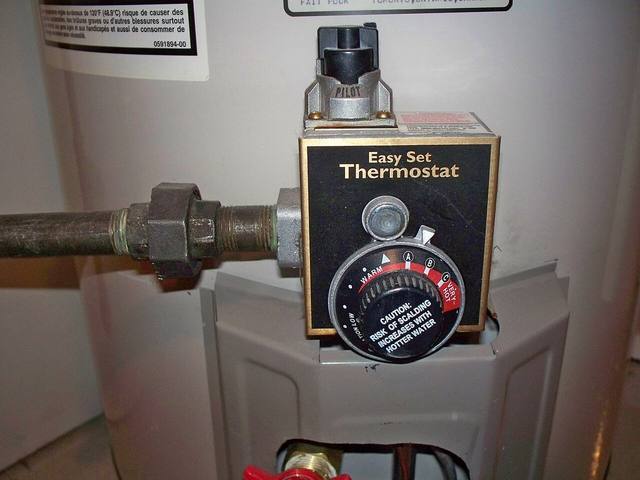
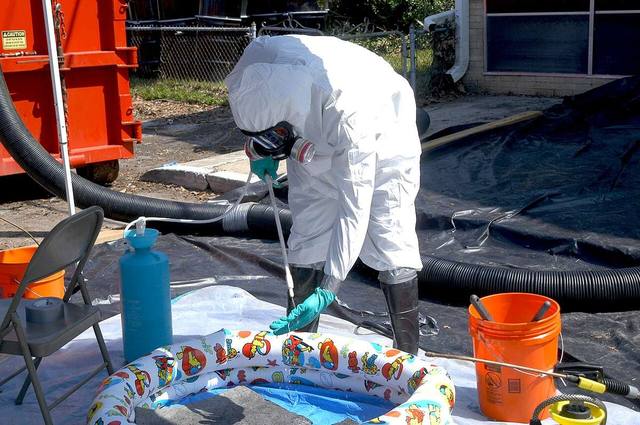
Coverage questions start with causes: a burst pipe and a sewer backup are answered very differently. These pages explain the Tulsa loss types these insurance rules apply to.
Main Water Damage Services in Tulsa
Insurance questions follow the water, and the water work is the restoration sequence itself. These pages cover the emergency, residential, and commercial services these pages support.
More Insurance and Cost Pages
Return to the water damage restoration Tulsa OK home page for the full process, cause, mold, and insurance pages, or start with emergency water damage restoration if water is active right now.
Frequently Asked Questions
Is water damage covered in Oklahoma?
It depends on the source and your policy, and that is the honest general answer for the whole state. The standard pattern in homeowners policies, including Oklahoma HO-3 forms, is that sudden and accidental water discharge from plumbing, appliances, and HVAC systems is generally a covered type of loss, while flooding from outside the home, gradual leaks, and long term maintenance problems are generally excluded or limited. Every clause in that sentence has exceptions that live in your specific policy, its endorsements, and its exclusions, so treat any general explanation, including this page, as a map for reading your own policy and talking to your agent or adjuster, never as a coverage decision.
What is excluded from homeowners water damage coverage?
The recurring exclusions and limits in typical policies: flood and surface water entering from outside, which belongs to flood insurance; gradual damage, the slow leak that ran for months, because policies cover sudden events, not deterioration; sewer and drain backup, unless you carry the specific endorsement for it; mold as a standalone peril, often capped by a sub-limit even when the water event behind it is covered; and damage from neglected maintenance. The Oklahoma Insurance Department publishes consumer guidance on exactly these distinctions, and your declarations page and endorsements list what your policy actually includes.
Do I need approval before starting cleanup?
Generally, no, and waiting can hurt you twice. Policies typically require you to mitigate, to take reasonable steps to prevent further damage, which for water means extraction and drying started promptly, and they require prompt notice of the loss. Starting mitigation before the adjuster visits is normal and expected; what you should not do before documentation is throw away damaged materials or complete repairs that erase the evidence. Photograph everything, keep removed material samples where practical, save receipts, and notify your insurer as soon as you can. The adjuster prices the loss from the documentation, and a dried, documented home gives them more to work with than a wet, undocumented one.
What is a sewer backup endorsement, and do I need one?
It is an optional add on that addresses water or sewage that backs up through drains, sewers, or a sump system, a peril the base policy typically excludes. In Tulsa, with aging laterals, clay soil, and root intrusion, backup events are a realistic loss class, and the endorsement is usually inexpensive relative to the damage a single backup causes. Whether you need one is a risk decision for you and your agent, but it should be a decision, made by reading your policy, not a discovery made standing in a flooded bathroom. Check your declarations for water backup or sewer backup language today, before the question is urgent.
What are mold sub-limits?
Many policies cap what they will pay for mold related work at a set amount, the sub-limit, even when the water event that caused the mold is a covered loss. Sub-limits vary widely by policy and insurer. The practical effect: on a loss with significant mold, the water mitigation may be treated under the main coverage while the remediation runs into the cap. Reading your policy for a mold or fungi limit is a two minute job that prevents a very unpleasant surprise, and your agent can tell you whether higher limits are available at renewal.
What is additional living expense coverage?
Additional living expenses, often called ALE or loss of use, is the part of many homeowners policies that addresses the extra cost of living elsewhere, hotel, meals, laundry, when a covered loss makes the home uninhabitable during repairs. Whether your loss qualifies, what counts, and the limits and time frames all come from your policy, and receipts are essential. Ask your adjuster about it early if a loss displaces you; it is a benefit many homeowners underuse simply because nobody mentioned it while they were paying hotel bills out of pocket.
One call starts the cleanup and the paperwork.
Talk to a local Tulsa dispatcher now. You will get clear next steps, a real arrival plan, and documentation from the first visit.