Tulsa, OK - 24/7 Emergency Service
Category 1, 2, and 3 Water Damage Explained
Every professional water damage job starts by answering one question before all others: what kind of water is this? The IICRC framework sorts water into three categories by contamination, and that single classification quietly decides the protective equipment, the cleaning steps, and which materials get dried and which get removed. Here is the system, in plain language.
- Category is about contamination, not volume or drama
- Water can be promoted: clean water that sits or travels can arrive dirtier
- The category decides what is dried, what is cleaned, and what is removed
These guides follow the same process used on Tulsa jobs: stop the source, extract, dry to measured goals, and document everything.
First, a Different Word: Categories Are Not Classes
The framework, from the IICRC S500 standard, actually sorts a loss two ways, and mixing them up causes endless confusion, so let us separate them cleanly. Category describes the water’s contamination: how dirty it is. Class describes the job’s size and difficulty: how much material is wet and how hard it will be to dry. This article is about category, the contamination ladder, because category is the one that governs health protocol and what happens to your materials. You may hear both numbers on a real job, something like “Category 2, Class 3”, and now you know the sentence’s grammar: dirty water, big job.
Category 1: Clean Water
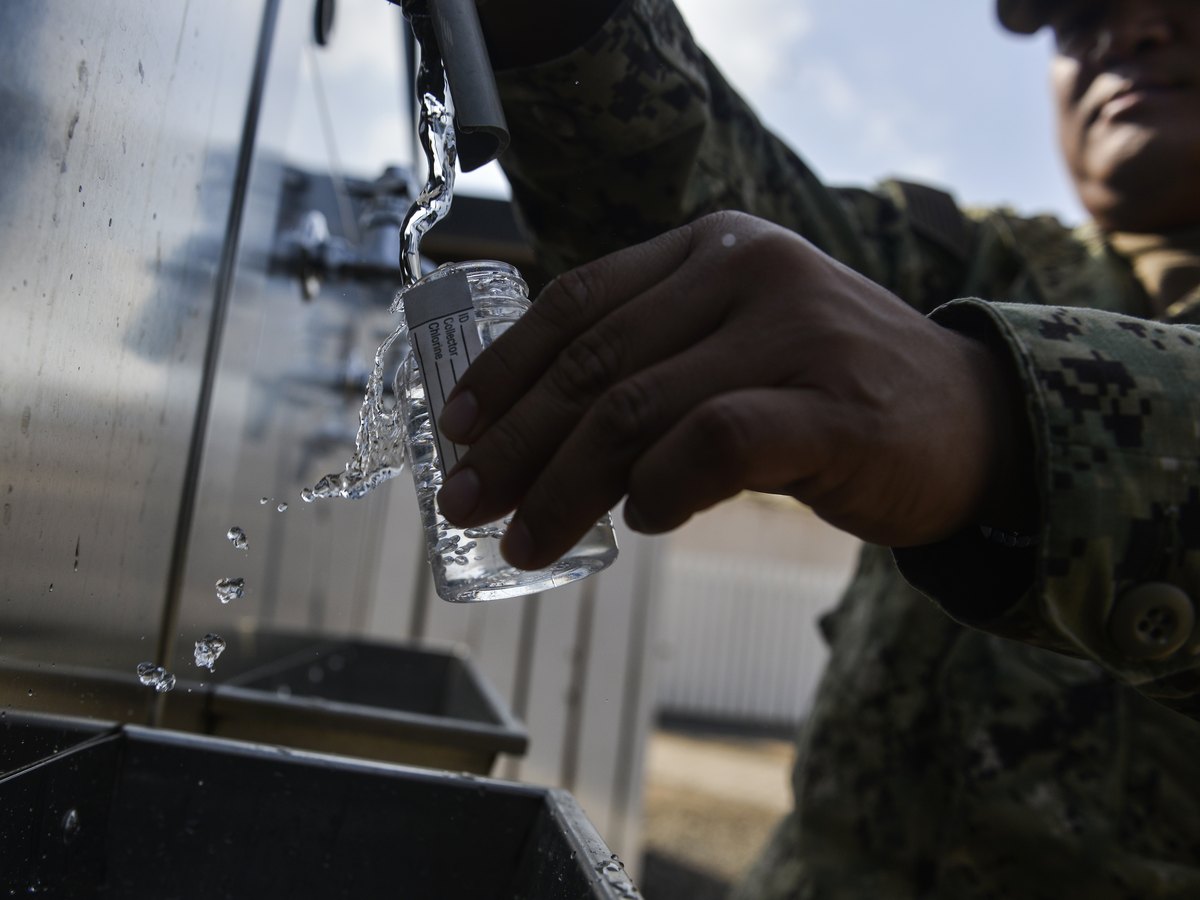
Category 1 is water from a sanitary source that has not yet been degraded by contact with materials or time: a broken supply line, a failed water heater tank, rain entering directly, an overflowing sink filled from the tap. It poses no substantial health risk as it arrives. The working protocol follows from that: extraction and drying proceed without disinfection theater, materials are evaluated for drying in place on their merits, and carpet, drywall, and framing are routinely saved when the response is quick. Category 1 is the baseline of the industry, the loss where speed and good drying save the most, because the water itself brings nothing to the fight except volume and time. Note the two qualifiers in this paragraph, though: “as it arrives” and “sanitary source”. Category 1 has a shelf life and a travel problem, and both appear below.
Category 2: Grey Water
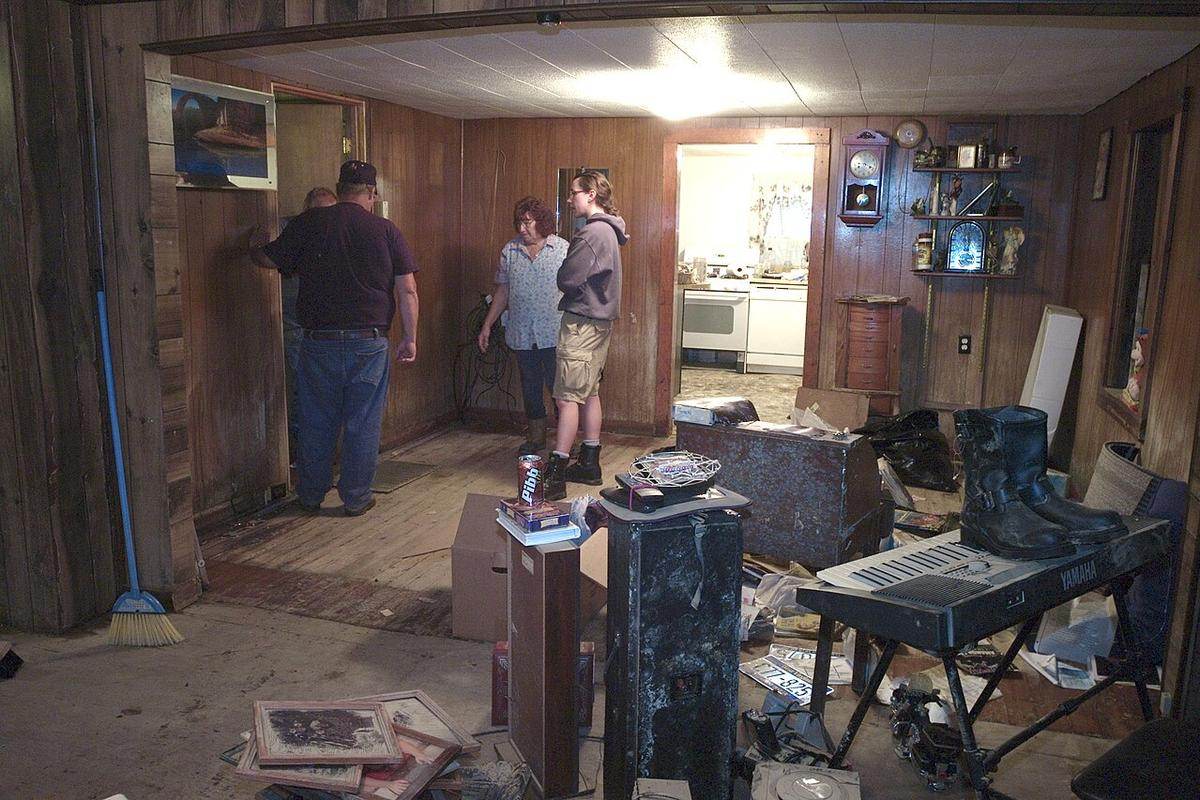
Category 2 water carries significant contamination, chemical, biological, or physical, enough that exposure can cause discomfort or illness. Its sources are the worked water of a house: washing machine and dishwasher discharge, toilet water from the tank or with urine, sump and foundation water that has traveled through soil and building assemblies, and aquarium and waterbed failures. It also includes an important promotion: Category 1 water that has passed through building materials, sat long enough to begin microbial growth, or mixed with the contents of a structure is handled as Category 2, because the water being extracted is no longer the water that left the pipe. Protocol tightens accordingly: cleaning and antimicrobial treatment join extraction and drying, porous materials that absorbed grey water are judged more skeptically, and technicians work with protective equipment matched to the exposure.
Category 3: Black Water
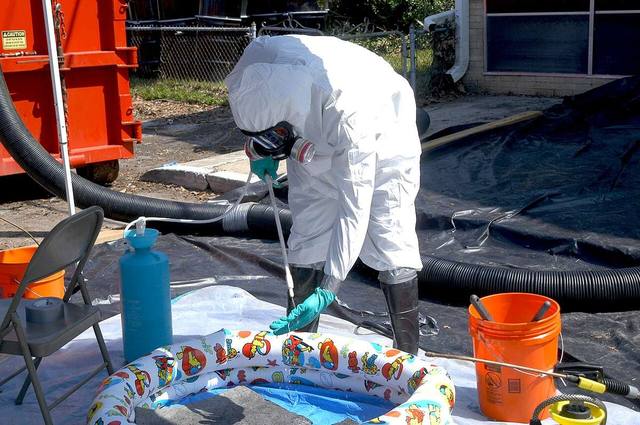
Category 3 is grossly contaminated water: sewage, toilet backflows involving feces, rising flood water from rivers and streams, and standing water that has supported microbial growth beyond grey levels. It can carry bacteria, viruses, parasites, and chemical contaminants, and the framework treats it with the seriousness that list deserves. The protocol differences are stark and non negotiable in character: full protective equipment, containment of the affected area, disposal rather than drying of porous materials the water touched (carpet, pad, drywall, insulation, upholstered contents), disinfection of the salvageable structure, and verification before the space returns to use. Sewage work on this site is its own service page precisely because Category 3 is its own discipline. One promotion rule matters most here: any water, however clean at the source, that stands long enough to grow a mature microbial community is managed upward, which is why “it was just a little clean leak” stops being a comfort at week three.
Why Category Decides Your Materials’ Fate
Walk the ladder with one material, say the carpet and pad in a living room, and the system stops being abstract. Category 1, caught early: extract, lift, dry pad and carpet in place or with the pad replaced, verify, done, the carpet survives. Category 2: the pad is usually sacrificed, the carpet is cleaned, treated, and dried with judgment, and its survival is a genuine question answered by how much it absorbed and how long it sat. Category 3: both are removed and disposed of, because no cleaning restores a porous material that sewage has penetrated to a standard anyone should walk barefoot on. Multiply that logic across drywall, insulation, cabinets, and contents and you have seen the whole economics of the subject: category, set honestly on day one, is what separates a dry out from a tear out, and time is the force that keeps pushing jobs up the ladder.

Who Assigns the Category, and How to Check Their Work
The category is assigned by the restoration professional at assessment, based on the source, the water’s path, elapsed time, and conditions found, following the S500 framework. It is a judgment, but a documented one: a good file states the source, the reasoning, and any promotion applied, and the scope of work then follows visibly from that reasoning. You are entitled to hear it in plain language on your own job: ask what category was assigned, why, and what that means for each material in the room. A company that can answer those three questions clearly is working from the framework. A company that cannot is improvising with your house as the experiment, and probably with your claim file as well.
Reading about it is step one. Drying is step two.
If this article describes your house right now, call (918) 578-1166. We extract, dry, and document the loss, and the record we build is the one your insurer will ask for.
Go Deeper: Tulsa Pages Behind This Article
Each article on this blog stands on the service, cause, and help pages below. Read the article first, then open the page that matches your situation.
More From the Tulsa Water Damage Blog
Back to the Tulsa water damage blog index, the water damage restoration Tulsa OK home page, or emergency water damage restoration if water is active right now.
Frequently Asked Questions
Rain coming through my roof: which category is that?
Rain itself starts as clean water, but category follows the whole journey, not just the source. Roof water that passes through decking, insulation, and an attic, spaces that can carry dust, debris, and the residue of anything stored or living up there, is often handled as Category 2 by the time it reaches your ceiling. The crew makes that call from the path and conditions at assessment, and it mainly affects cleaning steps and how cautiously materials are handled, not whether the ceiling needs drying: it does.
My washing machine overflowed. Is that grey water?
In practice, yes: laundry water carries detergents and whatever the load brought with it, which places it in Category 2 territory for handling purposes. Dishwasher discharge gets the same treatment. The practical differences from a clean supply leak are the cleaning and antimicrobial steps, a closer look at porous flooring that absorbed it, and honest judgment about carpet and pad that took a load of detergent and soil. It is not sewage protocol, but it is not treated as drinking water either.
Can a homeowner handle a small Category 1 loss themselves?
A genuinely small one, yes, with three conditions: the source is stopped and known, the water touched only hard, non porous surfaces or a small area of carpet that can be dried completely and quickly, and drying is verified dry, not assumed dry, within about a day. The failure mode to respect is the hidden reservoir: water under flooring and inside the wall base does not care how small the visible spill was. If the area smells musty after your best effort, or the floor feels different, the loss has outgrown the towels; call for a moisture reading and know for sure.
Why does the category matter to my insurance claim?
Because scope follows category, and claims are evaluated against scope. A file that records the source and the reasoning behind the category assigned explains why certain materials were removed and disinfection was performed, which are exactly the line items an adjuster questions on grey and black water jobs. When the category is right and the reasoning is written down on day one, the work reads as protocol. When it is invented later, it reads as padding. Ask any company you hire how they will document the category decision on your job.
One call starts extraction and drying.
Talk to a Tulsa dispatcher now. You will get clear next steps and documentation from the first visit.