Tulsa, OK - 24/7 Emergency Service
What Happens When You Delay Water Damage Cleanup
Water damage is one of the few household problems with a clock built into it, and the clock does not care about weekends, work trips, or good intentions. This article runs the timeline forward honestly: what the first hours hold, what the first days change, and the point at which a drying job quietly becomes a mold job and then a rebuilding job.
- Hours: water is still traveling, and everything it reaches joins the job
- Days: swelling, odors, and the mold clock all start on schedule
- Weeks: materials cross from dryable to disposable, and costs follow
These guides follow the same process used on Tulsa jobs: stop the source, extract, dry to measured goals, and document everything.
The First Hours: Water Is Still Moving
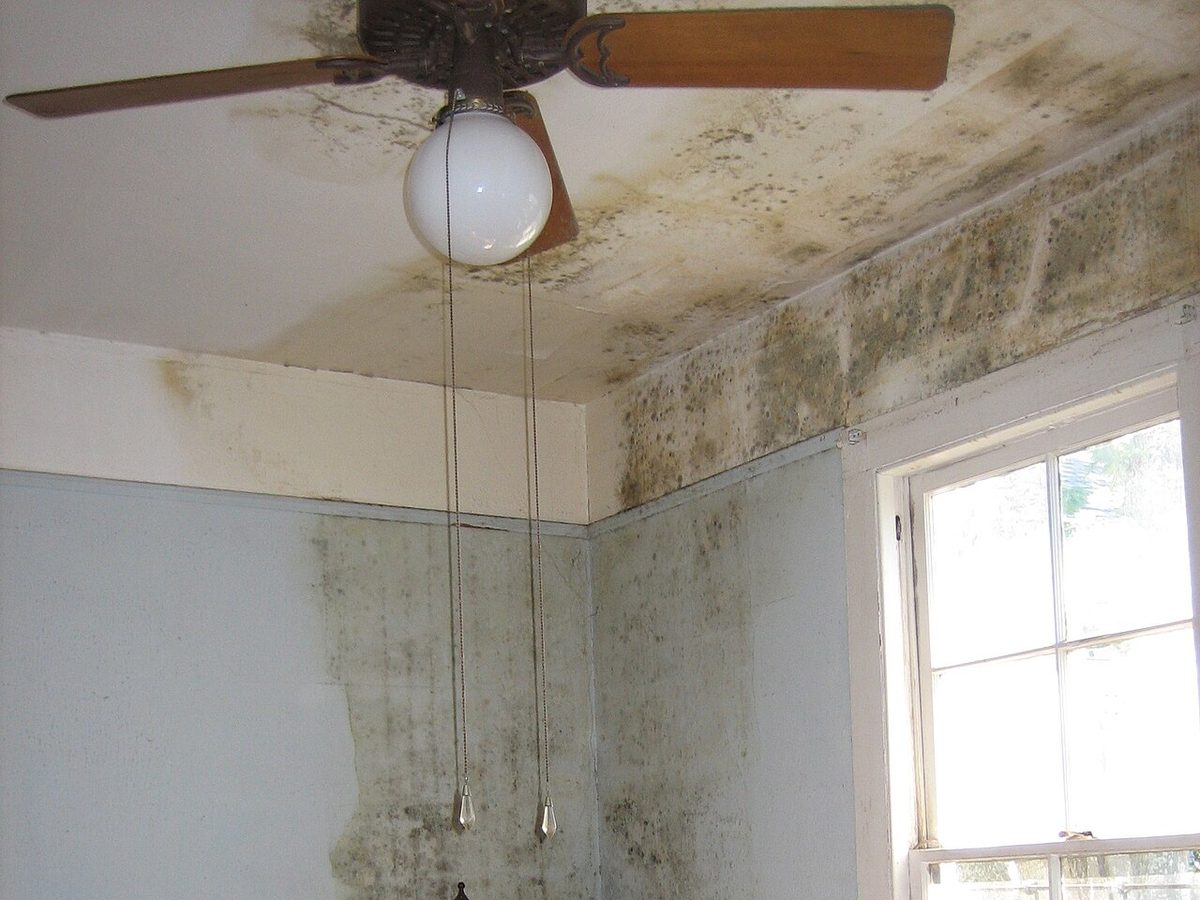
A water loss is not a state; it is a process, and in its first hours the process is expansion. Gravity pulls water down through floor systems and ceilings, capillary action pulls it sideways and upward into drywall, framing, and pad, and every material it reaches quietly joins the scope of work. This is the phase where the job is still small, often surprisingly small: the source can be stopped, the standing water is all reachable, surfaces have not yet swelled, and nothing biological has started. It is also the phase that expires fastest. Nearly everything expensive in the rest of this article is the first hours, left running.
Days One to Three: Swelling, Odor, and the Mold Clock
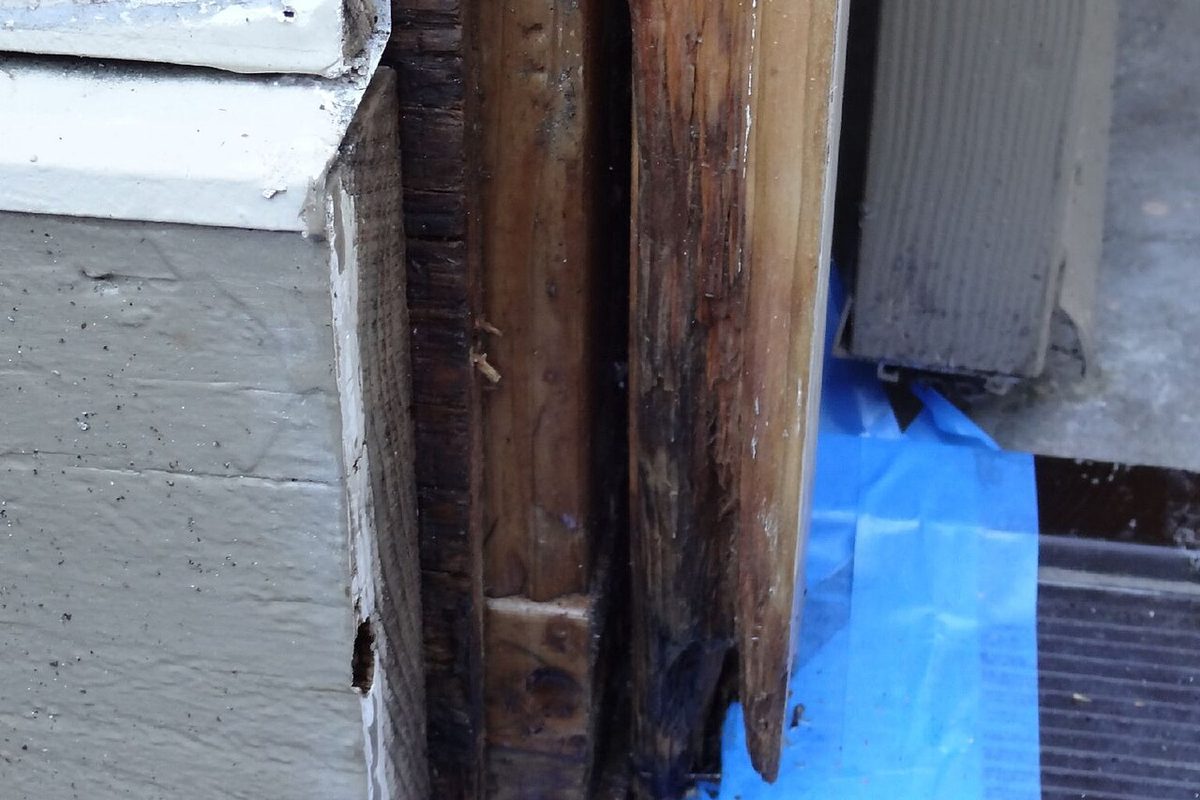
By the second day, materials begin answering back. Wood flooring cups as its underside loads with moisture; engineered products swell at the seams; drywall softens and its paper face becomes a food source; particleboard and MDF, the cores of most modern cabinets and much furniture, swell irreversibly and do not come back when dried. The microbial clock is the serious entry in this window: mold spores are everywhere already, in every house, waiting only for moisture and food, and on wet drywall and wood, colonization begins within roughly one to two days. Nothing may be visible yet. That is the trap in this phase: the room can look like a drying problem while, inside the wall, it is becoming a remediation problem.
Week One and Beyond: From Drying Job to Remediation Job
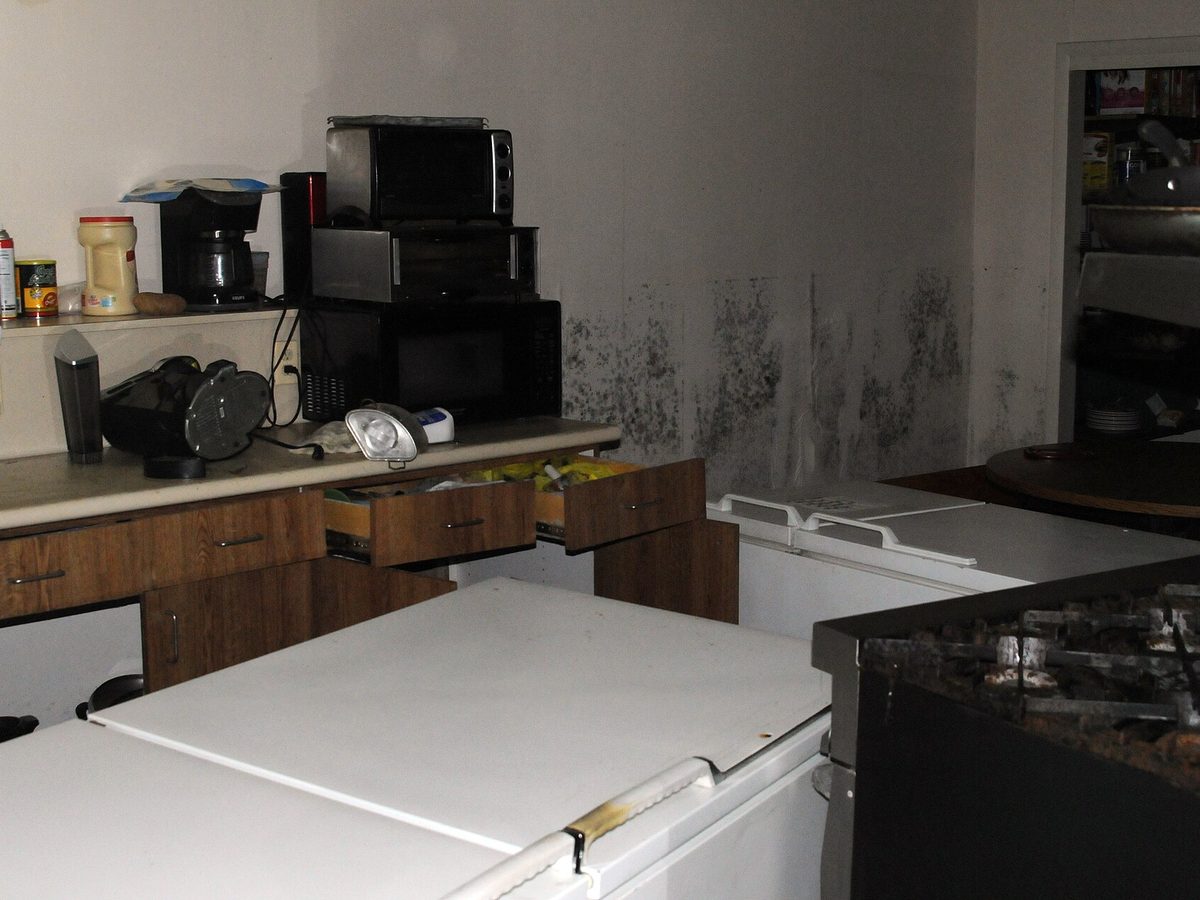
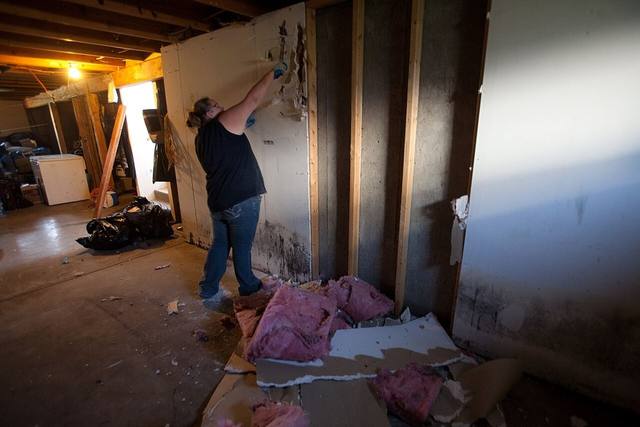
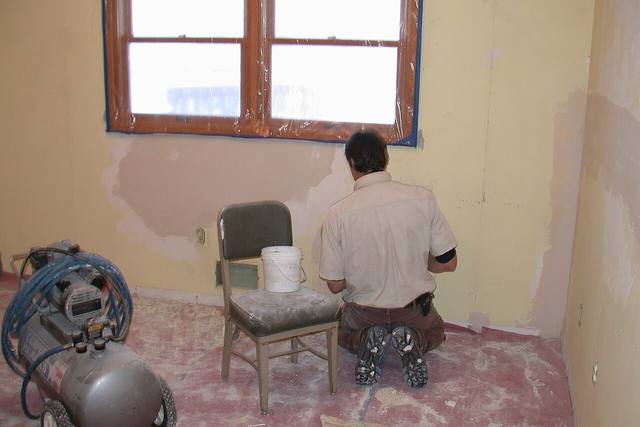
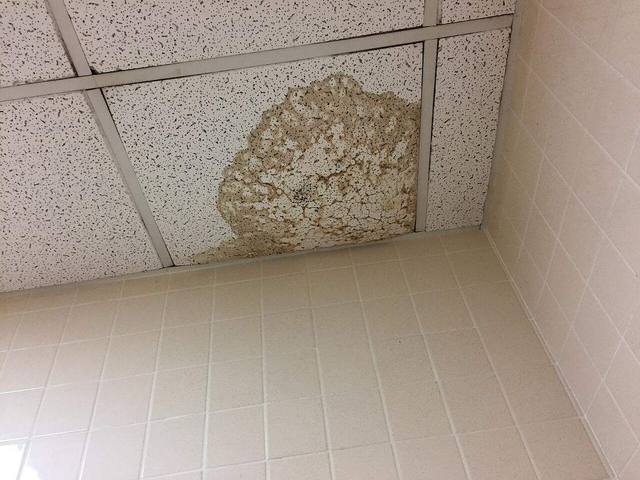
Pass a week with assemblies still wet and the job’s identity changes. Visible mold appears on surfaces near the source and inside cavities; odors set in as colonies mature; clean water losses get promoted in category as the water itself degrades, which expands protocol and disposal. Materials continue their one way journeys: hardwood that might have been saved with specialty drying in week one is now a refinishing question or a replacement; swollen cabinetry and laminate do not recover; subfloors that stayed wet begin to delaminate and, over longer periods, to rot. The restoration has quietly become three jobs, mold remediation, demolition of the unsalvageable, and then drying of what remains, with a repair phase behind it that did not exist on day one. Insurers, reading the file, ask the reasonable question of when the loss was discovered and what was done then, which our insurance article explains from their side of the table.
The Costs Nobody Photographs
The visible invoice grows, but delay bills in other currencies too. Indoor air degrades as colonies inside cavities share their output with the rooms people breathe in, which matters most for children, older adults, and anyone with asthma or allergies. The house becomes harder to live in as the affected zone expands from a room to a floor plan. Belongings stored anywhere near the loss, the closet floor, the boxes in the basement corner, join the casualty list through wicking and humidity alone. And there is a documentation cost: the later the first dated photograph, the weaker the file, because a claim, a dispute with a seller or landlord, or a simple honest reconstruction of events all run on evidence that only exists if somebody created it near the beginning.
When Waiting Is Understandable, and What to Do Anyway
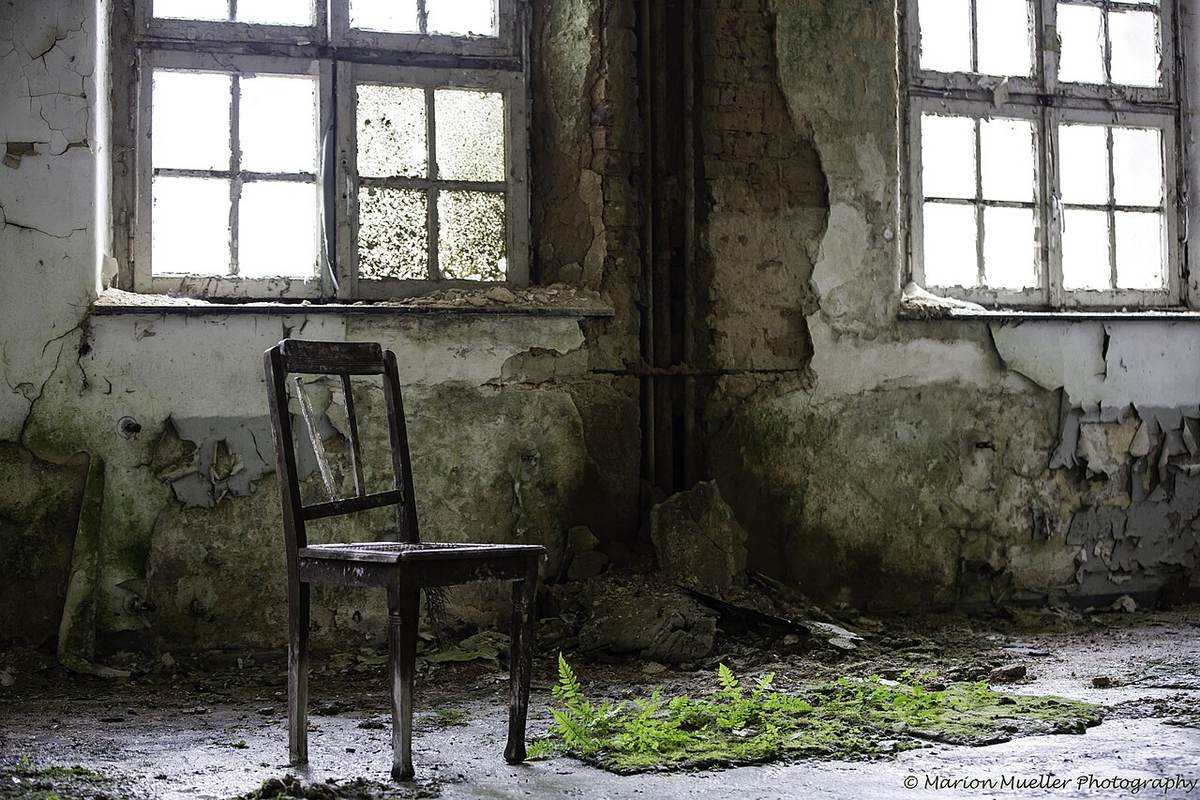
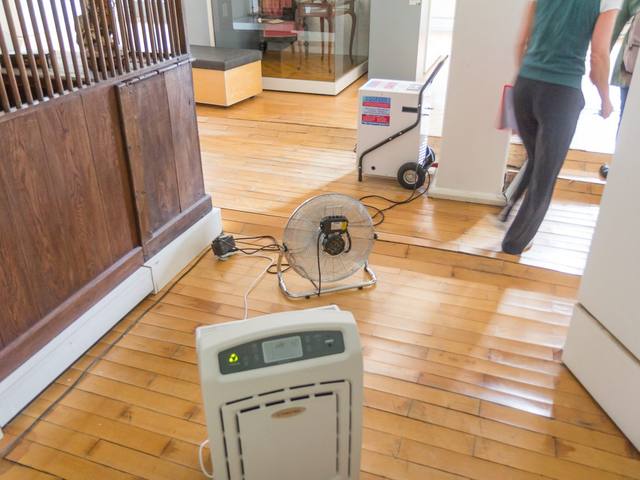
People delay for real reasons: the loss is discovered at the worst hour, the money is genuinely not there this month, the property is a rental or an estate or a second home an hour away, or the leak seemed too small to summon professionals over. This article is not written to scold any of that. It is written so the decision is made with the clock visible. If you must wait, shrink the damage while you do: stop the source with certainty, extract what water you can reach, get air moving across the wet area, photograph everything with dates, and record the day you found it. Then call with the truth about the timeline; a restoration company would rather plan honestly for a week old loss than discover a month old one mid job. The clock cannot be stopped once water is in. It can only be answered, and the cheapest answer is always the earliest one available to you.
Reading about it is step one. Drying is step two.
If this article describes your house right now, call (918) 578-1166. We extract, dry, and document the loss, and the record we build is the one your insurer will ask for.
Go Deeper: Tulsa Pages Behind This Article
Each article on this blog stands on the service, cause, and help pages below. Read the article first, then open the page that matches your situation.
More From the Tulsa Water Damage Blog
Back to the Tulsa water damage blog index, the water damage restoration Tulsa OK home page, or emergency water damage restoration if water is active right now.
Frequently Asked Questions
It has already been a week. Is it too late to bother calling?
No. It is later than ideal, and the job will be bigger than it was on day one, but it will never be smaller tomorrow than it is today. A week old loss usually means the assessment needs to look for mold as well as moisture, and some materials that could have been dried are now removal candidates. Call anyway. The most expensive version of any water loss is the one assessed last, and every day from now still moves the total in the same direction.
I dried it with fans myself and it feels dry. Am I fine?
Maybe, and the honest way to know is a moisture reading. Surfaces dry faster than cores: carpet face, drywall face, and floor tops can all feel dry while the pad, the subfloor, and the wall cavity behind them stay wet for weeks, quietly feeding mold. A quick meter check of the assemblies involved is cheap certainty either way. If readings come back at the dry standard, your fans did the job and you have the numbers to prove it. If they do not, you have caught the hidden remainder while it is still a drying problem rather than a mold problem.
We are going on vacation. Can the damp bathroom wait until we return?
It can wait the way a dripping tap can wait: the house will stand, and the bill will grow. If the source is stopped, the area is genuinely small, and the trip is short, the realistic risk is mold establishing in the cavity and a bigger scope on your return. If the source is not certainly stopped, do not leave: shut the water off to the fixture or the house, and if you cannot verify the stop, this is a call before the airport, not after the trip. Water and empty houses are the combination behind a large share of the worst losses we describe on this page.
Does delay affect my insurance claim too?
It can. Policies expect you to act to prevent further damage, a duty described in our insurance article, and losses that visibly grew during a long unexplained wait give insurers an argument about which portion of the damage they are responsible for. Documentation helps here as well: if circumstances genuinely prevented a faster response, a file that shows discovery dates, your mitigation steps, and prompt filing keeps the story straight. Waiting silently and undocumented is the worst position; waiting with a record and a call history is a defensible one.
One call starts extraction and drying.
Talk to a Tulsa dispatcher now. You will get clear next steps and documentation from the first visit.