Tulsa, OK - 24/7 Emergency Service
Mold Remediation Tulsa OK
Remediation is controlled removal, not spraying and hoping. We isolate the work area, remove affected material under negative air and HEPA filtration, fix the moisture behind it, and verify the result with testing.
- Scope written against the IICRC S520 standard
- Sealed containment under negative air pressure
- HEPA air scrubbing and HEPA vacuum cleaning
- Clearance testing available, including third party verification
In Tulsa humidity, mold can begin growing within 48 to 72 hours of a water loss. Drying to measured goals is what keeps a water job from becoming a mold job.
What Mold Remediation Means, and What It Does Not
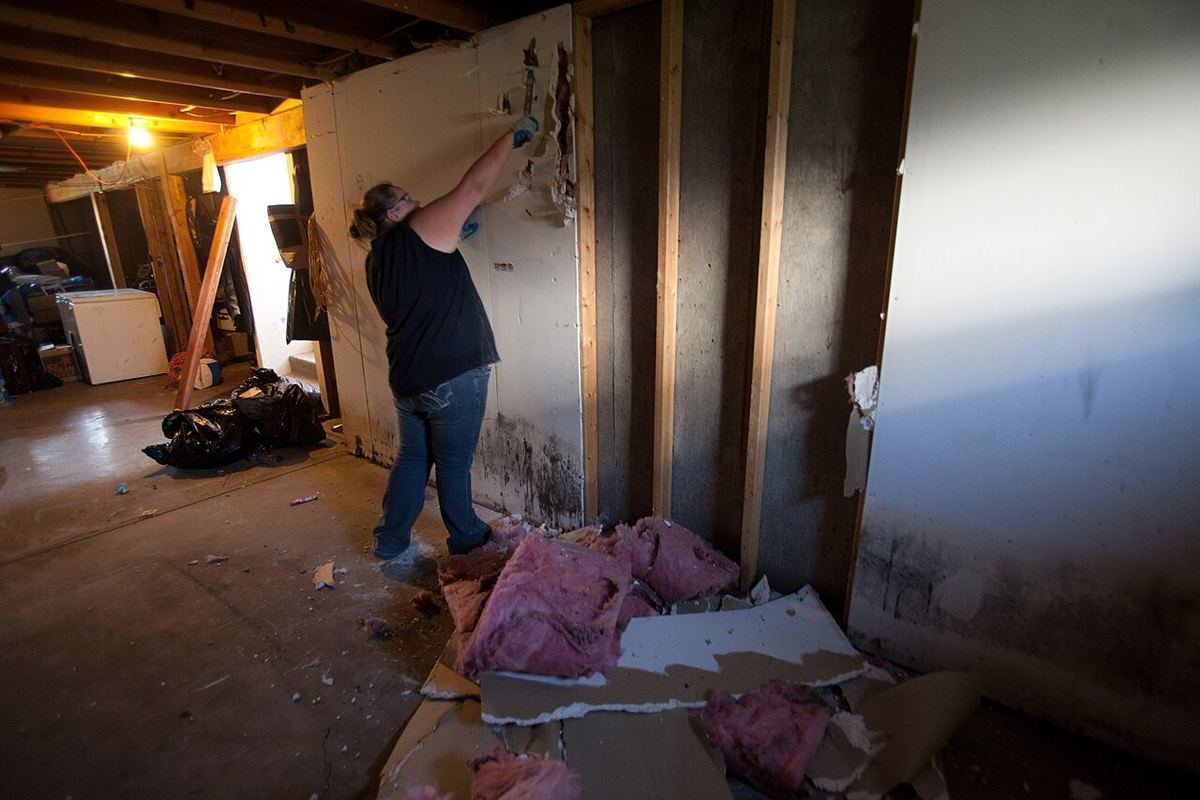
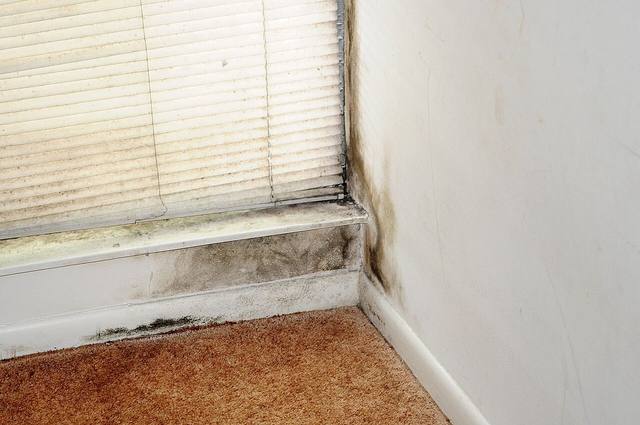
Remediation is the physical correction of a mold problem: the moisture source is stopped, affected materials that cannot be reliably cleaned are removed, surfaces that remain are cleaned to a verified standard, and the air in the work zone is filtered throughout. It follows the IICRC S520 standard, which grades indoor conditions from normal ecology through settled spores to actual growth, and matches the response to the condition found. The output is not a smell or a promise; it is a space whose materials and air test like a normal indoor environment again.
What remediation is not matters just as much. It is not fogging a room with a chemical and calling the spores dead; dead spores left in place are still allergenic debris and still evidence of an uncorrected moisture problem. It is not bleach on drywall, which cannot reach growth inside the paper and gypsum and adds water to a material that needs the opposite. And it is not paint: encapsulant coatings have a narrow legitimate use on cleaned structural surfaces, but coating over active growth seals the problem in to keep growing behind the film.
Containment and Negative Air: Keeping the Problem in One Room
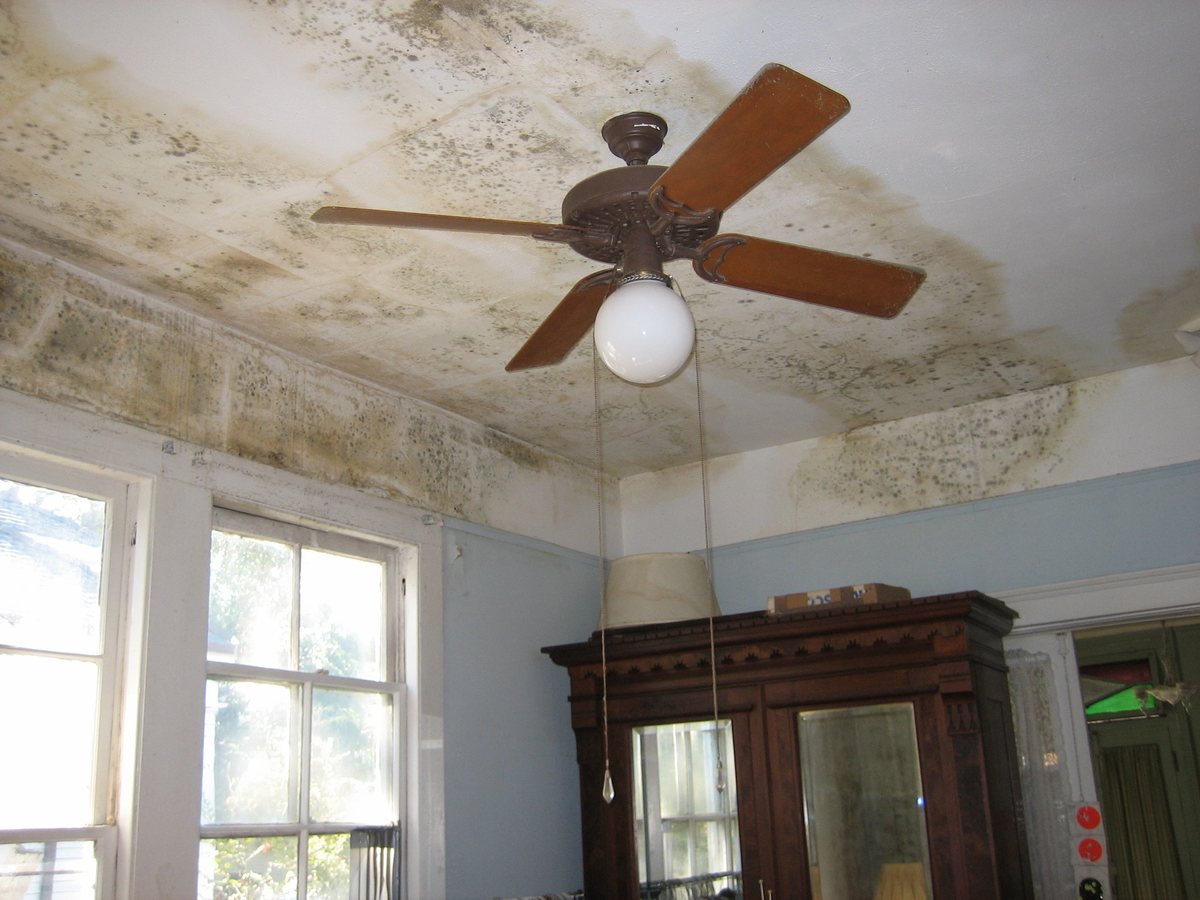
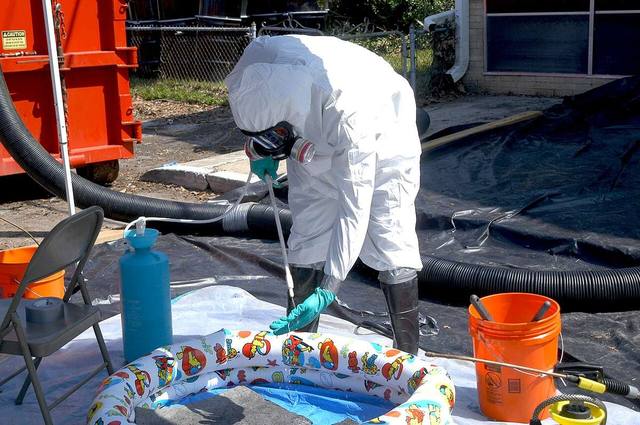
Cutting into a moldy wall releases spores by the millions, so the first structure built on a remediation job is not a tool, it is the containment: polyethylene sheeting sealed over openings, doorways, and vents, with a zippered entry and, on larger jobs, an airlock. Inside it, HEPA equipped air scrubbers exhaust filtered air out, keeping the containment under negative pressure so any leakage flows inward, toward the work, never out into the home. The containment stays up until final cleaning and verification are done.
Occupied Tulsa homes make containment planning local. Work in a Midtown bungalow with one bathroom is a different logistics puzzle from a south Tulsa two story with an open plan, and summer work has to respect that sealing a room in Oklahoma heat changes how the project is staged and ventilated. The plan you approve shows the containment footprint, the access path for material leaving the house, and how the rest of the home stays usable during the work.
Removal, Cleaning, and the Materials Decision
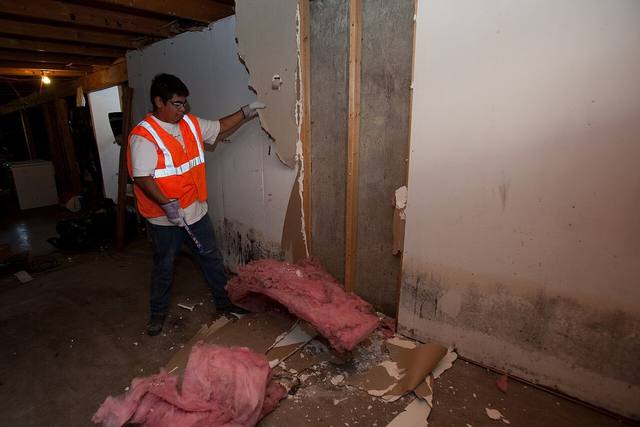
Porous materials with established growth, drywall, insulation, carpet and pad, ceiling tile, upholstered contents that cannot be cleaned, come out. They are bagged inside containment and leave by the planned path, because the point of removal is defeated if contaminated debris tours the house on its way to the door. Semi porous structural wood is cleaned by HEPA vacuuming, damp wiping, and abrasion where growth has anchored, then treated and dried. Non porous surfaces, glass, metal, sealed fixtures, clean reliably and stay.
Each material call is made against S520 criteria and documented in the scope: what comes out, what is cleaned in place, and why. That documentation is what an insurer, a buyer, or a clearance inspector later reads, and it is also your protection against the two failure modes of this trade, demolition that removes more than the evidence justified, and cosmetic work that removes less.
The Moisture Source: The Step That Decides Whether Remediation Lasts
Every remediation scope we write has a moisture section before the mold section, because the colony is the symptom. The source may be active, a supply line weeping inside the remediated wall, a condensate drain overflowing above the ceiling, groundwater entering a crawl space, or it may be a corrected event whose damage simply never dried. If it is active, it is repaired or referred for repair, and the cavity is dried to verified readings before anything is closed or cleaned for the last time.
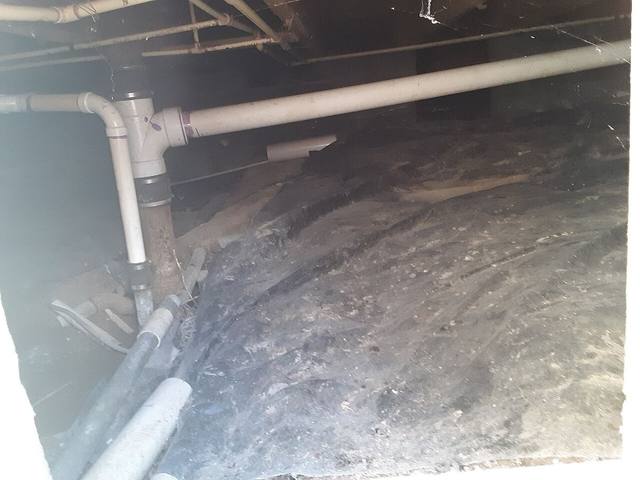
Tulsa adds a background moisture load other cities do not. Even with no leak at all, a vented crawl space in August or a basement wall against saturated clay can hold materials at growth supporting moisture for months. Where the source is the building and the climate rather than a pipe, the scope says so and the fix is structural: drainage, vapor barrier, dehumidification, the unglamorous work that keeps the remediation result permanent.
How the Work Proceeds, Step by Step
1. Assessment and written scope
Inspection findings, moisture readings, and any lab results are converted into a scope: containment plan, materials to remove, materials to clean, moisture corrections, and the verification method.
2. Moisture source correction
Active leaks are repaired or scheduled with the appropriate trade, and wet materials are dried, because remediation over a live source is work scheduled to be redone.
3. Containment and negative air setup
The work area is sealed in polyethylene with controlled entry, vents protected, and HEPA air scrubbers establish negative pressure before any material is disturbed.
4. Removal of affected materials
Porous materials with established growth are cut out in measured sections, bagged inside containment, and removed by the protected path out of the home.
5. HEPA cleaning of the work area
Remaining surfaces are HEPA vacuumed, damp wiped, and where framing is affected, cleaned by abrasion, working from the cleanest surfaces toward the dirtiest, then the whole containment is detail cleaned.
6. Drying verification and antimicrobial treatment
Framing and cavities are read against dry standards, and cleaned surfaces receive antimicrobial treatment where the scope calls for it.
7. Clearance evaluation and containment teardown
A post remediation visual evaluation, plus clearance sampling where scoped, including third party options, verifies the result before containment comes down and the area returns to normal use.
Remediation in Crawl Spaces, Basements, and HVAC Systems
The three hardest Tulsa remediation environments share one trait: they feed the rest of the house. A crawl space colony seeds air that stack effect pulls upward into living rooms. A basement colony sits against ductwork and cold air returns. Growth inside an air handler or duct system distributes spores mechanically every time the fan runs. Each of these scopes gets its own containment logic: crawl spaces are isolated at the access and worked under negative air exhausted outside, basements are zoned so storage and mechanicals are protected, and HVAC work coordinates cleaning of the affected components with the remediation of the room that fed them.
These are also the environments where Tulsa humidity fights the schedule. A crawl space dried in a wet Oklahoma spring re-wets from the soil unless a vapor barrier and drainage are part of the same project, which is why our crawl space and basement scopes quote the moisture correction alongside the removal instead of selling the removal alone and meeting you again next season.
What Remediation Costs Depend On
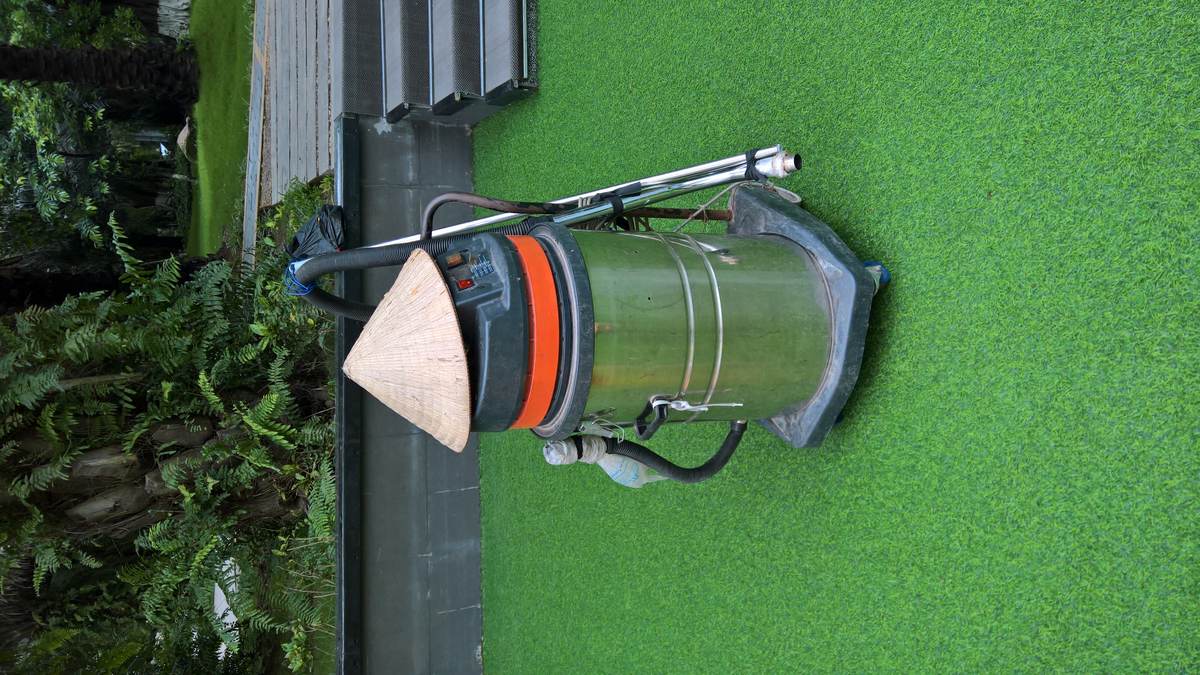
General information only: remediation pricing follows the scope variables, the square footage under containment, the materials coming out, access difficulty (an open basement wall versus a finished kitchen), whether the HVAC system is involved, and the verification level chosen. A small contained bathroom project and a whole crawl space differ by an order of magnitude, which is why telephone numbers for remediation are fiction until the assessment is done.
What you can expect from us is a written scope priced line by line against the findings, with the moisture correction shown separately so you can see what is removal, what is repair, and what is prevention. If the scope grows because opening a wall reveals more than the inspection could see, that conversation happens with photographs before the extra work, not after it on the invoice.
After Remediation: Keeping the Space Clean
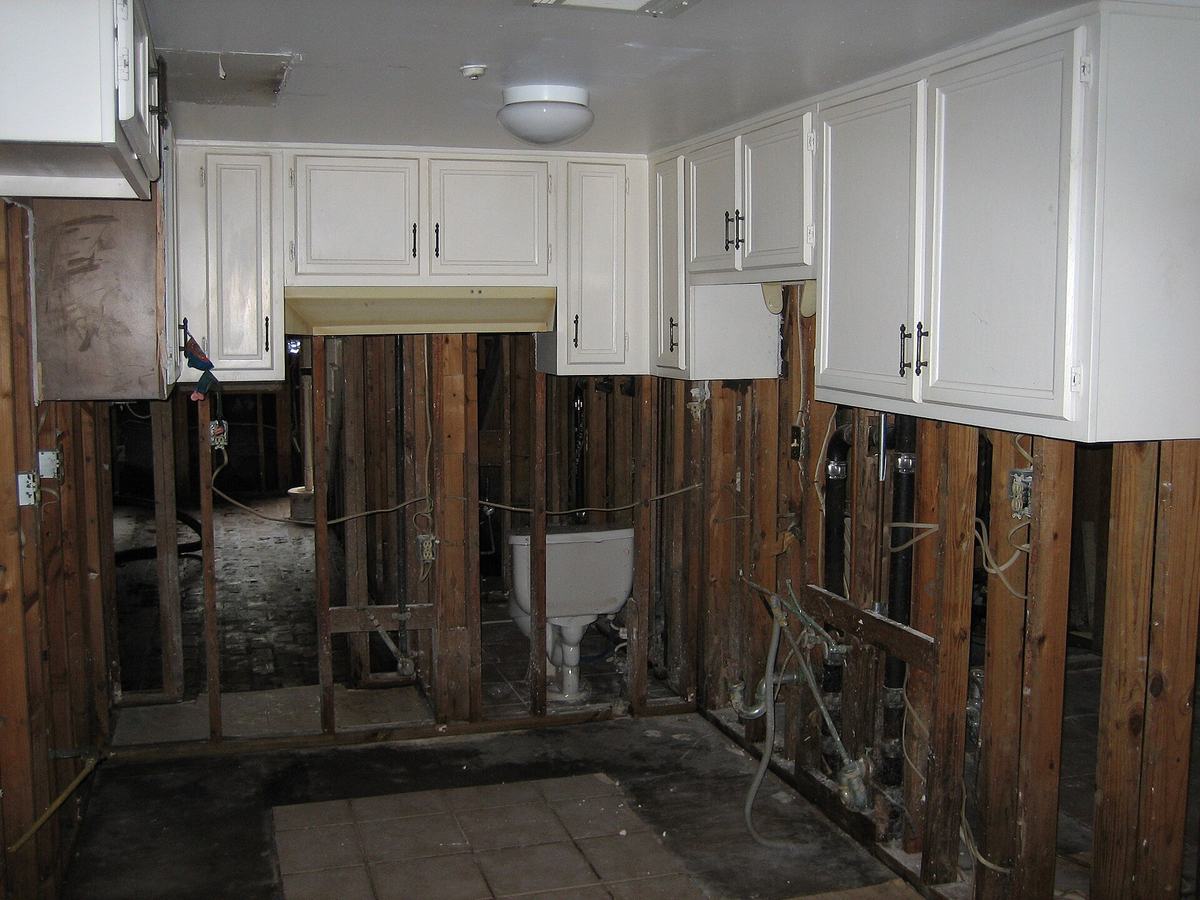
The handover includes the readings and results, the moisture corrections made, and the conditions to maintain: indoor humidity in a normal range, exhaust fans used in baths and laundry, gutters and grading kept up so the foundation stays drier, and prompt attention to any new leak, because a fast response to the next water event is what keeps a remediated home from needing the service twice.
Reconstruction, the drywall, paint, and flooring that follow removal, is sequenced after clearance, never before it. If we are rebuilding the area we coordinate it; if your own contractor is, your project file, scope, readings, and clearance results, gives them a clean, documented starting point.
Dealing with mold in Tulsa right now?
Call (918) 578-1166 and a local dispatcher will talk through what you are seeing, where the moisture is coming from, and the safest next step for your home or business in Tulsa County.
Water Damage Causes Behind Mold Problems
Remediation scopes start from the water events that grew the mold. These cause pages cover the Tulsa leaks and floods behind most remediation calls.
Other Mold Services in Tulsa
Return to the water damage restoration Tulsa OK home page for the full process, cause, mold, and insurance pages, or start with emergency water damage restoration if water is active right now.
Frequently Asked Questions
How long does mold remediation take?
Most residential projects run two to five days of on site work, and the variables are scope, not effort. A single bathroom wall under containment is a short project. Growth spread through a crawl space, several wall cavities, and the HVAC system is a longer one, with containment built in stages. Add laboratory clearance testing at the end and its turnaround time. At the estimate you get a schedule with the containment plan, the removal scope, and the verification step laid out, and the schedule is built from the inspection findings rather than a sales target.
Is mold remediation covered by insurance?
Sometimes, and it depends entirely on your policy and the water event behind the mold. Many homeowners policies treat mold as a limited or excluded peril on its own, then restore limited coverage when the mold resulted from a covered water loss, often with a mold sub-limit that caps the amount. Policies vary widely and the claim history matters. Read your policy’s mold language, report the loss promptly, and document the water source carefully, because the source story is what the coverage question turns on. We document the moisture source, the affected materials, and the remediation scope fully so the file supports whatever coverage you have.
Can I stay home during mold removal?
Often yes, and the containment plan decides. Remediation runs inside sealed containment under negative air pressure, which is designed to keep spores and dust from migrating into the rest of the home, and work areas are isolated from living areas with separate access where possible. For small, well isolated projects most families stay. For whole level projects, crawl space and HVAC work, or households with members who have respiratory concerns, a short stay elsewhere during the heaviest removal days may be the sensible call. We will give you a straight recommendation for your project rather than a blanket rule, and the final decision is yours.
What is the IICRC S520 standard?
S520 is the standard and reference guide for professional mold remediation published by the IICRC, the Institute of Inspection, Cleaning and Restoration Certification, the industry body whose S500 standard covers water damage restoration. S520 defines how remediation should be assessed, contained, executed, and verified: condition assessments, containment and pressure differentials, HEPA filtration, material removal criteria, and post remediation evaluation. It is an industry standard rather than a law, and following it is what separates a documented remediation from a bleach and paint job. Our scopes are written against it, and your project file cites the procedures used.
What is clearance testing, and do I need it?
Clearance testing is the verification step after remediation: a visual inspection of the work area plus air or surface samples compared against baseline conditions, confirming the growth is removed and spore levels are back to a normal indoor profile. Third party verification, sampling by an inspector independent of the crew that did the work, is the strongest form, and we recommend it on larger projects, real estate transactions, and any job where the result may be questioned later. On small contained projects a documented post remediation visual evaluation may be proportionate. Either way, remediation that cannot show its results is asking you to take cleanliness on faith.
Will the mold come back after remediation?
Remediation removes existing growth; it cannot repeal moisture. If the water source that fed the colony is fixed, the cavity dried, and indoor humidity kept in a normal range, the treated area should stay clean, because mold needs that moisture to restart. If the leak continues or the space stays damp, new growth can establish on the same materials, and no honest remediator will promise otherwise. That is why our scope starts with the moisture source and ends with the humidity and ventilation conditions of the space. The recurrence question is a plumbing and building question wearing a mold costume.
One call starts the assessment.
Talk to a local Tulsa dispatcher now. You will get clear next steps, a real arrival plan, and documentation from the first visit.