Tulsa, OK - 24/7 Emergency Service
Water Damage Restoration Oologah OK
Oologah is a Rogers County town on its namesake lake, known as the birthplace of Will Rogers, with older homes in town and rural properties around the shoreline. Wells, crawl spaces, and lake ground shape its water work.
- Older in town homes over crawl spaces
- Rural and lake area properties on wells and septic systems
- Low ground near Oologah Lake and its feeder creeks
- Historic downtown buildings on the old main street
Crews who know Tulsa County housing, soil, and storm patterns dry buildings faster, because the plan fits the building from the first visit.
Birthplace of Will Rogers: Oologah Housing and Ground
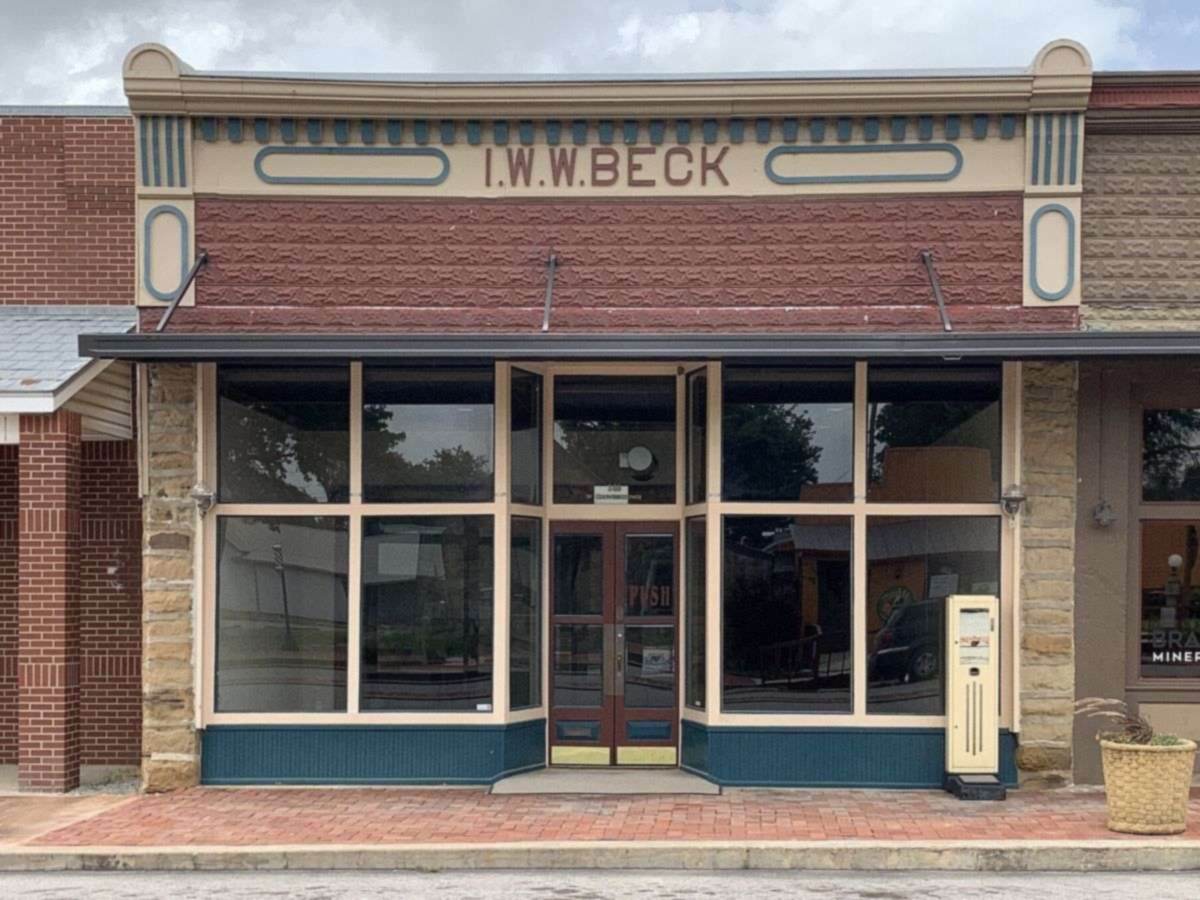
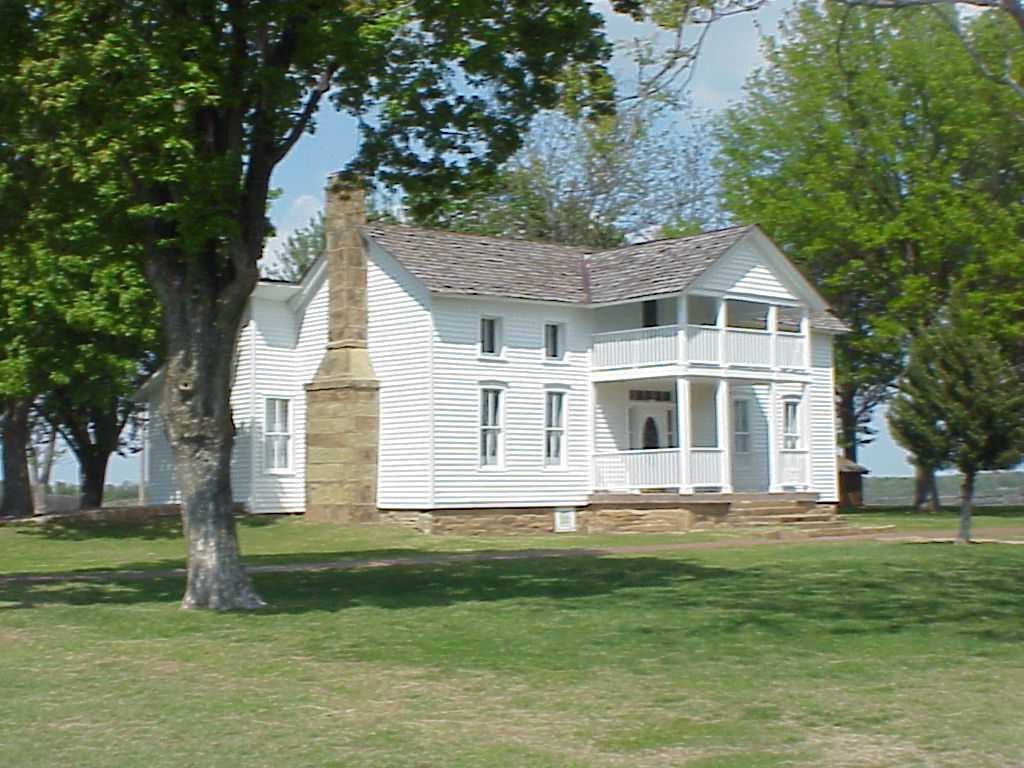
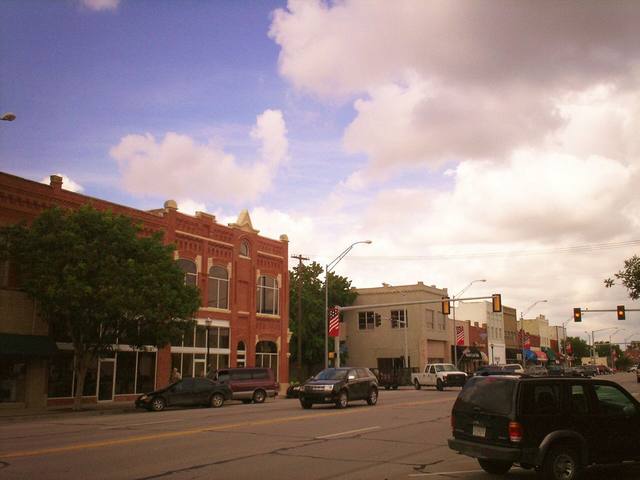
Oologah holds a permanent place in Oklahoma identity as the birthplace of Will Rogers, born in 1879 on the Dog Iron Ranch outside town, now preserved as a historic site. The town itself is a small Rogers County community with a historic main street, the Beck building and its contemporaries still fronting the road, and neighborhoods of older homes around it. Beyond the town pattern, the land runs rural toward Oologah Lake, the large Verdigris River reservoir northeast of town, with lake area homes, ranch properties, and county road acreage filling the space between.
Water damage here follows that geography of small town plus lake country. In town, the work is the older home list: crawl spaces, aging plumbing, water heaters, and roofs. Toward the lake and out in the county, wells and septic systems replace city utilities, outbuildings and seasonal properties enter the picture, and low ground near the water adds groundwater and flood exposure. Oologah is the far northeast corner of this service area, and its jobs carry the rural premium honestly: more systems per property, and more distance between a leak and its discovery.
Where Water Gets In Around Oologah
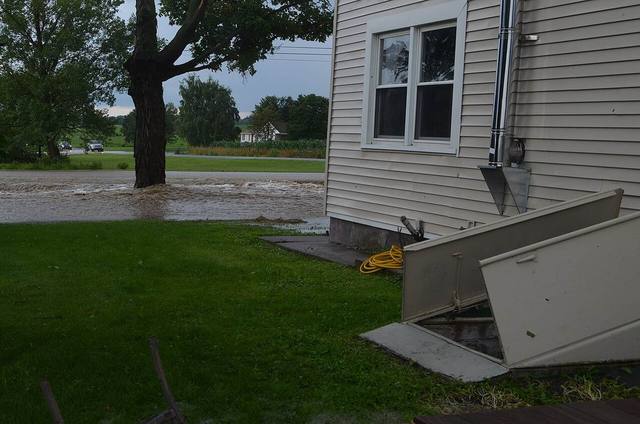
Below grade water leads. Crawl spaces under the older in town homes collect runoff, plumbing drips, and seasonal groundwater, and the low properties toward the lake and the creek bottoms sit close enough to the water table that wet seasons reach their foundations directly. Basements, where they exist, meet the same water at the same joints and cracks that clay soil movement keeps opening. After the biggest rain events, the Verdigris system and its tributaries put genuine flood water across the bottomland, the standing regional lesson of 2019 included this shoreline.
Systems failures supply the rest of the calendar. Older supply and drain plumbing fails by wear; water heaters in closets and garages reach the end of their spans; septic systems back up on the rural properties; and freezes find the exposed lines in crawl spaces, well houses, and any seasonal lake property that sat unheated. Storms test the roofs each spring, hail included, and lake area roofs can carry damage for seasons before a ceiling reports it. The cause pages below lead with basements and crawl spaces, then cover the pipes, roofs, and pumps behind them.
A word on the dam side of the story, because Oologah homeowners ask: the managed releases from Oologah Dam on the Verdigris move water downstream on a schedule, and they can change the level of the river and the bottomland water table for days. A release plus a storm is the combination that fills the low spots. Properties in the flood ground below the dam and along the river bottoms should treat a release announcement like a weather forecast: check the crawl space, confirm the sump, and clear the low storage. The dam operators publish their intentions; using them is free.
How an Oologah Water Damage Call Proceeds
1. Tell us the property: in town, rural, or lake area
Each Oologah setting runs different systems and different ground. City services or well and septic, crawl space or basement, year round home or seasonal place: the first description sets the shutoffs, the checks, and the equipment.
2. Kill the pump, close the water, make it safe
Well properties start at the breaker. Keep clear of electrical hazards in standing water, treat septic or sewer involved water as contaminated space, and secure seasonal properties against further weather entry where a roof has failed.
3. Pump out and extract every wet space
Basements get pumped, crawl spaces drained, floors extracted, and outbuildings walked rather than assumed. Lake country events hide water in the spaces between buildings; the assessment covers the property, not just the house.
4. Map the moisture and name the source
Readings define the footprint across floors, walls, and joists, and the pattern identifies the feed: plumbing, groundwater, lake or creek water, or roof path. The source decides the prevention plan and the insurance category alike.
5. Dry, treat by category, and verify
Dehumidification and airflow sized to the load, verified daily at every level. Contaminated categories follow removal and cleaning protocol, and mold found after long standing water joins the sequence per the mold pages on this site.
6. Document, and leave a check routine behind
The file closes with dated photos, maps, and final readings, including the well and septic facts. Rural and lake properties also leave with shutoff locations and a storm season check list in writing.
Drying Oologah Homes: Crawl Spaces, Lake Air, and Older Fabric
The older Oologah housing stock carries solid materials that careful drying preserves: wood floors, dimensional framing, and trim built when replacement was not the default answer. The characteristic job pairs the rooms above with the crawl space below, drained, dried, and verified at the joists, because lake country humidity and a wet crawl space will rewet a dried house on schedule. Seasonal properties discovered late get honest triage by reading: dry what returns to standard, remove what long water has compromised, and treat the mold that standing time grows.
The ground gets its say in the plan. Properties toward the lake whose below grade spaces take groundwater in wet seasons need the pattern conversation, sump capacity, foundation entries, lot drainage, alongside the drying, or the readings are a loan against the next storm. Wells and septic systems get checked as part of the same visit logic, because in Oologah the water system and the water problem are frequently the same system. The standard is a dry house, a named source, and a property whose next event gets caught early.
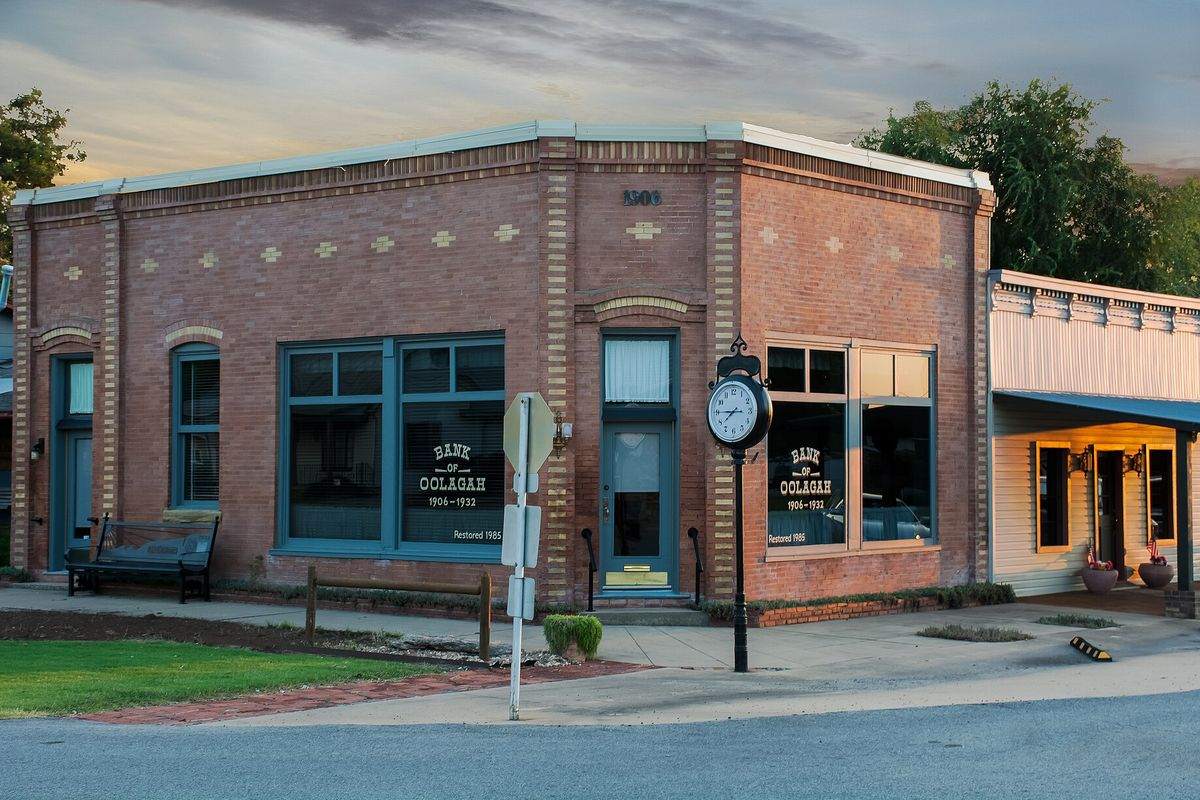
Historic properties get an extra layer of care, and Oologah has them. Old storefronts on the main street and the preserved ranch buildings near town carry materials that cannot be replaced at any price, old growth wood, lime plaster, original finishes. Drying them is a conservation exercise: low and slow airflow, humidity controlled, with readings taken where the building breathes, and removal treated as a last resort rather than a first step. Owners of historic Oologah property should say so on the first call, because the gentle plan is a different plan, and it starts with gentler equipment.
Insurance Documentation and Choosing Help in Oologah
Oologah files turn on source and timeline, the two things rural properties must document best. Lake or creek water, groundwater, septic backup, and a sudden pipe failure are four different insurance conversations wearing the same wet basement. The record that separates them is built during the response: dated photos of entry points and water lines, moisture mapping, daily readings, and your own notes on when the property was last checked. We assemble that file on every job, with the rural system facts included, so the claim is argued from evidence.
Choosing help at the far edge of the metro means asking who will still be accountable when the lake roads are the only witness. Ask how crawl spaces, mold, and contaminated categories are handled, and what standards govern the work, the IICRC S500 and S520 frameworks. Ask how well and septic properties are planned for, and what documentation you will hold when the truck leaves. Ask for the prevention routine in writing. In a town Oologah size, a company is its last ten jobs; hire the one whose answers sound like it plans to be hired for the eleventh.
Water damage in Oologah? Start with one call.
Call (918) 578-1166 and tell us what happened and where in Oologah you are. We extract, dry, and document the loss, and we explain each step before we do it.
Water Damage Causes We See in Oologah
Oologah water starts below grade: lake country groundwater in crawl spaces and basements, backed by older plumbing and storm tested roofs. These cause pages lead with the flooded and the hidden, then cover the rest of the Rogers County list.
Main Water Damage Services in Oologah
Every Oologah call runs through the same main services: emergency response, residential and commercial restoration, and round the clock cleanup. The pages below explain each one in full.




Nearby Communities We Serve
Oologah is the northeast corner of the service area, with Claremore down the highway and Skiatook and Collinsville across the north metro. Each nearby page stands on its own ground, because lake country, small towns, and suburbs keep different water.
Return to the water damage restoration Tulsa OK home page for the full process, cause, mold, and insurance pages, see all service areas, or start with emergency water damage restoration if water is active right now.
Water Damage Questions from Oologah Homeowners
What water damage is most common in Oologah?
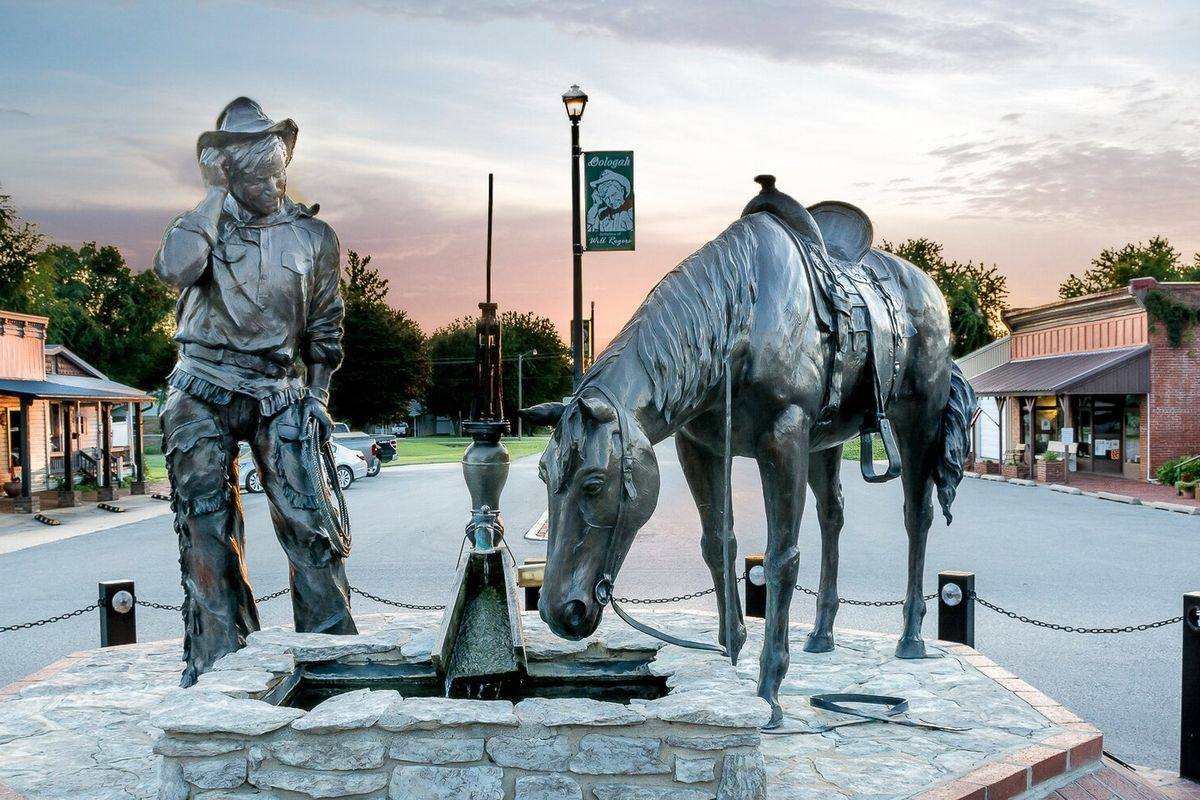
The lake country rural list: crawl space water under older homes, plumbing failures in an aging housing stock, flooded below grade spaces on low ground, and roof leaks after storm seasons. Around Oologah Lake and across the rural roads, properties add wells, septic systems, outbuildings, and the discovery delays of country distance. Will Rogers was born on a ranch outside this town in 1879, and the housing here still has that ranch country character: homes that have served for generations, maintained by their owners, on ground that drains toward the lake and the Verdigris bottomland.
Does Oologah Lake create flood risk for nearby homes?
On the low ground, yes. Oologah Lake is a large Corps of Engineers reservoir on the Verdigris River, and the shoreline areas, the creek bottoms that feed it, and the river bottomland below the dam sit close to the water table. After heavy rain, low crawl spaces and basements take groundwater, and the lowest properties can see genuine flooding when the whole system runs high. Most Oologah homes stand on higher, well drained ground. The ones near the water should treat post storm checks of below grade spaces as routine, and should know their elevation the way they know their roof age.
How do rural systems change a water emergency near Oologah?
A well pump feeds a failed line at full pressure until it is shut off, so the two facts that matter most on a rural property are the pump breaker location and the main shutoff location, and both should be known before they are needed. Septic systems shape the other end of the job, limiting how much water cleanup can send down drains and occasionally being the source of the backup itself. When you call about a rural Oologah property, say it runs on well and septic; the response plan, water budget, disposal, and safety checks all adjust from the first hour.
My Oologah home is older. What should I inspect to prevent a big loss?
Four things, in this order. The crawl space, after storms and at least seasonally, looking for standing water, dripping lines, and joist moisture. The water heater, whose age and pan and drain condition predict its failure better than anything else in the house. Supply lines and hoses, especially to the washing machine and under sinks, replaced on a schedule rather than on a failure. And the roof, after hail seasons, because the leak you catch from the attic side is a repair, while the one you meet through a ceiling stain is a restoration. Each check is an hour; each failure they prevent is a project.
Should I shut my water off when I leave an Oologah lake property for the season?
Yes, and drain the vulnerable lines. Seasonal properties are discovered late almost by definition, so the prevention has to be automatic: close the main and the well pump breaker, drain low lines, and leave heat at a safe minimum in any space with plumbing if the property sits through winter. On departure, walk every room, the crawl space hatch, and the outbuildings once, so the last memory of the property is a checked one. The lake homes that flood are rarely the ones with bad systems; they are the ones whose good systems were left fully pressurized through a freeze.
Will insurance cover water damage at an Oologah property?
By the source, as everywhere in Oklahoma. Sudden interior failures, burst pipes, a water heater letting go, are the events most homeowners policies respond to. Lake, creek, or river water rising into the home is flood, which requires a separate policy. Groundwater seepage and gradual leaks are the commonly excluded categories, and sewer or septic backup usually turns on an endorsement. The file that lets an insurer place your event correctly is built during the response: dated photos, the source identified, moisture mapping, and daily readings. We produce that record on every job, including the rural system facts city files never carry.
One call starts extraction and drying.
Talk to a Tulsa area dispatcher now about your Oologah property. You will get clear next steps and documentation from the first visit.