Tulsa, OK - 24/7 Emergency Service
Flooded Basement Cleanup Tulsa OK
A Tulsa basement flood is a soil, water, and concrete story before it is a cleanup story. We pump it out, dry it to readings, and find the entry points so the next storm tells a different story.
- Submersible pump-out and extraction
- Entry point diagnosis: cracks, cove joint, window wells, sump
- Finished and unfinished basement drying protocols
- Groundwater category handling and documentation
The source decides the cleanup. Clean supply water, a leaking appliance, and sewage each need a different protocol, and the wrong one makes things worse.
Why Tulsa Basements Flood: Clay Soil, Hydrostatic Pressure, and Storm Season
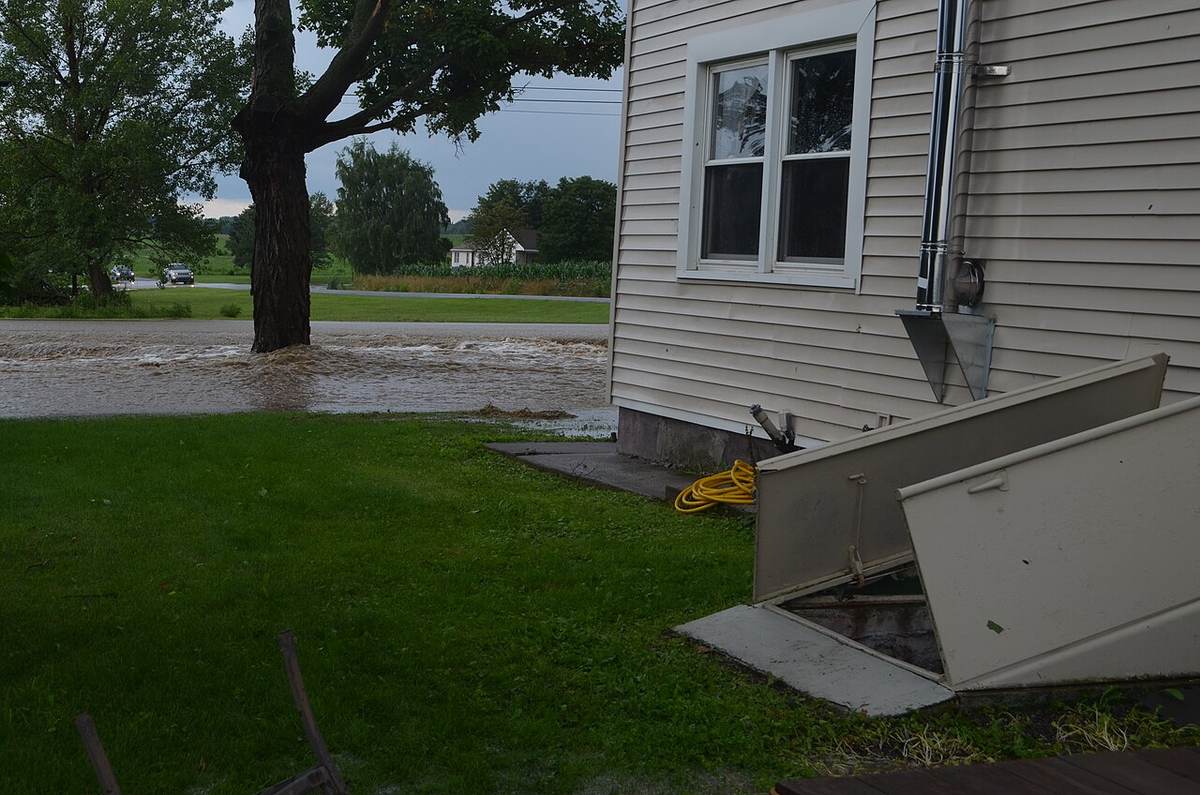
Tulsa sits on expansive clay, and clay changes the basement equation completely. Dry clay shrinks away from foundation walls; saturated clay swells, holds water like a sponge against those same walls, and keeps it there for days after rain ends. Water under that pressure follows physics, not property lines: it enters through horizontal and stair step cracks in block and poured walls, through the cove joint where the floor slab meets the wall, around pipe penetrations, and under window wells whose drains have failed. Hydrostatic pressure is patient, and during Green Country storm season, when inches of rain can fall in an afternoon, it has plenty of supply.
The Tulsa stormwater context adds the rest. Older neighborhoods drain toward systems that were sized for a smaller city, and during intense storms streets and yards hold water long enough for it to find every foundation weakness. Groundwater rises across whole blocks at once, which is why basement floods cluster by neighborhood after big rains. Inside the house, the sump pump is the last line of defense, and storm season attacks it from both sides: the most water arrives exactly when power is most likely to fail. Understanding that system is the difference between cleaning a basement and actually addressing a flooded basement problem.
Finished vs Unfinished Basements: Two Very Different Floods
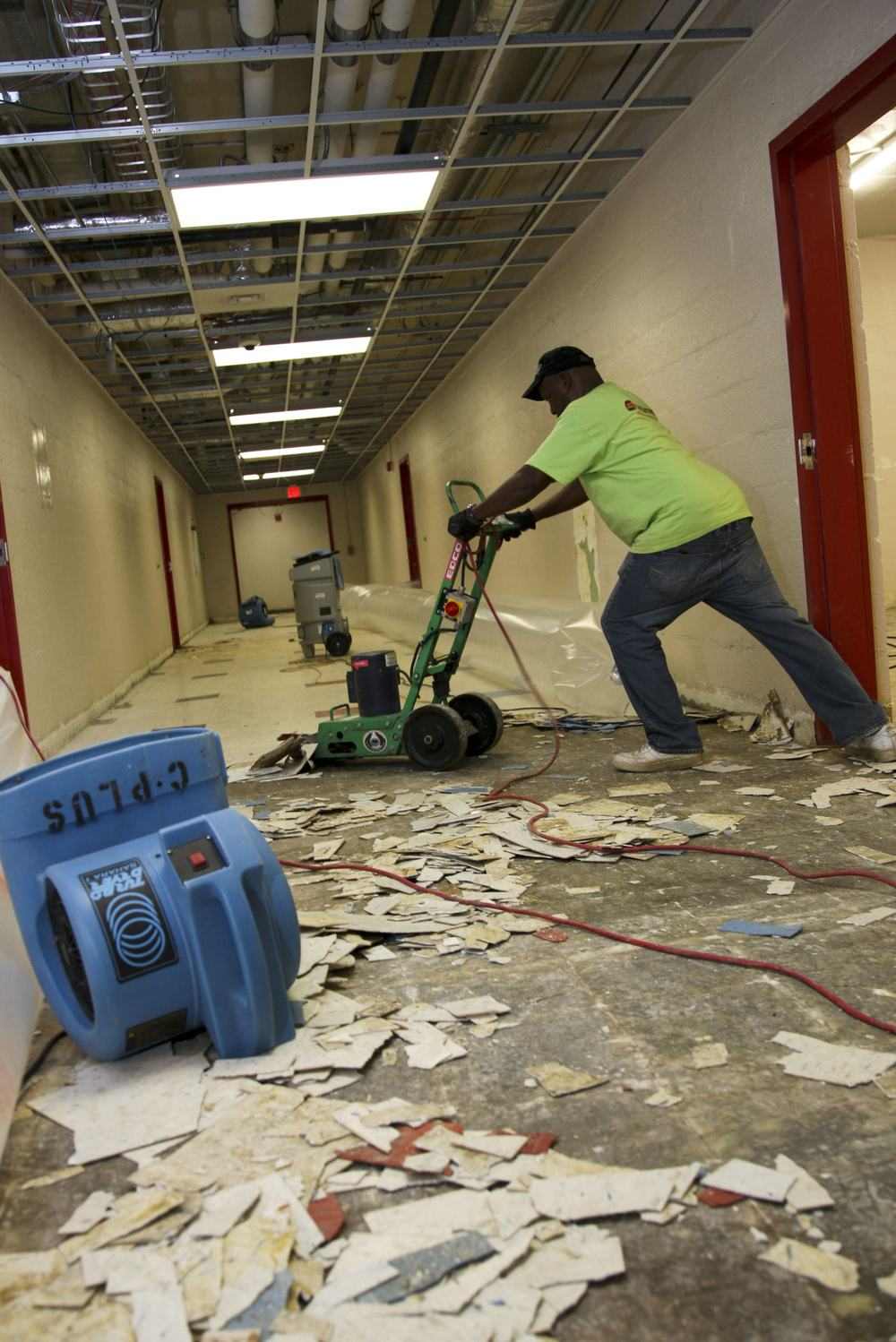
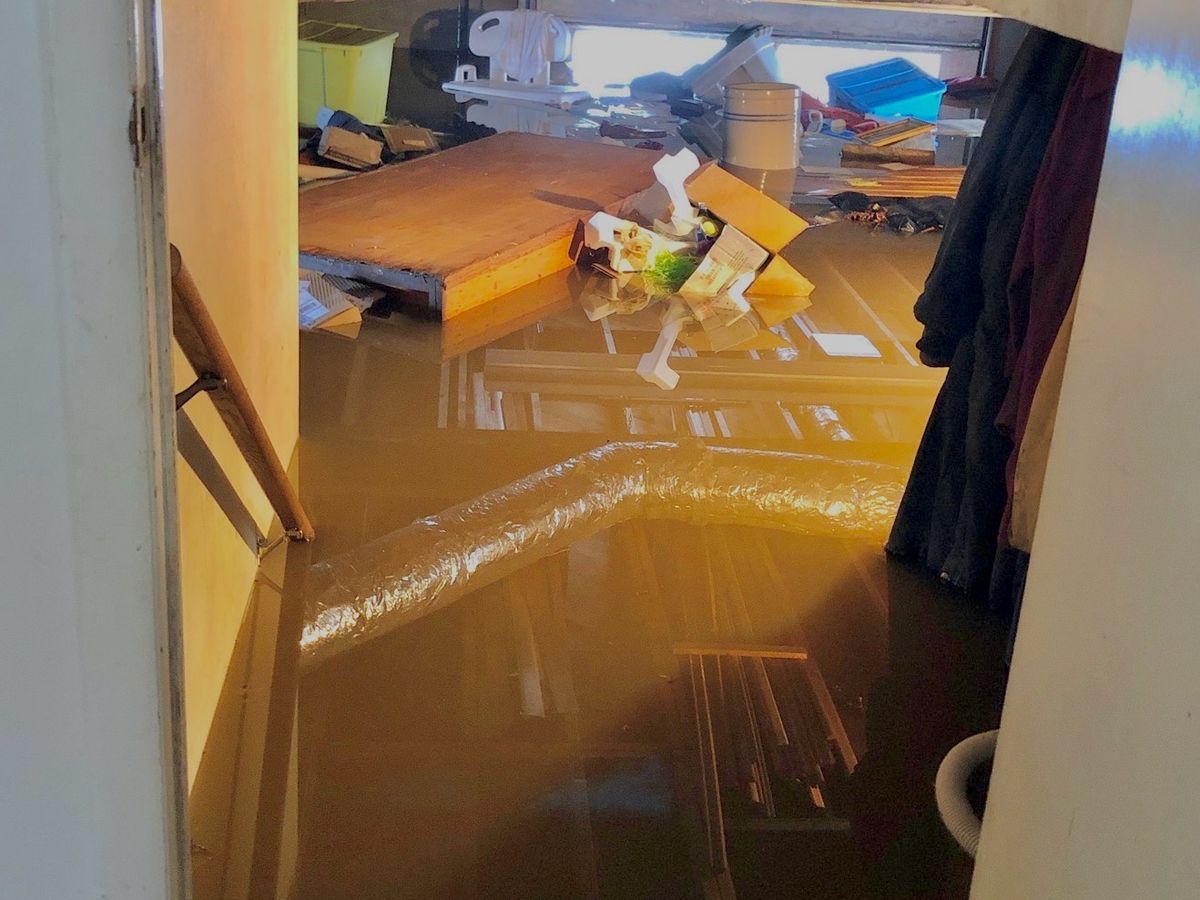
An unfinished basement flood is a concrete, contents, and mechanicals event. Water crosses the slab, soaks stored cardboard and everything at floor level, and threatens the furnace, water heater, and laundry equipment sitting in it. The structure itself, concrete and block, tolerates water comparatively well, and the job centers on pump-out, contents triage, cleaning, and drying the masonry and framing to standard. It is serious work, but the materials are honest about what they need.
A finished basement flood is a materials loss layered on top of that. Carpet and pad saturate and, if the water came through soil or drains, are handled as contaminated. Drywall wicks water well above the waterline and holds it in the insulation behind. Baseboards, door frames, built-ins, and flooring systems each absorb at their own rate, and each must be read, opened where necessary, and dried or removed based on category and readings. The cost curve between the two basement types is steep, which is why the first day matters so much: water pumped and drying started within hours can keep a finished basement a drying job; the same water at day five is frequently a demolition job.
Pump-Out and Extraction: Getting the Water Out in the Right Order
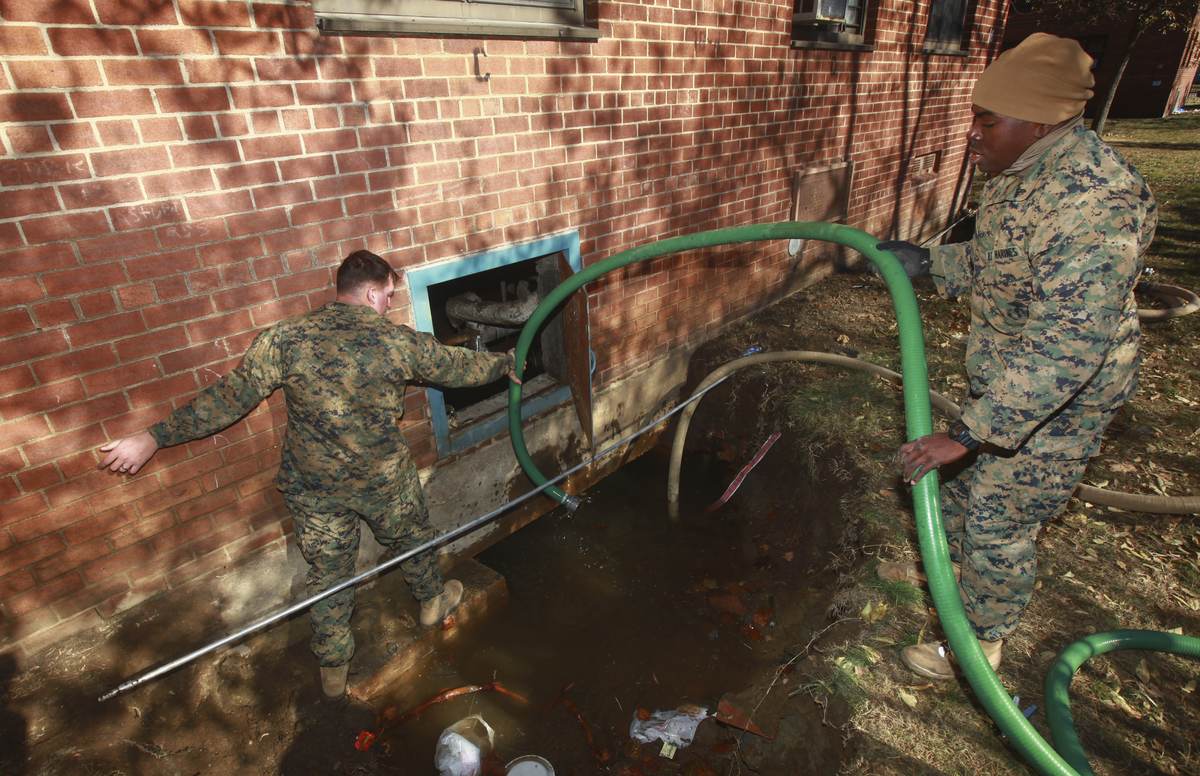
Basement pump-out starts with safety, because basement water hides hazards: electrical panels and outlets at flood level, water heaters and furnaces with gas and power connections, floating storage chemicals, and in storm events, the possibility that the water arrived through drains and carries contamination. Power to affected circuits is addressed first. Deep water is then removed with submersible pumps, discharging well away from the foundation so the same water is not pumped in a circle back through the walls. As the level falls, extraction takes over for the last inches and the water held in carpet, pad, and surface materials.
Pumping speed has one nuance worth knowing: in rare cases of very high exterior groundwater, removing basement water extremely fast can let outside pressure act unevenly on walls and floors. Crews judge this from conditions, water source, rate of fall outside, and structure type, and pace the pump-out accordingly. In the ordinary Tulsa event this is not a constraint, but it is the kind of judgment that separates a restoration response from a rented pump and good intentions. Once the floor is clear, the moisture mapping begins, because the wettest part of the story, walls, insulation, and the soil side moisture in the slab, is still ahead.
Finding the Entry Points While the Evidence Is Fresh
A flooded basement announces its entry points if somebody reads it while it is wet. Water lines on walls mark how deep it rose outside versus inside. Damp trails below a crack, at the cove joint, or under a window well identify active paths. The sump pit tells its own story: a pump that ran and failed, a float that stuck, a check valve that let discharge fall back, or a pit that simply received more water than the pump could move. Grading and downspouts outside complete the picture, because a remarkable share of basement water starts as roof water delivered to the wrong place by a disconnected downspout or soil sloped toward the house.
That diagnosis is written into your documentation, not just mentioned. It separates the one time storm overwhelm from the chronic entry that will repeat next season, and it gives a waterproofing contractor, if one is needed, a head start instead of a sales visit. Our scope is the water and the structure; the entry repair may be as simple as regrading and downspout extensions, or as involved as an interior drainage system, and you will know which conversation you are actually in.
How the Cleanup Proceeds, Step by Step
1. Call and safety triage
The dispatcher asks about depth, finished or unfinished space, power status, water source suspicion, and whether the sump pump is running, then gives safety guidance for electrical and gas equipment in the water.
2. Pump-out of standing water
Submersible pumps remove the deep water, discharging away from the foundation, paced to conditions. Extraction follows for the remaining water in floors and materials.
3. Contents triage and protection
Belongings are moved out of the water, elevated, or assessed honestly by material and water category, with photos documenting condition for your records.
4. Moisture mapping and entry diagnosis
Readings map walls, framing, floors, and insulation, and the wet basement is read for entry points: cracks, cove joint, window wells, plumbing penetrations, and sump performance.
5. Removal where category or saturation requires
Contaminated or failed materials, typically carpet pad, wet drywall sections, and soaked insulation in finished basements, are removed in measured sections inside containment where category requires it.
6. Structural drying with daily readings
Dehumidification and airflow sized for humid Tulsa storm season dry masonry, framing, and remaining finishes, verified daily against dry standards.
7. Documentation and prevention plan
You receive the full record, source assessment, footprint, drying log, and a written prevention list for your basement: grading, downspouts, sump, backup power, and any drainage conversation worth having.
Groundwater, Storm Water, or Sewage? The Category Conversation
Not all basement water is handled the same, and the category decision on a flooded basement is made from evidence. Water from a burst supply line in the basement is clean water. Water that entered through foundation walls and floor joints has passed through soil and is treated with more caution, and water that came up through floor drains or a toilet carries sewage risk and is handled under Category 3 protocols if that is its source. The distinction decides what porous materials can be cleaned, what must be removed, and how disinfection is handled. Crews make that call on site from source, path, and appearance, and explain it, because it explains the scope.
This is also why a flooded basement should not be attacked with a rented pump and a box fan by default. The water may be the least of it; the category, the entry points, and the finished materials are the job. A professional first visit answers all three, and in many shallow, clean water events the professional answer is a pump-out and drying plan that a homeowner then understands completely.
Drying a Basement in Tulsa Humidity: Masonry, Framing, and Patience
Basements are the slowest drying environment in the house. They are cool, below grade, and in Tulsa they sit against saturated clay that keeps feeding moisture to the walls while drying runs. Concrete and block hold large amounts of water and release it slowly. The equipment plan accounts for it: LGR or desiccant dehumidification sized for the space, airflow across wall bases and framing, and readings taken at the wall and floor materials themselves, not just the room air. Homeowners hear a realistic timeline at the start and see it tracked daily, because basement drying managed by feel is how mold gets a lease behind finished walls.
Framing and any wood in contact with the slab, sill plates, stair stringers, door frames, get individual readings, since wood is where mold risk concentrates. Antimicrobial treatment is applied to affected surfaces where category and material call for it. The job closes when the materials, not the calendar, reach the dry standard set from unaffected parts of the same basement.
The Prevention Stack: From Downspouts to Battery Backup
Basement flood prevention in Tulsa is a stack of unglamorous layers, each cheap compared to one flood. Roof water management first: gutters that do not overflow at the foundation, downspouts extended well away from the house, and soil graded to fall away from the walls. Entry maintenance second: window well covers and drains cleared, visible cracks assessed, exterior waterproofing kept in repair. Mechanical defense third: a sump pump tested before storm season, a check valve that holds, and a battery backup sized to outlast a typical outage, because the pump that cannot run during the storm is decoration.
Inside, flood tolerant habits finish the stack: storage on shelving rather than the slab, plastic bins instead of cardboard, and nothing irreplaceable stored at floor level in a basement with any flood history. If your basement floods again after those layers are in place, the evidence points to an interior drainage system conversation, and the documentation from your cleanup, depths, entries, and frequency, is exactly what makes that decision rational instead of fearful.
Dealing with this in Tulsa right now?
Call (918) 578-1166 and a local dispatcher will talk through what happened, whether the water is still spreading, and the safest next step for your home or business in Tulsa County.
Process Steps That Fix This Damage
Basement flood recovery is pump-out, extraction, and long, measured drying. These process pages explain how each step works in below grade spaces.



Main Water Damage Services in Tulsa
Every cause on this site is handled inside the same full restoration sequence. These pages cover the emergency, residential, and commercial services that frame the response.



Other Causes of Water Damage in Tulsa
Return to the water damage restoration Tulsa OK home page for the full process, cause, mold, and insurance pages, or start with emergency water damage restoration if water is active right now.
Frequently Asked Questions
Why does my Tulsa basement flood?
Tulsa basements fight water from three directions, and most flooded basements have two of them working together. From above, roof and surface water that is not carried away from the house soaks the soil against the foundation. From the side, Tulsa clay soil saturates and holds water against basement walls, and hydrostatic pressure pushes it through wall cracks, floor joints, and the cove joint where wall meets floor. From below and inside, a sump pump that fails, loses power, or is overwhelmed during a storm season downpour removes the safety net. The diagnosis on a flooded basement call identifies which entries your basement used, because pump-out without entry repair is a subscription to the next flood.
How do I stop basement flooding?
In layers, outside first. Grade soil so ground slopes away from the foundation, extend downspouts well past the backfill zone, and keep gutters clear so roof water is not dumped at the wall. Inside, maintain the sump pump, test it before storm season, and add a battery backup so a power outage during the storm does not disable it. Address the wall and floor entry points the diagnosis finds: cracks, the cove joint, window wells with working covers and drains. Homes with chronic water despite those steps may need an interior drainage system, a bigger conversation that starts with the evidence from your flood pattern. No single product stops basement flooding; the layered system does.
How much does basement flood cleanup cost?
General information only, because basement floods vary more than almost any other loss. A shallow, clean water pump-out with drying of an unfinished basement is one scope. A deep flood in a finished basement, with carpet, drywall, and contents involved, is another. Category matters: groundwater that came through soil and drains is handled more strictly than a clean supply line break. What any homeowner can bank on is the slope of the curve: the same flood pumped out and dried in the first day costs a fraction of the same water addressed after a week of mold growth and material failure. The scope and price become honest after the water is out and readings define the damage, which is how we build the estimate.
Is basement flooding covered by insurance?
It depends on the source, and this distinction catches Tulsa homeowners off guard. Water that rises from outside the home, groundwater, surface flooding, and sump overflow are treated differently from a burst pipe, and many homeowners policies exclude ground water and flood without specific endorsements or a separate flood policy. A sump pump failure may be addressed by a water backup endorsement if you carry one. Read your policy for those endorsements, report the loss promptly, and document the entry points and storm timing carefully. We document the water side fully, source, footprint, materials, drying, so whichever coverage applies has a complete record to work from.
How long does it take to dry a flooded basement?
Pump-out of standing water is usually a same day operation. Drying is the longer discipline: an unfinished concrete basement may reach dry standard in several days, while a finished basement with drywall, insulation, and flooring runs a week or more, because dense materials release moisture slowly and Tulsa humidity in storm season works against the equipment. Daily moisture readings on walls, framing, and floors set the real timeline, and equipment is removed when readings meet the dry standard of unaffected areas, not when the floor feels dry. You will see the numbers each day rather than being asked to trust a calendar.
Can I finish or refinish my basement after a flood?
Yes, once two conditions are met: the structure is verified dry, and the entry that caused the flood is addressed or honestly accepted. Refinishing over a chronically wet basement recreates the loss with nicer materials, and mold behind new drywall is the standard sequel. The better sequence is dry, diagnose, fix the water path, then finish, ideally with flood tolerant choices low on the walls and a sump system with backup power. If your basement flooded once from a rare storm and the diagnosis shows sound walls and a healthy pump, refinishing after drying is reasonable, and the drying log you receive documents that the space started dry.
One call starts the cleanup.
Talk to a local Tulsa dispatcher now. You will get clear next steps, a real arrival plan, and documentation from the first visit.