Tulsa, OK - 24/7 Emergency Service
Antimicrobial Treatment After Water Damage Tulsa OK
Where water has carried contamination, or sat long enough for growth to start, surfaces need more than drying. Antimicrobial treatment, applied with EPA-registered products inside a full drying protocol, is that step.
- EPA-registered antimicrobials, named on request
- Protocols matched to Category 1, 2, and 3 losses
- Surface decontamination after extraction and cleaning
- Safety data and re-entry times explained plainly
Each step protects the next one. Rush or skip a step, and the water you cannot see stays behind to feed mold and swell framing.
What Antimicrobial Treatment Is, and What It Honestly Is Not
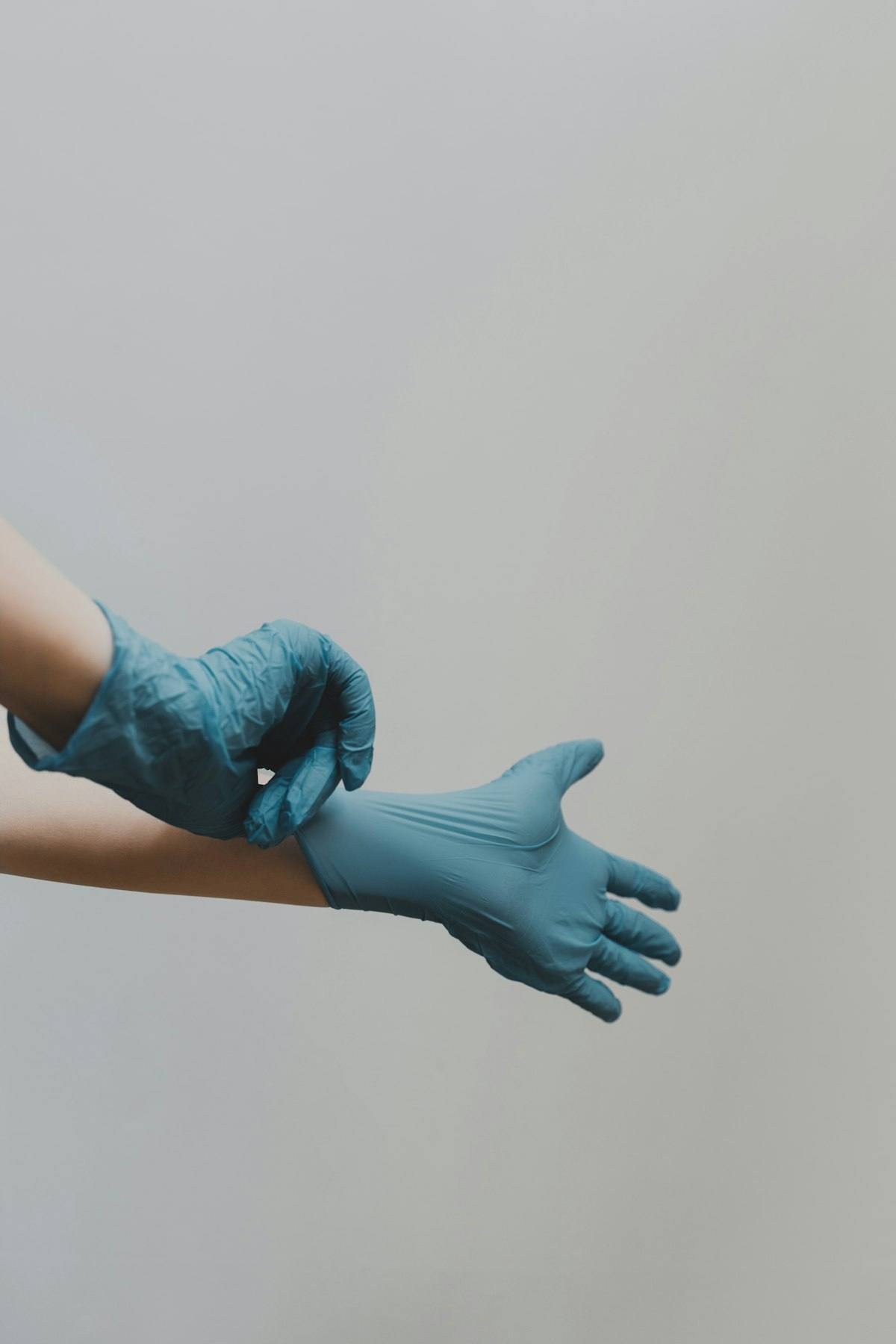
Antimicrobial treatment is the application of registered disinfectant and sanitizer products to surfaces affected by a water loss, with the goal of reducing bacteria, viruses, and fungal organisms to safe levels on those surfaces. The products are regulated as pesticides by the EPA, their labels specify the organisms they are proven against, the dilution, the application method, and the dwell time the surface must stay wet for the claim to hold. Professional application is mostly the discipline of honoring that label: right product, right surface, right dwell, after the soil load has been cleaned away, because disinfectant sprayed onto dirty surfaces is largely wasted on the dirt.
The honest limits matter as much as the capability. Treatment works on the surfaces it reaches, at the time it is applied. It cannot sterilize the inside of a saturated wall, rescue porous material soaked with sewage, or substitute for drying, because organisms regrow wherever moisture remains available. It also does not remediate established mold colonies, which is a separate service governed by the IICRC S520 standard, with containment and physical removal at its center. Positioned correctly, between cleaning and verified drying, antimicrobial treatment is a genuinely protective step. Sold as a magic spray that makes a wet house safe, it is neither.
Category 2 and Category 3 Protocols: Where Treatment Is Not Optional
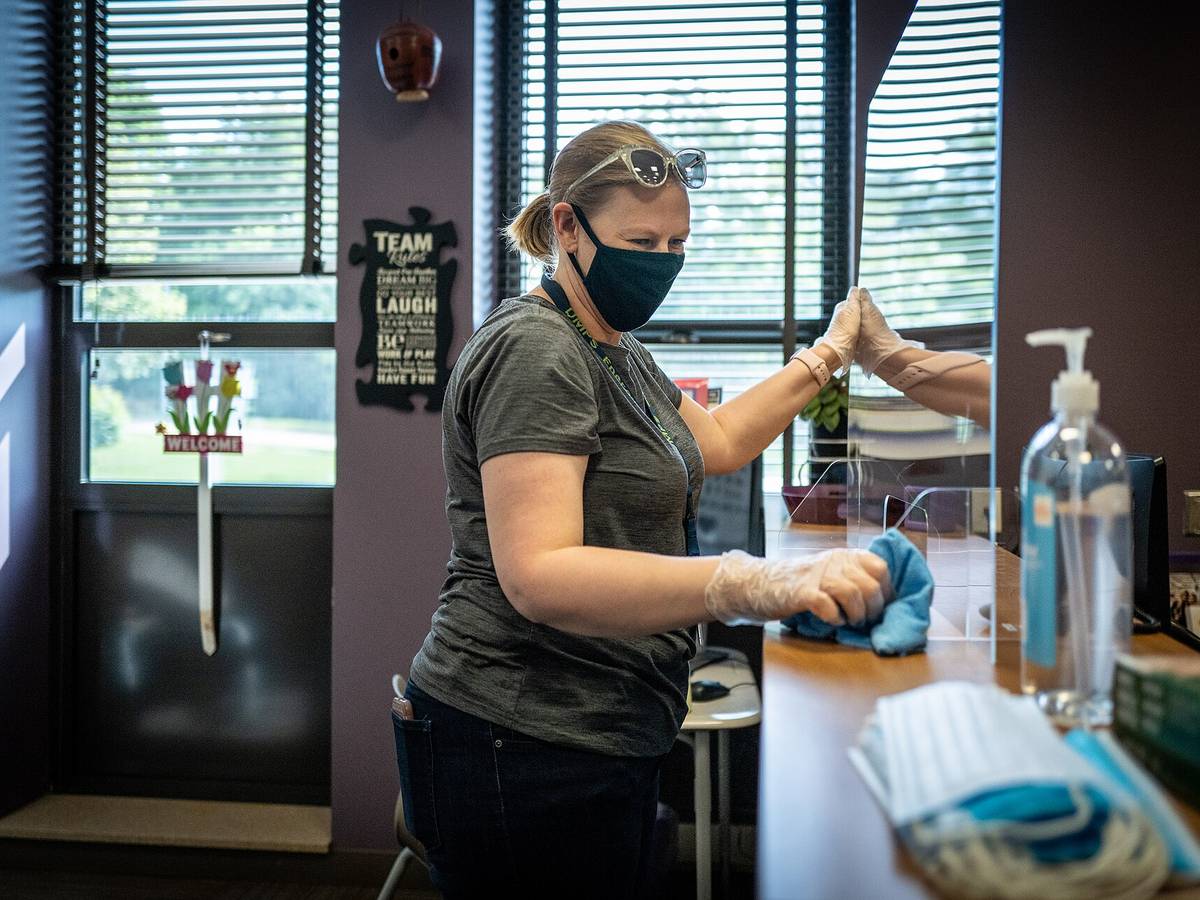
In Tulsa, Category 3 is not rare: sewage backups in older lines, storm flooding across Green Country, and crawl space water that has contacted soil all arrive in this category, and tornado season and ice storm weeks produce them in clusters. The protocol exists because the organisms involved, enteric bacteria and viruses among them, cause real illness, and because well meaning homeowners attempting their own sewage cleanup with household bleach and a mop are a recurring source of both exposure and under-cleaned structures. Where Category 3 is involved, professional treatment is not an upgrade. It is the baseline of a safe job, and its steps should be itemized in your documentation so you can see the protocol was followed.
Application in an Occupied Tulsa Home: Products, Dwell Time, and Re-Entry
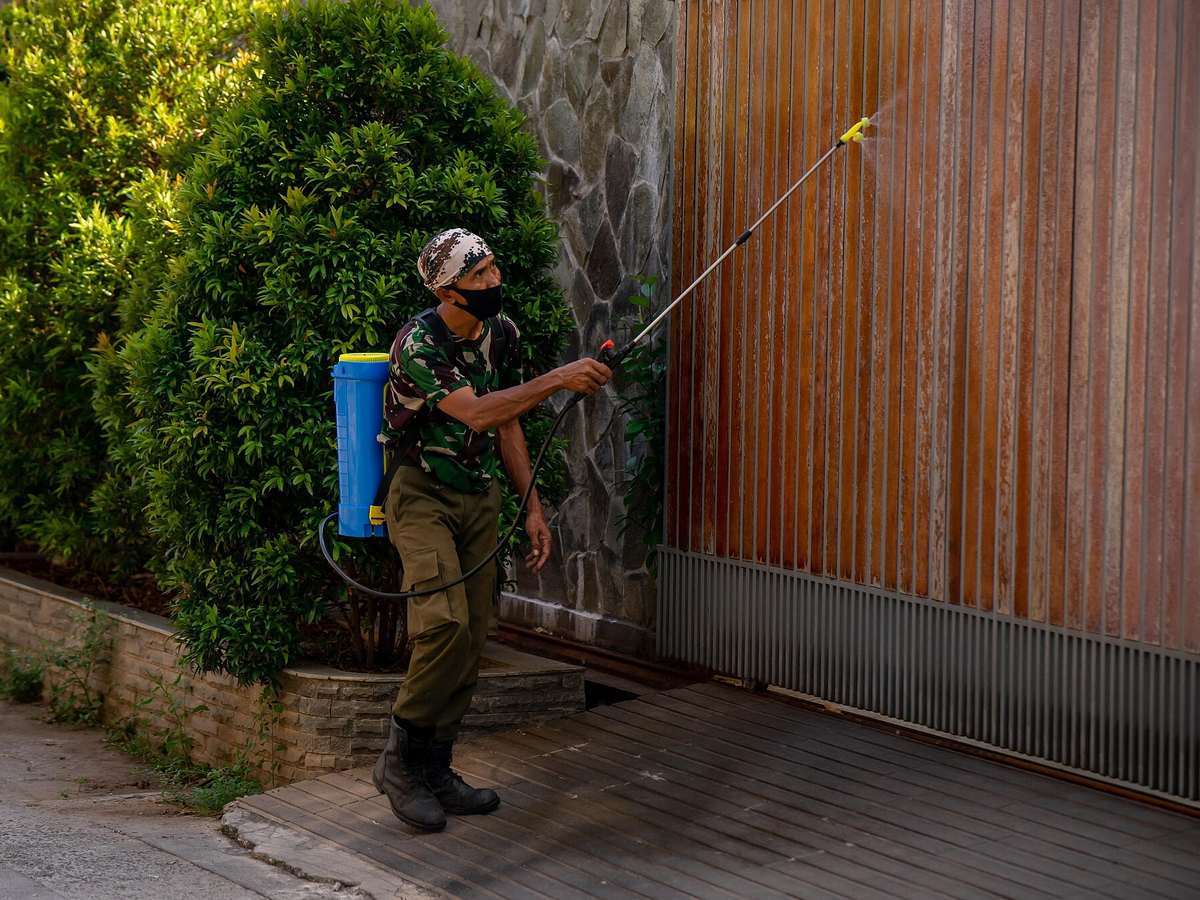
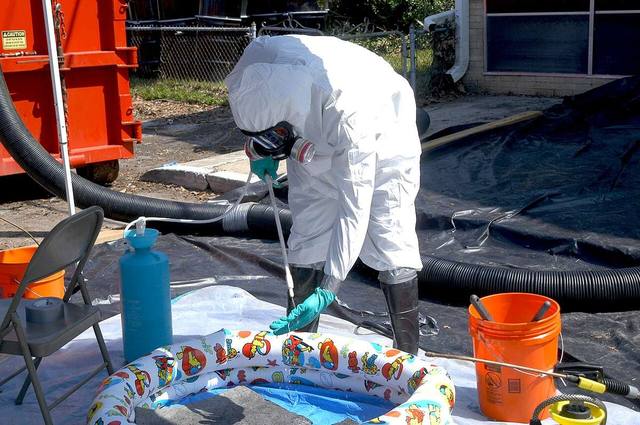
Residential application is planned around the family living in the house. The crew sequences rooms so living space is returned as early as possible, applies product by spray, wipe, or fog according to the label and the surface, and keeps occupants and pets out of treated areas for the specified dwell and drying period, usually hours, not days. Ventilation is managed deliberately: enough to clear application odors and support drying, without defeating the closed drying system running in the same rooms. Food preparation surfaces, children items, and pet areas get label appropriate handling, including rinsing where the product requires it.
How the Work Proceeds, Step by Step
1. Category assessment and treatment decision
The water category, elapsed time, and materials involved determine whether treatment is indicated, which product class applies, and which materials are removed instead of treated.
2. Extraction and cleaning first
Bulk water is extracted and surfaces are cleaned of soil and residue, because antimicrobials are applied to clean surfaces at labeled strength, never sprayed over dirt.
3. Containment and occupant protection
Work areas are isolated as needed, occupants and pets are relocated from the treatment zone, and ventilation and drying equipment are coordinated.
4. Application at label specification
Product is applied at its registered dilution and method, and surfaces are kept wet for the full labeled dwell time for the target organisms.
5. Drying integration and documentation
Treatment is folded into the drying plan so surfaces stay on the path to verified dry readings, and products, times, and areas treated are recorded in your job file.
Treatment, Mold Prevention, and the Role of Verified Drying
Antimicrobial treatment and mold prevention are partners, not synonyms. Treatment reduces the organisms present on surfaces today. Drying prevents the organisms of next week, by removing the moisture every spore in the building, and there are always spores, needs to germinate. Tulsa homes sit in a climate where indoor materials left even modestly damp will colonize, which is why the monitoring log matters more to your mold outcome than any single application. Where treatment is performed, many professionals re-inspect treated and dried areas at the final visit, checking readings and odor together, because the goal is a structure that is measurably dry and biologically quiet, not one that merely smells of disinfectant.
Need this step handled in Tulsa right now?
Call (918) 578-1166 and a local dispatcher will talk through your situation, the water source, and the safest next step for your home or business in Tulsa County.
Causes That Commonly Need This Service
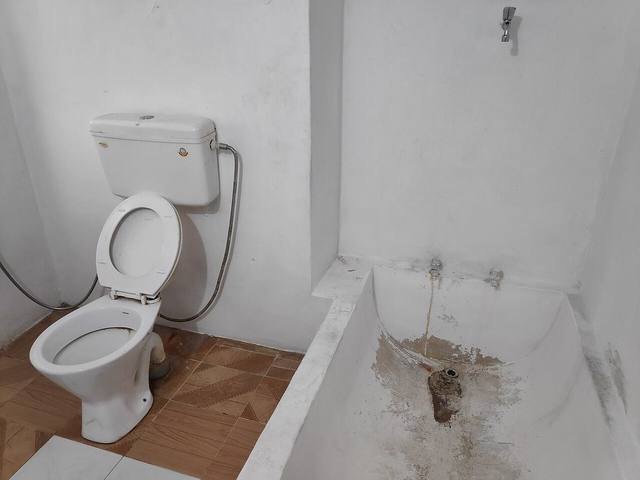
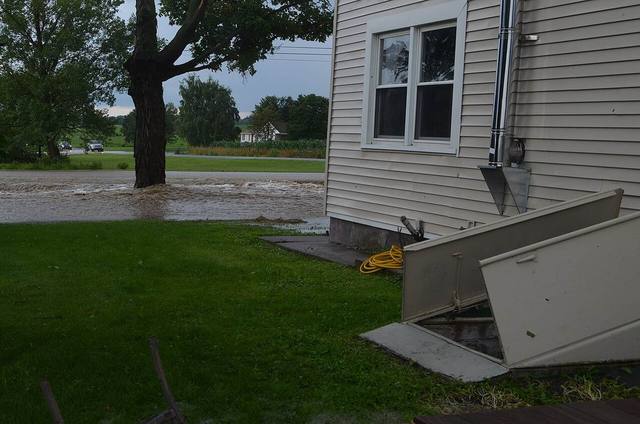
Treatment is most clearly required after contaminated water. These Tulsa causes carry Category 2 and 3 loads where antimicrobial protocol is the baseline, not an option.
Main Water Damage Services in Tulsa
This process step sits inside a full restoration sequence. These pages cover the emergency, residential, and commercial services it supports.

Other Steps in the Restoration Process
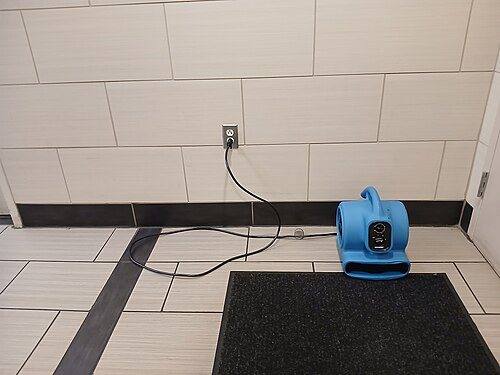
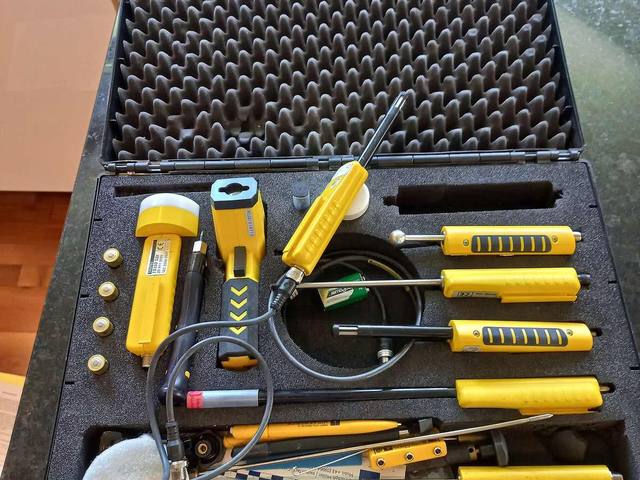
Return to the water damage restoration Tulsa OK home page for the full process, cause, mold, and insurance pages, or start with emergency water damage restoration if water is active right now.
Frequently Asked Questions
When is antimicrobial treatment needed after water damage?
Treatment is indicated whenever the water category or the timeline gives microbes a foothold: all Category 2 and Category 3 losses, clean water losses that sat for more than a day or two before drying, losses involving porous materials that will be dried in place, and any area where odor or visible growth suggests colonization has begun. A small Category 1 spill extracted and dried within hours may need cleaning only. Your technician should tie the recommendation to the category and readings of your loss, not apply a blanket upsell, and should be able to say plainly when treatment is not necessary.
What products are used, and are they regulated?
Professional water damage work uses EPA-registered antimicrobial products, disinfectants and sanitizers whose label claims for bacteria, viruses, and fungi have been reviewed under federal pesticide law, applied at the labeled dilution and dwell time for the target organisms. Products are selected for the surface and the situation: botanical and low toxicity options exist for occupied homes and sensitive settings, and stronger disinfectants are used for Category 3 decontamination. You are entitled to the product name and its safety data sheet for anything applied in your home, and a professional crew will provide both without being asked twice.
Is antimicrobial treatment safe for my family and pets?
Applied correctly, yes, with sensible precautions. Occupants and pets leave the immediate work area during application, treated surfaces are allowed their labeled dwell time and drying, and food contact surfaces are handled according to the product label. Technicians will tell you exactly when rooms can be reoccupied, typically the same day for residential treatments. People with asthma, chemical sensitivities, infants, or health conditions should mention them at booking, because product selection and scheduling can be adjusted, and in higher category losses the safest choice may be removing porous material instead of treating it.
Does antimicrobial treatment replace drying or mold remediation?
No, and any suggestion that it does is a warning sign. Antimicrobials treat surfaces at the moment of application; they do not dry a structure, and they do not remediate established mold growth inside wall cavities, which requires the containment, removal, and HEPA filtration process described in the IICRC S520 standard. Treatment earns its place inside the full sequence: extraction, removal of what cannot be saved, cleaning, treatment where indicated, and verified drying that keeps moisture below the level growth needs. A sprayed wall that stays wet is a wall that will grow again.
One call starts the whole process.
Talk to a local Tulsa dispatcher now. You will get clear next steps, a real arrival plan, and documentation from the first visit.