Tulsa, OK - 24/7 Emergency Service
Washing Machine Flood Cleanup Tulsa OK
No appliance in the house combines full line pressure, unattended operation, and a hidden location like a washing machine. When a hose lets go, the flood is measured in rooms, not gallons.
- Supply shutoff guidance on the first call
- Extraction across every room the water reached
- Ceiling-below checks for upstairs laundry rooms
- Floor, wall base, and subfloor drying to readings
The source decides the cleanup. Clean supply water, a leaking appliance, and sewage each need a different protocol, and the wrong one makes things worse.
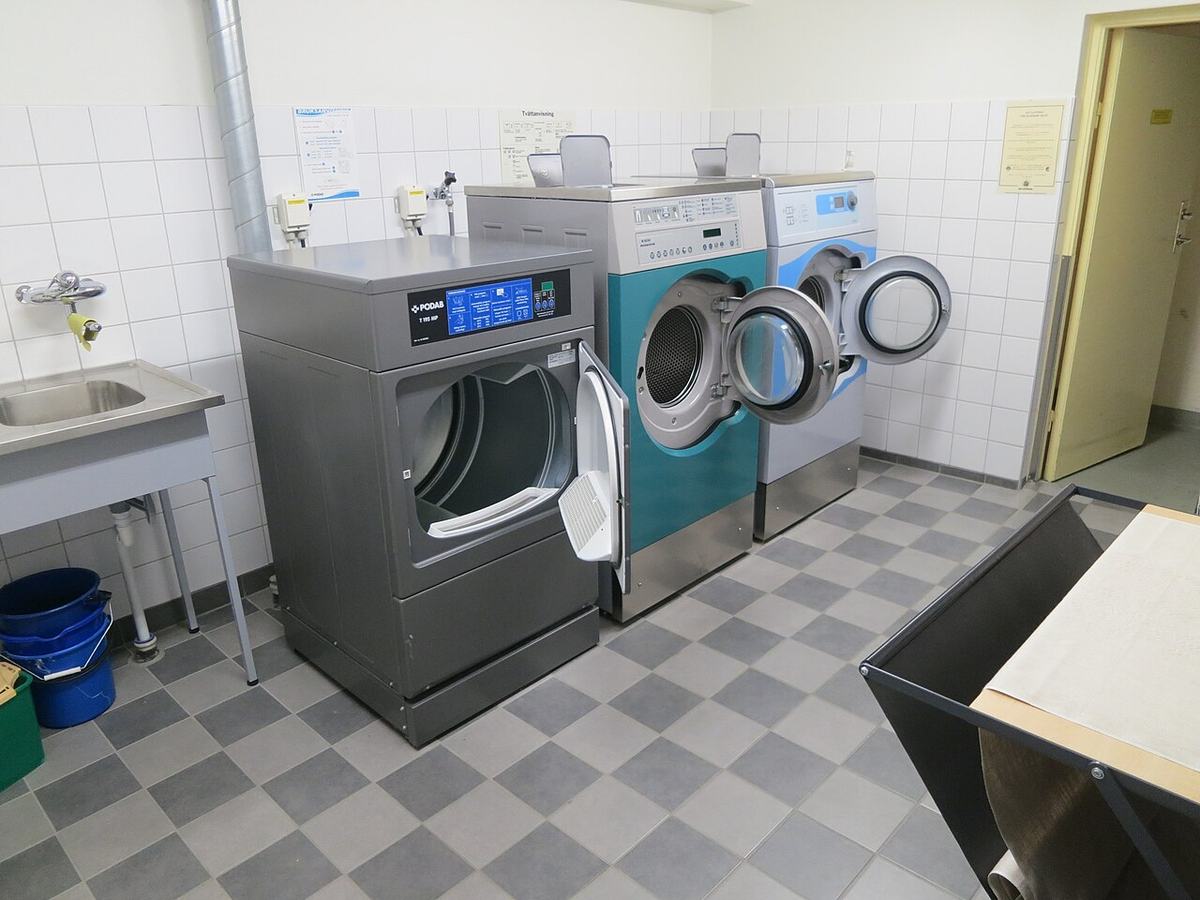
The Supply Hose: A Pressurized Failure Waiting on a Schedule
A washing machine connects to the house water supply through two hoses that hold full municipal pressure twenty four hours a day, whether the machine runs or not. Rubber hoses age from the inside, weakened by heat, pressure cycling, and the chlorinated water supply, until the wall of the hose balloons and bursts, usually without any warning event. The burst does not drip. It sprays and flows at line pressure, and because the machine sits in a laundry room, garage, basement, or upstairs closet, the first witness is often the damage itself: a wet hallway, a dripping ceiling, a soaked carpet in the next room.
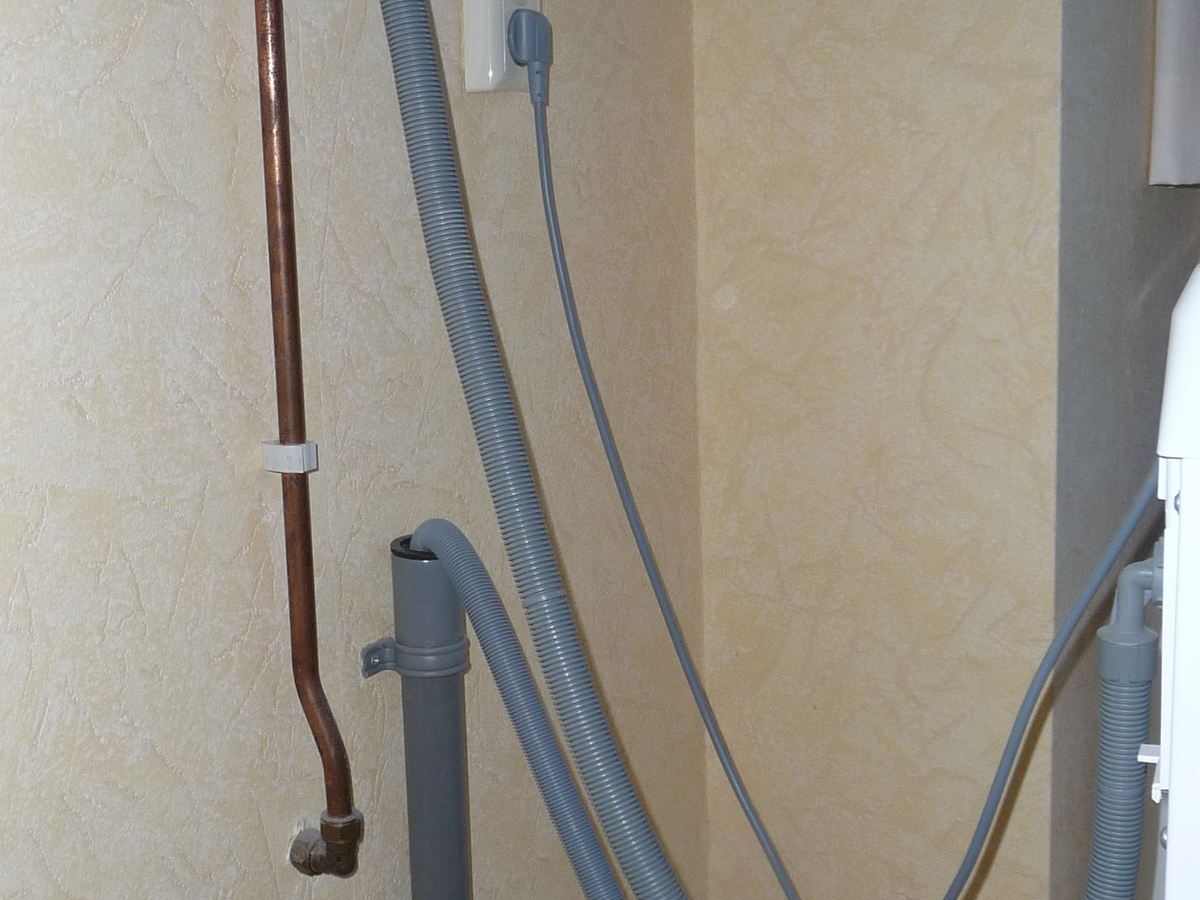
Braided stainless steel hoses resist that failure mode with a woven jacket, which is why they are the standard recommendation, but they are not immortal either; fittings corrode and jackets fray. Drain side failures complete the picture: a drain hose that pops out of the standpipe, or a standpipe that backs up, dumps the machine full of wash water onto the floor in a single cycle. Tulsa laundry configurations vary from basement rooms in older pier and beam homes to upstairs closets in newer South Tulsa builds, and the flood path is different in each, which the cleanup has to reconstruct from the moisture evidence.
Unattended Operation: Why Washer Floods Run the Longest
Most water damage is discovered by the sound of water or a visible drip. Washer floods are discovered by their consequences, because the machine is designed to run while nobody watches it. A hose that bursts twenty minutes into a workday has eight hours to flow. Even a same room discovery lags: laundry rooms sit behind closed doors, often at the far end of the house or in the basement, and a spraying hose behind the machine may not be heard over normal household noise. The volume math is unforgiving, hundreds of gallons per hour at pressure, and it explains why these calls so often involve several rooms, soaked carpet systems, and ceilings below.
This is also the appliance where prevention pays the clearest return. Stainless braided hoses on a replacement schedule, accessible shutoff valves, a floor drain pan that actually drains, and a water alarm or automatic shutoff that closes the supply when it gets wet: each layer shortens the event. The Tulsa homes that escape washer flood damage are the ones where one of those layers turned an eight hour flood into an eight minute one.
What the Cleanup Has to Cover: Laundry Room and Everything Downhill
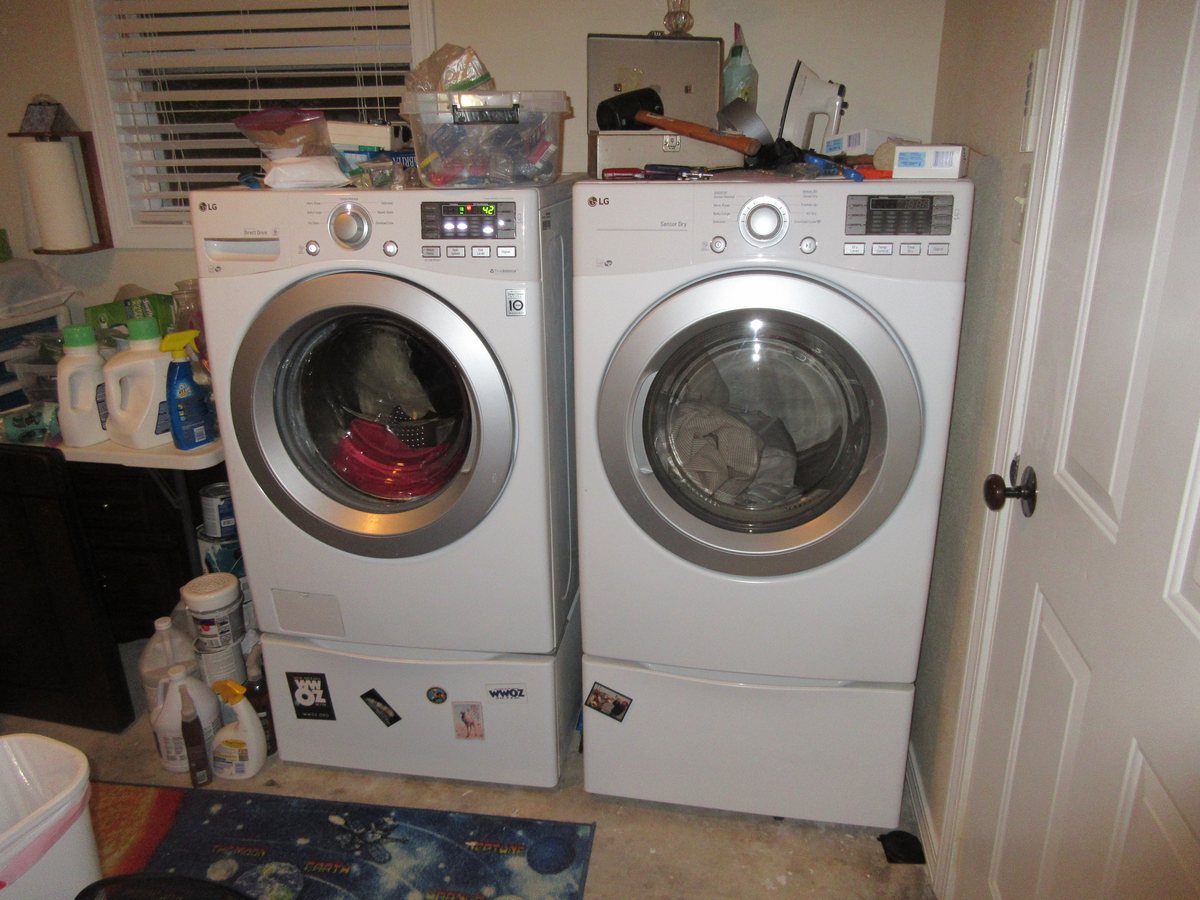
The laundry room is only the origin. Water crosses under the door, wicks into hallway and bedroom carpet, soaks wall bases on both sides of the laundry room walls, and in two story homes enters the ceiling below. In basement laundry rooms it spreads across slab and into stored contents. The response therefore starts with a moisture map of the whole affected level, and the ceiling below where relevant, because the footprint of a long-running washer flood is a property of the house, not of the laundry room.
Inside that footprint, extraction removes the standing volume, carpet and pad are assessed by how long they sat in water that crossed a working laundry floor, and floors and subfloors are read and dried to standard. Detergent residue makes surface cleaning part of the job rather than an afterthought, and wall bases get checked for wicking well beyond the visible waterline. As with every long-running loss, documentation ties the scope to the timeline: when the machine ran, when the flood was found, and what the readings showed on arrival.
How the Cleanup Proceeds, Step by Step
1. Call and immediate shutoff
The dispatcher guides you to the machine supply valves or the house main, asks what is below and beside the laundry room, and sets the discovery timeline for the record.
2. Arrival mapping of the whole level
Meters trace moisture through the laundry room, adjoining floors and carpet systems, wall bases, and the ceiling below for upstairs or split level installations.
3. Extraction and surface cleaning
Standing water is extracted room by room. Detergent and soil residue are cleaned from hard surfaces, and saturated porous materials are identified for removal.
4. Machine area assessment
The floor under and behind the machine, the supply connections, and the drain arrangement are inspected so the failure point is documented for the repair or replacement decision.
5. Drying to verified readings
Air movers and dehumidification dry floors, subfloors, wall bases, and any wet ceiling, with daily moisture readings against dry standards.
6. Documentation and prevention notes
You receive photos, readings, and a scope summary, plus the specific prevention steps for your installation: hose type, valve access, pan, and alarm options.
Basement Laundry Rooms and Tulsa-Specific Layouts
Older Tulsa homes often put the laundry in the basement, where a washer flood shares the floor with the water heater, stored belongings, and sometimes finished rooms. Basement floods spread wide on slab, and their damage concentrates in contents and wall bases rather than ceilings. Pier and beam homes vent the flood into the crawl space, where it wets joists and subfloor from below and hides after the laundry floor itself looks dry. Newer upstairs laundry closets create the two story event. Each layout appears in the moisture map differently, and the drying plan follows the layout, not a template, which is why the dispatcher asks about your floor plan before the crew rolls.
Whatever the layout, the rule that protects the house is identical: the cleanup is not finished at the laundry room door. It is finished when every material the water reached reads dry, including the ones nobody can see.
Dealing with this in Tulsa right now?
Call (918) 578-1166 and a local dispatcher will talk through what happened, whether the water is still spreading, and the safest next step for your home or business in Tulsa County.
Process Steps That Fix This Damage
Washer flood cleanup is extraction, mapping, and drying across the whole footprint. These process pages detail the steps that keep a laundry flood from becoming a whole house problem.



Main Water Damage Services in Tulsa
Every cause on this site is handled inside the same full restoration sequence. These pages cover the emergency, residential, and commercial services that frame the response.


Other Causes of Water Damage in Tulsa
Return to the water damage restoration Tulsa OK home page for the full process, cause, mold, and insurance pages, or start with emergency water damage restoration if water is active right now.
Frequently Asked Questions
Why are washing machine floods so bad?
Three factors stack up. The supply hoses are pressurized around the clock, not just when the machine runs, so a burst hose flows at full line pressure until somebody closes the valve. The flow is large: a failed hose can release hundreds of gallons an hour. And laundry rooms are rarely where people are, especially in Tulsa homes with the laundry in a garage room, a basement, or an upstairs closet, so the flood runs undiscovered the longest of any appliance event. Big volume, full pressure, late discovery: that combination is why washer floods routinely wet multiple rooms and both floors of a two story home.
How do I prevent a supply hose burst?
Replace rubber supply hoses with braided stainless steel hoses, and replace any hose, rubber or braided, that shows bulges, cracks, rust at the fittings, or age past about five years. The braided jacket resists the ballooning failure that bursts rubber. Close the supply valves when the machine will sit unused for a vacation. Consider a leak sensor with an automatic shutoff at the machine, which closes the supply when it senses water on the floor. And keep the shutoff valves reachable, not buried behind a stacked unit, because in a burst the valve is only useful if a person can get a hand on it in the first minute.
What if the washing machine flooded while I was at work?
Expect the full footprint treatment, because an all day flood reaches equilibrium with the house: every low area it could reach, it reached. Shut off the supply valves or the house main, photograph the laundry room and every wet room before moving things, and call for cleanup the same day. The assessment will map moisture in floors and wall bases across the affected level, extract standing water, and set drying for the real footprint. Belongings that sat in the flood get triaged honestly; porous items that soaked for hours in water that picked up floor contaminants are handled differently from items splashed briefly. Same day response still saves most structural materials.
Does it matter whether my laundry room is upstairs?
It matters enormously. An upstairs laundry flood adds gravity to the loss: water crosses the laundry floor, enters the ceiling cavity below, and wets the rooms underneath while also spreading on its own level. Ceiling drywall below an upstairs laundry is a standard check on these calls, and drain pans, which many upstairs installations have, only help if the pan drain is clear and the failure is small; a burst hose overwhelms a pan in minutes. If your Tulsa home has an upstairs laundry, a leak alarm with automatic shutoff is the single highest value upgrade on this entire page.
Is washing machine flood water clean?
Supply water starts clean, but a real flood does not stay that way. Water that has crossed a laundry floor picks up detergent residue, soil, and whatever was stored at floor level, and drain hose failures involve used wash water directly. Cleanup treats standing washer flood water with care appropriate to what it contacted, extracts and cleans surfaces, and applies antimicrobial treatment where water sat against porous materials. The practical takeaway is simpler: do not wade in it barefoot, keep children and pets out of the wet rooms, and let the cleanup treat it as contaminated until surfaces are cleaned and dried.
One call starts the cleanup.
Talk to a local Tulsa dispatcher now. You will get clear next steps, a real arrival plan, and documentation from the first visit.