Tulsa, OK - 24/7 Emergency Service
Toilet Overflow Cleanup Tulsa OK
A toilet overflow is never just a bathroom mess. It is a contamination question, a subfloor question, and, in two story homes, a ceiling question. We answer all three with readings.
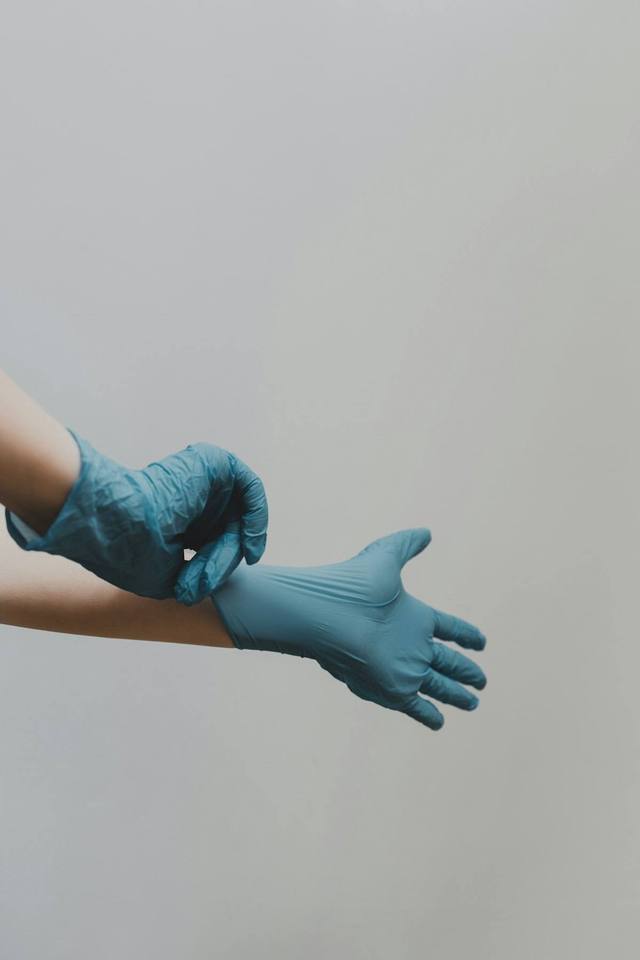
- Category based handling with protective equipment
- Wax ring and flange leak assessment
- Subfloor and ceiling-below moisture checks
- Antimicrobial treatment and verified drying
The source decides the cleanup. Clean supply water, a leaking appliance, and sewage each need a different protocol, and the wrong one makes things worse.
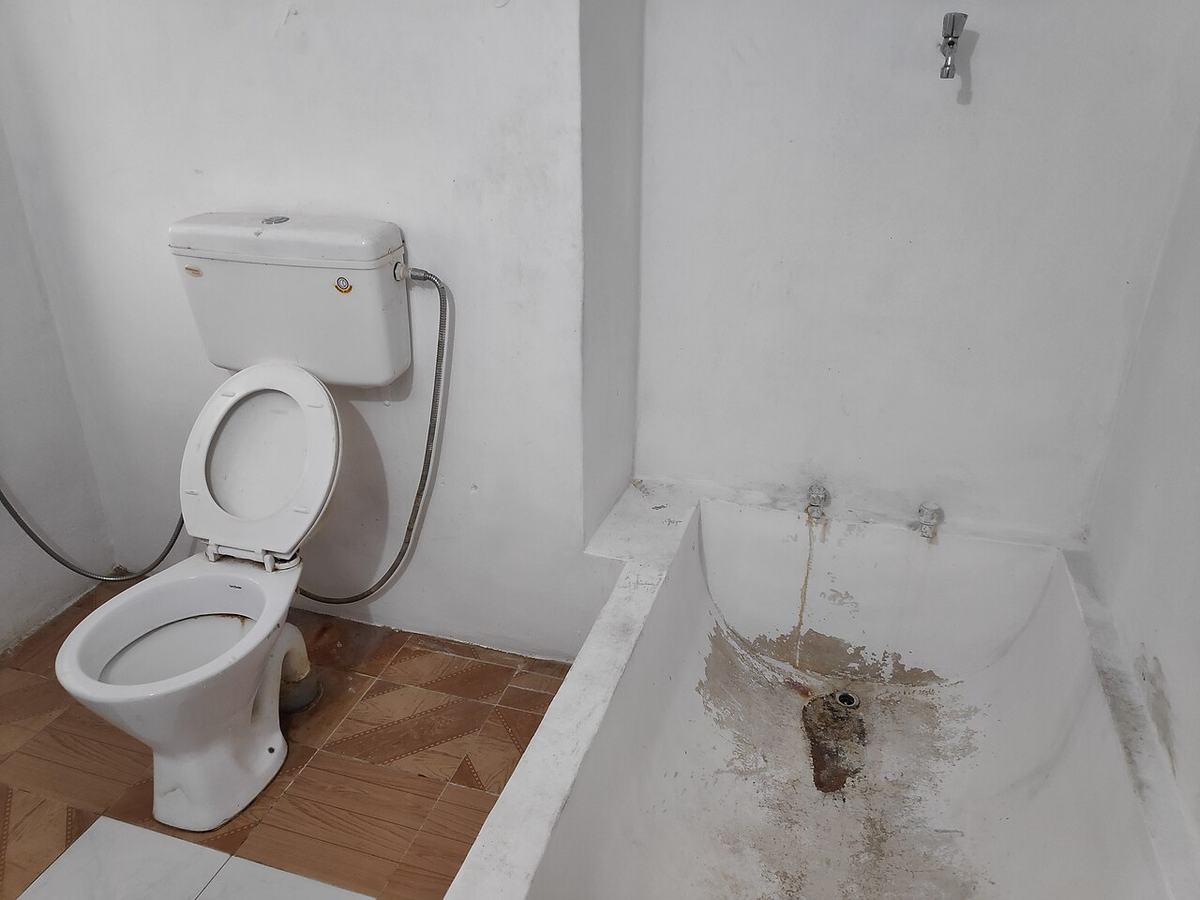
Two Kinds of Overflow: The Flood You See and the Leak You Do Not
The dramatic toilet event is the clog overflow: a blocked bowl, a flush that keeps coming, and water across the bathroom floor in minutes. The quiet event does more damage. A wax ring failure leaks a portion of every flush under the toilet base for months, invisible on the surface, saturating the subfloor around the flange until the floor stains, softens, or the ceiling below shows a ring. Slow fill valve failures split the difference, running water across the floor at night until a hallway carpet announces it in the morning. Tulsa calls divide between all three, and the cleanup for each is different.
What they share is the category question. Water that has passed through a toilet bowl or drain is not treated as clean water in professional practice. Category 2 is the working assumption for bowl overflows, with Category 3 handling if sewage backed up through the fixture. That classification drives protective equipment, what porous materials can be cleaned versus removed, and the antimicrobial protocol, which is why a toilet overflow deserves a professional response out of proportion to how small the bathroom is.
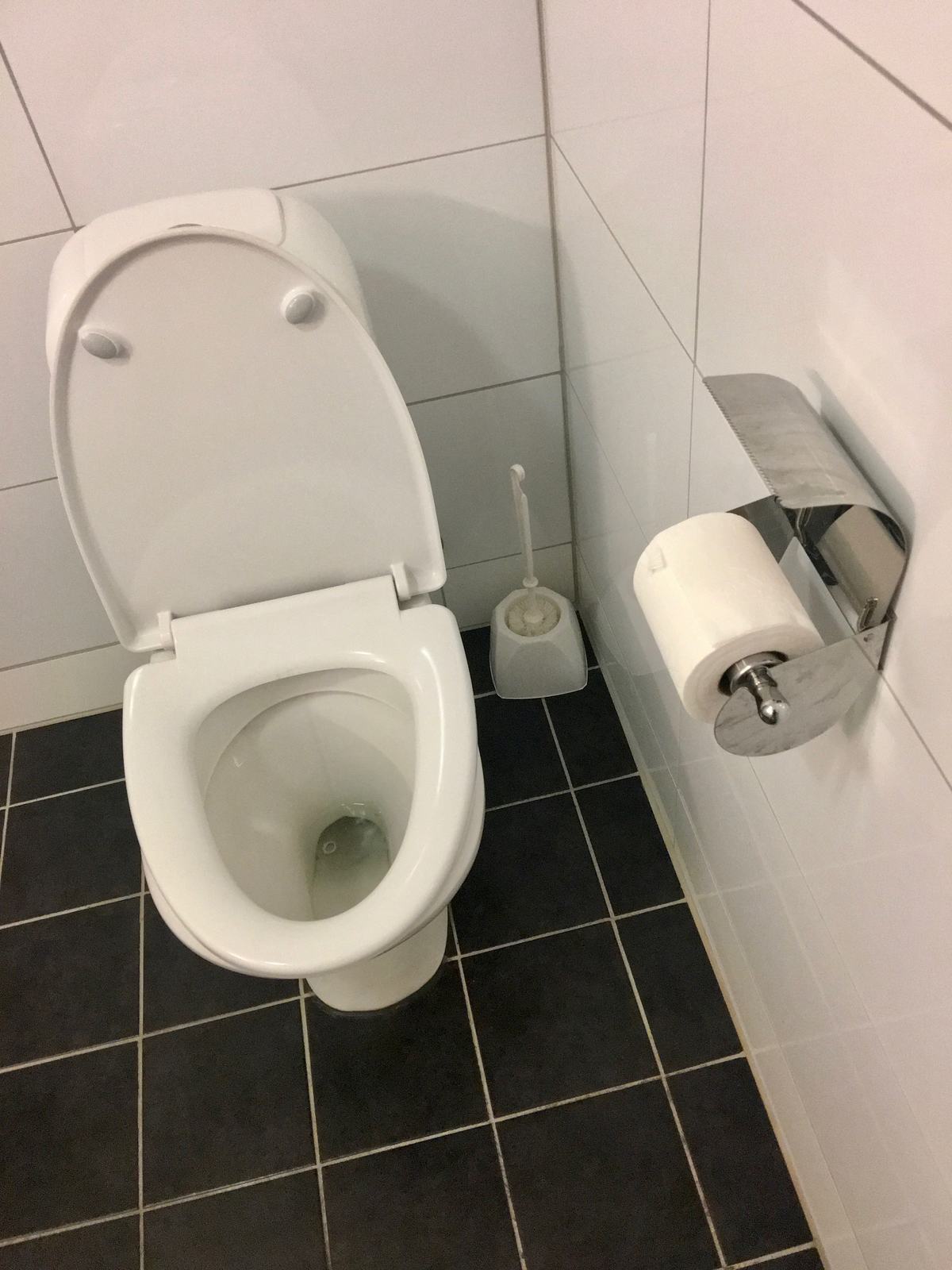
The Bathroom-to-Basement Water Path in Tulsa Homes
Bathroom water does not stay in the bathroom. It sheets to the lowest edge of the floor, escapes at the tub and toilet penetrations and under the baseboards, and drops into the structure below. In two story Tulsa homes, that is the ceiling of the room beneath, often a kitchen or living room, where it wets drywall and insulation before it ever drips visibly. In single story slab homes it wicks into wall bases and adjoining carpet. In pier and beam homes it falls to the crawl space, where it can sit against joists unseen. The visible bathroom can be dry to the touch while the cavity below is still wet.
So the response maps the whole path. The bathroom floor system gets readings at the surface and, where construction allows, at the subfloor. The ceiling and wall tops of the room below get readings. The crawl space gets a look on pier and beam homes. That vertical map decides where extraction, opening, and drying are needed, and it routinely finds the one wet pocket that a bathroom-only cleanup would have sealed in to grow mold.
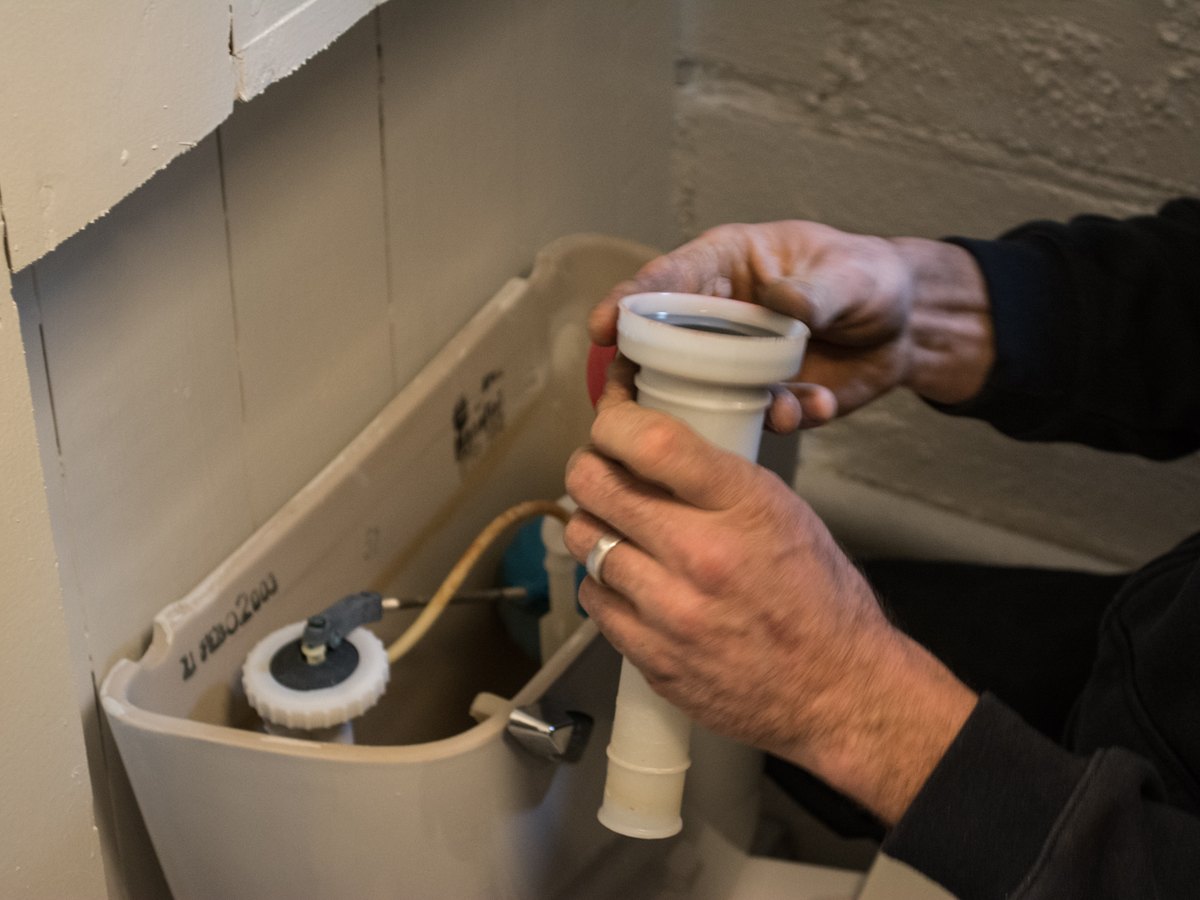
What Professional Toilet Overflow Cleanup Includes
The visit starts with source control: the supply valve behind the toilet, the fill valve assessed, and a plumber referral when the wax ring or flange is the culprit, because cleanup without the repair just schedules the sequel. Extraction removes standing water, and contaminated porous material, typically carpet pad in an adjoining room or saturated particleboard vanities, is removed rather than cleaned, because Category 2 water in porous material is not a surface problem. Hard surfaces are cleaned and treated with antimicrobial application following the product label and industry guidance for contaminated water.
Then drying, verified like every other category of loss. Subfloor readings decide whether the floor can be dried in place or whether a section has lost too much strength and must be replaced by a carpenter. If the ceiling below got wet, it joins the drying plan with its own readings. The closing documentation shows what category the water was handled as, what was removed and why, and the final moisture numbers, which is the record that matters if the event becomes an insurance conversation or a future home sale question.
How the Cleanup Proceeds, Step by Step
1. Call and category triage
The dispatcher asks what overflowed, whether bowl contents or sewage are involved, how long water ran, and what is below the bathroom, then sets protective expectations for the visit.
2. Source shutoff and toilet assessment
The supply is closed, the toilet stability and base are checked for wax ring signs, and a plumber referral is flagged when the flange seal or fill valve is the cause.
3. Extraction with contamination protocols
Crews in protective equipment extract the water. Porous materials wetted by Category 2 or 3 water are removed and bagged; hard surfaces are cleaned for treatment.
4. Vertical moisture mapping
Readings cover the bathroom floor and subfloor, adjoining rooms, the ceiling below in two story homes, and the crawl space in pier and beam homes.
5. Antimicrobial treatment and drying
Affected surfaces receive antimicrobial treatment, and air movers and dehumidification dry the floor system and any wet ceiling to verified standards.
6. Final readings and documentation
Closing moisture numbers, photos, and a summary of materials removed are provided for your records and any claim file.
The Wax Ring: Small Part, Expensive Failure
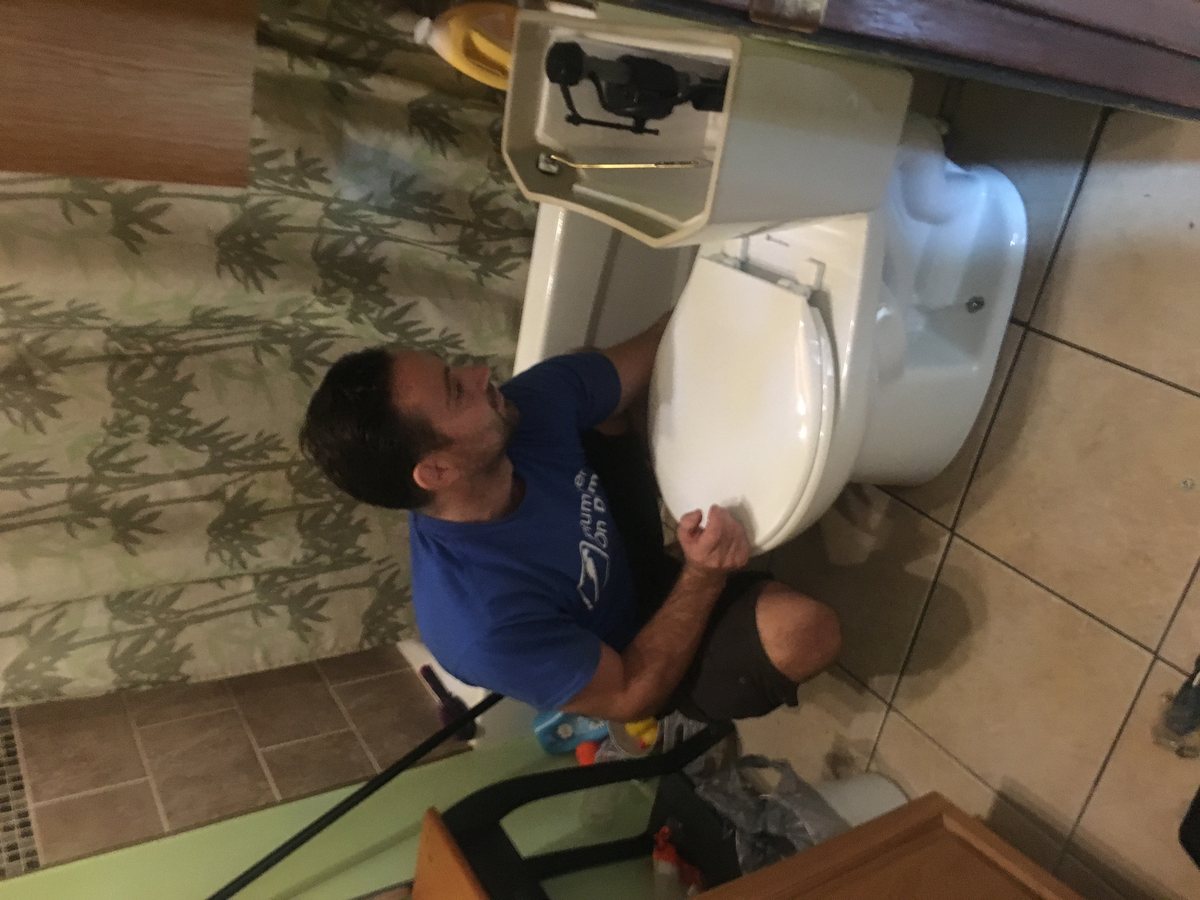
The wax ring is a few dollars of material doing a critical job: sealing the toilet outlet to the floor flange so every flush goes down the drain and nothing escapes sideways. It fails by age, by a toilet that rocks and breaks the seal, or by a flange set too low after a floor remodel adds tile height. Because the failure leaks under the base, homeowners often caulk the base edge, which traps the leaking water against the subfloor while the bathroom looks tidy. The correct response to water at the base, rocking, or sewer odor is to lift the toilet, inspect the ring and flange, and check the subfloor with readings, not to seal the evidence in.
If your Tulsa bathroom shows any of those signs, treat it as a slow leak already in progress. The cleanup scope grows with every month it runs, from drying a small subfloor area to replacing subfloor sections and the ceiling below. Caught at the first stain, it is one of the cheapest water problems in the house to resolve completely.
Dealing with this in Tulsa right now?
Call (918) 578-1166 and a local dispatcher will talk through what happened, whether the water is still spreading, and the safest next step for your home or business in Tulsa County.
Process Steps That Fix This Damage
Overflow cleanup runs through extraction, antimicrobial treatment, and verified drying of the floor system. These process pages explain the steps that protect the rooms below the bathroom.

Main Water Damage Services in Tulsa
Every cause on this site is handled inside the same full restoration sequence. These pages cover the emergency, residential, and commercial services that frame the response.

Other Causes of Water Damage in Tulsa
Return to the water damage restoration Tulsa OK home page for the full process, cause, mold, and insurance pages, or start with emergency water damage restoration if water is active right now.
Frequently Asked Questions
Is toilet overflow water dangerous?
It depends on what the toilet contained, and cleanup treats it carefully either way. A clean supply water overflow from a stuck fill valve is low risk. An overflow that includes bowl contents is handled as Category 2 water, meaning it can carry bacteria and other contaminants that can cause illness, and if sewage from the drain line is involved it is treated as Category 3. Because homeowners cannot always tell which event they had, the safe practice is professional handling for any overflow beyond a few towels worth, with protective equipment, extraction, antimicrobial treatment, and drying rather than a mop and household cleaner.
Can I clean a toilet overflow myself?
A small, clean water spill caught immediately on tile, wiped up and dried with airflow the same hour, is a reasonable do it yourself job. The line is crossed when water reaches carpet, wood, or baseboards, when it runs for an unknown time, when it involves bowl contents or a suspected wax ring leak, or when the bathroom is above finished space and water may have entered the ceiling below. Those situations hide moisture in subfloor and wall bases where household cleaning cannot reach or verify. When in doubt, the cost of a moisture check is trivial next to a subfloor or mold problem discovered months later.
How do I know if the wax ring failed?
The wax ring seals the toilet base to the drain flange, and its failure leaks with every flush, mostly out of sight. Signs include water appearing at the base of the toilet, a toilet that rocks or shifts when sat on, a spongy or stained floor around the base, and a sewer odor in the bathroom that cleaning does not fix. The decisive evidence is under the floor: stains or moisture on the subfloor and the ceiling below, in the pattern of the flange. Because the fix requires lifting the toilet, and the cleanup requires checking the subfloor it has been wetting, wax ring calls usually pair a plumber with moisture mapping in the same visit window.
Why does my bathroom floor feel spongy near the toilet?
A spongy floor is the subfloor telling you it has been wet for a while. Plywood and OSB subfloors absorb water from wax ring leaks and slow overflows, swell, and lose stiffness as the wood fibers and adhesives break down. By the time the give is noticeable underfoot, moisture has usually been present for weeks or months, and the affected area often extends beyond the soft spot. That floor needs readings and a drying or replacement decision based on how much strength the material has lost, and the toilet needs to come up so the flange and ring can be inspected rather than caulked over.
Will one overflow ruin the ceiling below the bathroom?
It can, and multi-story Tulsa homes see this regularly. Overflow water crosses the bathroom floor, finds the pipe penetrations and floor edges, and drops into the ceiling cavity below, wetting drywall and insulation. A single short overflow caught fast may only need the bathroom floor dried, but water that ran for an hour, or repeat events from a failing wax ring, commonly wet the ceiling beneath. The check is simple: moisture readings on the ceiling and wall tops below the bathroom, compared with dry areas. Finding that moisture early is the difference between drying a ceiling and replacing one.
One call starts the cleanup.
Talk to a local Tulsa dispatcher now. You will get clear next steps, a real arrival plan, and documentation from the first visit.