Tulsa, OK - 24/7 Emergency Service
Sewage Backup Cleanup Tulsa OK
Sewage is the one water category where cleanup is a health protocol before it is a restoration job. Containment, protective equipment, removal, and disinfection, in that order, every time.
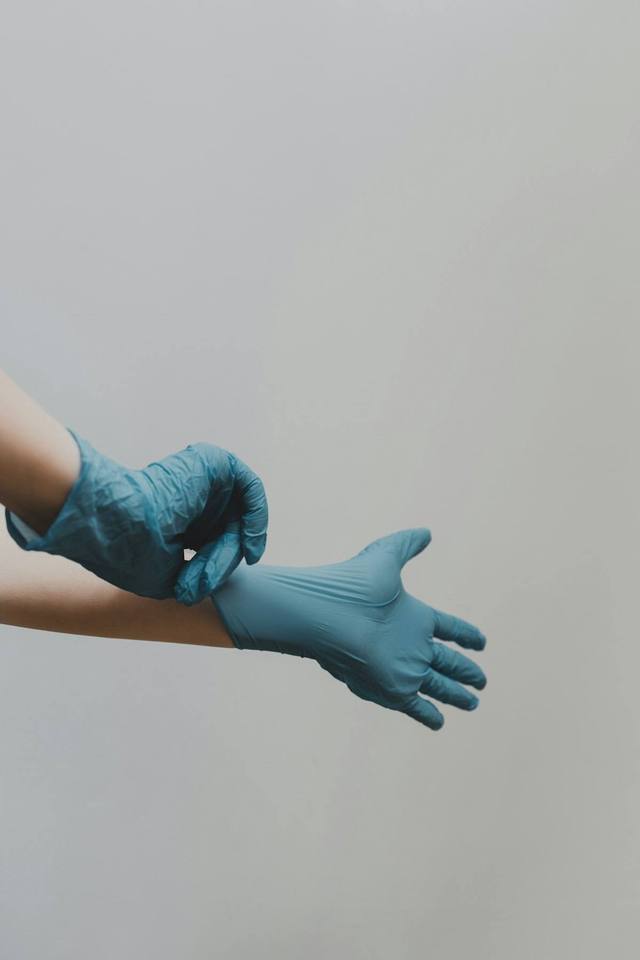
- Full PPE and Category 3 handling protocols
- Containment and negative air pressure setup
- Removal and proper disposal of contaminated porous materials
- Disinfection, drying, and documented clearance checks
The source decides the cleanup. Clean supply water, a leaking appliance, and sewage each need a different protocol, and the wrong one makes things worse.
Category 3 Water: Why Sewage Cleanup Follows Different Rules
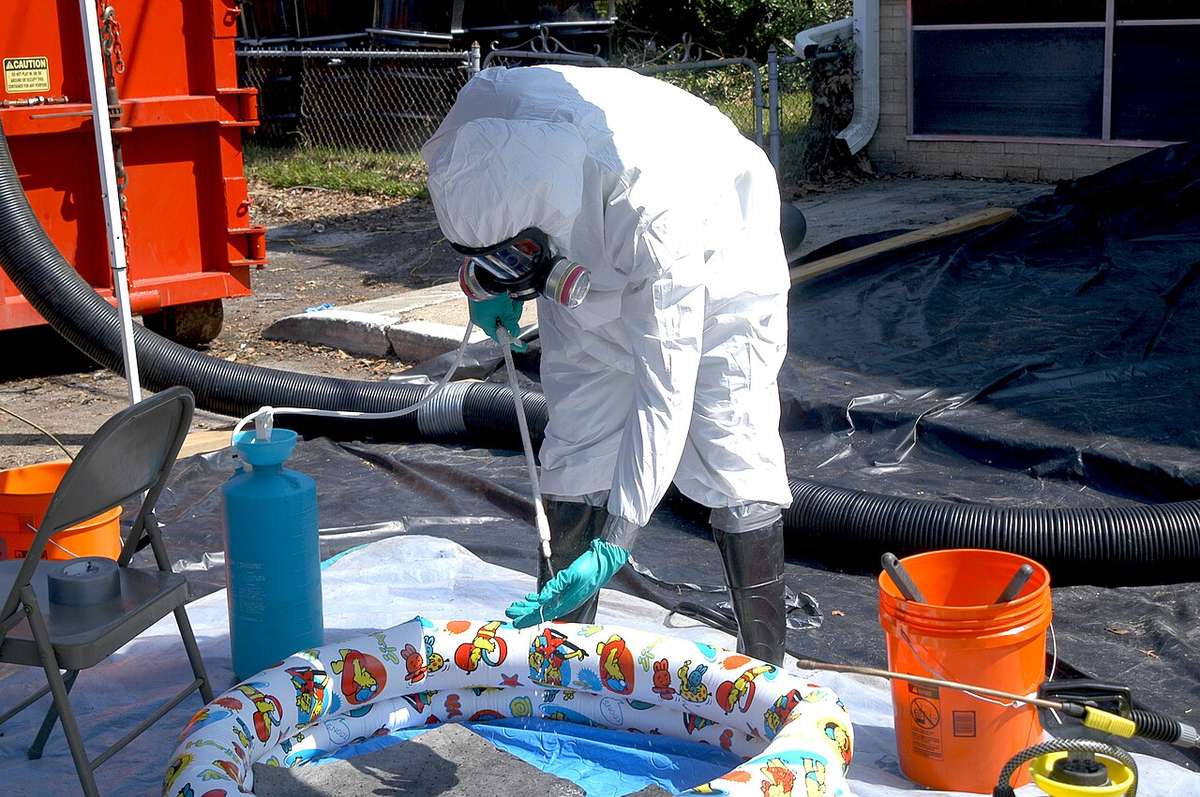
Restoration standards divide water into categories by contamination, and sewage sits in Category 3, black water, alongside floodwater from the ground surface. The classification is not a formality. Category 3 water may contain bacteria including E. coli and Salmonella, viruses including Norovirus, parasites, and chemical contaminants, and it can cause serious illness through contact, ingestion, and the aerosols created when it is disturbed. Every decision on a sewage job flows from that: who may enter, what they wear, what gets removed instead of cleaned, how air is managed, and how materials leave the house.
The practical consequence is that sewage cleanup looks different from a clean water job from the first step. Crews wear full protective equipment, including suits, gloves, boots, and respiratory protection. The affected area is contained with physical barriers so contamination is not tracked or blown into clean rooms, and negative air pressure with HEPA filtration keeps the work zone air moving in the safe direction. Porous materials that sewage contacted are removed and bagged inside the containment. None of this is optional theater; it is the established protocol for this category of loss, and it is what separates cleanup from smearing contamination thinner.
How Sewage Gets Into Tulsa Homes: Roots, Clay Pipe, and Storm Load
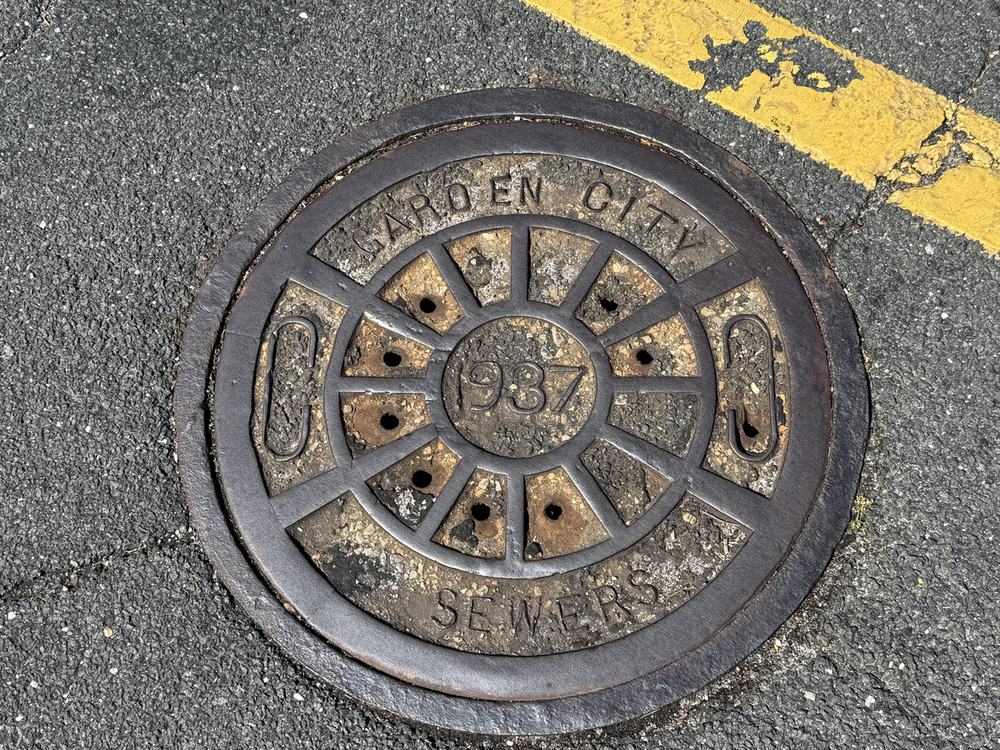
Tulsa sewer infrastructure tells this story in layers. Many older neighborhoods still drain through clay pipe laterals, and clay sections joined decades ago are prime entry points for tree roots seeking moisture. A root mass grows inside the line, catches paper and grease, and eventually blocks flow; the backup then exits at the lowest openings in the house, floor drains, basement toilets, tubs, and showers. Mature trees, one of the best features of Midtown and Maple Ridge streets, are exactly why those neighborhoods see this pattern, and the blockages grow back unless the line itself is repaired or replaced.
Storm driven backups are the second Tulsa pattern. During heavy rain, groundwater infiltrates aging lines and municipal systems run at capacity; homes at low points or with marginal laterals can receive water pushed back through their own drains. Septic systems on the edges of the metro have their own version, when saturated drain fields stop accepting water. In every pattern, the restoration and the plumbing run in parallel: we restore the house, and a plumber cameras the line to find the root mass, collapse, or blockage, because a house cleaned without a line repaired is a house waiting for the next rain.
What Happens Inside the Containment: Removal, Cleaning, Disinfection
Work begins by defining the contamination footprint, which follows where sewage water actually went: across floors, into wall bases by wicking, under flooring edges, and into any porous material in the splash and flow zone. Standing sewage is extracted with equipment dedicated to contaminated water. Then removal: carpet and pad, affected drywall and insulation, upholstered items, and other porous materials in the footprint are cut or carried out through the containment and disposed of according to local requirements. Homeowners are told plainly what must go and why, before it goes, with photos for the record.
With porous material out, the cleanable structure is washed and disinfected with products labeled for this use, applied at the specified dwell times rather than wiped and hoped. Subfloors, framing, tile, and concrete are the typical survivors, and they are cleaned to the standard the category demands. Antimicrobial treatment is part of this phase, and drying follows immediately after, because disinfected but damp structure is still a mold risk. Odor is handled at the source throughout: odor after sewage is contamination announcing itself, and when the contamination is genuinely gone, the odor goes with it.
How the Cleanup Proceeds, Step by Step
1. Call and safety triage
The dispatcher confirms it is sewage, tells you to keep people and pets out of the affected area, asks about lowest fixtures and finished rooms, and dispatches with Category 3 protocols.
2. Containment and PPE setup
Before removal begins, the crew establishes barriers and negative air with HEPA filtration, and all work proceeds in protective suits, gloves, and respiratory protection.
3. Extraction and gross removal
Standing sewage and solids are extracted and removed. Porous materials in the footprint, carpet, pad, drywall, insulation, upholstery, are removed and disposed of properly.
4. Cleaning and disinfection of structure
Surviving hard and semi-porous surfaces are washed and disinfected with labeled products at full dwell time, including subfloors, framing, tile, and concrete.
5. Drying and odor resolution
The structure is dried under containment with monitored readings, and any remaining odor is traced to its source and treated there rather than masked.
6. Clearance summary and plumbing referral
You receive the category record, footprint, materials removed, disinfection and drying logs, plus the case for a camera inspection of the line so the cause is repaired too.
Protecting Your Household During and After a Backup
Until clearance, treat the affected rooms as closed. Do not run the home HVAC if its returns or ducts connect to the work area, because air movement is how contamination travels; the crew will advise on your specific system and seal returns inside the containment where needed. Laundry that contacted sewage water is handled as contaminated, not washed into the household machine load. Children and pets stay out until the crew clears the space, and anyone who must enter before the crew arrives should wear gloves and boots and wash thoroughly after.
After clearance, the rooms are returned to normal use based on the verification steps: removal complete, disinfection done at dwell time, moisture at dry standard. If your household includes infants, elderly family members, or anyone immunocompromised, tell the dispatcher; it changes nothing about the protocol, which is already the strict version, but it informs how conservatively borderline materials are judged.
Preventing the Next Backup: Lines, Roots, and Rain
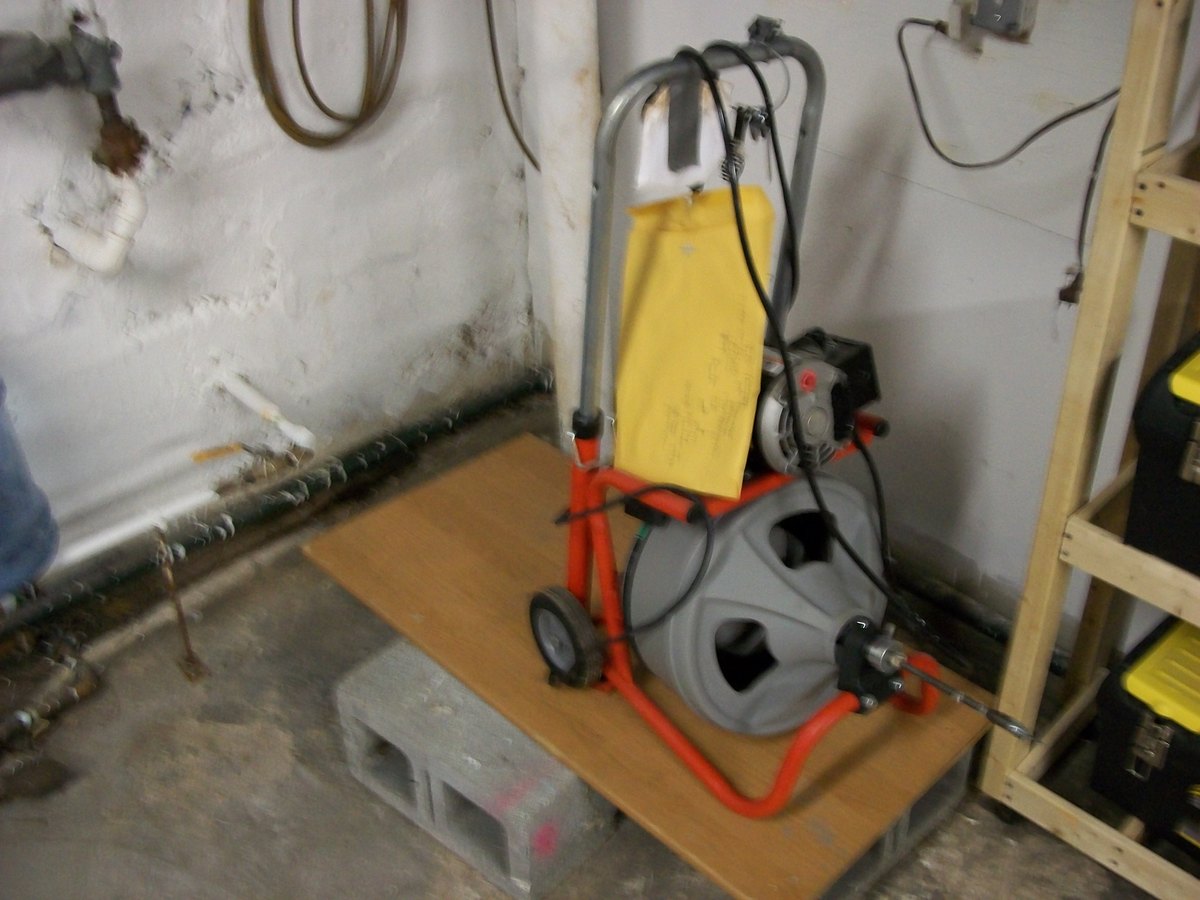
Prevention lives in the line. A camera inspection after any backup shows the lateral condition, root intrusion points, and clay pipe offsets, and it converts guesswork into a repair plan. Root cutting buys time; lining or replacing a failed clay lateral ends the pattern. A backwater valve, installed on the house drain, is the mechanical insurance for storm driven backups, closing when municipal flow reverses. Inside the house, the habits are simple: no grease down the drain, no wipes of any kind down the toilet regardless of packaging claims, and attention to slow drains, which are a lateral telling you it is narrowing.
Tulsa homeowners in older neighborhoods should treat a first backup as information, not bad luck. The line has announced its condition. The homes that avoid the second, larger backup are the ones where the camera went in after the first cleanup.
Dealing with this in Tulsa right now?
Call (918) 578-1166 and a local dispatcher will talk through what happened, whether the water is still spreading, and the safest next step for your home or business in Tulsa County.
Process Steps That Fix This Damage
Sewage cleanup depends on antimicrobial treatment, extraction, and odor removal done in protocol order. These process pages explain the steps behind the containment.

Main Water Damage Services in Tulsa
Every cause on this site is handled inside the same full restoration sequence. These pages cover the emergency, residential, and commercial services that frame the response.

Other Causes of Water Damage in Tulsa
Return to the water damage restoration Tulsa OK home page for the full process, cause, mold, and insurance pages, or start with emergency water damage restoration if water is active right now.
Frequently Asked Questions
Is sewage backup dangerous?
Yes, and it should be treated that way from the first minute. Sewage is Category 3 water, also called black water, and it can carry bacteria such as E. coli and Salmonella, viruses such as Norovirus, and other pathogens that cause gastrointestinal and skin infections. The risk is highest for children, older adults, and anyone with a weakened immune system, and it travels by contact and by disturbing contaminated material without protection. Keep people and pets out of affected rooms, do not handle contaminated items with bare hands, ventilate if you can do it without spreading air through the house system, and let a crew with protective equipment, containment, and proper disposal handle the cleanup.
Can I clean a sewage backup myself?
Professional guidance is consistent here: sewage cleanup is not a do it yourself job beyond the smallest, contained incidents, and even then only with real protective equipment and disinfection. The reasons are practical. Porous materials that sewage touches, carpet, pad, drywall, upholstered furniture, cannot be reliably disinfected and must be removed and disposed of properly, and knowing where the contamination boundary runs requires assessment, not eyesight. Household cleaners are not formulated or labeled for sewage pathogens, and disturbing the material without containment spreads contamination. If backup water touched anything porous or covered more than a few square feet, call for professional cleanup.
Does insurance cover sewage backup?
Standard homeowners policies commonly exclude sewer and drain backup unless a specific backup endorsement was added, and that endorsement, when present, usually carries its own limit. This surprises many Tulsa homeowners at the worst moment, so check your policy declarations for a water backup or sump overflow endorsement rather than assuming. Whatever the coverage answer, the cleanup itself should not wait on it: contamination and odor worsen hourly, and prompt documented mitigation protects both health and any claim that does apply. We document sewage losses thoroughly, with category, footprint, and materials removed, so the record supports whatever conversation follows with your insurer.
What causes a sewage backup in a Tulsa home?
The usual causes live underground. Tree root intrusion is the classic Tulsa story: roots from mature neighborhood trees enter clay pipe joints and aging laterals, growing into a mass that catches debris until the line blocks and the lowest fixtures in the house become the exit. Heavy rain adds a second path, when storm water infiltrates or overwhelms municipal lines and pushes back into homes. Collapsed or offset clay pipe sections, grease buildup, and flushed items that should never be flushed complete the list. The cleanup fixes the house; a plumber with a camera inspection fixes the line, and both halves are needed or the backup returns.
What has to be thrown away after a sewage backup?
The rule follows porosity. Carpet and pad, upholstered furniture, mattresses, pillows, stuffed toys, and drywall or insulation that sewage reached are removed and disposed of, because they cannot be reliably disinfected through their depth. Hard, non-porous surfaces, tile, sealed concrete, metal, glass, hard plastics, can be cleaned and disinfected in place. Semi-porous items are judged case by case by a professional on site. It is an unwelcome list, but it is the honest one, and it is far shorter when the backup is small and the response is fast. Items with sentimental value can sometimes be handled by specialty content cleaning, which the crew can discuss.
How long does sewage cleanup take, and when is it safe to use the rooms again?
A contained single bathroom event may be cleaned, disinfected, and dried in a day or two. A basement scale backup with removal, disinfection, and structural drying runs longer, often several days. Rooms return to use when the work is verified: contaminated materials out, surfaces cleaned and disinfected, moisture at dry standard, and odor resolved at its source. The crew will tell you plainly which rooms are clear and which are still in process, and clearance is based on those checks rather than on the smell fading, because odor fading alone is not a safety measure.
One call starts the cleanup.
Talk to a local Tulsa dispatcher now. You will get clear next steps, a real arrival plan, and documentation from the first visit.