Tulsa, OK - 24/7 Emergency Service
The First 24 Hours After Water Damage, A Tulsa Homeowner's Checklist
The first 24 hours determine everything that follows, how much of your property can be saved, how much the restoration costs, how smoothly your insurance claim processes, and whether mold becomes part of the story. This is not the time for research. This is the time for action, in the right order, with nothing skipped.
These guides follow the same process used on Tulsa jobs: stop the source, extract, dry to measured goals, and document everything.
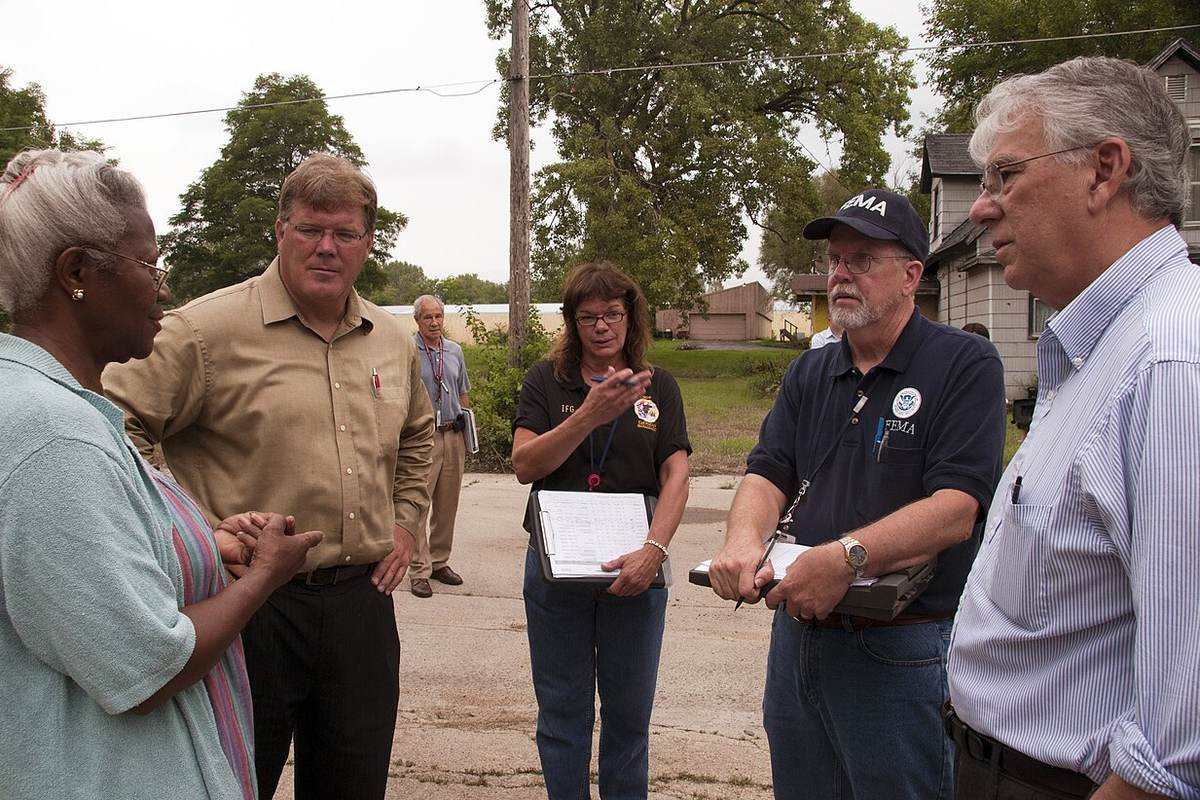
Hour 0-1: Stop the Source, Secure the Space
Stop the water. Close the fixture shutoff valve. If you cannot reach it, close the main water supply. For roof leaks during active rain, contain with buckets, do not go on the roof during a storm. Sewer backup requires plumbing intervention.
Kill the electricity in wet areas. At the breaker panel, shut off circuits serving rooms with standing water or water near outlets. If the panel is in a flooded basement, do not enter, call your utility for emergency disconnect.
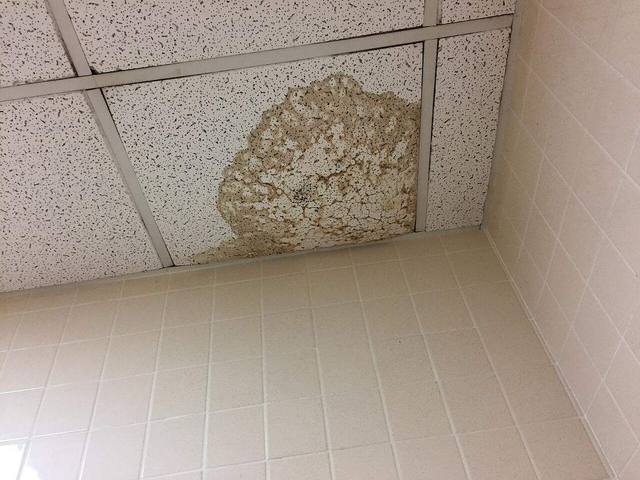
Assess safety. Do not walk through standing water near live electrical sources. Do not enter areas with sewage present without protection. If ceilings are bulging or sagging, stay out, waterlogged drywall can collapse.
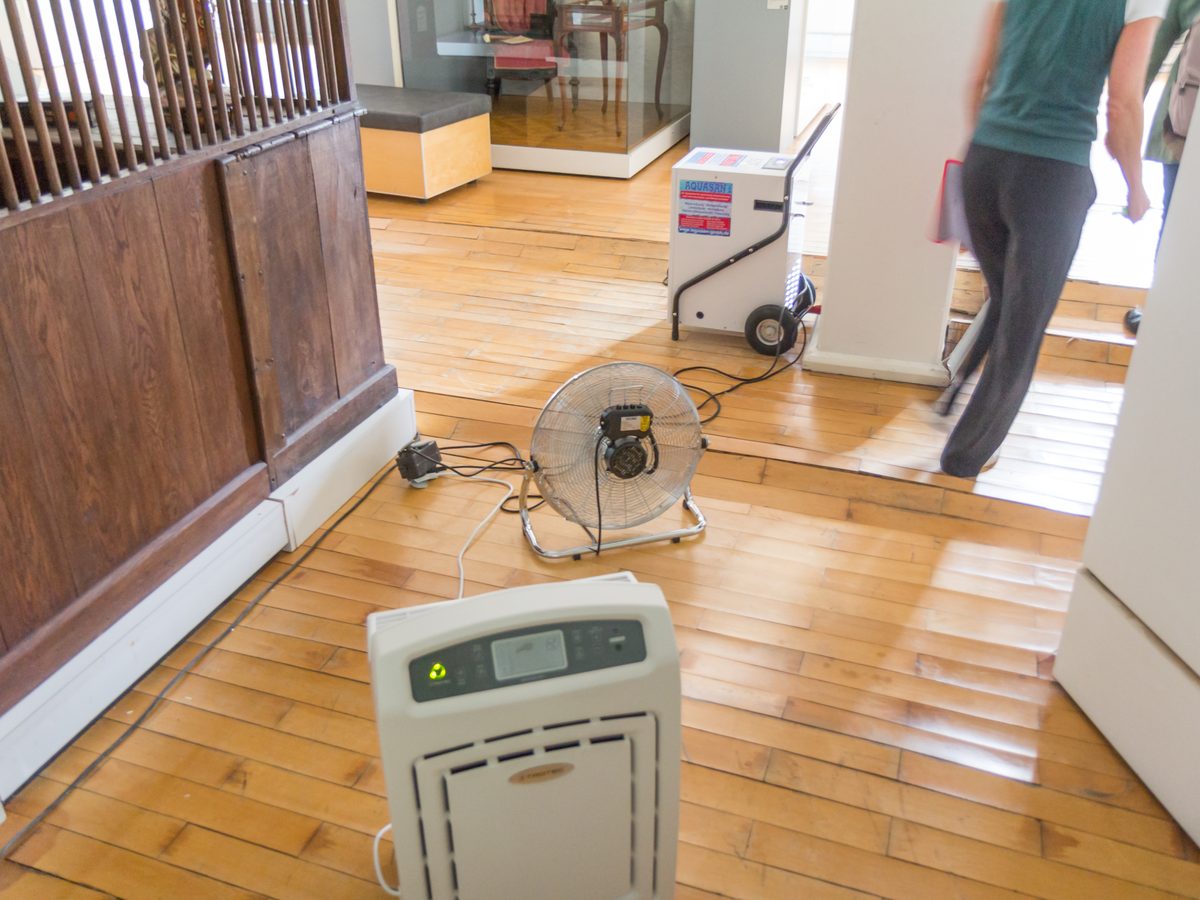
Hour 0-1: Document Before Touching Anything
Photograph everything. The water source. Standing water level. Every affected room. Damaged materials. Wet contents.
Video walkthrough. Walk through with your phone recording. Narrate what you see.
Note the timeline. When did you discover it? When did it start? How long might it have been running? Write this down.
Hour 0-2: Call for Professional Extraction
(918) 578-1166. Do not wait until morning. Do not wait for the insurance company. Do not try to mop it up and assess tomorrow. Every hour the water sits, the damage scope expands and cost increases.
Hour 1-4: Report the Insurance Claim
Call your insurer's 24-hour claims line. Provide basic facts, what happened, when discovered, what areas affected, what you have done to mitigate. You do not need to wait for the adjuster before restoration begins. Your policy requires mitigation, starting emergency cleanup fulfills that obligation.
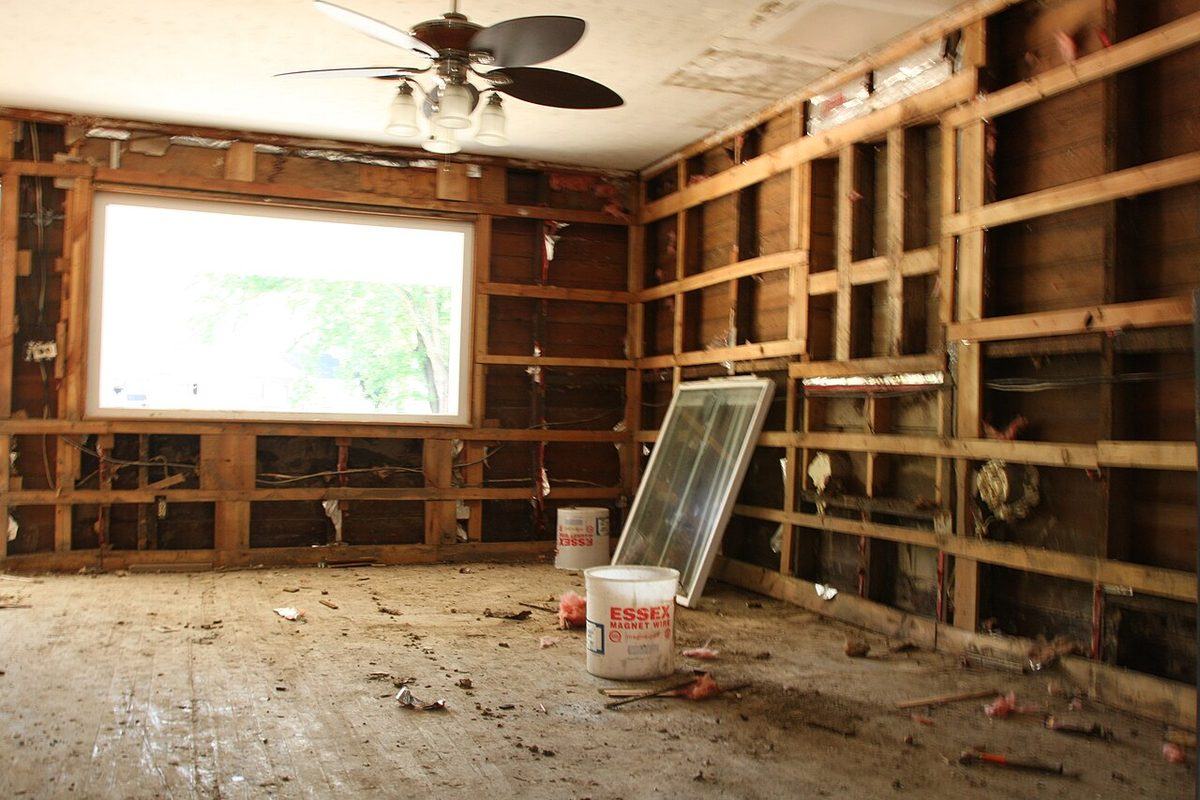
Hour 2-8: Extraction and Initial Assessment
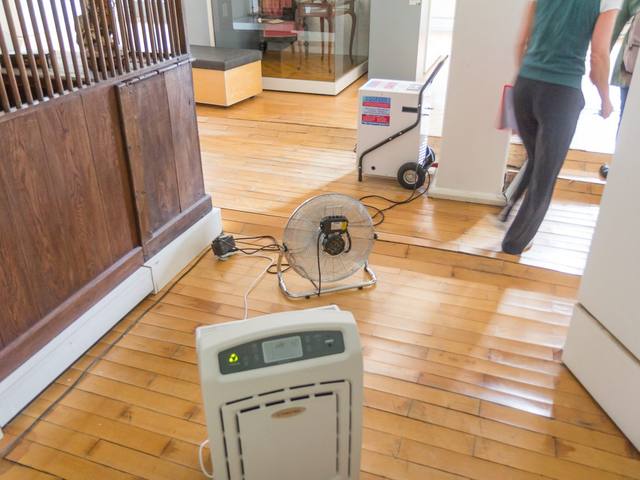
The restoration team extracts standing water, begins moisture mapping, classifies the water category and damage class, and sets up drying equipment. Material removal begins for obviously unsalvageable items.
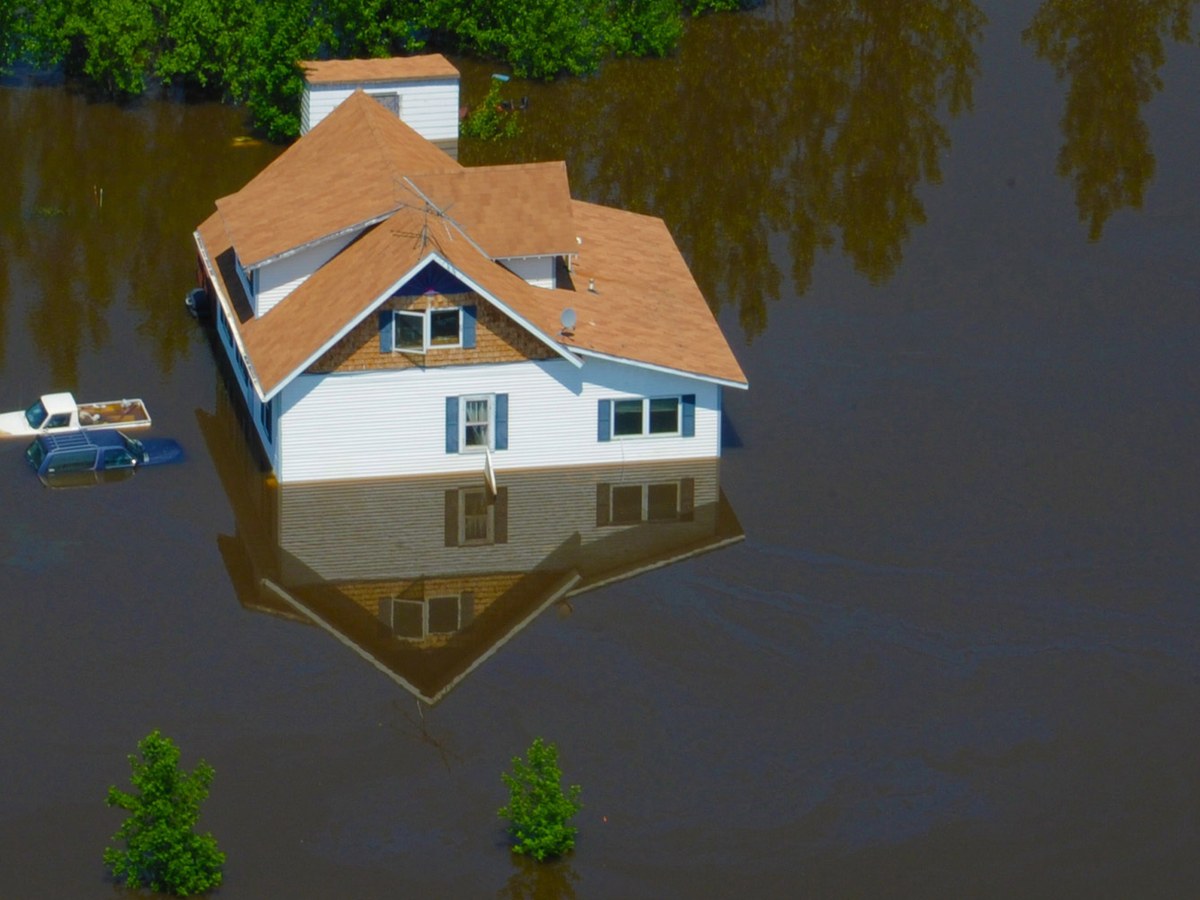
Hour 4-12: Protect Your Contents
Move small items off wet floors. Elevate irreplaceable items, photographs, documents, electronics, to a dry area immediately. Electronics exposed to water should not be powered on.
Hour 8-24: Drying Begins, Monitoring Starts
Equipment running continuously. First moisture readings establish the baseline. The drying log begins.
By hour 24, you should have: the source controlled, professional extraction completed, drying equipment running, insurance claim reported, documentation captured, and a clear understanding of scope, timeline, and next steps.
→ Water Extraction | → Insurance Claim Guide | → Cost Guide
Reading about it is step one. Drying is step two.
If this article describes your house right now, call (918) 578-1166. We extract, dry, and document the loss, and the record we build is the one your insurer will ask for.
More From the Tulsa Water Damage Blog
Back to the Tulsa water damage blog index, the water damage restoration Tulsa OK home page, or emergency water damage restoration if water is active right now.
One call starts extraction and drying.
Talk to a Tulsa dispatcher now. You will get clear next steps and documentation from the first visit.