Tulsa, OK - 24/7 Emergency Service
How to File a Water Damage Insurance Claim in Tulsa OK
Filing well is a sequence, not a form: mitigate first, document everything, notify promptly, and let the evidence carry the adjuster meeting. Here is the sequence Tulsa homeowners actually follow.
- Mitigation obligation explained: cleanup before the adjuster is expected
- The five part documentation file that prices a claim
- Adjuster visit, scope of loss, and Xactimate in plain terms
- Supplements: the normal way a first settlement gets corrected
Insurers pay for documented losses. Photos, moisture readings, and a clear drying log from the first day are what support a claim.
First Things First: Mitigation Is Part of Filing
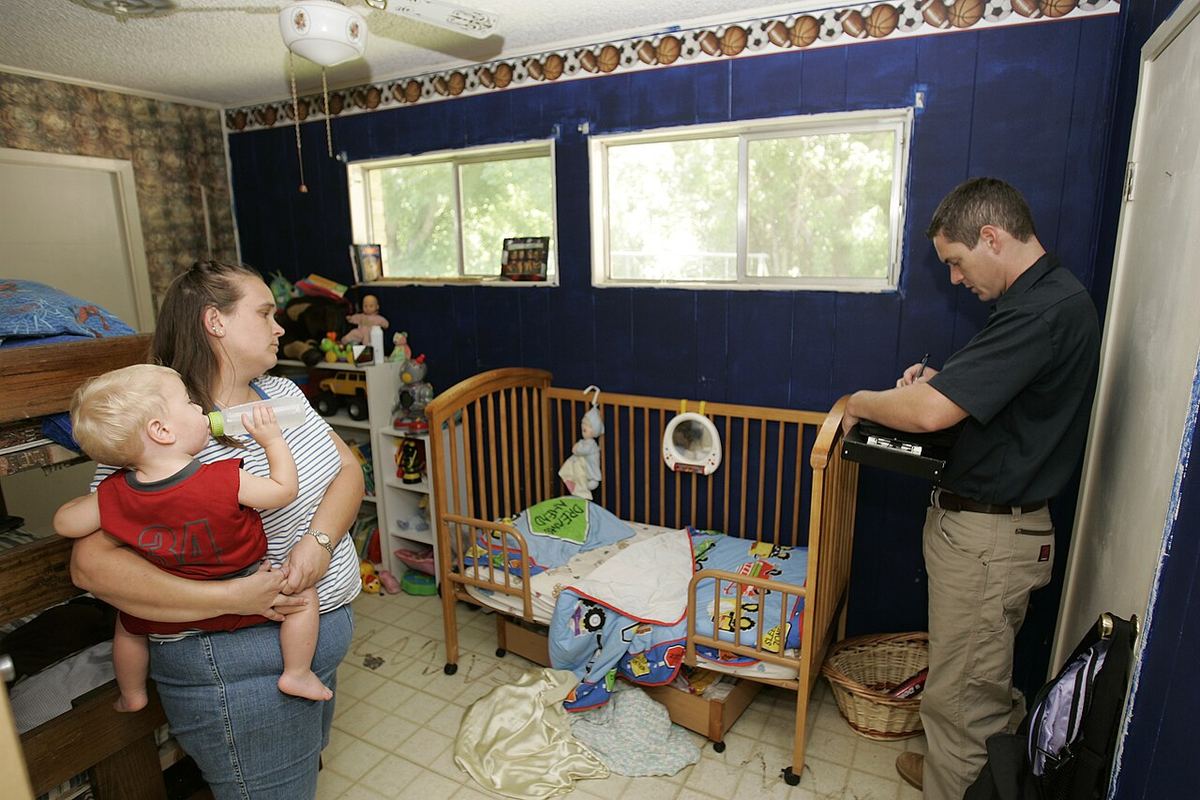
New claimants often imagine the sequence as call the insurer, wait for permission, then touch nothing. For water, that sequence damages both the home and the claim. Homeowners policies generally include a duties after loss section that expects reasonable steps to protect the property from further damage, and for a water loss those steps are specific: stop the source, extract the water, and start drying. Insurers see thousands of Tulsa claims, and the files they respect are the ones where mitigation began the same day and the mold remediation section never had to exist.
What mitigation is not is renovation. Removing wet baseboards, drywall sections that readings condemn, and saturated carpet pad is mitigation, preservation work that stops the loss growing. Rebuilding, new drywall, new floors, fresh paint, waits until the scope is agreed or the adjuster waives the wait, because completed repairs cannot be inspected. The line is bright once you see it: anything that stops damage, go; anything that hides it, document and pause.
The Adjuster Visit: What It Is and How to Host It
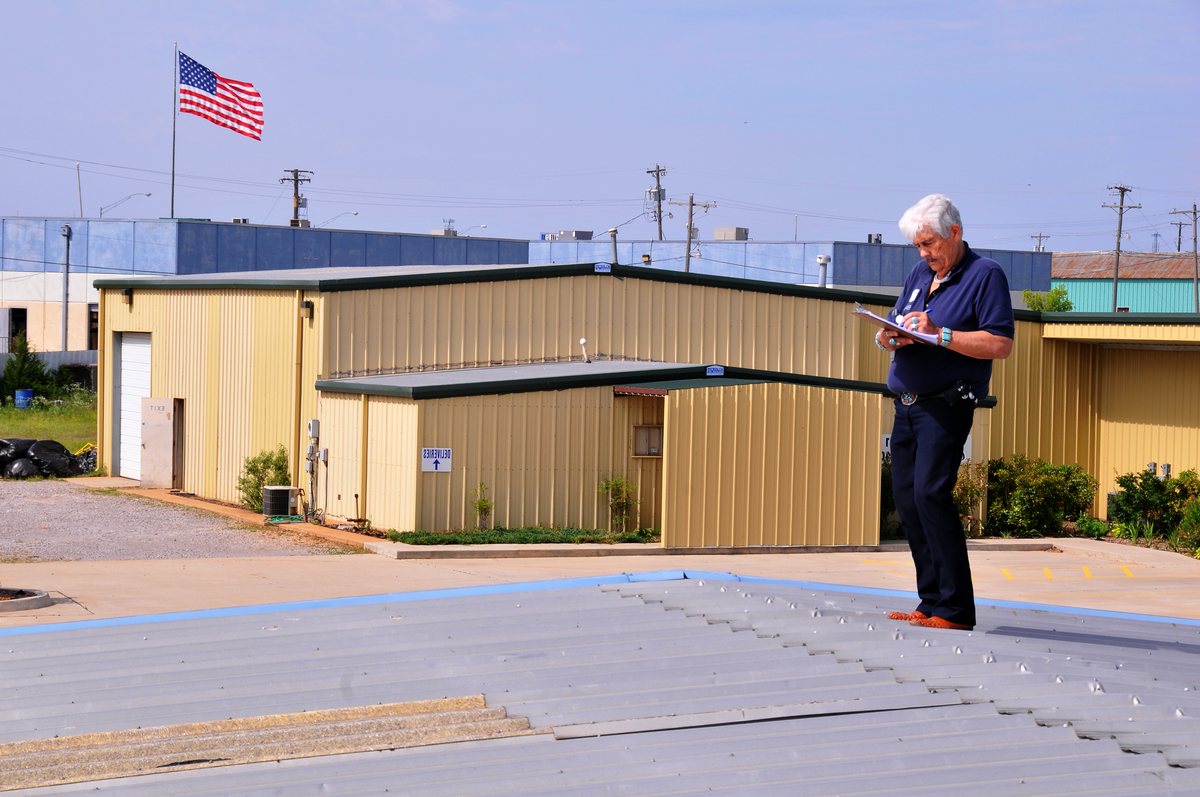
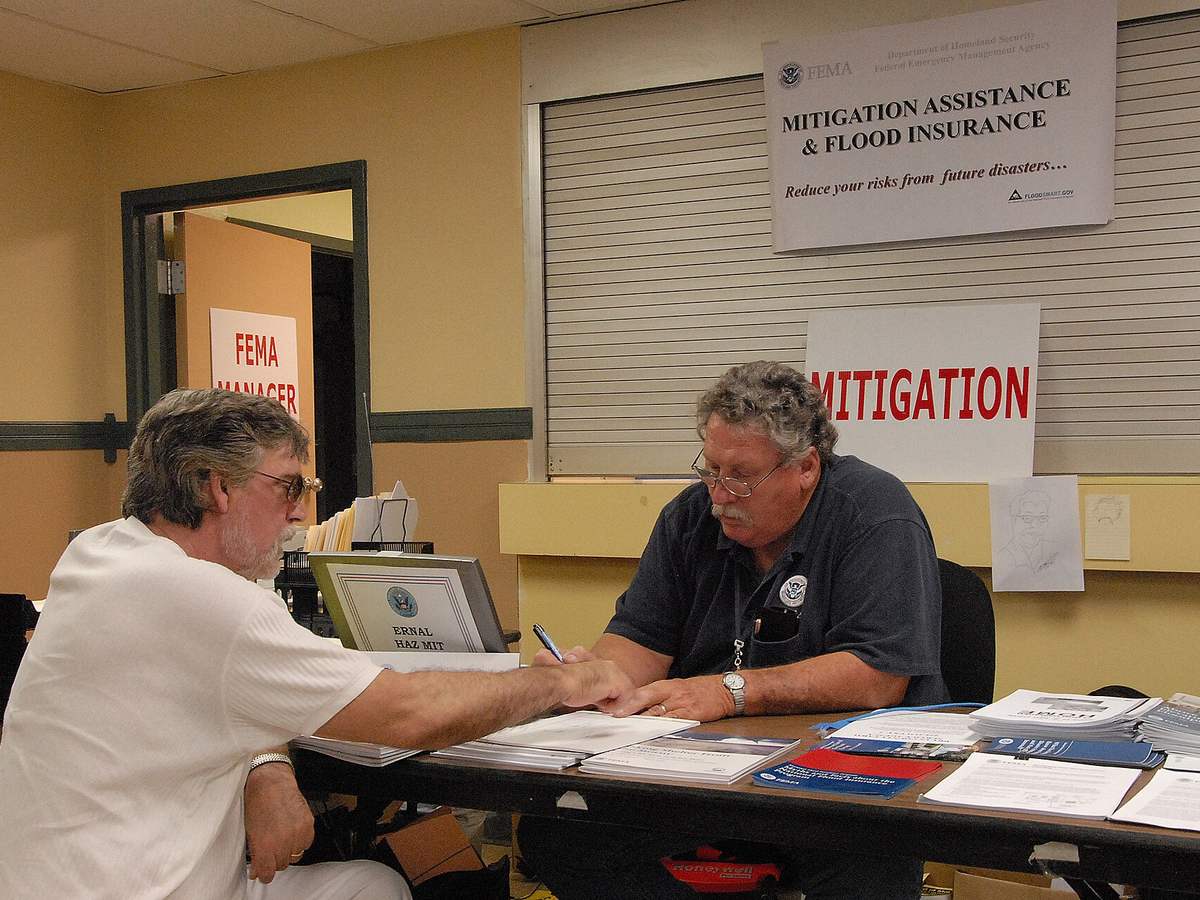
The adjuster’s job is to verify the loss and price it: confirm the cause, measure the scope, and apply your policy’s terms. Depending on the insurer and the loss size, that may be an in person visit, a virtual review of documentation, or a desk review of the contractor’s file, increasingly common for well documented water claims. In person, expect the adjuster to photograph, measure rooms, ask the timeline, and examine the source, and expect the visit to go better with your documentation open on the table than with everyone relying on memory of a house that has already been dried.
Host it like the working meeting it is. Have the claim number, the timeline, the plumber’s invoice if a repair was made, the moisture maps and drying log, and the line item scope ready. Walk the water’s path room by room. Ask what else the file needs and write the answers down. Adjusters are not adversaries in the ordinary claim; they are priced evidence processors, and the homeowner who feeds the process clean evidence gets the cleanest outcome the policy allows.
Filing a Tulsa Water Claim, Step by Step
1. Stop the source and mitigate the same day
Shut off the water, call for extraction and drying, and keep the receipts. This is a policy duty and the cheapest scope control there is.
2. Document before demolition
Photograph and video the source, the standing water, the spread, and each damaged material. Shoot wide rooms and close details, and do not stop at ten photos.
3. Notify the insurer and open the claim
Report the loss promptly, record the claim number, the adjuster’s name, and every instruction you are given, in one file that will hold the whole claim.
4. Build the professional file
Moisture maps, daily drying readings, the photo log, and a line item scope of loss, in Xactimate format where the insurer uses it, assembled by your restoration company as the work proceeds.
5. The adjuster visit or review
Walk the scope with the evidence in hand. Agree what is covered to inspect further, what needs opening, and what the next submission should contain.
6. Settlement, then supplements where evidence requires
Compare the settlement against the documented scope line by line. Gaps supported by readings, photos, or logs go back as a supplement with that evidence attached.
7. Rebuild and close the file
Complete repairs after scope agreement, keep final invoices, and claim any recoverable depreciation your policy releases on completion with the documentation it asks for.
Mistakes That Shrink Claims, and the Habits That Protect Them
The recurring mistakes are all evidence mistakes: discarding damaged materials before they are documented, finishing repairs before the adjuster review, letting weeks pass before notifying the insurer, and describing the timeline loosely in a way that makes a sudden event sound gradual. The gradual word deserves special care: tell the exact truth, dates, when you left, when you returned, when the water was found, and let the evidence carry the characterization. Truth with documents beats adjectives.
The protective habits are the mirror image: a claim file opened on day one, photographs taken before anyone’s boots cross the room, a mitigation company whose paperwork habits match its drying habits, and a homeowner who asks, at every step, what would the adjuster need to see to pay for this, and then makes sure it exists. None of it is gaming anything. It is how a factual loss becomes a priced loss without friction.
Timelines and Expectations: How Long a Claim Takes
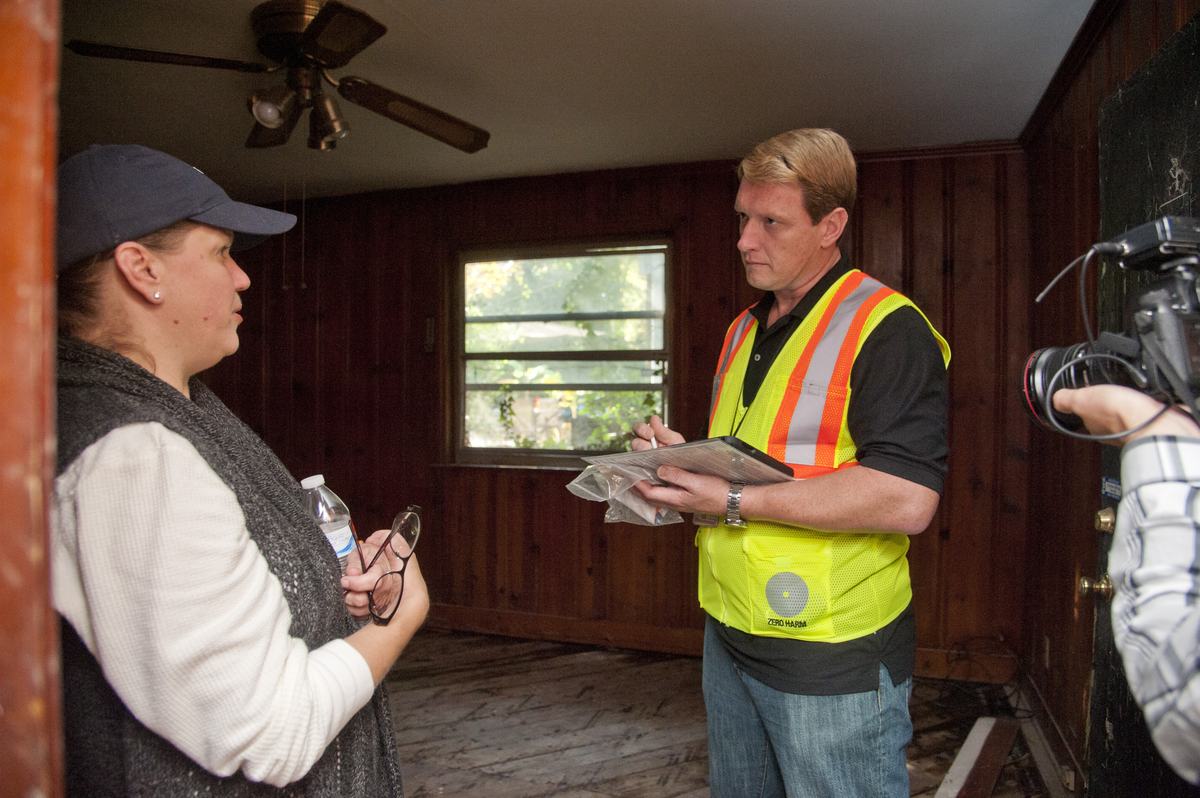
Mitigation runs on the water’s clock, days. The claim runs on the insurer’s: acknowledgment and adjuster assignment typically within days of notice, the visit or review after that, and the first settlement once the scope is priced, with supplements extending the tail where hidden scope emerges. Oklahoma law and the Insurance Department expect insurers to handle claims promptly and communicate, and a file that sits silent is worth a call to the adjuster, then your agent, then the Department’s consumer line if silence persists.
Reconstruction usually begins after the mitigation scope is agreed, and the total project, water event to final paint, is measured in weeks for a typical Tulsa loss. The homeowners who get through it best treat the claim as a project file with a folder, a timeline, and a single point of contact on each side. That is the spirit of this page: filing is not a form you submit, it is a record you build, and built well it pays for exactly what the water did.
Sorting out damage and coverage in Tulsa?
Call (918) 578-1166 for the water side of the problem. We document the loss fully, source, footprint, materials, and drying, so your claim file has a complete record to work from, whatever your policy covers.
Water Damage Causes These Pages Apply To
Claims begin with causes, and each cause documents differently. These pages explain the Tulsa losses that generate the most claims, and the evidence each one leaves.

Main Water Damage Services in Tulsa
Insurance questions follow the water, and the water work is the restoration sequence itself. These pages cover the emergency, residential, and commercial services these pages support.


More Insurance and Cost Pages

Return to the water damage restoration Tulsa OK home page for the full process, cause, mold, and insurance pages, or start with emergency water damage restoration if water is active right now.
Frequently Asked Questions
How do I file a water damage claim?
In order: stop the water and start mitigation, document the loss thoroughly, then notify your insurer and get the claim number. The insurer assigns an adjuster, who schedules a visit or a virtual review. Your restoration documentation, moisture maps, readings, photos, and a line item scope, becomes the evidence the adjuster prices from. After the visit you receive the settlement calculation; if the evidence shows scope the first pass missed, a documented supplement is the standard path to correct it. Keep every receipt and every communication in one file from day one: mitigate, document, notify, and keep the file.
What documentation do I need?
The file that prices a claim well has five parts. Photographs and video of the source, the water’s spread, and the damaged materials before removal. Moisture evidence: readings and maps showing which materials were wet and to what depth, because adjusters pay for proven scope. The drying log: daily readings showing the structure reached dry standard, which justifies the equipment days. The scope of loss: a line item estimate of mitigation and repairs, commonly built in Xactimate format. And receipts for everything: mitigation invoices, emergency purchases, and living expenses if you were displaced. A restoration company that works insurance losses produces the first four as a matter of routine; producing them is half of what you are hiring.
Can I start cleanup before the adjuster comes?
Yes, and for water you generally should. Policies typically require reasonable mitigation against further damage, and extraction and drying in the first days are exactly that, as well as being what protects your home from mold and material failure. The line to respect is evidence: document before you demolish, photograph the source and the damage, keep samples of removed materials where practical, and do not complete permanent repairs before the adjuster has seen or waived the visit. Mitigation that preserves evidence is never the problem; repairs that erase it can be. When in doubt, photograph more and ask the adjuster directly, and note the answer in your file.
What is a scope of loss, and what is Xactimate?
The scope of loss is the agreed description of what the water damaged and what work the loss requires: the rooms, materials, quantities, and operations, demolition, drying, cleaning, and rebuild, stated line by line. Xactimate is the estimating software most insurers and many restoration companies use to price that scope; it applies standardized line items and regional pricing, which is why estimates from different parties can be compared and argued line by line instead of total against total. When your contractor and your adjuster both work from a scope in the same format, disagreements become specific, this wall, this many drying days, and specific disagreements get resolved.
What if the settlement does not cover the real scope?
A supplement is the standard mechanism, not an accusation. When the documented scope, the wall that was wet inside, the flooring that readings condemned, the extra drying days the log supports, exceeds what the first settlement priced, the contractor submits the additional line items with their evidence and the file is re-priced. Supplements are routine in water claims because the full scope genuinely cannot be known until materials are opened and read. Your role is to keep the documentation flowing and to ask, of any gap, which line item and which piece of evidence would answer it. If a dispute outgrows supplements, your agent and the Oklahoma Insurance Department are the escalation path.
One call starts the cleanup and the paperwork.
Talk to a local Tulsa dispatcher now. You will get clear next steps, a real arrival plan, and documentation from the first visit.