Tulsa, OK - 24/7 Emergency Service
Ice Storm Pipe Burst Prevention for Tulsa Homeowners
The last major ice storm that hit Tulsa left thousands of homes without power, without heat, and, for the homeowners who were not prepared, without intact plumbing. The pipes froze. The fittings cracked. And when the power came back and the ice thawed, the water started running out of every weak point in the system. The next ice storm is not a question of if. It is a question of when, and whether your plumbing survives it.
These guides follow the same process used on Tulsa jobs: stop the source, extract, dry to measured goals, and document everything.
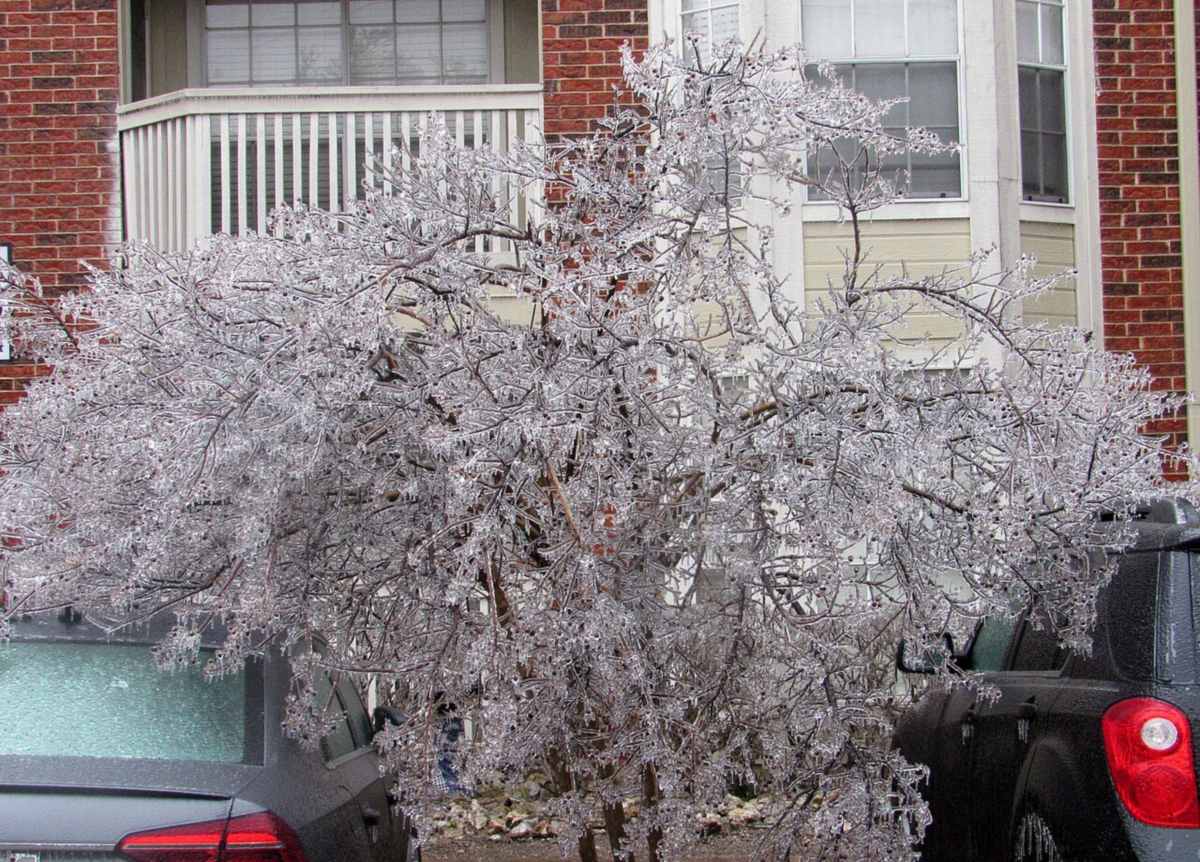
Why Oklahoma Ice Storms Are Uniquely Destructive to Plumbing
Oklahoma ice storms differ from ordinary freezing weather in a critical way: they take out the power.
A standard hard freeze stresses pipes in unheated spaces but does not typically cause widespread failure if the heating system is running. An ice storm changes the equation. Freezing rain coats power lines and trees until the weight brings them down. Entire neighborhoods lose electricity, and with it, the furnace, the heat pump, and every source of warmth.
Without heat, interior temperature drops toward outdoor temperature over hours. By hour six without heat in a well-insulated home, and sooner in a poorly insulated one, interior temperatures reach freezing. By hour twelve to eighteen, every pipe in the building is at risk.
The pipes that fail first are in the coldest locations: attic runs, crawl space lines, garage supply lines, and exterior wall pipes. But during a sustained multi-day outage, even interior pipes can freeze.
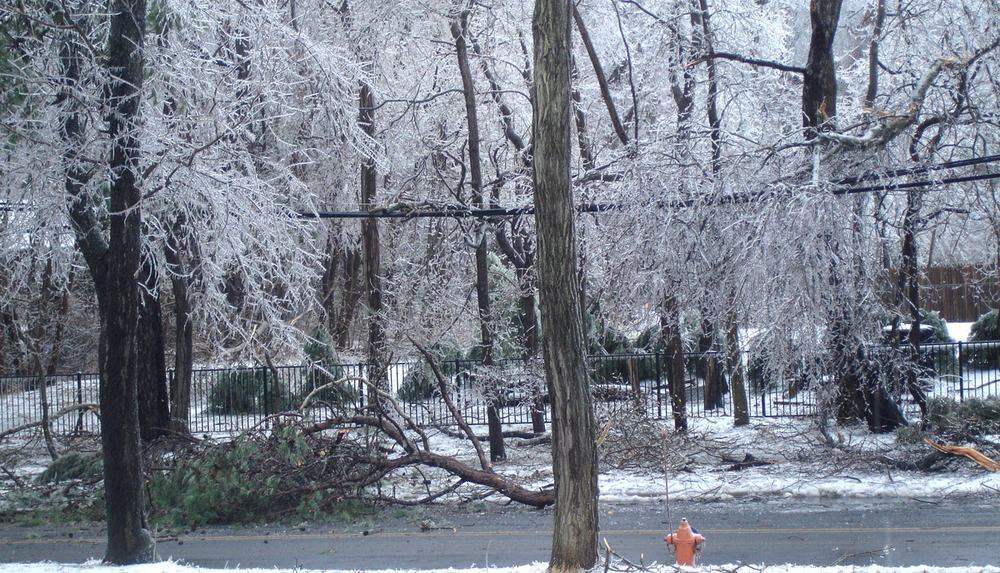
The Action Plan Before an Ice Storm
When an Ice Storm Is Forecast (2-3 Days Out)
Insulate any exposed pipes you can access, attic, crawl space, garage. Foam pipe insulation from any hardware store slides over exposed pipes in minutes.
Open cabinet doors under kitchen and bathroom sinks on exterior walls to allow warm room air to circulate around the supply lines.
Locate your main water shutoff valve. Test it, close it fully and reopen it. Your ability to close this valve within minutes is the most important factor in limiting flood damage from a burst pipe.
Fill bathtubs and large containers with water. If the main supply is shut off, stored water provides drinking, cooking, and flushing capacity during the outage.
When Power Is Lost During an Ice Storm
If your home loses heat and the outage is expected to last more than four to six hours, shut off the main water supply valve immediately. Then open the lowest faucet in the house to drain residual water and relieve pressure. This eliminates the burst-pipe scenario entirely, there is no pressurized water to escape through freeze cracks.
If you choose not to shut off the main, let faucets drip, a pencil-thin stream from the faucet furthest from the main. Moving water resists freezing longer than still water. But this is a delay tactic, not prevention.
Do not use open flames to heat pipes. Gas stoves, ovens, and space heaters create carbon monoxide risk in a closed home without power ventilation.
When Power Returns
Before turning the heat back on, shut off the main water supply. Allow the house to warm with the water supply closed. Once the interior has reached above-freezing temperature, slowly open the main valve. Systematically check every fixture and every accessible pipe for evidence of failure.
If you find a burst, close the main valve immediately and call for restoration. The sooner extraction begins, the less damage accumulates.
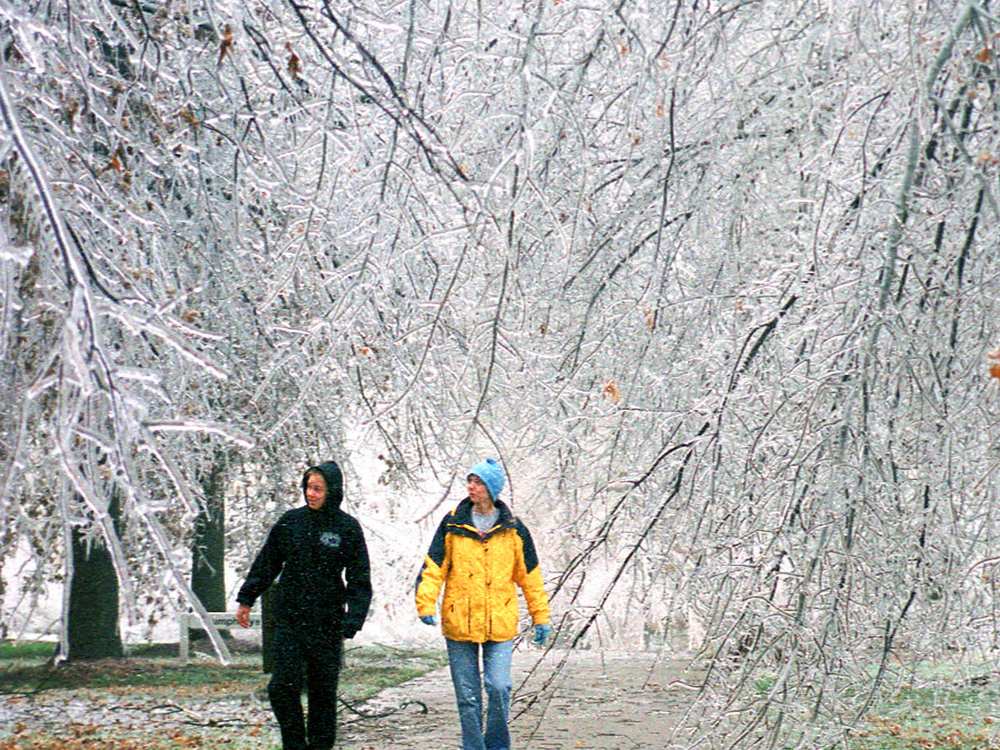
Long-Term Ice Storm Preparation for Your Tulsa Home
Repipe vulnerable attic runs. Supply lines through unconditioned attic space are the highest-risk pipes. A plumber can reroute through conditioned interior walls.
Insulate crawl space pipes. Foam insulation supplemented with thermostatically controlled heat tape in extremely vulnerable areas.
Insulate the garage. If supply lines run through the garage, insulating the ceiling and walls reduces how fast the temperature drops during an outage.
Install a generator. A portable or whole-house generator powering the furnace blower and the sump pump prevents both pipe freezes and basement flooding.
Replace aging pipe materials. PEX expands slightly under freeze pressure rather than cracking rigidly like copper, it survives freeze events that would fail copper.
If ice storm pipe bursts have already occurred in your Tulsa home, call (918) 578-1166 for emergency extraction and restoration.
→ Ice Storm Pipe Burst Cleanup | → Burst Pipe Damage | → Water Extraction
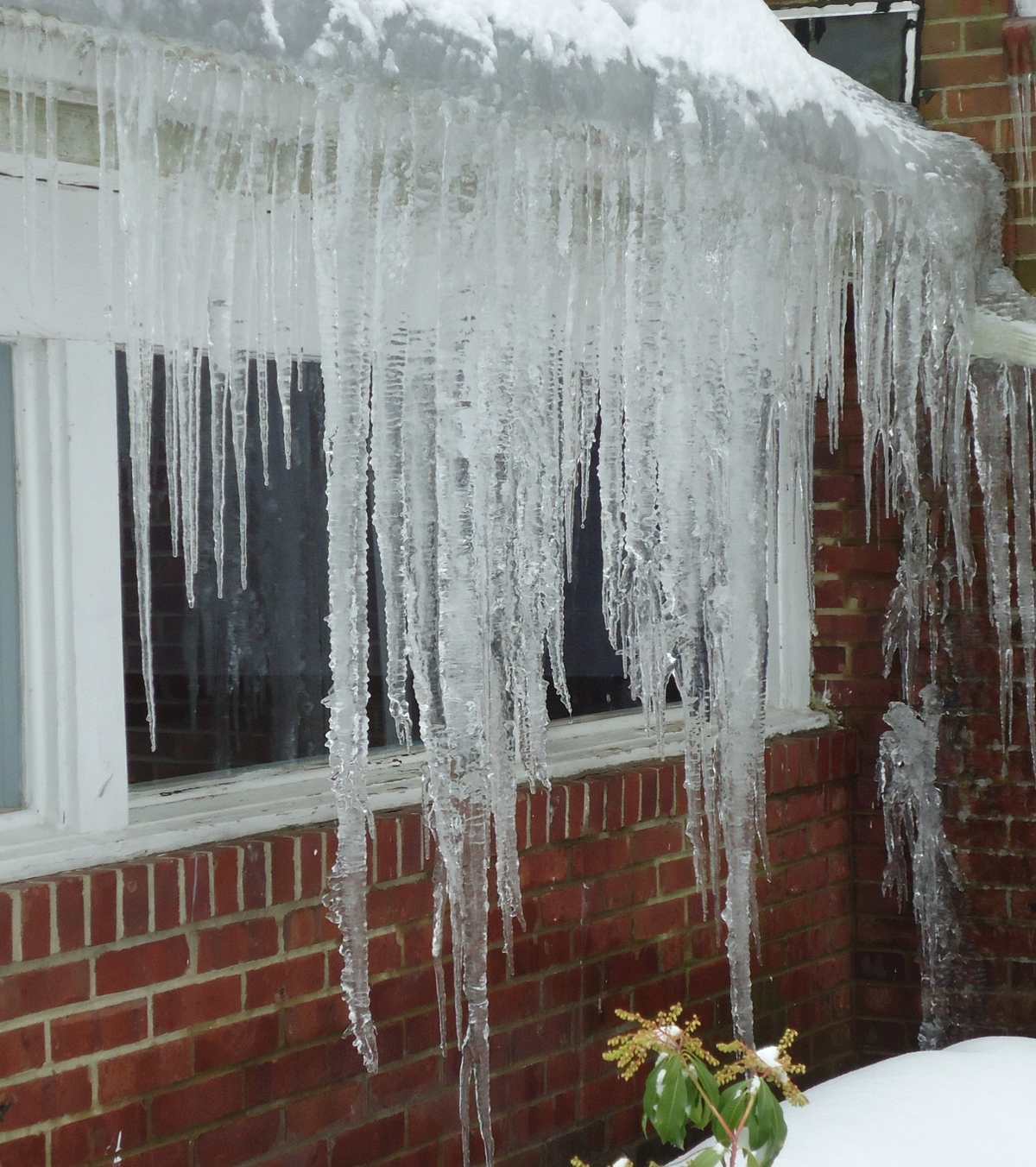
Reading about it is step one. Drying is step two.
If this article describes your house right now, call (918) 578-1166. We extract, dry, and document the loss, and the record we build is the one your insurer will ask for.
More From the Tulsa Water Damage Blog
Back to the Tulsa water damage blog index, the water damage restoration Tulsa OK home page, or emergency water damage restoration if water is active right now.
One call starts extraction and drying.
Talk to a Tulsa dispatcher now. You will get clear next steps and documentation from the first visit.