Tulsa, OK - 24/7 Emergency Service
Ice Storm Pipe Burst Cleanup Tulsa OK
An Oklahoma ice storm bursts pipes by the neighborhood: power gone, heat gone, attics and crawl spaces at outdoor temperature. The flood starts at thaw. We start with the shutoff and chase every split.
- Multi-split freeze damage assessment
- Attic and crawl space pipe zone mapping
- Extraction and drying across all affected rooms
- Outage and discovery timeline documented for claims
The source decides the cleanup. Clean supply water, a leaking appliance, and sewage each need a different protocol, and the wrong one makes things worse.
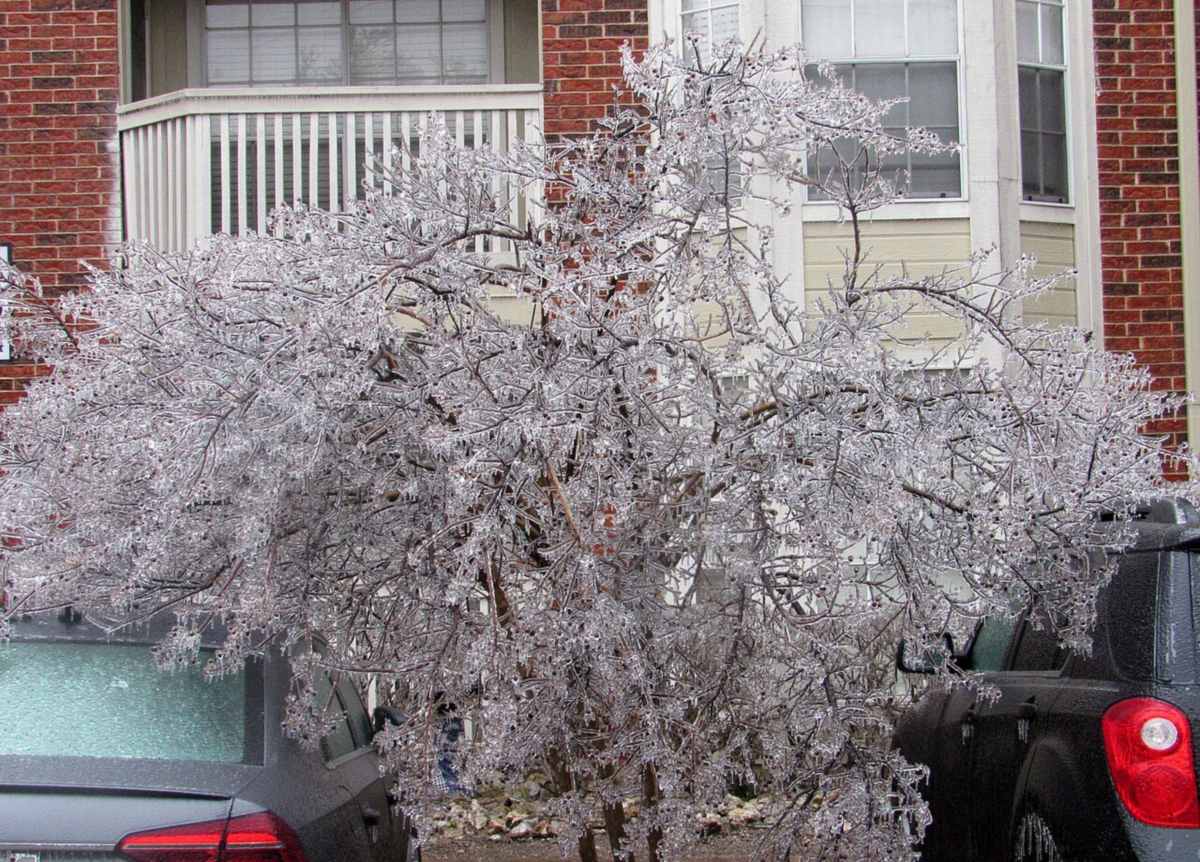
The Oklahoma Ice Storm Pattern: Freezing Rain, Downed Lines, Dark Houses
Oklahoma ice storms are Tulsa signature disasters. Freezing rain builds clear ice on every branch and wire, a quarter inch weighs down limbs, an inch brings down trees and power lines across whole districts. Tulsa ice storm history includes events that left much of the metro without power for days in deep cold. The water damage mechanism is indirect and relentless: no power means no furnace, no heat tape, no circulation, and indoor temperatures fall hour by hour toward the teens outside. The house itself becomes a cold box, and the plumbing inside it, especially in attics, crawl spaces, and exterior walls, begins to freeze from the outside runs inward.
Extended cold spells without ice can do the same work more quietly, and Tulsa has seen those too, multi day freezes that burst pipes in homes that had survived ordinary winters for decades. The common thread is duration: Tulsa housing is insulated for Tulsa weather, and a long enough excursion below it overwhelms the margin. When the burst count rises, it rises by subdivision, which is why the hours after thaw, when every split opens at once, are the busiest in this business.
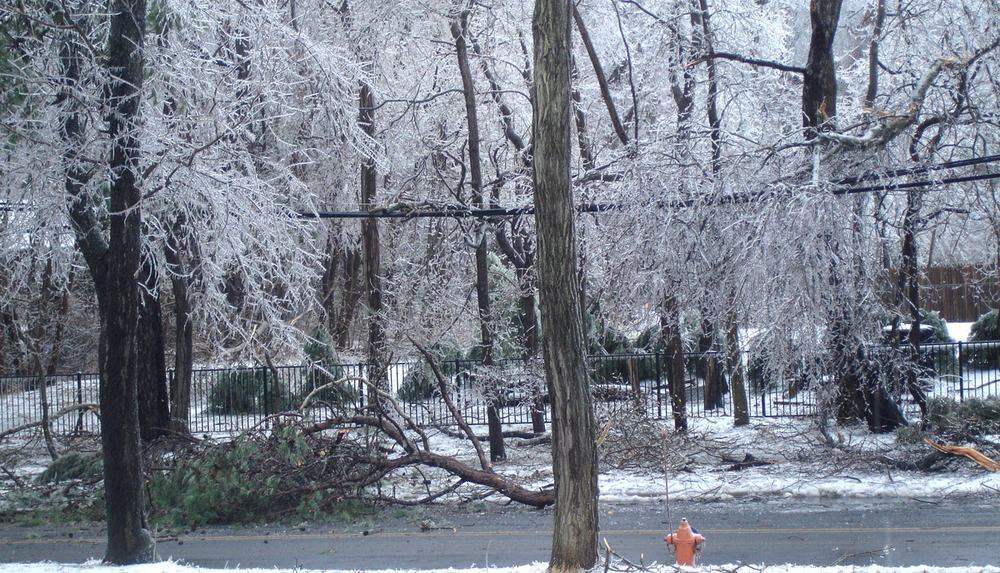
Attic Pipes and Crawl Space Pipes: The Two Exposure Zones
Attic pipes fail first in most Tulsa homes. Runs above garage ceilings and across attic floors sit above the insulation layer in the coldest air in the house, sometimes routed there for convenience decades ago. When they split, the water lands on insulation and ceiling drywall and announces itself as stains, drips through fixtures, and in bad cases a ceiling section heavy with pooled water. Attic ice dams on the roof edge, which form when heat escaping the house melts snow that refreezes at the eaves, can add meltwater intrusion through the roof at the same time, giving the attic two water sources in one storm.
Crawl space pipes are the second zone, in pier and beam homes where lines run under the floor near foundation vents that admit storm air at outdoor temperature. Their bursts wet joists, subfloor, and soil, and are discovered by sound, by a meter spinning, or by the floor symptoms weeks later. Both zones share the trait that defines ice storm losses: multiplicity. A freeze does not stress one fitting; it stresses every exposed run, so the assessment after an ice storm assumes siblings until the whole system is checked and proven sound under pressure.
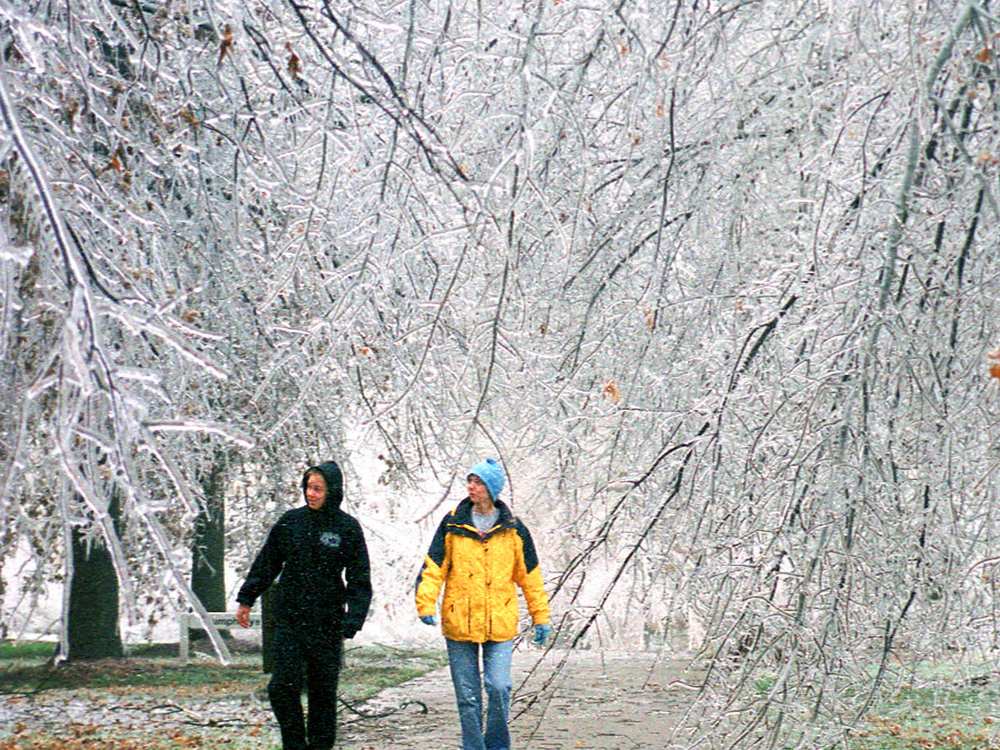
Thaw Day: When the Damage Announces Itself All at Once
During the freeze itself, split pipes are silent, because ice plugs the very splits it made. The event begins at thaw. As temperatures rise or power and heat return, ice in the lines melts, pressure rebuilds, and every split begins to flow simultaneously: ceilings stain in two rooms, water runs from a crawl space vent, the meter spins with everything off. Homeowners returning to a house they evacuated find the full picture at once. This timing also means the critical window is predictable: the first warming day after an ice storm is when discovery and shutoff speed decide whether the loss is a drying job or a renovation.
The response on thaw day follows the burst pipe discipline with the freeze multiplier applied: main shutoff first, safety check for water near electrical systems, then a whole house moisture survey, ceilings under attic runs, walls over exterior runs, floors over crawl space lines, rather than a single room scope. Extraction and drying are set from that survey, and the plumbing repair is sequenced to pressure test the system so any unfound split reveals itself while crews and equipment are still on site, not after the walls are closed.
How the Cleanup Proceeds, Step by Step
1. Call and freeze triage
The dispatcher asks whether power and heat are restored, whether water is shut off, and where stains or sounds are appearing, then guides the main shutoff if water is active.
2. Whole house moisture survey
Ceilings, walls, and floors across all pipe zones are mapped, attic and crawl space included, on the assumption of multiple splits until readings prove otherwise.
3. Extraction and ceiling safety
Standing water is extracted, and ceilings holding pooled water are relieved in a controlled way before any work proceeds beneath them.
4. Insulation and material decisions
Saturated attic insulation and failed drywall sections are identified by readings and removed where they cannot be dried, with photos documenting condition.
5. Drying with daily readings
Airflow and dehumidification dry ceilings, walls, floors, and crawl space framing, tracked daily against dry standards for each material.
6. Pressure test coordination and claim record
Repairs are sequenced so the plumbing system is pressure tested while the survey is fresh, and you receive the outage, discovery, and drying timeline for your claim file.
Before the Next Ice Storm: The Tulsa Freeze Checklist
Ice storm pipe damage is the most preventable large loss in this entire site, and the checklist is short. Insulate every accessible attic and crawl space pipe, and seal crawl space vents or install covers before winter. Disconnect hoses and install covers on exterior faucets. Learn your main shutoff location and keep the path to it clear, and if your home will be unheated during a forecast hard freeze, shut the main and drain the lines before the cold arrives rather than after. A battery backed sump and a plan for keeping some heat in the house during outages, even a safely used generator transfer arrangement installed by an electrician, complete the preparation.
During the storm, the drip and cabinet routine genuinely works for marginal freezes, and knowing the shutoff turns the severe ones from floods into plumbing repairs. Tulsa will be iced again; the homes that come through it dry are the ones where this list was done in October, not improvised in January.
Dealing with this in Tulsa right now?
Call (918) 578-1166 and a local dispatcher will talk through what happened, whether the water is still spreading, and the safest next step for your home or business in Tulsa County.
Process Steps That Fix This Damage
Freeze losses are found by mapping and fixed by extraction and drying across every affected zone. These process pages explain how hidden moisture is found and proved dry.


Main Water Damage Services in Tulsa
Every cause on this site is handled inside the same full restoration sequence. These pages cover the emergency, residential, and commercial services that frame the response.



Other Causes of Water Damage in Tulsa
Return to the water damage restoration Tulsa OK home page for the full process, cause, mold, and insurance pages, or start with emergency water damage restoration if water is active right now.
Frequently Asked Questions
How do ice storms cause pipe bursts?
An ice storm attacks the house in sequence. Freezing rain coats trees and power lines until limbs and lines come down, and neighborhoods lose power. Without power there is no furnace heat, so indoor temperatures slide toward the outdoor cold over hours. Pipes in attics, crawl spaces, garages, and exterior walls, the runs with the least protection, reach freezing first. Water inside them expands as it turns to ice, pressure builds against the nearest closed valve or ice plug, and the pipe wall splits, often in more than one place along the same run. The flood usually starts later, at thaw or when power returns, as ice melts and full pressure reaches splits that formed silently during the coldest night.
What do I do during a Tulsa ice storm to protect my pipes?
Before the cold peaks, insulate exposed pipes, disconnect hoses, cover exterior faucets, and open cabinets under sinks on exterior walls. During the event, keep a pencil thin drip running at the faucet farthest from the main, keep cabinet doors open, and hold indoor heat as steady as you can. If power fails, the clock starts: know where your main shutoff is before you need it, because closing the main and draining the lines is the decisive move if the house will sit unheated through a hard night. After the storm, walk the house during thaw and listen for running water and look for ceiling stains, because that is when ice storm splits announce themselves.
How long before pipes freeze in an unheated house?
It depends on outdoor temperature, wind, insulation, and where the pipes run, but the honest range is hours, not days, in a hard Oklahoma freeze. Pipes in an unheated attic or vented crawl space can begin freezing within several hours of heat loss when temperatures sit in the teens or lower, while interior wall pipes in a house that started warm may hold out considerably longer. Mobile and pier and beam homes freeze fastest because their pipes live closest to outdoor air. The practical rule: if your home loses heat during an ice storm with temperatures forecast in the teens, treat pipe protection, dripping, cabinet doors, and readiness at the shutoff, as a same evening task.
The storm is over and my ceilings are staining in two rooms. Is that the pipes?
Very likely, yes, and it may be more than one split. Ice storm freezes stress entire runs, so an attic line can split in two places and a crawl space line in a third, each feeding a different ceiling or wall. Stains appearing room by room during thaw are the classic signature. Shut off the main if water is active, photograph each stain as it develops, and have the assessment map ceilings, walls, and floors across the whole house rather than patching the first stain found, because the second split found by mapping is the one that saves the second ceiling.
Does insurance treat ice storm pipe damage like other burst pipes?
Generally it is evaluated in the same sudden and accidental framework as other pipe bursts, with attention to whether reasonable care was taken, such as maintaining heat where possible during the event. Policies and their exact language vary, and storm wide events bring heavy claim volume, so prompt reporting and strong documentation matter even more than usual: outage timing, when heat was lost and restored, when water was discovered and shut off, and dated photos. Our drying and moisture documentation is built to supply exactly that timeline. We cannot promise outcomes, but a complete record is never wasted.
One call starts the cleanup.
Talk to a local Tulsa dispatcher now. You will get clear next steps, a real arrival plan, and documentation from the first visit.