Tulsa, OK - 24/7 Emergency Service
Water Damage Restoration for Older Tulsa Homes
Tulsa's older homes, the 1920s bungalows of Midtown, the Craftsman homes of Brookside, the Tudor revivals of Maple Ridge, the ranch homes of the 1950s and 1960s, are built with materials and methods that no longer exist in new construction. Restoring water damage in these homes requires understanding what those materials are, how they respond to moisture, and how to dry them without creating more damage than the water caused. A crew that treats a 1925 Midtown bungalow the same as a 2020 South Tulsa spec home will damage the older property. The materials are different. The drying science is different. The preservation considerations are different. And the consequences of getting it wrong are irreversible, because the materials in a century-old home cannot be replaced with a trip to the building supply store.
These guides follow the same process used on Tulsa jobs: stop the source, extract, dry to measured goals, and document everything.
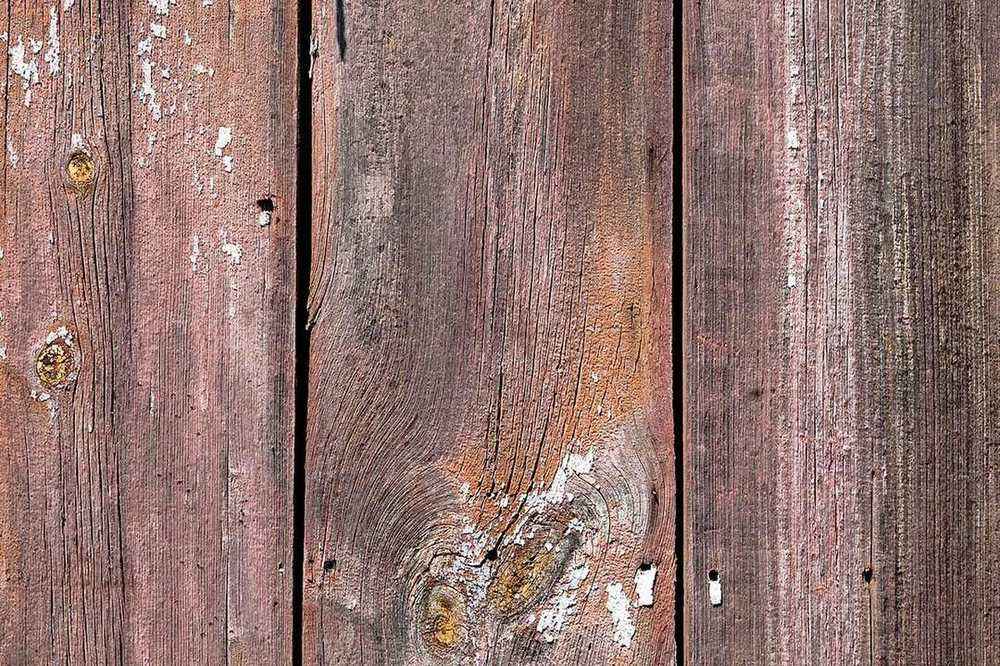
Plaster Walls: Not Drywall, Not Treated Like Drywall
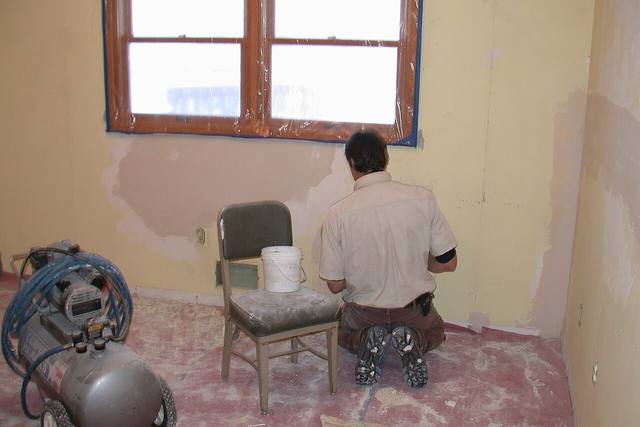
Plaster is a multi-layer system, scratch coat, brown coat, and finish coat applied over wood or metal lath nailed to framing. It is denser, harder, and responds to moisture entirely differently than modern drywall.
Slower absorption. Plaster absorbs water more slowly because of its density. Where drywall wicks moisture 12 inches above the water line in hours, plaster may take days.
Much slower release. Plaster releases moisture far more slowly. Plaster walls may require seven to fourteen days of drying compared to three to five for drywall.
Sensitivity to aggressive drying. High-velocity air movers pointed at plaster can cause the surface to dry faster than the core, creating a moisture differential that produces cracking, crazing, and delamination. Plaster drying requires moderate airflow, desiccant dehumidification for deep removal, and patience.
Keys and the void behind them. Plaster keys, ridges squeezing through lath gaps, create irregular surfaces trapping moisture in pockets. Drying requires monitoring from both sides and accepting the extended timeline.
Blown plaster. Plaster separated from the lath, where keys have broken and adhesion is lost, cannot be reattached through drying. It must be removed. Plaster wet but firmly attached can usually be dried in place.
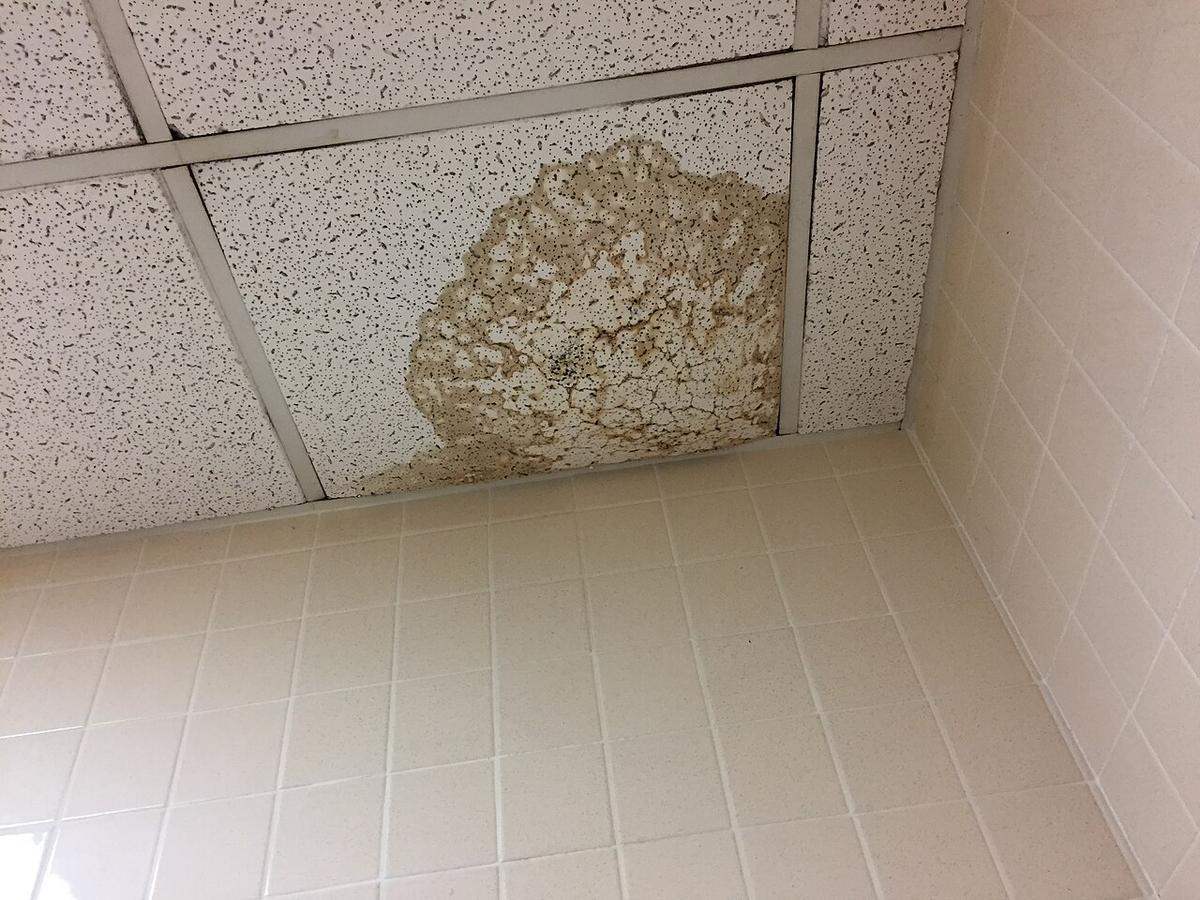
Original Hardwood: Irreplaceable
Oak hardwood floors from the 1920s through 1950s are 70 to 100 years old, sanded and refinished multiple times, reduced in thickness. They have patina and character that new oak cannot replicate.
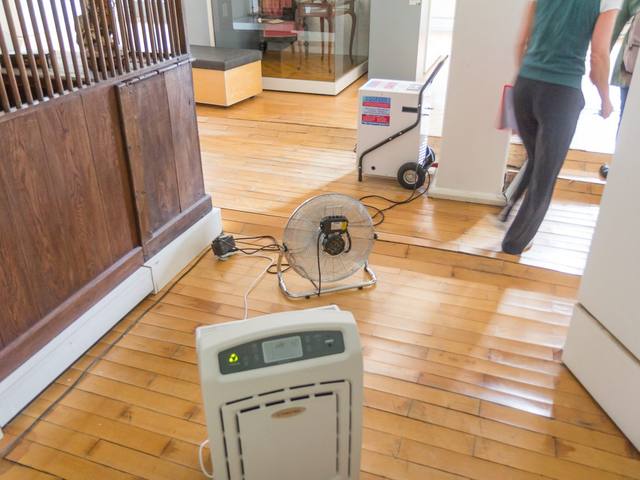
Controlled drying is mandatory. Drying mats at controlled rates, not air movers blasting across the surface. The thinner these floors have become from decades of refinishing, the more fragile they are.
Cupping reversibility depends on thickness. Mild cupping in solid hardwood with sufficient remaining thickness can reverse through controlled drying and weighted pressure over time. Severe cupping in thin, heavily refinished floors may not.
Matching for partial replacement. Salvaged vintage oak, custom milling to match the original profile, and careful finishing to blend new with old.
Stone and Early Concrete Foundations
Pre-1940 Tulsa homes may sit on stone, brick, or early poured concrete with minimal waterproofing by modern standards. Stone foundations have mortar joints deteriorating over decades. Repair involves repointing with lime-based mortar, not Portland cement, which is too rigid for stone movement. Early concrete was more porous than modern concrete and more susceptible to water transmission.
Aging Plumbing: The Source of the Problem
Galvanized steel supply lines (pre-1960). Corrode internally, narrowing with mineral buildup, weakening at threaded fittings. Average lifespan 40 to 70 years, many Tulsa homes with original galvanized are at or past failure age.
Copper supply lines (1950s-2000s). Develop pinhole leaks from interior pitting, accelerated by Tulsa's hard water.
Cast iron drain lines (pre-1970). Corrode internally, creating surfaces that catch debris and block. Can crack or separate at joints from soil movement.
Clay tile sewer laterals (pre-1960). Joints shift from soil movement, creating entry points for roots, the primary cause of sewer backup in older Tulsa neighborhoods.
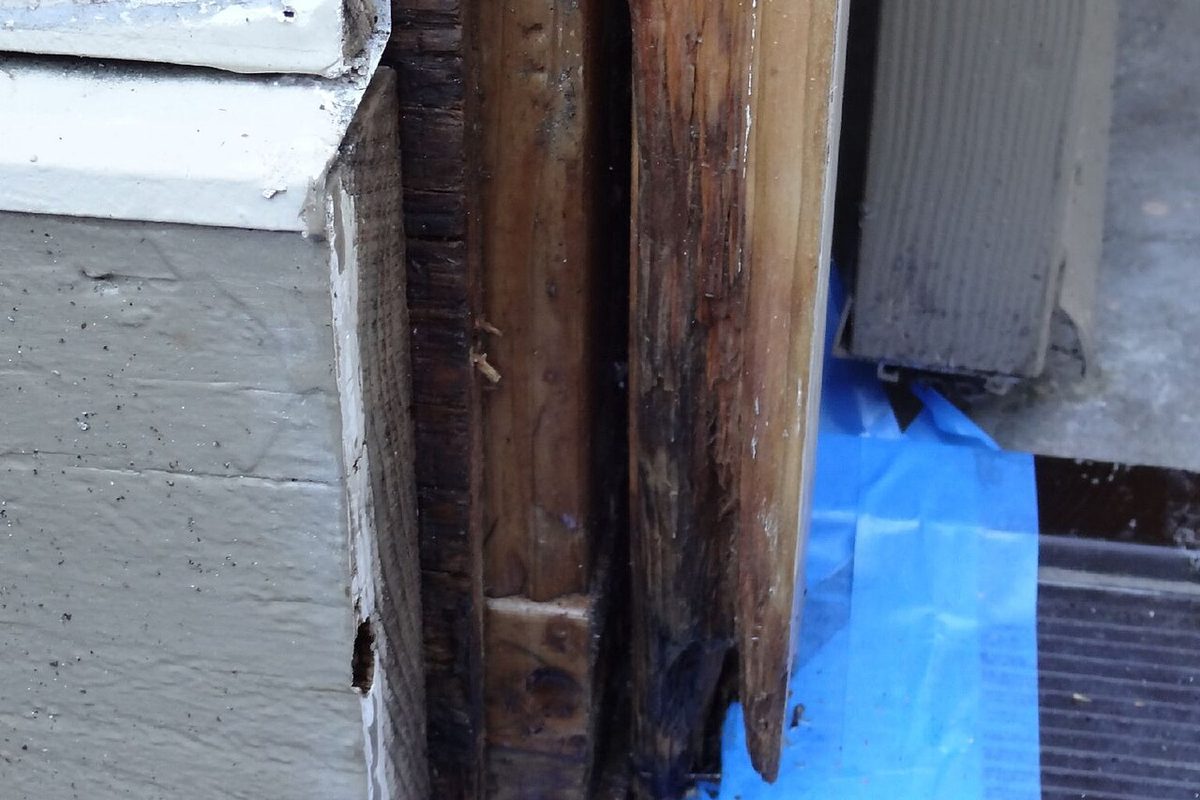
The Guiding Principle
Save what can be saved, because what was built in 1925 cannot be rebuilt in 2026. Every material decision weighs restoration feasibility against the replacement difficulty and the preservation value of the original. Modern materials are available at any supply store. The plaster, the hardwood, the stone foundation, and the craftsmanship of an older Tulsa home are not.
→ Midtown Tulsa | → Brookside Tulsa | → Hardwood Drying
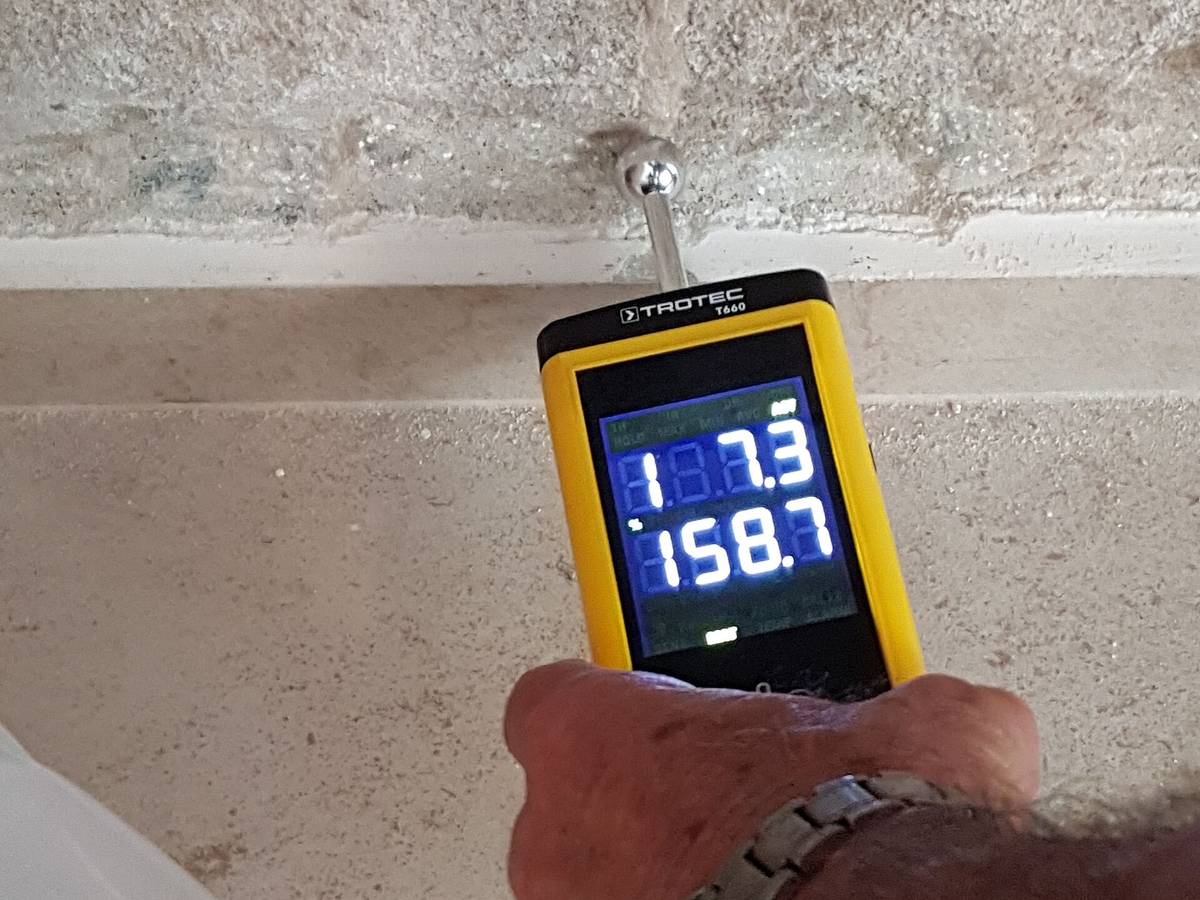
Reading about it is step one. Drying is step two.
If this article describes your house right now, call (918) 578-1166. We extract, dry, and document the loss, and the record we build is the one your insurer will ask for.
More From the Tulsa Water Damage Blog
Back to the Tulsa water damage blog index, the water damage restoration Tulsa OK home page, or emergency water damage restoration if water is active right now.
One call starts extraction and drying.
Talk to a Tulsa dispatcher now. You will get clear next steps and documentation from the first visit.