Tulsa, OK - 24/7 Emergency Service
Water Damage Restoration Brookside Tulsa
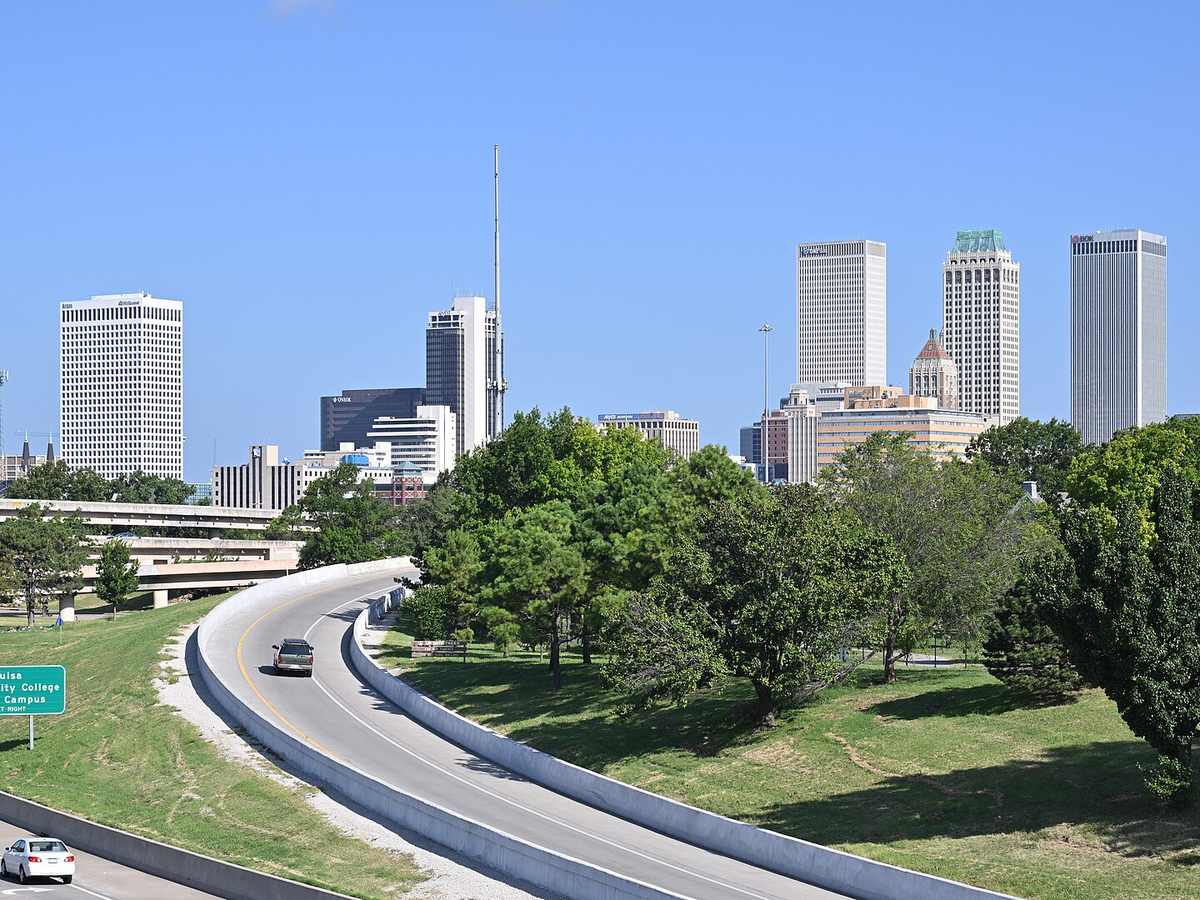
Brookside grew up along Peoria Avenue in the 1920s through 1940s: craftsman style homes with original foundations, real basements, and character hardwood, wrapped around a walkable commercial strip. Its water damage runs through old systems into rooms that were built to last and deserve to be dried that way.
- Basements mapped and dried as their own system
- Original hardwood assessed for in place drying first
- Original foundations and drainage read before conclusions
- Character materials documented for insurance files
Homes on the same street share an era, a builder, and the same water risks. A local drying plan accounts for how your neighborhood was built.
Craftsman Construction and Where Its Water Goes
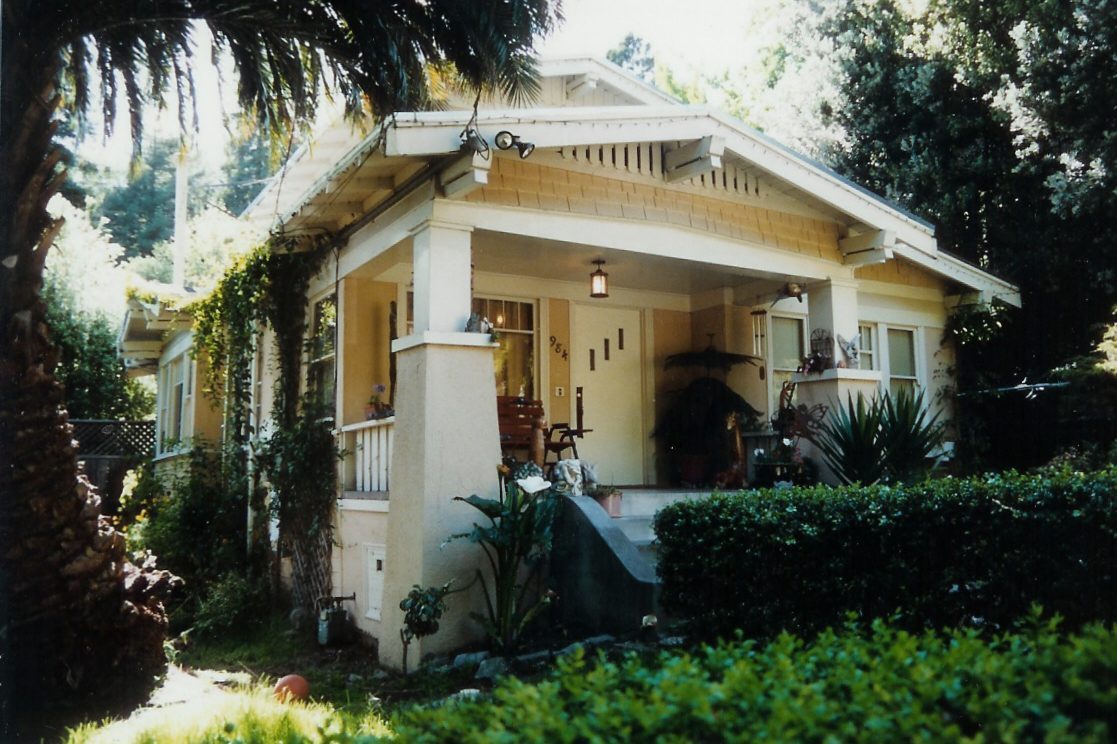
A Brookside craftsman is a layered building: brick or stucco over frame, plaster walls, original oak floors, a foundation poured or laid a century ago, and very often a true basement under at least part of the house. Plumbing has usually been updated in pieces across decades, which means a single house can hold three generations of pipe, each with its own failure style. Water in this construction does not spread the way it does in a modern slab home. It follows joist bays, drops at wall cavities, and collects at the basement, announcing itself a room or a floor away from where it started.
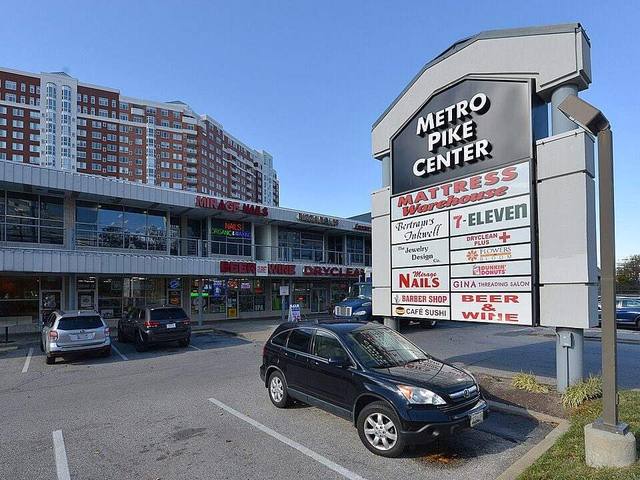
The commercial strip adds a second Brookside pattern. The restaurants, shops, and offices along Peoria are the same era as the houses, many in converted or long adapted buildings, and their water losses, roof failures, supply leaks, restroom overflows, arrive with business hours attached. A shop that takes water on a Friday night needs extraction and documentation that respect both the building and the trading week ahead, and the residential discipline of mapping before demolition applies exactly the same way.
Basements: Brookside’s Defining Water Space
Ask a Brookside homeowner about water and the basement enters the story. These basements were built as utility space and have become storage, workshops, laundry rooms, and finished living space, often without the drainage detailing a modern build would include. Groundwater pressure after heavy rain finds the wall floor joint, window wells fill and spill, and any plumbing failure upstairs eventually reports downstairs. The result is that Brookside basements are frequently damp in a low grade way that residents accept, right up until a real event makes the chronic problem impossible to ignore.
Restoration here is two jobs at once. The event itself, the burst, the backup, the storm entry, gets extracted, mapped, and dried like anywhere else. Then the chronic question gets an honest answer: where is this basement’s water actually coming from, and what stops it from being a standing condition? Sometimes that is exterior grading and downspout work, sometimes a drain or sump solution, sometimes a plumbing repair upstairs. A dry basement that returns to damp in a month was dried, not restored, and Brookside basements deserve the second half of the job.
How a Brookside Water Damage Call Proceeds
1. Tell us what the basement and the house are showing
Brookside losses often surface a floor away from the source. Where you found water, and what the basement looks like, shapes the first map.
2. Stop the source, protect the character materials
Shut off the water, get belongings and furnishings off wet floors, and protect original hardwood and built ins before extraction begins.
3. Extract on every level the water crossed
Basement, main level, and any saturated ceiling or wall system between. Mechanical removal first is what shortens everything after it.
4. Map the whole vertical path
Readings in floors, wall cavities, and basement walls, tracing the water from entry to resting place so nothing wet is left hiding behind a dry surface.
5. Dry to the material, not the calendar
Plaster, old hardwood, and basement masonry each dry at their own rate. Daily readings adjust the equipment until every material reaches its standard.
6. Answer the chronic question, in writing
Alongside the documentation file, you get a plain statement of the source we found and what would stop a repeat, for your records or your insurer.
Original Foundations and the Drainage Around Them
Brookside foundations predate modern waterproofing entirely. They were built to be strong, not sealed, and a century of Tulsa clay movement has opened the joints and hairline paths that groundwater uses after heavy rain. Efflorescence on a basement wall, the white mineral bloom left by evaporating water, is the signature of water moving through masonry rather than around it. Distinguishing that slow seepage from a plumbing event matters, because the fixes live in different trades and the insurance treatment differs completely.
The yard is part of the foundation system whether it was designed that way or not. Downspouts that drop roof water at the wall, beds graded toward the house, and patios settled against the siding all recruit the basement as the drain. Many Brookside drying jobs end with a short list of exterior corrections that cost little and change everything, and we would rather hand you that list than meet the same basement again next spring.
Working in a Neighborhood That Values Its Houses
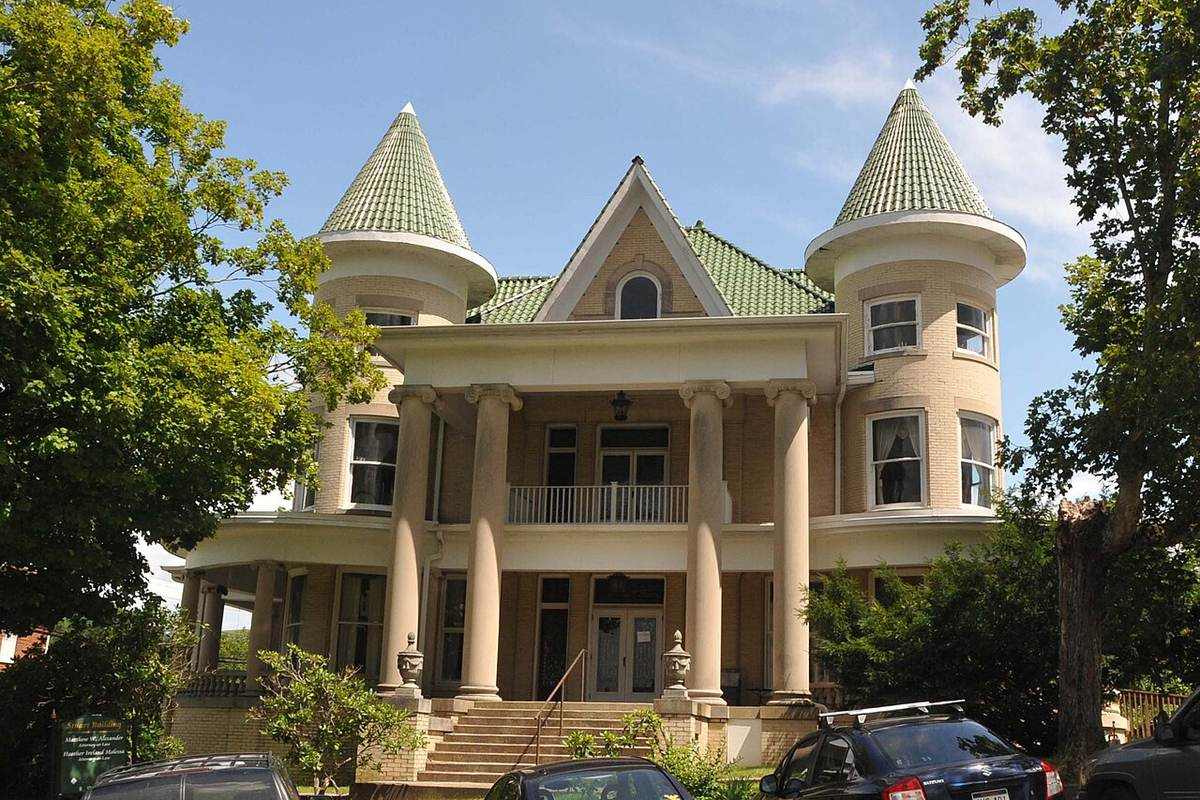
Brookside homeowners are stewards of houses that cannot be rebuilt as they stand, and restoration choices here carry that weight. Removal decisions are made from readings and explained in those terms, original materials get the first and best effort at in place drying, and where something truly must come out, the documentation records what it was and why. That record also serves the insurance file, where like kind and quality arguments for historic materials stand or fall on evidence gathered before demolition, not after.
The same standard applies on the Peoria strip, where a closed business is losing money by the day. There the priorities are speed of extraction, honest timelines, and documentation an owner can hand to a landlord or insurer without translation. Brookside, houses and shops alike, gets measured work and plain language. That is the whole offer.
Water damage in Brookside? Start with one call.
Call (918) 578-1166 and tell us what happened and where in Brookside you are. We extract, dry, and document the loss, and we explain each step before we do it.
Water Damage Causes We See in Brookside
Brookside causes run through the basement and the original systems above it: pipe failures, sewer backups, foundation seepage, and sump stories. These are the cause pages Brookside homeowners open most.
Main Water Damage Services in Brookside
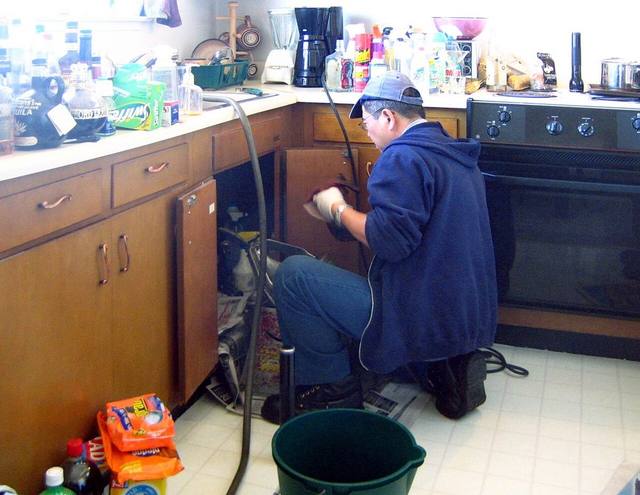
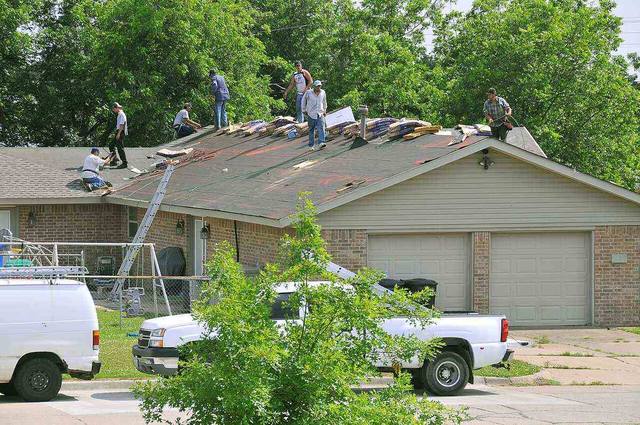
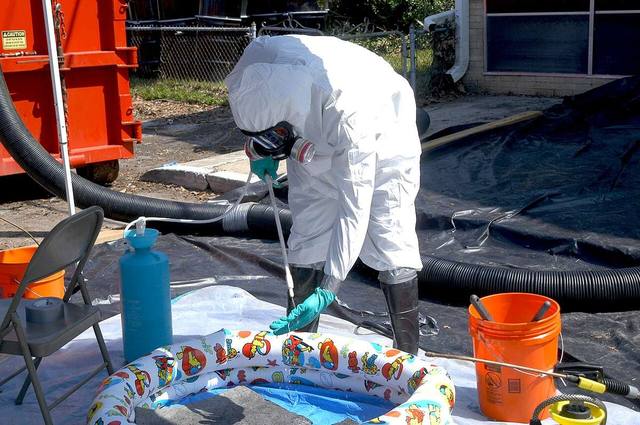
Every Brookside call runs through the same main services: emergency response, residential and commercial restoration, and round the clock cleanup. The pages below explain each one in full.

Other Tulsa Neighborhoods We Serve
Brookside touches Midtown to the north and shades toward South Tulsa as Peoria runs on. Each neighborhood page covers its own construction era, foundations, and water behavior.
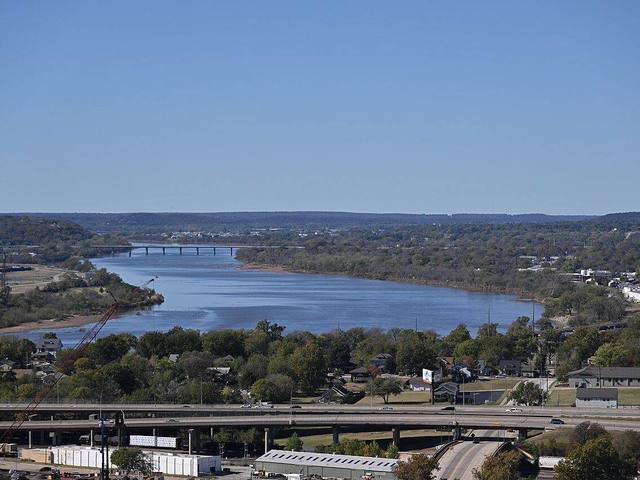
Brookside is part of Tulsa, and this page covers Brookside only. For the whole city, go up to the Water Damage Restoration Tulsa OK home page for the full process, cause, mold, and insurance pages, see all service areas, or start with emergency water damage restoration if water is active right now.
Water Damage Questions from Brookside Homeowners
Why do Brookside homes have basements when so much of Tulsa does not?
Brookside was built in an era and on ground where basements were standard practice: 1920s through 1940s construction, much of it before slab on grade took over Tulsa building. Those basements are part of the neighborhood charm and part of its water risk. A Brookside basement collects whatever the house and the ground send down: plumbing failures from above, groundwater through old walls, and storm water at window wells and cellar doors. It is also where furnaces, water heaters, and storage live, so a wet basement touches more of the household than its square footage suggests.
Can water damaged hardwood in a Brookside craftsman be saved?
Very often, yes, and in Brookside it is usually worth trying first. These floors are original material, thick, dense, and nailed directly to joists or sleepers, and they respond to controlled drying mats that pull moisture through the boards evenly. Cupped boards commonly relax as the floor reaches dry standard through its full thickness, not just at the surface. The readings decide, board by board and room by room, and some sections that sat in contaminated water or have already delaminated will still need to come up. We show you the numbers behind either recommendation.
What should I do about a damp Brookside basement that never fully dries?
Treat it as information, not as a personality trait of old houses. Chronic basement dampness in Brookside usually traces to a findable cause: grading that sends roof water at the foundation, failed or missing drainage, a slow plumbing leak above, or groundwater finding the path through a century old wall joint. A one time drying job on a chronically wet basement is a subscription, not a fix. The first visit should produce a moisture map and a source theory you can act on, whether that means drainage work, a plumbing repair, or a sump system, and then drying that actually stays dry.
A pipe burst in my Brookside home while we were away. What happens now?
Expect a wide footprint. In a two story craftsman, a supply failure on the upper floor runs down inside walls, through the main level ceiling, and into the basement before it stops, crossing every finish the house has. The response is extraction on every level, mapping in the wall cavities and the basement, and a drying plan that treats the house as one connected system. Contents matter here too: Brookside homes hold antiques, books, and original fixtures, and content cleaning and pack out decisions get made early, with documentation, before moisture and odor set in.
Does the age of my Brookside home affect my insurance claim?
It can affect the conversation, not the principle. Policies generally respond to sudden and accidental water events regardless of the home age, and exclude gradual deterioration. In a 1930s house, insurers look closely at which of those two stories the evidence tells. Dated photos, moisture maps, and readings from the first visit, plus honest documentation of the failed part, are what let an adjuster classify the loss. That file is built into our work from the first hour, whether or not you have decided to file.
One call starts extraction and drying.
Talk to a Tulsa dispatcher now about your Brookside property. You will get clear next steps and documentation from the first visit.