Tulsa, OK - 24/7 Emergency Service
Water Damage Restoration Midtown Tulsa
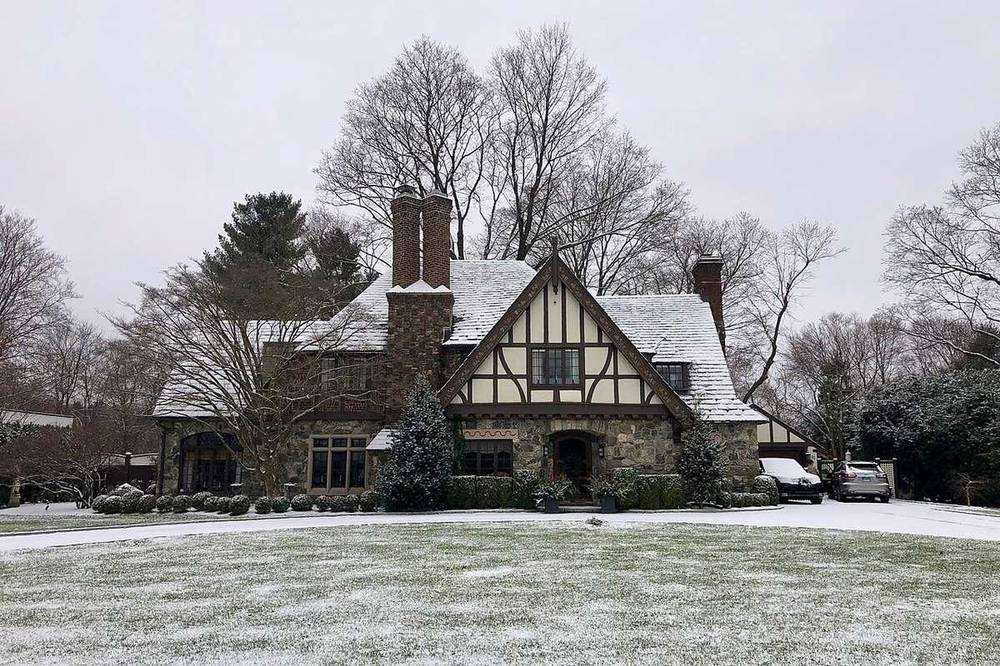
Midtown is Tulsa at its most historic: 1920s through 1950s bungalows and Tudor style homes around Utica Square and the Philbrook Museum, running on original plumbing under mature trees. When water moves in these houses, the restoration has to respect both the water and the house.
- Original plumbing and sewer laterals, assessed before assumptions
- Plaster walls and original hardwood dried to meter readings
- Root intrusion backups treated as Category 3 from the start
- Documentation built for older home insurance files
Homes on the same street share an era, a builder, and the same water risks. A local drying plan accounts for how your neighborhood was built.
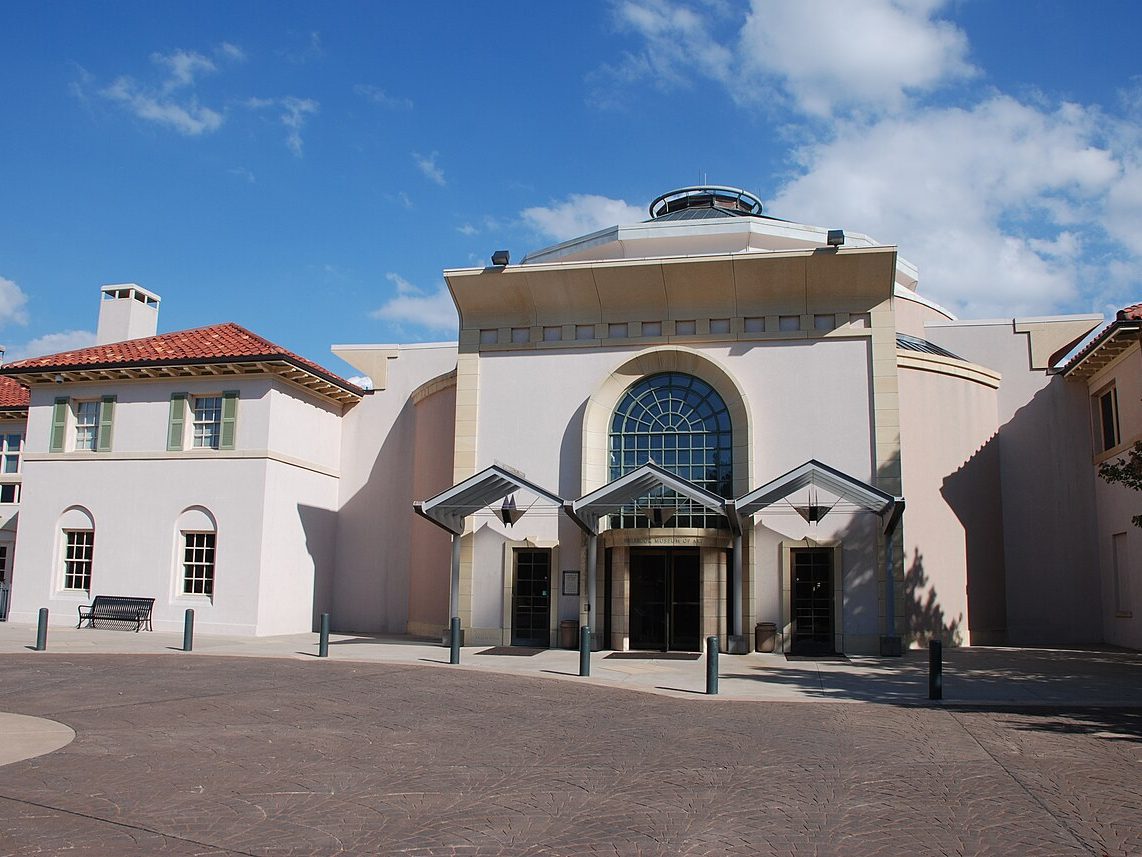
A Neighborhood Built Before Modern Plumbing Standards
Midtown grew up between the 1920s and the 1950s, when Tulsa oil money built bungalows, Tudor revivals, and stately two story homes on smaller lots around what is now Utica Square and the Philbrook Museum grounds. The craftsmanship is the reason people buy here. It is also the reason water behaves differently. Supply lines are galvanized steel and early copper, drains are cast iron, sewer laterals are clay or cast iron in sections, and generations of remodels have layered new work over old without always replacing the bones.
That age writes the Midtown water damage pattern. Galvanized lines corrode from the inside until a pinhole sprays inside a wall for weeks before a stain appears. Cast iron drains scale, crack, and leak at joints under floors that have not been opened in half a century. Attic plumbing, common in one story bungalows, sits closest to winter air and fails first in a hard freeze. None of these are emergencies that announce themselves. Most Midtown losses are discovered late, which makes moisture mapping the most important tool on the truck.
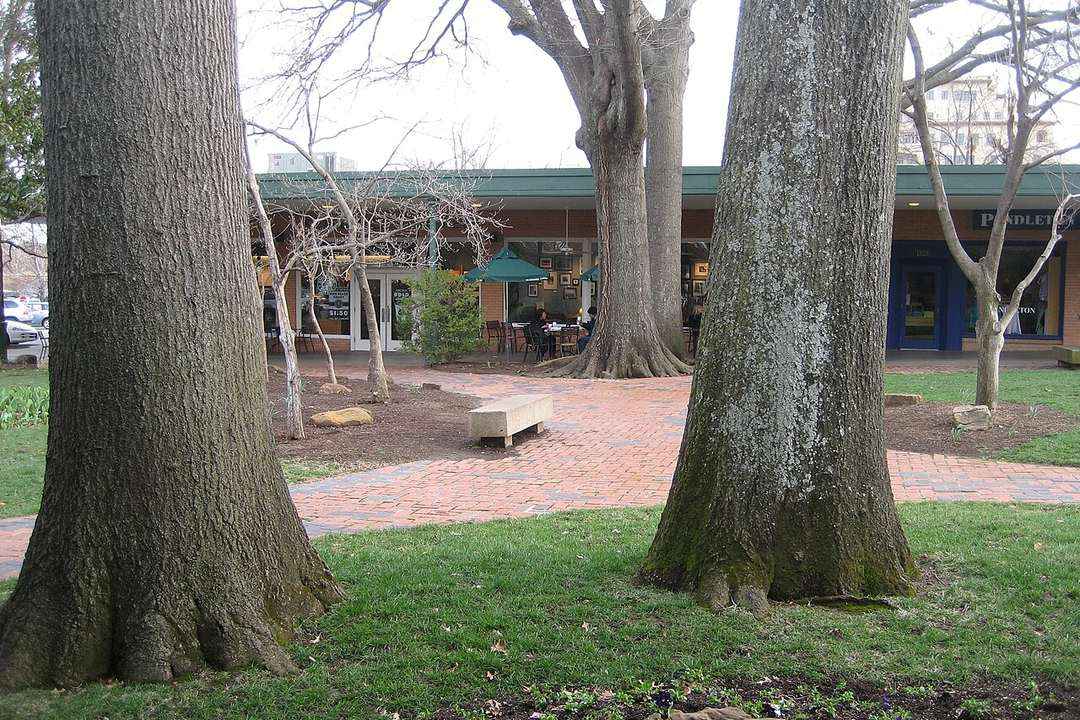
Mature Trees, Old Laterals, and the Sewer Backup Pattern
Midtown streets are canopied by trees that were planted when the houses were new, and their root systems have had seventy years to find the sewer laterals. Roots enter at joints, thicken inside the pipe, and trap everything that passes until the line surcharges into the lowest fixtures in the house: a basement toilet, a tub, a floor drain. It is the single most repeated Midtown call, and because the water comes from the sewer, it is Category 3 from the first minute regardless of how clean it looks.
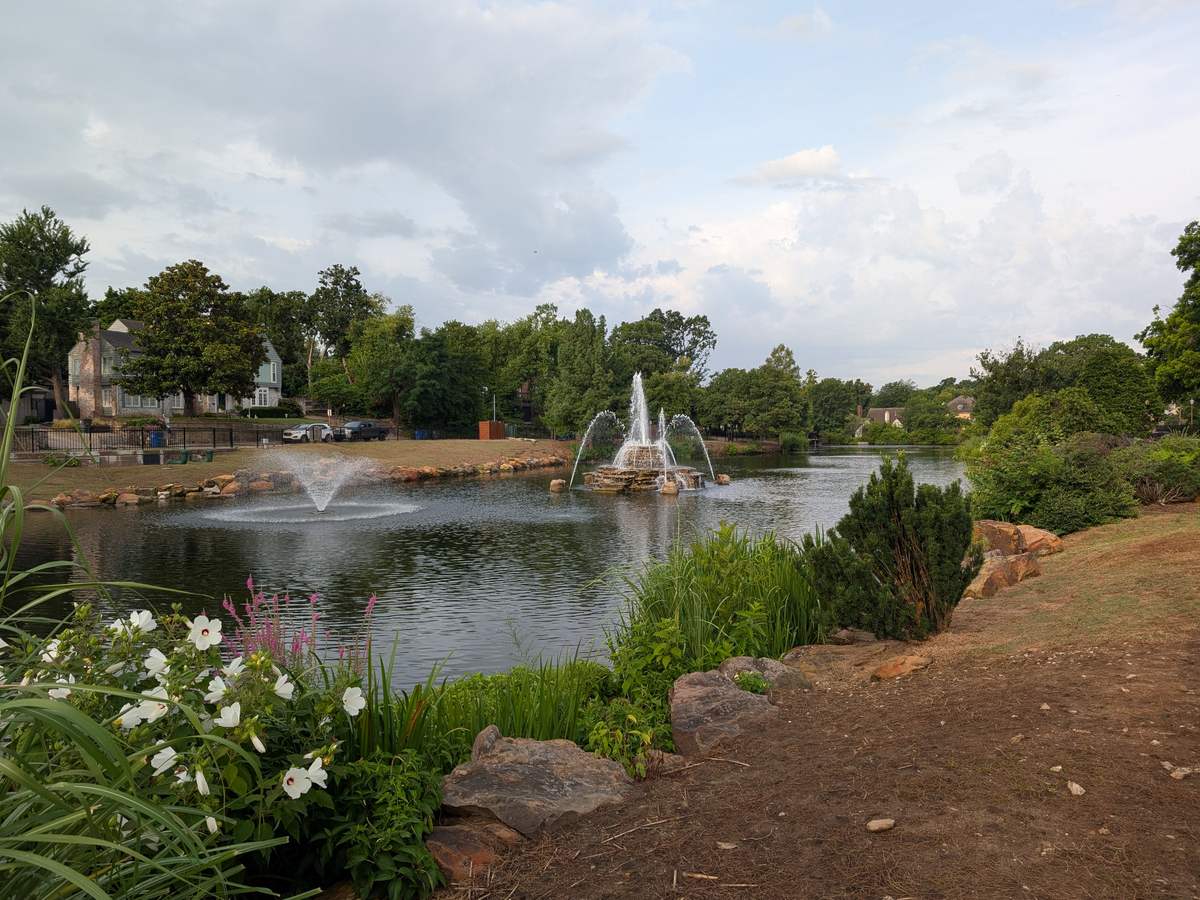
The second pattern is quieter. Smaller lots and aging infrastructure mean drainage around these homes was designed for a different era of rainfall, and intense spring storms can push water against foundations that were never detailed for it. Window wells fill, cellar doors leak, and crawl spaces take on water that the house then breathes for weeks. Finding the entry point, not just drying the symptom, is what separates a restoration from a repeat appointment, and it is why every Midtown job starts with a map of where the water actually traveled.
How a Midtown Water Damage Call Proceeds
1. Tell us the era and what you found
Year built, foundation type, and whether the water came from a pipe, a drain, or the sky guide the first checks. In Midtown, the history of the house is half the diagnosis.
2. Stop the source and protect original materials
Shut off the fixture or the main, keep water off original hardwood and plaster where possible, and move furnishings out of the wet footprint before extraction begins.
3. Extract and contain
Standing water comes out mechanically first. Sewer water gets full containment, protective equipment, and a removal plan for porous materials it touched.
4. Map moisture through old construction
Meters and imaging trace water through plaster, lath, hardwood, and subfloors that hide moisture from the surface. The map, not the visible stain, sets the drying plan.
5. Dry at the pace the house allows
Dehumidification is sized to the load and adjusted daily. Old materials dry slower and crack when rushed, so readings, not the calendar, decide when equipment comes out.
6. Document for the file
Photos, maps, and daily readings follow the job from arrival to final verification, ready for your records or your insurer.
Drying Plaster, Lath, and Original Hardwood
Modern drying assumptions break down in a 1930s Tudor. Drywall gives up water quickly; plaster over wood lath holds it in layers and releases it slowly, and the lath behind can stay wet long after the surface feels dry. Original hardwood is denser than modern flooring and often worth real effort to save, which it rewards when dried evenly with mats and patience. The discipline is the same as anywhere, meters before opinions, but the timelines run longer and the readings matter more, because the cost of guessing wrong is an original material that cannot be replaced like for like.
Basements and cellars, where Midtown has them, add a second front. Many were finished decades after the house was built, sometimes over drains and lines that predate the finish work. Water under a finished basement floor travels invisibly along the slab and shows up at the far wall first. Mapping finds the true footprint before anyone talks about removal, and the removal list, when there is one, is built from readings room by room rather than from a blanket rule.
Choosing Help for a Historic Midtown Home
Ask questions with checkable answers. Ask how hidden water is found, and expect meters and thermal imaging, not experience as the answer. Ask what standard drying follows, and expect the IICRC S500 framework explained in plain language. Ask what you receive in writing. Be cautious with anyone who promises outcomes about your coverage or your costs; those belong to your policy. What a restoration company can honestly stand behind is the work: measured, documented, and explained before it is done.
Midtown homeowners also deserve candor about the plumbing itself. Restoration dries the house; it does not renew a galvanized system at the end of its life or clear roots out of a lateral for good. When the readings and the camera evidence point at the system, we say so, and we document what we found so your plumber starts from facts instead of from scratch.
Water damage in Midtown? Start with one call.
Call (918) 578-1166 and tell us what happened and where in Midtown you are. We extract, dry, and document the loss, and we explain each step before we do it.
Water Damage Causes We See in Midtown
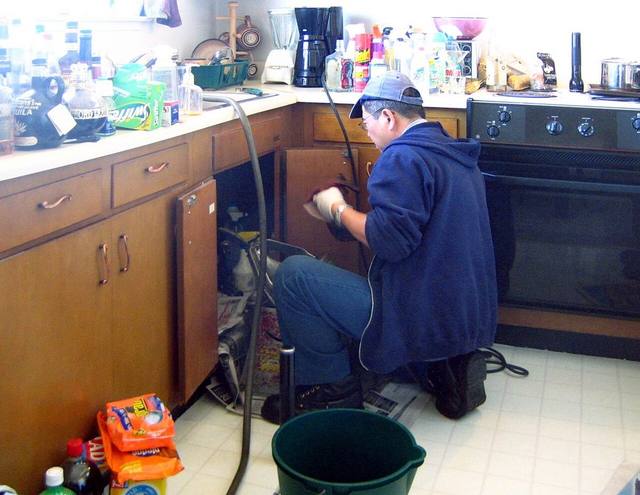
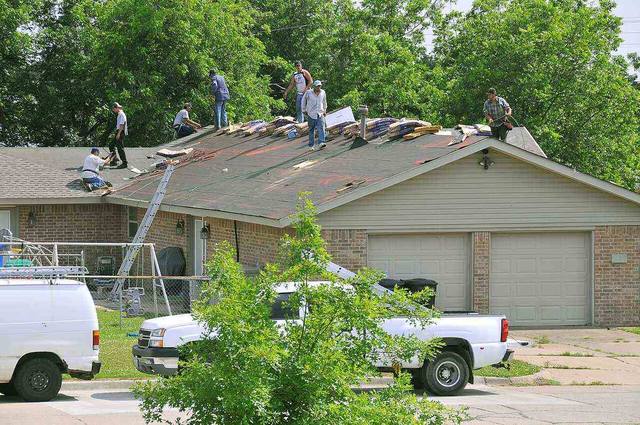
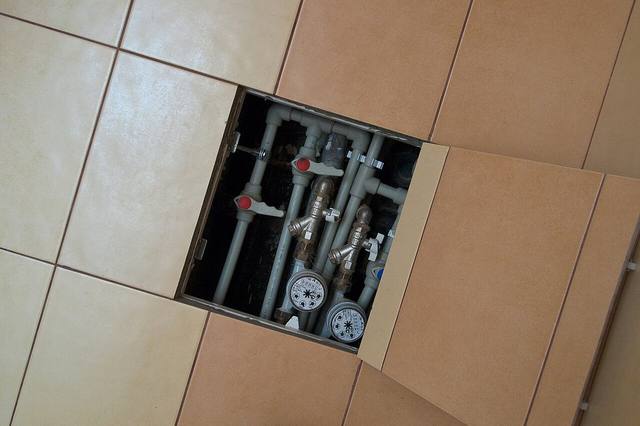
Midtown causes are age driven: sewer roots, tired supply lines, roof systems at the end of long lives, and storm water against older foundations. These are the cause pages Midtown homeowners open most.
Main Water Damage Services in Midtown
Every Midtown call runs through the same main services: emergency response, residential and commercial restoration, and round the clock cleanup. The pages below explain each one in full.


Other Tulsa Neighborhoods We Serve
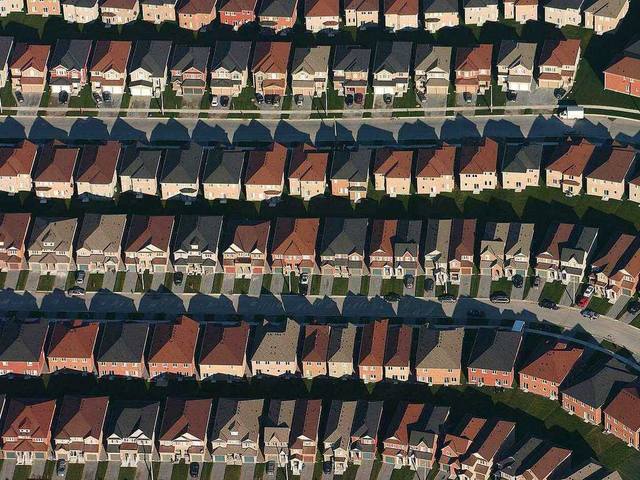
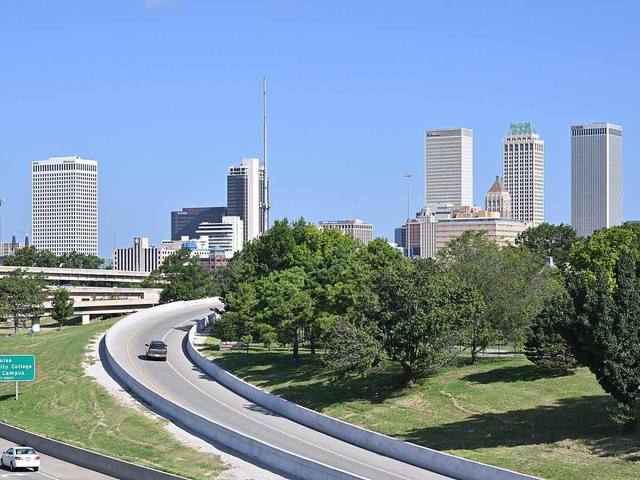
Midtown borders Brookside along Peoria and shades into South and East Tulsa as the housing eras change. Each neighborhood page describes its own construction, foundations, and water patterns.
Midtown is part of Tulsa, and this page covers Midtown only. For the whole city, go up to the Water Damage Restoration Tulsa OK home page for the full process, cause, mold, and insurance pages, see all service areas, or start with emergency water damage restoration if water is active right now.
Water Damage Questions from Midtown Homeowners
What causes most water damage in Midtown Tulsa homes?
Age, mostly. Many Midtown homes still run on plumbing installed generations ago: galvanized supply lines that narrow and corrode from the inside, cast iron drains, and original sewer laterals that mature trees have been working into for decades. Add attic lines that freeze in hard cold snaps and roofs at the end of long service lives, and the repeat Midtown calls are pipe failures, slow drain leaks, and root driven sewer backups rather than modern appliance failures.
Can the original hardwood floors in my Midtown home be saved?
Often, yes, when the water is found early and drying starts fast. Original oak floors in Midtown bungalows and Tudors were milled from dense old growth lumber and tolerate careful in place drying better than most modern flooring. Drying mats pull moisture through the boards at a controlled rate while meters track the wood itself, not just the air. Cupping that looks alarming in week one frequently flattens as the floor dries evenly. What cannot be promised in advance is the outcome; the readings decide, and we show you those readings as the job runs.
Why do Midtown sewer lines keep backing up?
The laterals under Midtown streets are old, and the neighborhood trees are enormous. Roots enter clay and cast iron joints seeking water, catch paper and grease, and narrow the line a little more each season until a heavy rain or a full house of guests finishes the blockage. A cleanup after a backup treats the house; only a camera inspection and line repair treat the cause. We handle the cleanup and document the footprint, and we will tell you plainly when the line itself needs a plumber before the next backup, because a cleaned house over a broken lateral is a house waiting to flood again.
How do you dry plaster walls without tearing the house apart?
Slowly, and with readings. Lath and plaster walls in Midtown homes hold water differently from modern drywall: they absorb more, release it more slowly, and punish rushed drying with cracking. The approach is measured extraction of any standing water, gentle dehumidification sized to the load, and daily meter readings through the plaster until the wall reaches the dry standard for the material behind it. Some walls that read wet at the surface dry in place over a longer window; where water carried contamination or the lath has failed, opening a section is honest work, and we explain the readings behind the recommendation before anything is cut.
Does insurance treat an old pipe failure differently from a burst pipe?
Usually, yes, and the distinction matters in Midtown. Most Oklahoma homeowners policies respond to sudden and accidental events and exclude gradual deterioration, corrosion, and slow leaks. A pipe that bursts tonight is one kind of file; a line that has been seeping into a wall for a year is another, and insurers decide between them using documentation. Dated photos, moisture maps, and readings from the first visit are the record your adjuster works from, which is why we build that file on every job whether or not a claim is planned.
One call starts extraction and drying.
Talk to a Tulsa dispatcher now about your Midtown property. You will get clear next steps and documentation from the first visit.