Tulsa, OK - 24/7 Emergency Service
Common Water Damage Mistakes Tulsa Homeowners Make
The scope and cost of every water damage restoration we respond to in Tulsa was determined by what the homeowner did between the event and the call. The difference between a $2,000 restoration and a $12,000 restoration is rarely the size of the leak. It is the decisions that followed.
These guides follow the same process used on Tulsa jobs: stop the source, extract, dry to measured goals, and document everything.
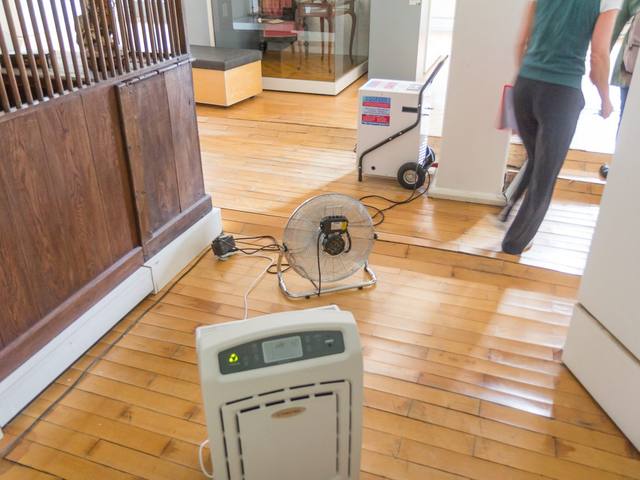
Mistake 1: Using Fans Instead of Professional Equipment
The homeowner sets up box fans, turns on ceiling fans, opens windows. The floor feels drier. The situation appears handled.
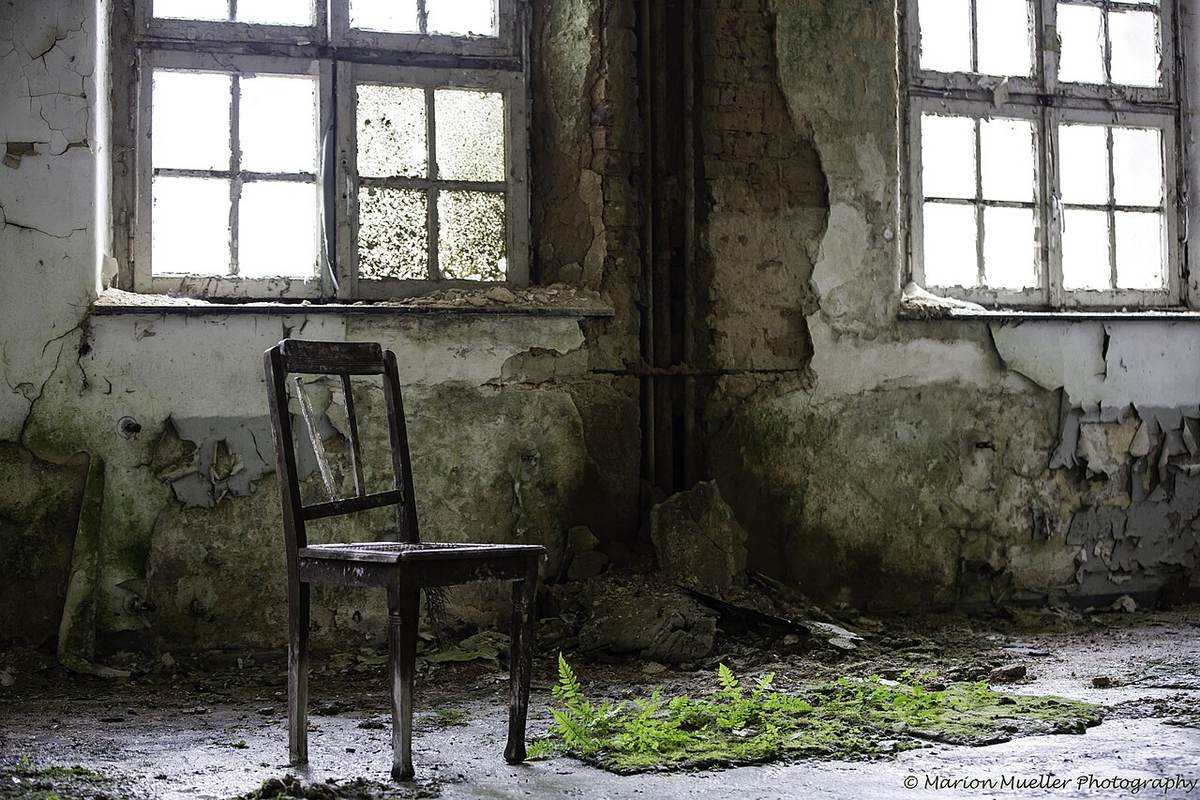
It is not. In Tulsa's humid climate, fans without mechanical dehumidification circulate humid air across wet surfaces without removing moisture from the system. The materials reach equilibrium with the humid air and stop drying. Behind the walls, under the flooring, inside the pad, moisture persists at levels supporting mold growth within 48 hours.
Mistake 2: Waiting to See If It Gets Worse
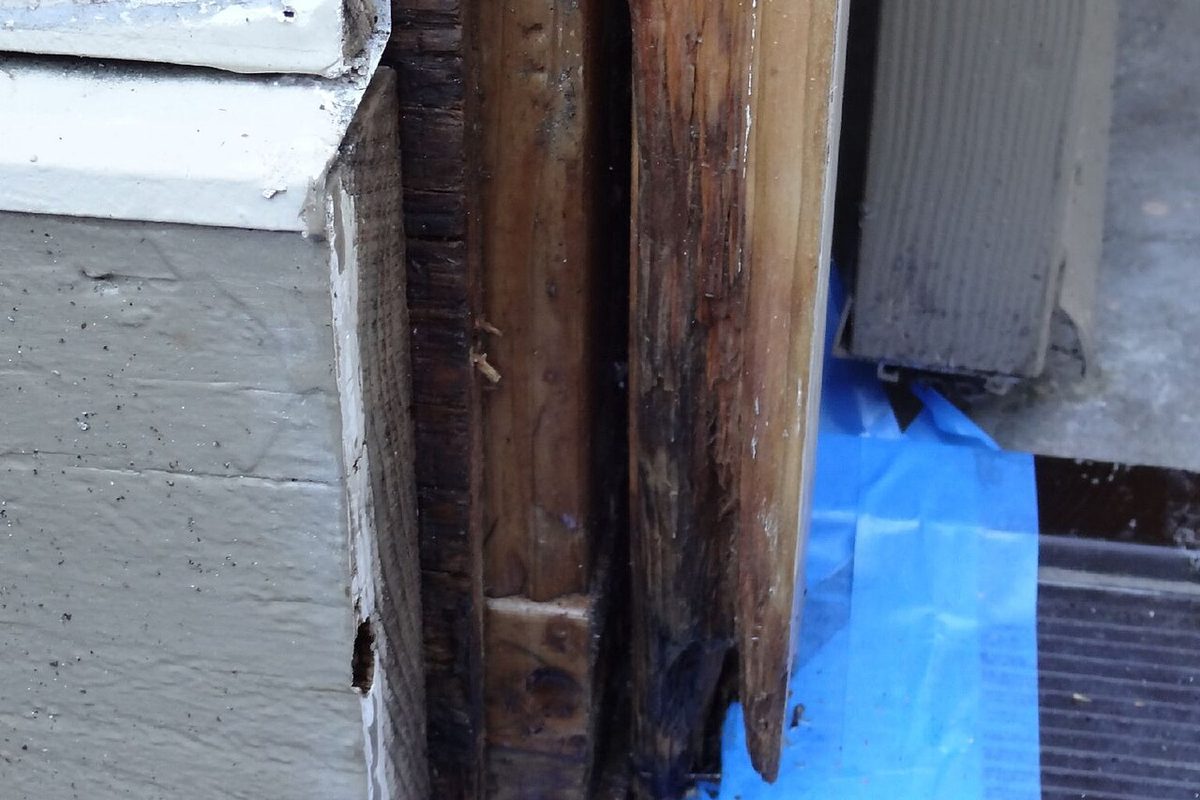
It always gets worse. Water damage does not stabilize, plateau, or improve with time. It compounds. Every hour increases absorption, expands migration, and pushes the water category toward degradation.
Mistake 3: Assuming the Carpet Is Fine Because the Surface Is Dry
Carpet face dries quickly, it is designed to shed water. The pad underneath holds moisture like a sponge. A pad that feels saturated at two hours will feel dry on top within 24 hours while remaining fully wet at the core. The slab beneath the pad is also wet. The baseboard above is wicking moisture into the wall cavity.
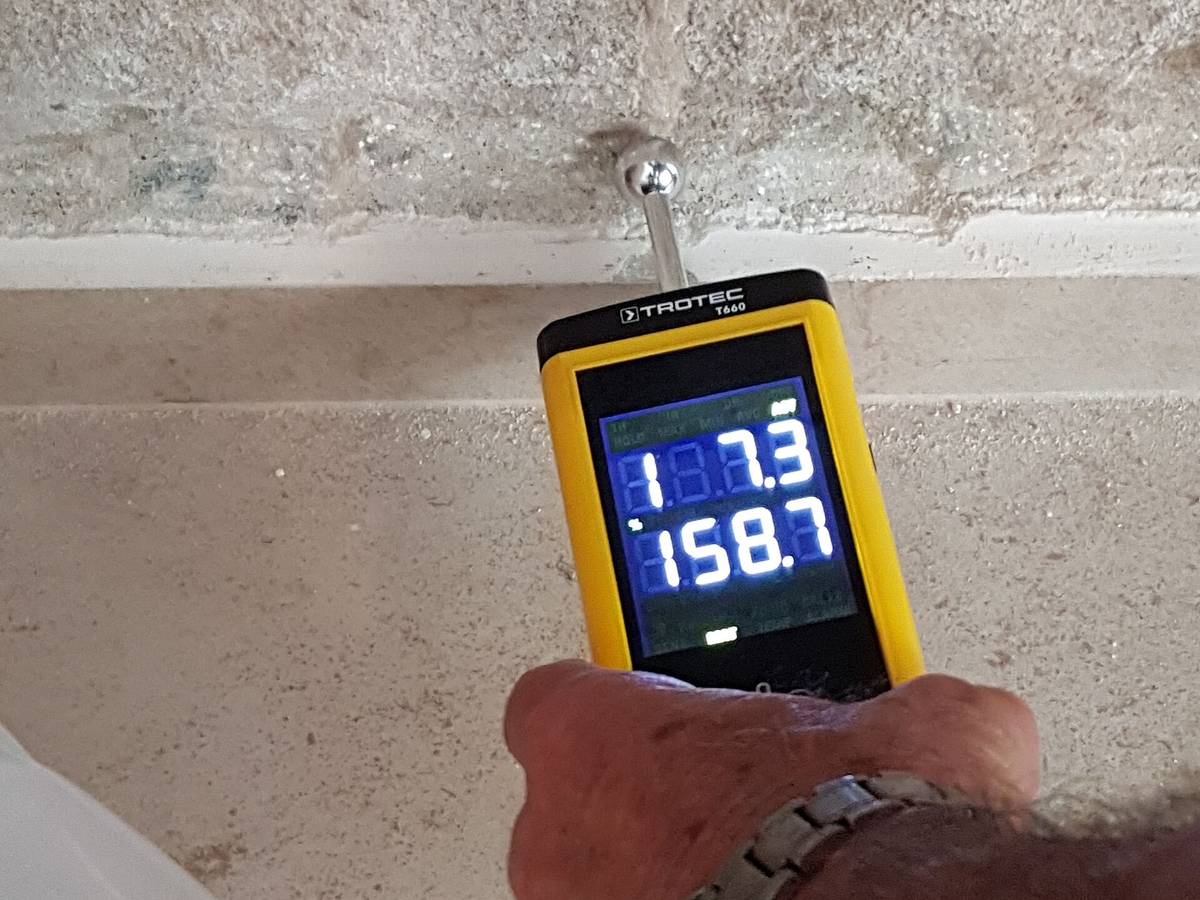
Surface dryness is not material dryness. Moisture readings determine dryness, not your hand, not your eyes, not your socks.
Mistake 4: Not Checking the Crawl Space After an Event
In a Tulsa pier-and-beam home, water on the floor above may have migrated through the subfloor into the crawl space. The homeowner dries upstairs, never checks below, and mold colonizes joists and subfloor for months before symptoms appear inside.
Mistake 5: Mopping Up Sewage Without Protection
Sewage backup is Category 3, a biohazard. Mopping it with bleach and towels without PPE means exposure to pathogenic bacteria, viruses, and parasites. Porous materials that contacted sewage cannot be decontaminated with household products, they must be removed by professionals.
Mistake 6: Waiting for Insurance Approval Before Starting
Your policy requires mitigation. You do not need the adjuster's permission to begin emergency extraction. Waiting while water actively damages your property can jeopardize coverage and increases total cost.
Start the cleanup. Report the claim. These happen in parallel.
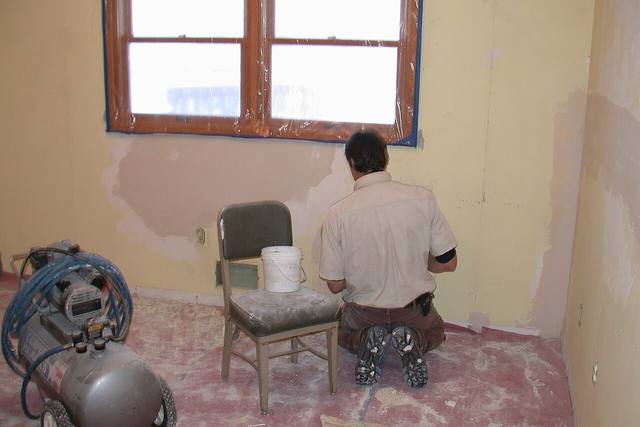
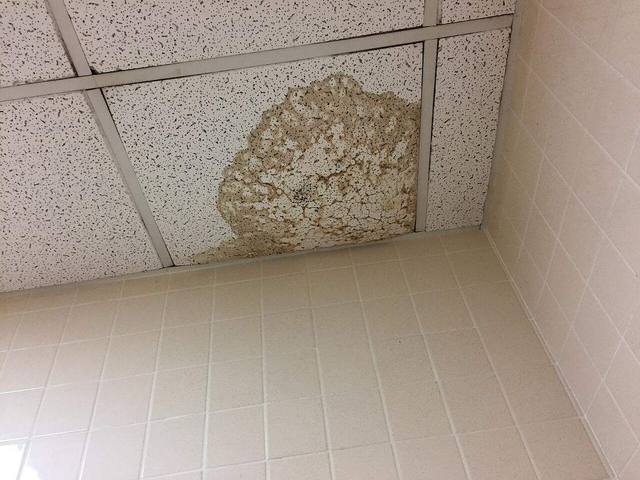
Mistake 7: Painting Over Water Stains
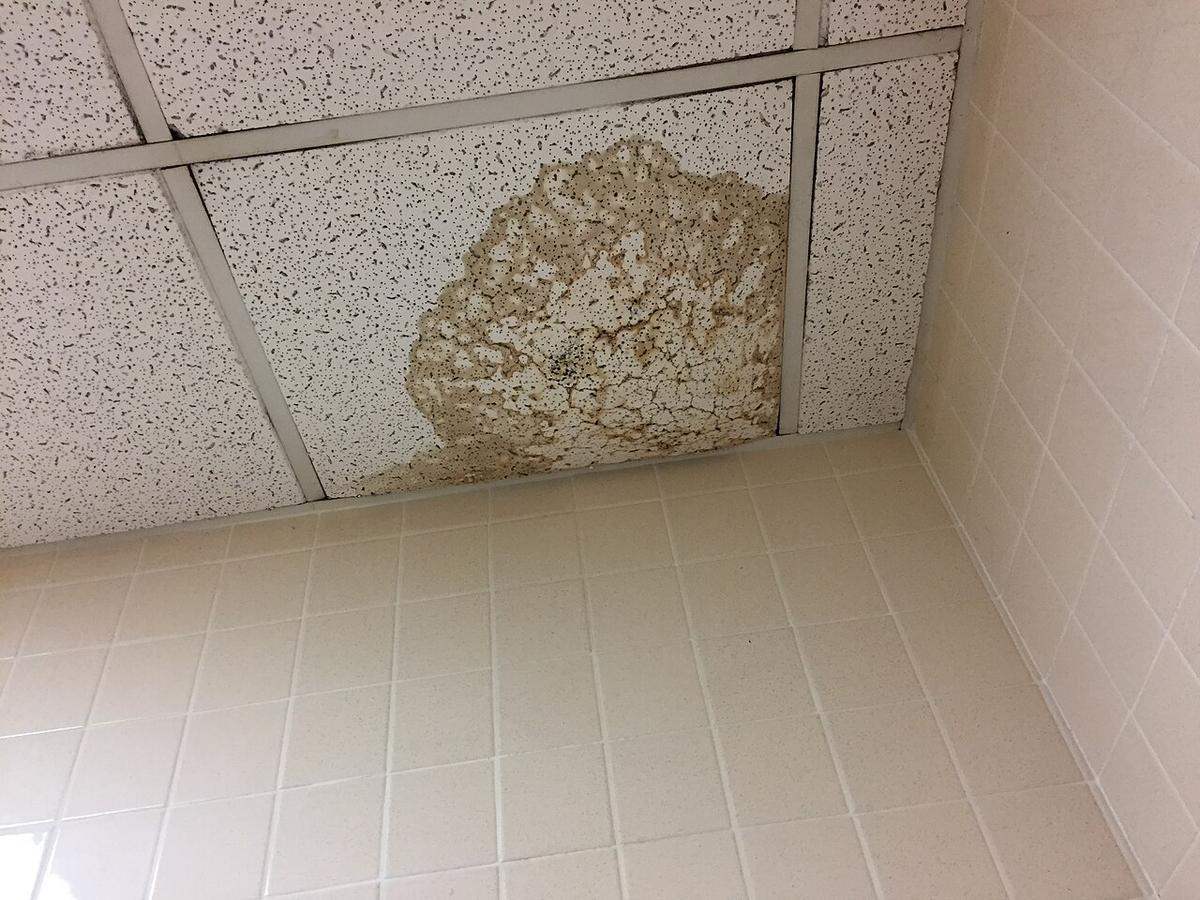
A water stain is evidence of moisture from a source. Painting over it conceals evidence without addressing the source. The moisture continues. The damage behind the paint continues. When the stain bleeds through, or when mold behind the paint becomes visible, the scope is significantly larger.
Mistake 8: Not Documenting Before Cleanup
Insurance claims require evidence. Photographs of standing water, the source, and affected areas, taken before any cleanup begins, are the foundation of the claim. Homeowners who clean first and call second often lack documentation needed to support the full scope.
Mistake 9: Replacing Flooring on a Wet Slab
After a slab leak or flood event, the homeowner removes damaged flooring and installs new material without verifying the slab has dried to the level required for the new product. Within weeks, moisture vapor migrates through the slab, breaks down adhesive bonds, supports mold at the interface, and the new floor fails.
Mistake 10: Ignoring the Crawl Space After Restoration
The water damage is restored. New drywall, new carpet, the house looks normal. But the crawl space, where moisture migrated during the event or where chronic moisture existed before, was never addressed. Within months, the musty odor returns and the homeowner is back where they started.
Comprehensive restoration includes the crawl space. Always.
→ Structural Drying | → Crawl Space Mold | → Mold Inspection
Reading about it is step one. Drying is step two.
If this article describes your house right now, call (918) 578-1166. We extract, dry, and document the loss, and the record we build is the one your insurer will ask for.
More From the Tulsa Water Damage Blog
Back to the Tulsa water damage blog index, the water damage restoration Tulsa OK home page, or emergency water damage restoration if water is active right now.
One call starts extraction and drying.
Talk to a Tulsa dispatcher now. You will get clear next steps and documentation from the first visit.