Tulsa, OK - 24/7 Emergency Service
Crawl Space Mold Remediation Tulsa OK
Tulsa crawl spaces grow mold by design: humid air, clay soil moisture, and cool joists. We clean the framing, correct the moisture at the ground, and control humidity so the space stays clean.
- In space assessment with photographs of joists and subfloor
- Framing cleaned by HEPA vacuum and abrasion, not just sprayed
- Ground vapor barrier and encapsulation options
- Crawl space dehumidification sized to Tulsa summers
In Tulsa humidity, mold can begin growing within 48 to 72 hours of a water loss. Drying to measured goals is what keeps a water job from becoming a mold job.
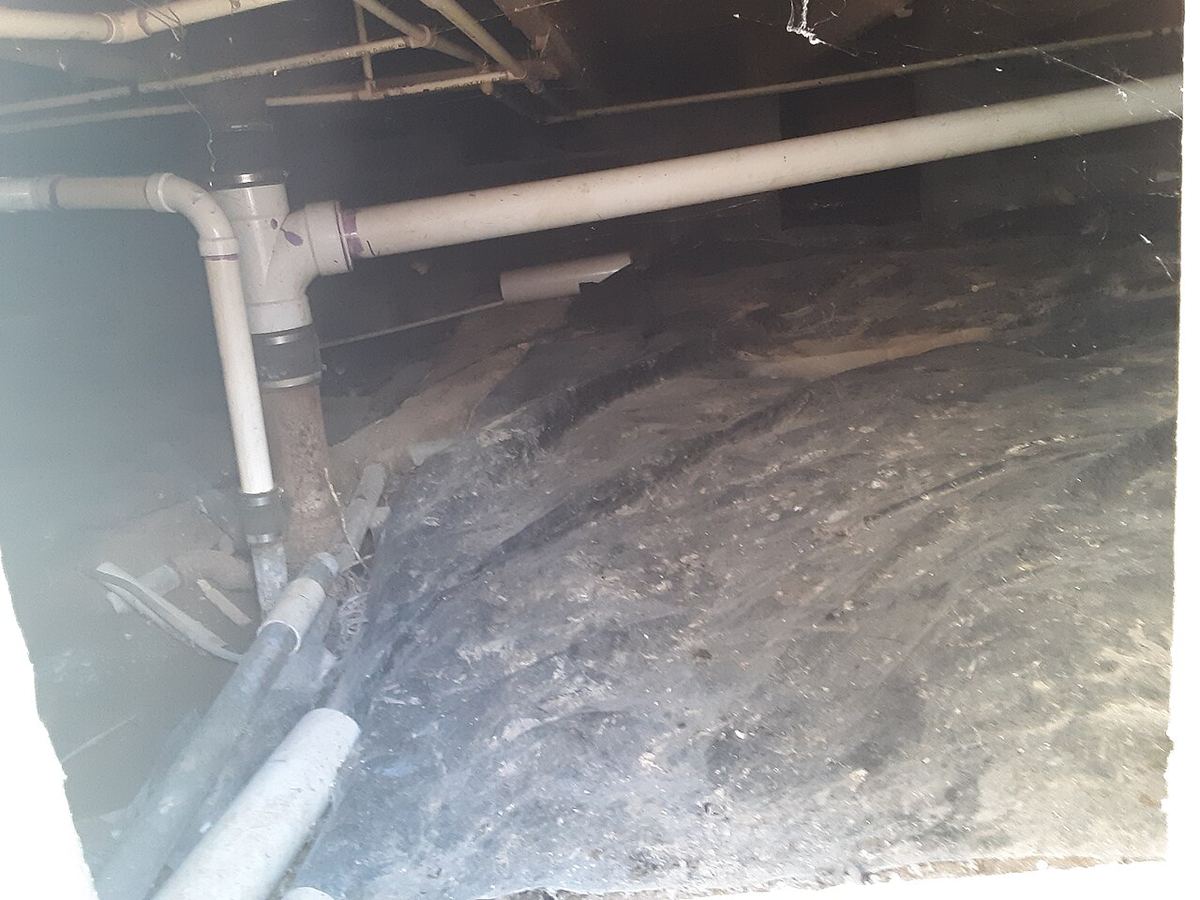
Why Tulsa Crawl Spaces Grow Mold: Humidity, Clay, and Cool Joists
Start with the physics of a vented crawl space in a humid subtropical summer. The vents, installed with the best intentions of a drier era, admit outdoor air at 80 and 90 percent relative humidity. Under the house, joists, beams, and ductwork sit at ground temperature, cooler than that air. The moisture in the incoming air condenses on and absorbs into those surfaces until wood moisture content climbs past the roughly 16 to 20 percent range where mold takes hold. The crawl space does not need a leak to grow mold in Tulsa; it needs only July.
Tulsa clay soil loads the other side of the equation. Clay holds water and releases it slowly, so the exposed soil floor of a crawl space evaporates moisture upward for weeks after rain, and in low lots the water table sits close under the slab of soil entirely. Plumbing completes the picture over a home’s life: supply and drain lines run through this space, and small leaks drip undetected onto soil and framing for months. Any one of these sources can colonize framing; most Tulsa crawl spaces we open have two or three working together.

What the Growth Lives On: Joists, Subfloor, and Fallen Insulation
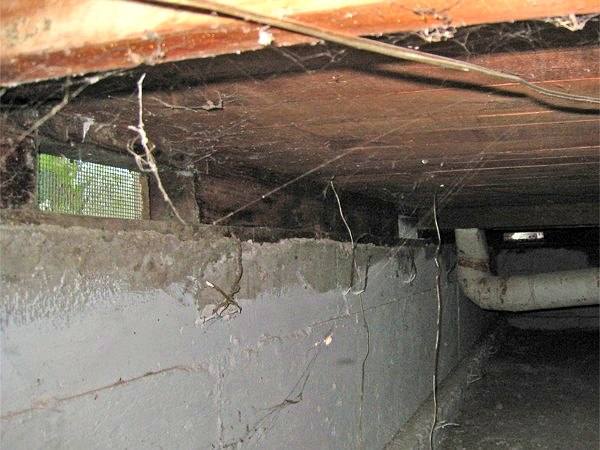
The colony’s address is the floor system. Joist faces and the subfloor above them collect the condensation and the dust that feeds growth, with the heaviest colonization usually over the dampest soil and around plumbing penetrations. Ductwork sweats in summer and drips onto insulation and framing. Batt insulation between joists, once damp, holds moisture against the subfloor and sags or falls as it degrades, and fallen, colonized insulation is both a growth reservoir and a sign the space has been wet a long time.
The structural question is asked on every assessment, because it changes the conversation from cleaning to carpentry: surface growth on sound framing is a remediation job, while long term moisture can soften and decay wood, and any joist or beam whose section is compromised by rot gets flagged with photographs for repair alongside the cleaning. Most Tulsa crawl spaces are in the cleaning category. Finding out which one you own is the assessment’s job.
How Crawl Space Air Becomes House Air
Homeowners reasonably ask whether anything under the house matters to the rooms above it. The stack effect answers: heated or air conditioned air escapes through the top of the home, and the replacement air is drawn from below, through every floor penetration, plumbing chase, and duct leak between the crawl space and the living space. In a pier and beam home, a large share of indoor air has recently been crawl space air.
That pathway is why crawl space remediation is sequenced with the ducts inspected and obvious leaks noted, and why a musty odor upstairs that no room cleaning touches so often traces to this space. It is also why post remediation air sampling in the living space, where the homeowner wants verification, samples the rooms the stack effect feeds.
How the Work Proceeds, Step by Step
1. In space assessment with photographs
A technician enters the crawl space and documents joist and subfloor conditions, soil moisture, standing water, plumbing state, insulation condition, and wood moisture readings, with photographs you see.
2. Moisture corrections first
Plumbing leaks are repaired or referred, standing water and drainage problems addressed, and the ground prepared for covering, because cleaning over active sources wastes the cleaning.
3. Isolation and negative air
The access is sealed and the space is placed under negative air exhausted to the exterior, so disturbed spores leave the property rather than entering the home.
4. Insulation removal where failed
Colonized or water damaged batt insulation is removed and bagged; sound insulation may be cleaned and retained where the evidence supports it.
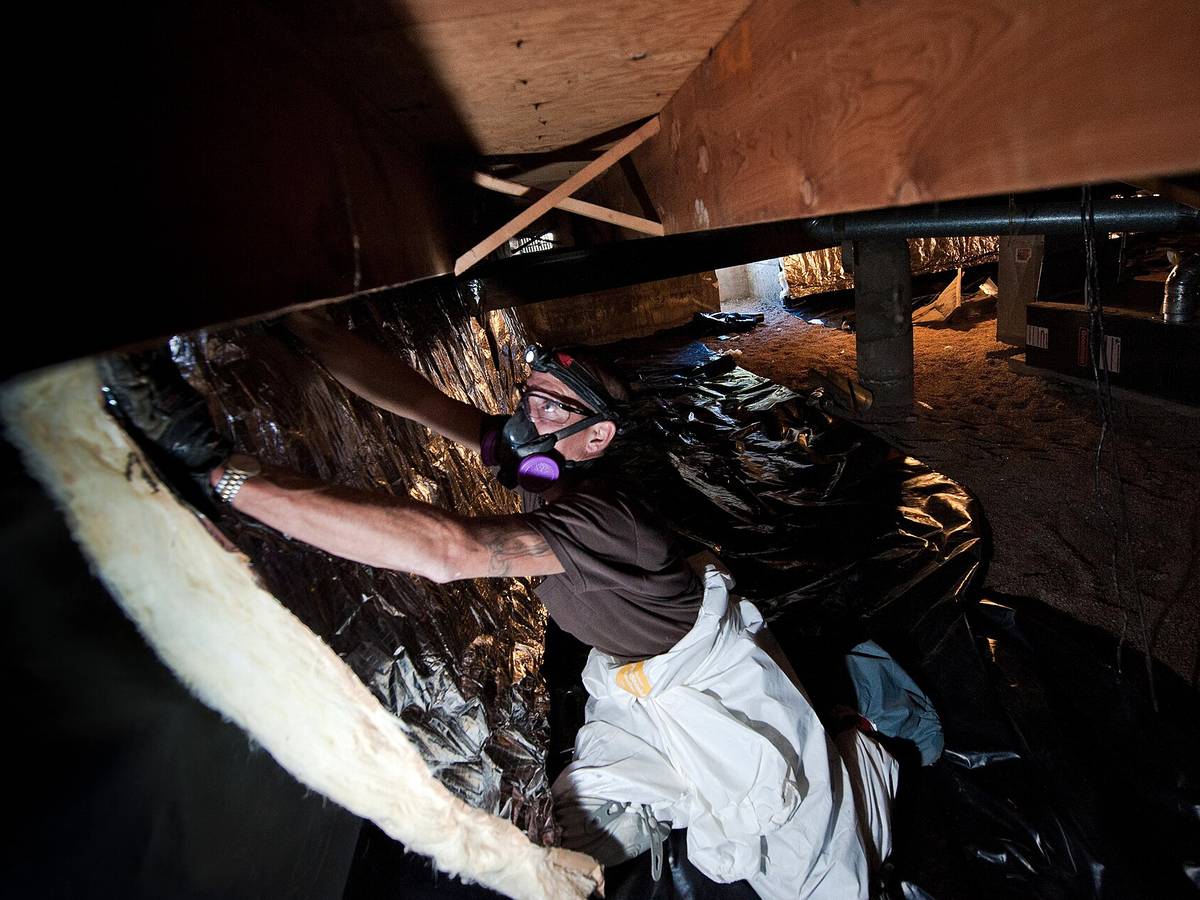
5. Framing cleaning: HEPA vacuum and abrasion
Joists, beams, and subfloor are HEPA vacuumed, then cleaned by sanding, scraping, or media methods matched to the wood and growth depth, and treated after cleaning.
6. Ground vapor barrier or encapsulation
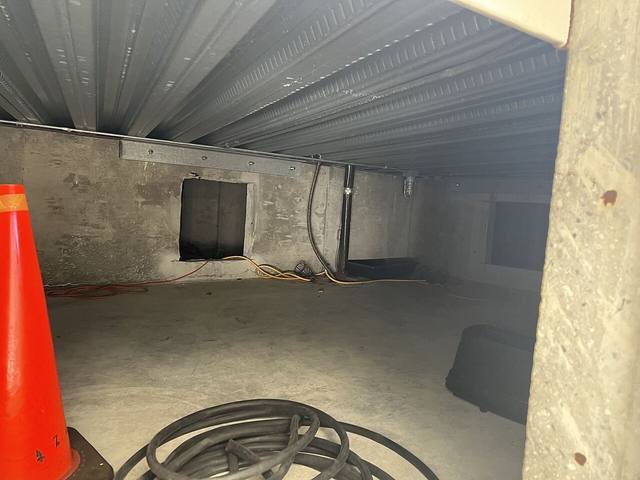
A heavy duty liner is installed over the soil, sealed at seams and piers; full encapsulation adds sealed walls and vents where the project scope includes it.
7. Humidity control and verification
A crawl space dehumidifier is installed where readings call for it, wood moisture is re-read, and the cleaned framing receives a final visual evaluation before close out.
Vapor Barrier, Encapsulation, and Dehumidification: Which Does Your Space Need?
The three moisture controls are a ladder, not a package. A ground vapor barrier, heavy polyethylene sealed over the soil, stops the largest single source, soil evaporation, and is the minimum correction under a remediated Tulsa crawl space. Encapsulation extends the barrier up the walls, seals the vents, and treats the space as part of the home’s envelope, which pays off most in homes with ductwork in the crawl space, since those ducts stop sweating against outdoor air. Dehumidification sized for the space then holds the air at a set point through the worst of summer, and is near mandatory in encapsulated spaces and low, wet lots.
The readings decide the rung. A high, dry lot with a plumbing driven problem may need the barrier and the repair alone. A low Jenks or Bixby lot over clay, with ducts below the floor and a history of summer odor, is an encapsulation conversation. The estimate shows the moisture evidence behind the recommendation, so the choice is made on your crawl space’s data rather than a sales tier.
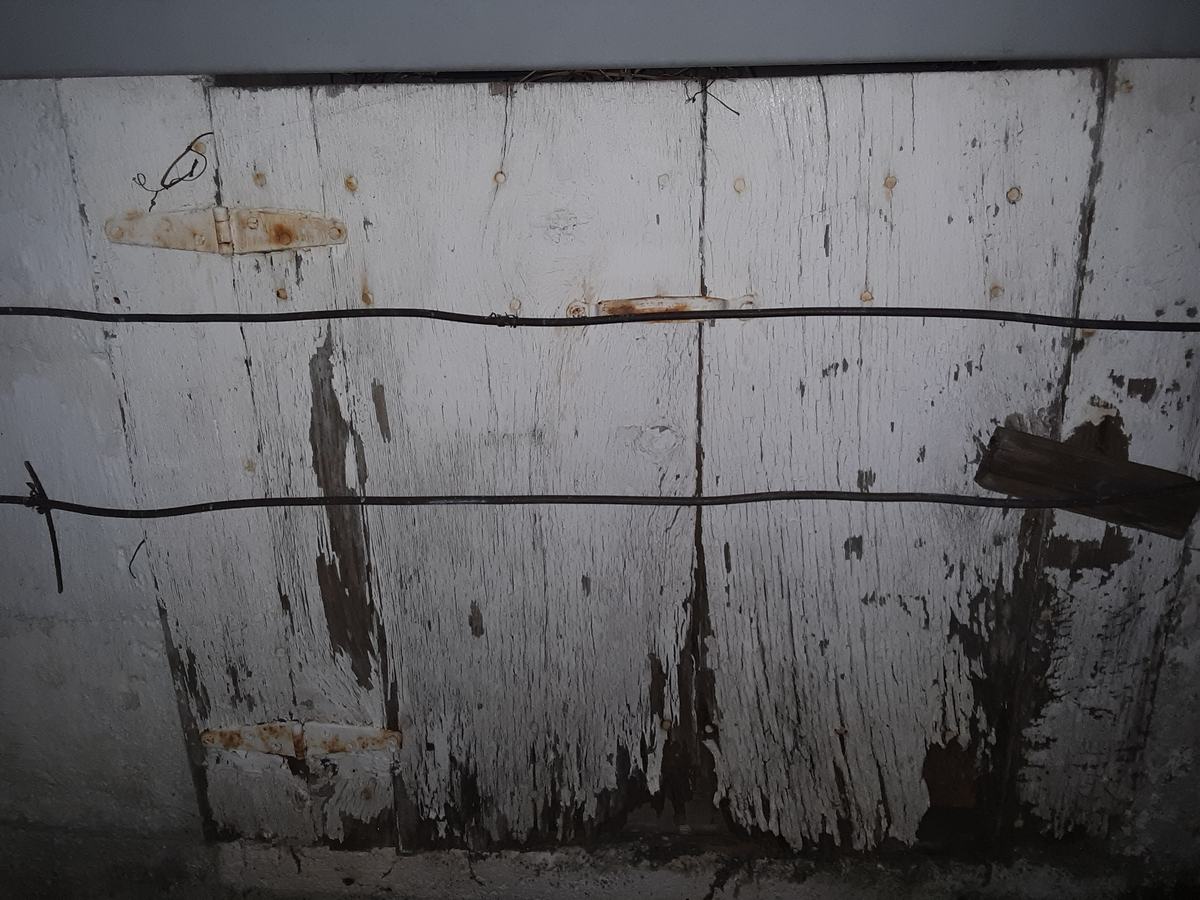
Keeping the Crawl Space Clean After Remediation
The maintenance list is short and mostly annual: check the dehumidifier and its drain each spring before humidity season, confirm the liner is intact after any plumbing or pest work under the house, keep vents and access sealed as designed, and have any new plumbing leak treated as the emergency it is for this space. A moisture reading at the joists during an annual visit, or when an upstairs musty odor appears, catches a relapse while it is still a cleaning.
Pest control and other trades working in the space get a simple instruction from the close out file: the liner is a working moisture system, not a floor, and cuts or displaced sections need resealing. Most crawl space mold stories we remediate began as exactly that kind of small, unrecorded disturbance.
Dealing with mold in Tulsa right now?
Call (918) 578-1166 and a local dispatcher will talk through what you are seeing, where the moisture is coming from, and the safest next step for your home or business in Tulsa County.
Water Damage Causes Behind Mold Problems
Crawl space mold grows out of crawl space water. These pages cover the leaks, groundwater, and condensation sources that load this space with moisture.
Other Mold Services in Tulsa
Return to the water damage restoration Tulsa OK home page for the full process, cause, mold, and insurance pages, or start with emergency water damage restoration if water is active right now.
Frequently Asked Questions
Why does mold grow in Tulsa crawl spaces?
Because a vented Tulsa crawl space is a moisture machine for half the year. Warm humid outdoor air enters through the vents and meets cooler joist and duct surfaces, and moisture condenses or is absorbed until wood moisture climbs into the range mold needs. Add the local amplifiers: clay soil that holds groundwater and evaporates it upward all summer, plumbing that eventually leaks in nearly every older home, and floor insulation that traps damp air against the subfloor. The growth is not a housekeeping failure; it is the predictable result of the design meeting this climate, which is why the correction is structural, drainage, ground cover, and humidity control, not just cleaning.
Does crawl space mold affect indoor air?
It can, through a well documented building behavior called the stack effect: air in a home rises and escapes at the top, drawing replacement air from the lowest levels, including the crawl space. A substantial share of the air in the living space of a pier and beam home has passed through the crawl space on its way in. That does not mean every crawl space colony is measurable in the living room, duct leakage and floor penetrations decide how much moves, but it is why crawl space conditions are treated as indoor air conditions in these homes, and why post remediation verification can include living space air sampling when the question matters.
Should I encapsulate my crawl space after mold removal?
Often yes in Tulsa, and the remediation is the right moment to decide, because the framing is clean and accessible and the moisture evidence is fresh. Encapsulation, a sealed heavy duty liner over the ground and walls, closed vents, and conditioned or dehumidified air, converts the crawl space from an outdoor humidity chamber into a controlled part of the home, which is what keeps joists below growth supporting moisture through an Oklahoma summer. Where a full encapsulation is beyond the project, a properly installed ground vapor barrier plus drainage corrections and a crawl space dehumidifier captures most of the benefit. What we advise against is remediation alone in a space whose readings say it will re-wet by August.
How is crawl space mold removed?
In sequence: the moisture sources are addressed, plumbing leaks repaired, standing water and drainage corrected, then the space is isolated at its access and worked under negative air exhausted outside. Growth on joists, beams, and subfloor is removed by HEPA vacuuming followed by abrasive or media cleaning of the wood surfaces, because framing is cleaned rather than replaced wherever it is structurally sound. Failed insulation that is colonized or water damaged comes out. Cleaned wood is treated, the ground is covered with a vapor barrier, and humidity control is installed where the readings call for it. The work is verified by visual evaluation of the cleaned framing and moisture readings in the wood.
What does crawl space mold remediation cost?
General information only: the drivers are the size of the crawl space, how much framing is colonized, access, a tall, open crawl space and a low belly crawl are different projects wearing the same name, the amount of insulation that must come out, and whether the moisture correction includes drainage, a full liner, or dehumidification equipment. Cleaning alone and cleaning plus encapsulation sit far apart in price, and both are legitimate scopes for different homes. The estimate follows an in space assessment with photographs, and separates cleaning, material removal, and moisture control so the choices are visible.
Can I just spray the joists with a mold killer?
Spraying reaches the surface you can see from the access door, which is a small fraction of the framing, and it leaves the dead growth, the moisture, and the colonies between joists exactly as they were. Mold on framing has to be physically removed from the wood surface, and the moisture that grew it has to be controlled, or the treatment is a scented postponement. Fogging and spraying have supporting roles inside a real scope, after removal and cleaning, never as the scope itself.
One call starts the assessment.
Talk to a local Tulsa dispatcher now. You will get clear next steps, a real arrival plan, and documentation from the first visit.