Tulsa, OK - 24/7 Emergency Service
Water Heater Leak Cleanup Tulsa OK
A failed tank can release its full volume and keep refilling until the supply is closed. We handle the water, the drying, and the documentation while the plumbing decision gets made.
- Shutoff and energy isolation guidance by phone
- Extraction across garage, closet, or utility rooms
- Drying for floors, wall bases, and stored contents areas
- Heater age and failure documentation for your records
The source decides the cleanup. Clean supply water, a leaking appliance, and sewage each need a different protocol, and the wrong one makes things worse.
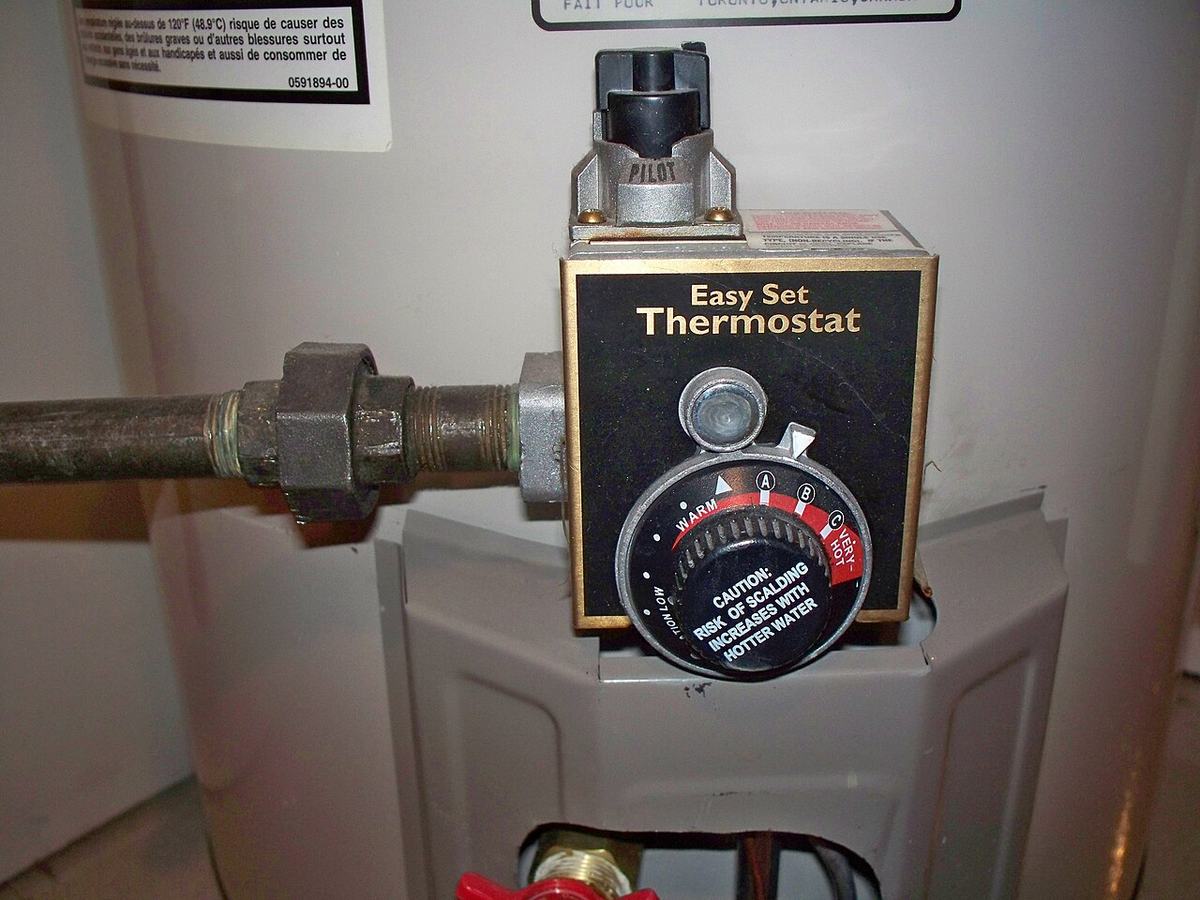
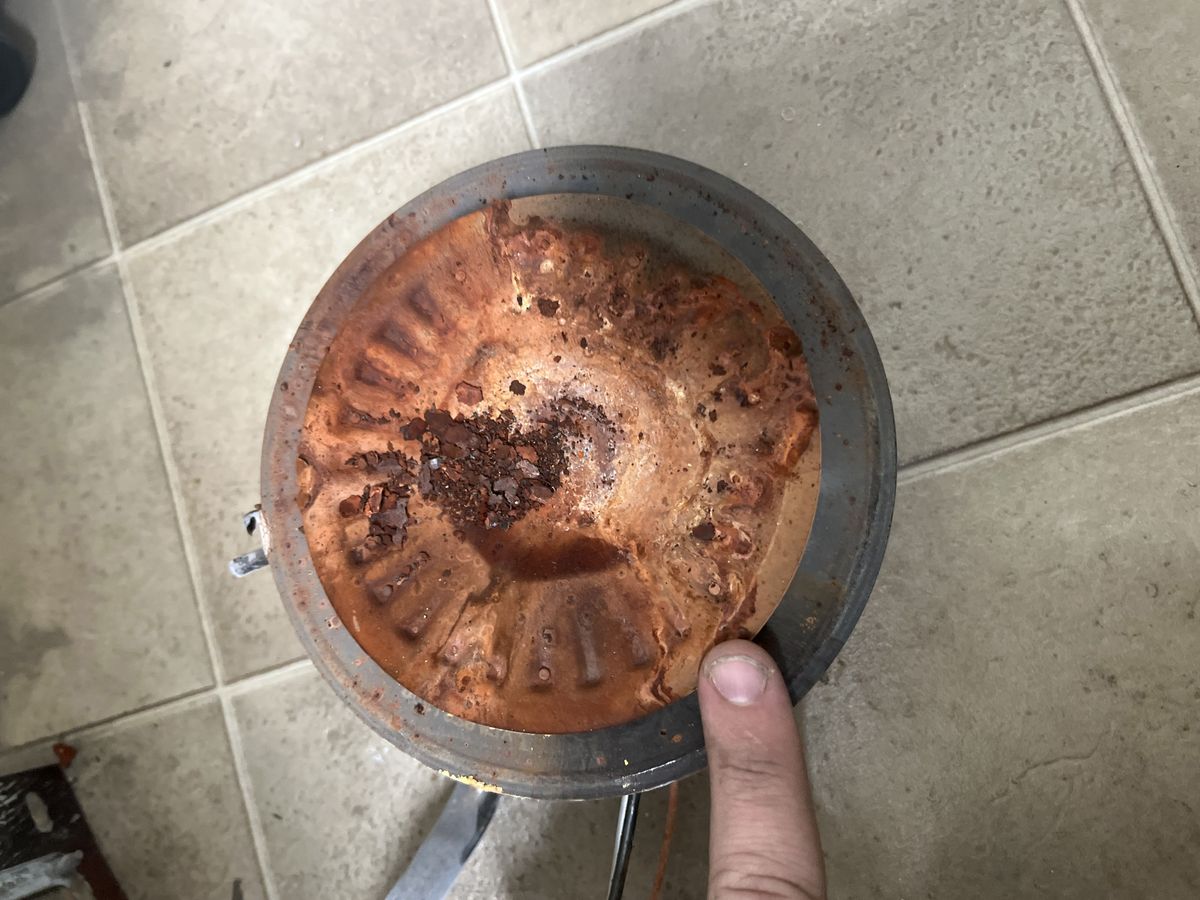
Anatomy of a Water Heater Failure: Slow Drip to Full Tank Release
Water heater leaks arrive in two tempos. The slow version starts as a weep at the tank base, a drip at the drain valve, or corrosion crust at the inlet fittings, and it can wet a garage slab corner or closet floor for months before anyone notices, because the heater sits in the least visited space in the house. The fast version is a tank rupture: the corroded steel finally opens, and the tank empties its 40 to 50 gallons, or more for larger units, while the cold supply keeps feeding the break until somebody closes the valve. Homeowners who are away come home to a house scale event from an appliance the size of a closet.
Why tanks fail is a maintenance story. Sediment from Tulsa water hardness settles on the tank bottom, insulating it so the burner overheats the steel with every cycle. The anode rod, designed to corrode in place of the tank, dissolves over the years and is rarely checked or replaced. The glass lining microcracks with thermal expansion until water reaches bare steel. The T&P relief valve, the safety device that vents dangerous pressure, can itself become the leak when its seat corrodes. Every one of these is visible on inspection before failure, which is why the manufacture date and a yearly look at the base belong on the Tulsa homeowner checklist.
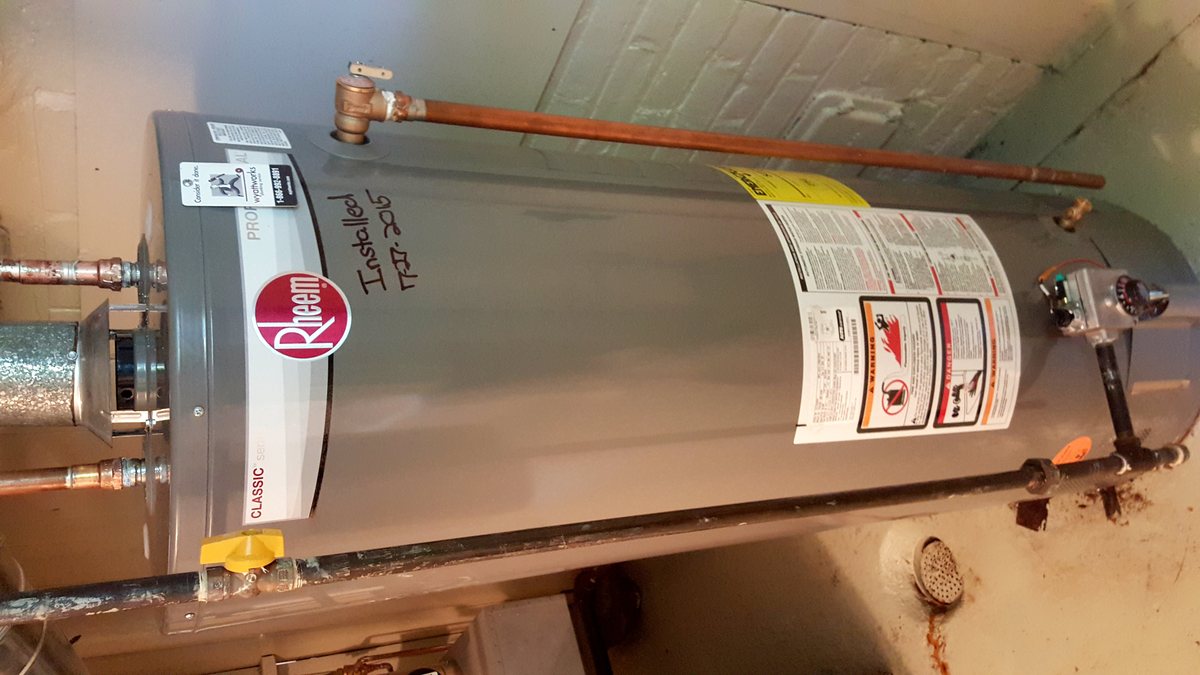
Garage, Closet, and Attic Installations: Three Different Floods
Where the heater lives decides what the water does. Garage installations, common across Tulsa suburbs, spread water across the slab toward stored belongings, the door into the house, and the wall framing, and they threaten everything stored at floor level while often sparing finished floors. Closet installations inside the home are the most destructive per gallon: a failed tank in a bedroom or hallway closet soaks carpet, pad, subfloor, and wall bases in finished rooms, and the leak is hidden behind a door until the carpet in the next room feels wet. Attic installations, found in some Tulsa remodels, are the highest risk of all, because a tank release becomes a ceiling loss across every room below.
Cleanup adapts to the installation. Garage work focuses on extraction, wall base drying, and contents triage. Closet work adds carpet and pad assessment, subfloor readings, and wall cavity drying. Any heater flood also raises an electrical and gas safety check before equipment goes in, and in garages, a look at what the water spread into, because paint, solvents, and stored chemicals change handling. The dispatcher will ask where your heater is installed on the first call, because that one fact predicts most of the job.
First Response: Energy Off, Water Off, Then Cleanup
The sequence matters because a leaking heater is an energized appliance full of hot water. For a gas unit, turn the control knob to off; for electric, switch off the breaker. Then close the cold supply valve at the top of the tank. If you cannot find or move the valve, the house main shutoff does the same job. Relieve pressure through a hot faucet, protect anything electrical in the wet zone, and keep people and pets out of water that may be hot. Photograph the label plate, which carries the manufacture date and capacity, and the leak point, because both feed the replacement and insurance conversations.
From there the restoration clock starts. Extraction removes the released volume, and because tank water carries rust and sediment, surfaces get cleaned as well as dried. Moisture mapping checks how far water ran under walls and into adjacent rooms, which in closet installations is reliably farther than it looks. Drying then runs to readings, not appearances. Meanwhile the plumbing decision, repair the component or replace the tank, is made with the heater age in view: tanks near or past their expected service life that fail at the body are replacement candidates, and a plumber can confirm and quote with the label information you photographed.
How the Cleanup Proceeds, Step by Step
1. Call with installation and safety triage
The dispatcher asks where the heater is installed, whether gas or electric, and whether water is still flowing, then guides the energy and water shutoff in a safe order.
2. Arrival safety sweep and source confirmation
The crew verifies the supply is closed, checks electrical and gas safety around the wet area, and identifies whether the failure is tank body, valve, fitting, or supply line.
3. Extraction and contents protection
Released water is extracted from slab, carpet, or subfloor areas. Belongings in the flood path are moved, blocked, or triaged, with rust and sediment cleaned from affected surfaces.
4. Moisture mapping into adjoining rooms
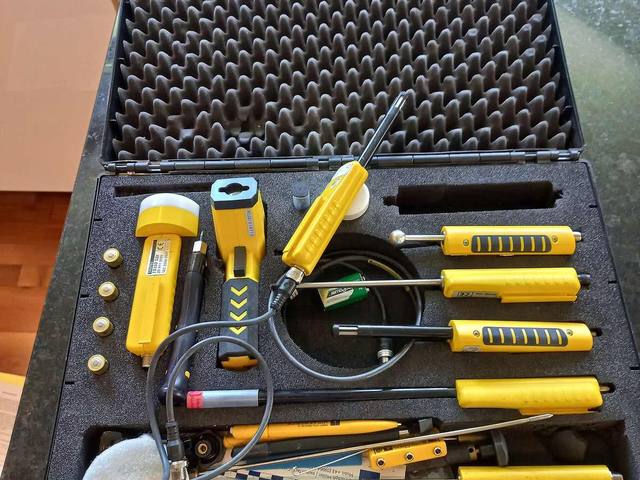
Meters trace water under wall bases and into the rooms next to the garage, closet, or utility space, so the drying scope covers the real footprint.
5. Drying with daily verification
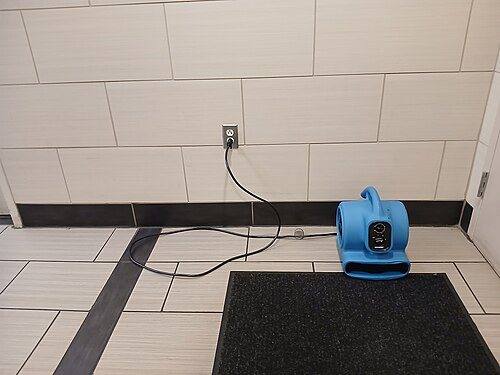
Air movers and dehumidifiers dry floors, subfloors, and wall bases, with readings logged daily against dry reference standards until targets are reached.
6. Documentation and plumber handoff notes
You receive photos, the heater label details, failure description, and drying log, everything needed for the replacement decision and any insurance claim.
Drying After a Heater Flood: Slab, Subfloor, and Wall Bases
Heater floods dry like other clean water losses with two twists. The first is sediment: rust and scale spread across the floor and work into carpet and grout, so cleaning rides alongside extraction rather than after it. The second is location: garage slabs dry against soil moisture and summer humidity, closet subfloors dry from above with carpet removed or lifted depending on readings, and wall bases at the flood edge wick higher than the waterline suggests. Moisture mapping settles each of those questions with numbers, and antimicrobial treatment is applied where water sat against organic material like pad, drywall paper, and stored cardboard.
The finish line is verified dryness, because a new water heater installed beside a damp wall base just restarts the corrosion story on the framing. When readings reach dry standards, the space is ready for the plumber and any finish repairs, and you hold the log that proves the structure was dry when it was closed up.
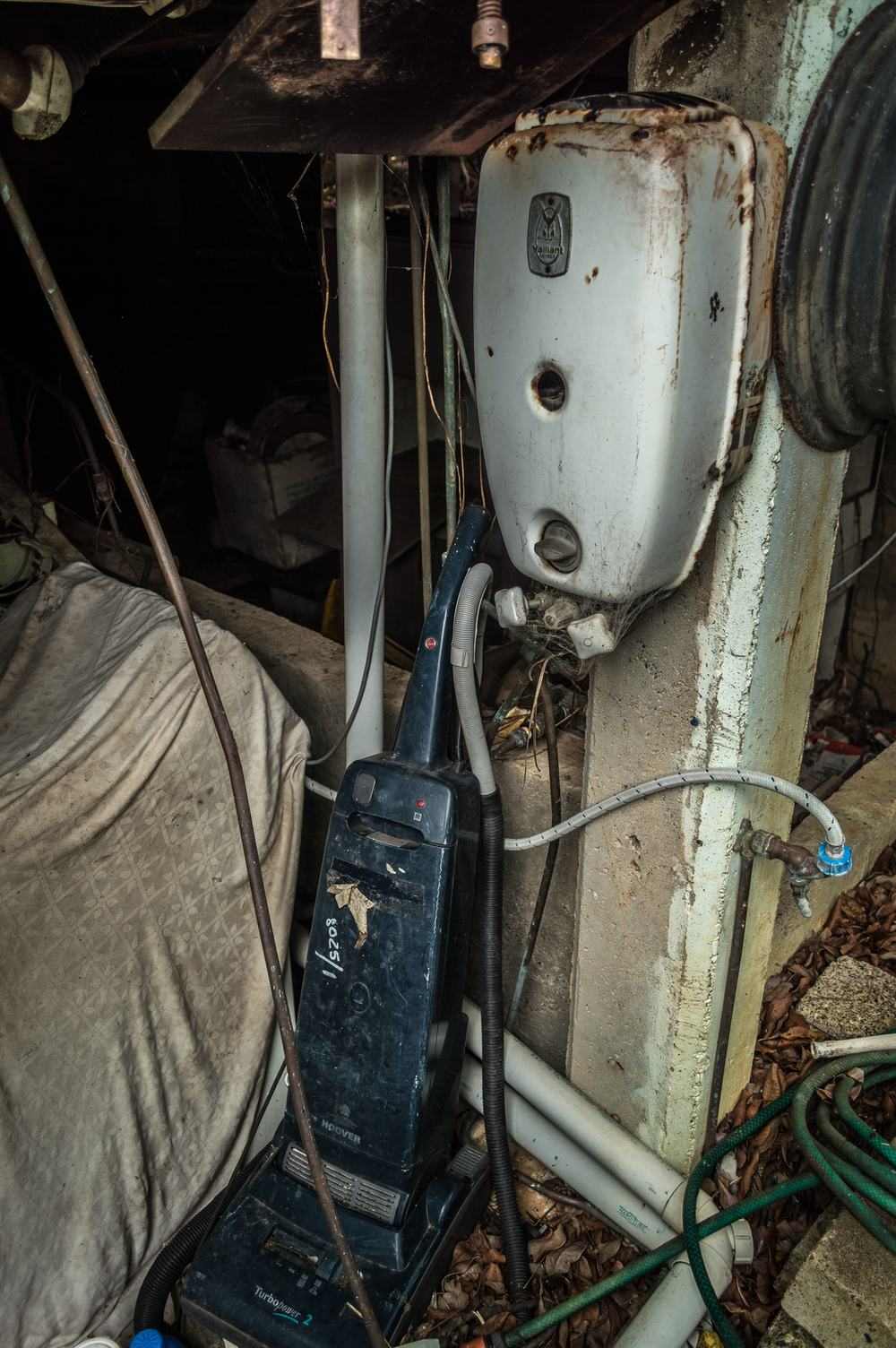
Replace or Repair, Tank or Tankless: Deciding After the Flood
Cleanup day is also decision day, because the house has no hot water until the heater question is settled. The honest framing: component failures on a young tank, a dripping valve, a fitting, a flex line, are plumber repairs. Tank body failures on a unit in the second half of its expected life are replacement conversations, because the steel will not get younger. At replacement, tankless enters the discussion for its flood profile, no stored volume to release and automatic shutoff on many failures, weighed against its own cost and maintenance needs. That is a plumbing decision we do not sell; our role is to give you the failure facts, the age from the label, and a dry space for whichever unit comes next.
One prevention upgrade deserves mention regardless of choice: a drain pan with a drain line, and a leak alarm or automatic shutoff valve, turn the next failure from a flood into an alert. In closet and attic installations especially, those inexpensive devices are the difference between this page and a phone call. Ask the plumber to include them in the replacement scope.
Dealing with this in Tulsa right now?
Call (918) 578-1166 and a local dispatcher will talk through what happened, whether the water is still spreading, and the safest next step for your home or business in Tulsa County.
Process Steps That Fix This Damage
A heater flood is cleaned up through extraction, mapping, and measured drying. These process pages explain how each step protects the rooms around the heater.



Main Water Damage Services in Tulsa
Every cause on this site is handled inside the same full restoration sequence. These pages cover the emergency, residential, and commercial services that frame the response.



Other Causes of Water Damage in Tulsa
Return to the water damage restoration Tulsa OK home page for the full process, cause, mold, and insurance pages, or start with emergency water damage restoration if water is active right now.
Frequently Asked Questions
How long do water heaters last in Tulsa?
Most tank water heaters serve roughly 8 to 12 years, and Tulsa conditions push toward the shorter end of that range when maintenance is skipped. Tulsa water hardness leaves sediment that insulates the tank bottom, forcing longer burner or element cycles and stressing the steel. The anode rod, which sacrifices itself to protect the tank lining, is often fully depleted years before the tank fails, and once it is gone the tank itself corrodes. Checking the manufacture date on the label tells you where your heater sits on that clock, and a heater past ten years with rust at its base is a replacement conversation, not a repair one.
What causes water heater failure?
Corrosion is the headline cause: the glass lining cracks with age and thermal cycling, the depleted anode rod stops protecting the steel, and rust works through until the tank weeps, then leaks, then can split. Sediment buildup accelerates everything by overheating the tank bottom. The other failures are component level: a leaking T&P relief valve, corroded inlet and outlet fittings, a failed drain valve, or loose connections. Those drip leaks are smaller but sneakier, wetting the stand and floor for months. Tankless units fail differently, at heat exchangers and condensate points, and usually shut themselves down rather than flooding, which is one reason the tank versus tankless comparison matters at replacement time.
What do I do first when my water heater is leaking?
Stop the energy and the water, in the order that is safe. Turn off the gas control or the breaker for an electric unit, then close the cold water supply valve at the top of the heater so the tank stops refilling. If the leak is at the tank body, open a hot water faucet somewhere in the house to relieve pressure and let the tank drain through a hose from the drain valve if you can do it safely. Keep clear of scalding water and of electrical panels anywhere near the wet area. Then move belongings, photograph the heater label and the leak, and call for cleanup and a plumber, because the tank decision and the water damage decision happen in parallel.
Is a small drip under my water heater worth worrying about?
Yes, because heater drips do not heal, and their damage is disproportionate to their size. A slow drip in a garage corner wicks into the wall base, the door framing, and anything stored on the slab nearby, and in a closet installation it soaks carpet, pad, and subfloor in a bedroom. Drips also diagnose the tank: water at the base usually means the tank wall is involved, while water at a fitting or valve may be a component repair. Either way, finding the source early is the difference between a valve replacement and a tank replacement plus a restoration scope. A dry floor under the heater is the only acceptable finding.
Can the water from a failed water heater be dangerous?
The water itself starts as clean supply water, but a tank that fails has usually been corroding, so expect rust colored water, sediment, and debris across the floor. The real hazards are around the scene rather than in the water: scalding temperatures from a hot tank, gas connections on a gas unit, live electrical elements, and in garages, whatever the flood spreads into, from paint and chemicals to stored cardboard. Treat a heater flood like any other water loss for cleanup purposes, with extraction, drying, and antimicrobial attention where water sat, and let the plumbing side be handled by a plumber.
One call starts the cleanup.
Talk to a local Tulsa dispatcher now. You will get clear next steps, a real arrival plan, and documentation from the first visit.