Tulsa, OK - 24/7 Emergency Service
Crawl Space Water Damage Tulsa OK
The crawl space is where Tulsa water damage hides the longest and works the quietest. We find the source, remove the water, and dry the joists and subfloor to readings you can see.
- Standing water extraction from the crawl space
- Plumbing leak check on lines overhead
- Joist, girder, and subfloor moisture readings
- Vapor barrier and encapsulation assessment
The source decides the cleanup. Clean supply water, a leaking appliance, and sewage each need a different protocol, and the wrong one makes things worse.
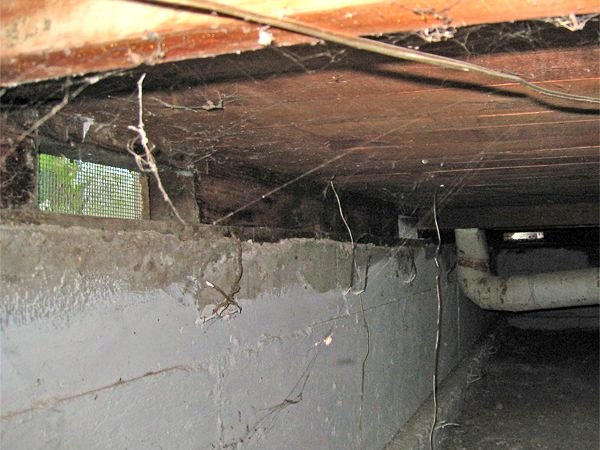
The Pier and Beam Tulsa Home: Built Over a Space That Collects Water
A large share of older Tulsa housing, the bungalows and cottages of Midtown, Brookside, and the original suburbs, stands on pier and beam foundations, which means the house lives over a shallow crawl space of bare or thinly covered soil. That space was designed to be ventilated and mostly dry. In practice it is the lowest ground on the lot, it sits below Tulsa clay that drains slowly, and every water problem the lot and the plumbing can produce eventually reports there: grading runoff, gutter overflow, rising groundwater, condensate, and leaks from the supply and drain lines that run directly overhead.
The design also hides its problems well. Homeowners do not visit the crawl space, so standing water, dripping pipes, fallen insulation, and mold on joists can develop for a season before the house above complains, and by then the complaints are indirect: musty odor that cleaning never fixes, floors that feel soft or cold, cupping hardwood, higher summer humidity indoors. Those symptoms, in a pier and beam Tulsa home, are a crawl space inspection waiting to happen.
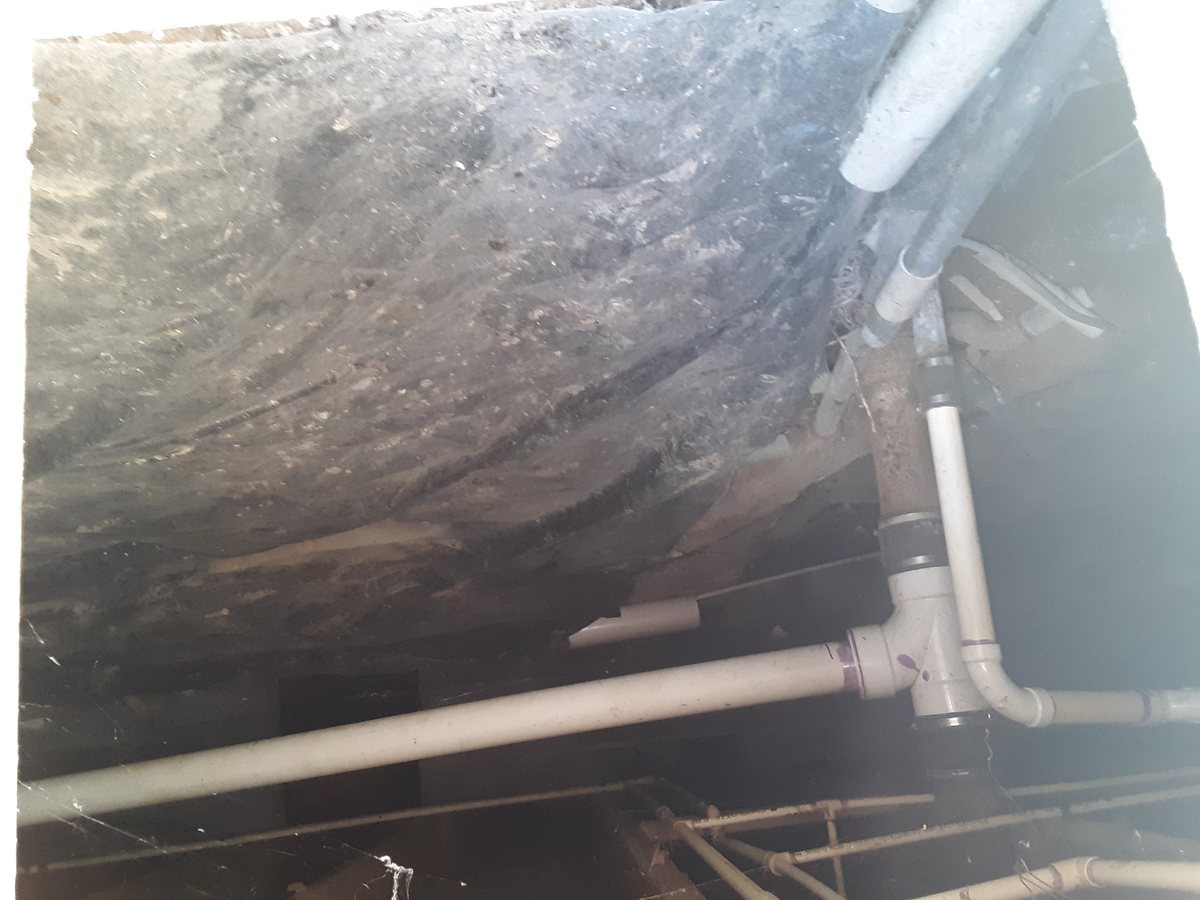
Where Crawl Space Water Comes From in Green Country
Surface water is the most fixable source. Soil graded toward the house, downspouts ending at the foundation, and clogged gutters pour roof and yard water against the perimeter, and it moves through vents and the soil into the space. Groundwater is the seasonal source: during storm season the water table in low Tulsa lots can rise into the crawl space from below, leaving standing water long after the yard looks dry, because clay releases water slowly in every direction.
Plumbing is the year round source and the most damaging per gallon. Supply lines pressurized overhead can spray a fine leak for months. Drain lines, which carry water only when fixtures run, leak at joints and cracks and are easy to miss. HVAC condensate lines and sweating ducts add steady summer moisture, and the air itself contributes: humid Tulsa air entering vents condenses on the coolest surfaces, ducts, pipes, and the underside of subfloor cooled by air conditioning. A competent assessment sorts these sources, because pumping out groundwater while a supply line sprays overhead is how crawl spaces flood twice.
What Standing Water and Humidity Do to Joists and Subfloor
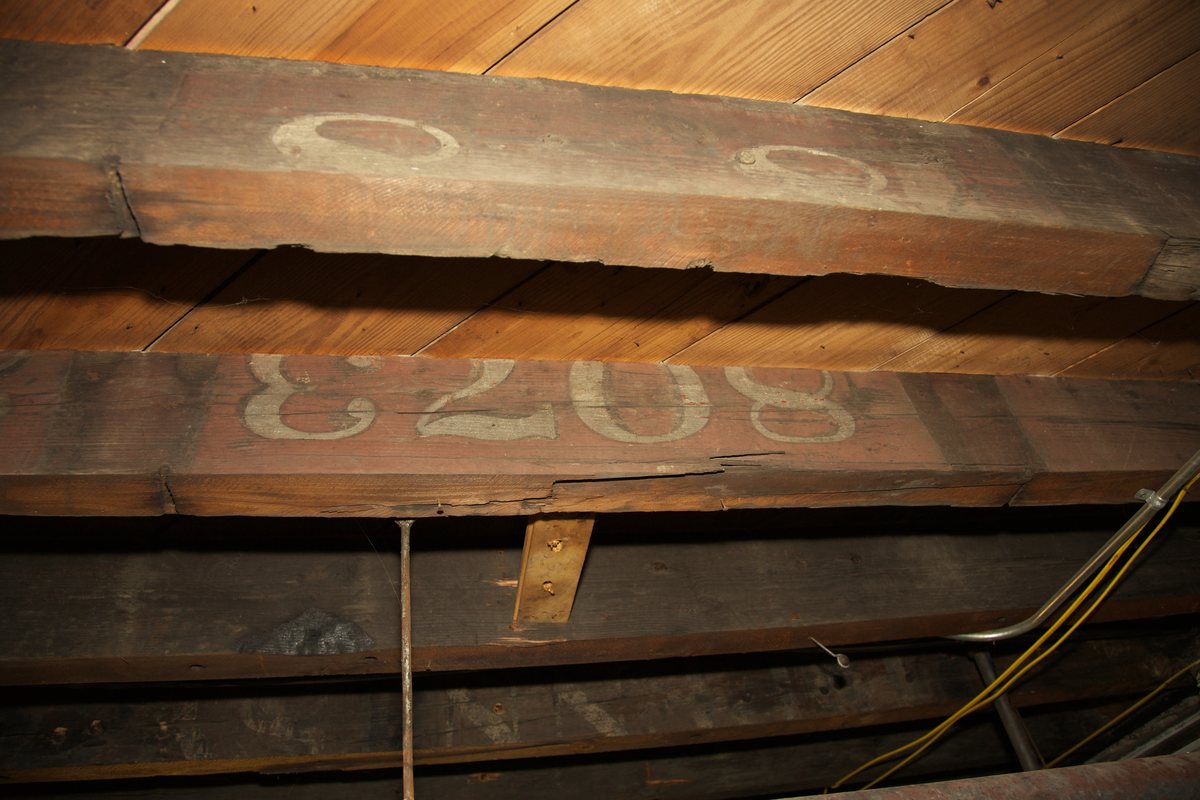
Wood is patient about moisture until it is not. Joists and girders that cycle wet and damp grow surface mold, then begin the slow strength loss of decay when moisture stays high for seasons. Subfloor panels swell and delaminate from below, which is the hidden half of the soft floor felt above. Insulation batts between joists absorb moisture, sag, and fall, taking their R value with them and exposing ducts and pipes to freezing in winter. In standing water, piers and footings sit in softened soil, and the whole space becomes habitat: mosquitoes at vents, termites drawn to damp wood, and rodents following both.
The air connection matters as much as the structure. Stack effect pulls air from the crawl space into the living space continuously, so the moisture and mold ecology below becomes part of the air above. That is why crawl space work is sequenced as a health and structure job, not a puddle job: remove the water, find and stop the sources, dry the wood to verified readings, treat affected surfaces, and then decide what barrier or encapsulation the space needs to stay that way.
How the Cleanup Proceeds, Step by Step
1. Call and symptom triage
The dispatcher asks about odor, floor feel, visible standing water, and any known plumbing issues, and schedules an inspection that starts under the house, not above it.
2. Crawl space inspection and source identification
A technician enters with protective equipment and lighting, photographs conditions, checks plumbing lines overhead for leaks, and identifies whether water is surface, ground, plumbing, or condensation driven.
3. Standing water extraction
Pumps and extraction remove standing water from low areas, working from the access toward the far corners so no pocket is left sitting against piers and joists.
4. Moisture readings on wood and soil
Joists, girders, sill plates, and subfloor are read across the space and logged against dry standards, mapping which framing is wet and how deep the problem runs.
5. Drying and antimicrobial treatment
Dehumidification is set for the space, in a temporarily sealed configuration when conditions require, and mold affected wood surfaces are treated. Fallen or soaked insulation is addressed.
6. Barrier assessment and prevention plan
You receive readings, photos, and an honest assessment: drainage fixes, basic vapor barrier repair, or full encapsulation, with the reasoning for your specific space.
Vapor Barrier vs Full Encapsulation: The Honest Comparison
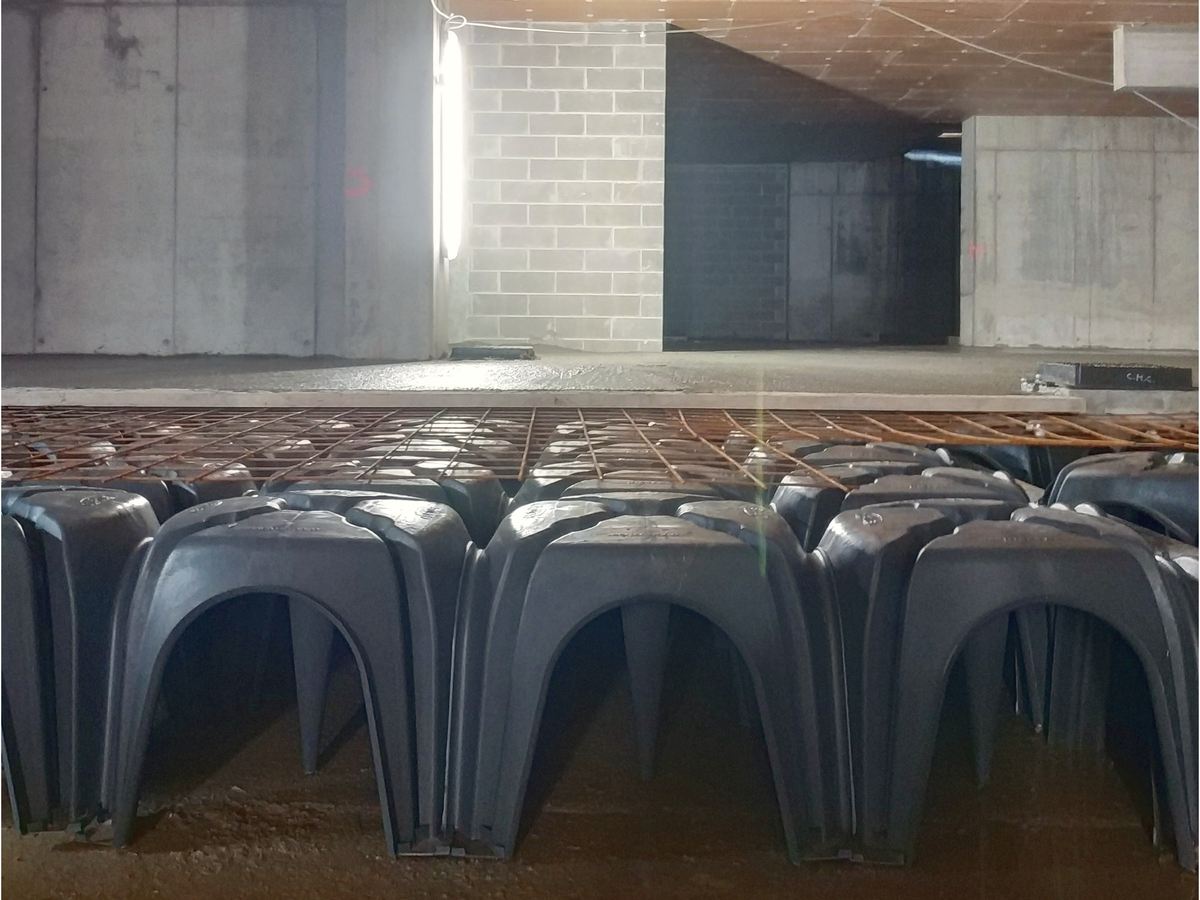
A basic vapor barrier, plastic sheeting over the soil, reduces ground moisture evaporation into the space, and when it is intact and the space drains well, it may be all a Tulsa crawl space needs. Its limits are coverage and air: torn, partial, or thin barriers leave soil exposed at every seam and pier, and vents still admit humid summer air that condenses on cool surfaces. Full encapsulation seals floor and walls with a heavy liner, closes the vents, and controls the air with conditioning or a dedicated dehumidifier, which ends the condensation cycle and usually improves indoor humidity and floor comfort noticeably.
The decision framework is evidence based. Chronic standing water must be solved by drainage or a perimeter drain and sump before any liner goes down, or the liner becomes a pond cover. Plumbing must be sound. After that, homes with mold history, ducts in the space, persistent joist moisture, or finished floor problems above are strong encapsulation candidates, while dry homes with good drainage can stay with a maintained barrier. We assess and document; the choice and the installer for a full encapsulation system can be compared with our readings in hand.
Keeping the Crawl Space Dry After Cleanup
Post cleanup, the outside work carries the result: soil sloping away from the foundation, gutters and downspouts delivering roof water past the perimeter, and vents or encapsulation maintained as designed. Inside, an annual look, or an inspection after any plumbing work overhead, catches drips while they are drips. A simple moisture alarm or a humidity sensor read from the house gives pier and beam homeowners the early warning the design never included. And any new musty odor, soft floor, or indoor humidity change gets read as a crawl space message first, because in these homes it almost always is.
How the House Above Reports a Wet Crawl Space
Because nobody lives in the crawl space, its problems are diagnosed from the living space, and the reports follow a recognizable script. A musty odor that survives cleaning, strongest in the morning and in rooms over the wettest section, is the most common first report. Hardwood floors that cup in a pattern no spill explains, and laminate that feels subtly uneven, report subfloor moisture from below. Indoor humidity that the air conditioner cannot pull down in summer, condensation on windows and duct grilles, and allergy symptoms that ease when the family travels all point the same direction. Even the pest report fits: insects and rodents concentrate where moisture is.
None of those signs is proof by itself, and each has other possible causes, which is why the answer is an inspection with a moisture meter rather than a product purchase. Ten readings under the house separate a crawl space problem from a housekeeping problem in a single visit, and they locate the wettest zone so the source hunt starts in the right corner. If your pier and beam home is sending two or more of those reports at once, the crawl space is asking to be looked at, and it is cheaper to look this season than after the joists have spent another year wet.
Dealing with this in Tulsa right now?
Call (918) 578-1166 and a local dispatcher will talk through what happened, whether the water is still spreading, and the safest next step for your home or business in Tulsa County.
Process Steps That Fix This Damage
Crawl space recovery is extraction, dehumidification, and verified wood drying. These process pages explain the steps that turn a wet crawl space back into a controlled one.


Main Water Damage Services in Tulsa
Every cause on this site is handled inside the same full restoration sequence. These pages cover the emergency, residential, and commercial services that frame the response.

Other Causes of Water Damage in Tulsa
Return to the water damage restoration Tulsa OK home page for the full process, cause, mold, and insurance pages, or start with emergency water damage restoration if water is active right now.
Frequently Asked Questions
Why is there water in my crawl space?
Crawl spaces collect water from four usual sources. Surface water and roof runoff that are not graded or guttered away soak through the foundation vents and perimeter soil. Groundwater rises into low crawl spaces during Tulsa storm season, especially on clay soil that drains poorly. Plumbing leaks from the lines running overhead, supply and drain both, drip or spray into the space for weeks before anyone looks. And humid Tulsa air itself condenses on cool ducts and pipes all summer, adding steady moisture. Most wet crawl spaces combine a bulk water source with that background humidity, which is why the assessment identifies each contributor instead of just pumping the puddle.
Should I encapsulate my crawl space?
Encapsulation, sealing the space with a heavy vapor barrier over the floor and walls, closing vents, and conditioning or dehumidifying the air, is the right answer for many Tulsa pier and beam homes, particularly those with chronic moisture, mold history, or HVAC ducts in the space. It converts the crawl space from an outdoor environment to a controlled one, which protects joists and subfloor and usually improves the feel and air of the house above. It is not the right first move for every home: active plumbing leaks and drainage problems must be fixed first, and a dry, well drained crawl space with an intact basic vapor barrier may not need the full conversion. The assessment after cleanup will say honestly which situation you are in.
How does crawl space moisture affect my home?
More directly than most homeowners expect. A large share of the air in a house is drawn from below through stack effect, so crawl space moisture and mold spores migrate into living space air. Wet joists and subfloor lose strength over time and invite wood destroying insects. Ductwork in a damp crawl space sweats, rusts, and grows surface mold on its insulation. Floors above a wet crawl space feel cold in winter, humid in summer, and can cup or soften where subfloor moisture is chronic. The crawl space is half your home environment wearing a disguise of being out of sight.
Is standing water in the crawl space an emergency?
Standing water deserves prompt attention rather than panic. A puddle that arrives with a storm and drains in a day is a drainage note. Water that persists, covers soil broadly, or touches joists and insulation is a cleanup call, because every week it stands it raises joist moisture, feeds mold on wood surfaces, and attracts pests. If the source is a plumbing leak, the timeline is the leak timeline: it will not improve on its own. The dispatcher will ask how long the water has been there, whether plumbing runs overhead show leaks, and whether floors above feel soft or smell musty, to set the urgency accurately.
Can I dry a crawl space myself with a fan?
Ventilating with outside air works against you in Tulsa for much of the year, because summer air here carries more moisture than the crawl space air it replaces, and it condenses on the cooler surfaces below. A fan moving humid air is activity, not drying. Real crawl space drying removes standing water first, then dehumidifies with equipment sized for the space, sometimes in a temporarily sealed configuration, while joist and subfloor readings verify progress. Homeowners can handle the outside half of the problem, grading, gutters, downspouts, and those matter. The below floor half needs measurement to be believed.
One call starts the cleanup.
Talk to a local Tulsa dispatcher now. You will get clear next steps, a real arrival plan, and documentation from the first visit.