Tulsa, OK - 24/7 Emergency Service
Storm and Tornado Water Damage Tulsa OK
In Tornado Alley the water damage starts while the storm is still loud: rain through a breached roof, wind-driven water at every seam, and groundwater rising outside. Our response starts with safety and ends with verified dry.
- Safety first triage for structure, gas, and power
- Temporary weatherproofing coordination
- Extraction and drying across every entry point
- Storm dated documentation for insurance and assistance programs
The source decides the cleanup. Clean supply water, a leaking appliance, and sewage each need a different protocol, and the wrong one makes things worse.
Tulsa and Severe Weather: Why This Page Exists
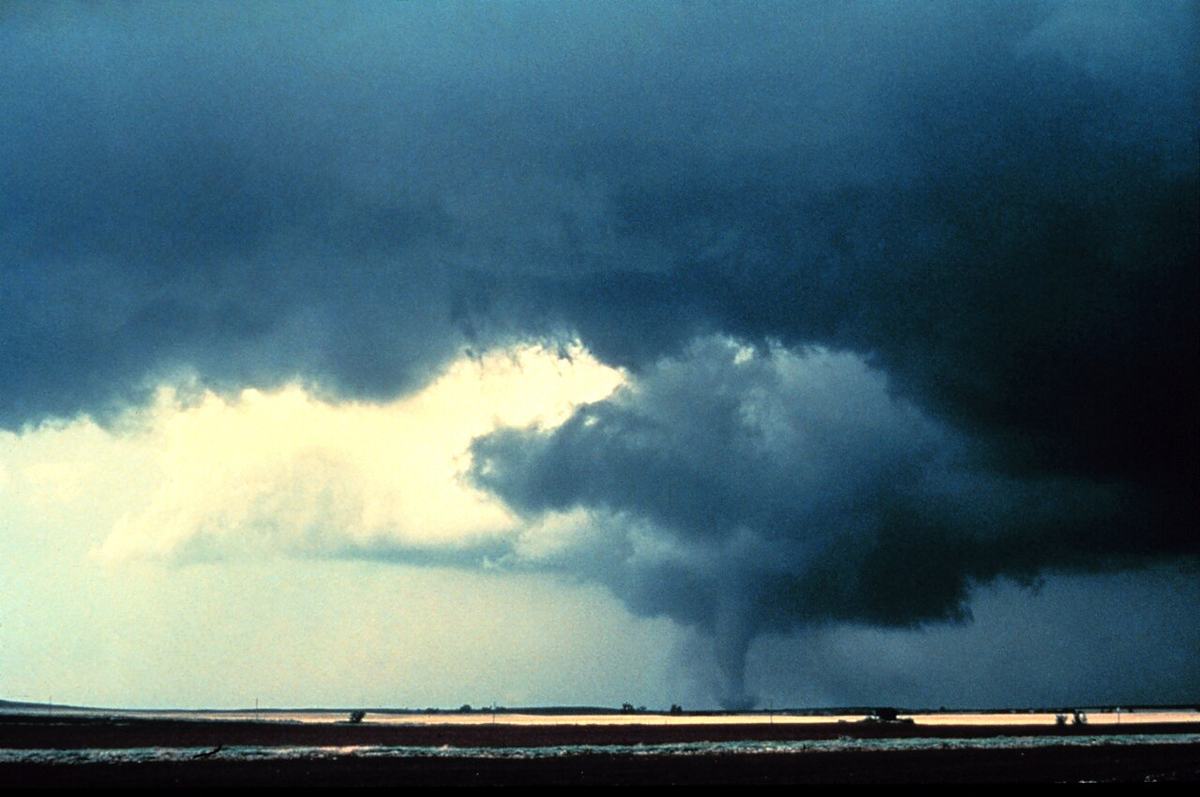
Tulsa lives in Tornado Alley with a documented severe storm history, more than thirty weather disasters declared in the region since 1996, spanning tornadoes, straight-line wind events, hail, flash flooding, and ice. The Arkansas and Verdigris river systems, aging stormwater infrastructure in older neighborhoods, and clay soil that sheds water slowly all conspire to turn regional storms into household water events. A Tulsa homeowner does not need a direct tornado hit to need this page. The same storm system that drops a tornado in one county drives rain sideways into attics ten miles away, overwhelms gutters and sump pumps across the metro, and leaves hundreds of homes wet in different ways from a single night of weather.
Storm water damage is therefore a category of its own. It arrives through multiple entry points at once: roof breaches and lifted shingles, broken windows and damaged siding, wind-driven rain forced into vents and seams that shed normal rain perfectly, and ground level entry as surface water and groundwater rise together. It arrives with power out, which disables sump pumps and climate control precisely when humidity control matters most. And it arrives for whole neighborhoods simultaneously, which makes early calling a practical advantage, not a courtesy.
The First Hours: Safety, Then Weatherproofing, Then Water
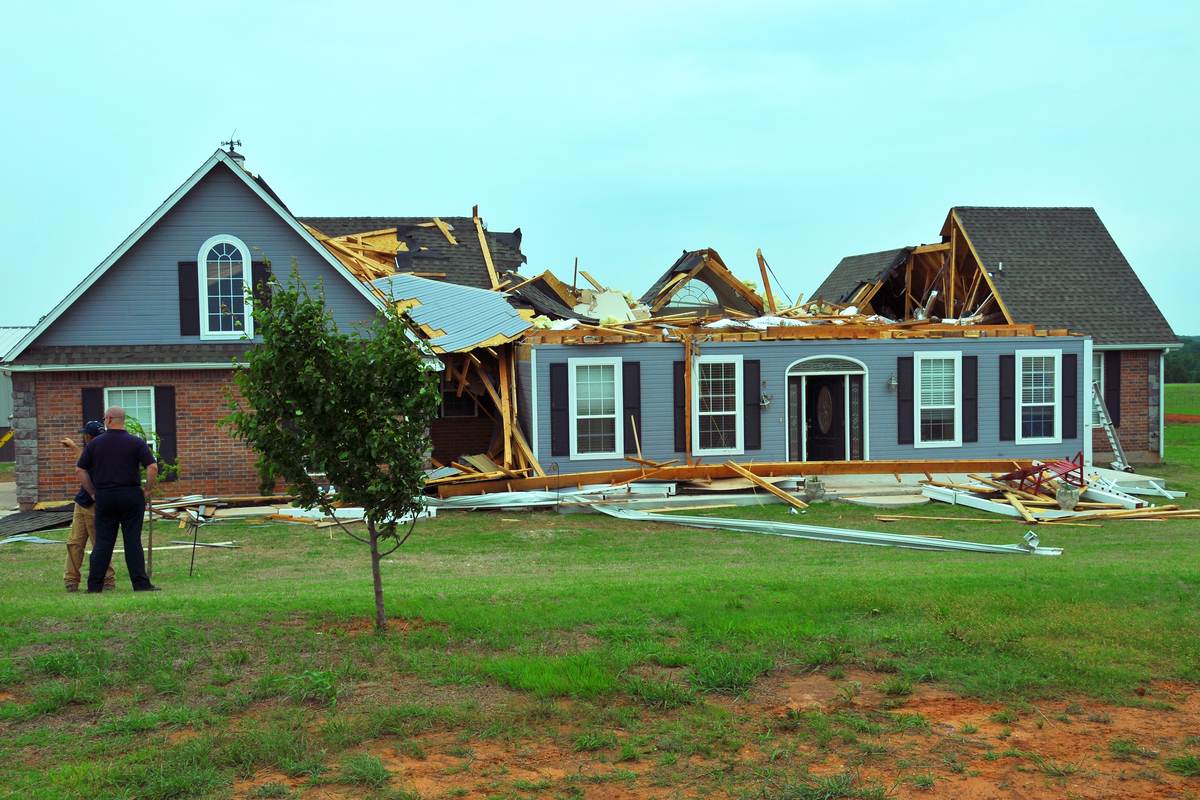
Nothing about storm response outranks the safety pass. Gas odor, downed or sparking lines, a structure that shifted, ceilings sagging with pooled water, and sewage from overwhelmed drains are stop conditions, handled with utilities and caution before any cleanup thinking. Where officials have restricted an area after a declared event, their word governs entry. Only when the home is safe to be in does the property sequence start: document with photos and video before touching anything, because the storm scene itself is evidence for insurance and any assistance programs that follow a disaster declaration.
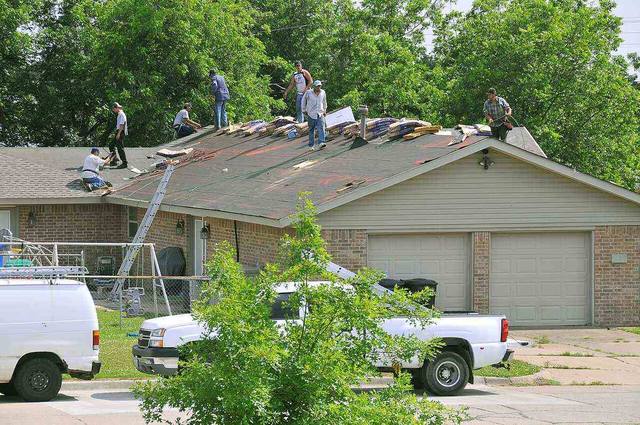
Weatherproofing comes next, because drying a house that the next rain band can re-enter is wasted work. Temporary roof covering over breaches, boarding for broken windows, and sandbagging or diversion at ground entry points stop the loss from growing while cleanup is organized. Inside, belongings are moved out of wet zones, water is caught and extracted, and the moisture mapping begins across every entry point, not just the obvious one. Storm homes routinely have three separate wet areas from three separate mechanisms, and the map is what keeps the quiet third one from becoming next month mold discovery.
Wind-Driven Rain: The Invisible Majority of Storm Water Damage
For every roof torn open in a Tulsa storm, dozens of homes take water through intact looking roofs and walls. Wind-driven rain travels upward and sideways: under shingle edges, into ridge and soffit vents, through window and door seals, and into wall cavities at siding transitions. It wets insulation and the top plates of walls, then announces itself days later as ceiling stains, bubbling paint, or a musty room. Hail assists by cracking vent caps, flashing, and shingle surfaces that then admit the next rain. Because the entry is distributed and hidden, storm water assessment leans on moisture mapping and infrared imaging across ceilings, exterior walls, and attics, comparing readings room by room.
The drying response matches that distribution. Attics are dried as systems, wall cavities with directed air where readings require it, and ceilings monitored at joist bays. Materials that were saturated, particularly insulation that has matted and drywall that has gone soft, are removed in sections. Throughout, the work is documented by entry point, which matters for the insurance conversation, because storm claims are evaluated on how water entered as much as on what it damaged.
When the Whole Neighborhood Is Wet: Triage and Documentation at Scale
After a major Tulsa storm event, restoration capacity across the metro is suddenly finite, and honest companies triage: active water and unsafe conditions first, then mitigation that prevents the most additional damage. Calling early, even before you know the full extent, places your home in that queue with the facts that matter: entries, depth, power status, and vulnerable occupants. While waiting for any crew in a regional event, the homeowner mitigation list is short and valuable: safety, photos, utilities where compromised, belongings up and out of wet areas, and water caught rather than spreading.
Documentation deserves its own emphasis after declared disasters. FEMA and Oklahoma Emergency Management assistance, when activated, runs on records: dates, photos, damage inventories, and receipts. Insurers run on the same record. The drying logs, moisture maps, and entry point documentation from a professional response are built to serve both, and they are part of the deliverable on storm work, not an extra. Keep every receipt from the event, including temporary lodging and emergency purchases, in the same file.
How the Cleanup Proceeds, Step by Step
1. Call and safety triage
The dispatcher screens for gas, power, structural, and sewage hazards first, records the storm timing and entries you know about, and gives a safety based action list for the first hours.
2. Scene documentation and assessment
On arrival, conditions are photographed before disturbance: breaches, entries, water lines, and damaged materials, building the record insurance and assistance programs will ask for.
3. Temporary weatherproofing coordination
Roof breaches and broken openings are covered and windows boarded where safe to do so, stopping the next rain band from resetting the loss.
4. Extraction across all entry zones
Standing water is extracted from every affected area, including basement and ground level entry zones, with pump support where depth requires it.
5. Moisture mapping of the full footprint
Ceilings, attics, exterior walls, and floors are mapped, including wind-driven rain intrusion that shows no surface sign, and the drying scope is set from readings.
6. Removal, drying, and antimicrobial care
Failed saturated materials are removed in sections, the structure is dried with daily verification, and surfaces where water lingered receive antimicrobial treatment.
7. Final documentation package
You receive entry point findings, photos, moisture and drying logs, and the scope record, organized for insurer, and for FEMA or state assistance if the event is declared.
Storm Water Categories: Rain Through the Roof Is Not Water Up Through the Floor
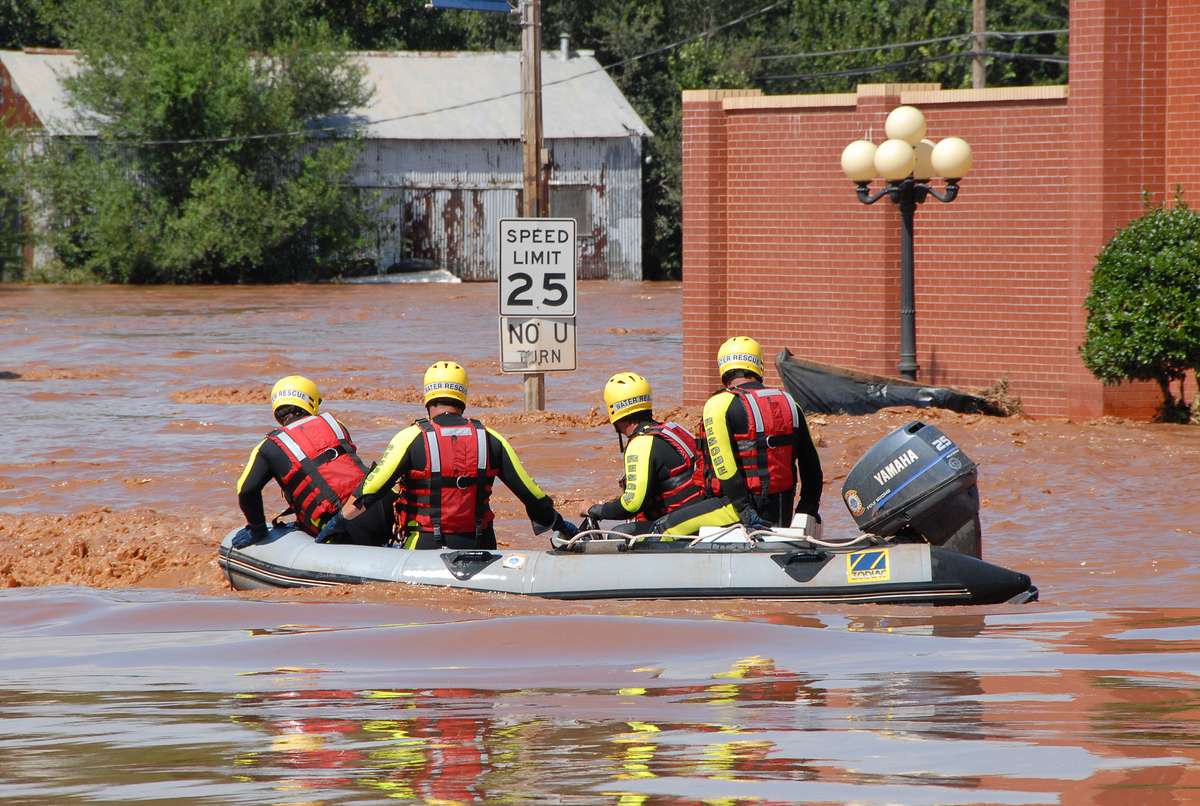
A single storm can deliver three categories of water to one home, and they are handled differently. Rain entering through a breach is the cleanest, essentially supply grade water that picked up whatever the attic held. Water that crossed the ground surface, through doors, foundation, and yards, has contacted soil and is treated as contaminated. Water up through drains may be sewage and is handled under Category 3 protocol. The crew classifies by entry path and evidence, often zone by zone within the same house, and the classification decides removal, disinfection, and protective measures in each zone. It is one more reason the storm assessment is a mapping exercise rather than a glance.
Homeowners can help the classification by reporting entries accurately: where you saw water come in, whether drains gurgled or backed up, whether the yard and street flooded to the house. Those observations, recorded early, are evidence no meter can recreate later.
After the Drying: Repairs, Resilience, and the Next Storm Season
Storm recovery ends with a house that is not just dry but better informed. The entry points found in your home, the vent that admitted rain, the flashing that failed, the downspout that drowned the foundation, the sump that lost power, become a written resilience list. Roof and flashing repairs by a roofer, gutter and grading corrections, a battery backup for the sump, and sealing at the wall transitions address them in order of what your storm actually proved. Tulsa will provide another storm season; the goal is that it provides your home with nothing to do.
If your home took structural damage beyond water, the restoration sequencing still matters: drying and documentation first where safe, because water damage compounds daily inside a damaged structure while repair decisions are made. We coordinate our scope with the repair trades and your insurer so the water story is closed before the rebuilding story opens walls again.

Hail: The Quiet Partner in Tulsa Storm Water Damage
Hail rarely floods a house on the day it falls, which is exactly why it causes so much water damage on the days after. A hard Green Country hailstorm bruises asphalt shingles, cracks their mat, dents metal vents and flashing, and knocks granules loose by the handful into the gutters. The roof still looks whole from the street, but its waterproofing has been shortened by years in an afternoon, and the next driving rain finds the cracks the hail made. Vent caps split, pipe boots crack, and soft metals that show the dents honestly are the evidence adjusters and roofers read together.
This is why a storm water assessment in Tulsa asks about hail history, not just the latest storm. A ceiling that starts leaking two months after a major hail event is often reporting hail damage on an installment plan. The interior work, mapping, drying, and documentation, proceeds the same, but the entry evidence changes the repair and insurance conversations, because the roof question becomes a storm damage question with a date on it. After any significant hail in your neighborhood, a roof inspection within the season is the cheapest water damage prevention a Tulsa homeowner can buy.
Dealing with this in Tulsa right now?
Call (918) 578-1166 and a local dispatcher will talk through what happened, whether the water is still spreading, and the safest next step for your home or business in Tulsa County.
Process Steps That Fix This Damage
Storm recovery runs through extraction, mapping, and drying at every entry point. These process pages explain the steps that turn a storm scene into a verified dry home.




Main Water Damage Services in Tulsa
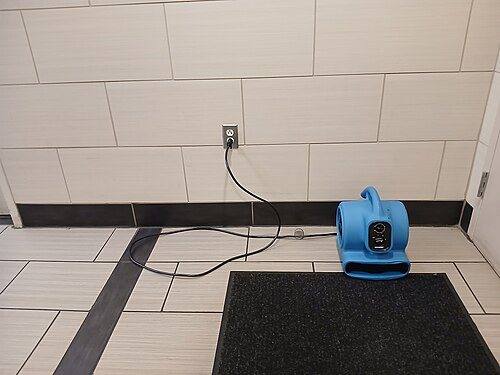
Every cause on this site is handled inside the same full restoration sequence. These pages cover the emergency, residential, and commercial services that frame the response.




Other Causes of Water Damage in Tulsa
Return to the water damage restoration Tulsa OK home page for the full process, cause, mold, and insurance pages, or start with emergency water damage restoration if water is active right now.
Frequently Asked Questions
Does insurance cover tornado water damage?
Homeowners policies in Oklahoma generally address windstorm damage, and water that enters through a storm created opening, a roof section torn off, a window broken by debris, is treated differently from water that rises from the ground, which is flood and a separate policy question. The distinction between rain entering through damage and ground water entering at grade decides many storm claims. Read your policy, report the loss promptly, and document the openings, the storm timing, and the interior water path thoroughly. We document storm water losses with dated photos, entry points, and moisture records so the interior side of any claim is fully supported, whatever the coverage determination.
What do I do after a tornado damages my home?
Safety outranks property for the first hours. Stay clear of the damaged structure until hazards are checked: gas leaks, downed lines, unstable sections, and debris with nails and glass. If authorities or a disaster declaration are involved, follow their guidance on re-entry. When the home is safe to enter, photograph everything before moving it, stop water entry with temporary covering only where it can be done safely, shut off utilities that are compromised, and call for mitigation. Keep receipts for emergency expenses. Oklahoma Emergency Management and FEMA assistance may become available after declared events, and a well documented loss file serves every one of those conversations.
How quickly does water damage spread after a storm?
Faster than the cleanup instincts of most homeowners. Wind-driven rain that entered during the storm keeps migrating through insulation, wall cavities, and flooring for days. Drywall wicks upward, hardwood cups as it takes on moisture, and mold can begin within roughly 24 to 48 hours in warm, wet materials, conditions a Tulsa summer provides generously. Saturated insulation loses function and holds water against framing. This is why storm response is measured in hours for tarping and extraction and in days for verified drying: the water you can see on day one is the smallest version of the problem you will have on day seven.
Can I go back inside after storm damage?
Only when the structure and utilities are safe, and that judgment deserves care. Warning signs to stay out: a shifted or sagging roofline, walls out of plumb, the smell of gas, sparking or flooded electrical equipment, water over outlets, and sewage involvement. If any are present, wait for utility and structural clearance. When entry is safe, wear real shoes and gloves, watch ceilings holding water, and keep children and pets out of damaged areas. A restoration dispatcher can help you think through what you are seeing, but if there is any doubt about structural safety, the answer is to stay out until it is assessed in person.
Should I tarp my roof and board windows myself after a storm?
Temporary weatherproofing is valuable mitigation, and insurers generally expect reasonable efforts, but only do it within your safety limits. A wet, debris covered roof with possible structural damage is not a place for a homeowner on a ladder, and post storm injuries are a grim pattern after every Tulsa severe weather event. From the ground, you can move belongings away from leaks, catch water, and protect contents. For the roof itself, a crew with safety equipment, tarps, and anchoring that does not add damage is the right call. Document conditions before and after any temporary work, whoever performs it.
My home was not hit directly, but the storm still flooded two rooms. What happened?
That is the most common Tulsa storm call of all. No tornado touched the house, but straight-line winds lifted shingles and drove rain under them, hail cracked vents and flashing, gutters overwhelmed and poured water at the foundation, and surface water found the low door threshold or basement wall. Tornado damage gets the headlines, but the regional water damage from a severe storm system, wind-driven rain plus saturated ground plus power loss stopping sump pumps, touches far more homes. The cleanup treats your home on its own evidence: entry points, moisture footprint, and category, regardless of whether your street made the news.
One call starts the cleanup.
Talk to a local Tulsa dispatcher now. You will get clear next steps, a real arrival plan, and documentation from the first visit.