Tulsa, OK - 24/7 Emergency Service
Foundation Crack Water Intrusion Tulsa OK
In Tulsa, a leaking foundation crack is the clay soil introducing itself. We dry the intrusion, read the crack pattern, and separate the water problem from the movement problem so each gets its real fix.
- Intrusion path mapping at walls and floor joints
- Crack pattern documentation: stair step, vertical, horizontal
- Basement wall and floor drying to readings
- Exterior water management assessment
The source decides the cleanup. Clean supply water, a leaking appliance, and sewage each need a different protocol, and the wrong one makes things worse.
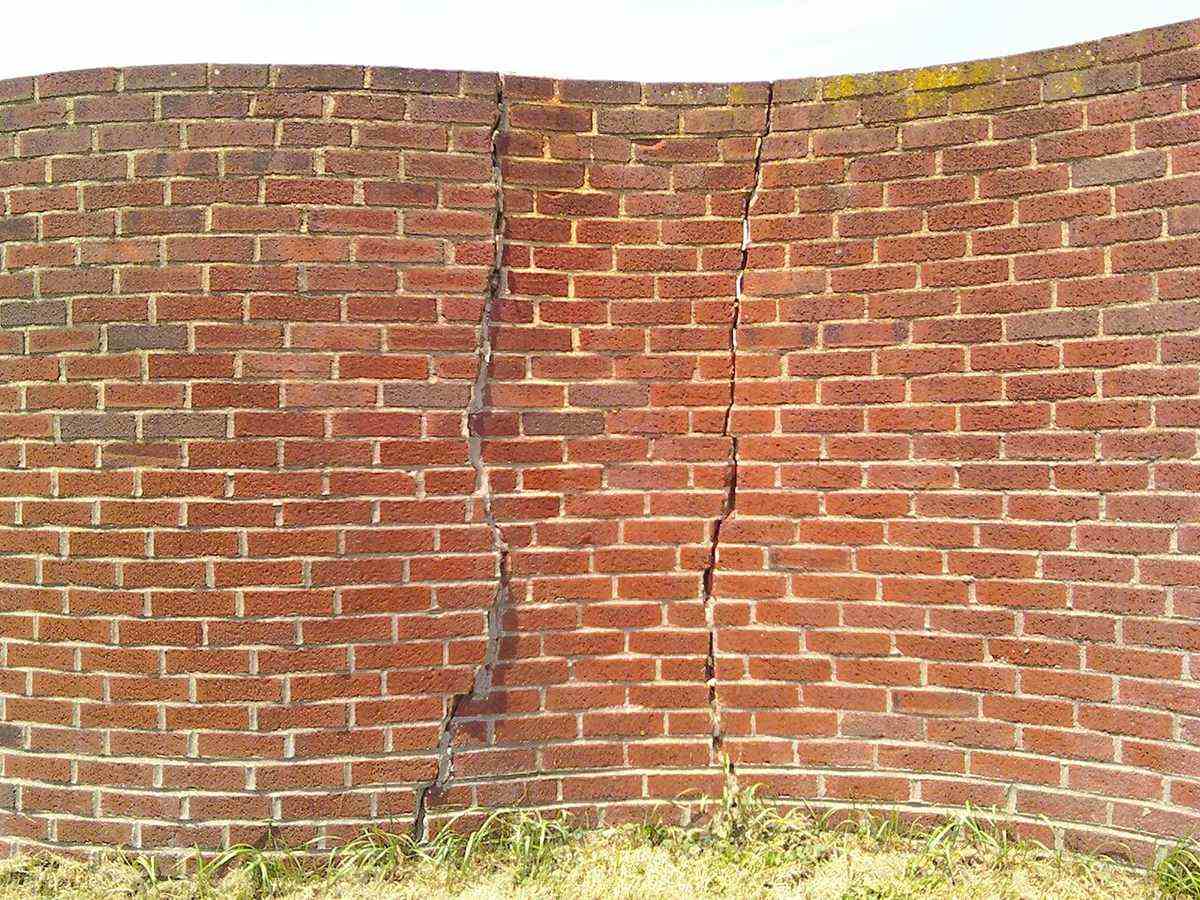
Expansive Clay: The Soil That Moves Tulsa Foundations
Tulsa is built on expansive clay, soil rich in minerals that absorb water and swell, then release it and shrink, with volume changes large enough to lift and drop the edges of a foundation across a single year. The movement is seasonal and uneven by nature: the south and west sides of a house dry faster in sun and wind, trees pull moisture from one corner, irrigation keeps another corner wet, and the slab or basement walls spanning those different soils flex until they crack. This is why Tulsa foundation questions are never only about concrete. The concrete is the messenger; soil moisture management is the message.
Understanding that reframes the whole problem for homeowners. A cracked and leaking foundation in Tulsa is usually not a failed foundation; it is a foundation doing rigid work on moving ground, with water exploiting the cracks that movement opened. The durable responses therefore work on both halves: manage the moisture the soil sees, gutters, grading, drainage, consistent watering in drought, and seal or structurally address the cracks themselves with the method matched to their pattern and activity.
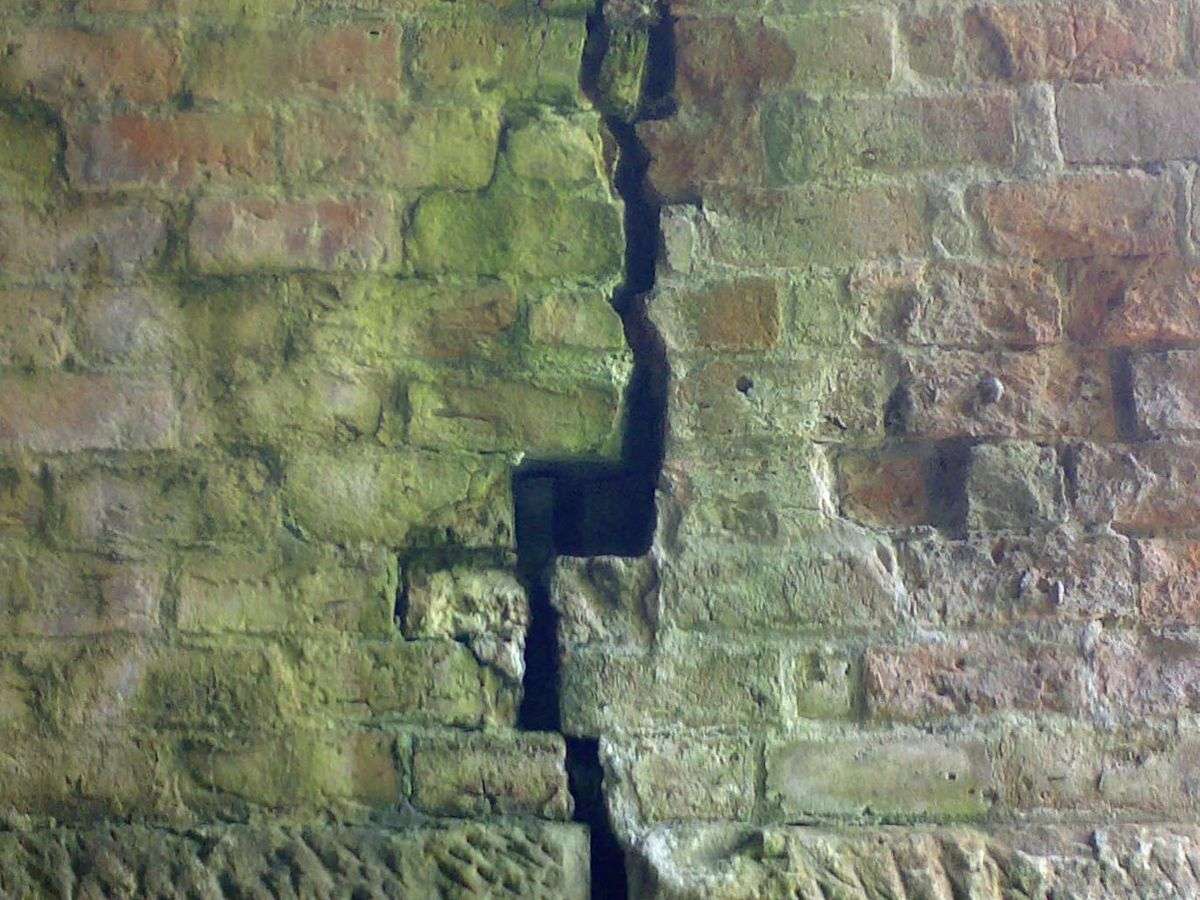
How Water Uses the Crack: Hydrostatic Pressure and the Cove Joint
Water does not need much of an opening. Under the pressure of saturated soil, it travels hairline cracks in poured walls, mortar joints in block walls, and the cove joint where the floor slab meets the wall, a joint that exists by construction and seals only as well as its original workmanship and the decades since. The intrusion usually starts as dampness and white efflorescence, mineral salts the water leaves as it evaporates, then graduates to active seepage during storms, then to a stream in the worst events. Each stage is the same path with more pressure behind it.
Inside, the water wets what touches the wall: stored items first, then framing and finishes in a finished basement, insulation inside wall cavities, and the bottom of drywall by wicking. Because intrusion is often chronic and intermittent, its damage profile differs from a flood: mold establishes on wall surfaces and behind finishes over seasons, masonry slowly degrades, and the homeowner adapts to a damp corner as if it were a personality trait of the house. Part of our job is naming it correctly: a correctable water path with a correctable set of causes.
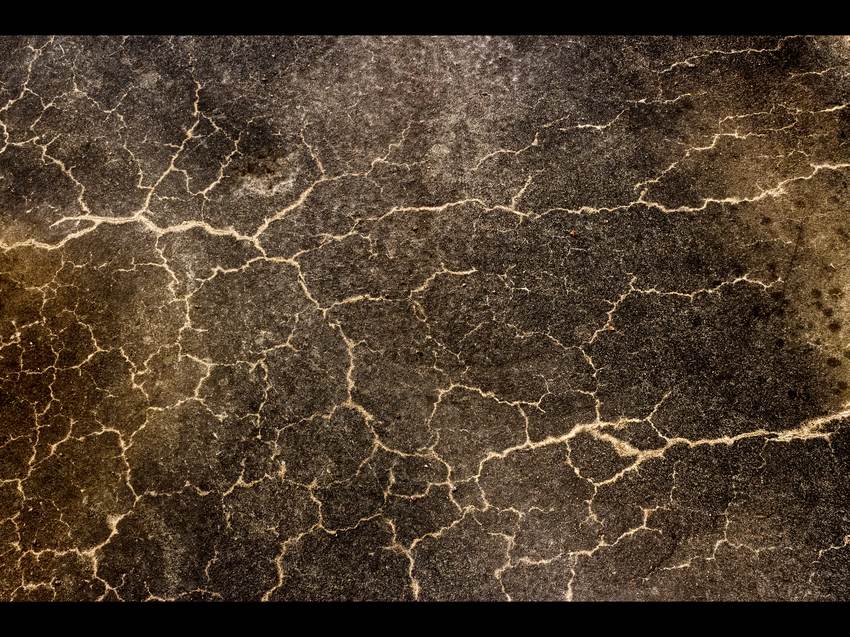
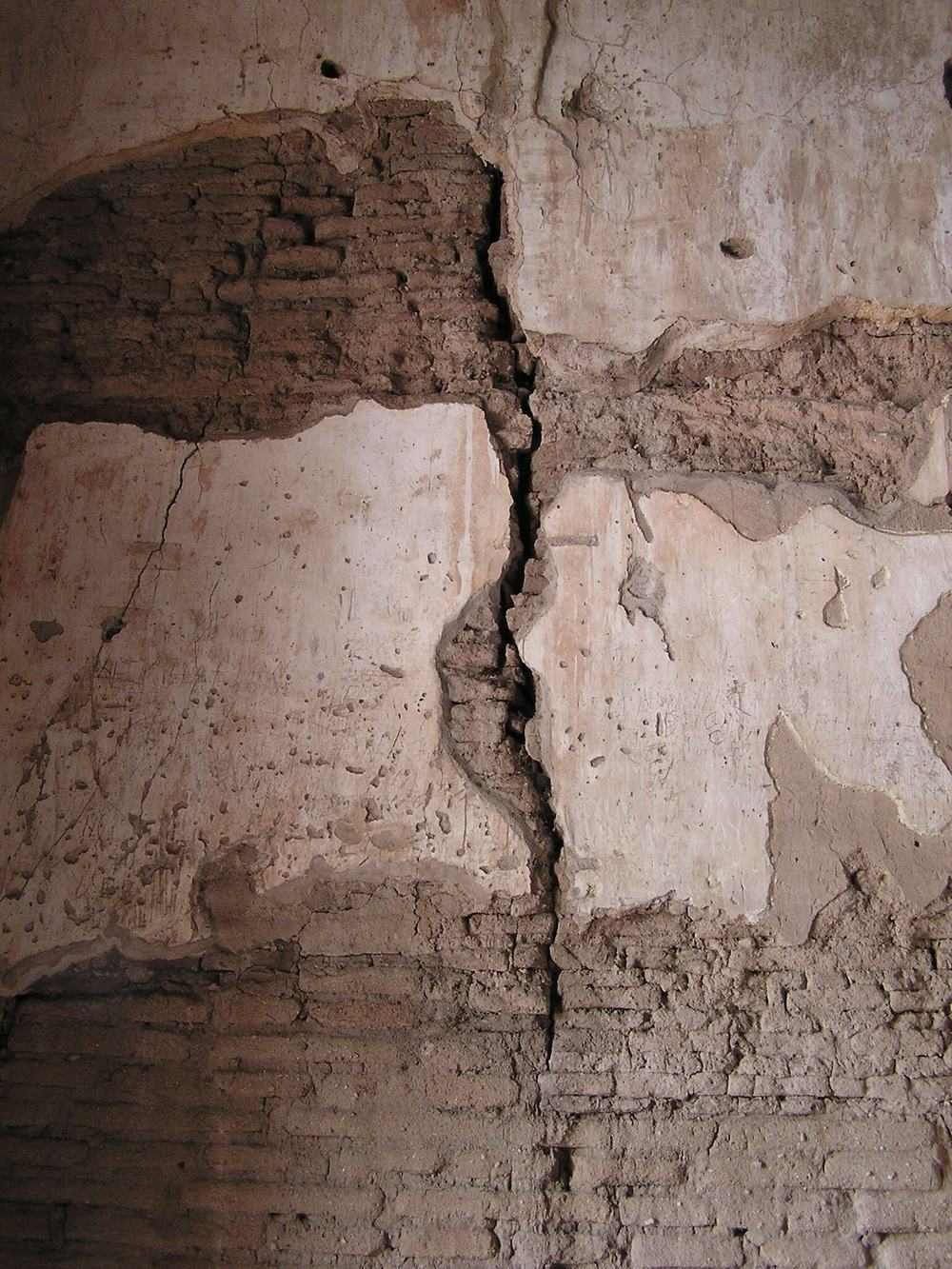
Reading Cracks: What the Pattern Says Before Anyone Sells You Anything
Cracks speak in patterns, and a Tulsa homeowner benefits from hearing the translation before hearing a proposal. Vertical hairline cracks in poured walls are commonly shrinkage and minor movement; they leak, and they seal well. Stair step cracks through mortar joints in block or brick record differential settlement, often at a corner, and their activity, whether they are still moving, is judged by width, offset, and history. Horizontal cracks mid wall in a basement suggest lateral pressure from saturated soil bowing the wall, which is structural territory. Cracks that mirror inside and out, offset cracks you can feel with a fingertip, and cracks accompanied by sloping floors or binding doors all elevate the conversation from sealing to engineering.
Our documentation contributes the water half of that record: which cracks admit water, at what rain intensity, what the moisture readings are in the wall and finishes, and dated photos of the patterns. A foundation specialist deciding on piers or wall stabilization, and a waterproofing contractor deciding on injection versus exterior work, both make better decisions with that evidence than with a dry day guess.
How the Cleanup Proceeds, Step by Step
1. Call and rain pattern triage
The dispatcher asks when the water appears, which walls and cracks are involved, whether the basement is finished, and what exterior drainage looks like, to frame the diagnosis before arrival.
2. Moisture mapping of walls, floors, and finishes
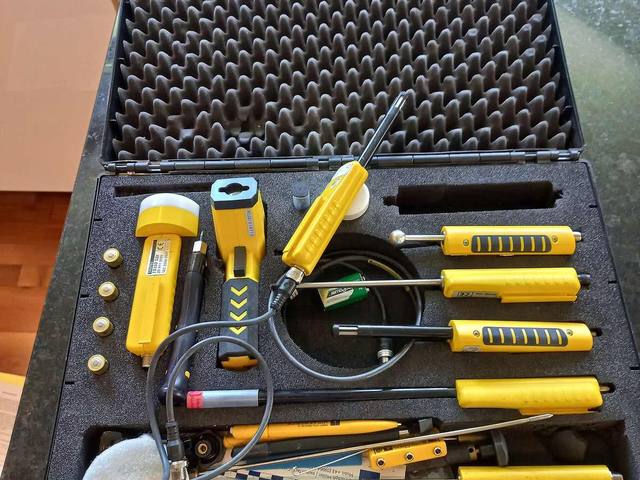
Readings map the damp zones in masonry, framing, drywall, and flooring, and identify every active path: cracks, cove joint, penetrations, and window wells.
3. Crack pattern documentation
Each involved crack is photographed and described by pattern, width, and activity signs, building the record that sealing and structural decisions will rely on.
4. Extraction and drying of affected areas
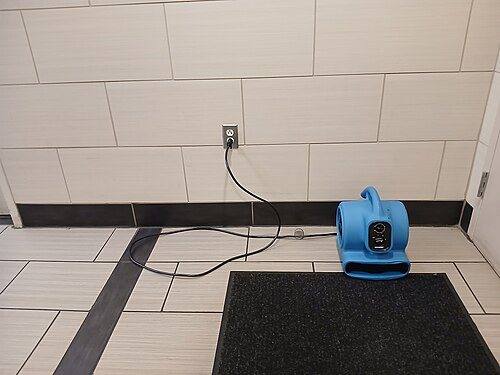
Standing or pooled water is removed, and walls, finishes, and contents zones are dried with dehumidification sized for below grade conditions, verified daily.
5. Exterior water audit
Gutters, downspout discharge points, grading, and soil contact are assessed, and the corrections that reduce water against the wall are listed in priority order.
6. Fix path summary
You receive the intrusion record and a plain summary: what sealing can solve, what drainage must change first, and what deserves a foundation specialist, with reasons for each.
Drying After Intrusion and Keeping the Record Straight
Drying a chronic intrusion space differs from drying a flood: the sources may reactivate with the next rain until they are sealed, so the plan often pairs drying with the sequencing of repairs, and readings are taken at the wall itself, because masonry holds deep moisture that surface dryness hides. Finished materials that have lived damp for seasons are assessed honestly for mold and integrity; drywall that has wicked for months is usually replaced in the affected sections rather than dried and trusted. Antimicrobial treatment addresses the surfaces where chronic damp has had its effect.
The closing record matters for the future of the house. Foundation and water intrusion history is part of a home value and disclosure, and a documented diagnosis with dated drying verification reads very differently from an unexplained history of leaks. You will have the file that shows the problem was found, understood, and handled in the right order.
One Tulsa specific habit completes the record: consistent soil moisture. Homeowners who water foundation soil evenly during drought, using soaker hoses at a distance from the wall as local practice recommends, reduce the shrink side of the clay cycle that opens cracks in the first place. It is slow, unglamorous prevention, and combined with gutters that keep storm water from overwhelming the same soil in spring, it is the closest thing Tulsa offers to a foundation standing still.
Dealing with this in Tulsa right now?
Call (918) 578-1166 and a local dispatcher will talk through what happened, whether the water is still spreading, and the safest next step for your home or business in Tulsa County.
Process Steps That Fix This Damage
Intrusion work is diagnosis first: map the moisture, dry the masonry and finishes, and verify. These process pages explain the measurement steps behind the fix decisions.



Main Water Damage Services in Tulsa
Every cause on this site is handled inside the same full restoration sequence. These pages cover the emergency, residential, and commercial services that frame the response.



Other Causes of Water Damage in Tulsa
Return to the water damage restoration Tulsa OK home page for the full process, cause, mold, and insurance pages, or start with emergency water damage restoration if water is active right now.
Frequently Asked Questions
Why does my Tulsa foundation crack?
Because Tulsa clay never holds still. Expansive clay soil swells as it absorbs water and shrinks as it dries, and a Tulsa year delivers both extremes, sometimes in the same season. That cycle moves the soil under and against your foundation unevenly: one corner is lifted by wet clay while another settles over dry, shrunken soil, and the foundation, which is strong but rigid, answers the differential movement with cracks. Drought years are as hard on foundations as wet ones, and trees near the house accelerate the drying side by drawing moisture from the soil. Cracking is the visible symptom of a soil moisture story, which is why crack repair that ignores soil moisture rarely ends the story.
Is water coming through my foundation dangerous?
The water itself is a slow problem rather than an acute one, but it should not be waved off. Chronic intrusion keeps basement walls and the soil side of the slab damp, feeds mold on wall surfaces and stored items, corrodes and effloresces masonry, and signals that soil moisture against the foundation is unmanaged, which is the same condition that drives further movement. Water through a crack is also information: it marks a path that will carry more water in bigger storms. The right response is measured urgency: dry and document now, diagnose the water source and crack type, and fix the drainage and the crack in the right order. Panic is not required; postponement is not advised.
How do I fix foundation water leaks?
In layers, matched to the diagnosis. First manage the water outside: gutters, downspout extensions, and grading that move roof and surface water away from the walls reduce the supply most cracks drink from. Then address the crack itself: interior injection seals many leaking wall cracks, exterior excavation and membrane work handles others, and the choice follows crack type, wall material, and access. Where water arrives from below through floor joints under pressure, an interior drainage system collecting to a sump may be the durable answer. Structural cracks, wide, offset, or growing, get a foundation specialist assessment alongside the water work, because sealing a crack that is still moving is painting over a gauge.
What is the difference between a stair step crack and a horizontal crack?
Pattern is diagnosis. Stair step cracks follow mortar joints in block or brick in a diagonal staircase pattern and usually record settlement or soil movement at a corner. Vertical cracks are often shrinkage or mild movement and are the most common leaking cracks. Horizontal cracks in a basement wall deserve the most respect, because they can indicate lateral soil pressure bowing the wall inward, a structural condition rather than a cosmetic one. Any crack that is widening, offset so one side sits proud of the other, or accompanied by sticking doors and new interior cracks belongs in front of a foundation specialist promptly, with the water intrusion handled in parallel.
Why does the leak only happen during heavy rain?
Because the crack is a door that only opens under pressure. In dry weather and light rain, the soil against the wall absorbs water without building the saturated, pressurized condition that pushes water through the crack path. Heavy or prolonged rain saturates Tulsa clay fully, groundwater and perched water rise against the wall, and hydrostatic pressure finds the crack, the cove joint, and every penetration at once. That rain dependence is diagnostic gold: it separates intrusion from plumbing leaks, which run in dry weather too, and it points the fix at water management and the crack, in that order.
One call starts the cleanup.
Talk to a local Tulsa dispatcher now. You will get clear next steps, a real arrival plan, and documentation from the first visit.