Tulsa, OK - 24/7 Emergency Service
HVAC and AC Unit Water Damage Tulsa OK
Your air conditioner makes water every hour it runs. When the drain that carries that water away clogs, the overflow goes into your ceiling, closet, or walls. We dry the damage and map what it touched.
- Condensate drain and pan assessment
- Attic and closet air handler leak footprints
- Ceiling, wall, and insulation moisture mapping
- Drying and antimicrobial treatment of affected areas
The source decides the cleanup. Clean supply water, a leaking appliance, and sewage each need a different protocol, and the wrong one makes things worse.
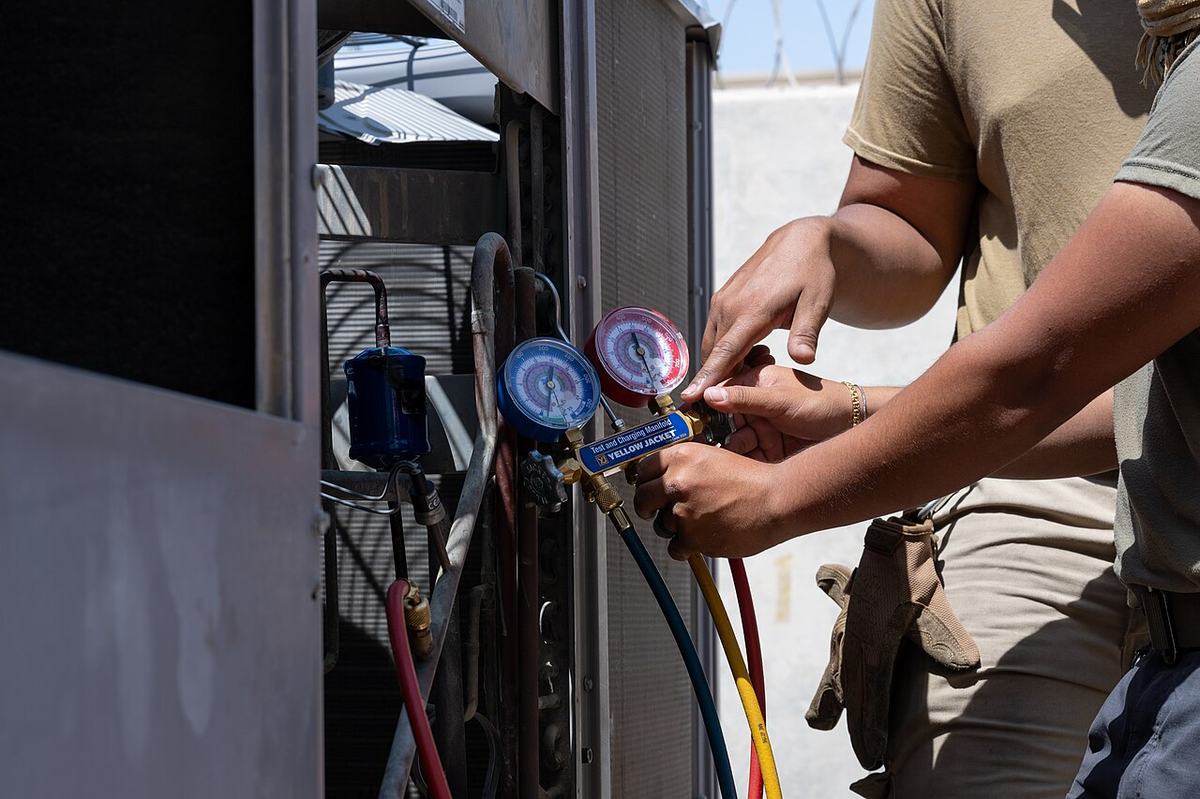
Condensate: The Water Your AC Makes on Purpose
In a Tulsa summer, an air conditioner is working against some of the most humid air in the country, and the condensate volume is real: a residential system can produce many gallons a day, all of it meant to leave through a drain line the width of a thumb. The evaporator coil in the air handler collects that moisture, it drips into a drain pan, and the line carries it to a floor drain, a plumbing tie-in, or outside. The system is simple, unmonitored, and usually installed in the least visited places in the house: the attic, a closet, a garage corner, or a basement platform.
Because the condensate load scales with humidity and runtime, Tulsa systems are stressed exactly when they run longest. Algae and biological growth thrive in the warm, wet line, narrowing it through the season until the clog closes. The pan fills, the overflow begins, and from that day forward every cooling cycle adds water to the structure until somebody finds the stain, the drip, or the smell.
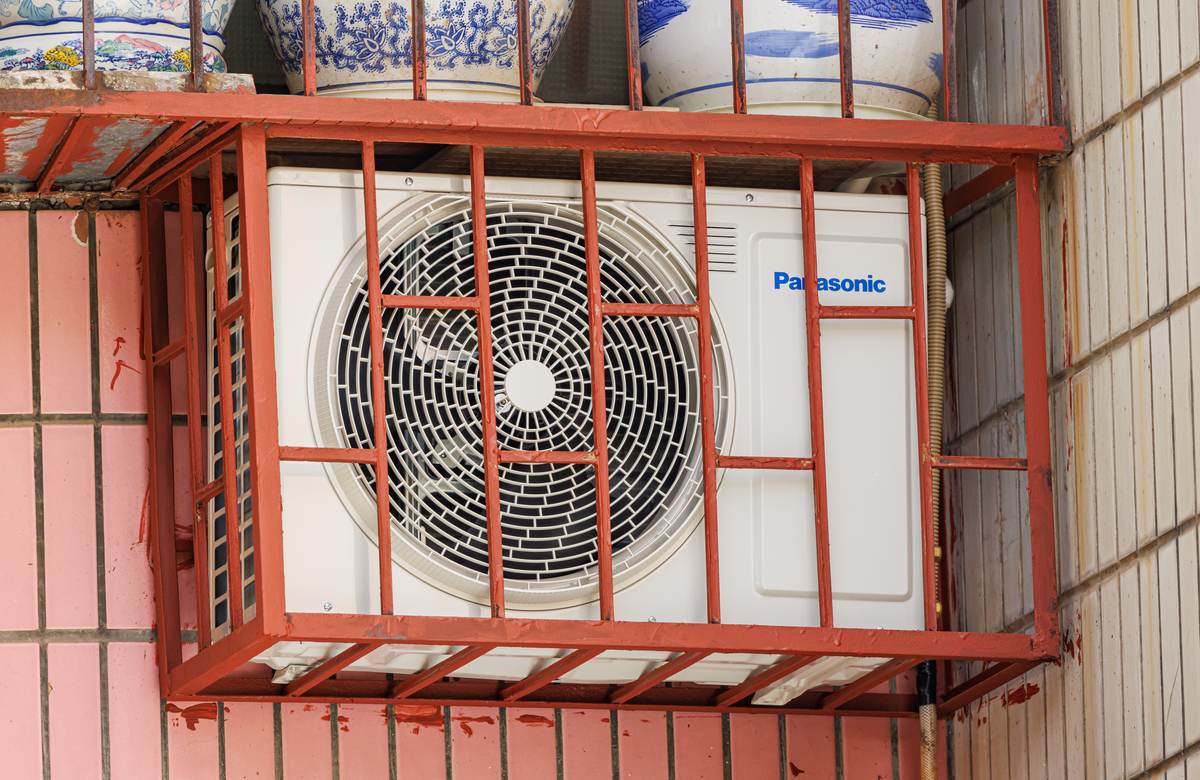
Attic Air Handlers, Closet Units, and the Damage Patterns of Each
Attic installations turn condensate problems into ceiling problems across the rooms below. Overflow saturates the insulation around the unit, wets the ceiling drywall in a growing footprint, and can follow duct runs and framing to appear in surprising places. Attic units should have a secondary drain pan and a safety switch; where those are missing or failed, the first notice is a ceiling stain in July. Closet air handlers, common in Tulsa condos and smaller homes, overflow onto floors and into wall bases, wicking into adjoining carpet and drywall, and their leaks can run for weeks behind a louvered door that muffles the evidence.
Frozen coils create the third pattern. Low refrigerant, a filthy filter, or failing airflow lets ice build on the coil during operation; when the system cycles off or the ice releases, the melt volume can exceed what the pan and drain handle, producing episodic flooding that confuses homeowners because the unit seems fine whenever they look. The cleanup assessment distinguishes these patterns, because a condensate scope that ignores a freezing coil will be repeated within the month.
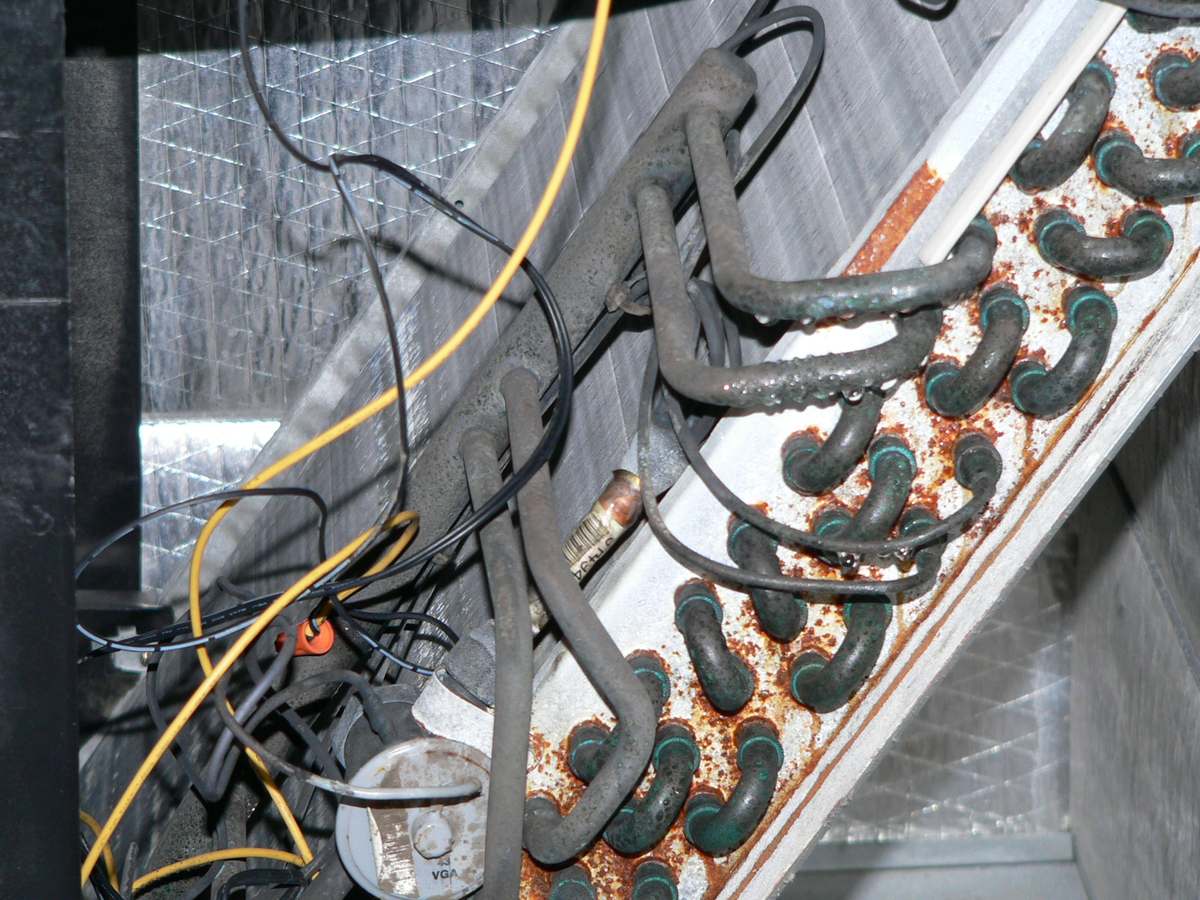
Cleanup and the HVAC Repair: Two Halves of One Fix
Our scope is the water and the structure: extraction where water pooled, moisture mapping across ceilings, walls, insulation, and floors around the unit, drying to readings, and antimicrobial treatment where condensate sat against porous materials. The system itself, clearing or replacing the drain line, repairing the pan, correcting the coil freeze cause, and installing or testing the safety switch, belongs to an HVAC technician, and the two visits should be sequenced close together: there is little value in drying a ceiling under a drain that will clog again next week.
The dispatcher will ask about your unit location, whether a secondary pan or switch exists, and whether the system is still running, because a unit actively overflowing should be shut off at the thermostat until the drain is addressed. That single step, taken on the phone call, is often what keeps an HVAC leak a one room drying job instead of a two room one.
How the Cleanup Proceeds, Step by Step
1. Call and unit triage
The dispatcher asks where the air handler sits, whether the system is running, and what stains or drips you have found, and advises shutting the unit off if overflow is active.
2. Moisture mapping around the unit
Ceilings, walls, insulation, and floors around the air handler are read, including rooms below attic units, defining the real footprint of the condensate overflow.
3. Extraction and material assessment
Pooled water is extracted, saturated insulation and failed drywall sections are identified by readings, and cleanable materials are separated from removal.
4. Drying and antimicrobial treatment
Airflow and dehumidification dry the assembly to verified standards, with antimicrobial application on surfaces where condensate lingered.
5. HVAC handoff summary
You receive the findings the HVAC technician needs: drain and pan condition as observed, overflow pattern, and whether the evidence suggests a freeze event or a simple clog.
The Safety Switch Conversation Every Tulsa Homeowner Should Have Once
A float switch costs little, installs on the pan or drain line, and shuts the system down when water rises where it should not. Paired with a maintained secondary pan on attic units, it is the difference between this page being a service anecdote and a restoration project. If your system lacks one, the HVAC visit after cleanup is the moment to add it, along with a drain flush and a pan inspection that become part of seasonal service. In Tulsa humidity, condensate management is not an accessory to air conditioning; it is half the system.
Dealing with this in Tulsa right now?
Call (918) 578-1166 and a local dispatcher will talk through what happened, whether the water is still spreading, and the safest next step for your home or business in Tulsa County.
Process Steps That Fix This Damage
HVAC water work depends on finding the full footprint and drying the assembly. These process pages explain the mapping and drying steps around the air handler.



Main Water Damage Services in Tulsa
Every cause on this site is handled inside the same full restoration sequence. These pages cover the emergency, residential, and commercial services that frame the response.


Other Causes of Water Damage in Tulsa

Return to the water damage restoration Tulsa OK home page for the full process, cause, mold, and insurance pages, or start with emergency water damage restoration if water is active right now.
Frequently Asked Questions
Why is my AC leaking water?
An air conditioner is a dehumidifier by design: warm Tulsa air passes over a cold coil, and the moisture it drops has to drain away through a condensate line. When that line clogs with algae and debris, the water backs into the drain pan and overflows at the air handler. Other causes include a cracked or rusted drain pan, a coil that freezes from low refrigerant or poor airflow and then melts a surge of water the drain cannot handle, and a condensate pump that fails in installations where the drain must be pumped uphill. In an attic, every one of these becomes a ceiling event; in a closet unit, a floor and wall event.
How does HVAC cause water damage?
Slowly, and from inside the structure, which is why it is discovered late. A clogged condensate drain can overflow for weeks of cooling season, wetting the platform, duct connections, insulation, and the ceiling or floor around the unit a little more each day the system runs. Because the leak follows the cooling schedule, homeowners often notice it as a stain that grows in summer and pauses in winter, or as musty odor near vents when the system starts. By discovery, the damage commonly includes saturated insulation, wet drywall, and mold on nearby surfaces, which is why HVAC water calls include moisture mapping around the unit, not just a drain clearing.
How do I prevent condensate line clogs?
The line needs a small amount of scheduled attention. Have the condensate drain flushed and the pan inspected as part of seasonal HVAC service, keep the area around the air handler clean so debris is not drawn in, and know whether your system has a float switch or safety switch that shuts the unit down on overflow, and have one installed if it does not. That switch is the cheapest protection in this category: it converts a clog from a ceiling repair into a service call. Between services, a unit that stops cooling with water in the pan is telling you the drain is the first suspect.
Is the water from my AC unit clean?
Condensate starts as distilled water condensed from indoor air, but by the time it overflows it has sat in a pan and line that support algae and bacterial growth, and it has crossed insulation, duct liner, and ceiling materials. Cleanup treats overflow water and the surfaces it wet with appropriate care, including antimicrobial treatment where water lingered on porous material. The practical point for homeowners: do not ignore a pan of standing condensate as harmless water, and keep children and pets away from overflow areas until they are cleaned and dried.
One call starts the cleanup.
Talk to a local Tulsa dispatcher now. You will get clear next steps, a real arrival plan, and documentation from the first visit.