Tulsa, OK - 24/7 Emergency Service
Appliance Leak Water Damage Tulsa OK
Dishwashers, ice makers, softeners, and humidifiers leak the way Tulsa homeowners discover last: slowly, under and behind, into floors and cabinets. We find the footprint and dry what the drip built.
- Under-appliance moisture investigation
- Cabinet, subfloor, and flooring readings
- Supply line and connection documentation
- Drying for kitchens, laundry areas, and utility spaces
The source decides the cleanup. Clean supply water, a leaking appliance, and sewage each need a different protocol, and the wrong one makes things worse.
The Slow Leak Category: Damage by Duration, Not Drama
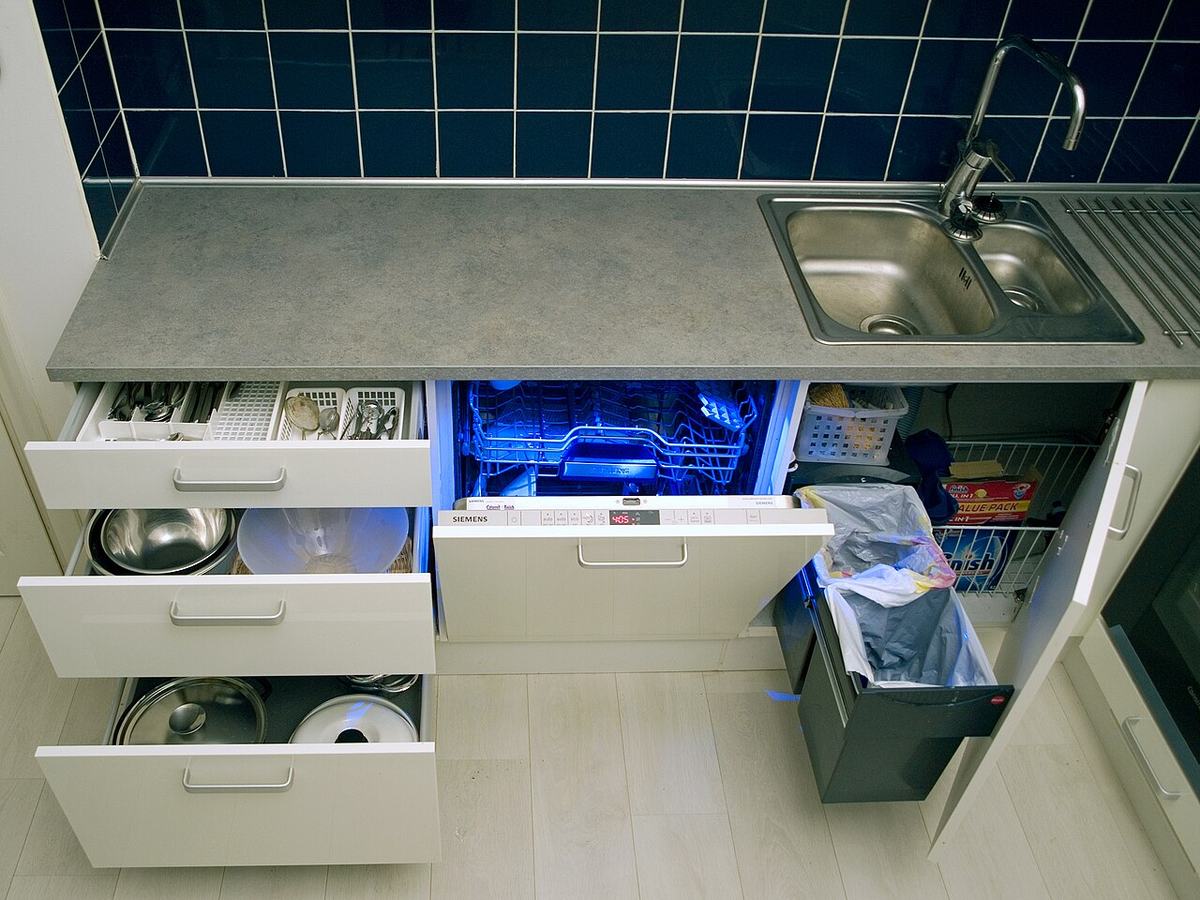
Appliance leaks are the tortoises of water damage. A dishwasher inlet valve that weeps a cup a cycle, an ice maker line with a pinhole misting behind the refrigerator, a water softener drain that seeps at its connection: none of them announce themselves, and all of them deliver water to the same unventilated places, under appliances, inside cabinet bases, across subfloor, for weeks to months. The first evidence is a floor that changes: hardwood cupping near the dishwasher, vinyl lifting by the fridge, a cabinet floor that feels soft under the sink, a musty smell in a kitchen that is visibly clean.
Because the volumes are small, homeowners reasonably hesitate, and because the sources are hidden, the moisture footprint is usually several times larger than the visible symptom when it is finally mapped. That asymmetry, small cause, large footprint, defines the professional response: find the source precisely, map the moisture completely, and dry or open exactly what the readings indict.
Dishwashers, Ice Makers, Softeners, and Humidifiers: The Usual Suspects
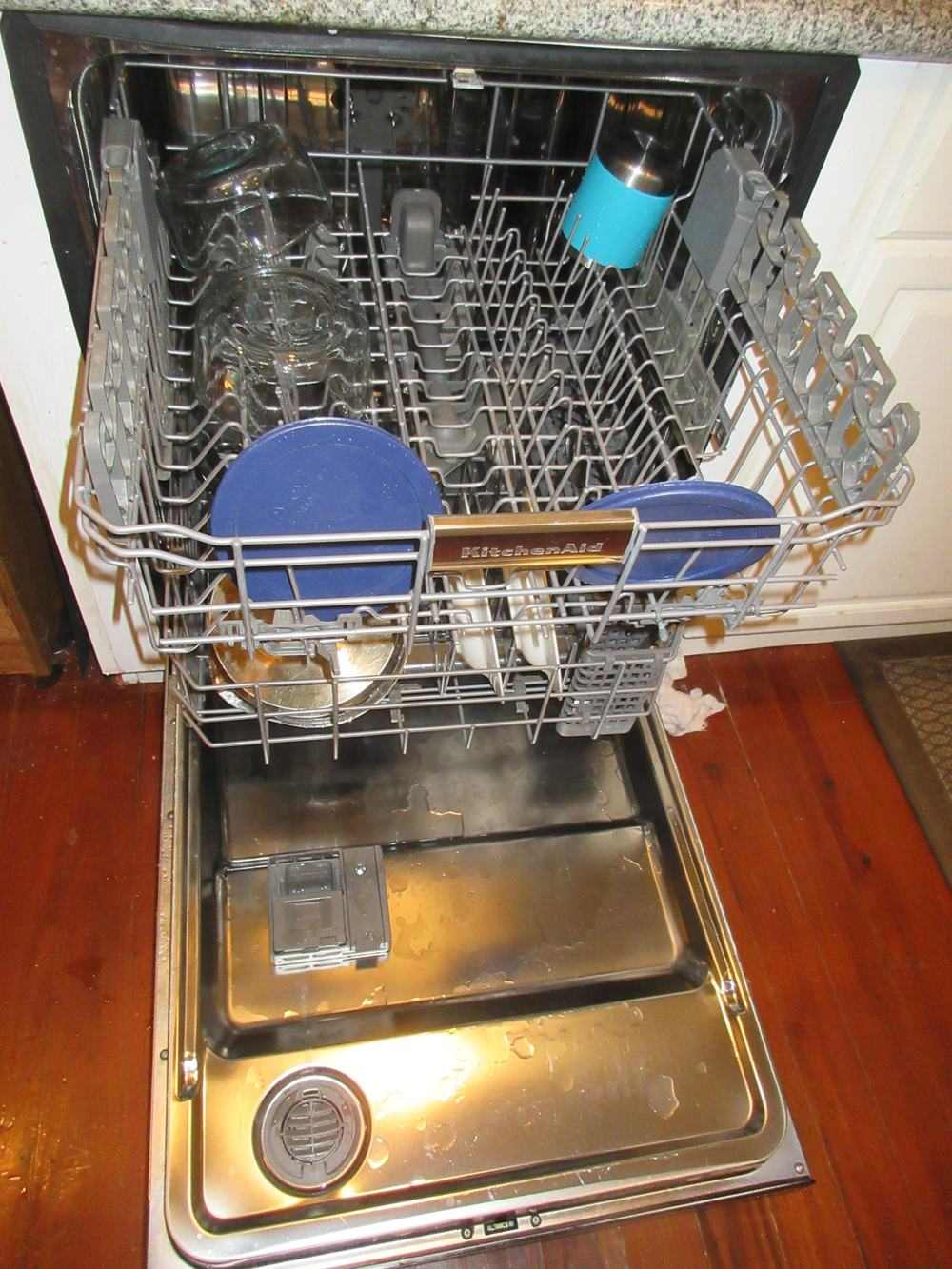
The dishwasher leaks at its inlet valve, its door seal, and its drain connection, and nearly all of its water goes under the unit, where the toe kick hides it and the subfloor drinks it. Adjacent cabinets wick from the shared floor, and in homes with a basement or crawl space below, the ceiling or joists under the kitchen tell the story first. The refrigerator ice maker line is the second classic: thin tubing, often run long distances, that splits with age or pulls from its fitting when the fridge is moved for cleaning, misting or dripping behind an appliance that is almost never moved again.
Water softeners leak at brine tanks, drain lines, and valve connections, usually in garages and utility rooms where the damage spreads across slab into stored items and wall bases. Whole-house humidifiers, plumbed into supply lines near the furnace, leak at saddle valves and drain lines into duct areas and ceilings. Each appliance has its own failure points, but the assessment is the same: isolate the source, read the floors and cabinets around it, and check below, because gravity edits every one of these stories.
What Cleanup Covers: Source Isolation, Footprint, and Drying Under Things
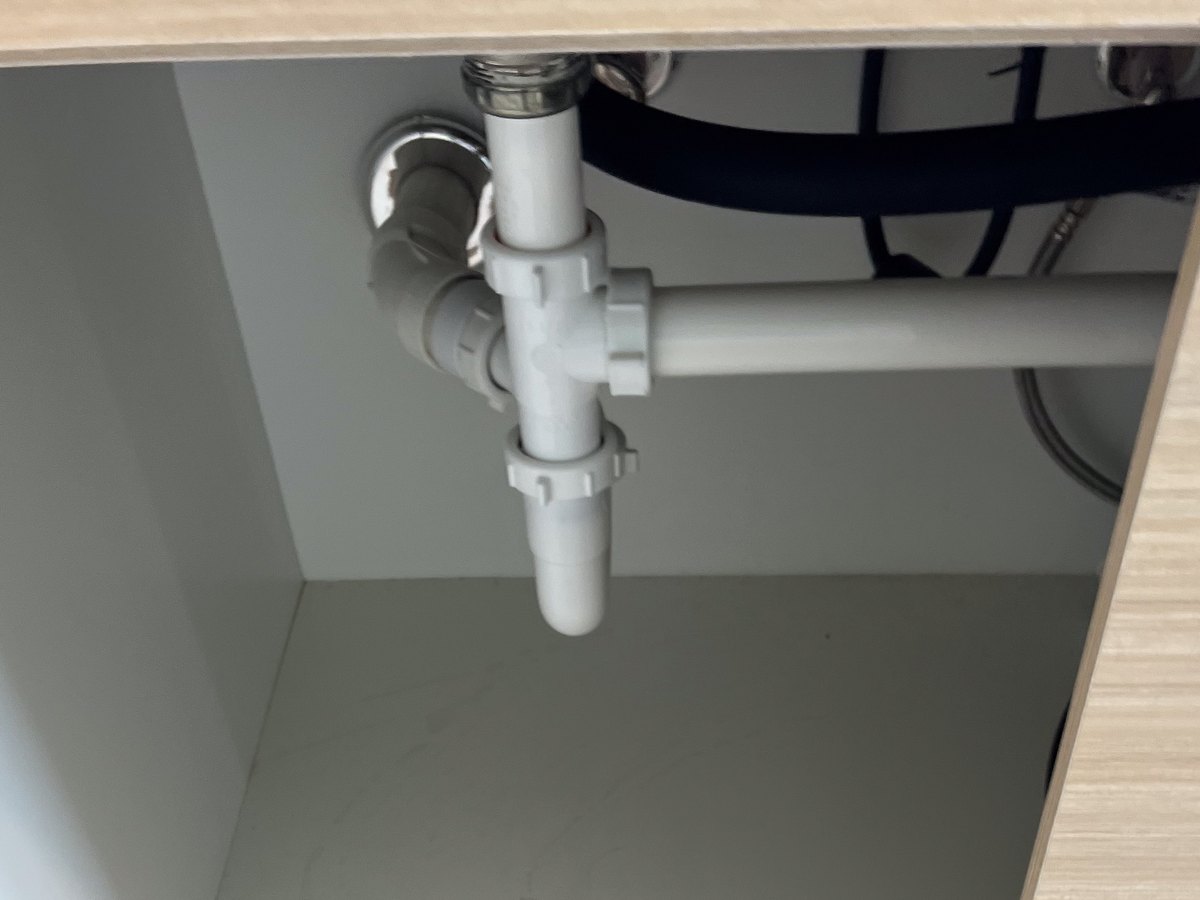
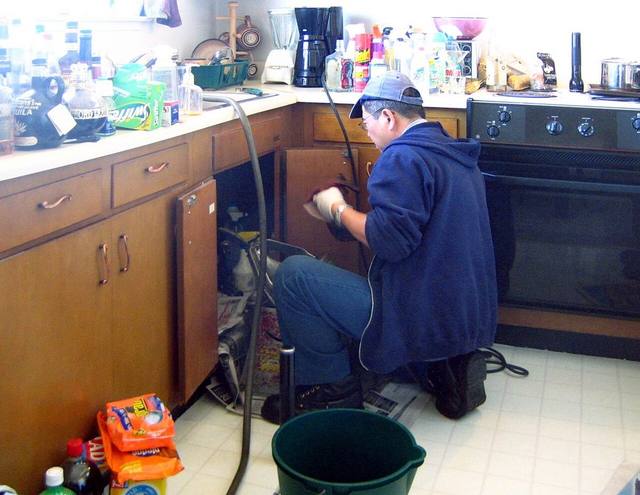
The visit starts by stopping the water: the appliance supply valve, usually under the sink or behind the unit, or the house main if the local valve has failed, which is common on older installations. With the source off, moisture mapping covers the floor system around the appliance, the cabinet bases beside it, and the space below where access exists. Appliances may need to be pulled to read and dry behind them, and that is arranged carefully, because dragging a fridge across a wet, swollen floor adds damage; the goal is access with the floor protected.
Drying under fixed elements is the craft of this category. Cabinet bases trap moisture against subfloor; toe kick access and directed air handle many, while saturated cabinet floors that have lost integrity are removed in section. Flooring decisions follow the material and the readings: hardwood dried at controlled rates, sheet vinyl that has trapped water against the subfloor often lifted at the affected area so the wood below can actually dry. Antimicrobial treatment addresses the long damp under-appliance environment where mold establishes early and smells announce late.
How the Cleanup Proceeds, Step by Step
1. Call and source triage
The dispatcher asks which appliance is suspected, what the floor is doing, and whether there is space below, then guides shutting the appliance supply valve.
2. Moisture mapping of floors and cabinets
Readings cover the floor around and in front of the appliance, cabinet bases, wall bases, and the ceiling or joists below, defining the real footprint of the slow leak.
3. Appliance access and source confirmation
Where needed, the appliance is carefully moved or its panels opened so the leaking connection is identified and documented for the repair.
4. Extraction and targeted opening
Any pooled water is extracted. Saturated cabinet floors or flooring sections that block drying are removed in measured sections along the moisture map.
5. Drying and antimicrobial treatment
Directed air and dehumidification dry subfloor, cabinets, and framing to verified standards, with treatment where long damp has supported growth.
6. Prevention summary
You receive the source findings and readings, plus the specific prevention upgrades for your appliances: line materials, valves, pans, and alarms.
The Monthly Five Minutes: A Tulsa Appliance Leak Checklist
This category is the most preventable on the site, and the prevention is a habit rather than a purchase. Monthly, run a hand under sink supply connections and across cabinet floors feeling for damp. Look at the floor edges at the dishwasher and refrigerator for the earliest swelling or discoloration. Check the water heater pan and the floor at the softener. Twice a year, move the refrigerator enough to see behind it, and look at the ice maker line along its whole visible run. Every finding of damp is a leak at its cheapest moment.
The upgrades that matter are equally modest: braided stainless supply lines where rubber lives today, quarter turn ball valves that actually work when you need them, drain pans under dishwashers and heaters in finished areas, and inexpensive water alarms at each appliance. Together they convert the slow leak category from a flooring replacement into a notification on your phone.
Dealing with this in Tulsa right now?
Call (918) 578-1166 and a local dispatcher will talk through what happened, whether the water is still spreading, and the safest next step for your home or business in Tulsa County.
Process Steps That Fix This Damage
Slow leak work is measurement work: map the hidden footprint, dry the floor system, and verify. These process pages explain the detection and drying steps in detail.

Main Water Damage Services in Tulsa
Every cause on this site is handled inside the same full restoration sequence. These pages cover the emergency, residential, and commercial services that frame the response.

Other Causes of Water Damage in Tulsa
Return to the water damage restoration Tulsa OK home page for the full process, cause, mold, and insurance pages, or start with emergency water damage restoration if water is active right now.
Frequently Asked Questions
Which appliance causes the most water damage?
By frequency and severity combined, the washing machine leads, because of its pressurized hoses and unattended operation, and it has its own page on this site. Among the rest, dishwasher leaks are the most quietly destructive, because they leak under the unit where nobody looks, wetting subfloor and cabinets for months. Refrigerator ice maker lines follow, with small plastic or copper lines that split or pull loose and mist water behind the fridge long enough to ruin flooring and the wall behind. Water heaters, covered on their own page, remain the largest single appliance volume. The shared trait of the whole list: the damage is done by duration, not drama.
How do I prevent appliance leaks?
Inspect what you can reach on a schedule. Look under the kitchen sink and behind accessible appliance panels for dampness, staining, and corrosion at connections. Replace rubber washer hoses with braided stainless and any supply line that is cracked, bulging, or past its years. Keep refrigerator ice maker lines in good material with slack for moving the fridge, and check the dishwasher area floor edges for swelling or discoloration, the earliest visible sign of its leaks. Water alarms placed at the dishwasher, fridge, washer, and water heater turn the leaks you cannot see into alerts while they are still small.
What should I check monthly?
A five minute circuit covers most of this category. Under every sink: dry cabinet floor, dry supply connections, no musty smell. At the dishwasher: floor edges in front and at the sides for swelling, softness, or lifting. Behind and beside the refrigerator, as far as you can see: dry floor, no warped baseboard. At the water softener and humidifier: dry brine area and drain connections. At the water heater: a dry pan and floor. Any damp finding is a same week investigation, because monthly checks only pay if the findings are acted on while the leak is still a drip.
My kitchen floor is buckling near the dishwasher but I see no water. What is happening?
That is the dishwasher signature: the leak is under the unit, invisible from the front, and the floor is reporting it. Water from a leaking inlet valve, door seal, or drain connection spreads across the subfloor under the dishwasher and the cabinets beside it, and the finished floor above buckles, cups, or softens as the subfloor swells. By the time flooring moves, the leak has usually run for weeks. The response is to stop using the dishwasher, check the subfloor and cabinets with moisture readings from the front and any basement or crawl access below, and expect the unit to be pulled for inspection. Surface dryness at the front edge proves nothing either way.
One call starts the cleanup.
Talk to a local Tulsa dispatcher now. You will get clear next steps, a real arrival plan, and documentation from the first visit.