Tulsa, OK - 24/7 Emergency Service
Odor Removal After Water Damage Tulsa OK
Musty odor after water damage is a symptom with a source: damp material feeding microbial growth somewhere you cannot see. Real odor removal finds that source, eliminates it, and only then treats the air.
- Odor source identification with moisture instruments
- Source removal and cleaning before any air treatment
- Hydroxyl generators safe for occupied homes
- Ozone and thermal fogging where the space allows
Each step protects the next one. Rush or skip a step, and the water you cannot see stays behind to feed mold and swell framing.

What That Musty Smell Actually Is: MVOCs and Hidden Moisture
The smell homeowners describe as musty, earthy, or like a damp basement has a chemical identity. As mold and bacteria colonize wet building materials, they release microbial volatile organic compounds, MVOCs, as part of their metabolism. Different growth produces different blends, which is why a wet crawl space, a soaked carpet pad, and a moldy wall cavity each smell slightly different while all reading unmistakably as water damage to anyone who has lived through a loss. MVOCs pass through drywall and flooring from cavities behind them, so the room that smells strongest is not always the room where the growth is, a fact that shapes how odor investigations are run.
The critical point is diagnostic. Odor after water damage is the one finding that should never be treated as purely cosmetic, because it reliably signals one of three conditions: material that is still wet, growth that established while material was wet, or porous contents, carpet pad, upholstery, insulation, that absorbed contamination and were never properly cleaned or removed. In Tulsa, summer humidity can reactivate borderline cases, which is why some homes smell fine in January and musty again in July. Any odor plan that starts with a fragrance product instead of a moisture meter is treating the messenger and ignoring the message.
Source Identification: Finding What the Nose Already Knows
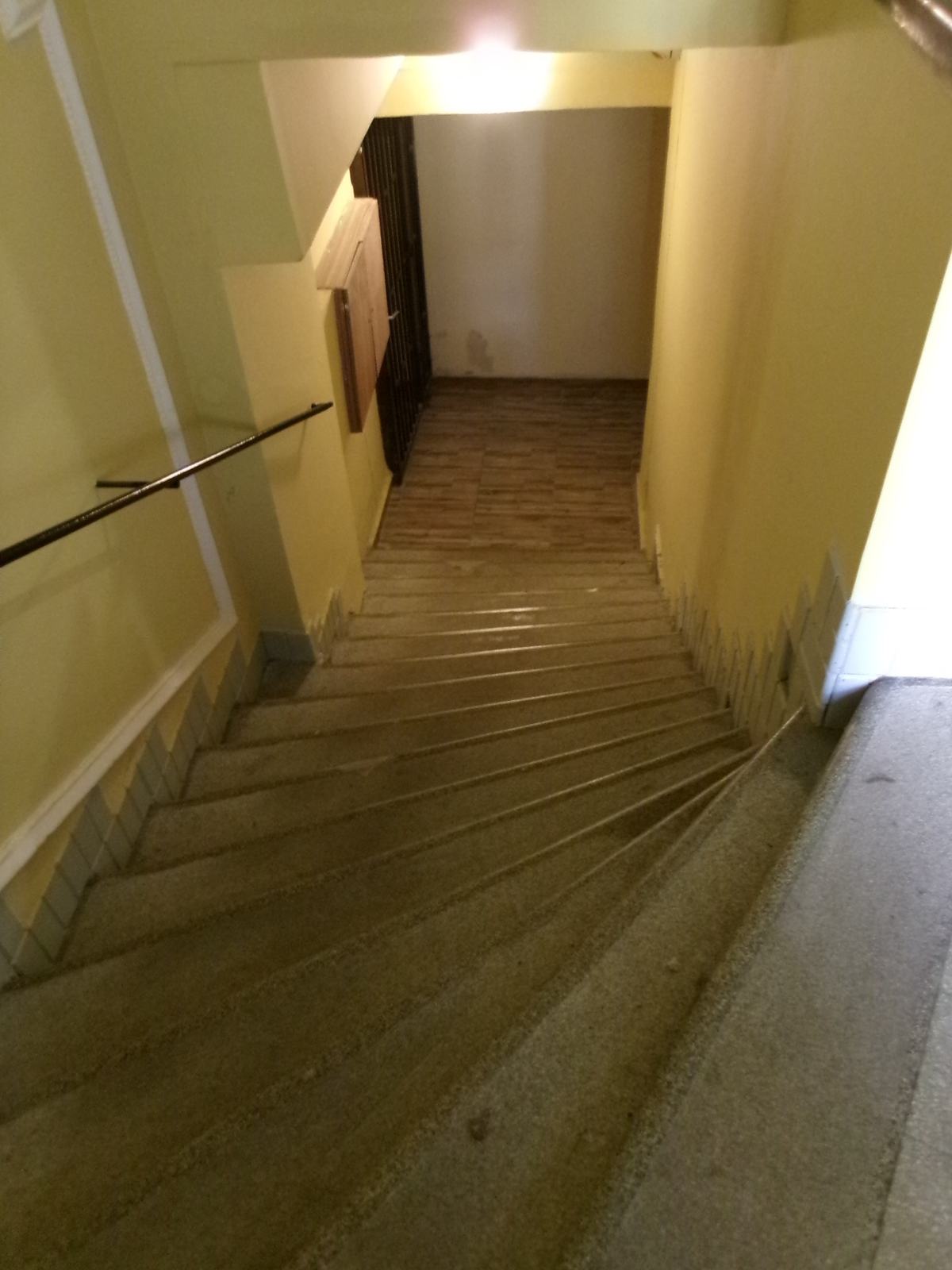
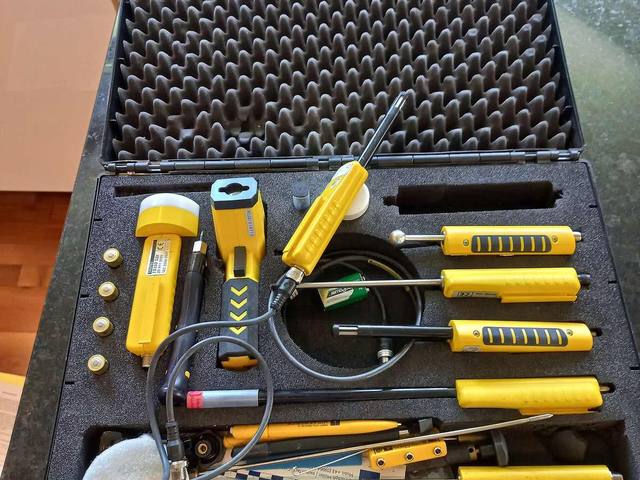
Odor source identification combines the oldest instrument in the trade, a trained nose working room by room, with the moisture mapping toolkit described elsewhere on this site. Technicians compare odor intensity across rooms, closets, and cabinets, then scan the suspect assemblies with penetrating and non-penetrating meters and infrared imaging. Common Tulsa sources repeat themselves: carpet pad that was dried from the top only, the bottom plate and insulation of a wall that wicked a slab leak, a crawl space whose joists stayed damp under a repaired bathroom, and HVAC components, because a wet coil or contaminated duct liner can distribute odor through every register in the house.
The Treatment Technologies: Hydroxyl, Thermal Fogging, and Ozone
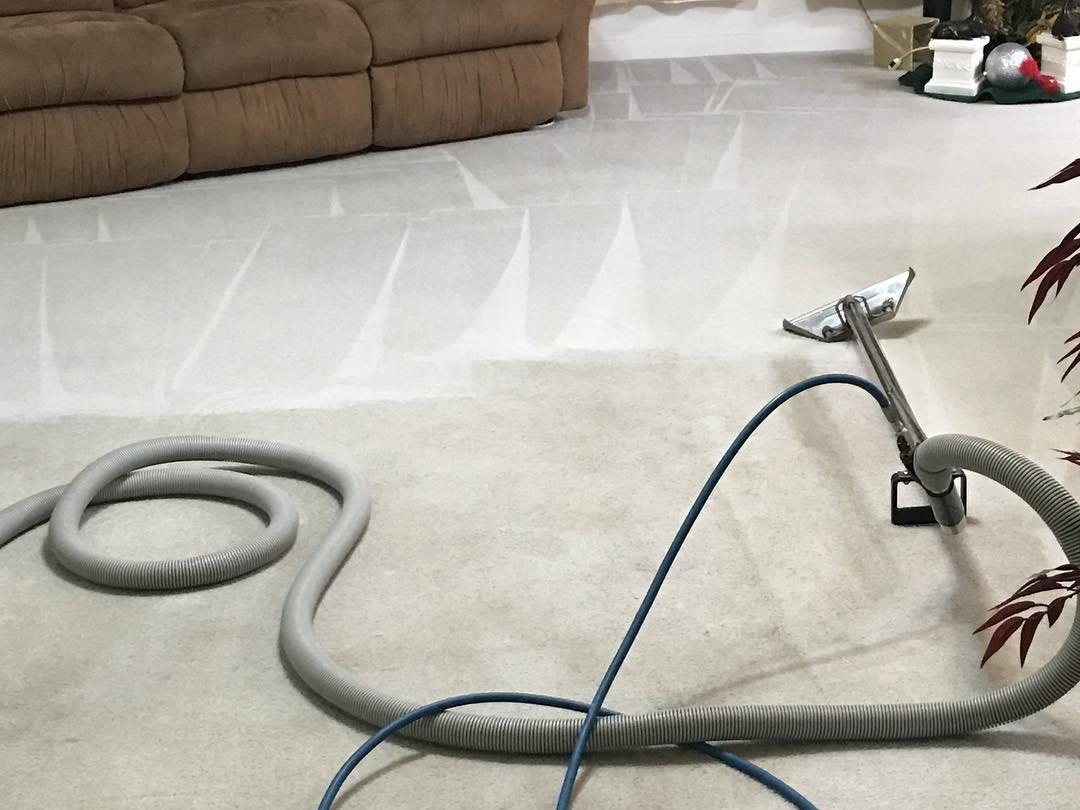
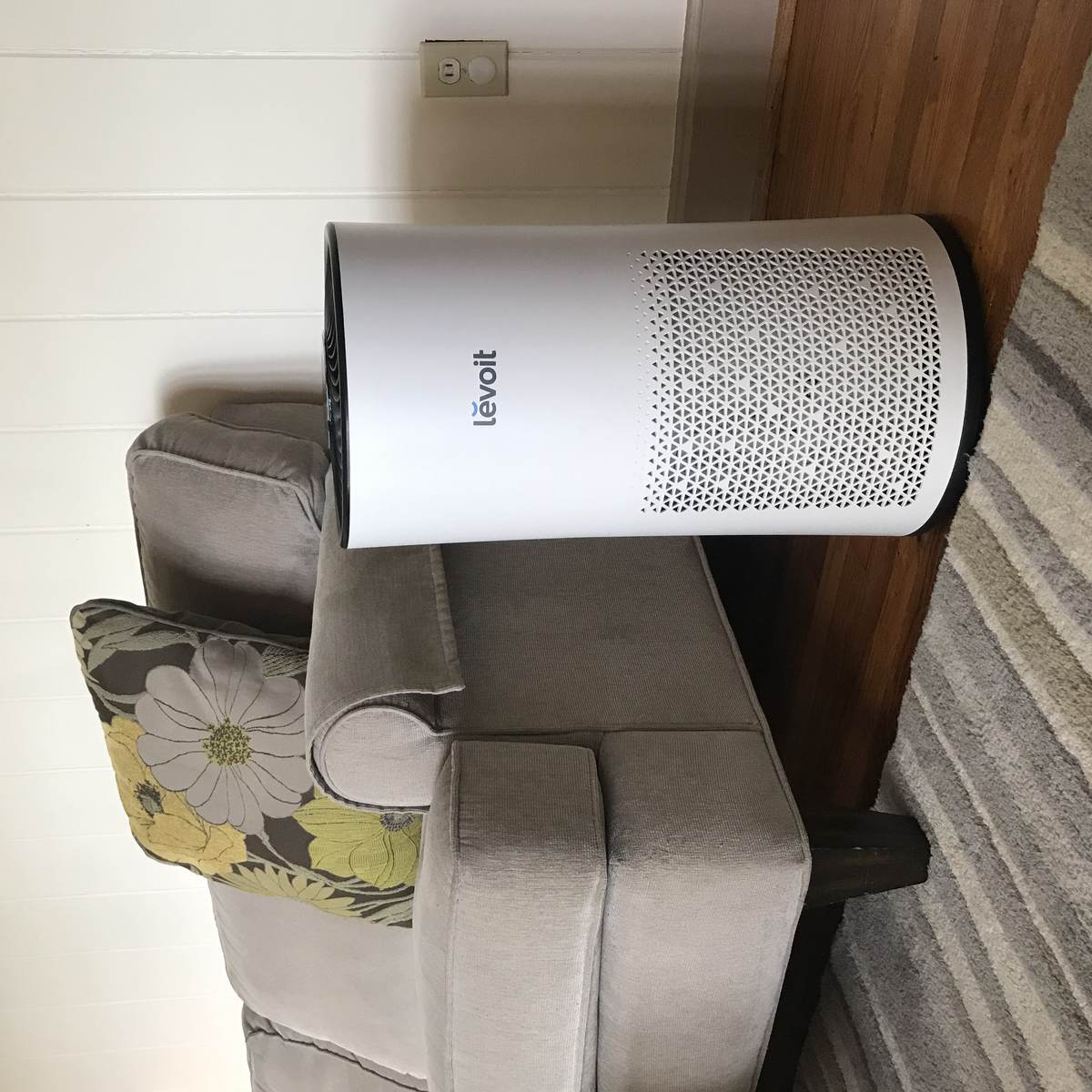
Hydroxyl generators produce hydroxyl radicals, the same compounds sunlight creates in outdoor air, which break down odor molecules and many airborne contaminants continuously and safely in occupied spaces. They are the residential workhorse: a family can remain in the home, treatment runs for one to several days alongside or after drying, and the effect is genuine neutralization rather than masking. Because hydroxyl output is gentle, heavily saturated sources must still be removed first; the technology finishes air and light surface odor, it does not digest a moldy wall.
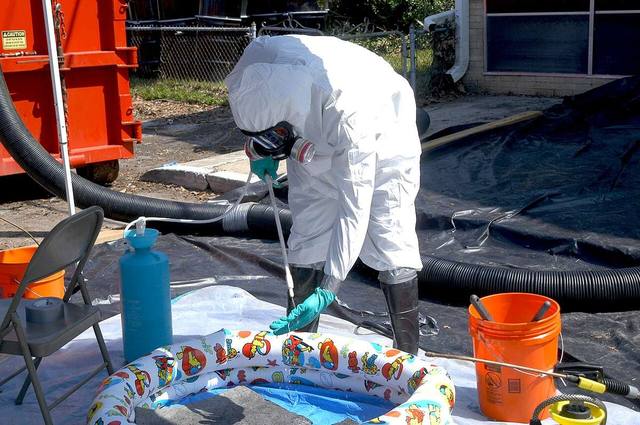
Thermal fogging heats a treatment solution into a dry fog whose particles are sized like the smoke and moisture particles that originally penetrated porous materials, so it reaches into the same cracks, fabrics, and cavities the odor came from, pairing especially well after source cleaning in empty rooms and for contents. Ozone treatment is the heavy option: ozone oxidizes odor compounds aggressively, including in soft goods and cavities, but it is toxic to breathe and hard on rubber and some materials, so it is run only in sealed, unoccupied spaces with controlled re-entry. A professional will match the technology to your home, your occupancy, and the source findings, and explain the choice. A single technology offered for every house is a sales script, not an assessment.
How the Work Proceeds, Step by Step
1. Odor survey and moisture mapping
Rooms and assemblies are compared by odor intensity, then scanned with meters and infrared to locate the damp or contaminated material producing the smell.
2. Source elimination
The producing material is dried to verified readings, cleaned, or removed where it cannot be restored, including pad, insulation, or affected contents.
3. Surface cleaning and treatment
Remaining surfaces in the affected area are cleaned, and antimicrobial treatment is applied where the findings call for it.
4. Air and pore treatment
Hydroxyl generation, thermal fogging, or ozone is applied according to occupancy and severity, for the duration the space and source require.
5. Verification visit
The home is rechecked after treatment, ideally across a warm part of the day when odor would show itself, and any returning source is investigated rather than re-masked.
Keeping the Smell From Coming Back
Lasting odor control is maintenance, not fragrance. Keep indoor humidity in a moderate range through Green Country summers, run bathroom and kitchen exhaust during and after use, and treat any new plumbing drip, however small, as a same week repair rather than a someday item. After any future water event, insist on the same discipline this page describes: extraction, a moisture map, verified dry readings before anything is closed, and a final walkthrough on a warm afternoon, when returning odor would announce itself. A house that stays dry does not smell musty, and a house that smells musty is telling you where to look next.
Need this step handled in Tulsa right now?
Call (918) 578-1166 and a local dispatcher will talk through your situation, the water source, and the safest next step for your home or business in Tulsa County.
Causes That Commonly Need This Service
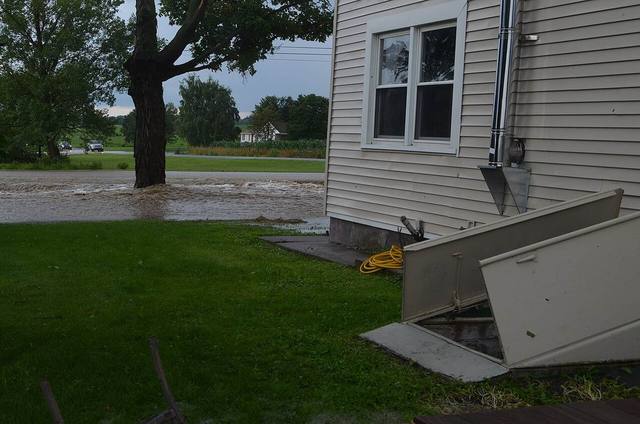
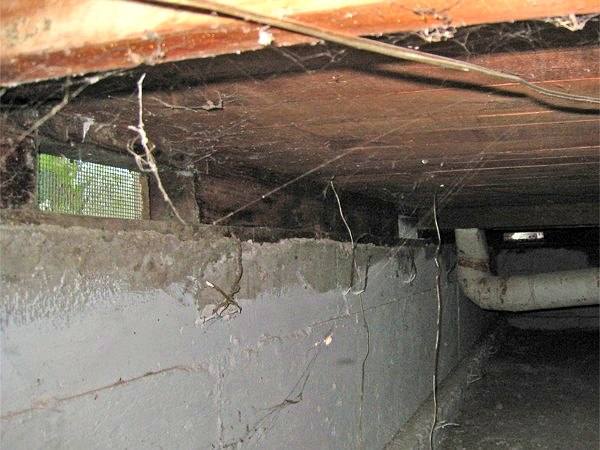
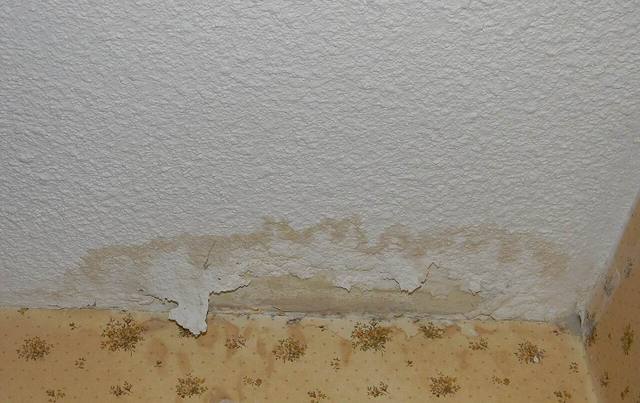
Odor lingers longest after these Tulsa causes, where moisture hides in crawl spaces, wall cavities, and porous materials long after the visible water is gone.
Main Water Damage Services in Tulsa
This process step sits inside a full restoration sequence. These pages cover the emergency, residential, and commercial services it supports.

Other Steps in the Restoration Process
Return to the water damage restoration Tulsa OK home page for the full process, cause, mold, and insurance pages, or start with emergency water damage restoration if water is active right now.
Frequently Asked Questions
Why does my house smell musty after water damage?
That musty smell is usually MVOCs, microbial volatile organic compounds, gases given off by mold and bacteria as they grow and feed on damp drywall paper, wood, carpet backing, and dust. In plain terms, if a house smells musty after a water loss, something in it is still wet enough to support microbial growth, or growth that started while it was wet is still present in a cavity, under a floor, or inside soft materials. The smell is information, not just a nuisance: it is the building reporting concealed moisture that surface drying missed.
How do you remove water damage odor permanently?
By removing its source, then treating the air and surfaces. The sequence is: find and dry or remove the damp, contaminated material producing the odor, clean affected surfaces, then apply the right air treatment for the space, hydroxyl generation for occupied areas, thermal fogging to reach the same pores odor penetrated, or ozone in unoccupied, sealed spaces. Fragrance products and consumer sprays only mask odor for hours, because the source keeps producing it. A home that has been properly dried and source cleaned usually needs only light finishing treatment for the smell to be gone for good.
Is ozone treatment safe, and when is it used?
Ozone is a powerful oxidizer that neutralizes odor compounds effectively, and for exactly that reason it is used only in unoccupied, sealed spaces, with people, pets, and plants removed, and the space is aired and verified before re-entry. Hydroxyl generators are the gentler counterpart, safe to run while a home is occupied, and they handle most residential post-drying odor work. Your technician should explain which technology your home needs and why, and any company that wants to run ozone while your family is in the house has disqualified itself.
The smell came back weeks after my floors were replaced. What happened?
Almost certainly, moisture or growth was sealed in during the repair: a wall cavity closed while still damp, a subfloor covered before it reached its dry standard, or a crawl space left wet beneath new flooring. The odor returns because the source was never removed, only hidden. The fix is diagnostic, not cosmetic: moisture mapping of the suspect assemblies, opening the smallest area that confirms the finding, drying or remediating what is inside, and then treating the odor. It is more work than the original job done right, which is why this site insists on verified dry readings before any rebuild.
One call starts the whole process.
Talk to a local Tulsa dispatcher now. You will get clear next steps, a real arrival plan, and documentation from the first visit.