Tulsa, OK - 24/7 Emergency Service
Ceiling and Drywall Water Damage Repair Tulsa OK
Ceiling drywall is where water damage becomes visible, and where it is most often misread. We investigate the source above the stain, dry or cut by readings, and leave a ceiling ready for finish.
- Stain source investigation: roof, plumbing, or HVAC
- Bulge and sag safety assessment
- Cavity, insulation, and framing moisture readings
- Flood cuts and removal only where material failed
The source decides the cleanup. Clean supply water, a leaking appliance, and sewage each need a different protocol, and the wrong one makes things worse.
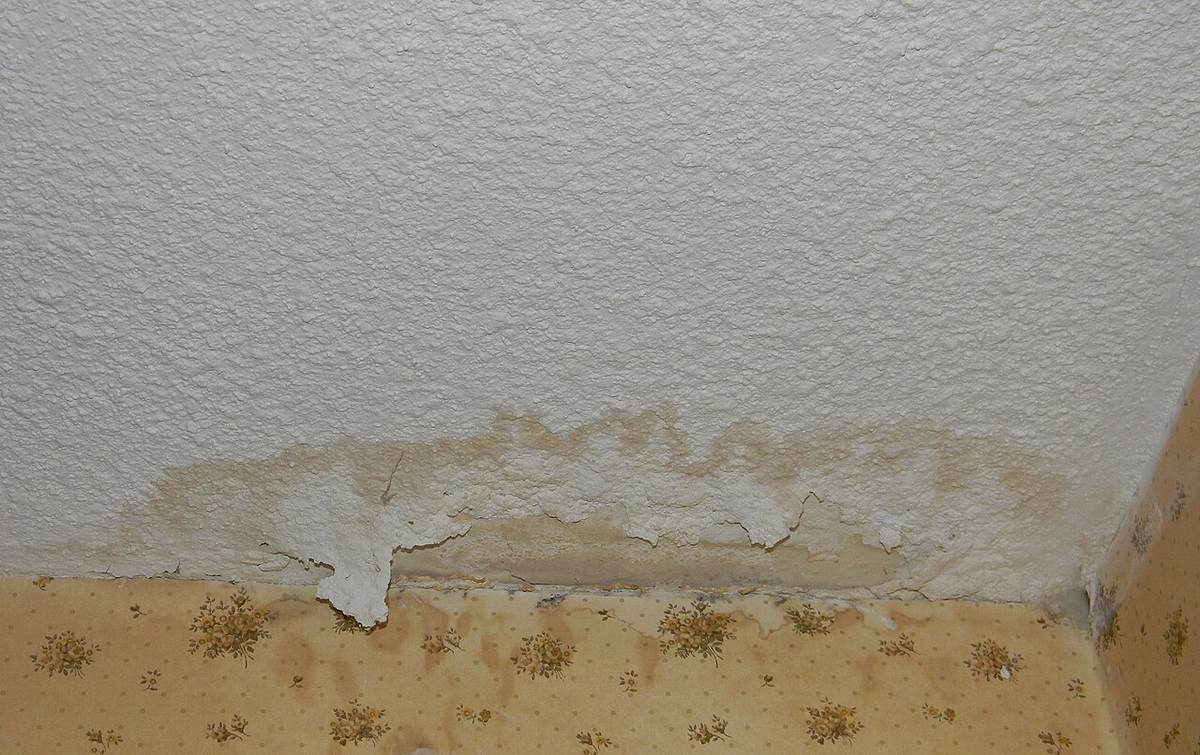
The Stain Is a Symptom: Investigating What Is Above the Ceiling
Every ceiling stain is a report from the space above it, and in Tulsa homes that space holds three usual suspects. Roof leaks enter through the attic. Plumbing leaks drip from the bathrooms, supply lines, and drain lines of the floor above, which in multi-story homes is the majority pattern. HVAC condensate and frozen coil melt add a seasonal suspect in attic air handler homes. The investigation reads the stain location against the floor plan above, checks the moisture pattern with meters and infrared imaging, and where needed inspects the attic or the upstairs fixtures, because the repair is only as good as the source it fixes.
The pattern of the stain itself carries evidence. A ring that grows after rain points up through the roof. A stain that tracks a bathroom schedule points at the plumbing above. A stain centered on a supply line run, growing in dry weather, suggests a pinhole or fitting leak that never stops. Documenting that reasoning, with dated readings, is what keeps a ceiling repair from becoming a recurring appointment with the same brown ring.
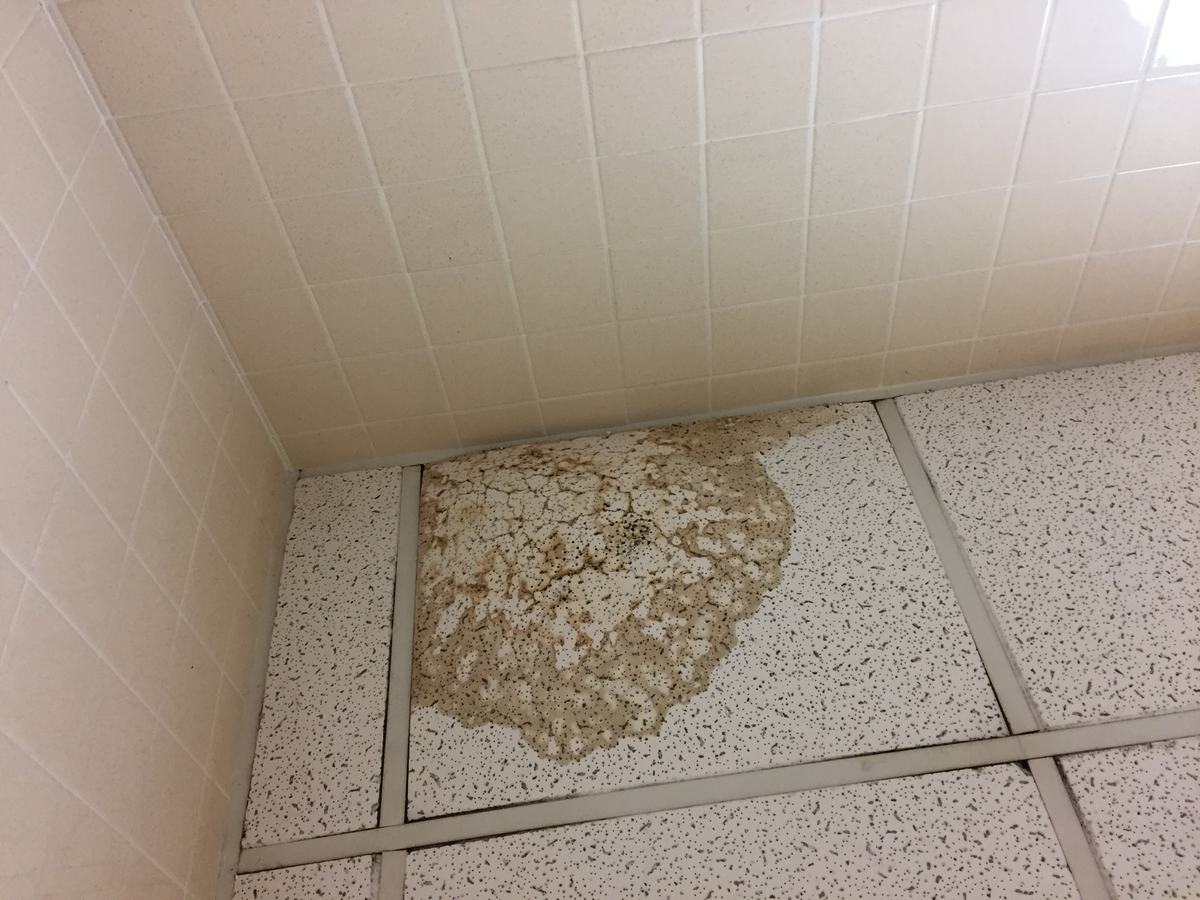
Sagging, Bulging, and Bubbling: Reading the Safety Signs
Wet drywall changes physically as it absorbs water. Paint bubbles and peels as moisture pushes from behind. The board softens, seams open, and where water pools on top of a ceiling, the section sags under the weight, sometimes holding gallons in a belly that looks merely swollen. That pooled water ceiling is the one genuine hazard in this category: waterlogged drywall can release without warning, and the water, board, and insulation arrive together. Rooms under a bulging ceiling stay empty until it is drained in a controlled way or assessed in person.
Short of that extreme, the condition ladder decides the scope. Firm board with surface staining is a drying candidate. Soft board that dents under a fingertip, crumbled edges, and separated seams are replacement sections. Insulation above the ceiling is read at the same time, because saturated insulation both prolongs the drying and, in cellulose, usually ends its useful life. Homeowners get the reasoning per section, with the readings, so the ceiling comes back together once.
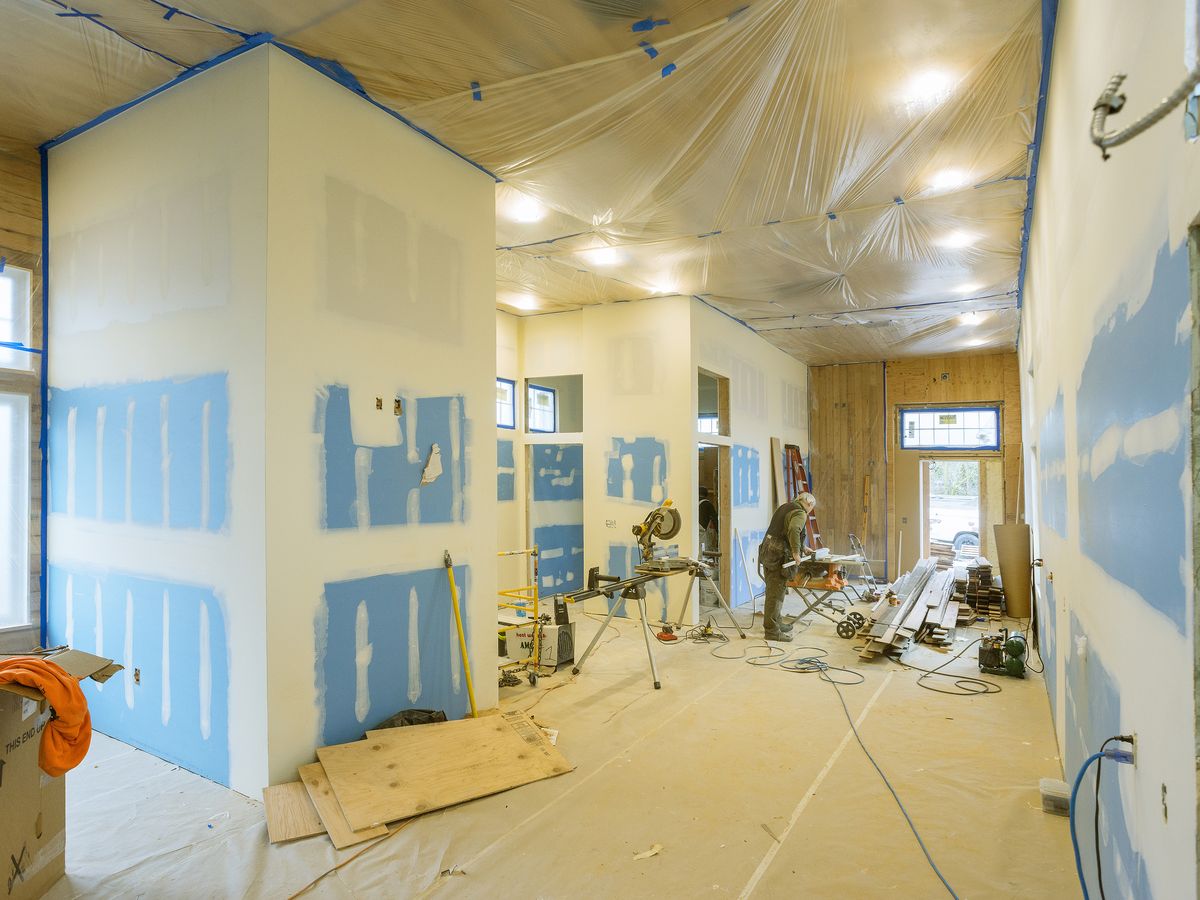
Flood Cuts and Controlled Openings: Why We Cut Where We Cut
Opening a ceiling or wall feels destructive, and on a good job it is the opposite: it is how the cavity behind the finish gets dried and verified instead of sealed wet. Flood cuts remove the lower band of a wall where wicking and readings show the damage concentrates, letting airflow reach the stud bays and insulation. Ceiling sections come down where the board failed or where access is the only way to reach saturated insulation and framing. Openings follow the moisture map in clean lines sized to the evidence, because drywall is cheap to patch and mold in a closed cavity is not cheap at all.
Where readings show the cavity is dry or can be dried through the surface, nothing is cut, and that restraint is also part of the craft. The goal is a verified dry assembly with the least demolition that honesty allows, and a scope the homeowner can audit against the moisture log line by line.
How the Cleanup Proceeds, Step by Step
1. Call and source triage
The dispatcher asks what sits above the stain, whether it changes with rain or fixture use, and whether any section is bulging, then gives safety guidance for sagging areas.
2. Moisture investigation
Meters and infrared imaging read the ceiling, wall tops, and the space above where accessible, and the source is identified or narrowed to a testable suspect.
3. Controlled drainage if pooled
A bulging ceiling is drained through a small puncture into containment, protecting the room below and removing the collapse risk before further work.
4. Drying or measured removal
Sound drywall is dried with directed airflow and dehumidification. Failed sections, saturated insulation, and mold affected material are cut and removed along the moisture map.
5. Framing and cavity verification
Joists, top plates, and cavity materials are read to dry standard, and antimicrobial treatment is applied where moisture lingered.
6. Finish ready handoff
You receive the source findings, readings, and a scope summary the repair trades can work from, so patching and painting happen once, over a dry ceiling.
Drying the Assembly: Drywall, Insulation, and Framing Together
A ceiling is an assembly, and it dries as one or not at all. Airflow across the surface dries the board; the cavity needs its own path, through access points, removed sections, or the attic side, with dehumidification pulling the whole zone to target humidity. Attic insulation that can be dried is monitored in place; saturated batts and matted cellulose are removed and scheduled for replacement after dryness is verified. Framing readings close the job: joists and plates back at the moisture content of unaffected wood is the standard that lets a ceiling be closed with confidence.
In Tulsa summers, humidity management carries the job, because a ceiling dried against muggy Green Country air without dehumidification is a ceiling reabsorbing moisture overnight. Equipment sizing and daily readings account for the season, which is the unglamorous difference between a ceiling that stays repaired and one that stains again by fall.
Dealing with this in Tulsa right now?
Call (918) 578-1166 and a local dispatcher will talk through what happened, whether the water is still spreading, and the safest next step for your home or business in Tulsa County.
Process Steps That Fix This Damage
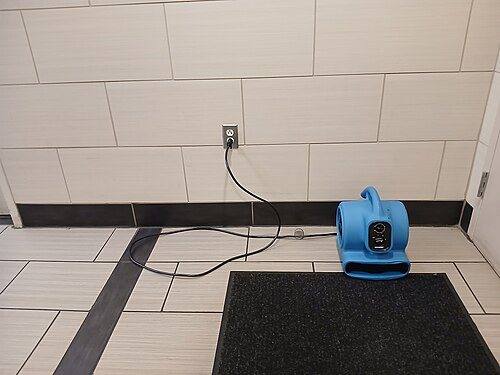
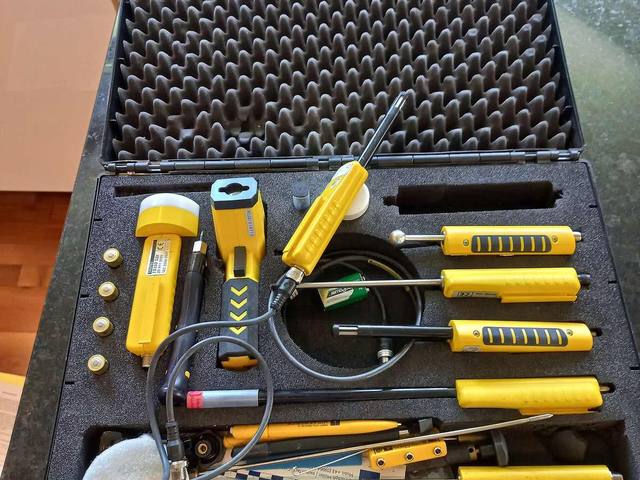
Ceiling work stands on moisture mapping and structural drying. These process pages explain how hidden cavity moisture is found, dried, and verified before finishes go back.




Main Water Damage Services in Tulsa
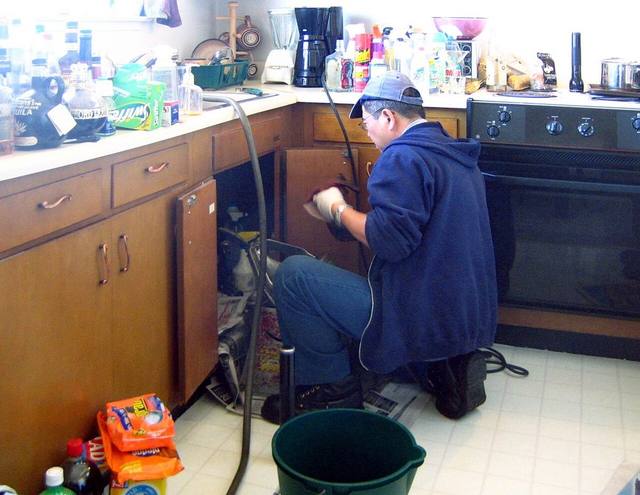
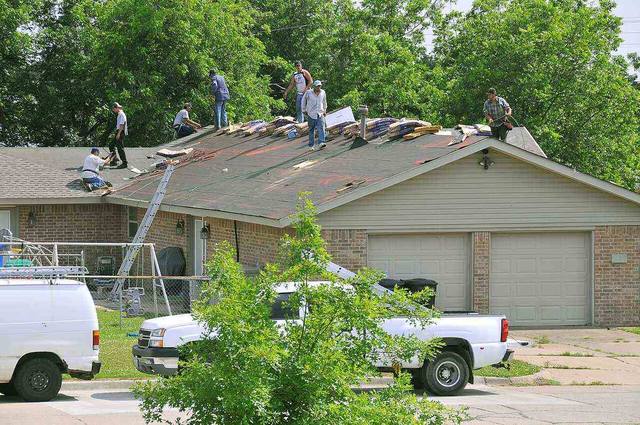
Every cause on this site is handled inside the same full restoration sequence. These pages cover the emergency, residential, and commercial services that frame the response.




Other Causes of Water Damage in Tulsa
Return to the water damage restoration Tulsa OK home page for the full process, cause, mold, and insurance pages, or start with emergency water damage restoration if water is active right now.
Frequently Asked Questions
Is a ceiling stain active or old?
A stain alone cannot date itself, but moisture can. A meter reading on the stained drywall and the material above it answers the question directly: elevated moisture means the source is live or recent; dry readings across several checks mean the event is over and the stain is residue. Supporting clues help: an active leak stain often has a darker, damp center, may grow after rain or fixture use, and can feel cool to the touch, while an old stain is uniform, dry, and unchanged across weeks. Because stains can also reactivate, the source investigation pairs the reading with the question of what sits above that ceiling: roof, bathroom, or HVAC.
Should I poke a hole in a water-bulged ceiling?
A bulging ceiling is holding pooled water, and relieving it in a controlled way is often the right move, because the alternative is the whole waterlogged section coming down on its own schedule with more damage and real injury risk. The careful version: clear the room below, place a large container and plastic sheeting, protect flooring, and puncture at the lowest point of the bulge with a screwdriver so water drains in a stream you control. If the bulge is large, the ceiling is sagging broadly, or you are unsure what is above it, that is a call a professional instead moment, and stay out from under it either way until it is drained and assessed.
Can wet drywall be saved?
Often, yes, when the wetting was clean water, caught reasonably fast, and the board has not lost integrity. Drywall that is dried to standard with directed airflow keeps its strength, and paint and finish can be restored. Drywall is replaced when it has sagged or crumbled, when seams and screw points have failed, when the water was contaminated, or when it stayed wet long enough that mold has established in the paper and cavity behind it. The decision is made per section from readings and condition, which is why a careful scope may dry one half of a ceiling and cut the other. Flood cuts, removing the wet lower section of a wall, follow the same logic.
Why did the stain come back after I painted over it?
Because paint is not a diagnosis. A stain returns when the source still leaks, when the drywall or insulation above was never actually dried and keeps feeding residue to the surface, or when stain blocking primer was skipped and old residue bled through new paint. The first two causes are the common ones in Tulsa calls: a slow roof or plumbing leak continues above a freshly painted ceiling, and the stain is simply the leak reporting back. The correct order is source, dryness verified by meter, then stain blocking primer and paint. Any painterly shortcut ahead of the first two steps is a subscription to repainting.
How long does ceiling drywall take to dry?
A ceiling wetted lightly from above, with insulation that can be dried or briefly moved, may reach dry standard in several days of directed airflow and dehumidification. A saturated ceiling with soaked insulation and framing runs longer, often a week, because the cavity dries at the speed of its slowest material. The number that matters is the reading: drywall and joists compared against unaffected reference areas of the same materials. Equipment is removed when those readings match, which is the only version of done that protects you from mold in the cavity and stains bleeding back through a fresh ceiling.
One call starts the cleanup.
Talk to a local Tulsa dispatcher now. You will get clear next steps, a real arrival plan, and documentation from the first visit.